

PROTECT YOUR DNA WITH QUANTUM TECHNOLOGY
Orgo-Life the new way to the future Advertising by AdpathwayHighlights
At Suncheon Bay, the tide is part of the birding experience. Mudflats slowly appear between the channels, reeds catch the light, and waterbirds move with the changing shoreline. Bring binoculars, choose a public viewpoint, and give the landscape time to unfold: the broad estuary is worth watching even between individual bird encounters.
On South Korea’s southern coast, Suncheon Bay combines broad tidal flats, reed beds and a nationally significant wintering landscape for the Hooded Crane. Birders can explore the managed boardwalk, scan from signed viewpoints and, when open, look out across the S-shaped estuary from Yongsan Observatory. A visit can be rewarding in different seasons: winter cranes and waterfowl, migration-time waders, or the spectacle of reeds and channels in summer.
Key Bird Species and Families
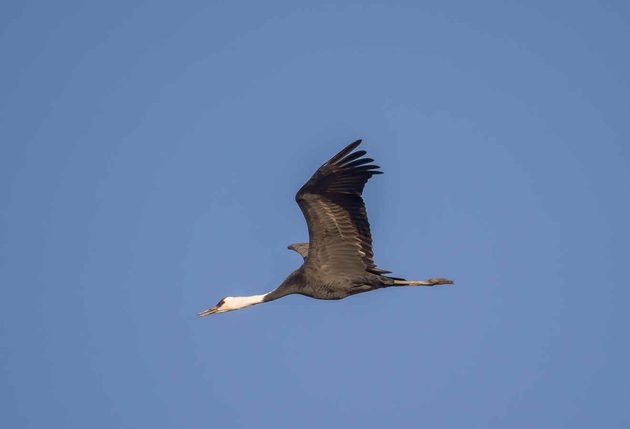
Hooded Crane (Grus monacha). One of Suncheon Bay’s best-known winter visitors. A telescope or binoculars make it possible to appreciate birds across the wider wintering landscape from public viewing areas. The bay’s role as habitat matters even on a day when a particular flock is distant.
Swans and ducks. Whooper Swan (Cygnus cygnus), Common Shelduck (Tadorna tadorna) and other waterfowl are associated with the wetland region. The mix varies with season and conditions, so recent local observations are useful for deciding what to look for.
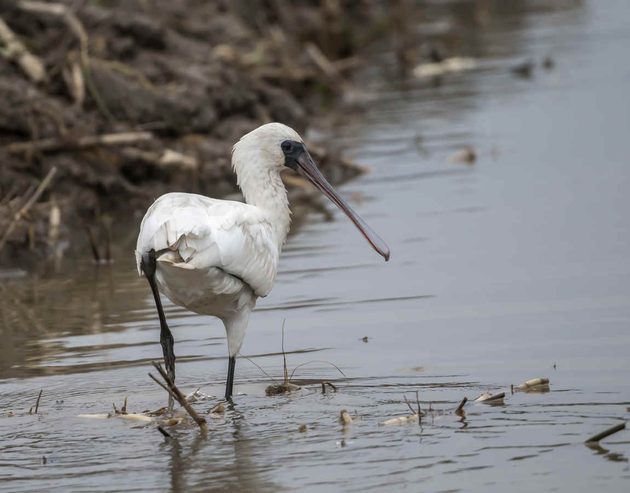
Spoonbills, egrets and other waders. Black-faced Spoonbill (Platalea minor) and Chinese Egret (Egretta eulophotes) appear in Ramsar-related documentation of the broader protected area. These are conservation-context records, not promises of a sighting from the visitor path.
Shorebirds and gulls. At suitable tides, scan mudflat margins and channel edges for feeding birds. Watching the same patch as the water rises or falls is an engaging way to learn how this estuary works.
Best Regions for Birding
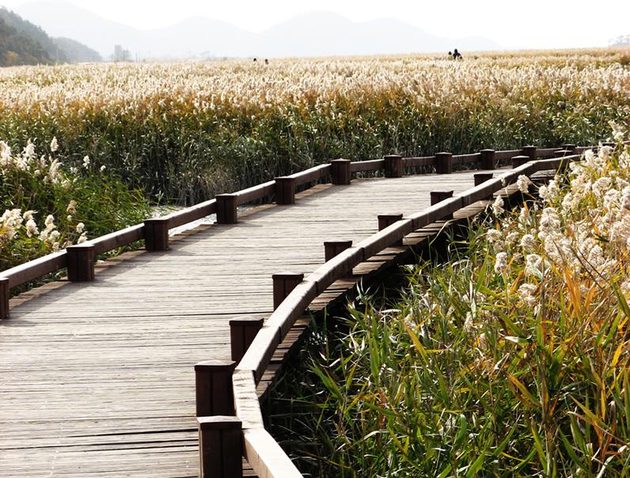
Reed-bed boardwalk. Begin with the signed path through the reeds, giving yourself time at openings where the channel becomes visible. The changing angles of light and vegetation are part of the experience, whether you hear songbirds in the reeds or see waterbirds overhead.
Public tidal-flat viewpoints. From authorised overlooks, watch how waders and waterfowl respond as the water moves across exposed mud. Different tides can make the same view feel like a different place.
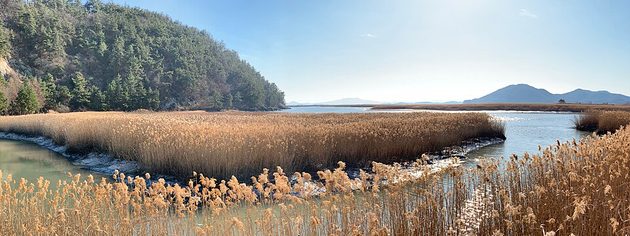
Yongsan Observatory. When the path and observatory are open, the higher viewpoint reveals the striking curves of the estuary beyond the reeds. The panorama is rewarding in its own right and helps put distant bird activity into landscape context.
The wider reserve. The Ramsar site encompasses habitats beyond the visitor infrastructure. Treat its larger conservation map as background to understanding the wetland, while using signed public routes for the outing itself.
Best Birding Season
Winter (roughly November to February). A notable period for Hooded Cranes and winter waterfowl. The golden reeds and open fields can make for memorable landscape birding; consult recent local reports for what is currently being observed.
Spring and autumn. Migration brings the chance to study movement through tidal-flat and estuary habitats. Choosing a viewpoint and allowing the tide to change can be more rewarding than hurrying between stops.
Summer. The green reeds, mudflat patterns and river channels offer a different kind of wetland visit. Dress for heat and humidity, and look for local visitor-programme information.
Birding Trip Suggestion(s)
For a first visit, allow a relaxed half-day. Begin at the reserve’s visitor information point, confirm which signed routes and viewpoints are open, and walk the reed-bed path slowly. Pause to scan the channel and exposed flats. If time and access allow, continue towards Yongsan Observatory for the broad view of the S-shaped estuary.
If you can visit twice, try contrasting tides or seasons. Returning to the same viewpoint can reveal a different rhythm of feeding birds, exposed flats and changing light. A short field notebook adds to the pleasure, while keeping actual sightings distinct from regional checklists.
Practical Tips
Bring binoculars, comfortable walking shoes, water, and a weather layer; a telescope is useful for scanning distant cranes and waterfowl. A longer camera lens lets you photograph the wide wetland and bird activity from established viewpoints without moving closer to feeding flocks.
Check the official reserve website for the day’s opening hours, last ticket sale and access notices. These are different pieces of visitor information and can vary by season or facility. Public transport and return journeys should be checked before setting out. Follow signed routes and give wildlife space.
Use eBird and local reports to explore dated sightings, not as a guaranteed species list for a future visit. KoreAves can help trace broader Korean regional bird records back to their sources, but it does not predict birds present on a particular trail on a particular morning.
Books
- Mark Brazil, Birds of East Asia, offers a regional identification reference for Korea and neighbouring countries.
- Lee Woo-shin, Koo Tae-hoe and Park Jin-young, A Field Guide to the Birds of Korea, provides a Korea-focused foundation; check the taxonomy of older editions against current names.
Links
- Suncheon Bay Wetland Reserve — official visitor information: https://scbay.suncheon.go.kr/wetland/
- VISITKOREA — Suncheonman Bay: https://english.visitkorea.or.kr/svc/contents/contentsView.do?vcontsId=96951
- VISITKOREA — Yongsan Observatory: https://english.visitkorea.or.kr/svc/contents/contentsView.do?vcontsId=68749
- Ramsar Site 1594 — official international site information: https://rsis.ramsar.org/ris/1594
- eBird South Korea — recent occurrence reporting: https://ebird.org/region/KR
- KoreAves — public source-linked bird evidence: https://koreaves.com/
By Jihun Oh
Jihun Oh maintains KoreAves, an independent, noncommercial reference exploring the sources and limits of public South Korean bird records. This profile draws on published conservation and visitor information, not the author’s recent firsthand sightings at Suncheon Bay. Contact: [email protected].
Photo sources:
- https://commons.wikimedia.org/wiki/File:Suncheon6.jpg — Byeonggwan, author-declared public domain (2008)
- https://commons.wikimedia.org/wiki/File:Panorama_of_Reed_fields_in_Suncheon_bay.jpg — Bandoche, author-declared public domain (2009)
- https://commons.wikimedia.org/wiki/File:20181231_Suncheon_Bay_001.jpg — Jjw, CC BY-SA 4.0 (2018), https://creativecommons.org/licenses/by-sa/4.0
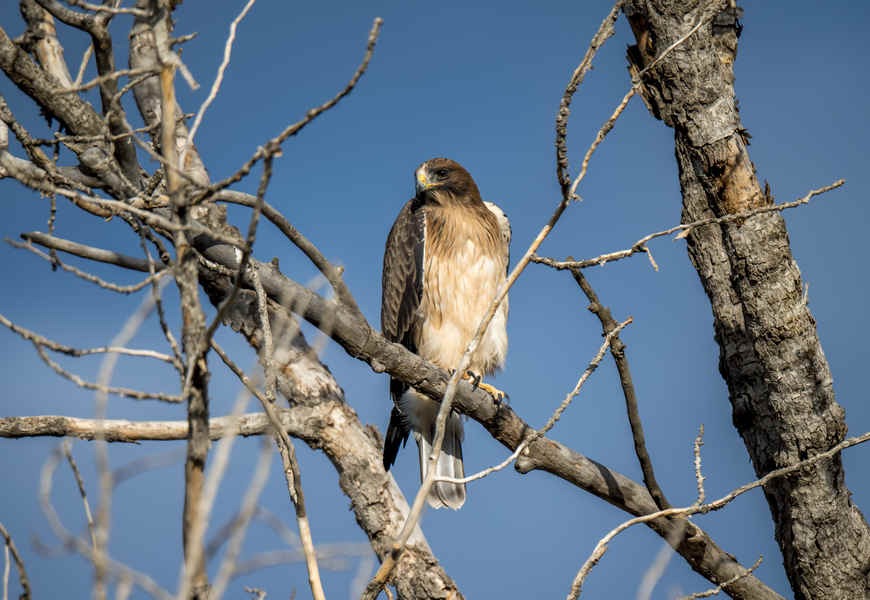
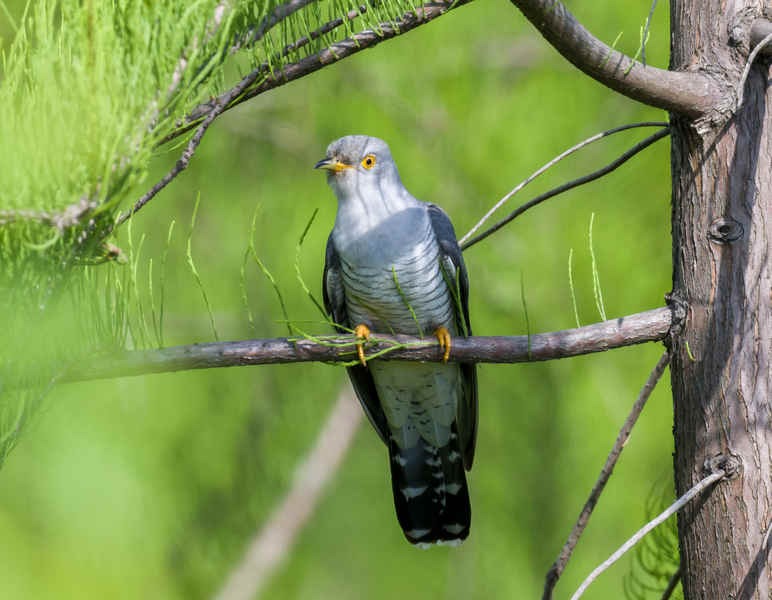
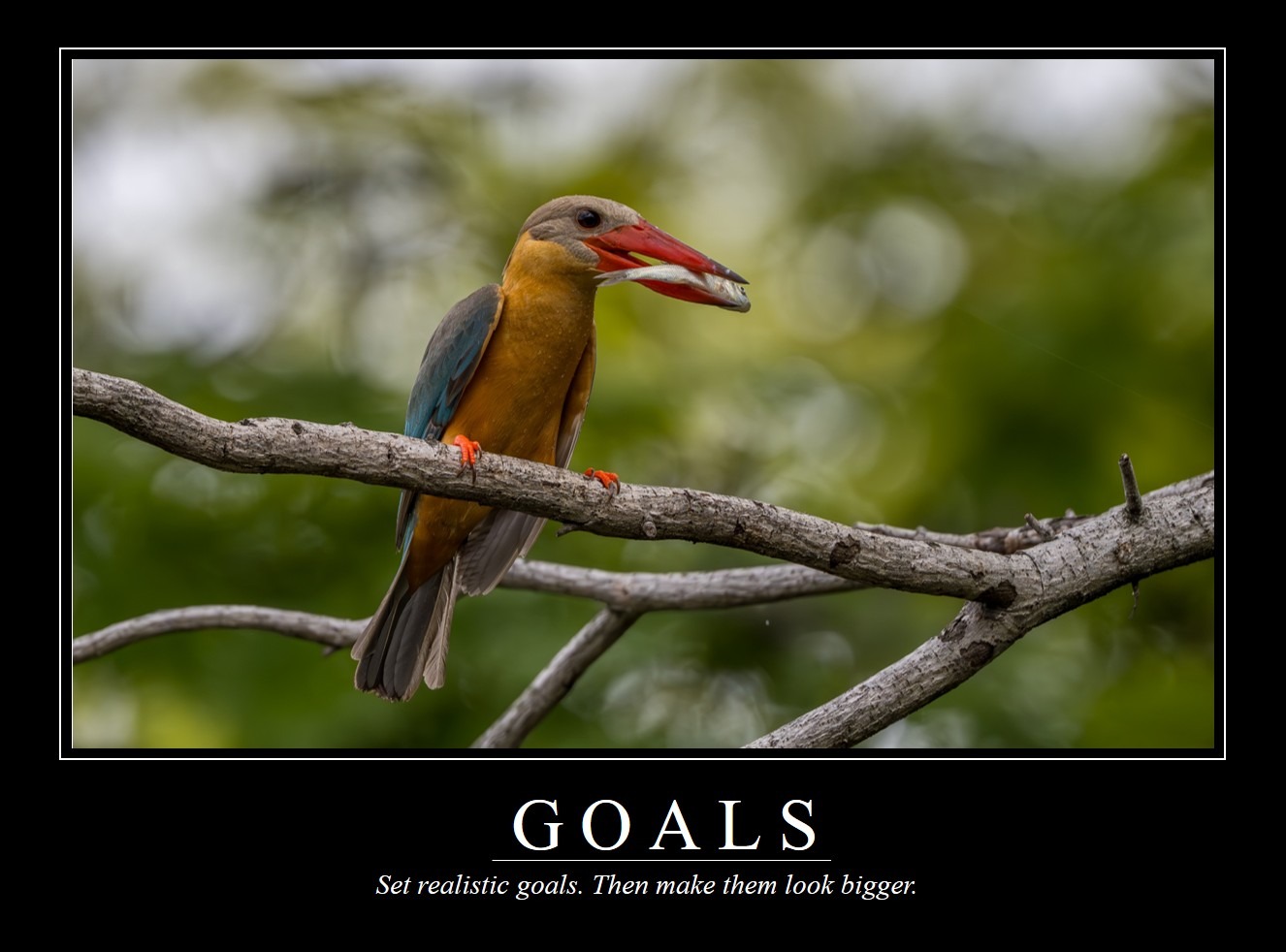
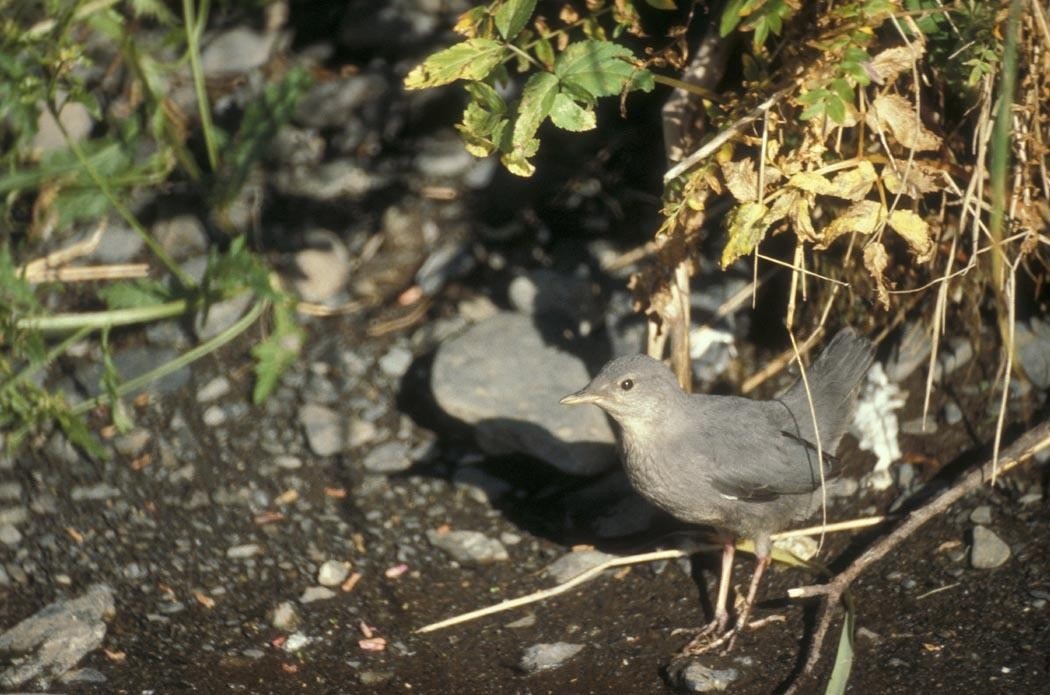
- Bird photos by Kai Pflug (taken in Shanghai)












 English (US) ·
 French (CA) ·