

PROTECT YOUR DNA WITH QUANTUM TECHNOLOGY
Orgo-Life the new way to the future Advertising by AdpathwayThe intense focus of the breeding season, raising protein-hungry young, gives way to the epic journey of fall migration and the hard reality of winter preparation. For the dedicated bird feeder, this seasonal transition is the most critical time of the year.
The food you offer in your backyard during the fall must fundamentally change to meet the extraordinary energy demands of two groups: migrants seeking high-octane fuel for their long flights south, and resident birds frantically building the insulating fat reserves required to survive the long, cold nights ahead.
The best feeder food for U.S. fall birds is not just any seed, but a meticulously chosen, high-calorie, high-fat, and easily digestible selection designed to rapidly convert into flight fuel and protective body warmth.
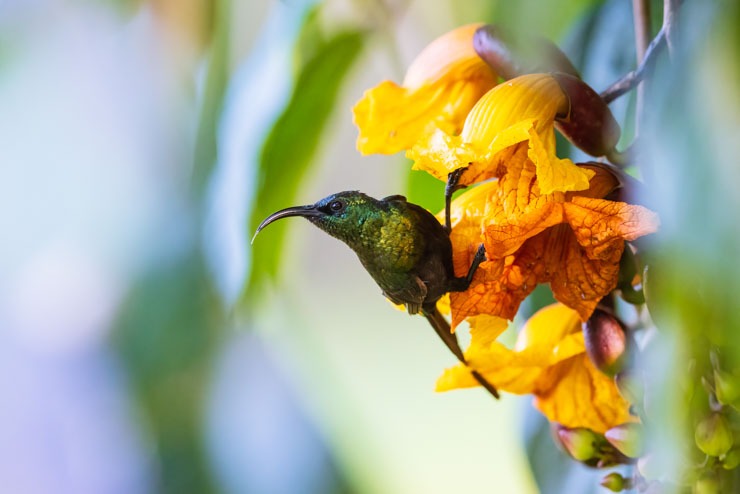
 Photo by Jay Brand
Understanding the Fall Nutritional Shift: From Protein to Power
To successfully feed birds in autumn, the backyard enthusiast must first understand the concept of hyperphagia, the intense, instinctual urge that drives birds to overeat in preparation for migration.
The Summer Diet (Protein)
Throughout spring and summer, the diet of most insectivorous songbirds (like warblers, vireos, and wrens) and even seed-eaters (like chickadees and finches) is dominated by protein. This is essential for muscle development, feather growth, and, most importantly, feeding clutches of nestlings.
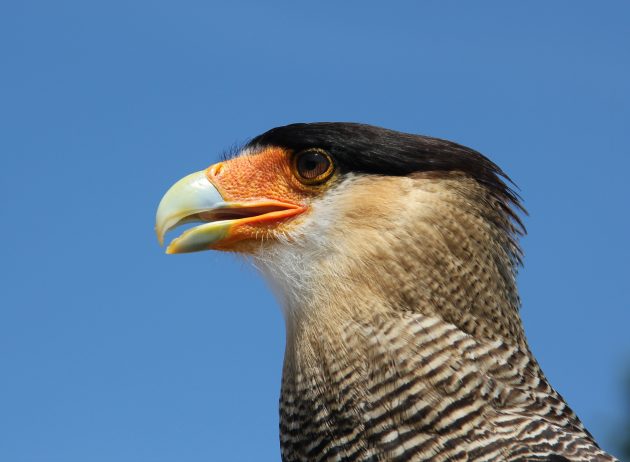
 Photo by Veronika Andrews
The Autumn Demand (Fat and Sugar)
As daylight shortens, insect populations plummet, and birds swap their protein-centric diet for energy-dense alternatives. They require foods that are easily metabolized into fat, which serves two vital purposes:
Fueling Migration
A small songbird flying non-stop across the Gulf of Mexico, such as the Blackpoll Warbler, may nearly double its body weight on fat reserves alone. This fat is the only fuel source for their transcontinental journey.
Surviving Winter
For year-round residents like Northern Cardinals and Downy Woodpeckers, fat reserves are burned overnight to maintain a high body temperature against the biting cold.
Therefore, the ultimate fall feeder menu must be overwhelmingly focused on lipids (fats/oils) and simple sugars.
The Essential Fall Food Lineup: High-Calorie Champions
The best foods are universally high in fat and low in “filler” seed that birds discard, minimizing waste and maximizing caloric return.
Black Oil Sunflower Seed (BOSS)
If there were a single MVP of the fall feeder, it would be the Black Oil Sunflower Seed. BOSS is rich in oil content, significantly higher than its striped cousin. This oil translates directly to critical fat reserves. The shell is also thin, making it easy for small-beaked birds like chickadees, titmice, and finches to crack quickly, reducing their exposure to predators.
These seeds will attract virtually all seed-eating birds, including Northern Cardinals, Blue Jays, Doves, Finches (House, Purple, Goldfinch), Pine Siskins, Nuthatches, and Sparrows.
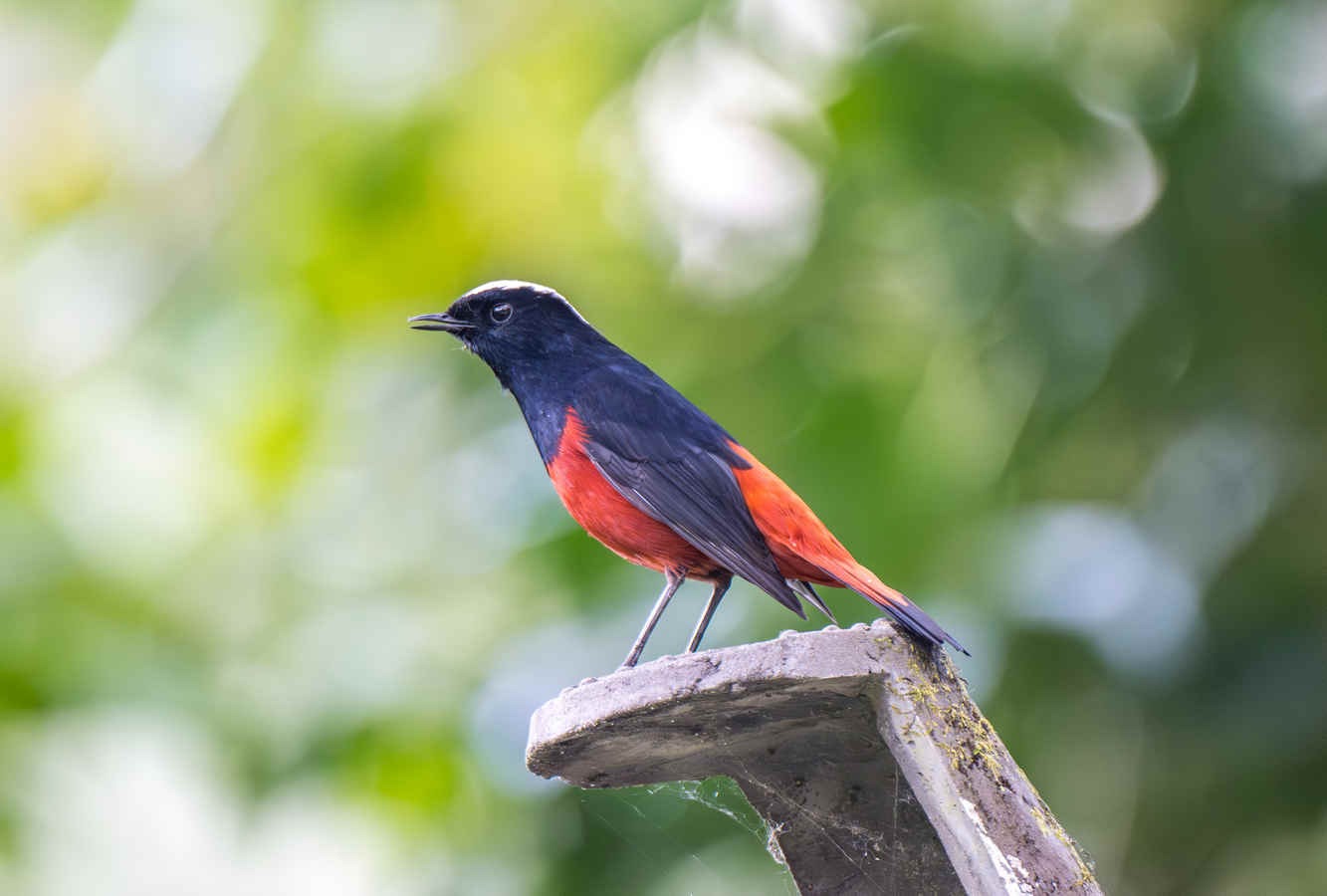
 Photo by Jay Brand
Hulled Sunflower (Chips/Hearts)
For those seeking a tidier yard, hulled sunflower seed (or chips) is an excellent, albeit more expensive, alternative. Since birds don’t have to expend energy cracking the shell, every bite is pure, easily digestible fuel. This is especially beneficial for smaller migrants.
Suet: The Ultimate Fat Bomb
Suet, the rendered beef fat, is the most energy-dense food you can offer in the fall and winter. As it is almost pure fat, providing the maximum number of calories per ounce. It is a lifeline for insectivores and omnivores that struggle when their natural food sources (insects, insect eggs) vanish.
Woodpeckers (Downy, Hairy, Red-bellied), Nuthatches, Chickadees, Titmice, Wrens, and even some unexpected migrants like Yellow-rumped Warblers and Kinglets can all be attracted by suet.
As temperatures drop, switch from summer-friendly “no-melt” suet doughs to classic rendered suet cakes for the highest fat content. Look for commercial suet cakes blended with peanuts, dried berries, or mealworms for added protein and attraction power. Suet should be offered in a cage or “tail-prop” feeder firmly attached to a tree or post, mimicking the vertical feeding habits of woodpeckers and nuthatches.
Peanuts and Tree Nuts
Peanuts, rich in fat and protein, offer another crucial high-energy option. They are a powerful source of both the protein needed for feather molt (late summer/early fall) and the fat needed for insulation and attract Blue Jays, Crows, Nuthatches, Titmice, Chickadees, and Woodpeckers.
 Photo by David Kanigan
Always offer peanuts either shelled and chopped (to prevent choking hazards in small birds) or in a specialized wire-mesh peanut feeder. Peanuts in the shell are a favorite treat for Blue Jays, who will cache them for winter. Never offer salted or spiced nuts.
White Proso Millet and Cracked Corn (Ground Feeders)
While sunflower and suet dominate hanging feeders, ground-feeding sparrows and winter arrivals need specialized food. Millet is a favorite of the native sparrows, and cracked corn appeals to larger ground birds. In fall, as millions of Dark-eyed Juncos migrate south from their breeding grounds, they will forage almost exclusively on the ground beneath feeders for spilled or scattered millet and small seeds.
Dark-eyed Juncos, White-throated Sparrows, Mourning Doves, Quail, and Towhees all enjoy this millet.
Scatter white proso millet and medium-grade cracked corn on a low platform feeder or directly on the clean ground near protective cover. Avoid cheap, common seed mixes, which often contain red milo or poor-quality fillers that many U.S. birds discard.
Regional and Species-Specific Strategies
The immense size of the U.S. means that “fall” feeding looks different depending on latitude.
The Northeastern & Midwestern Strategy (Early Exit)
In the northern states, the priority in September is feeding the mass of birds preparing for imminent departure. You should try to maximize easy, rapid calorie intake. Stick to hulled sunflower and high-fat suet cakes.
True insectivores like migrating warblers rarely visit traditional feeders, but they can be lured. The best food for attracting these shy jewels is a shallow dish of live or dried mealworms, or a smear of high-fat Bark Butter (a soft, spreadable suet blend) on tree bark. Yellow-rumped Warblers, in particular, are known to consume suet in colder months.
 Photo by Jay Brand
The Southern & Southwestern Strategy (Winter Welcomes)
In the Deep South and lower Southwest, fall feeding transitions quickly into winter feeding, attracting birds that arrive from the north to spend the season. Prepare for the influx of winter residents and provide a consistent food source from October through February.
Hummingbird feeders must be maintained and kept scrupulously clean until at least two weeks after you see the last migrating bird. In the South, this can mean maintaining feeders well into November or even year-round for species like the Pine Warbler or resident Anna’s Hummingbirds in California. Use the standard 1:4 sugar-water mix.
The Pine Warbler is one of the few warbler species that regularly consumes seeds and suet, making it a common sight on winter feeders in the Southeast.
The Fruit & Berry Factor
Many late-season migrants, including American Robins, Gray Catbirds, Thrashers, and Cedar Waxwings, are frugivores (fruit eaters) in the fall, using berries to fuel up. Offer fresh raisins, dried cranberries, or cut-up grapes on a platform feeder.
The truly bird-friendly yard should also feature native, berry-producing plants like Serviceberry, Holly, Dogwood, Sumac, and Virginia Creeper, which provide an all-natural, delayed food source that migrating birds will instinctively seek out.
Fall Feeder Management: Tips for Transition
Successful fall feeding is as much about maintenance as it is about food selection.
Moisture and Mold Control
Fall weather is often damp, and the temperature can fluctuate wildly. Damp seed is a breeding ground for harmful bacteria and mold, which can cause avian diseases. Only fill feeders halfway to ensure the seed is consumed quickly and is not sitting for long periods. You should also use feeders with large, protective roofs to shield seed from rain and snow.
If the seed looks clumped, black, or moldy, discard it immediately and sanitize the feeder.
The Importance of Water
Birds require water for drinking and preening every day, regardless of temperature. Provide clean, fresh water in a shallow bird bath. As temperatures approach freezing in the northern half of the U.S., switch to a heated bird bath. Providing accessible, liquid water when natural sources are iced over can dramatically increase the number of birds visiting your yard.
Fall Cleaning and Placement
Continue to clean all feeders regularly (a 9:1 water-to-vinegar solution works well). This is vital to prevent the spread of diseases, especially as large groups of migrating birds gather to feed.
 Photo by Jay Brand
Final Thoughts
By switching your focus from the lean protein of summer to the rich fats and sugars of a fall “migration mix,” you provide a vital, life-saving service to millions of birds. You are not just filling a feeder; you are building an essential stopover on the hemisphere’s busiest highway, ensuring that the cheerful, feathered travelers have the energy to complete their incredible journey and return to your backyard next spring.













 English (US) ·
  French (CA) ·