

 1 day ago
15
International travel budgets rarely survive first contact with reality. A trip that looked affordable when you booked it can end up costing hundreds of dollars more as foreign transaction fees, airport transfers, roaming charges, and unexpected disruptions add up. Understanding these often-overlooked expenses before departure is one of the easiest ways to avoid unpleasant surprises.
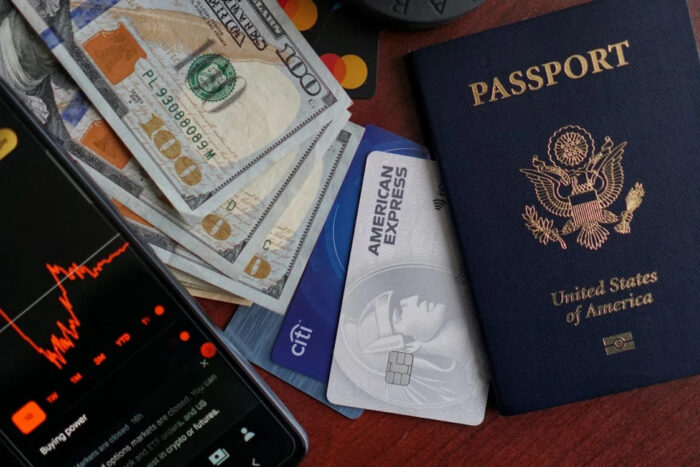
The hidden costs of international travel
Key takeaways:
- Foreign transaction fees, connectivity costs, and local transport can add hundreds of dollars to an international trip.
- Health-related expenses and travel disruptions are often the highest unexpected costs, especially in remote destinations.
- Build a contingency buffer, verify what is covered before you travel, and keep receipts for any unexpected expenses.
1) Money, connectivity, and getting around
Foreign transaction fees, ATM charges, and dynamic currency conversion can add measurable costs to everyday purchases abroad. These are not one-off expenses. They accumulate with every card payment, ATM withdrawal, taxi ride, and mobile data top-up, quietly increasing the true cost of your trip.
Card fees and currency conversion
Dynamic currency conversion almost always costs more than paying in the local currency using your card network’s exchange rate.
When a merchant or ATM offers to charge you in your home currency, the merchant typically sets the exchange rate, not your bank, and it is almost always less favorable. Always choose to pay in the local currency. For frequent travelers, even small percentage differences can add up to hundreds of dollars over multiple trips.
Beyond conversion, many cards charge a foreign transaction fee of 1 to 3 percent per purchase. Merchant surcharges, tipping prompts on digital terminals, and security deposits or holds on rental cars can further inflate daily spending. Check your card’s fee schedule before departure and consider a no-foreign-fee card if you travel frequently
Connectivity costs
International roaming, eSIM plans, and hotel resort Wi-Fi fees can meaningfully change a daily budget. Carrier roaming packages vary widely: some charge a flat daily rate, others bill per megabyte, and overages can be steep. A local SIM or eSIM purchased at the destination is often cheaper, but requires an unlocked phone and some setup time.
For a two-week trip, the wrong mobile plan can easily cost more than a local eSIM.
Hotel Wi-Fi isn’t always free: resort fees sometimes bundle it, but the cost is hidden in the nightly rate. Portable hotspot rentals are an alternative for groups. Download offline maps and key documents before landing to reduce reliance on data.
Local transport and last-mile costs
Last-mile transport costs rise fast when airports are far from city centers or night transit is limited. Airport transfers often cost far more than travelers expect. A late-night taxi from an airport can easily cost several times more than the same journey by train or metro during the day, especially when surge pricing, tolls, or fixed airport fares apply.
Car rental fuel deposits, parking fees, and transit card top-ups add further friction.
Before booking, research transport options from every airport on your itinerary and factor them into your travel budget.
If you’re traveling internationally, it’s also worth comparing travel insurance plans. For example, AXA Travel Insurance offers several coverage levels, with some plans including benefits for missed connections or travel delays that can help offset unexpected transport expenses.
2) Health, paperwork, and mandatory travel costs
Medical care abroad can require substantial upfront payments and may not be covered by your domestic health insurance. Administrative fees, entry requirements, and travel health preparations are among the most overlooked expenses when planning an international trip.
Entry requirements and administrative fees
Many destinations require proof of onward travel, visas, or permits, and these costs can be non-refundable. Electronic travel authorizations such as ESTA or eTA-style systems typically cost between 7 and 21 USD. Full visas can cost 20 to over 200 USD, depending on the country and processing speed. Expedited processing, passport photos, and local park or trekking permits add further costs before you even leave home.
The onward ticket requirement deserves special attention. Some countries ask travelers to show a return or connecting flight at the border. Refundable fares cover this cleanly but cost more upfront. Budget accordingly and confirm entry rules on official government sources before flying.
Travel health preparation
Travel vaccines, prescription refills, and destination-specific medications are easy to overlook when planning a travel budget. A travel clinic consultation alone may cost 50 to 150 USD, not including vaccines for hepatitis A, typhoid, yellow fever, or malaria prophylaxis. Altitude sickness medication is relevant for destinations above 2,500 meters. A basic first-aid kit with prescription refills rounds out the health budget.
Medical evacuation and repatriation
Emergency medical transport and repatriation can be logistically complex and expensive without appropriate coverage. Medical evacuation refers to transporting a patient to the nearest adequate medical facility, which may be in another country. Repatriation means returning the patient to their home country, either for continued care or, in the worst cases, for final arrangements.
These services are most relevant in remote areas, on islands, or during adventure activities such as trekking. Costs can reach tens of thousands of dollars. This is especially true for destinations like remote islands, high-altitude trekking regions, or expedition cruises.
Keep digital and paper copies of important travel documents, save local emergency numbers before departure, and build a contingency fund equal to 10–15% of your total trip budget.
3) Disruptions, baggage, and the “domino effect” costs
A single delay or cancellation can trigger a chain of unexpected expenses, from rebooking fees and airport meals to last-minute accommodation.
Missed connections and flight disruptions
Missed connections can create new expenses even when the original ticket is refunded or rebooked. A new same-day flight may cost far more than the original fare. Add airport meals, an unplanned hotel night, local transport, baggage storage, and potentially pet boarding or childcare extensions at home. Some jurisdictions require airlines to assist, but not all: check the carrier’s policy and keep every receipt.
Lost, delayed, or damaged baggage
Lost, delayed, or damaged bags often lead to immediate replacement purchases and delivery fees. If a bag is delayed by 24 hours, travelers often have to replace essentials such as clothing, toiletries, medication, or phone chargers.
If a bag is lost entirely, replacement costs can be substantial. Luggage storage fees, repairs for damaged wheels or frames, and courier delivery to your next hotel are additional costs that rarely appear in pre-trip budgets.
Prepaid activities and non-refundable bookings
Tours and attraction tickets can be non-refundable, meaning a change of plans can quickly become a direct financial loss.
Timed museum entries, guided day tours, rail passes, and event tickets are often sold without refund options. When possible, choose flexible or free-cancellation bookings, and build buffer days into itineraries that include high-value prepaid activities.
Check cancellation policies before booking, especially for expensive excursions or once-in-a-lifetime experiences.
Frequently asked questions about international travel costs
What are the most common “hidden” international travel fees?
Common overlooked charges include foreign transaction fees on card purchases, ATM operator fees, dynamic currency conversion markups, international roaming overages, airport transfer costs, and entry authorization fees. While each fee may seem small, together they can add hundreds of dollars to an international trip’s total cost.
Should I pay in local currency or my home currency at checkout?
Always choose to pay in the local currency. When you select your home currency at a terminal or ATM, the merchant applies their own exchange rate, which is almost always worse than the rate your bank or card network would use. This practice, called dynamic currency conversion, consistently costs the traveler more.
What is the difference between medical evacuation and repatriation?
Medical evacuation moves a patient to the nearest facility that can treat their condition, which may be in another country. Repatriation returns the traveler to their home country for ongoing treatment or other medical reasons. Both services can cost tens of thousands of dollars without appropriate insurance and are particularly relevant for remote destinations or adventure travel.
What documents and receipts should I keep if my trip is disrupted?
Keep boarding passes, booking confirmations, and receipts for meals, accommodation, transport, and essential purchases you incur because of the disruption. Also keep written confirmation from the airline or carrier explaining the reason for the delay or cancellation. Keeping both digital and paper copies makes it much easier to file claims with airlines or travel insurance providers.
How much extra should I budget for unexpected travel expenses?
A good rule of thumb is to set aside a contingency fund equal to 10–15% of your total trip budget. This buffer can help cover unexpected transport, medical costs, schedule changes, replacement purchases, or administrative fees without disrupting the rest of your trip.
Follow and subscribe to OutofTownBlog.com on Facebook , Twitter, Instagram, Pinterest, and YouTube for more Travel-related updates.
Read:
- Taichung Animation Alley: a visual feast for anime and cartoon lovers
- Top 15 Best Things to Do in Shibuya City, Tokyo
- First Time in Tokyo? 12 Must-Know Tips for First-Time Visitors to Tokyo
- 8 Best Anime Cafes, Stores, and Hidden Spots in Tokyo
- 11 Real Anime Locations You Can Visit in Tokyo
- Best Anime Destinations in Asia: Agoda’s Guide for Anime Fans
- Best Time to Book Hotels on Agoda for the Lowest Prices
















 English (US) ·
 French (CA) ·