

 3 hours ago
7
PROTECT YOUR DNA WITH QUANTUM TECHNOLOGY
Orgo-Life the new way to the future Advertising by AdpathwayGood morning. After another year of unprecedented droughts, floods and wildfires driven by human-caused global heating, 91 heads of government will meet tomorrow in Turkey to discuss the climate crisis. They will do so against a backdrop of global instability and conflict.
But as high-ranking officials and civil society campaigners settle in for a fortnight of speeches, protests and labyrinthine negotiations at the UN’s 31st annual climate conference, Cop31, many are asking what the point is.
Those same governments pledged more than a decade ago in Paris, at Cop21, to limit global heating to 1.5C above preindustrial levels, but implementation has been sclerotic, and only two months ago a UN report warned temperatures will reach at least 1.8C using even the most optimistic future projections.
I spoke to the Guardian’s environment editor Fiona Harvey in Turkey about what’s on the Cop31 agenda, what success looks like and why Brazil’s re-elected president Lula will be the star of the conference.
Five big stories
-
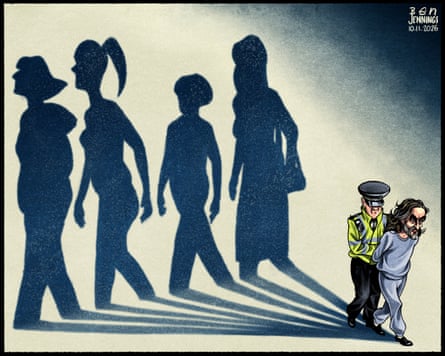
UK | Russell Brand was sentenced to more than 10 years in prison on Monday after a judge praised his victims’ bravery and accused him of living “unhindered by the rules by which decent people live”.
-
US | Donald Trump, Elon Musk and prominent finance moguls have expressed their support for embattled Nvidia CEO Jensen Huang, as the head of the world’s most valuable chip company faces an internal investigation over a romantic relationship with an alleged Chinese spy.
-
Russia | US officials said they would seek a “final end” to the war between Russia and Ukraine, beginning with trilateral talks in Abu Dhabi on Tuesday in the first substantive negotiations between the two countries since February.
-
Technology | Palantir lobbied a health minister to consider extending its AI technology into GP records, stretching its reach into the NHS in a way doctors fear could undermine trust with patients.
-
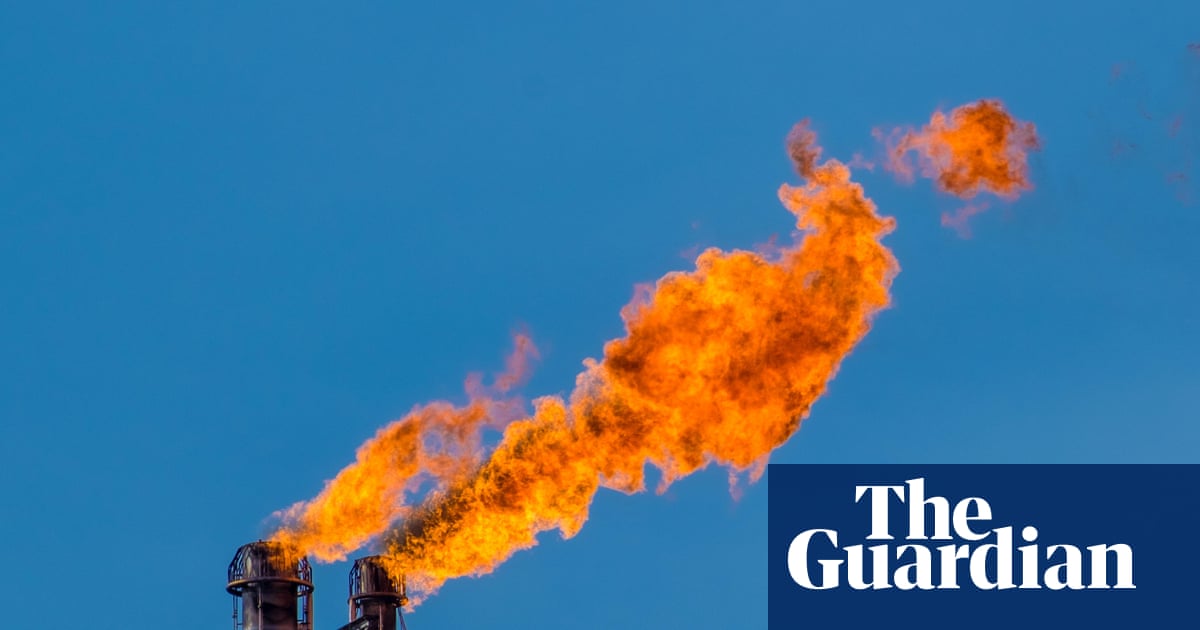
Climate | Soaring oil and gas prices following the war in Iran have encouraged people to look beyond fossil fuels, leading to an easing of climate-damaging carbon emissions this year.
In depth: Why the world is still failing to turn climate promises into action
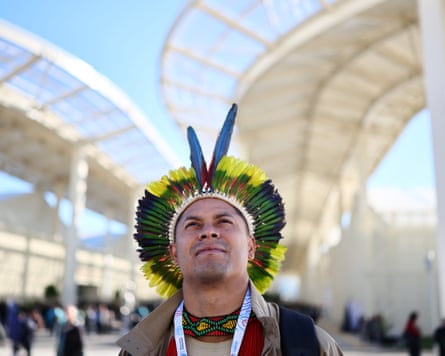
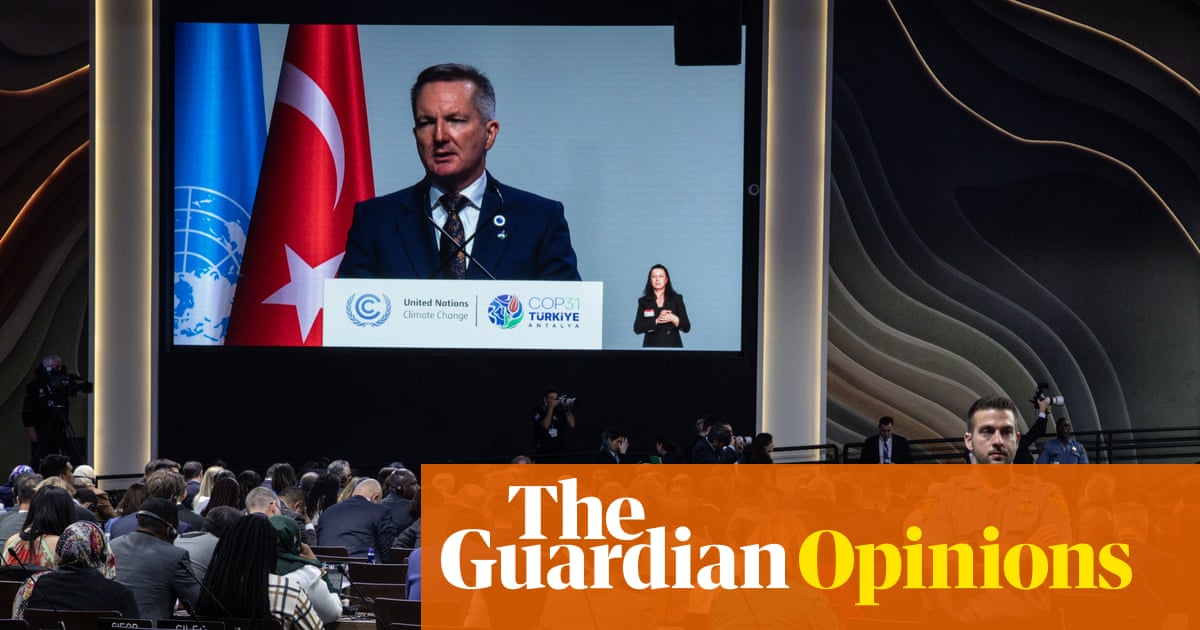
The 31st Conference of the Parties to the United Nations Framework Convention on Climate Change – or Cop31 – is taking place in the Turkish coastal city of Antalya until 20 November.
The conference centre – which, as at every Cop meeting, is temporarily designated UN international territory and policed by UN security officers – is set on the outskirts of the city. At this time of year, it is usually the venue for a global conference of plastic surgeons, part of a billion-dollar industry in Turkey.
But this week and next it will host an estimated 70,000 registered delegates, from the professional lanyard class to civil society campaigners. When we spoke at lunchtime, Fiona had already spotted Indigenous groups from the Amazon, Australia and the Pacific in national dress – a colourful sight at every Cop, where indigenous delegates know they can attract significant media attention.
When I reported with Fiona from Cop26 in Glasgow, five years ago, inclusivity was a major theme, with observers from Indigenous communities, trade unions and environmental NGOs complained that they had not been given sufficient access to formal negotiating spaces, and staged a symbolic walkout on the final day.
This is a long-running argument, says Fiona, alongside running questions about the scope for campaigners to host protests and alternative gatherings around the conference venue. “Four out of five of the last Cops were held in countries with repressive regimes,” she reminds me, where scope for outside dissent was very limited.
Annual Cop summits rotate between countries from different regions of the world, but this year a rancorous dispute between Turkey and Australia has resulted in an unhappy compromise. Turkey is the official host and in charge of the action agenda, the “jolly bits” that surround the voluntary agreements, rather than the tension of formal negotiations.
Australia is in charge of those, which will see countries thrash out the details of just transition and climate finance programmes. This is “the short straw” says Fiona, with none of the pleasing global focus of physical hosting, and with climate advocates questioning Australia’s credibility to manage these negotiations as a major fossil fuel producer. Although Turkey is hardly a better fit: as Fiona puts it, “The one thing they have in common is their mutual admiration for coal.”
What’s the point of Cop31?
Formal negotiations this year will mainly be focused on the just transition mechanism, which aims to ensure people who are working in fossil fuel industries aren’t completely abandoned in the move to renewable energy, as well as helping poorer countries - who happen to be significantly less responsible for the climate crisis – to access enough finance to deal with the worsening climate crisis.
This year, Fiona has sensed less urgency from global leaders over Cop31. Alongside the anticipated absence of the Trump White House, as well as China’s Xi Jinping and India’s Narendra Modi, there are some other disappointing no-shows. The UK’s Andy Burnham is due to arrive, alongside the EU’s Ursula von der Leyen, but the French president, Emmanuel Macron, and the German chancellor Friedrich Mertz will not attend, nor will Canada’s Mark Carney.
Fiona also questions whether the Cop process is fit for purpose. “The negotiation processes are endlessly convoluted and cause their own problems. It took more than five years just to negotiate the Paris ‘rulebook’ under which the treaty is put into effect. And the convention that all resolutions must pass by consensus has given petrostates free rein to obstruct progress,” she says.
But Fiona, a Cop optimist, says there are two places where progress can be made. The first is through the informal discussions, known as the action agenda, which generate voluntary commitments alongside the binding commitments under Paris. The second, the part of the formal negotiations known as the “cover decision”. Some of the “really dynamite” advances from previous Cops can be found in this text – such as the agreement to transition away from fossil fuels, which every single country signed up to at last year’s Cop30 in Brazil. This year, Brazil’s president, Lula, is expected to bring a plan for how to make that happen.
***
What could be achieved at this year’s conference?
The UN argues that rapid action to cut greenhouse gas emissions would limit the Paris agreement overshoot and bring down global temperatures by the end of this century. This can’t happen without a transition away from fossil fuels and the Brazilian delegation is bringing a detailed global roadmap for how this can be done – though it won’t be part of the formal negotiations..
While the Brazil roadmap does not include a timetable for phasing out fossil fuels, it is still an important contribution as it sets out the different dilemmas that countries face – such as losing tax revenues by cutting fossil fuel use, for instance, or axing subsidies which might have helped poorer households. “This means governments can recognise the issues they will face in their transition, as well as the benefits, and plan accordingly,” says Fiona.
The talks will also seek support for a new 2035 electrification goal, backed by Turkey and Australia, under which 35% of final energy use around the world coming from electricity instead of fossil fuels.
This comes as China’s oil imports, for instance, are likely to be down about 12% this year, in part owing to a massive uptake of electric vehicles, with many other countries following suit – but not the UK it seems. As we reported exclusively yesterday, ministers are expected to make steep cuts to the government’s EV targets – their biggest decarbonisation policy – in a move that will alarm many Labour MPs who are concerned about the government’s commitment to the green agenda and may be embarrassing for Burnham as he flies into a conference with electrification so high on the agenda. Some experts argue that the inbuilt efficiency of electric tech compared with fossil fuels means that a global switch to electrification would halve energy demand around the world.
What else is good?
China – still one of the world’s biggest polluters – is dominating energy transition with some astonishing results: its renewable generation capacity has now outstripped coal, saving billions of dollars for consumers and businesses as the oil price soars. And solar is booming in Africa at last, adds Fiona.
The re-election of President Lula has buoyed climate activists everywhere, who take hope from his success in beating far-right populism with an unashamedly climate-focused agenda, which aims to secure the vitally important Amazon rainforest for future generations.
This is his first international trip since last month’s electoral triumph, and Fiona predicts he’ll receive “a stupendous welcome.”
His presence is also important as a vocal champion of climate justice. “He says very clearly it’s the elites, of both developed and developing nations, who are responsible for the biggest emissions with their high carbon lifestyles and investments in fossil fuel companies, not the ordinary people”.
We’ll likely hear more from him about his proposals for a potentially transformative global wealth tax – at previous international summits Brazil has argued for a 2% tax on those with assets worth more than $1bn. “He wants the people who have benefited from this to pay. It’s a hugely powerful message. How can you argue against that?”
For even more on Cop31 from Guardian journalists on the ground in Turkey, sign up here to get our environment newsletter, Down to Earth, straight to your inbox
after newsletter promotion
What else we’ve been reading
-
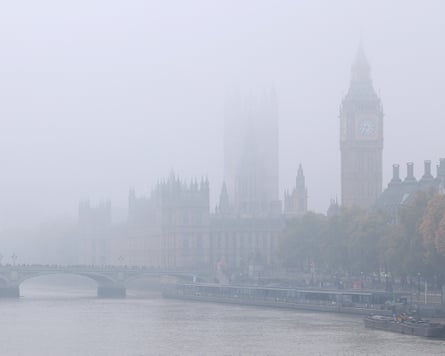
Our picture gallery on fog in England and Wales was nice and moody, and encapsulated how it’s felt to walk around in it. Poppy Noor, newsletters team
-
I loved Stephen Phelan’s interview with Jorge Drexler – a Uruguayan medic who grew up under an anti-music dictatorship and went on to write an Oscar-winning song. It spans everything from biology and ICE to the genius of Shakira and, of course, the irrefutable power of music. Lucinda Everett, newsletters team
-
I thought Elle Hunt was knowledgable and compassionate on the plight of marine park whales, and thoughtful about what more can be done. Poppy
-
In case you missed it yesterday, Josh Halliday’s conversations with residents in a village in Greater Manchester facing a “monster” warehouse in their community is a vivid portrait of those fighting back nationwide against the scourge of superstructures. The immersive graphics really illuminate the impact, too. Craille Maguire Gillies, newsletters team
-
It was nice reading the latest iteration of Guardian Australia’s A job that changed me – by a bookseller who found that it’s the human connection, rather than the books, that make it such a great job. Poppy
Sport
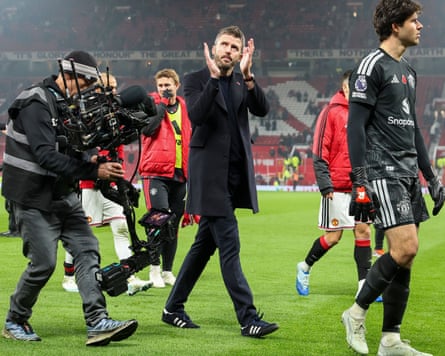
Football | Manchester United are moving towards sacking Michael Carrick, though no final decision has been made by Jason Wilcox, the director of football, who is leading the review.
Rugby union | Immanuel Feyi-Waboso, Tommy Freeman and George Furbank can make an impact at the World Cup next year, providing they can stay fit.
Cricket | Liam Patterson-White has been selected for England’s three Test tour of South Africa ahead of Shoaib Bashir.
The front pages
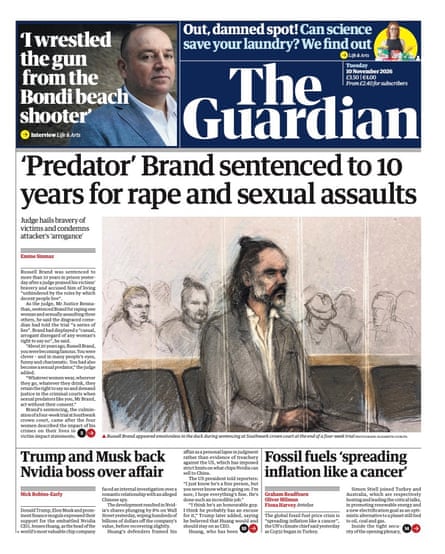
“‘Predator’ Brand sentenced to 10 years for rape and sexual assaults”, is the Guardian’s splash today. The Times and the i Paper both have “Brand jailed for 10 years”, the Mirror writes “10 years”, and the Express also has “Sex predator Brand jailed for 10 years”. The Mail says “Brand facing more claims”, the Telegraph writes “Goldsmith: Brand abused me”, the Sun has “Still no remorse”, and Metro says “not so funny now, are you Russell?”.
Elsewhere, the FT leads on “Nvidia shares fall as board investigates Huang’s exposure to China spy claims”.
The Latest
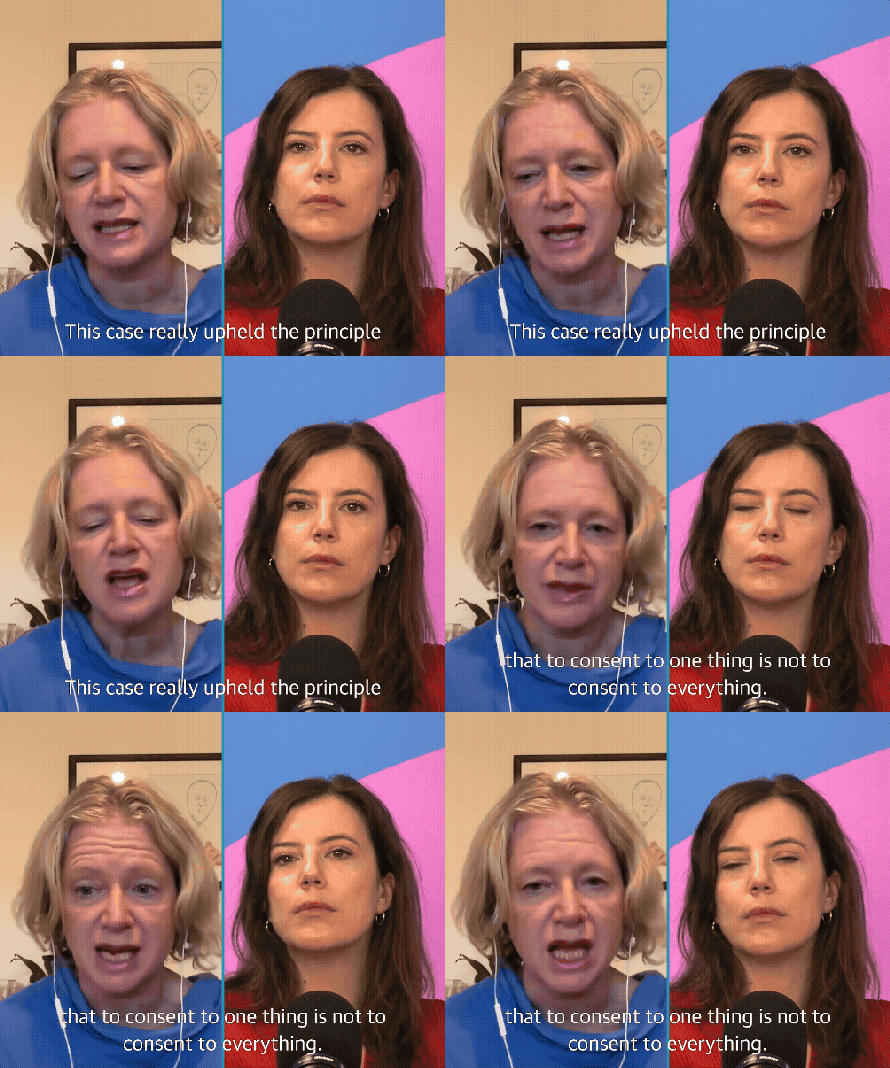
Russell Brand sentenced to over 10 years in jail
Russell Brand, once an award-winning comedian and Hollywood actor, has been sentenced to more than 10 years in prison for rape and sexual assault. The judge paid tribute to the “determination and bravery” of the women who came forward in the case, and described Brand as a sexual predator of “staggering arrogance”. Police are investigating two further additional rape allegations and have urged all rape and sexual assault victims to report what happened, “no matter how long ago it occurred”. Lucy Hough speaks to Guardian columnist Gaby Hinsliff.
Cartoon of the day | Ben Jennings
The Upside
A bit of good news to remind you that the world’s not all bad
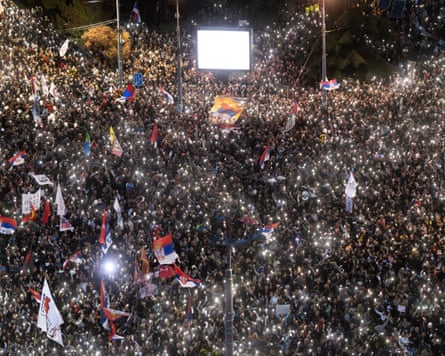
Last month, the Student List group ousted Aleksandar Vučić in Serbia’s elections, and young people helped drive Luiz Inácio Lula da Silva’s Presidential victory against the rightwing Flávio Bolsonaro. Meanwhile, students in France, Spain and Germany have recently protested against unacceptable school conditions, unaffordable housing and the cost of living respectively.
Research suggests that youth-led protests tend to be met with higher levels of repression, despite the fact that they are no more likely to use violence than others. But these young people will not be cowed.
“Gen Z is rising,” said Erica Chenoweth, a political scientist at Harvard Kennedy School. “It is abundantly clear that a significant proportion [are] tired of sitting on the sidelines while their political systems fail them.”
Sign up here for a weekly roundup of The Upside, sent to you every Sunday
Bored at work?
And finally, the Guardian’s puzzles are here to keep you entertained throughout the day. Until tomorrow.













 English (US) ·
 French (CA) ·