

 5 hours ago
3
5 hours ago
3
PROTECT YOUR DNA WITH QUANTUM TECHNOLOGY
Orgo-Life the new way to the future Advertising by AdpathwayFor two tiny manatee calves in Puerto Rico, life began with loss and uncertainty. Taiku and Dakiti were only days old when they were left without their mothers, far too young to survive independently in the coastal waters they called home. Their circumstances were different, but both calves urgently needed human help. What followed was a remarkable three-year journey filled with bottle feedings, veterinary care, careful monitoring, and patient rehabilitation that would eventually give these vulnerable animals something they desperately needed: a second chance at life in the wild.
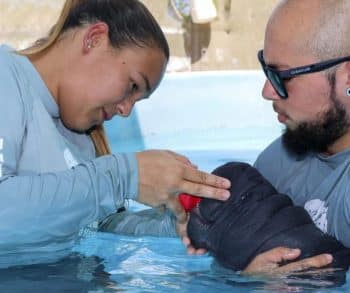 Credit: Facebook
Puerto Rican Antillean manatees are critically endangered, with fewer than 700 believed to remain in the wild. Among the serious dangers they face are collisions with watercraft, particularly in the shallow coastal areas where manatees feed, travel, and care for their young.
Speeding boats and personal watercraft can cause devastating injuries. When an adult female is killed, the consequences can extend to a dependent calf that may suddenly be left alone and unable to survive without its mother. Taiku experienced that tragedy when she was only four days old. She was discovered clinging to the body of her mother after the adult manatee had been struck and killed by a Jet Ski.
At such a young age, Taiku still depended completely on her mother for nourishment, protection, and guidance. Without intervention, her chances of surviving alone were extremely small.
Only a few days later, another orphaned calf named Dakiti was found in need of help. Rescuers reached Dakiti in time, and both young manatees were eventually brought to the Caribbean Manatee Conservation Center, where their long road toward recovery began.
Three Years of Care Gave Them a Second Chance
Caring for orphaned manatees requires far more than providing a safe place to recover. Taiku and Dakiti needed around-the-clock attention designed to replace some of the care they would normally have received from their mothers.
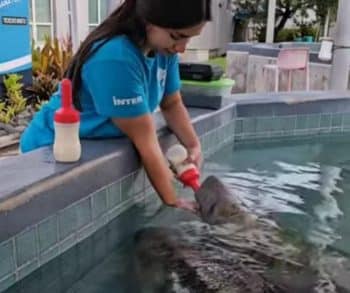 Credit: Facebook
The calves began bottle feeding while veterinary teams closely monitored their health and development. Feedings were needed every few hours, and their growth had to be carefully tracked as they slowly became stronger and more independent.
Their rehabilitation also included gradual exposure to saltwater and seagrass, helping prepare them for the environment they would eventually encounter outside human care. Each stage represented another important step toward becoming capable of living on their own. Days of rehabilitation became months, and the frightened, vulnerable calves continued to grow. Eventually, those months became three years of dedicated care.
Taiku and Dakiti were no longer helpless newborns. They had developed the strength and skills needed for the next chapter of their lives, and their rehabilitation team determined that they were ready to return to the wild.
Tracking belts will be fitted to the manatees so their movements and safety can be monitored during their first year after release. This monitoring will allow conservation staff to follow their adjustment as they explore the coastal habitat on their own.
Their release represents more than the conclusion of a lengthy rehabilitation. For an endangered population facing persistent threats, successfully returning two healthy manatees to their natural habitat is a meaningful conservation achievement.
The circumstances that orphaned Taiku also highlight the danger watercraft can pose to manatees. Staff encourages boaters traveling through manatee habitat to move slowly near shore, follow posted speed limits, watch carefully for animals in the water, and give any manatees they encounter plenty of space.
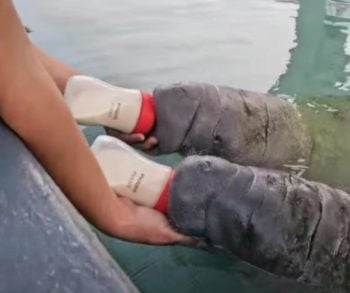 Credit: Facebook
Polarized glasses can also make it easier to spot manatees beneath the water’s surface. Slowing down and avoiding large wakes around these gentle marine mammals can help reduce the risk of another calf experiencing the kind of loss Taiku endured.
Meanwhile, injured and orphaned manatees continue to require specialized rehabilitation. According to the information provided by the conservation program, manatee rehabilitation efforts have a 96 percent success rate, offering hope that many animals arriving in vulnerable condition can eventually return to their natural habitat.
For Taiku and Dakiti, that hope has become reality. They entered rehabilitation as tiny orphans completely dependent on their caregivers, but years of patient work transformed their future. Now, the waters they once were not ready to face alone are finally becoming home again.
This content was created with AI assistance and edited by the iHeartDogs team.











 English (US) ·
  French (CA) ·