

 1 month ago
42
1 month ago
42
PROTECT YOUR DNA WITH QUANTUM TECHNOLOGY
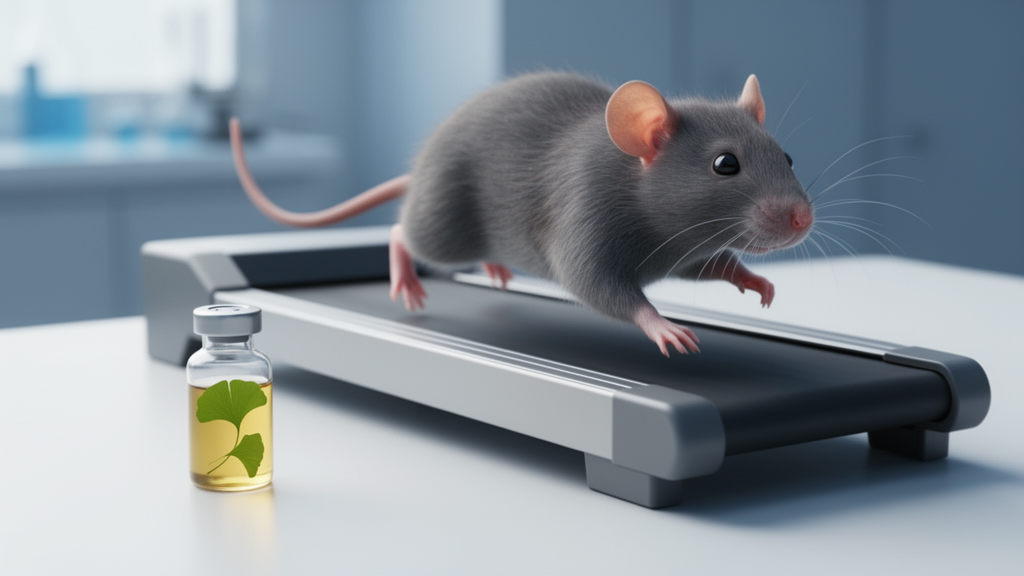
Orgo-Life the new way to the future Advertising by AdpathwayA daily dose of vitamin D may help children and adolescents with type 1 diabetes need less insulin, according to a new systematic review and meta-analysis of randomized controlled trials. The analysis, published in BMC Endocrine Disorders, found that vitamin D supplementation produced a statistically significant reduction in total daily insulin requirements in young patients, even though it did not appear to improve blood sugar control or preserve the function of insulin-producing cells. The findings add a nuanced new chapter to a long-running scientific debate about whether the sunshine vitamin can do more for people with type 1 diabetes than simply correct nutritional deficiencies.
Type 1 diabetes is an autoimmune condition in which the body’s immune system attacks and destroys the beta cells of the pancreas, the only cells capable of producing insulin. Because insulin is the hormone that allows glucose to move from the bloodstream into tissues, patients must take insulin by injection or insulin pump for the rest of their lives. The total daily dose of insulin a patient requires, usually expressed in units per kilogram of body weight per day, is one of the most clinically meaningful measures of how much external insulin support a patient needs. Any intervention that safely lowers this requirement could reduce the burden of injections, the risk of hypoglycemia, and the cost of therapy, particularly for children whose families must manage the disease around the clock.
Vitamin D has long attracted attention in diabetes research for reasons that go well beyond bone health. The active form of the vitamin, calcitriol, binds to the vitamin D receptor, which is expressed on immune cells including T lymphocytes and on pancreatic beta cells themselves. Through this receptor, vitamin D is thought to modulate immune responses, dampening the inflammatory processes that drive autoimmune destruction of beta cells, and to improve insulin sensitivity in peripheral tissues. Observational studies have repeatedly linked low vitamin D status with an increased risk of developing type 1 diabetes and with poorer metabolic outcomes in people who already have the disease. But observational evidence cannot establish cause and effect, and randomized trials conducted over the past two decades have reported conflicting results, leaving clinicians without clear guidance on whether supplementation offers genuine clinical benefit.
To resolve the uncertainty, a team of researchers based in China and the United States undertook a comprehensive synthesis of the randomized evidence. Led by Chunli Zhang of the Pediatrics Department at The People’s Hospital of Yuhuan in Zhejiang, China, and including investigators from the University of North Carolina at Greensboro and UNC Children’s Hospital in Chapel Hill, the group searched five major scientific databases for randomized controlled trials testing vitamin D supplementation in children and adolescents with type 1 diabetes, with the search completed through October 14, 2025. Their work followed the PRISMA reporting guidelines, the international standard for systematic reviews, and the team evaluated the quality of the evidence using the GRADE framework, which grades confidence in findings from high to very low.
The primary endpoint the researchers chose was total daily insulin dose, a measure that directly reflects how much insulin patients actually need. Secondary outcomes included glycated hemoglobin, or HbA1c, the standard laboratory marker of average blood sugar control over the preceding two to three months, and C-peptide levels. C-peptide is a small protein released alongside insulin when beta cells secrete the hormone, and because it is not present in manufactured insulin, it serves as a reliable biological fingerprint of the patient’s own residual insulin production. The researchers examined both fasting C-peptide, measured in the basal state, and stimulated C-peptide, measured after a standardized provocation that pushes remaining beta cells to their secretory limit. Stimulated C-peptide is widely regarded as the best available indicator of beta-cell function in clinical trials.
After screening the literature, the researchers identified nine randomized controlled trials that met their criteria, encompassing a total of 370 children and adolescents with type 1 diabetes. They pooled the results using Review Manager version 5.3 and STATA MP version 17.0, calculating mean differences with 95 percent confidence intervals to express the size and precision of each effect. Risk of bias in the individual trials was assessed with established tools, allowing the team to judge how much confidence to place in the pooled estimates.
The headline result was clear. Across the pooled trials, vitamin D supplementation significantly reduced total daily insulin dose, with a mean difference of minus 0.13 units per kilogram per day and a 95 percent confidence interval of minus 0.22 to minus 0.04. In practical terms, a child weighing 30 kilograms who received vitamin D would need roughly four fewer units of insulin each day than an equivalent child receiving standard care alone. For a condition that demands multiple daily injections and meticulous dose calculation, a reduction of that magnitude is far from trivial, and it was achieved by adding a widely available, inexpensive supplement to standard insulin therapy.
Yet the metabolic picture was more complicated. When the researchers examined HbA1c, they found no meaningful difference between the vitamin D and control groups, meaning that blood sugar control, as measured by the gold-standard laboratory test, was essentially unchanged. The same held true for both fasting and stimulated C-peptide levels, indicating that vitamin D supplementation did not detectably preserve or restore the function of the patients’ remaining beta cells. Supplementary analyses of inflammatory and immunological markers, including tumor necrosis factor and several interleukins such as IL-4, IL-6 and IL-10, likewise showed no significant differences between groups, and measures of 25-hydroxyvitamin D3-related immune parameters did not reveal a consistent immunological signature explaining the insulin-sparing effect.
This combination of findings, less insulin needed but no improvement in glycemic control or beta-cell function, presents an intriguing physiological puzzle. One possible interpretation is that vitamin D improves insulin sensitivity in the liver, muscle and fat tissue, allowing the same degree of blood sugar control to be achieved with a smaller insulin dose, without altering the underlying autoimmune attack on the pancreas. Another possibility is that the insulin dose reduction reflects subtler changes in glucose metabolism that do not register in HbA1c over the relatively short durations typical of pediatric trials. It is also conceivable, the authors note, that the effect is real but the mechanisms remain unconfirmed, since the immunological and inflammatory markers they examined did not differ between groups. The certainty of the evidence, as graded by GRADE, tempers how strongly these conclusions can be stated, a common caveat in meta-analyses built on trials of modest size.
The study’s authors are careful about what their results do and do not prove. Vitamin D supplementation, they conclude, may reduce daily insulin requirements in young individuals with type 1 diabetes, but its overall effect on glycemic control and on the preservation of beta-cell function remains uncertain. They call for future well-designed randomized controlled trials, particularly in newly diagnosed patients whose residual beta-cell function is still relatively preserved. The rationale for targeting early disease is straightforward: once the autoimmune destruction of beta cells has run its course, no amount of immune modulation or metabolic support can restore insulin production, so any therapy hoping to change the disease trajectory must intervene early. Whether vitamin D, given at the right time and dose, can extend the honeymoon period or slow beta-cell decline in fresh-onset patients remains one of the most important unanswered questions in this field.
For clinicians and families managing pediatric type 1 diabetes now, the findings offer cautious grounds for optimism rather than an immediate change in practice. Vitamin D supplementation is already standard care for many children with diabetes, both to support bone health and to correct the deficiency that is common in this population, particularly in regions with limited sunlight. The new analysis suggests that this routine practice may carry an additional, previously underappreciated benefit in the form of reduced insulin requirements. But the authors and the structure of the evidence itself caution against overinterpretation: the pooled effect comes from nine trials of varying design, dose and duration, and the absence of improvement in HbA1c and C-peptide means the clinical significance of the insulin-sparing effect has yet to be fully established. Larger, longer, and more rigorously standardized trials will be needed to determine the optimal dose, the best window for intervention, and whether the reduction in insulin needs translates into fewer hypoglycemic episodes, lower treatment costs, and better long-term outcomes for the growing number of young people living with type 1 diabetes worldwide.
Subject of Research: Children and adolescents with type 1 diabetes; effects of vitamin D supplementation on insulin requirements, glycemic control and beta-cell function
Subject of Research: Medicine
Article Title: Vitamin D supplementation reduces insulin requirements in children and adolescents with type 1 diabetes: a systematic review and meta-analysis of randomized trials
Article References: Zhang, C., Zheng, B., Murphy, T., Zheng, S., & Ren, X. (2026). Vitamin D supplementation reduces insulin requirements in children and adolescents with type 1 diabetes: a systematic review and meta-analysis of randomized trials. BMC Endocrine Disorders. https://doi.org/10.1186/s12902-026-02448-y
Image Credits: AI Generated
DOI: 10.1186/s12902-026-02448-y
Keywords: Vitamin D, Type 1 diabetes, Insulin requirement, Children and adolescents, Meta-analysis, Randomized controlled trials, HbA1c, C-peptide, Beta-cell function, Glycemic control
Cite Scienmag News
APA
MLA
Chicago
Ophelia Keating. (September 5, 2026). Vitamin D supplements lower insulin needs in youth with type 1 diabetes. Scienmag. https://scienmag.com/vitamin-d-supplements-lower-insulin-needs-in-youth-with-type-1-diabetes/
Copy citation
Download RIS
Tags: childhood type 1 diabetes managementclinical trials of vitamin D for diabetes managementeffects of vitamin D on autoimmune diabetesimpact of vitamin D on insulin needsimpact of vitamin D on insulin therapyinsulin requirement reductioninsulin requirements in youth with type 1 diabeteslong-term effects of vitamin D in type 1 diabeteslong-term effects of vitamin D supplementationmeta-analysis of vitamin D in type 1 diabetesnutritional interventions in type 1 diabetesreduction of insulin dosage with vitamin Drole of sunshine vitamin in diabetesrole of sunshine vitamin in managing diabetessystematic review of vitamin D and insulin needssystematic review of vitamin D effects on diabetesvitamin D and autoimmune diabetesvitamin D and immune modulation in autoimmune diseasesvitamin D and immune modulation in diabetesvitamin D and pancreatic beta cell functionVitamin D supplementationvitamin D supplementation clinical trialsVitamin D supplementation in youth with type 1 diabetes















 English (US) ·
  French (CA) ·