

Green Day might have told us to wake them when September ends, but this isn't a month to sleep on if you're a gardener – especially if you're hoping for a bigger and more colorful flower garden next summer!
In many parts of the U.S., early fall is an excellent time to plant perennials. The cooler temperatures give these forever plants a chance to establish their roots before winter, without having to cope with the heat and drought stress that can make summer planting more difficult.
If you get to work now, then, you'll give perennials more than enough time to settle into their new homes and emerge in spring with an established root system, ready to put its energy into leaves, stems and, come summer, beautiful flowers, too. What's not to love about that, eh?
6 Perennials To Plant In September
September is a brilliant time to get perennials in the ground, especially if you want them to put on their very best show. However, your exact planting window will depend on your USDA hardiness zone and local conditions, so check that the perennial you're buying is suitable for your area and follow the planting instructions that come with it.
Shop Planting Essentials:
That caveat aside, then, these are six perennials I'd consider planting this September for a bigger and better display next summer...
1. Peony
If you're after big show-stopping flowers, there are few perennials that can compete with a peony (especially if you go for your birth month peony for extra razzle dazzle). After all, those ruffled blooms are one of the great spectacles of the early summer garden, and fall is an excellent time to plant bare-root peonies.
Getting them into the ground now gives their roots time to establish before winter, as peonies aren't particularly fast-growing; this is a plant where patience well and truly pays off. Because, while a newly planted peony may not give you its full floral display immediately, it can live and flower for decades with surprisingly little fuss once it's established.
Shop Peonies:
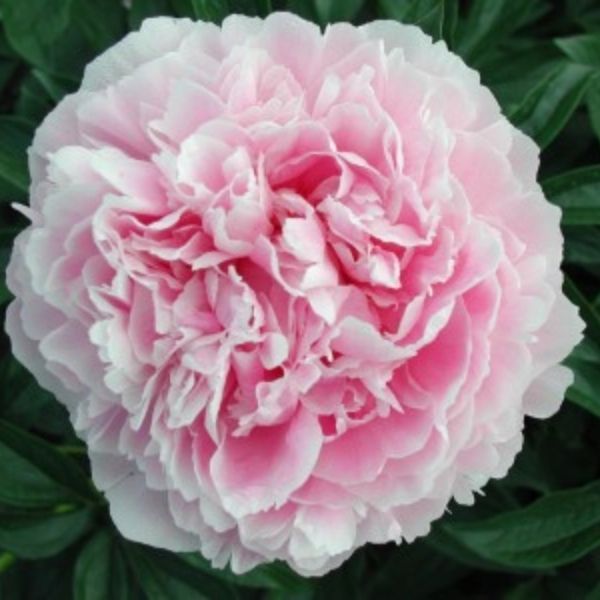
Nature Hills
Sarah Bernhardt
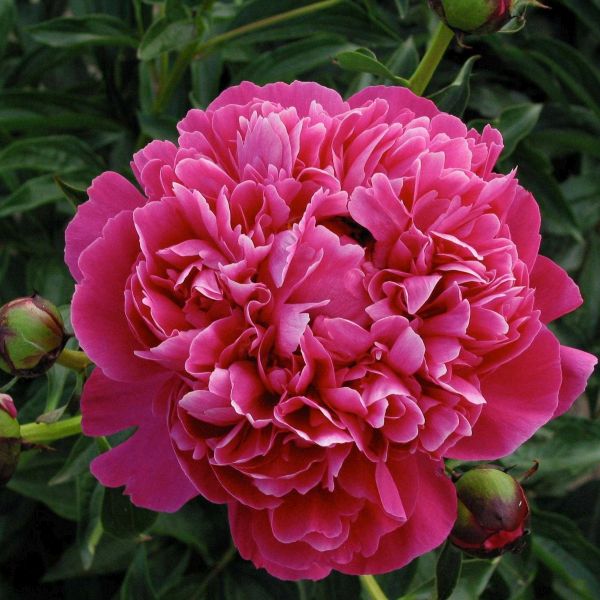
Nature Hills
Kansas Peony
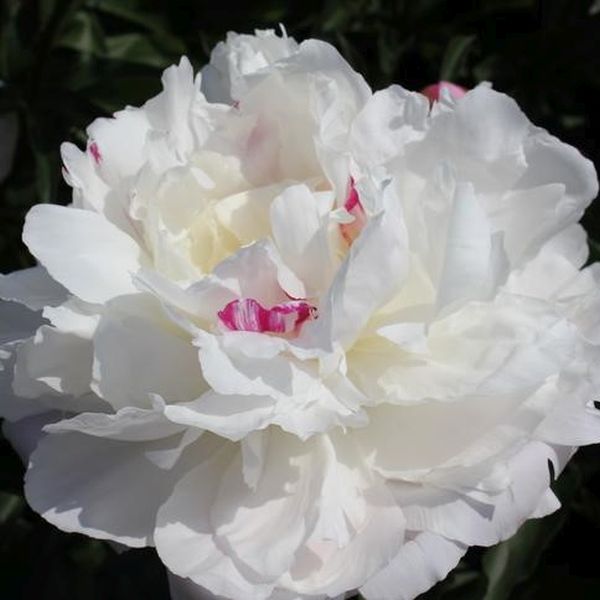
Nature Hills
Shirley Temple Peony
2. Bearded Iris
(Image credit: Alamy)
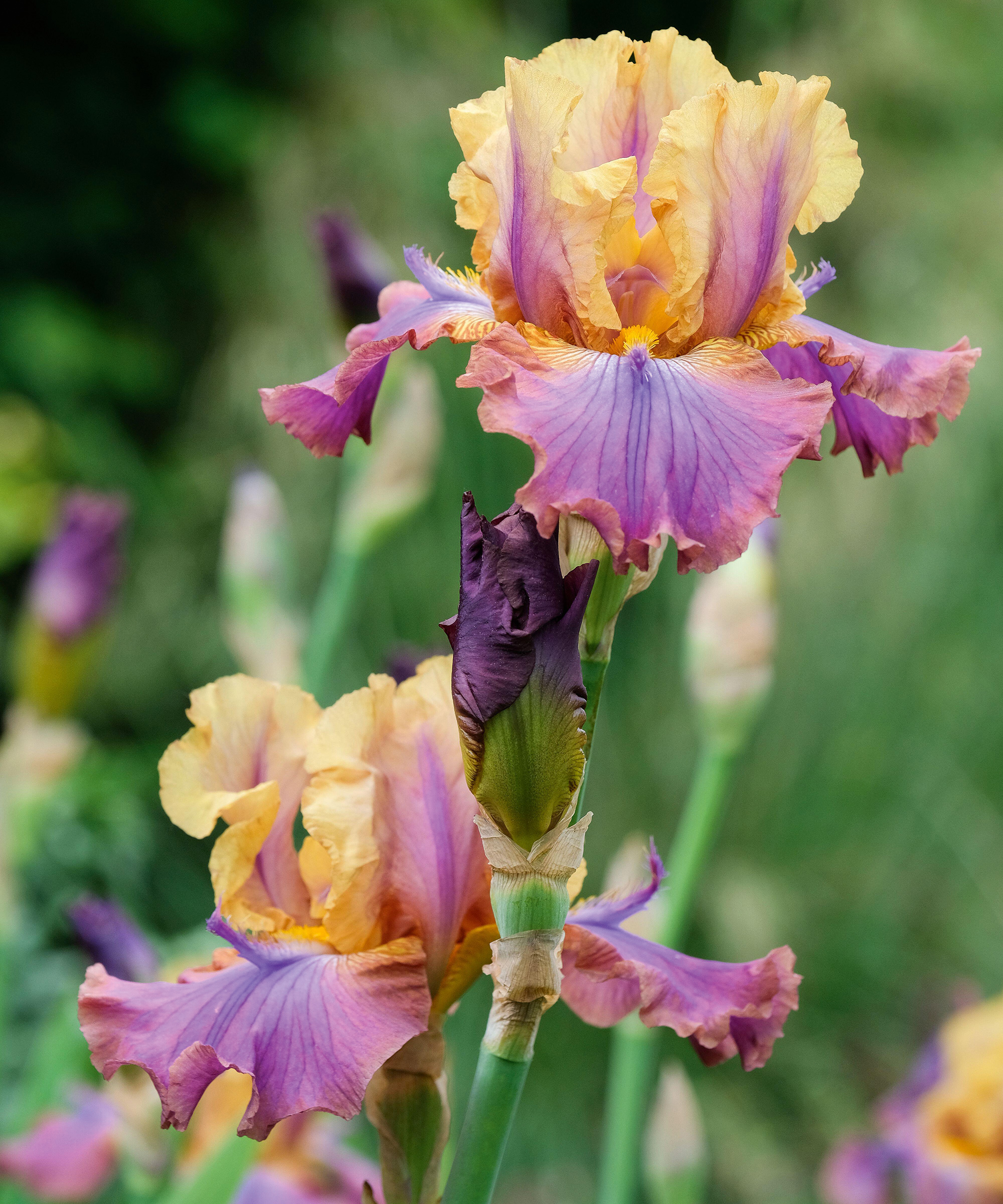
Look, bearded iris might look like delicate works of art, but these are remarkably tough perennials, and their flowers can make a serious impact in a summer border.
Their beautiful blooms come in an almost dizzying range of colors, from deep purple and blue to yellow, pink and white. Many varieties also have a wonderfully sweet fragrance, so why wouldn't you want them growing in your garden?
September is a particularly useful time to plant or divide bearded iris because the rhizomes have time to establish before the following growing season. Pick up something like these bearded iris rhizomes, then, and take care not to bury them too deeply.
3. Coneflower
(Image credit: Fasil Tiru / 500px / Getty Images)
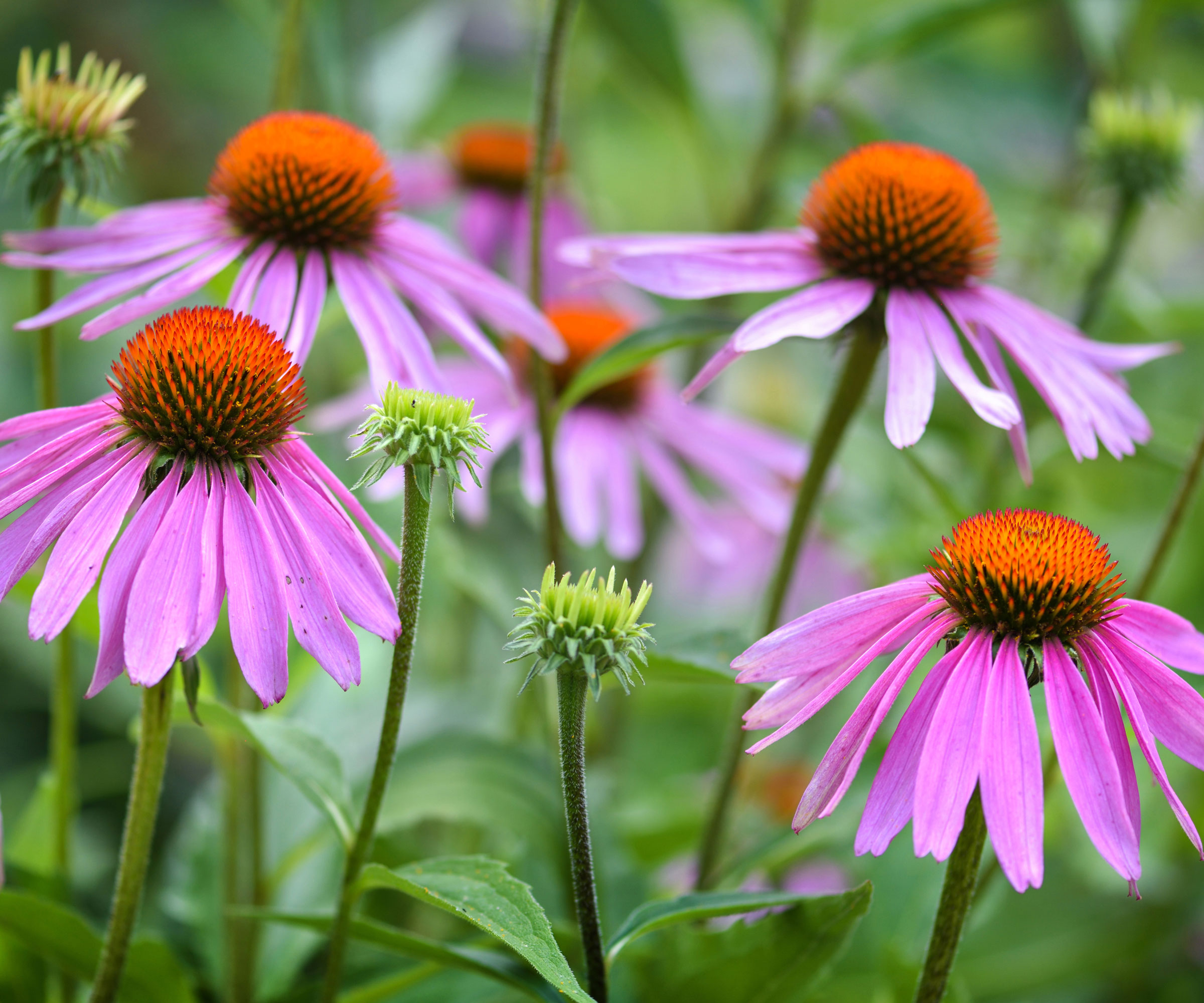
If you want big flowers and a garden full of pollinator activity, coneflowers are an excellent choice! These tough North American natives produce daisy-like flowers with prominent central cones, typically in shades of pink, purple, white, orange or yellow depending on the variety (many, though, rave about the Magnus Purple Coneflower from Nature Hills, as the petals never flop).
They're also wonderfully forgiving once established, tolerating heat and periods of dry weather better than many thirstier perennials. Plus, planting in September gives these low-maintenance blooms a chance to establish its roots while temperatures are cooler. By next summer, you can expect tall stems topped with flowers that keep going all season long... not to mention offer some winter interest in the form of their striking seedheads.
4. Daylily
Fu fact: daylilies are the kind of perennial you can plant in September and basically forget about, safe in the knowledge that they will still put on an impressive summer display.
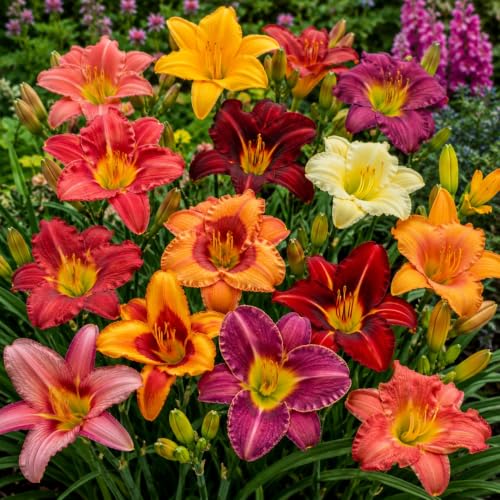
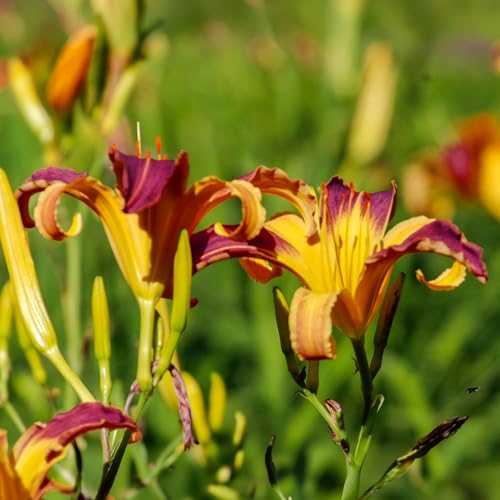
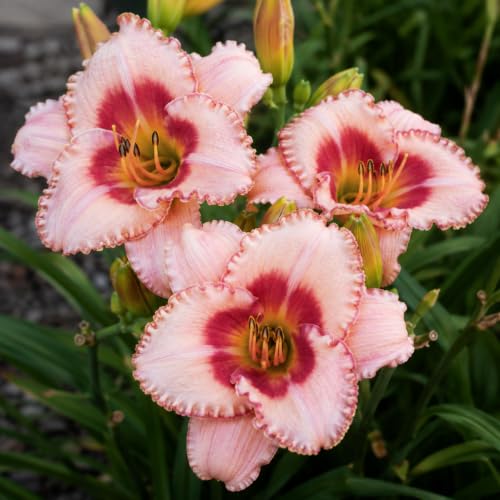
Despite the name, daylilies aren't true lilies; they're clump-forming perennials that produce masses of trumpet-shaped flowers, with each individual bloom typically lasting for just one day. Fortunately, plants produce many buds, so the overall flowering period is a lot longer than that... especially if you establish them in early fall and let the cooler weather give them time to develop roots before the heat of summer returns.
Shop Daylilies:
CZ Grain
12 Mixed Daylily Roots for Planting
Willard & May
Rare Applique Daylily Flower Bulbs
CZ Grain
Strawberry Candy Daylily Bulbs
5. Garden Phlox
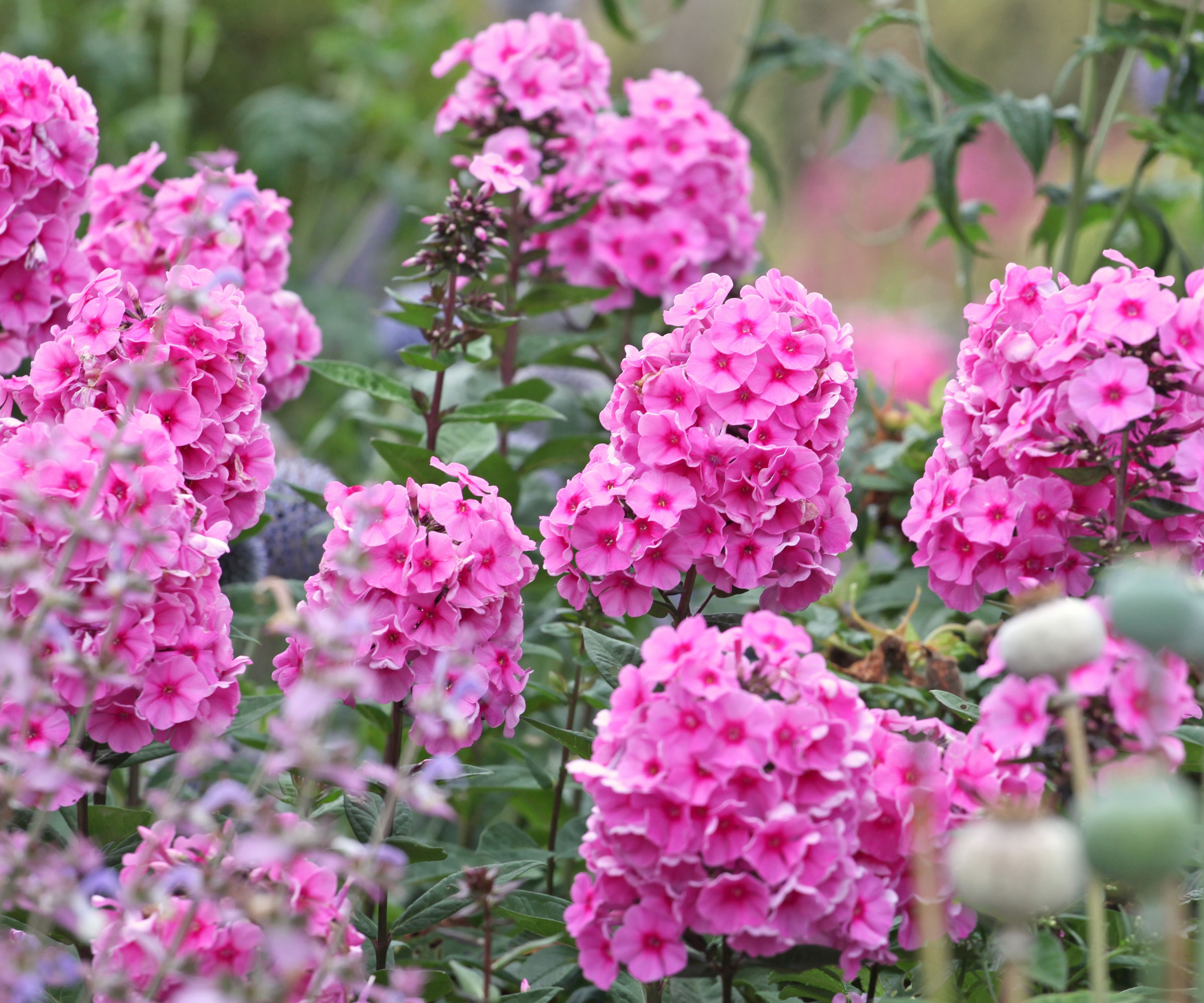
(Image credit: Alex Manders / Shutterstock)
If your idea of a spectacular summer garden involves great clouds of flowers rather than individual blooms, then garden phlox should definitely be on your list. This variety produces large clusters of colorful (and beautifully fragrant) flowers on tall stems.
It's a particularly useful perennial for the middle or back of a flower border because it brings height as well as color. And planting in September gives the roots time to establish before winter, setting the plant up for a strong start next growing season.
Try something like the Jeana Tall Garden Phlox from Nature Hills; it's a pollinator-friendly native, so guaranteed to keep local critters happy!
6. Hollyhock
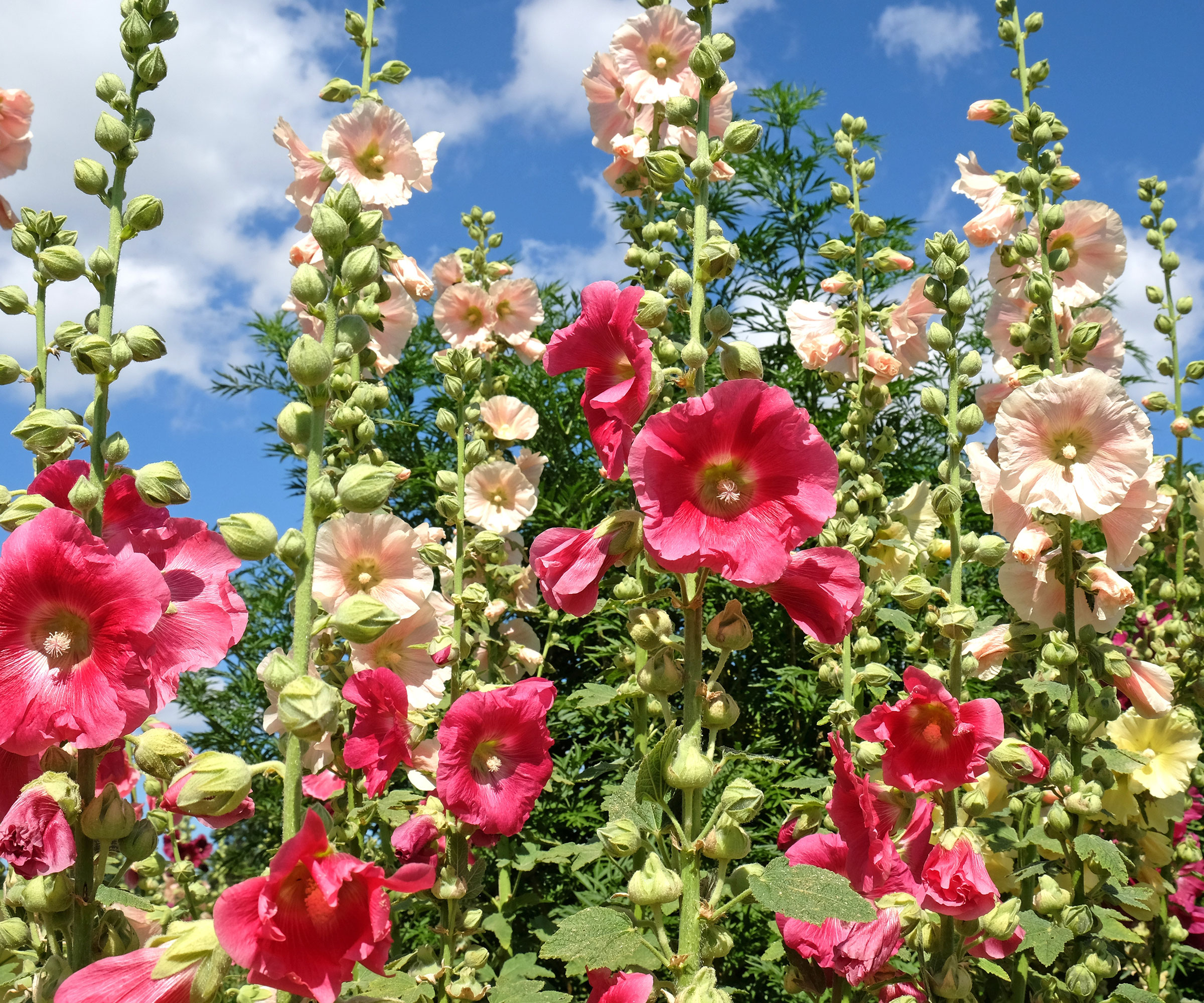
(Image credit: Alex Manders / Shutterstock)
Look, I think we can all admit that, for sheer height and drama, it's difficult to beat a hollyhock. Especially if you have blond hair (it makes a wonderful alternative to purple shampoo).
These towering plants can send flower-covered stems several feet into the air, creating a spectacular backdrop for any garden; that being said, hollyhocks are technically short-lived perennials or biennials depending on the variety and growing conditions, but they can readily reseed themselves in the right spot.
Their tall flower spikes are particularly useful if you're trying to add another dimension to a border rather than simply filling the ground with color. And, as fall is a good time to establish many hollyhocks, now isn't the time to sleep on this blooming beauty. Give these Hollyhock Summer Carnival Mix Flower Seeds a go and see how you get on!
BONUS: Don't Forget the Spring Bulbs
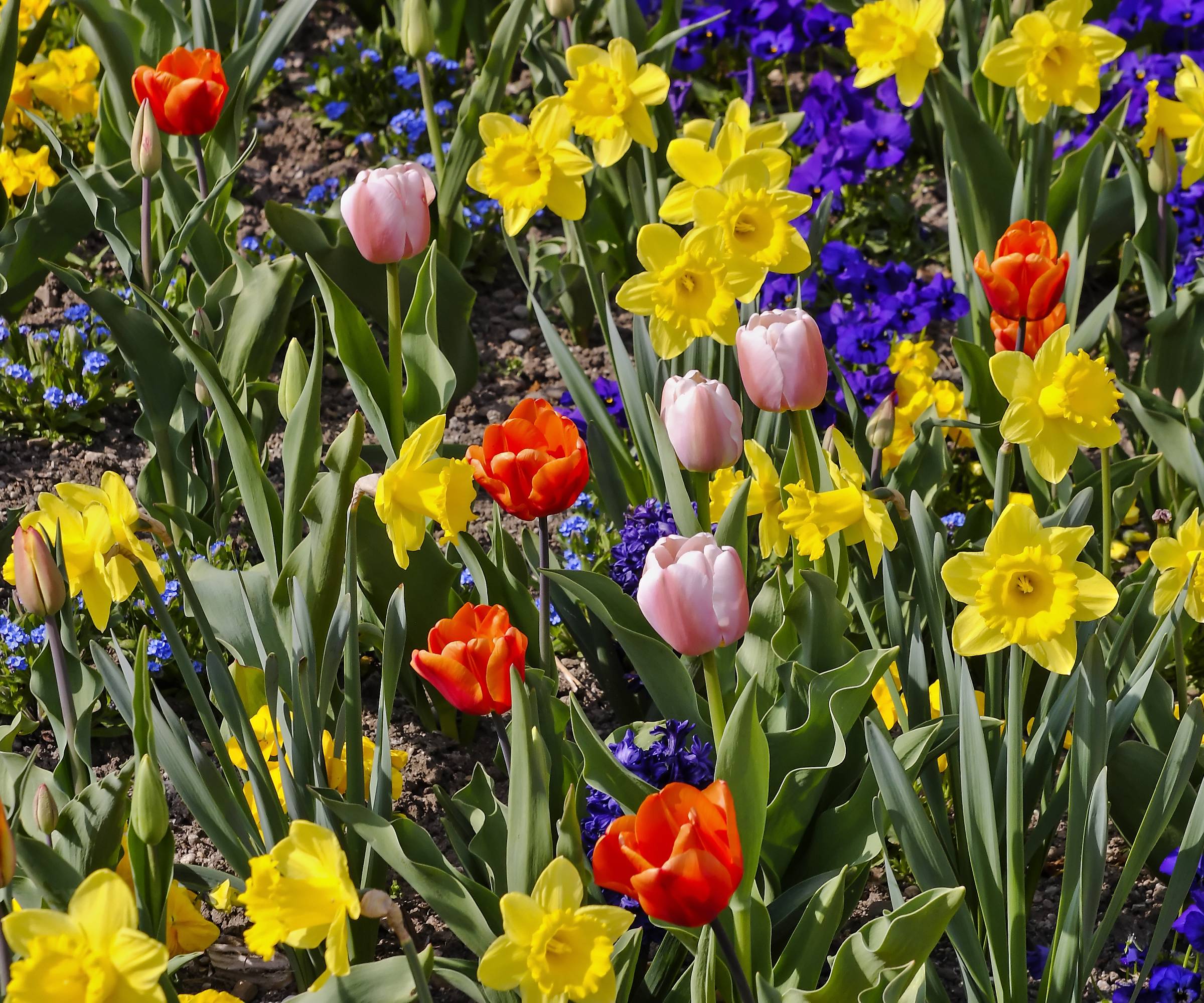
(Image credit: Werner Meidinger / Getty Images)
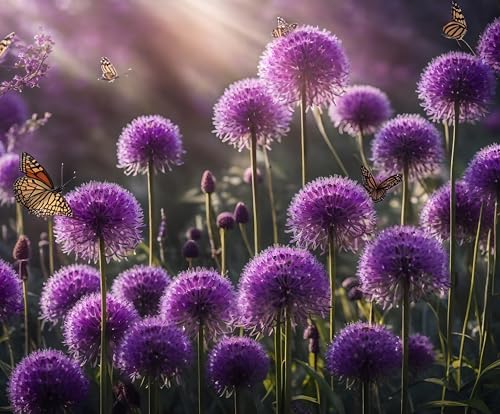
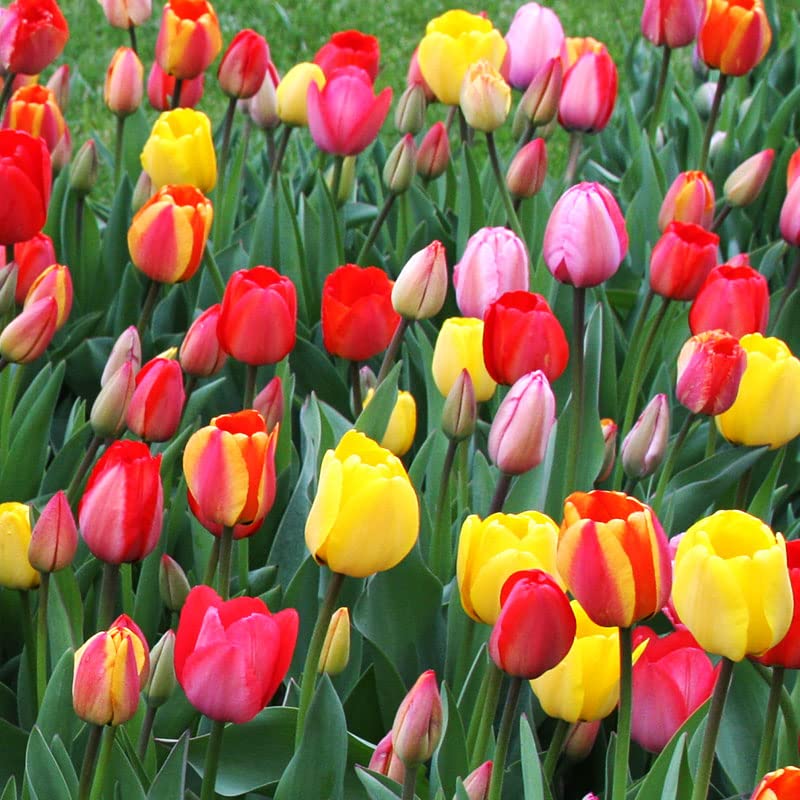
Tulips, daffodils, alliums, crocuses and many other bulbs need a period of cold temperatures to complete their natural growth cycle, making fall the perfect time to get them into the ground. Try combining fall-planted bulbs with your perennials, then, for one of the easiest ways to create a garden that changes throughout the seasons.
Shop Spring Bulbs:
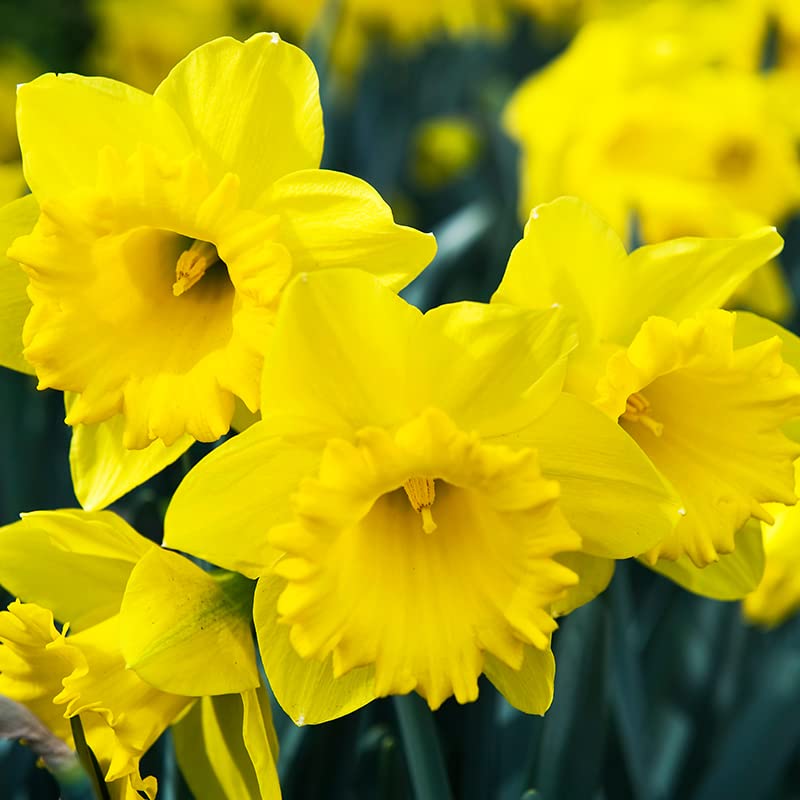
Willard & May
50 Yellow Daffodil Bulbs for Planting
CZ Grain
Purple Allium Bulbs for Planting
Willard & May
50 Triumph Tulip Bulbs for Planting
It's important to remember that perennials have different growth rates, and some varieties need a couple of seasons to reach their mature size. But giving them a good start is one of the simplest things you can do to encourage a strong, healthy plant.
To make that first winter easier, be sure to water newly planted perennials thoroughly, particularly if your area is experiencing a dry fall. A layer of organic mulch can also help (so long as you don't pile mulch directly against the crowns or stems of your plants), and, finally, resist the temptation to fertilize heavily.
Happy planting!













 English (US) ·
  French (CA) ·