

Coneflowers are one of my favorite flowers to grow for their cheerful summer blooms and their ability to attract pollinators. I love that they tend to just get on with everything, with or without my help. That being said, though...
Well, even when their petals have faded and the garden is beginning to wind down for winter, though, I wouldn't advise you to forget about your coneflowers just yet. In fact, October is a useful time to give these perennials a little attention, helping them prepare for the colder months while making the most of what they still have to offer.
The good news is that coneflowers (Echinacea spp.) don't need a complicated fall care routine. With that in mind, then, what do these pretty blooms want from us all when the weather starts to turn?
I feel it's my duty to point out that one of the most helpful things you can do for coneflowers resist the temptation to cut everything back, as their dried flower heads can provide food for hungry birds, while leaving healthy stems standing can add structure to the garden through winter.
There are, however, a few things worth checking before the weather turns colder. From deciding which seedheads to leave in place to spotting diseased foliage, here are three October tasks I'd prioritize for healthier coneflowers and a more wildlife-friendly garden.
Shop Coneflowers:
Plants That Work
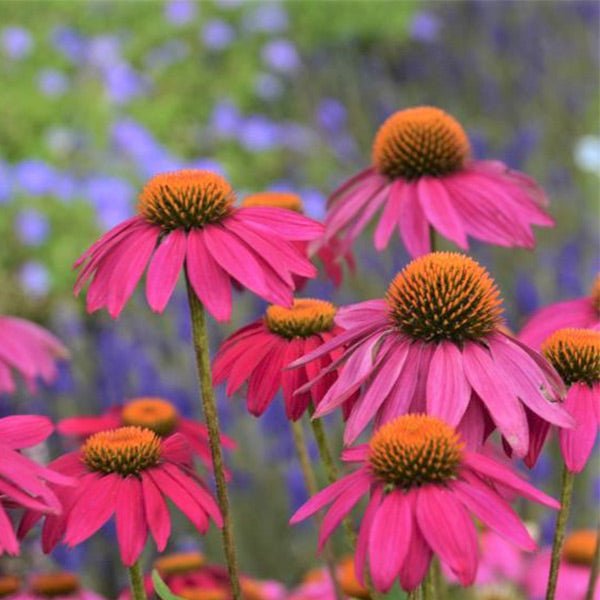
Powwow® Wild Berry Coneflower
Plants That Work
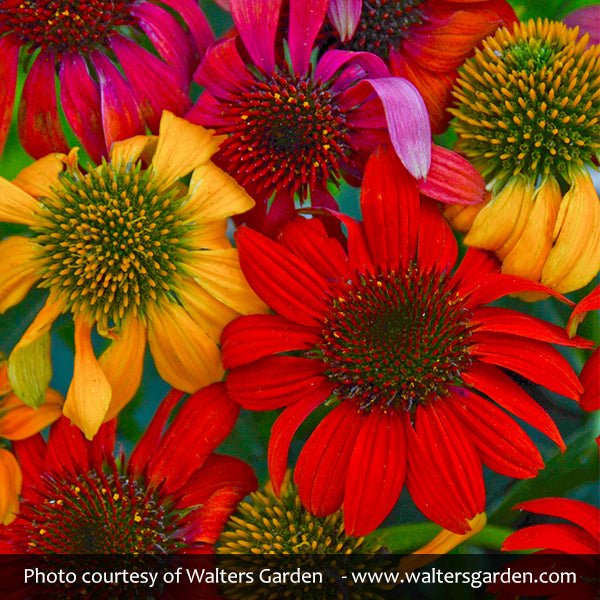
Cheyenne Spirit Coneflower
Nature Hills Nursery
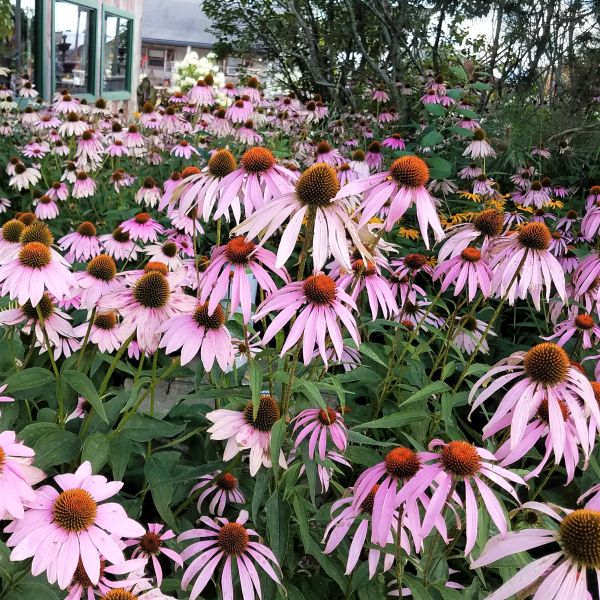
Magnus Purple Coneflower
1. Leave Some Seedheads for Goldfinches and Other Birds
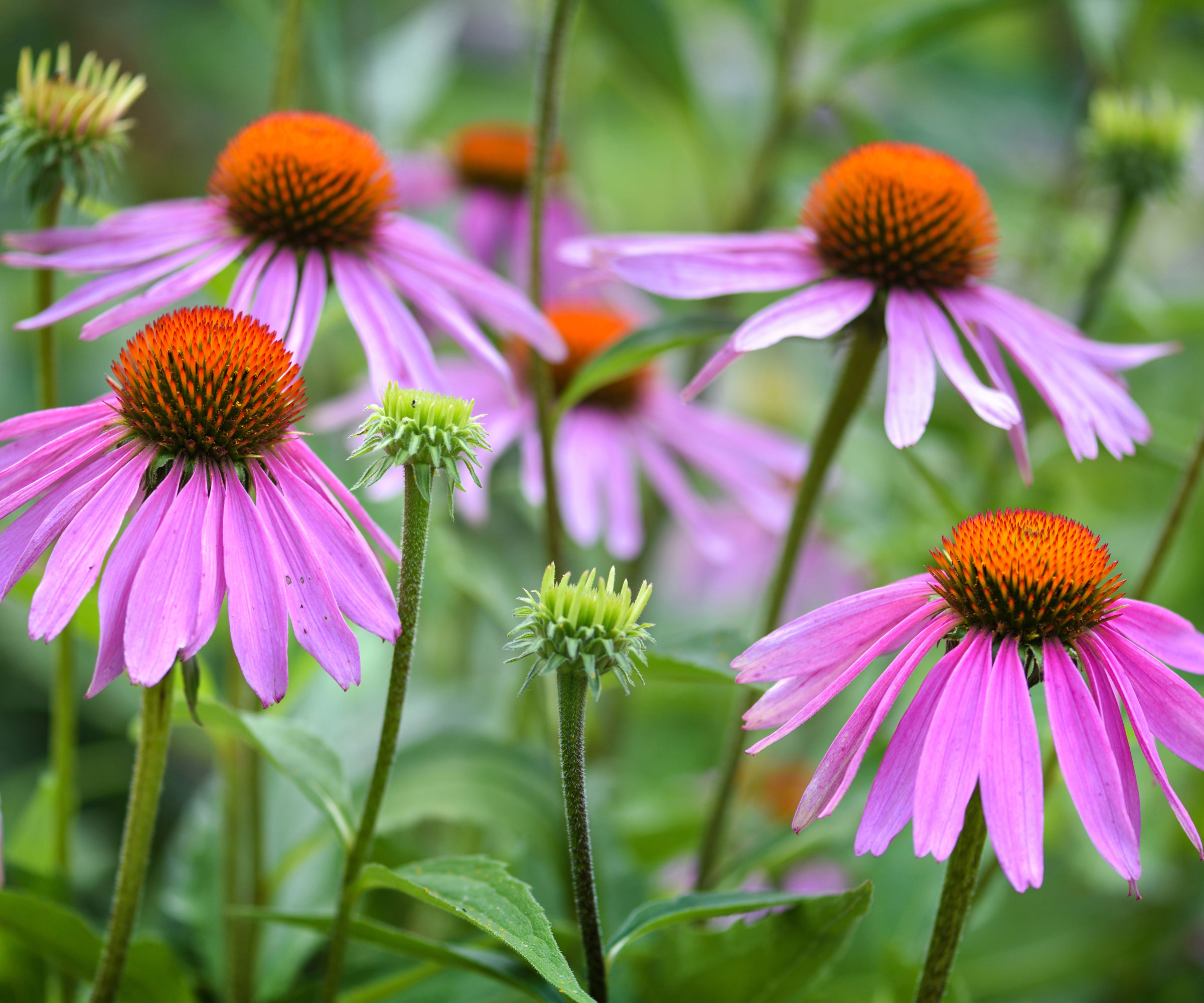
If there's one thing I'd encourage gardeners to do with their coneflowers in October, it's to leave the healthy seedheads standing. Once the colorful petals have dropped, the central cones dry out and contain seeds that birds can forage on through fall and winter.
American goldfinches are particularly fond of coneflower seeds, and watching these bright-yellow birds perch on the sturdy stems and pick out the seeds is a lovely reminder that a garden can keep giving long after its flowers have faded. Other seed-eating birds (including your very own birth month bird) may also visit, depending on your region and the species growing in your garden.

(Image credit: Stan Tekiela Author / Naturalist / Wildlife-Photographer / Getty Images)
I'd resist the urge to deadhead every faded flower simply to make the border look tidy. Instead, leave plenty of healthy seedheads in place and let them provide a natural food source. They'll also add interesting shapes and texture to the winter garden, particularly when dusted with frost.
One thing to keep in mind is that not every coneflower cultivar produces the same amount of viable seed. Some highly bred double-flowered varieties may offer less to birds than simpler, single-flowered forms. If supporting wildlife is a priority, consider growing native purple coneflower (Echinacea purpurea) and other varieties known to produce seed.
2. Check for Diseased Foliage Before Winter
Although I'd leave healthy coneflower stems standing, I wouldn't ignore signs of disease. October is a good time to look over the foliage and remove material that's badly affected by fungal problems, particularly powdery mildew.
Powdery mildew often appears as a pale, powdery coating on leaves and stems. It can be more noticeable late in the growing season, especially when plants have experienced humid conditions or poor air circulation. A little cosmetic damage isn't necessarily a reason to remove an otherwise healthy plant, but heavily affected foliage shouldn't simply be left to sit in the garden.
Shop Pruning Essentials:
I'd stick to the Three D's rule and cut out badly diseased material using clean pruning tools and dispose of it appropriately rather than adding it to a home compost pile. This helps reduce the amount of infected debris left around the plant.
It's important to be selective here. I wouldn't cut every coneflower down just because some leaves are looking tired. Healthy stems and seedheads can remain standing for birds and winter interest, while diseased material can be removed as needed.
3. Protect the Roots and Leave the Major Cleanup Until Spring
My final October task would be to prepare coneflowers for winter without disturbing them unnecessarily. In most gardens, established coneflowers are hardy perennials that don't require extensive protection, but a little attention to the soil can help.
I'd check that the soil around the plants isn't compacted and make sure water can drain away rather than pooling around the crowns. Coneflowers generally prefer well-drained soil, and persistently wet conditions can cause problems during colder weather. If the ground is dry, I may water the plants before the soil freezes, particularly if conditions have been unusually dry. And a light layer of mulch can help moderate soil temperatures and protect roots, although I'd avoid piling it directly over the crown.
Most importantly, I'd leave the main cleanup until spring. Once the weather warms and new growth begins to emerge, I can cut back the old stems before they get in the way. Waiting also means I don't remove useful seedheads too early or disturb wildlife that may be using the garden through winter.
(Image credit: Fasil Tiru / 500px / Getty Images)
Basically, coneflowers don't need much fuss in October, and that's part of their appeal. By leaving healthy seedheads for goldfinches, removing diseased foliage when necessary, and protecting the root zone without cutting everything down, I can help these reliable perennials get through winter while keeping the garden useful to wildlife.
Rather than treating fall as a time to strip the garden bare, I'd see it as an opportunity to be more selective. A few standing stems can provide food, shelter, and winter interest – and when spring arrives, the coneflowers will be ready to grow again. And you can't say better than that, right?














 English (US) ·
 French (CA) ·