

In spring and early summer, rose care is all about encouraging new and rapid growth. By July, it’s more about survival. This can be a tough time for roses as temperatures soar and conditions dry. Stress can lead to reduced flowering, pests, and disease getting a foothold.
Good rose care now, during this critical period, is all about keeping them healthy in tough conditions. These simple but important July tasks will help them survive, thrive, and keep flowering through the summer. And what’s the biggest mistake you can make to halt repeat blooms? Check out task number one below.
1. Deadhead Spent Blooms
(Image credit: Maryviolet / Getty Images)
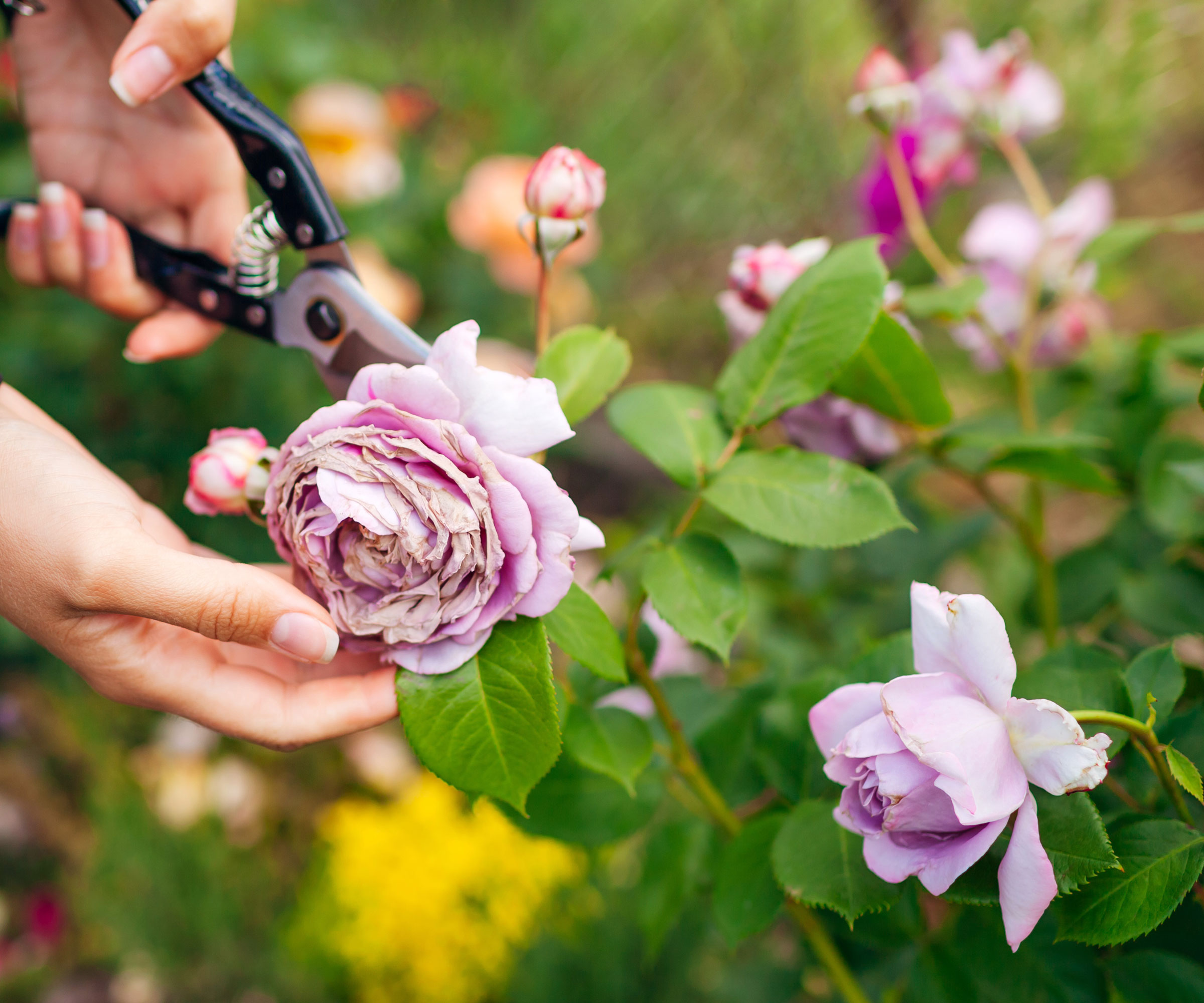
Repeat-blooming roses produce a gorgeous flush of abundant flowers in late spring and early summer. If you treat them right, they’ll do it again, but July care is critical. The biggest mistake you can make is getting lazy about deadheading or not doing it correctly.
Deadheading roses sends a signal to your plant that it’s not done making flowers yet, stimulating another round of blooms. The correct way to do this is to make a clean cut just above the first set of five leaflets. If your roses grow in clusters, cut off each individual flower as it fades.
Make sure to use clean, sharp shears to prevent disease spread and stem damage. Fiskars' bypass pruning shears, available on Amazon, are a good budget-friendly pick.
It’s better to deadhead regularly rather than waiting for all of the flowers to fade. Check on your bushes every few days and trim off any spent flowers that you see. This one simple chore will keep your roses blooming all summer.
2. Water Deeply
(Image credit: Valeriy_G / Getty Images)
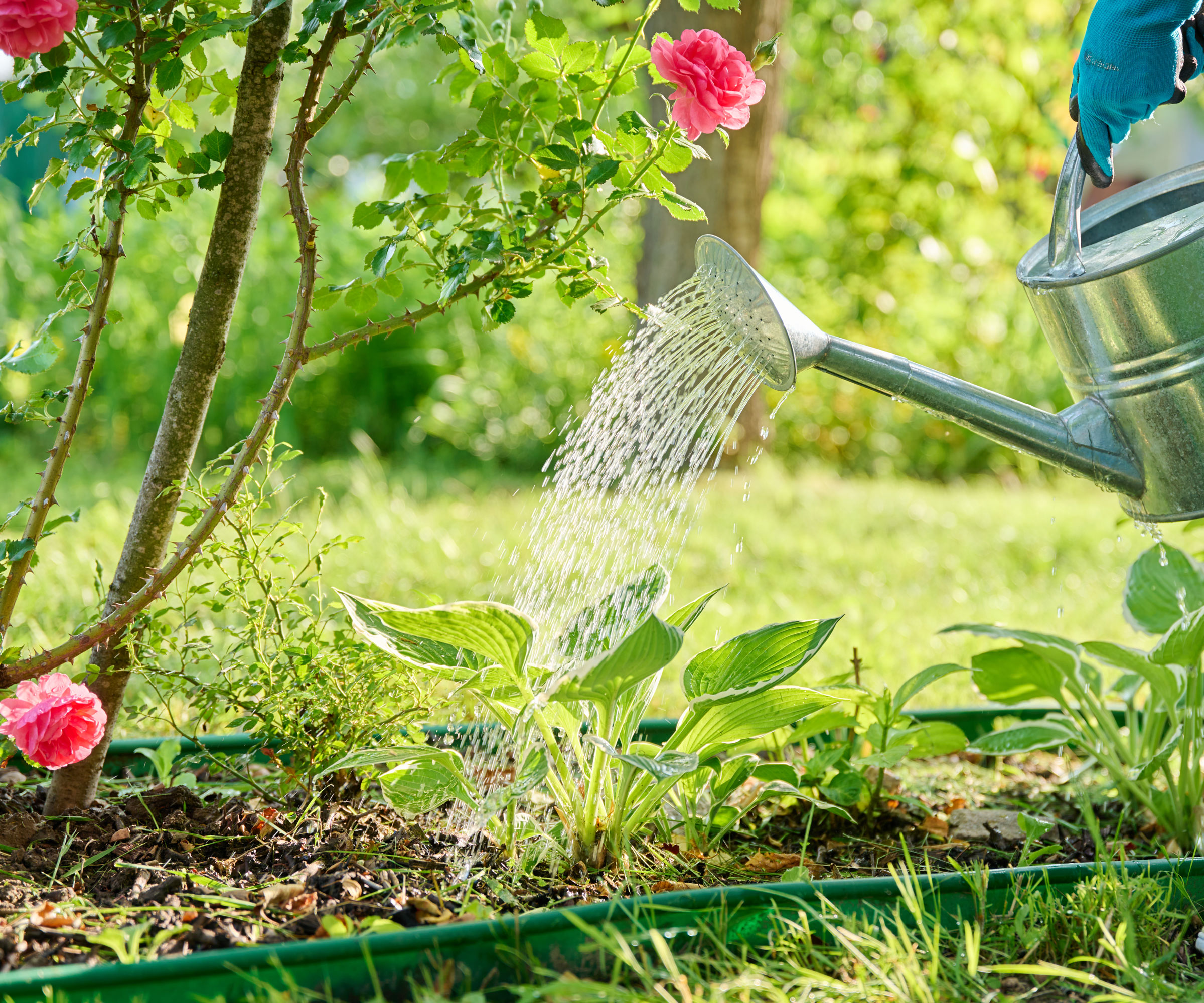
The next most important thing you can do to keep your roses happy, healthy, and blooming is to keep the soil moist. July in many gardens is hot with minimal rainfall. Roses need an inch of water a week, so if it’s not raining, you must provide the water.
The best way to water roses in summer is to water deeply once or twice a week rather than shallowly every day. Deep watering encourages roots to grow deeper into the soil, where it’s cooler. Water with a hose or drip irrigation – this Carparthen kit from Amazon will get you started. Avoid overhead watering, as getting leaves wet encourages fungal disease.
How frequently you give your roses a deep watering depends on several factors. Increase the frequency during very hot or dry conditions. You should also water container roses more often, possibly every day, depending on the weather.
3. Keep the Mulch Fresh
(Image credit: Alamy)
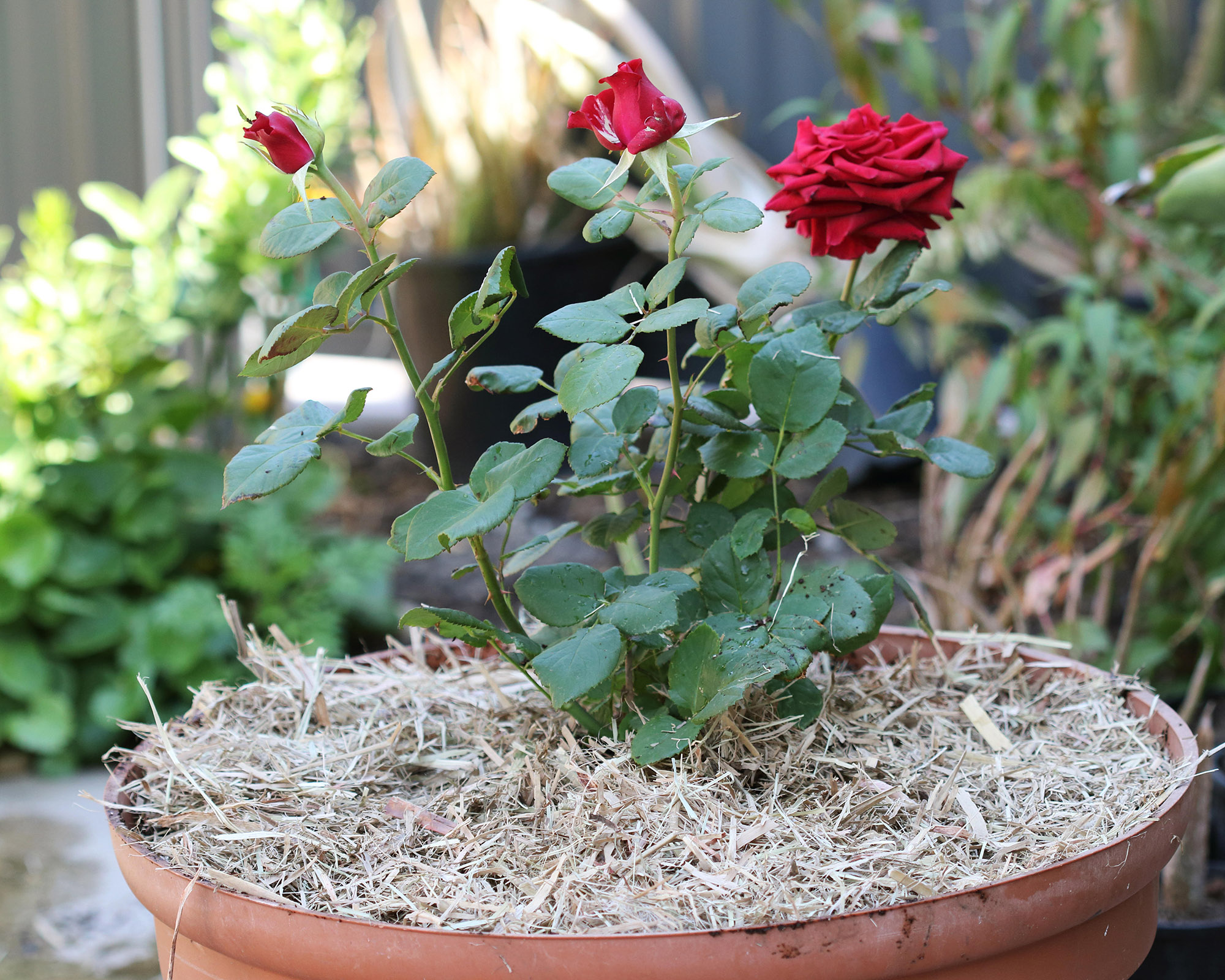
Mulch is a must-have for roses in summer. There are multiple benefits to keeping a clean, two- to three-inch (5–7.5 cm) layer of mulch around rose bushes. The first is that it keeps the soil cool, which helps reduce plant stress.
Mulching around a rose bush also helps retain soil moisture, which is critical during a hot, dry summer. Covering the soil reduces the risk of fungal spores splashing up and onto leaves during watering or rain. Finally, a good layer of mulch helps keep weeds at bay.
July is a good time to make sure the mulch layer around your roses is deep enough and clean. Add more or replace degraded mulch as needed. Always keep the mulch a few inches away from the rose stems, as piling it up there can actually contribute to disease and rot.
You can use straw or shredded bark, but coconut husk is also a good option, like Back to the Roots' Organic Expanding Coconut Husk Mulch.
4. Feed, But Lightly
(Image credit: Knock Out Roses)
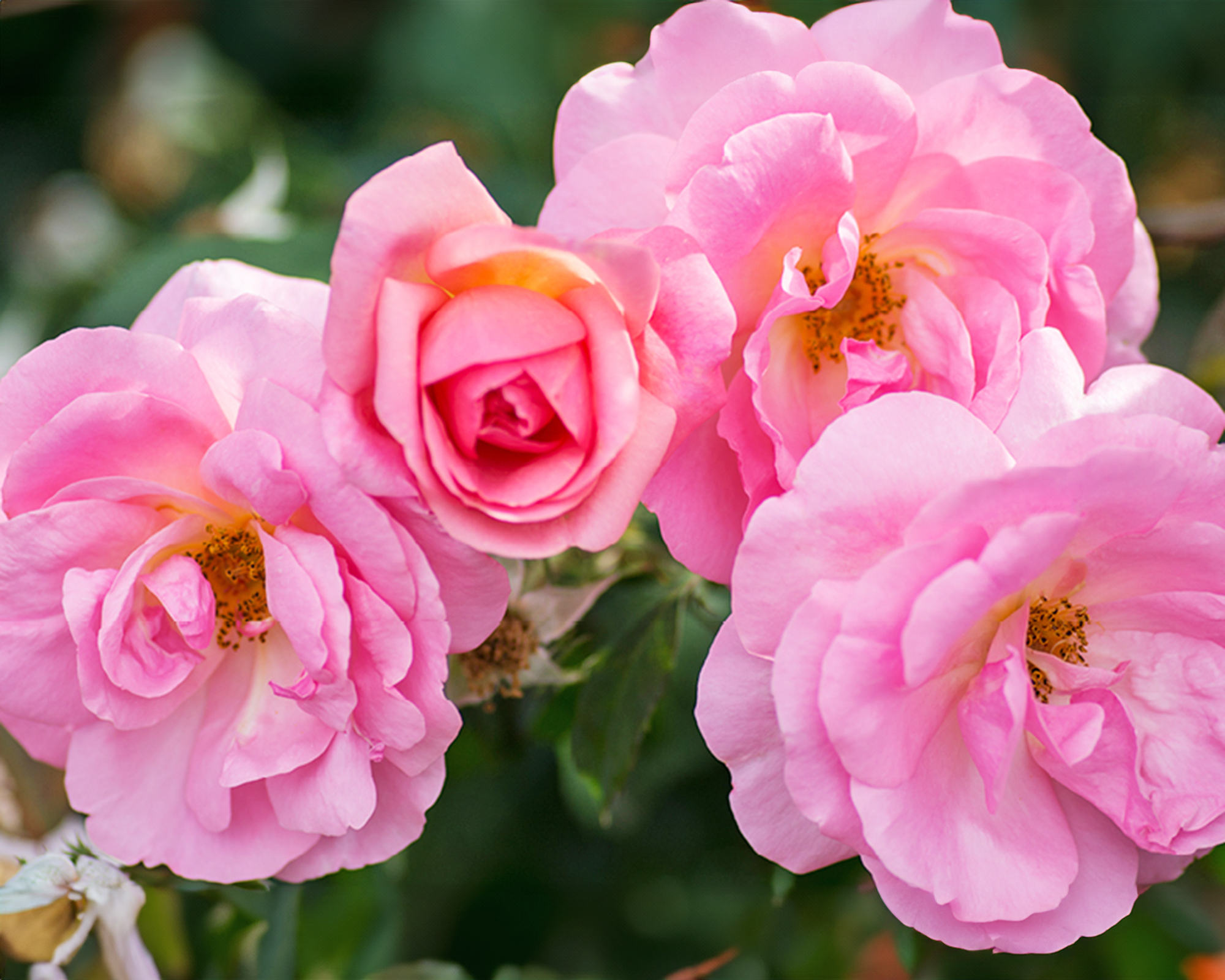
Roses are notoriously heavy feeders. Fertilizing roses is important for healthy growth and ongoing flowering. You probably started feeding your roses in spring, which is the time to feed heavily to promote new growth. In July, you should keep feeding roses to keep them healthy but not so heavily that they put out a lot of new growth during hot, often dry weather.
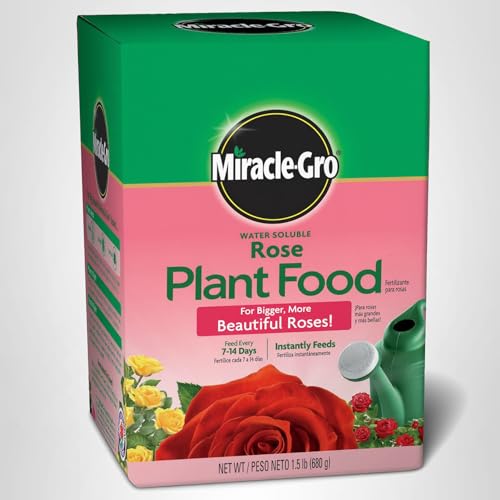
Stick with a balanced fertilizer in July, like 10-10-10. You can also look for a rose-specific product, like Miracle-GRO Water Soluble Rose Plant Food, and follow the label instructions.
Water your roses deeply after applying the fertilizer to reduce the risk of stress. If your garden has been going through a major heat wave or drought, skip the fertilizer for now and focus on watering. You can resume feeding once temperatures ease up.
5. Keep an Eye on Pests and Diseases
(Image credit: Valeriy_G / Getty Images)
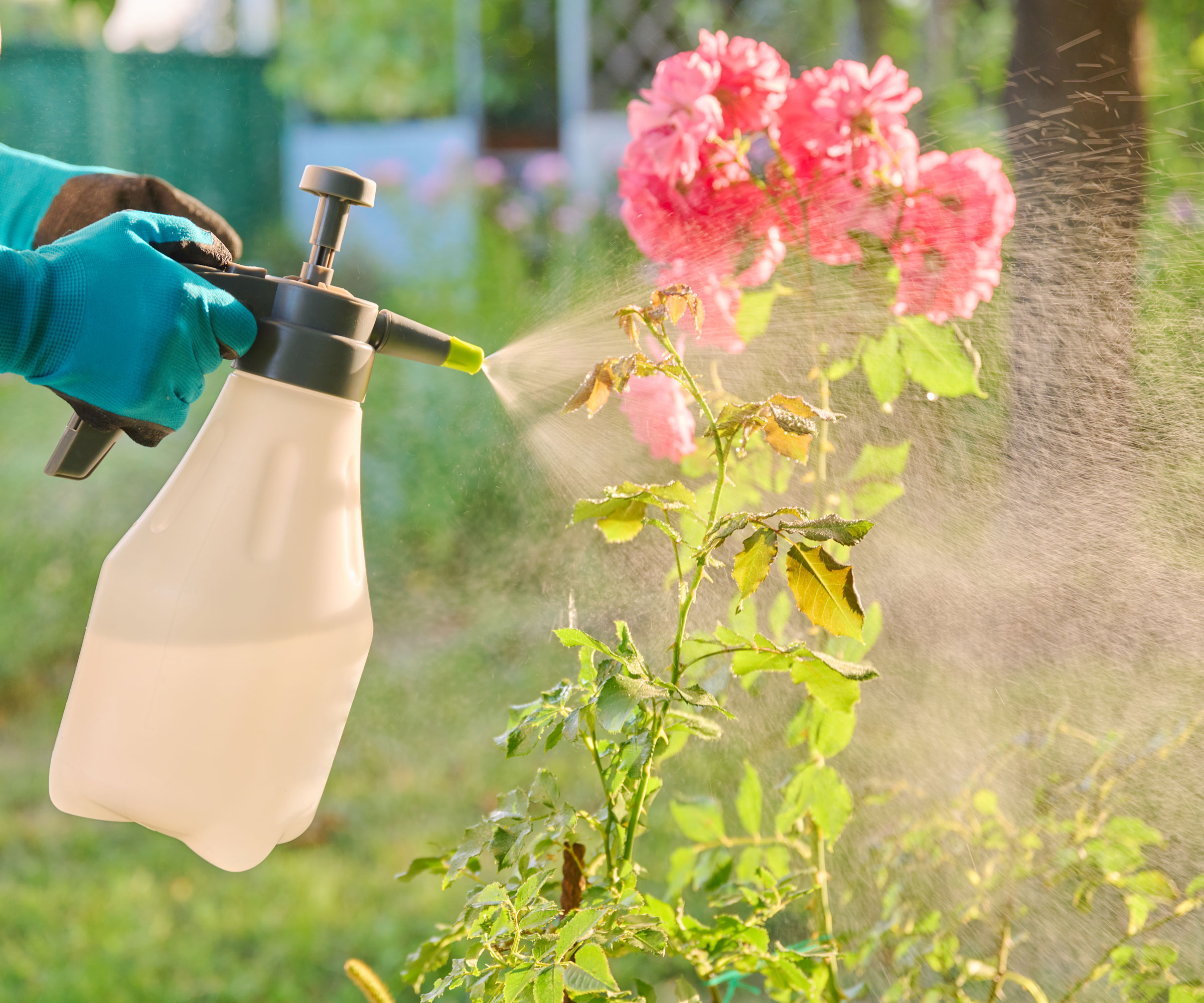
Rose pests and diseases often take root more readily when plants are stressed. The stress of July heat, humidity, and dry soil means you need to keep a careful eye on your rose bushes. Look for aphids, spider mites, Japanese beetles, black spot, and powdery mildew.
If you do see pests, start with the least damaging method of control, like a spray of water, and, if needed, move on to insecticidal soaps or other pest control products. For signs of disease, tidy up by removing and disposing of any affected leaves. Clean up the ground around the roses to prevent disease spread. Move on to chemical fungicides only if necessary.
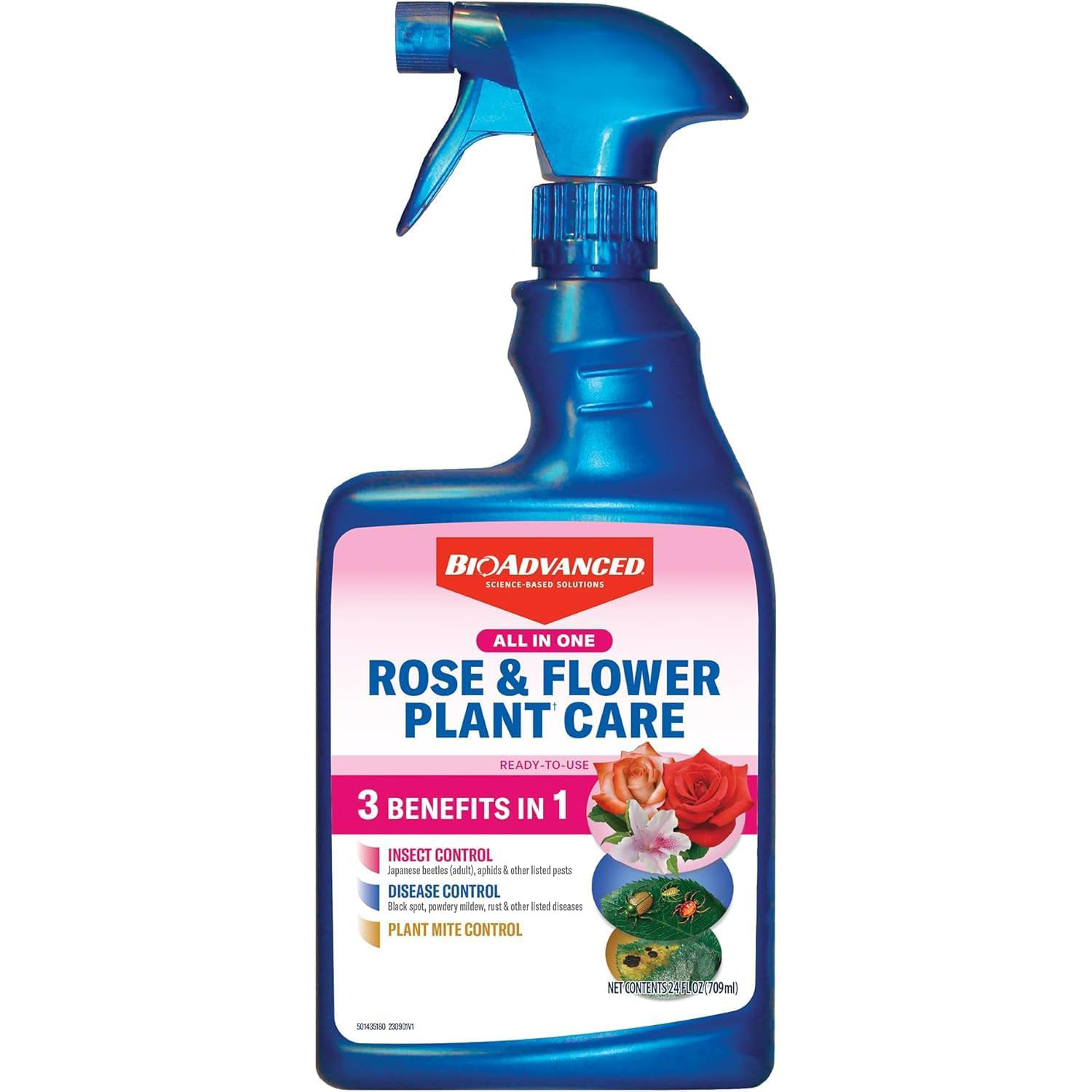
BioAdvanced All-In-One Rose and Flower Plant Care Spray provides good protection against pests and diseases.
July Rose Care Essentials

Fiskars Bypass Pruning Shears
Miracle-Gro Water-Soluble Rose Plant Food
Bioadvanced All-In-One Rose and Flower Plant Care Spray
While early summer is a growth period for roses, think of July care as maintenance. Now is the time to protect your roses and encourage more flowers, not to trigger a flush of new growth. Focus on water, deadheading, light feeding, mulch, and pest and disease control to get the most out of your plants.














 English (US) ·
  French (CA) ·