

Most houseplants make their needs obvious. Snake plants don’t, and that toughness is a big reason they end up in so many homes – right up until a cool snap or one watering too many catches up with them in October. September sits at the turn between summer growth and a much slower winter stretch, so the changes made now carry right through to spring.
Good snake plant care in fall mostly comes down to easing off. Growth slows as the days shorten, and the roots pull far less water than they did back in July. A couple of September’s jobs are time-sensitive, though, especially for plants that spent the summer out on a porch or patio.
6 Snake Plant Tasks to Tackle in September
Temperatures still swing quite a bit this month across much of the country. Warm afternoons make it tempting to keep the same routine going, but the shorter days have already changed how much moisture and fertilizer a snake plant can put to use.
1. Bring Outdoor Plants in before Nights Turn Cold

(Image credit: Focus Pixel Art / Getty Images)
Watch the overnight lows more than the afternoon highs. Snake plants tolerate cool nights around 50F (10C), but longer stretches below that can damage the leaves, and frost will kill the plant outright. Many people wait for the first chilly forecast – the trouble is that a late-September cold snap can show up with hardly any warning. Aim to bring your plant inside while nights still sit in the mid-50s (about 13C), with some margin to spare. It should sit somewhere away from drafty doors, ideally.
2. Inspect Every Leaf before It Comes Inside
(Image credit: Alexandr Kolesnikov / Getty Images)
Pests are rarely a big issue on snake plants, so this step gets skipped a lot. A summer outdoors gives citrus mealybugs (Planococcus citri) and two-spotted spider mites (Tetranychus urticae) plenty of chances to move in, and either one can spread to other houseplants once the plant is back on a windowsill. Peer into the tight leaf bases, where mealybugs tend to tuck their cottony clusters. A spray bottle of ready-to-use insect killing soap, stocked at Home Depot, takes care of light infestations while the plant is still outdoors – both faces of every leaf need a good soaking.
3. Stretch Out the Time between Waterings

(Image credit: Westend61 / Getty Images)
Overwatering is behind a large share of snake plant losses, and fall is when it often creeps in. The schedule that worked in August can leave the mix wet for weeks once growth slows in September. Let the pot dry out completely before watering again. A finger pushed 2 inches (5cm) into the soil gives a decent read, and a battery-free soil moisture meter from Amazon reaches well past fingertip depth in tall pots. Through the coldest months, many snake plants need water only every month or two. A dry pot is rarely an emergency; a soggy one in October can be.
4. Give One Last Light Feeding, Or Just Skip It
(Image credit: boonchai wedmakawand / Getty Images)
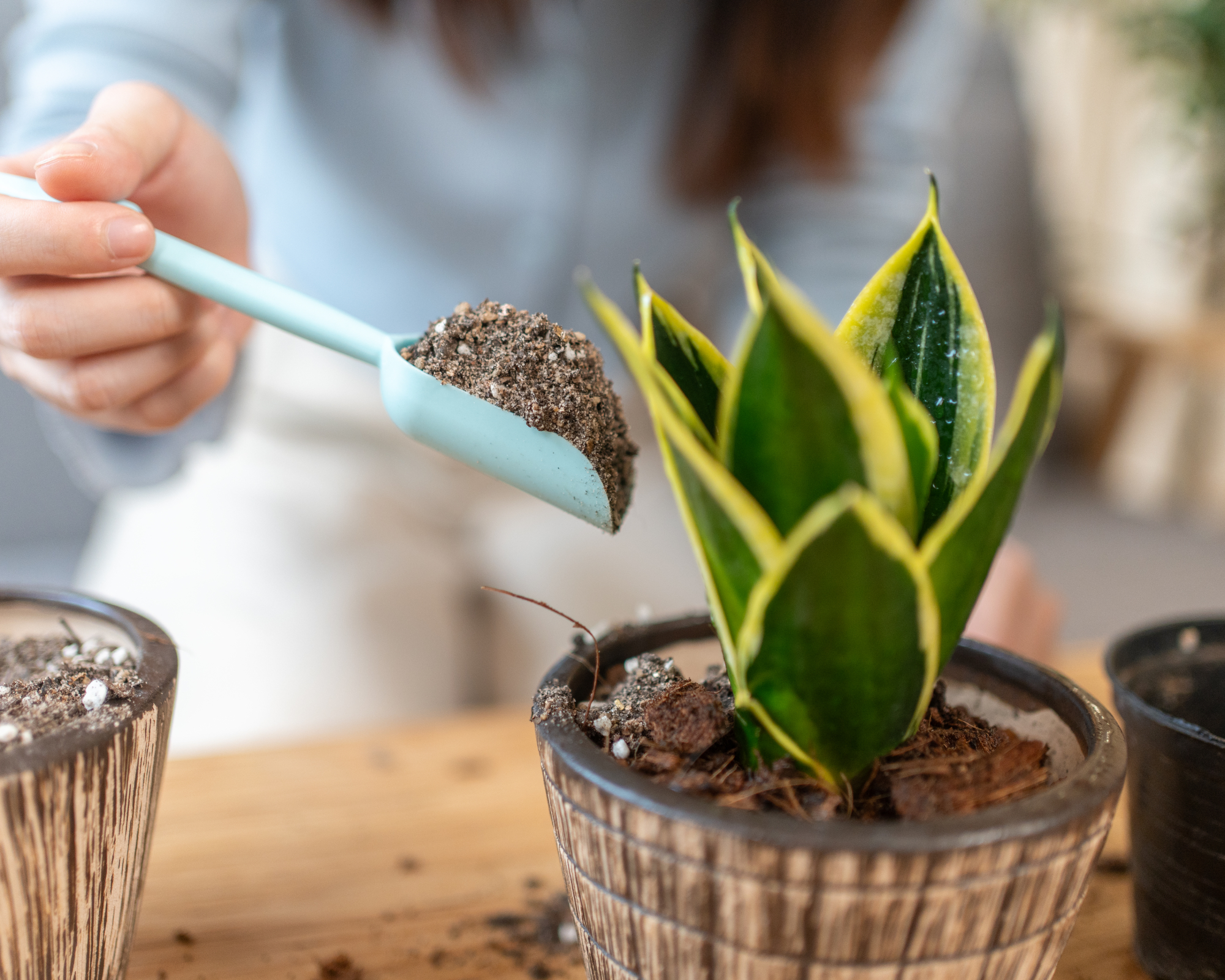
Snake plant fertilizer needs are low at the best of times, and plenty of growers have stopped entirely by September. For a plant that hasn’t been fed in months, one dose early this month at half the label rate seems reasonable. Amazon has a liquid cactus and succulent plant food that mixes straight into a watering can. After that, hold off until new growth appears again. Fertilizer left in soil that stays damp for weeks mostly builds up salts the plant has no real use for anyway.
5. Move the Pot Closer to a Window
(Image credit: Victoriia Ihnatovets / Getty Images)
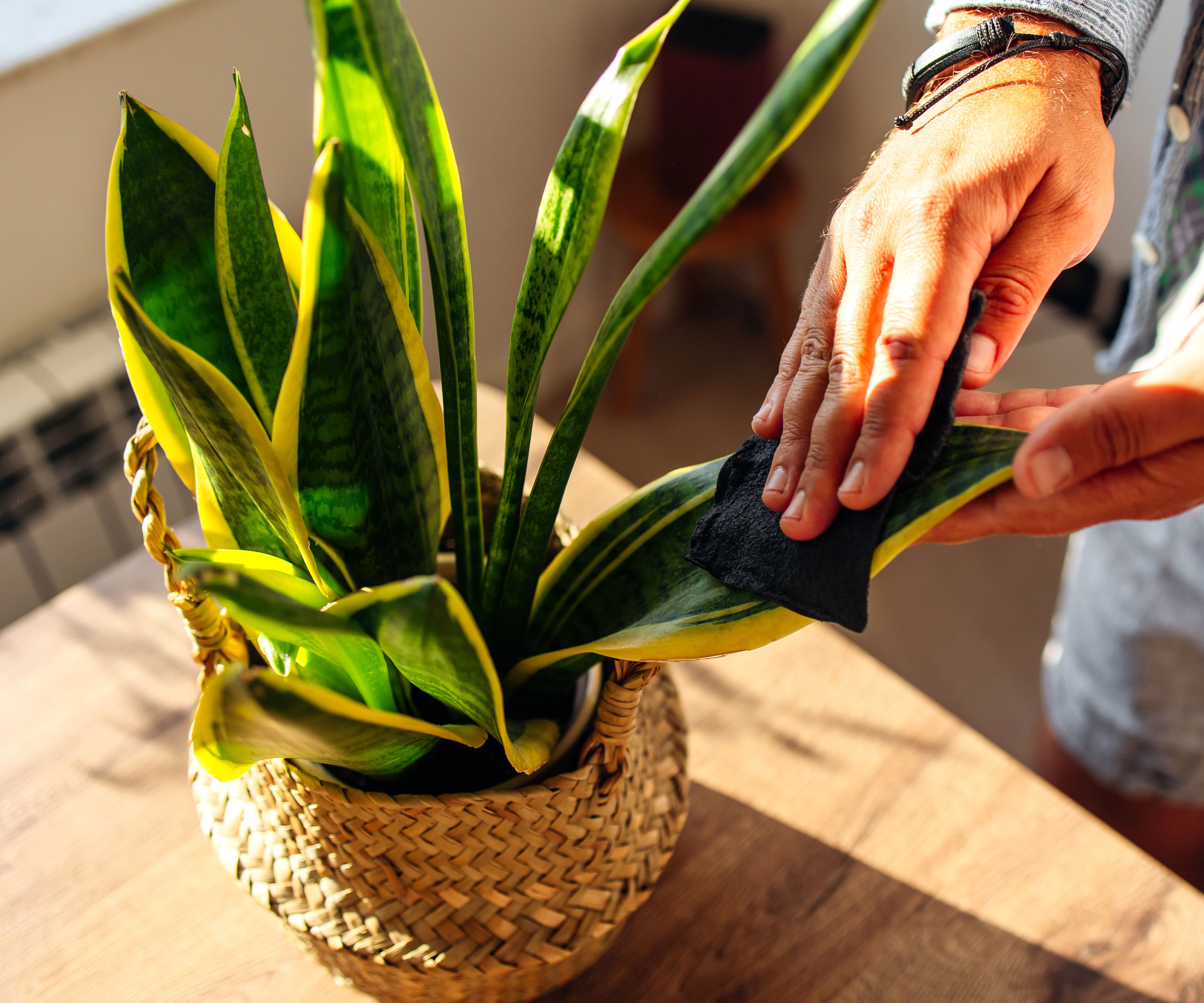
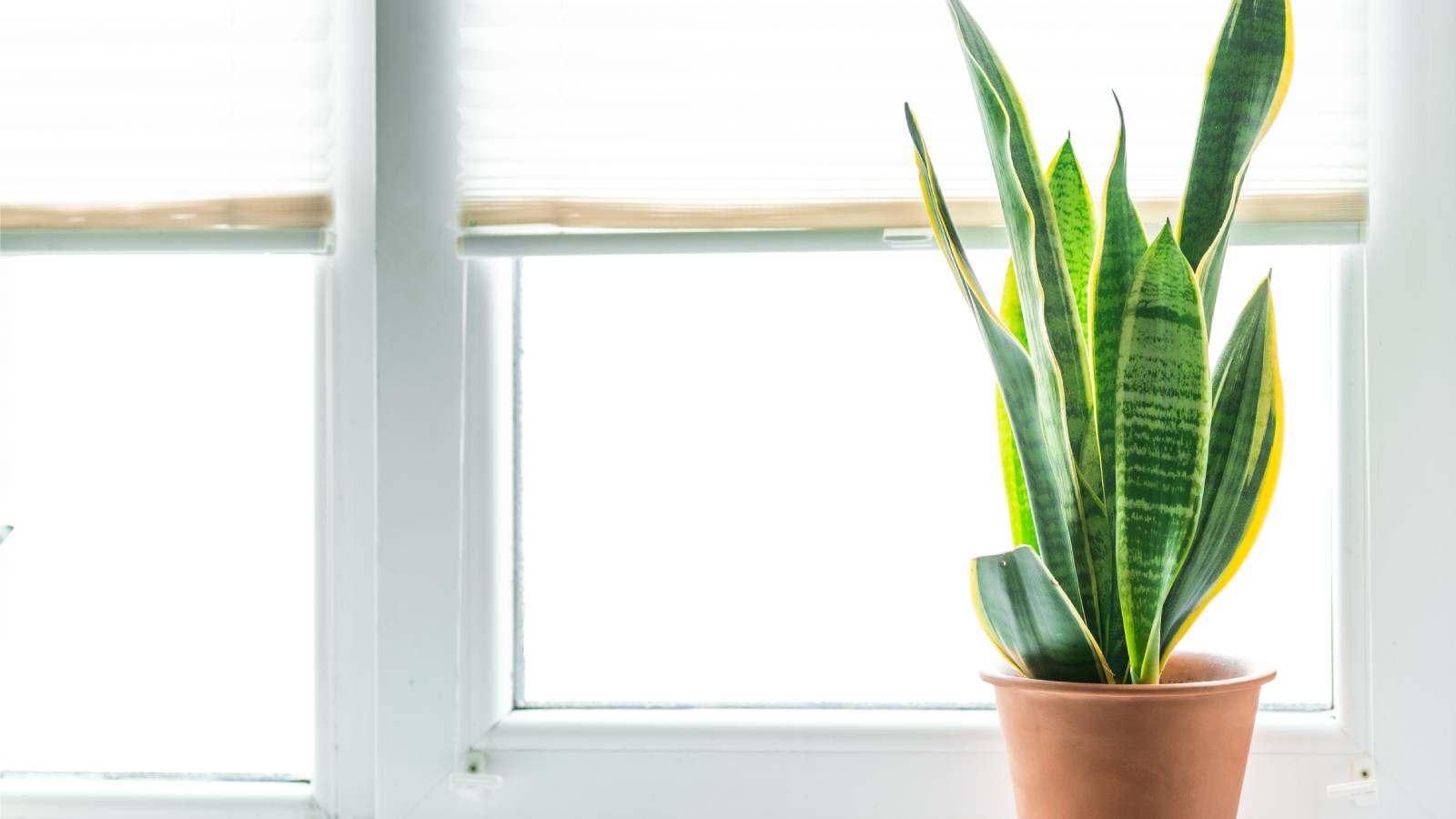
By late September, a corner that felt bright in June might only get a few hours of weak light. Snake plants tolerate dim rooms, though they produce very little new foliage there, and some variegated types may lose a bit of their contrast over a long, dark winter. An east- or west-facing window works well, as long as the leaves aren’t pressed against cold glass. Wipe down each leaf during the move, too – dust dulls those broad, leathery blades and can block a fair share of light. If the leaves start leaning toward the window, a quarter turn every few weeks helps keep new ones growing straight.
6. Check the Roots, but Save Repotting for Spring
(Image credit: Byakkaya / Getty Images)
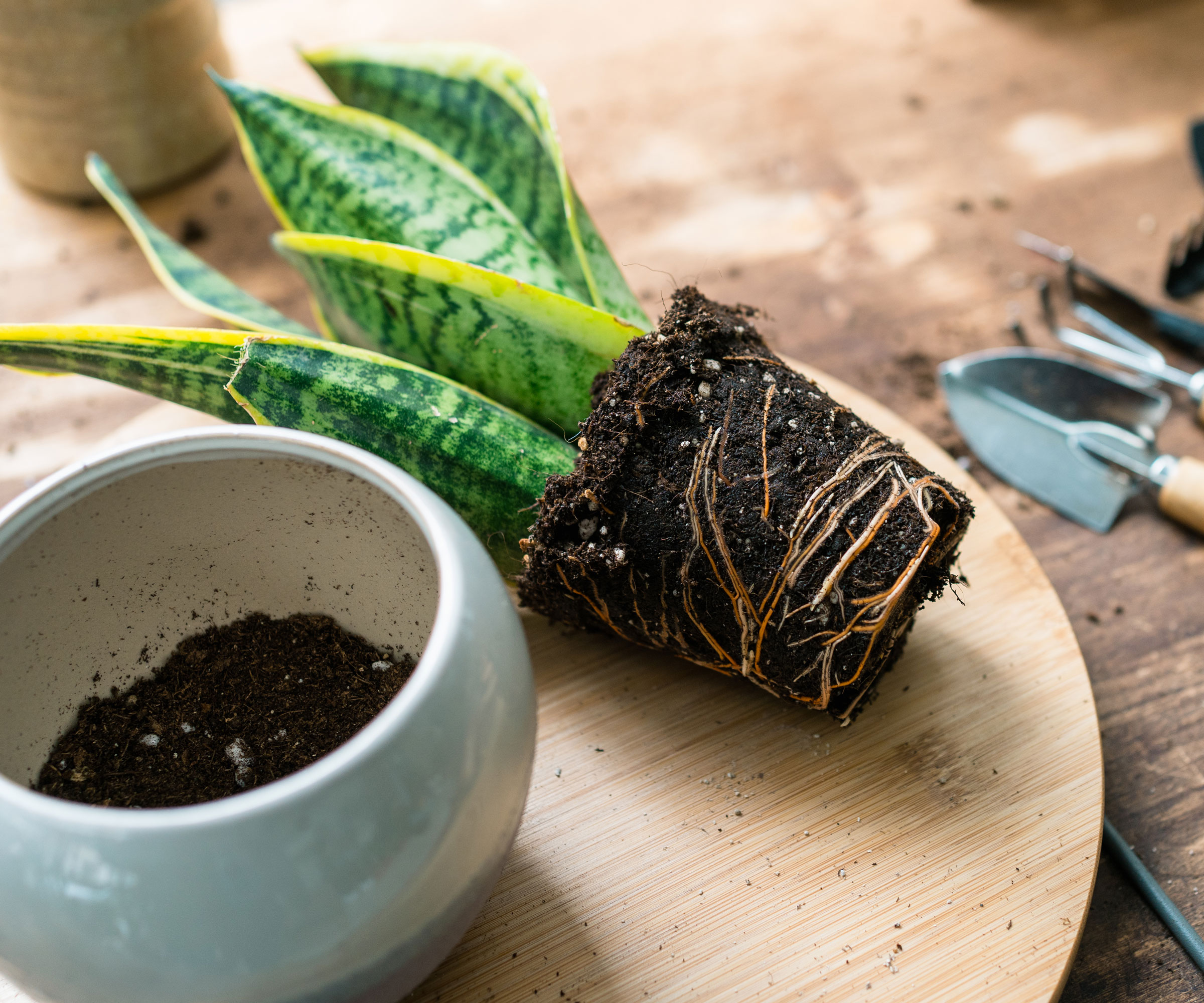
Roots poking out of the drainage hole send a lot of people reaching for a bigger pot. It can wait. Snake plants grow fine when a little crowded, and a roomy container full of moist mix heading into the cool season is a setup for rot. Snug roots aren’t a problem to solve before winter – soggy ones are. The exception is a pot that’s cracked open or a plant top-heavy enough to tip over. In that case, it's okay to repot a snake plant. Go up only one size, roughly 2 inches (5cm) wider, and water sparingly afterward.
Once September’s work is out of the way, a snake plant needs very little until spring, which is a big part of the appeal. A quick finger test now and then, plus the odd dust-off, should carry it through the darker months without much fuss.

















 English (US) ·
  French (CA) ·