

A spider plant (Chlorophytum comosum) asks for very little, which is half its charm. But July is the month it pays to give your plants a bit of attention. Warm rooms and bright summer light have spider plants growing fast, throwing out new leaves, and long stems that end in baby plantlets. Give your plant what it wants now and, by late summer, you'll be looking at a full, cascading plant with spiderettes to spare.
Good spider plant care functions on the same handful of principles year-round, but July shuffles the order of priorities. Heat puts water and light near the top of the to-do list and it opens up the best stretch of the year for multiplying your spider plant into a fuller flush of spiderettes.
A few small jobs over the coming weeks and the results turn up in the leaves and lots of new spider babies. Here’s what your spider plant needs this month to keep it thriving for the rest of the year.
1. Water Steadily
(Image credit: Csikiphoto / Shutterstock)
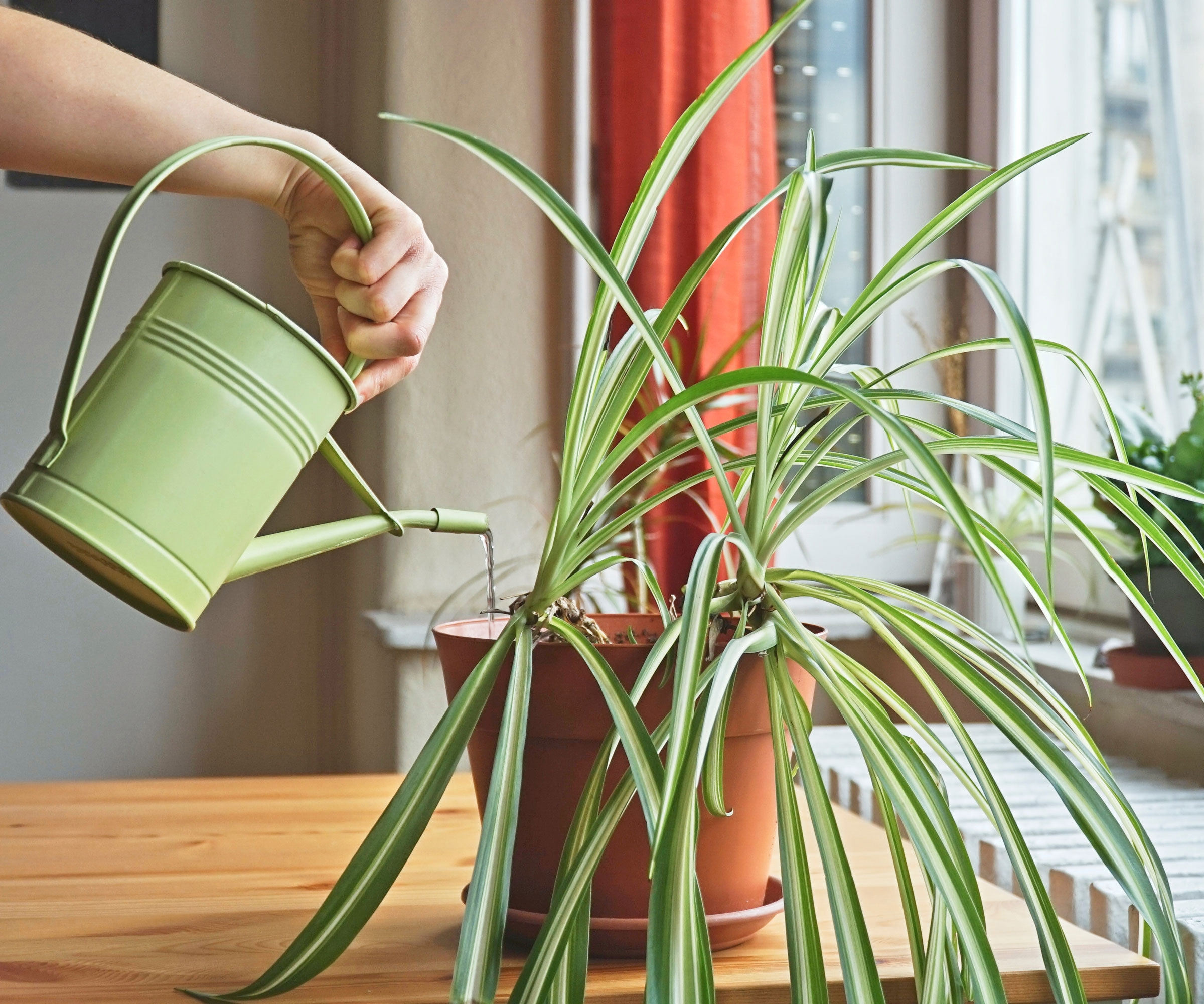
A spider plant that took a week to dry out in spring can go dry in a few days once July heat sets in. So check more often. Sticking a finger into the top inch (2.5 cm) of soil will help you tell if soil is dry enough for another watering. Or use a soil moisture meter, like this one from Amazon.
Water your spider plants so that the soil is evenly moist, but never soggy and never bone dry. Let it swing between those extremes and the plant sulks, pouring what energy it has into hanging on rather than making spiderettes.
The water itself is worth a thought here, too, since spider plants are unusually touchy about water quality. Fluoride and chlorine in tap water build up over time and show up as crispy brown leaf tips on spider plants. Rainwater, distilled water, or tap water that you left out overnight avoids the problem. It's an easy swap to make once the tips start browning.
2. Feed Lightly
(Image credit: JulieAlexK / Getty Images)
All that summer growth runs on nutrients. But spider plants are light feeders, so treating one like a hungry tomato can actually do more harm than good.
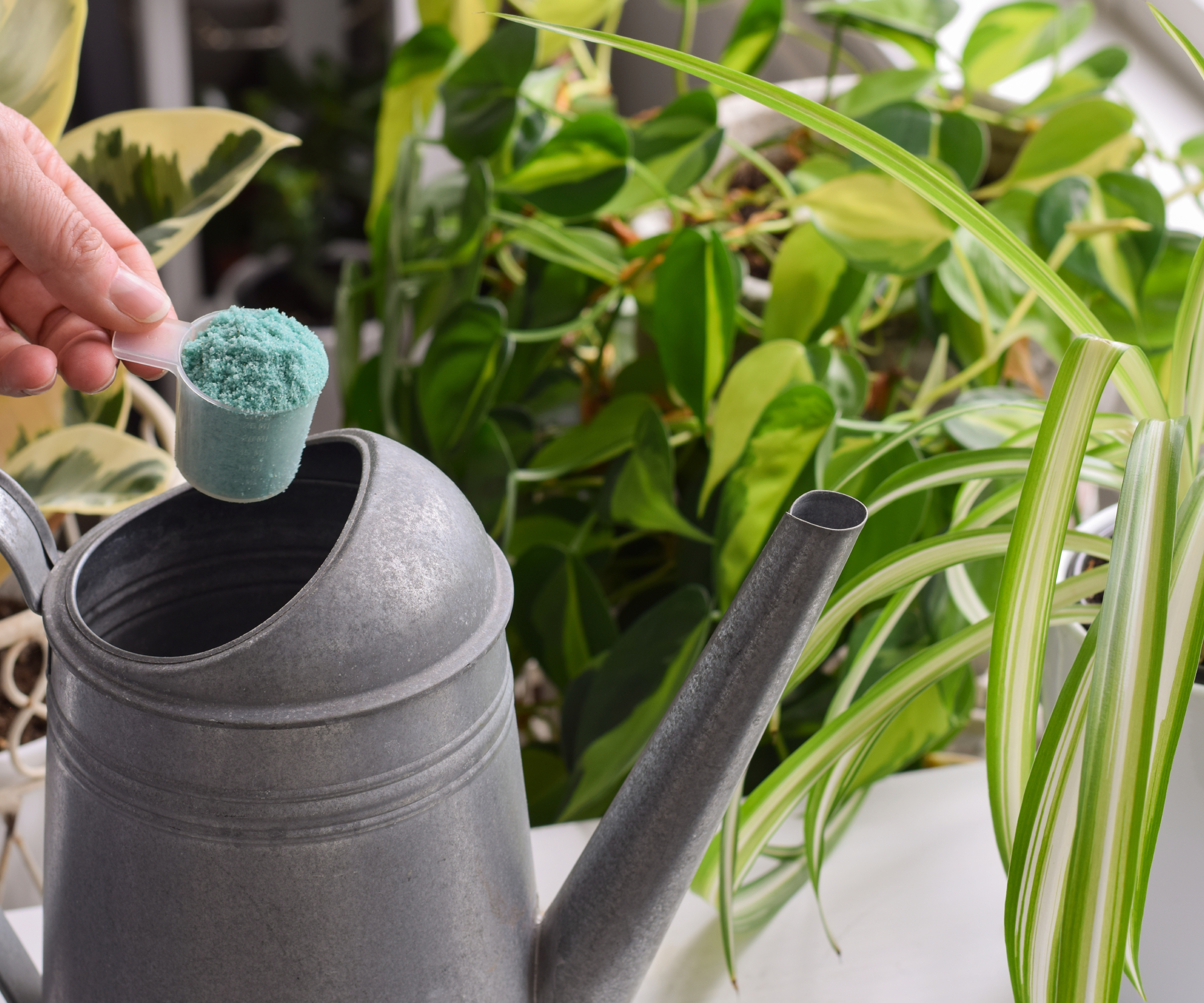
Applying a half-strength liquid houseplant food, every two to four weeks while it's actively growing, keeps the foliage deep green and the plantlets coming. Something gentle, like this Grow Queen Organic Liquid Indoor Plant Food from Amazon, does the job at a reduced dose.
Pour on more than that and it backfires. Excess fertilizer leaves salts behind in the soil and those salts can burn the leaf tips the same way hard tap water does. A plant that’s busy coping with that won't have spare energy for producing spiderettes.
If you've already overdone it and given your plant too much fertilizer, run plain water through the pot for a minute to flush out the mineral buildup, then dial back fertilizing your spider plant.
3. Give It Bright, Indirect Light
(Image credit: ArtCreationsDesignPhoto / Shutterstock)
Light is the lever that most affects whether you get spider plantlets at all. A spider plant in a dim corner survives, but it stays sparse and rarely bothers with producing babies.
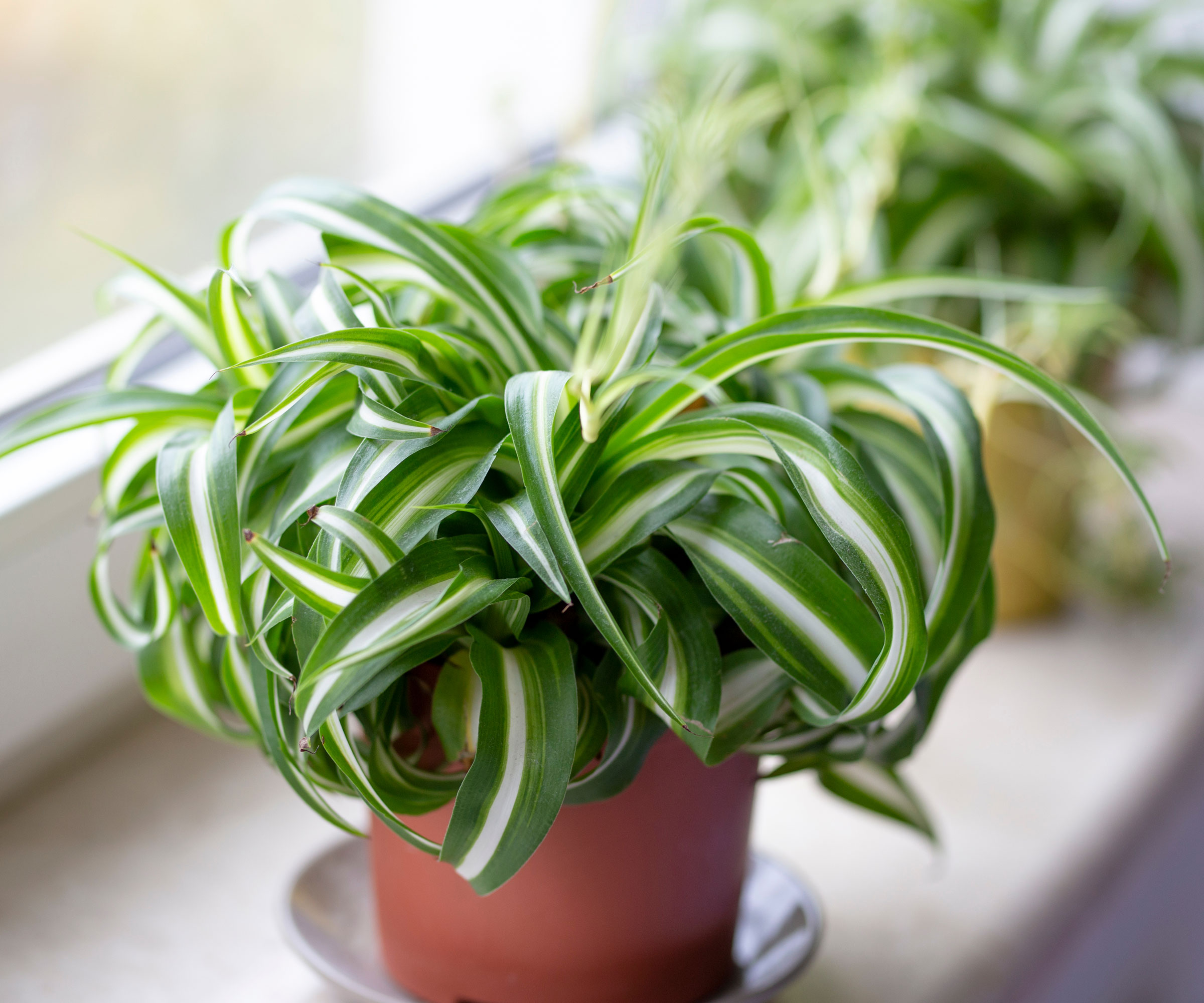
Set your plant where it get plenty of bright, indirect light – a little back from a sunny window, or right up against a north or east one. A mature plant answers by sending out more of the arching stems that become spiderettes.
Direct summer sun is the one thing to steer clear of. Midday rays through glass can scorch foliage, bleaching it pale and leaving burnt patches, especially on variegated types of spider plants.
If the leaves look washed out, move the pot back from the glass. A quarter turn each week keeps growth even, rather than the whole plant leaning toward the window.
4. Provide Plenty of Humidity
(Image credit: Dmitrii Marchenko / Getty Images)
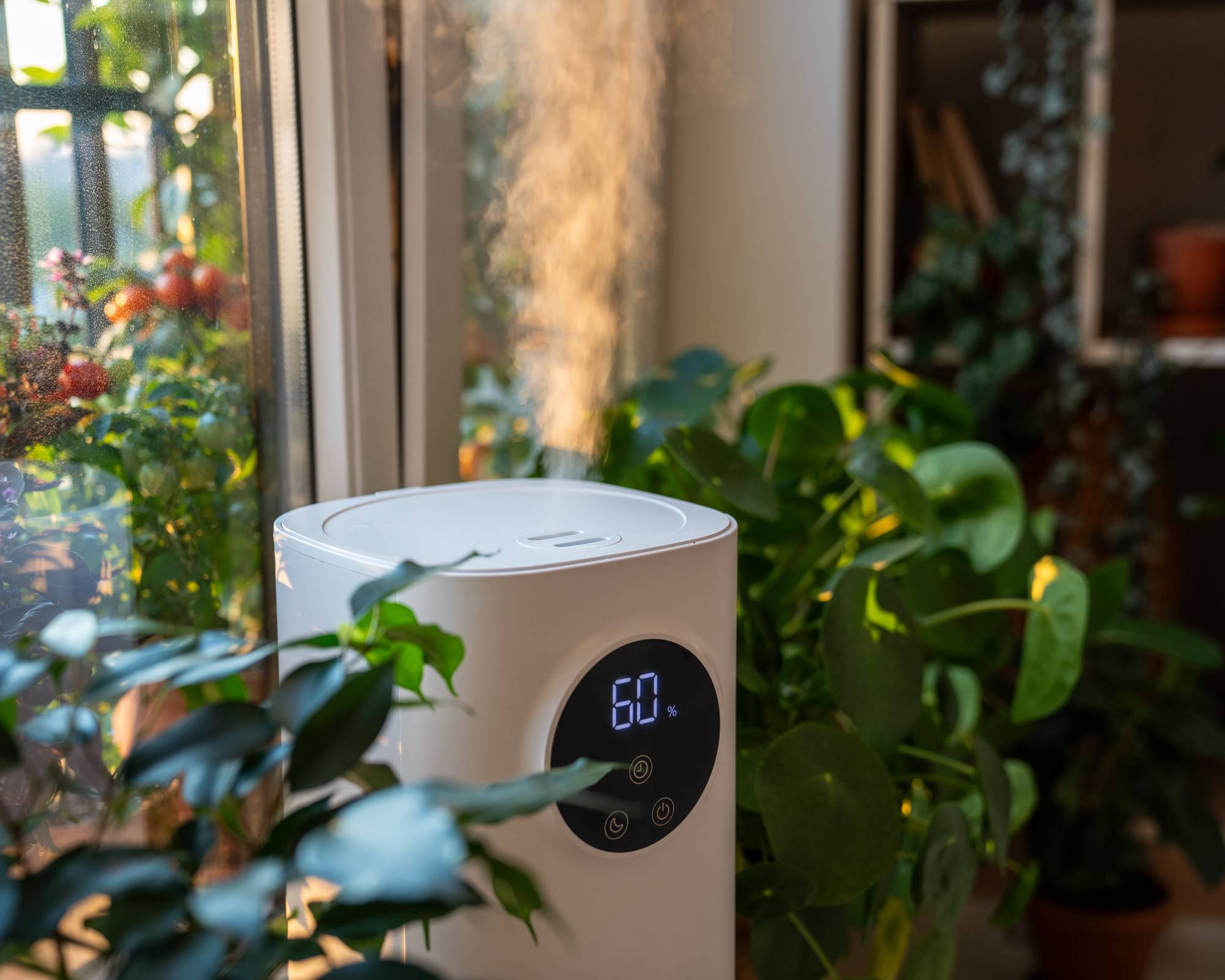
Crank the air conditioning and your indoor air goes bone-dry, which spider plants feel keenly. Those same brown tips trace partly back to dry air. Dry, warm rooms are exactly what spider mites look for, too. They're ready to settle onto a plant that's already stressed. Nudging the humidity up a little shuts down both problems at once.
There are a couple other low-effort fixes that work well, too. Cluster a few plants together or stand the pot on a tray of pebbles and water and the air right around your spider plant stays moister.
Misting adds to the humidity as well, and a Fiskars plant mister from Amazon is just a thirty-second job on a hot morning. But one caution: don't leave foliage damp into the night because moisture sitting on the leaves invites fungal spots.
5. Pot Up Spiderettes
(Image credit: Nick Daly / Getty Images)
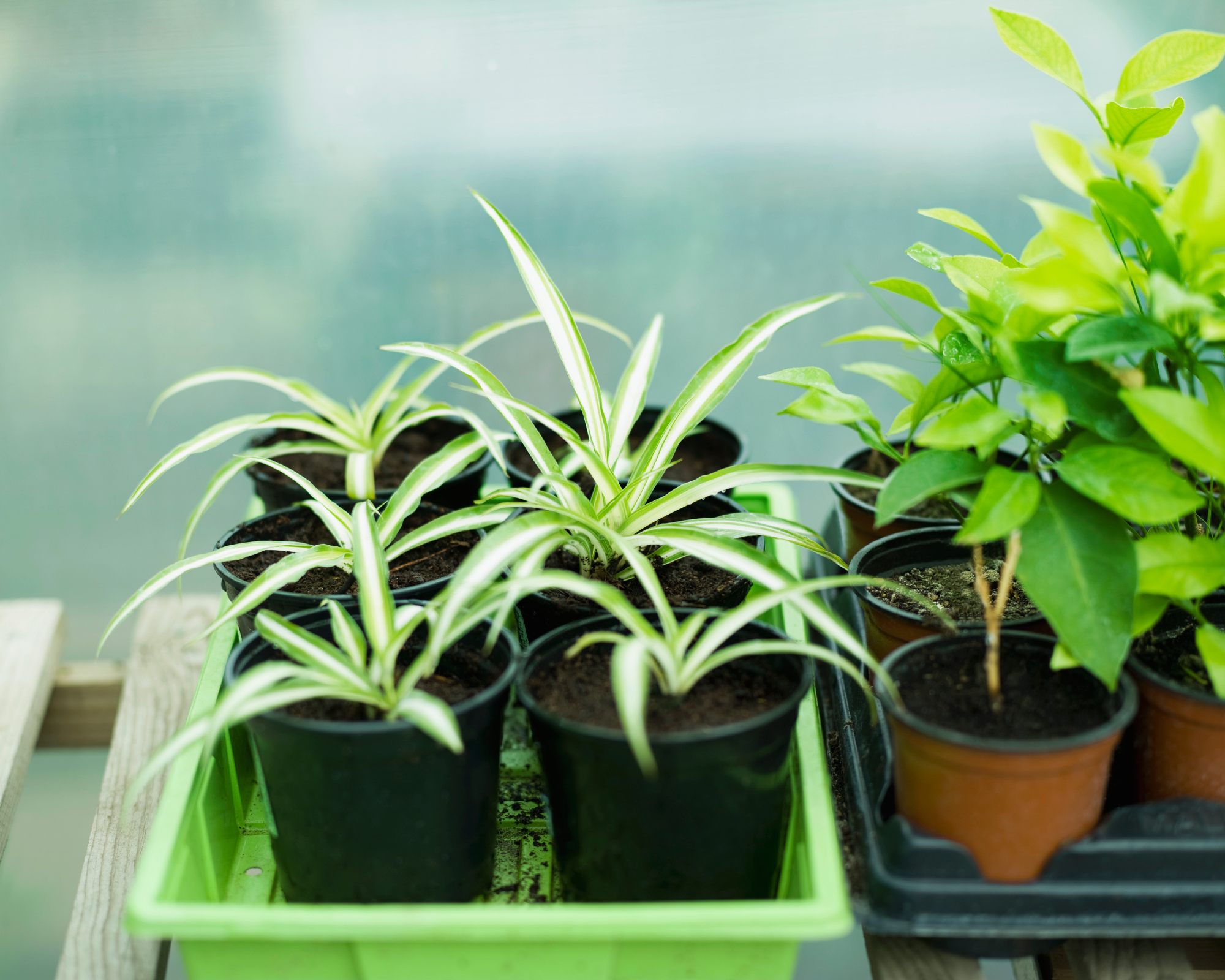
Those dangling plantlets on your spider plant are one of the big benefits of growing this houseplant and July is a good time to turn them into new plants. Once a spiderette has grown a few small nub-like roots of its own, it's ready to pot up to propagate more spider plants for free.
Here's the method that gives the best result: set 4-inch (10 cm) nursery pots, like these ones from Walmart, filled with damp potting mix right next to the parent plant, and peg the still-attached spiderette into the soil. It roots in place while the parent keeps feeding it.
A couple of weeks later, once it has taken hold in the fresh soil, snip the runner that joins it to the parent. Rooting spiderettes in a glass of water works as well, if you cut them off first, though the soil-and-peg method tends to produce a stronger plant.
Whichever route you take, the potted babies can fill out thin spots in your existing display and leave you extras to hand off to anyone who admires the original.
6. Repot If It's Crowded
(Image credit: Maryviolet / Getty Images)
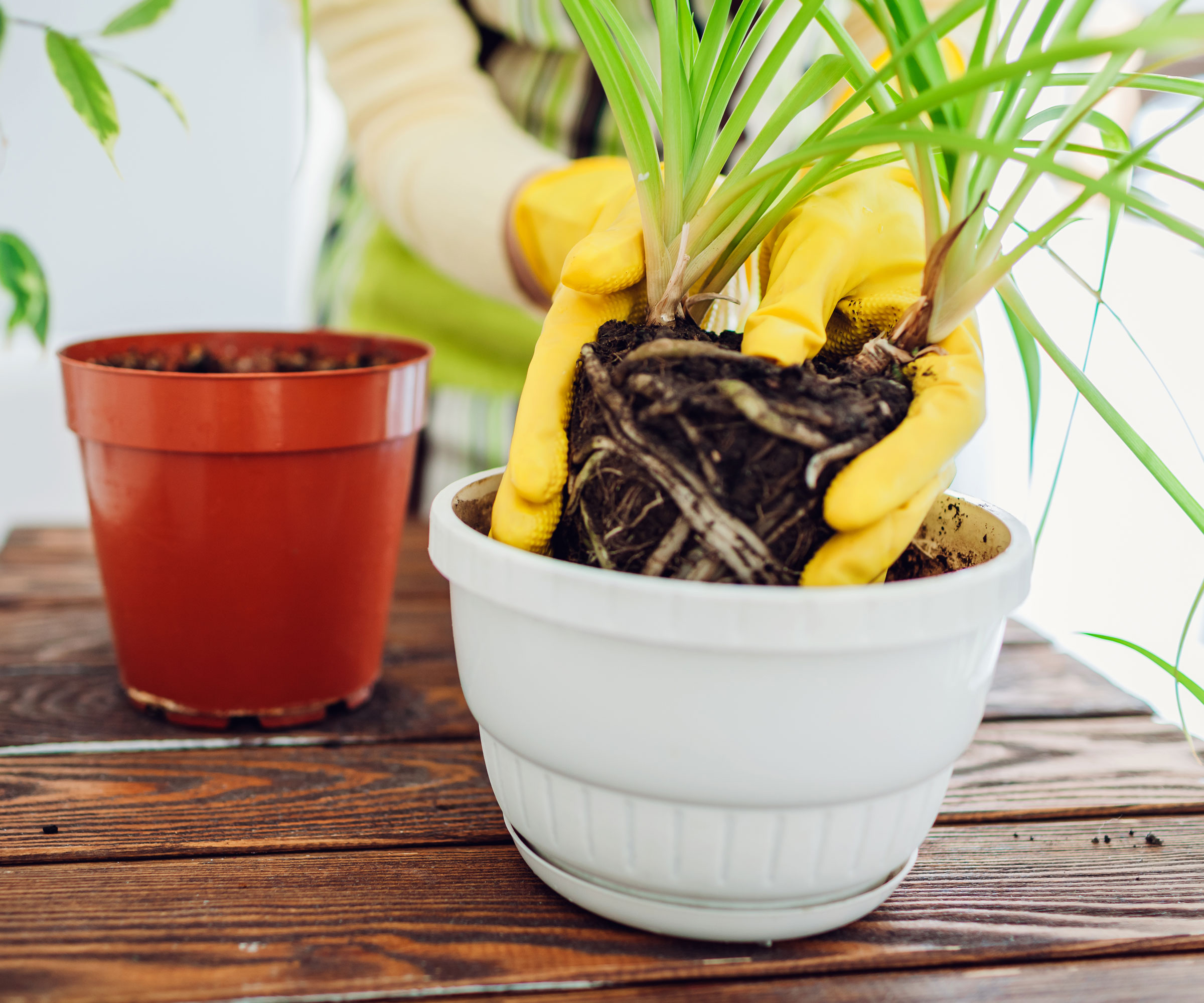
Here's something a little counterintuitive: spider plants flower and set plantlets best when they're root bound, so hold off on repotting in July unless absolutely necessary. A snug pot encourages your plants to produce more babies.
Repot spider plants only when they genuinely need it. Signs your plant needs repotting are thick white roots shoving above the soil line and coiling out the drainage holes or a pot that dries within a day of watering.
When it really is time to repot, move up a single pot size and use fresh, well-draining potting mix, like this houseplant potting soil from Miracle-Gro. Jumping to a huge container can backfire, since all that extra wet soil around the roots invites rot and stalls the plant's growth while it tries to fill the space.
July's active growth means a spider plant bounces back from repotting fast, so it's a fine month for the job – as long as the plant actually needs it.














 English (US) ·
  French (CA) ·