

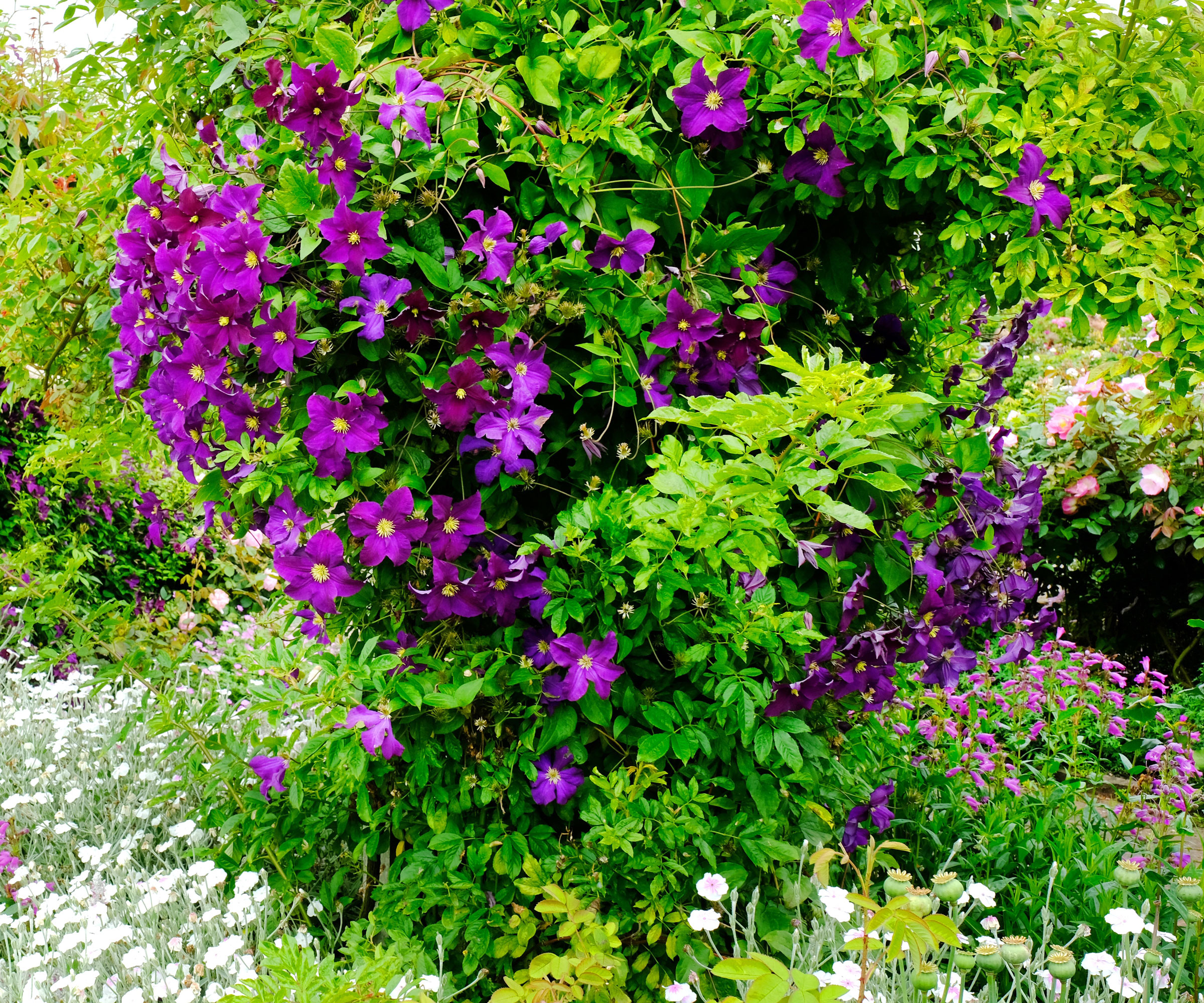
Clematis plants are serious climbers. Indeed, they might be the showiest of climbers. This rapid-growing, vigorous vine climbs up trellises, pergolas and fences, up to 30 feet (10m) high, using twisting leaf petioles and twining growth. If your garden includes a climbing clematis, you’ll know that it helps to create an enchanting three-dimensional flowering space. So the last thing you’ll want to do is compromise the vitality of your climbers – which is why you need to check a few things now.
Now, as long as you have planted yours in an appropriate site, clematis care is not all that complicated. These plants prefer to have their head in the sun and feet in the shade, as the saying goes. And for most of spring and early summer, this can happen without too much fuss. But as the summer weather heats up this month, all vines (including clematis) need targeted attention to keep them growing happily.
Taking 20 minutes this week to attend to your Group 2 and Group 3 clematis vines is not just about keeping up appearances. The little things you do now will directly determine how long those velvety petals can hold on during midsummer heat spikes, the intensity of their colors, the size and health of the blooms, and the shape and mass of their growth. Here’s how to ensure that your queen of climbers continues to be the star of your summer show.
How to Help Your Clematis in July
The heat in July can sometimes feel closer to oppressive than delightful. Our favorite plants also feel the heat, and, unlike us, they can’t escape to the cool of the shade. Clematis, in particular, requires a full sun location to thrive, which means it’s stuck in the heat without so much as sunglasses. So it’s counting on you to ride to the rescue by tackling these key tasks in July. First, make sure you know your vine's specific pruning group or class, as this is the key to unlocking its full blooming potential.
Group 1 spring-bloomers like Clematis montana and C. alpina have finished their flowering and are quietly settling into vegetative growth. July belongs to Group 2 clems (early summer flowerers like Nelly Moser) and Group 3 (late summer bloomers like Jackmanii and C. viticella). For Group 2 clematis types, what you do in July can determine whether you see a secondary flush in late summer. For Group 3, this is peak performance season, which relies on regular care and support.
(Image credit: JohnGollop / Getty Images)
The nature and degree of your clematis care in July will depend on your USDA hardiness zone and growing setup. In warmer regions (zones 7-9), moisture retention and root cooling are top priority. In northern zones (zones 4-6), long daylight hours will drive rapid stem elongation that requires structural checks. Container-grown clematis suffer heat stress faster than ground-planted vines. Soil temperatures can spike rapidly, drying out delicate roots within a single afternoon.
Whether you’re growing in the ground or in a container, be sure to give your soil a quick onceover before getting stuck into these clematis steps. Check soil moisture levels with a digital probe, or by dipping your finger two inches into the root zone. A moisture probe like the XLUX Moisture Meter Probe, available from Amazon, can help you avoid piling undue stress onto delicate roots. Once you have a basic read on these levels, get cracking with these simple checks for happy clems in summer.
1. Give Your Clematis Regular Water
(Image credit: Forisana / Getty Images)
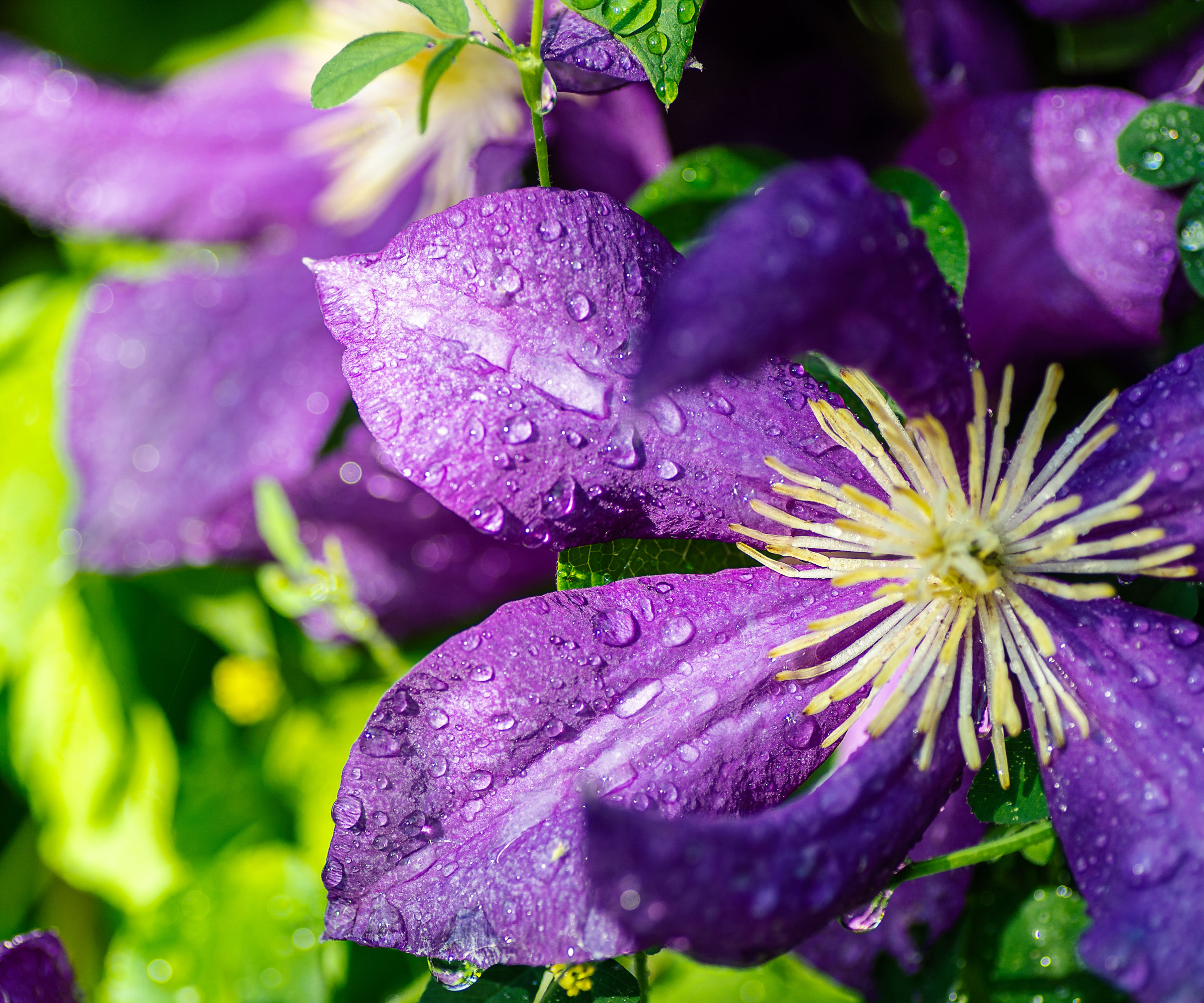
Vines dry out faster than rounded shrubs, since they can’t rely on their own shade. Think of a hydrangea shrub: the big leaves cast shade on the interior of the plants, keeping it cooler. A clematis doesn’t have that luxury. Since its roots thrive in moist soil, regular watering is a must. In July, you’ll want to give vines a deep watering. Do this early in the morning, to maximize absorption and reduce evaporation.
Clematis feeder roots reside in the top 12-18 inches (30-46 cm) of soil, making them vulnerable to drying out during heatwaves. For Group 3 varieties, water stress can cause buds to crisp up and drop before opening. To simplify the process of regular watering, you can use a soaker hose or some kind of drip irrigation. The Gilmour Flat Soaker Hose from Amazon can deliver deep moisture without splashing the foliage.
Direct your hose or drip line at least 6-12 inches (15-30 cm) from the main stem base. Soaking the crown directly can invite the risk of clematis wilt. Water deeply at the base 2-3 times a week. Try not to neglect this vital task, or else your clem will likely drop her lower leaves, and prematurely terminate flower production.
2. Protect Clematis Roots with Mulch
(Image credit: larisa Stefanjuk / Shutterstock)
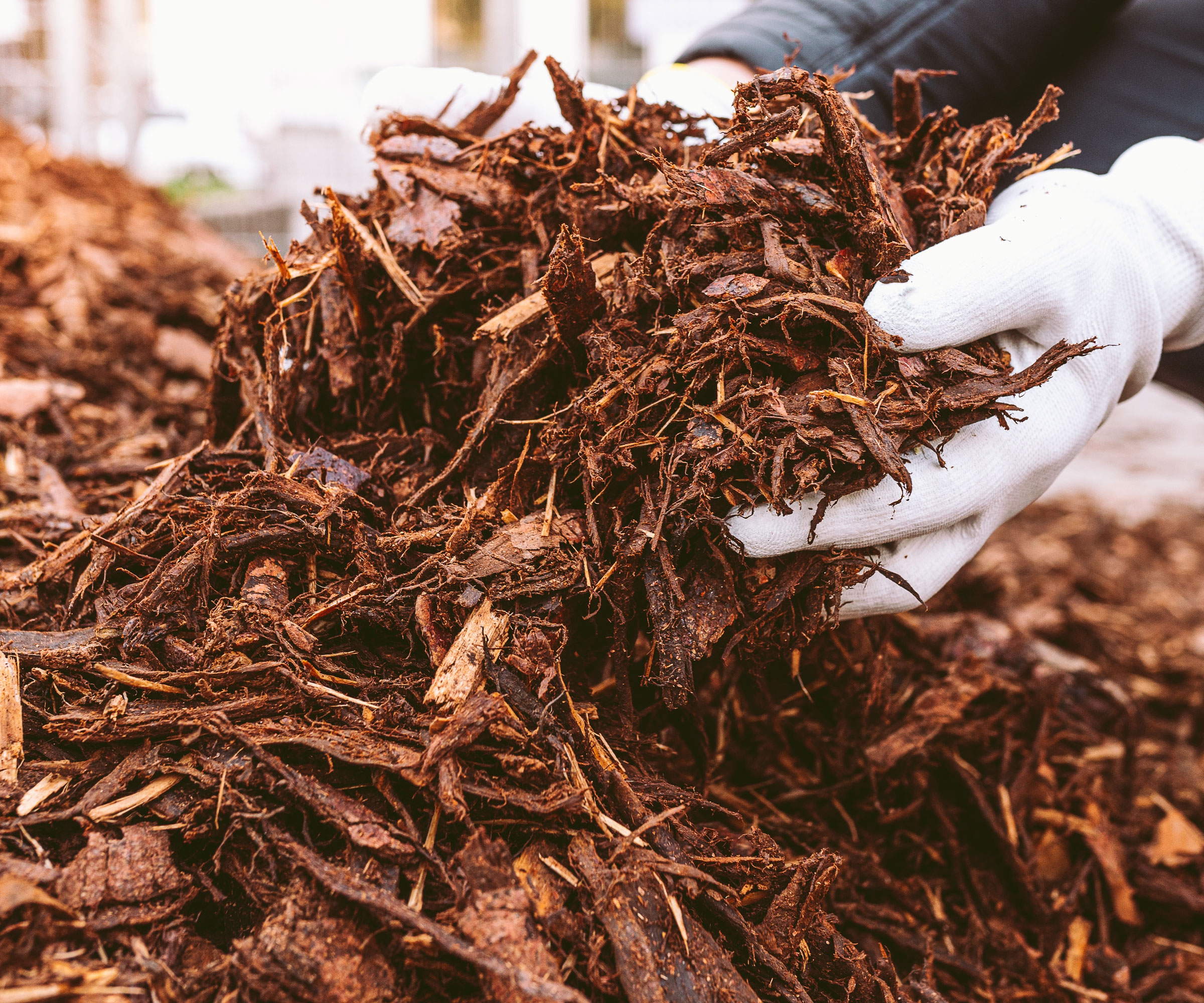
Those clematis roots are the key to keeping your plant thriving. Watering deeply is important, but you can also lock in that moisture with a good mulching. Place a thick layer of organic mulch around the base of the vine to protect the roots from extreme heat. Chopped bark or compost works well for this task.
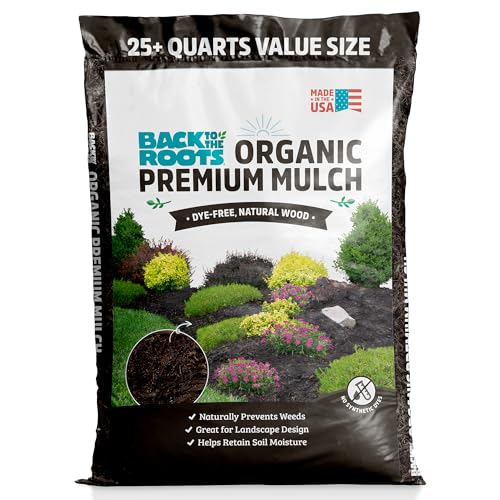
A team favorite for organic root protection is Back to the Roots Organic Premium Mulch from Amazon, which protects from heat spikes, and locks in moisture. It also keeps down weeds that might steal nutrients or water from the vine. When mulching Group 2 and Group 3 clematis, leave a 2-inch (5 cm) gap around the main stems. Don't pile mulch up against stems, as this can trap moisture and encourage collar rot.
(Image credit: Albina Yalunina / Getty Images)
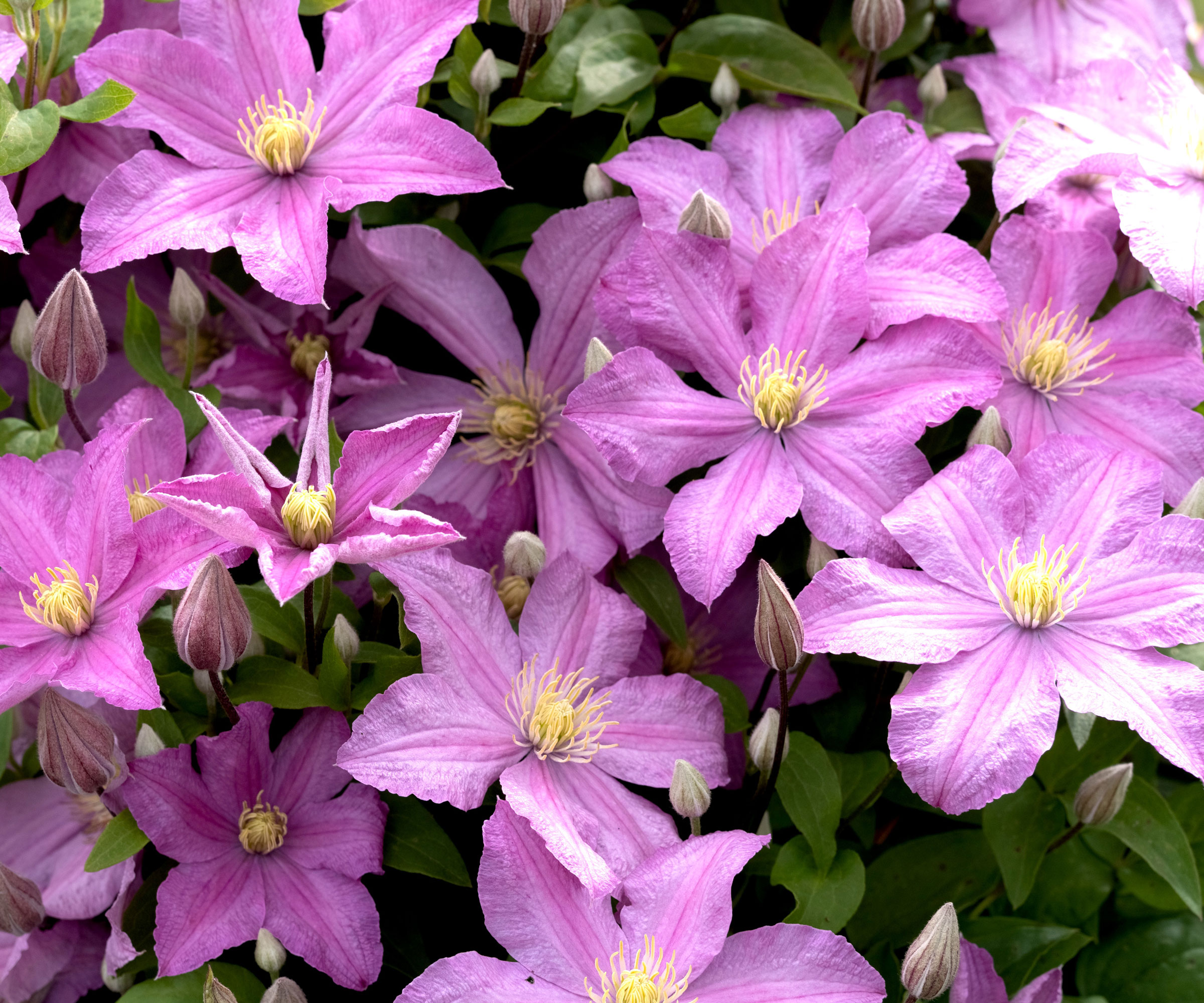
As an alternative to mulching, you could add some groundcover plants around the base of your clematis. Shorter perennials can also provide natural shade and keep soil cool. For container-grown clems, consider shallow-rooted companions like hardy geranium (Rozanne) or lady’s mantle (Alchemilla mollis) to shade soil organically.
Failing to mulch or provide some groundcover during midsummer forces the plant into survival mode when heat strikes, stalling stem growth and causing flowers to shrink drastically. So don’t neglect this vital step: a protected root zone preserves moisture and nutrients and supports healthy growth through to the end of summer.
3. Feed Your Clematis Vine
(Image credit: Valeriy_G / Getty Images)
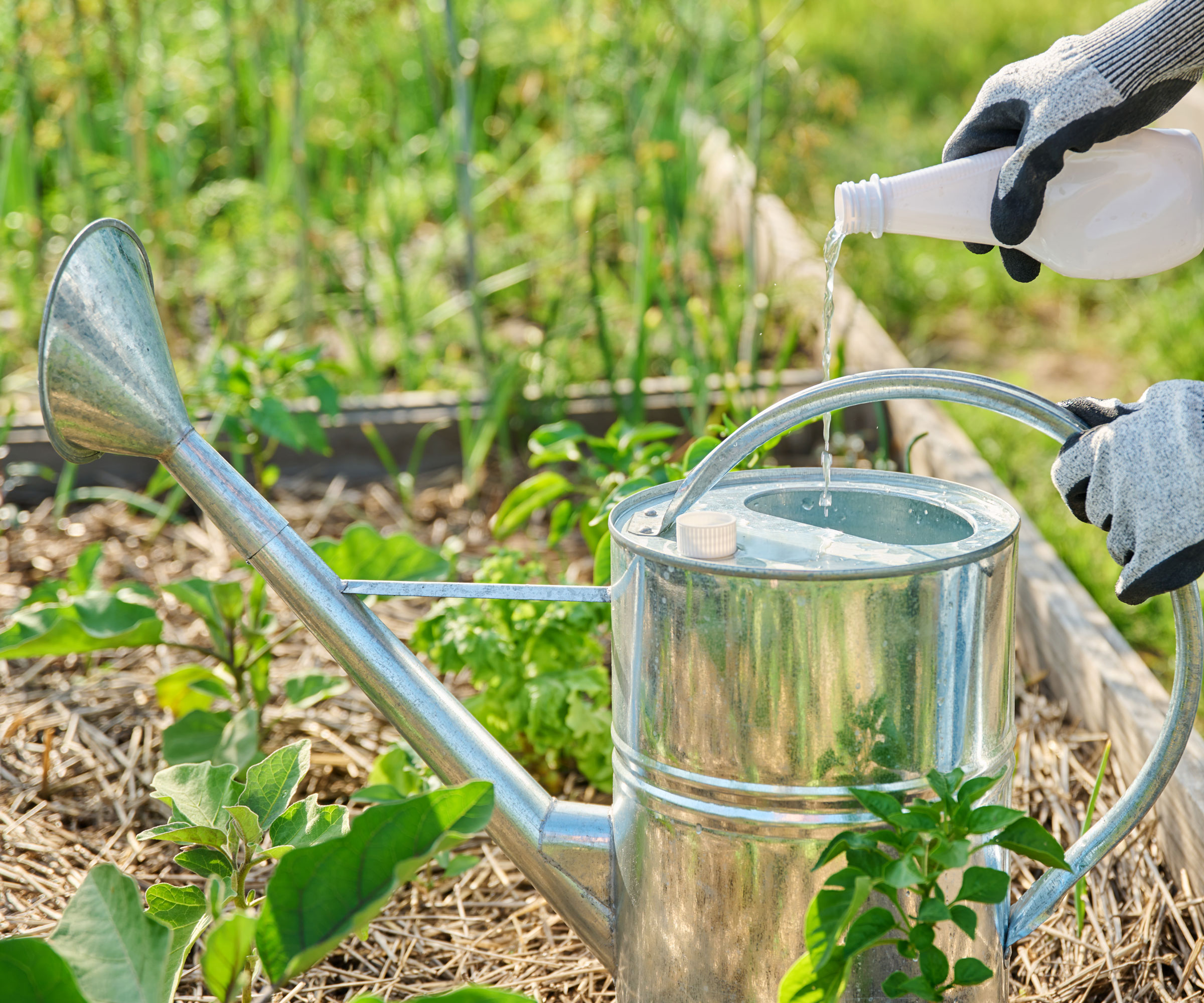
You need to get the timing right with feeding. You don’t want to stress the clematis by fertilizing the plant during a heatwave. But clematis plants do need fertilizer every few weeks to keep up their vigorous blooms. So keep an eye on the weather. When a day or two of cooler weather is predicted, apply a phosphorus-rich liquid fertilizer. Follow up by watering well, try to do this every 2-4 weeks.
Avoid high-nitrogen lawn or general fertilizers. High nitrogen fuels leafy green stems at the expense of flower buds and results in soft foliage that attracts aphids. Instead, focus on potassium (potash) and phosphorus blends similar to a tomato or rose feed. For low-maintenance feeding, gently add a little granular feed, like Jobe’s Organics Rose & Flower Granular Fertilizer, available from Walmart, to the topsoil.
(Image credit: Sergey AND Marina / Getty Images)
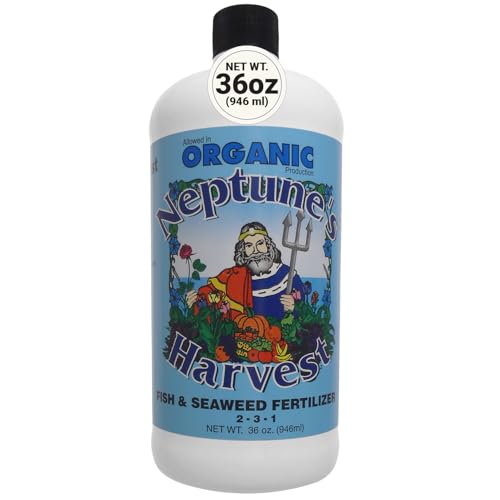
A little seaweed can also help. Feeding with Neptune’s Harvest Organic Fish & Seaweed Fertilizer, available from Amazon, gives a gentle potassium boost as well as other essential minerals to drive flower production. Group 2 clematis benefit from a liquid feed immediately after their first main flush ends. This fuels the stem growth needed for their second late-summer show. Group 3 clematis plants need bi-weekly potassium feeds through July to sustain their massive bloom displays.
Always water your plant with plain water an hour before applying liquid fertilizer to prevent root burn. And if you’re experiencing intense heat, hold off on feeding until temperatures drop. Stressed plants can’t process nutrients well.
4. Give Your Clematis a Haircut
(Image credit: John Swithinbank / Alamy)
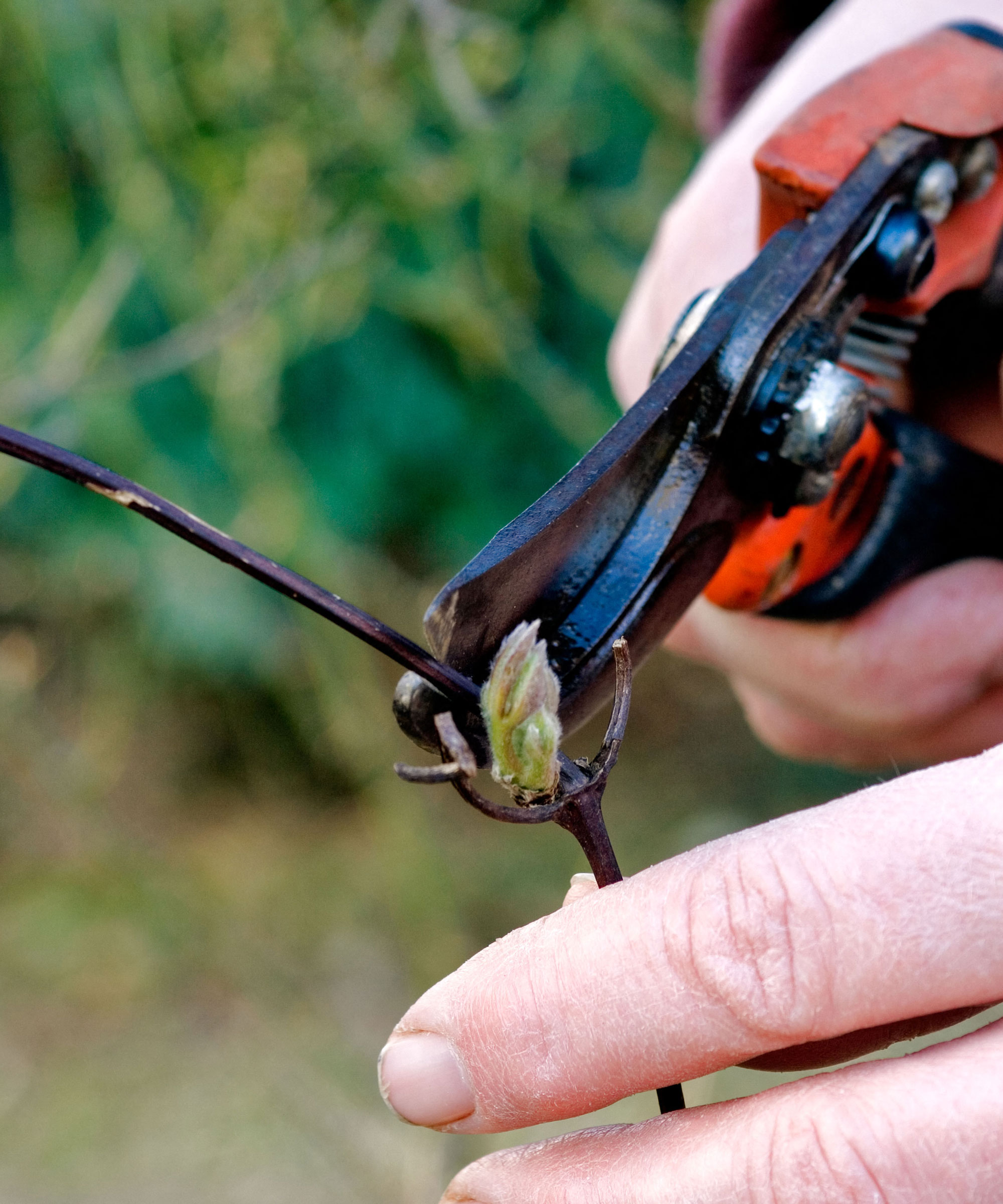
The heat of summer is never a wonderful time to prune, but consider giving your vine a clip here or there in July. If you have a reblooming clematis (Group 2), deadhead the wilted blossoms. Use clean, sterilized pruners and snip off the old flower heads above the first pair of live leaves or buds. If your clematis has completed its blooming, now is a good time to give the vine a light trim. Take out the dead wood and shape the vine. But avoid anything that feels like heavy pruning.
If you don’t already have a pair of gardening scissors or snips, Fiskars Micro-Tip Non-Stick Pruning Snips from Amazon help you to slice in fiddly spaces without harming plant tissue. For a sturdier grip on older stems, the Corona ComfortGEL Bypass Pruners from Lowe’s are comfortable and great for light shaping.
(Image credit: Ivelina Savova / Getty Images)
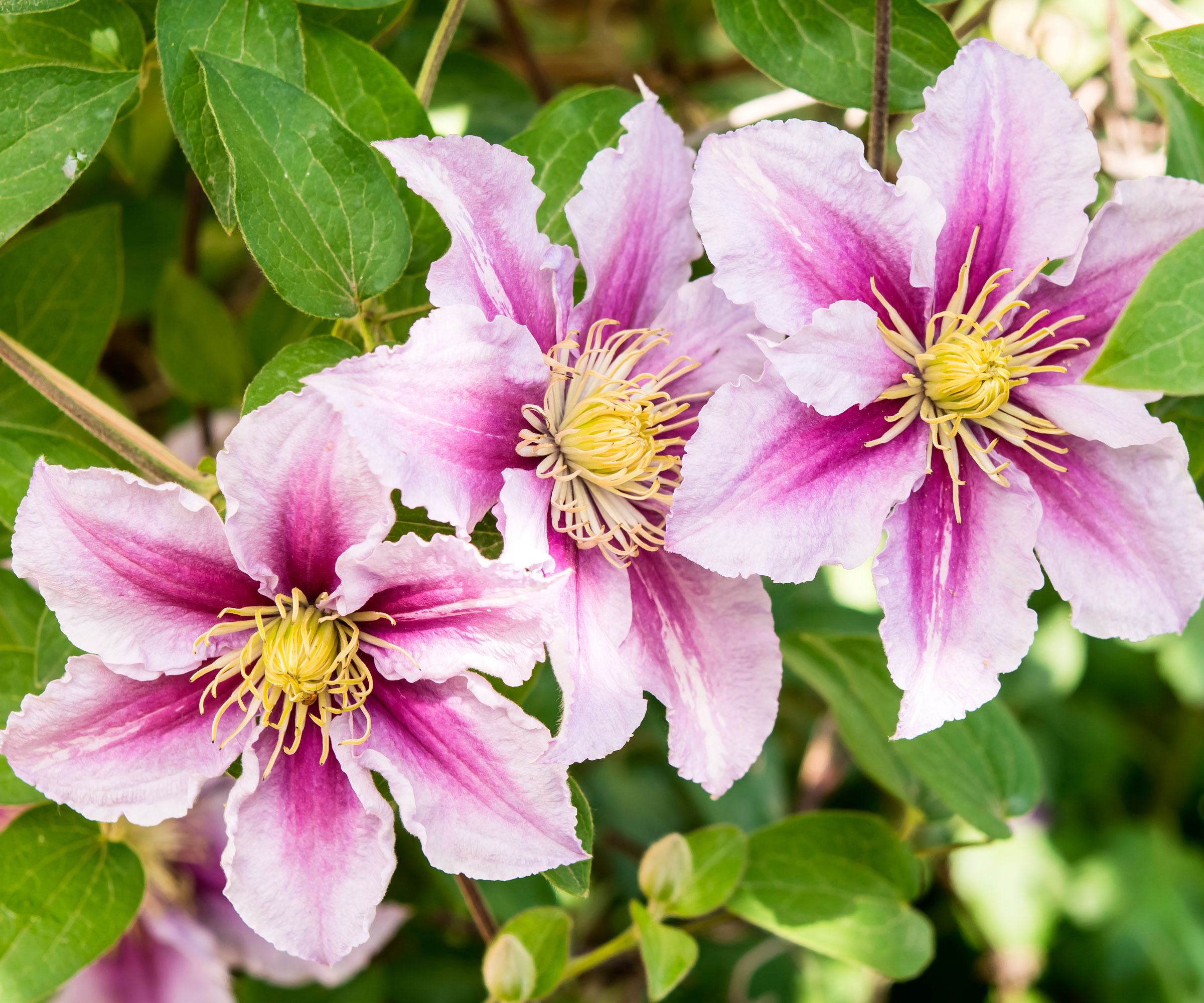
Left untouched, spent clematis flowers spend significant energy forming decorative, feathery seed heads. By snipping off faded blooms, you redirect that energy back into shoot development and bud formation. It is key for Group 2 plants such as Nelly Moser, Miss Bateman, or Niobe clems. Do this now, and fresh shoots will emerge in a few weeks, bearing a second wave of blooms by late August or September.
Remember, Group 1 clematis plants set their flower buds for next spring during late summer. So any heavy pruning performed after July will cut off next spring's flower display. When cutting, also remember to wipe blades before and after use, even for light trims. Use isopropyl or rubbing alcohol to avoid the risk of spreading pathogens.
5. Control New Clematis Shoots
(Image credit: Yevhen Maksymov / Getty Images)
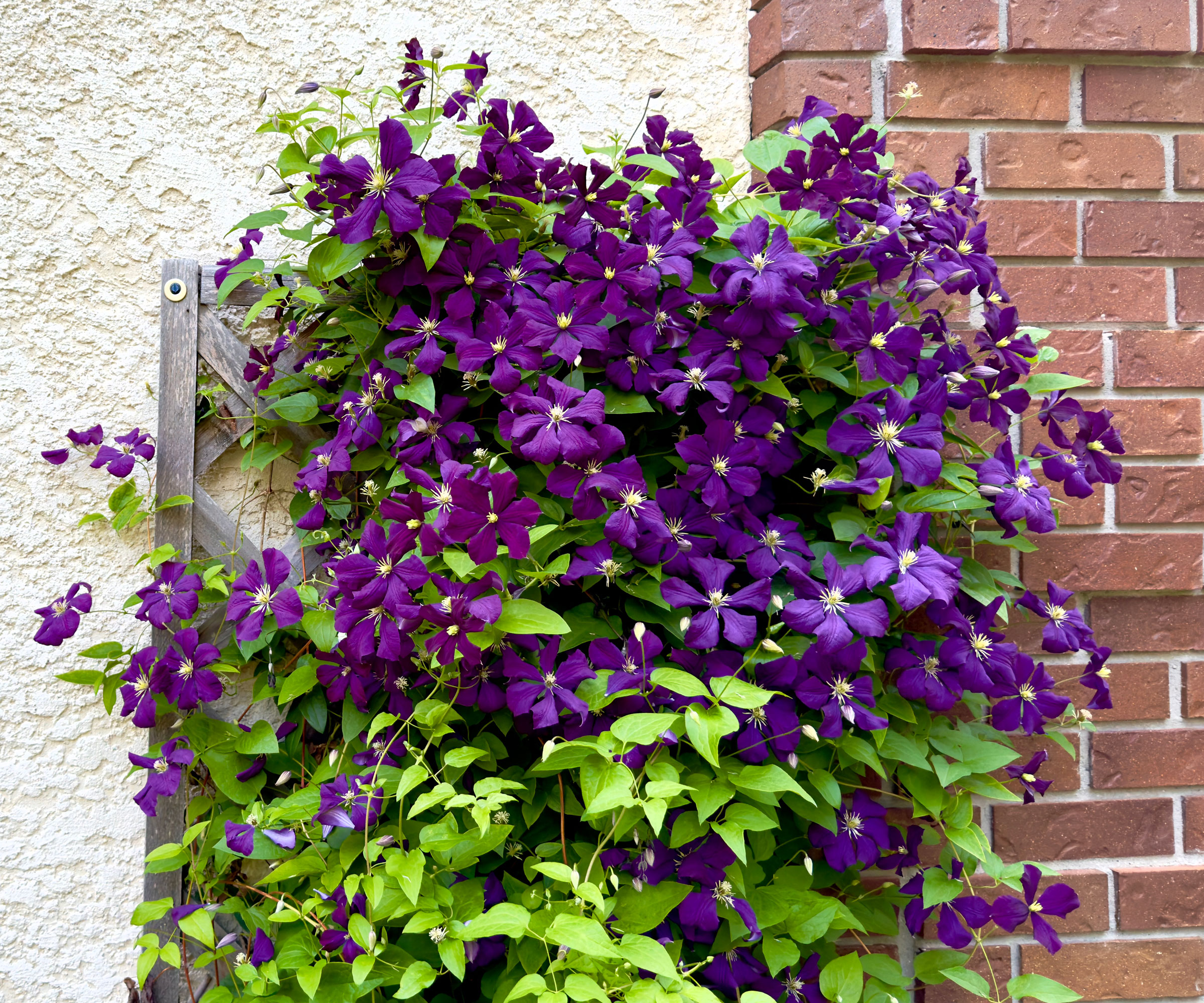
Clematis vines are well known for having growth spurts in summer, and all those vigorous new shoots need to be tied in and supported. Otherwise, you’ll end up with a tangled mess of vine. In July, Group 3 clematis can put on several inches of growth in a single day. If left unguided, searching stems will wrap around each other, forming a dense, tangled birds' nest of growth. This reduces light penetration and airflow, increasing the risk of fungal diseases.
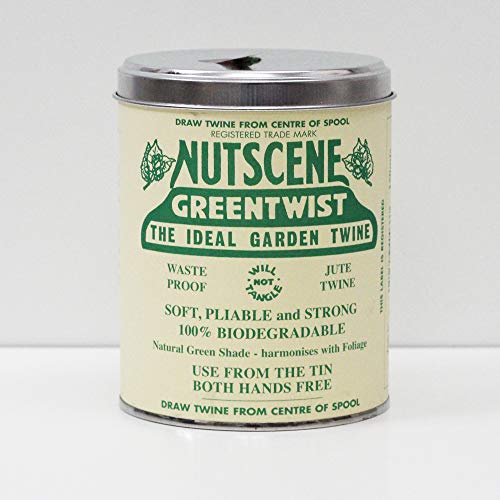
Check vines every week in July for loose shoots, and fasten straggly or wayward shoots. Jute twine, like the Nutscene Heritage Green Jute Twine from Amazon, is a gentle way to keep growth in check and won’t bite into the stem. Tie the stems loosely in the direction you want them to grow. Try figure-of-8 loops to allow the stems to grow without restraint. Consistent training creates an evenly distributed canopy, allowing for the best sun exposure and resulting in a wall of flowers from top to bottom.
Shop Clematis Essentials
(Image credit: Jana Milin / Getty Images)
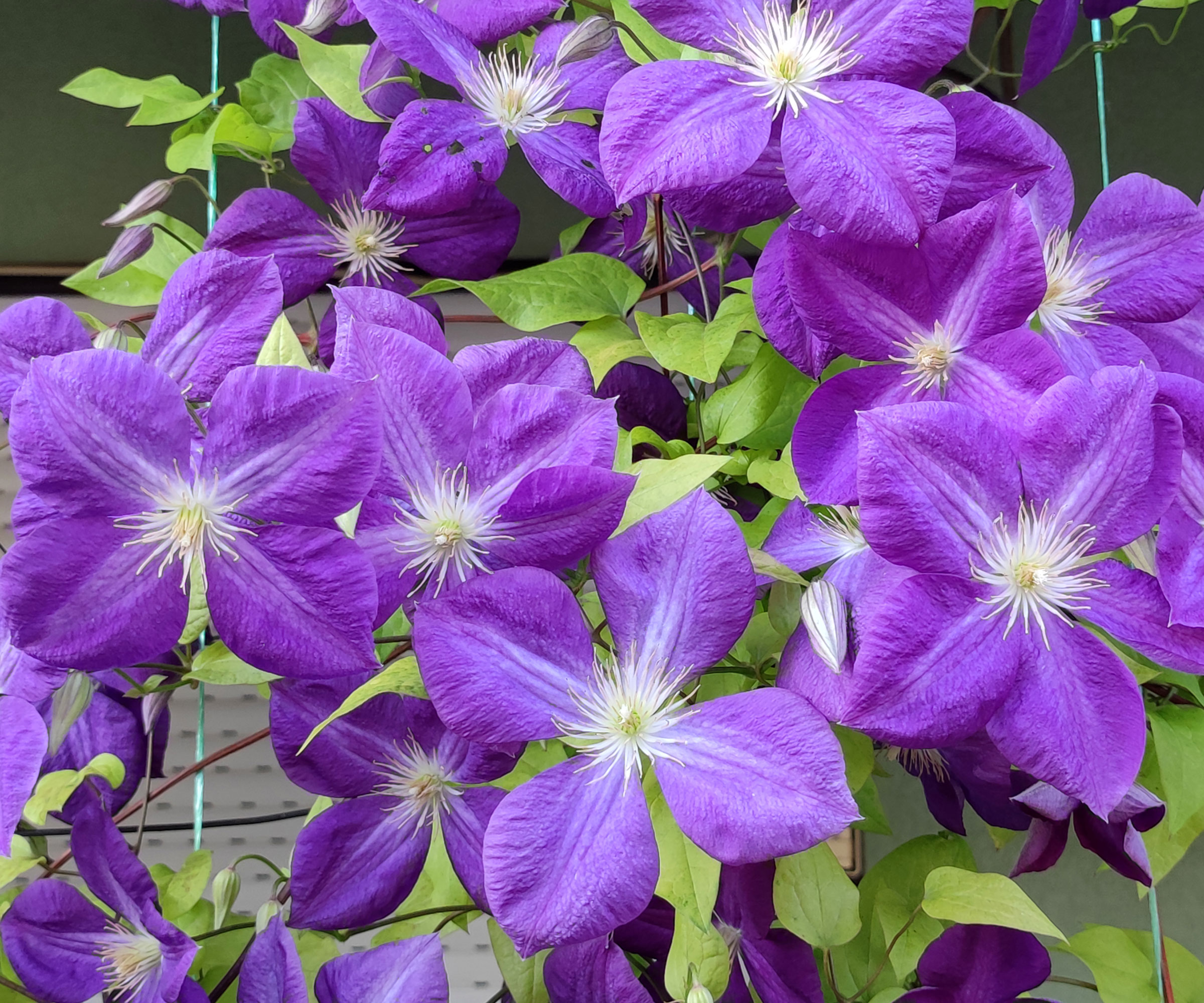
By the time July rolls in, clematis groups 2 and 3 are working in overdrive, either opening their main flush of summer blooms or gearing up for a secondary late-season show. You don't need a shed full of gadgets to keep them thriving – just a few well-selected tools and organic boosters will do the trick and keep your favorite climber growing at its best. A well-placed feed, precise deadheading, and a cool root zone are the secrets to prolonging those velvety blooms well into fall. Here are the simple, high-impact essentials to keep your clems lush and lovely.
Plant Care Trio
 Potassium Boost
Neptune's Harvest
Neptune’s Harvest Organic Fish & Seaweed Fertilizer
Groups 2 and 3 clematis are heavy feeders in summer. While nitrogen feeds encourage green growth, this organic fish and kelp blend provides a gentle, potassium-rich boost for blooms. Dilute it into your watering can every fortnight to extend the bloom cycle on midsummer stars like Jackmanii or Etoile Violette.
 Clem Cooling
Back to the Roots
Back to the Roots Organic Premium Mulch
Clematis love their heads in the sun and feet in the shade. High temperatures can bake their shallow roots, causing heat stress and foliage crisping. Spreading a 2-inch (5 cm) layer of dye-free organic wood mulch insulates the root zone, locks in soil moisture, and helps to suppress competing weeds.
 Gentle Support
Nancy Nikko
Nutscene Heritage Green Jute Garden Twine
July brings rapid growth, but clems often need a bit of guidance to climb smoothly. Coarse plastic ties can snap tender stems, but this biodegradable jute twine offers a soft, supportive grip that blends naturally into the foliage. It gives you a secure and gentle way to train shoots up your trellis or obelisk.
Need more ideas for timely gardening jobs and seasonal expert advice delivered straight to your inbox? Sign up for the free Gardening Know How Newsletter!













 English (US) ·
  French (CA) ·