

Few climbing vines capture the imagination quite like clematis (Clematis spp.). Known affectionately as the queen of climbers, this versatile perennial creates an enchanting display as it scrambles up trellises and pergolas. It grows fast and blooms profusely, but it’ll also take over your landscape given half a chance. And because there are so many different varieties blooming at different times, fall care needs to be carefully tailored to your particular clem. What keeps one variety thriving could easily strip another of next year’s flowers.
Understanding your clematis vine’s growth habit and bloom routine is key to protecting its long-term vitality this fall. September represents a crucial crossroads. Late-summer bloomers are putting on their last shows of the season, while spring-flowering types are storing up energy reserves in their roots for next year. Taking just 20 minutes this week to attend to your climber’s seasonal needs is not just about keeping things tidy or looking good. These targeted fall interventions prevent premature winter exhaustion, shield sensitive crowns from freeze-thaw cycles, and lay down the foundations needed for explosive spring growth.
The little things you do now will directly determine future displays, the number of blooms you’ll enjoy, and the richness, size and velvety nature of the petals. Whether you’re growing a vigorous ground-planted specimen or nurturing a container-grown clematis on a sunny patio, early fall is your chance to lock in gorgeous future blooms. By tackling these simple checks right now, you can extend current displays while guaranteeing a stunning performance next year.
Help Your Clematis in September
Before reaching for your garden tools, make sure you know your vine’s pruning group or classification. There are 3 main clematis types: spring flowering, multi-flowering, and early fall flowering. Clematis plants fall into one of these groups based on when they bloom and whether their flowers form on old or new wood. So the care approach you take this month needs to be tailored to their group:
- Group 1 (spring bloomers): Varieties like C. montana Rubens or C. alpina set their flower buds on old wood during late summer. In September, these vines should be mainly left alone.
- Group 2 (large-flowered early summer types): Repeat-bloomers like Nelly Moser, Niobe and The President produce their primary display on old wood in early summer, followed by a secondary flush on new growth.
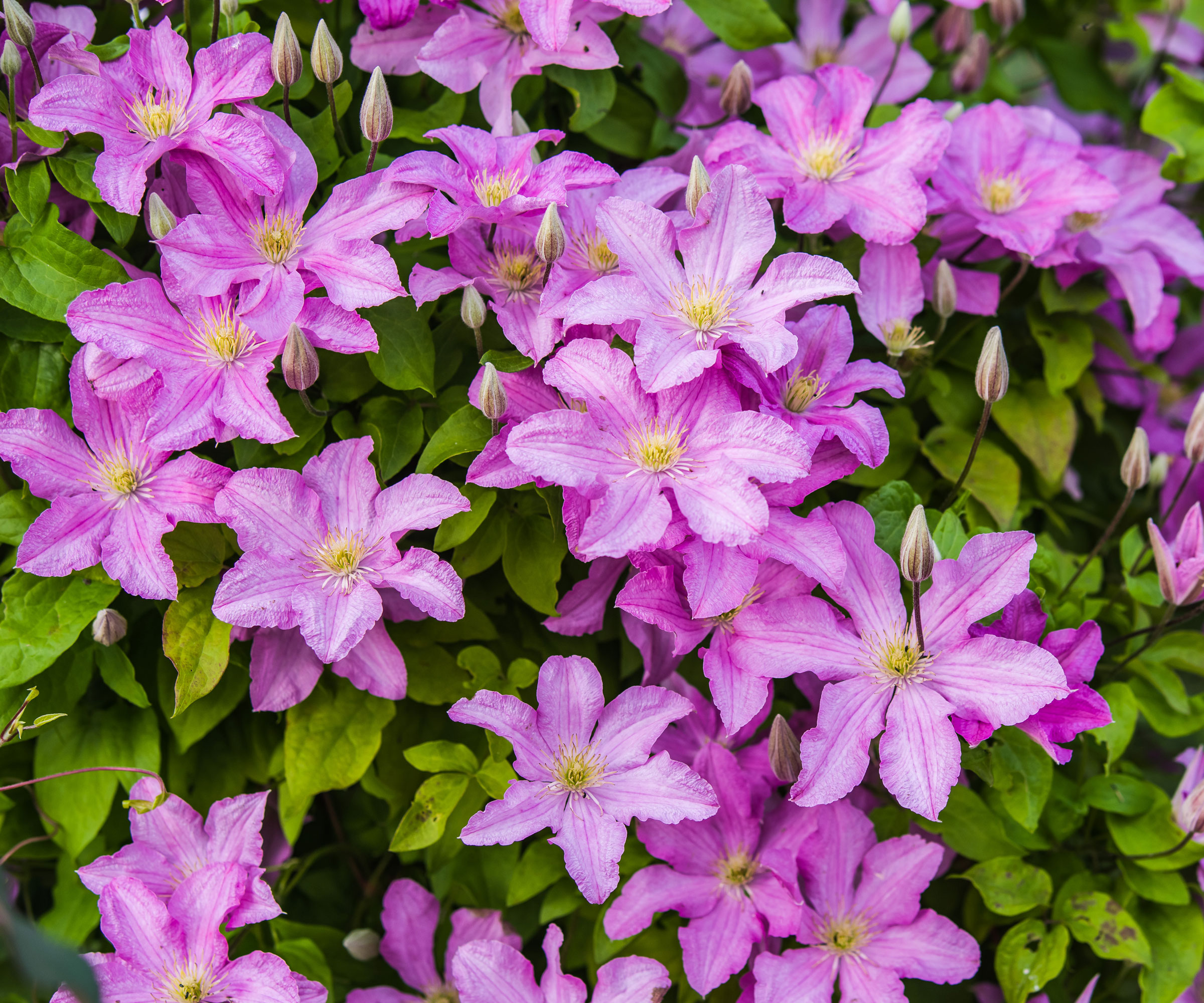
- Group 3 (late summer & fall bloomers): Vigorous late-season stars like Jackmanii, Etoile Violette, and fall-flowering C. terniflora flower entirely on current season's growth. They are either in peak bloom or winding down.
(Image credit: s1llu / Getty Images)
The nature and degree of your clematis care in September will depend on your USDA hardiness zone and growing setup. In cooler USDA hardiness zones (zones 4-6), take a look at soil temperature regulation and moisture checks before the ground freezes. Check soil moisture levels with a digital probe, or by dipping your finger two inches into the root zone. The XLUX Moisture Meter Probe, available from Amazon, can help you avoid overwatering as your plant heads towards dormancy.
Container-grown clematis face extreme temperature fluctuations as ambient air chills pots quickly. Refreshing compacted soils with an airy, well-draining mix, like Back to the Roots Organic Succulent & Cacti Mix from Walmart, ensures healthy roots before winter cold sets in. Once you have a basic read on these levels, you can get cracking with these simple checks for happy clems in fall and into the new year.
1. Resist the Urge to Prune
(Image credit: Robitaille / Getty Images)
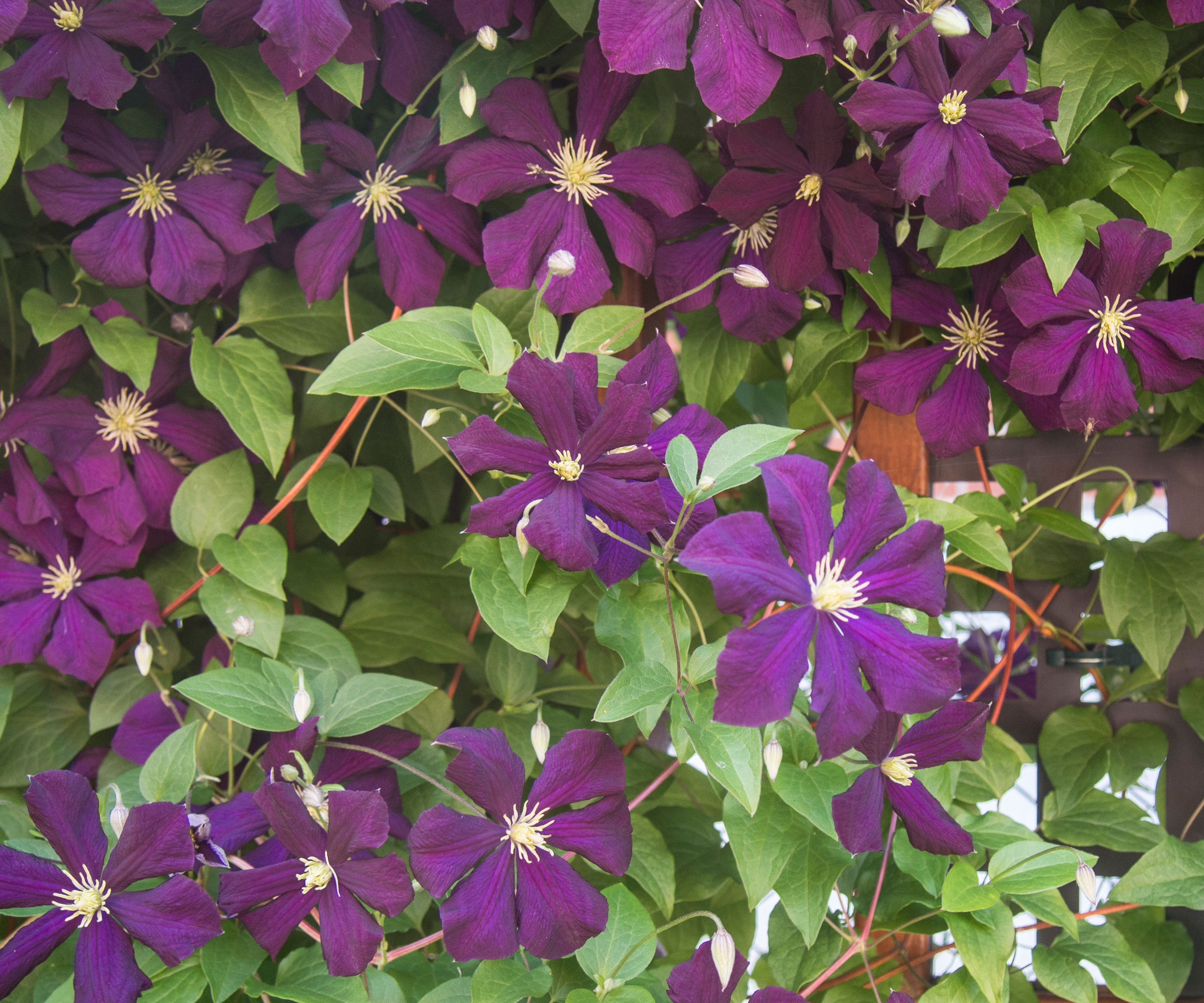
The single biggest mistake you can make in September is reaching for the shears for a heavy cleanup. For Group 1 spring-bloomers like C. alpina or C. montana Rubens, or Group 2 repeat-bloomers like Nelly Moser, vines have already set flower buds for next season. Cutting back this old wood in early fall eliminates your future spring floral show before it starts.
Even fall-flowering Group 3 types like Jackmanii benefit from keeping top growth intact through late fall. The fading foliage acts as a protective canopy, insulating the crown against early frosts. Plus, any cuts you make while the plants are still flowering risk cutting short the bloom season. You can prune these just as easily in spring and that also means they pass the winter with additional protection.
So this first task is really about holding back, and only making cuts to fall-blooming varieties if you absolutely must. The only exception is removing dead, diseased, or wind-damaged stems. Use a pair of Fiskars Micro-Tip Non-Stick Pruning Snips from Amazon to cleanly slice thin stems. For thicker, woody cuts, heavy-duty Corona ComfortGEL Bypass Pruners from Lowe’s are comfortable and precise. Make 45-degree cuts just above healthy leaf nodes to prevent dieback.
2. Deadhead Fading Blooms
(Image credit: Kunphel / Getty Images)
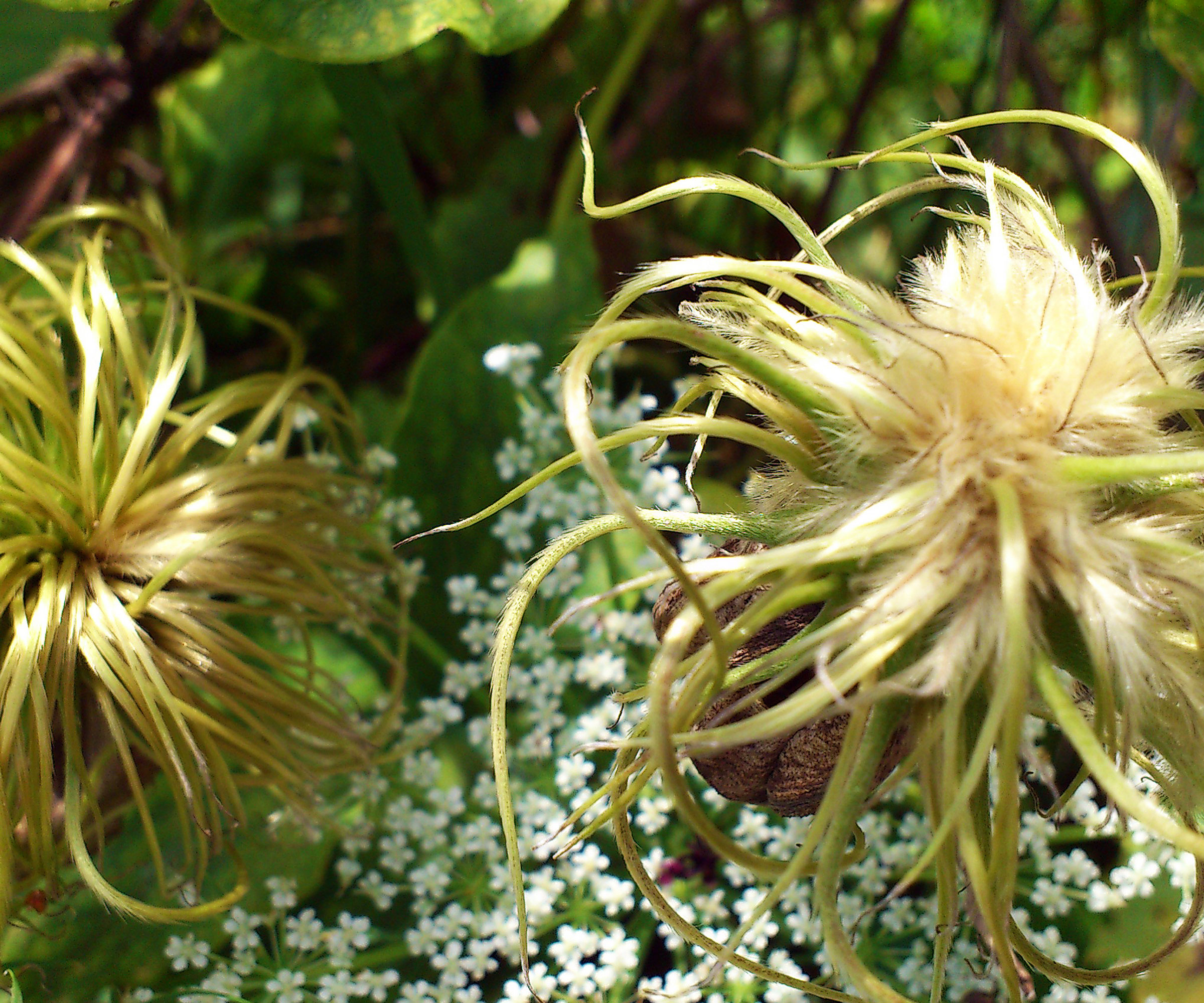
While structural pruning is off-limits, deadheading spent flowers is a vital task across all clematis groups this month. Removing faded petals prevents the vine wasting precious energy on seed production, redirecting those essential sugars down into root storage. Fewer seed heads also means less self-seeding. Prolific self-seeders like C. terniflora are classified as invasive in Alabama, Delaware, Florida, Georgia, Illinois, Maryland, New Jersey, North Carolina, South Carolina, Tennessee, and Virginia. So it can be bad news if fluffy seed heads are allowed to scatter. A thorough deadhead prevents unwanted offspring.
Systematically snipping off fading flower heads keeps your vertical displays neat while protecting your landscape. To give your vines a pick-me-up while deadheading, mist yellowing foliage with a seaweed tonic, such as Neptune's Harvest Organic Fish & Seaweed Fertilizer, from Amazon. This provides a gentle, potassium-rich boost that strengthens plants without triggering sappy growth. After deadheading, apply a preventative spray of Arber Organic Bio-Fungicide Concentrate from Walmart. This gentle treatment stops fungal spores from overwintering in foliage, ensuring your vines enter dormancy clean and disease-free.
3. Topdress Soil with Organic Compost
(Image credit: Ashley Belle Burns / Getty Images)
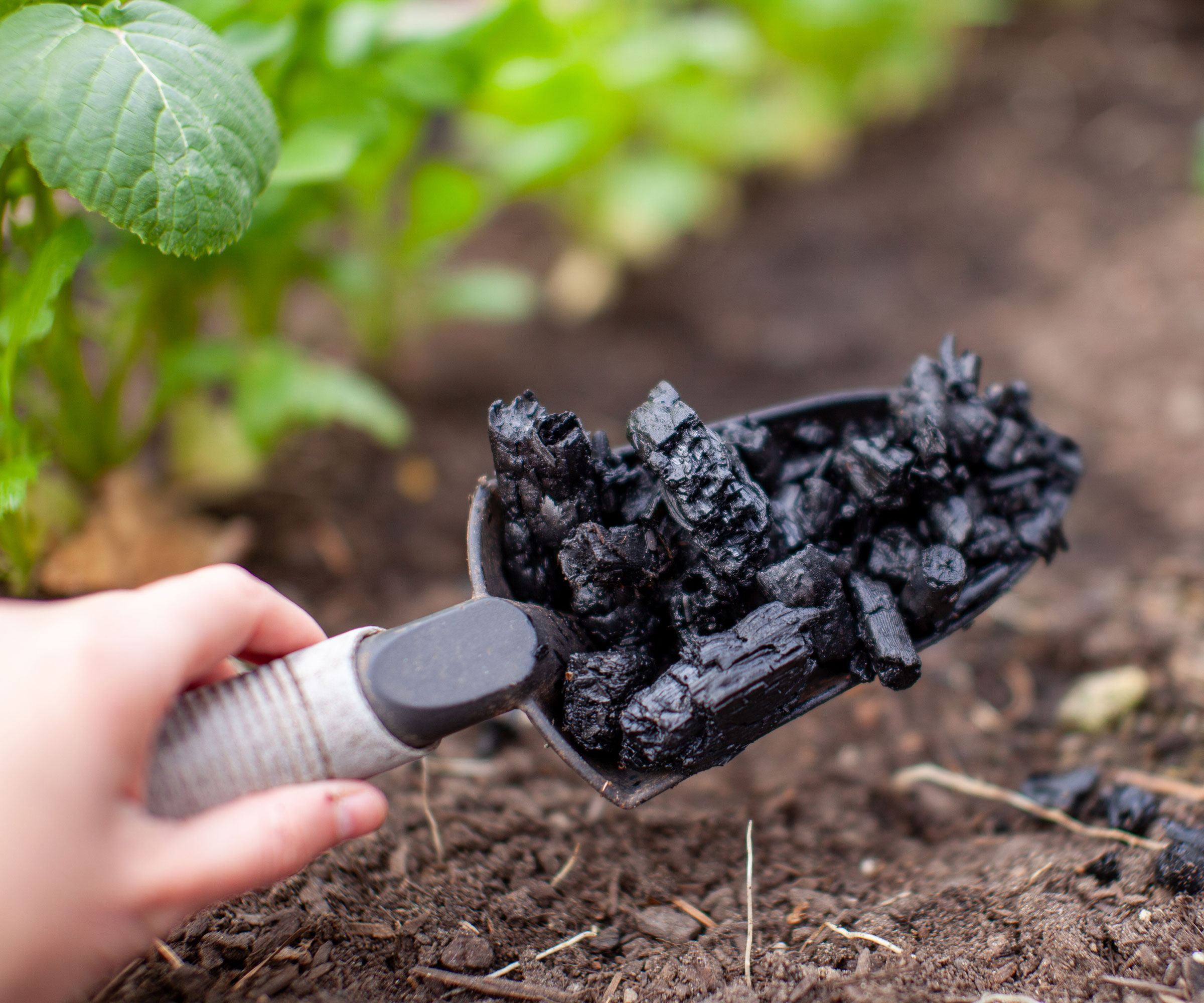
September is a great time to add a slim layer of compost to the top of the soil in the clematis bed. Clematis vines are heavy feeders with deep, thirsty root systems that crave rich organic matter. Applying a generous layer of organic compost to the root zone now allows fall rains and winter snowmelt to break down nutrients slowly, washing essential trace minerals deep into the root zone as vines wake up again next year. By spring, the plant will be accessing the perfect dose of nutrients.
Spread a 2-inch (5cm) layer of well-rotted organic compost evenly around the base of the vine. Keep a couple of inches (5cm) away from the main stems to prevent stem rot. For an extra boost of slow-release phosphorus and calcium (vital for next year’s blooms) dust the bare soil with Down To Earth Fish Bone Meal, available from Lowe’s, before laying down your compost. Alternatively, scratch a handful of Jobe’s Organics Rose & Flower Granular Fertilizer from Walmart into the topsoil. This beneficial feed fortifies roots against the cold.
4. Apply a Thick Blanket of Mulch
(Image credit: Vasil Dimitrov / Getty Images)
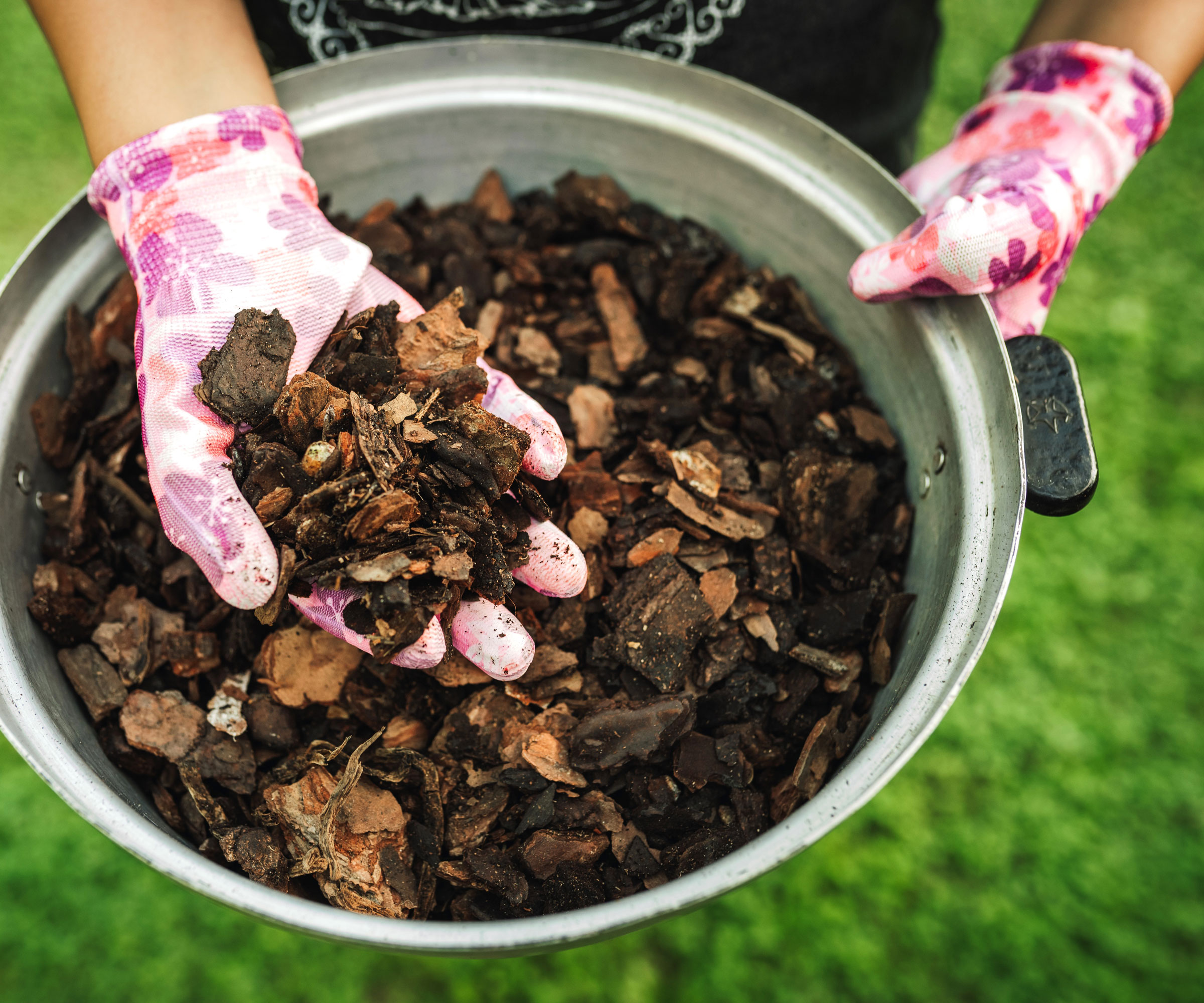
There’s a saying for clematis that insists on "heads in the sun, feet in the shade" and this is even more critical as fall transitions into winter. In September, applying a generous 3-4-inch (8-10cm) layer of organic mulch acts as a crucial blanket for roots. A thick layer of mulch (4-6 inches) stops weeds from growing, and also prevents them from gobbling down nutrients and moisture that could benefit your clem. Mulch also moderates soil temperature, preventing the freeze-thaw cycles that can heave shallow roots out of the ground and expose them to frost in harsh winter spells. The more bitter your winter weather, the more you need mulch.
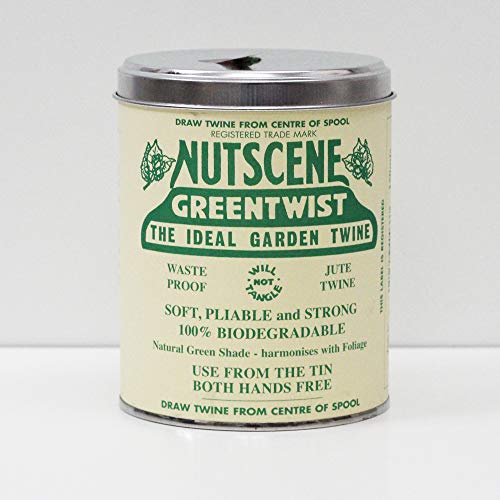
Spread a clean layer of team favorite Back to the Roots Organic Premium Mulch from Amazon over your compost layer. Take care to leave a 2-inch (5cm) gap around the central stem to ensure proper air circulation. If stray winds threaten to whip top-heavy vines around, secure hoots to your trellis using Nutscene Heritage Green Jute Garden Twine, also from Amazon. This biodegradable twine holds stems firmly in place without biting into tender growth or snapping during storms.
5. Protect Container-Grown Clematis
(Image credit: Blickwinkel / Alamy)
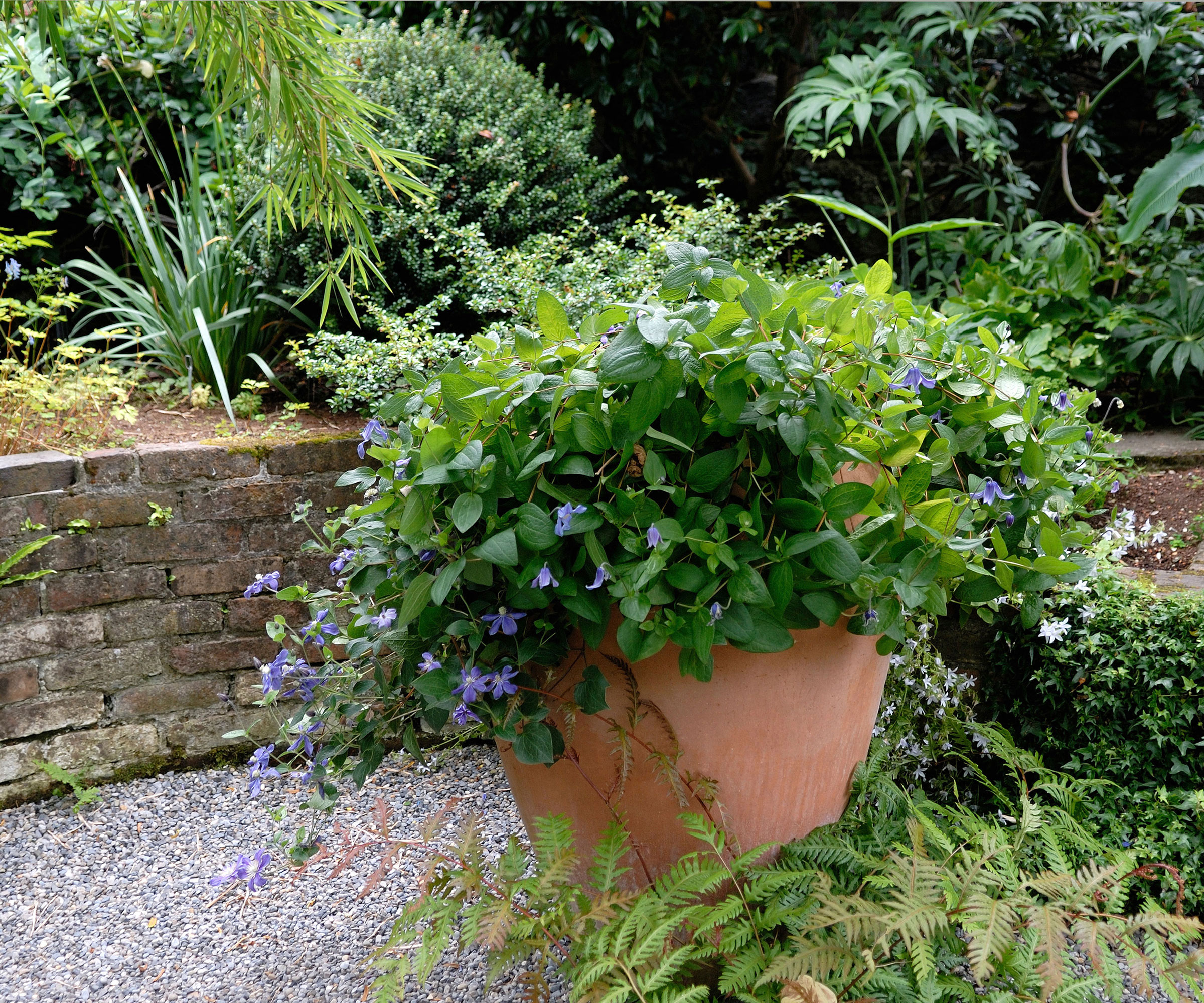
Clematis grown in containers are far more vulnerable to winter cold than ground-planted vines. Because container roots sit above ground, severe frosts can freeze the root ball and kill delicate feeder roots overnight. So in September, it’s a good idea to inspect and prep your container setup to ensure that potted stars such as Comtesse de Bouchaud or Niobe are able to survive the cold months ahead.
Check your pot offers superior drainage and aeration. If potting soil has become compacted, blend a little coarse sand or perlite like Sta-Green Organic Perlite from Lowe’s around the inner container edges. This will help to prevent waterlogging. It’s best if the pot is made of terracotta for better cold protection. However, you can bury the pot in the ground or add extra insulation this month.
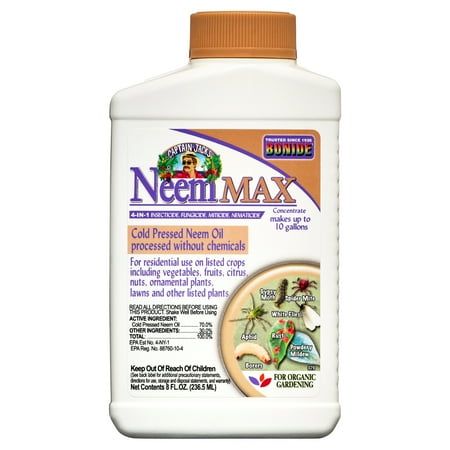
To shield vulnerable root systems, wrap outer container walls with bubble wrap or burlap, or move pots into an unheated garage or cold frame. Alternatively, place the pot in a thick cardboard box packed with dry leaves. For better pest protection before overwintering, treat foliage with Captain Jack’s Neem Oil Concentrate from Walmart to clear away spider mites or scale insects, so your clem rests safely all winter long.
Shop Clematis Care Essentials
(Image credit: Lisa Herlick / Getty Images)
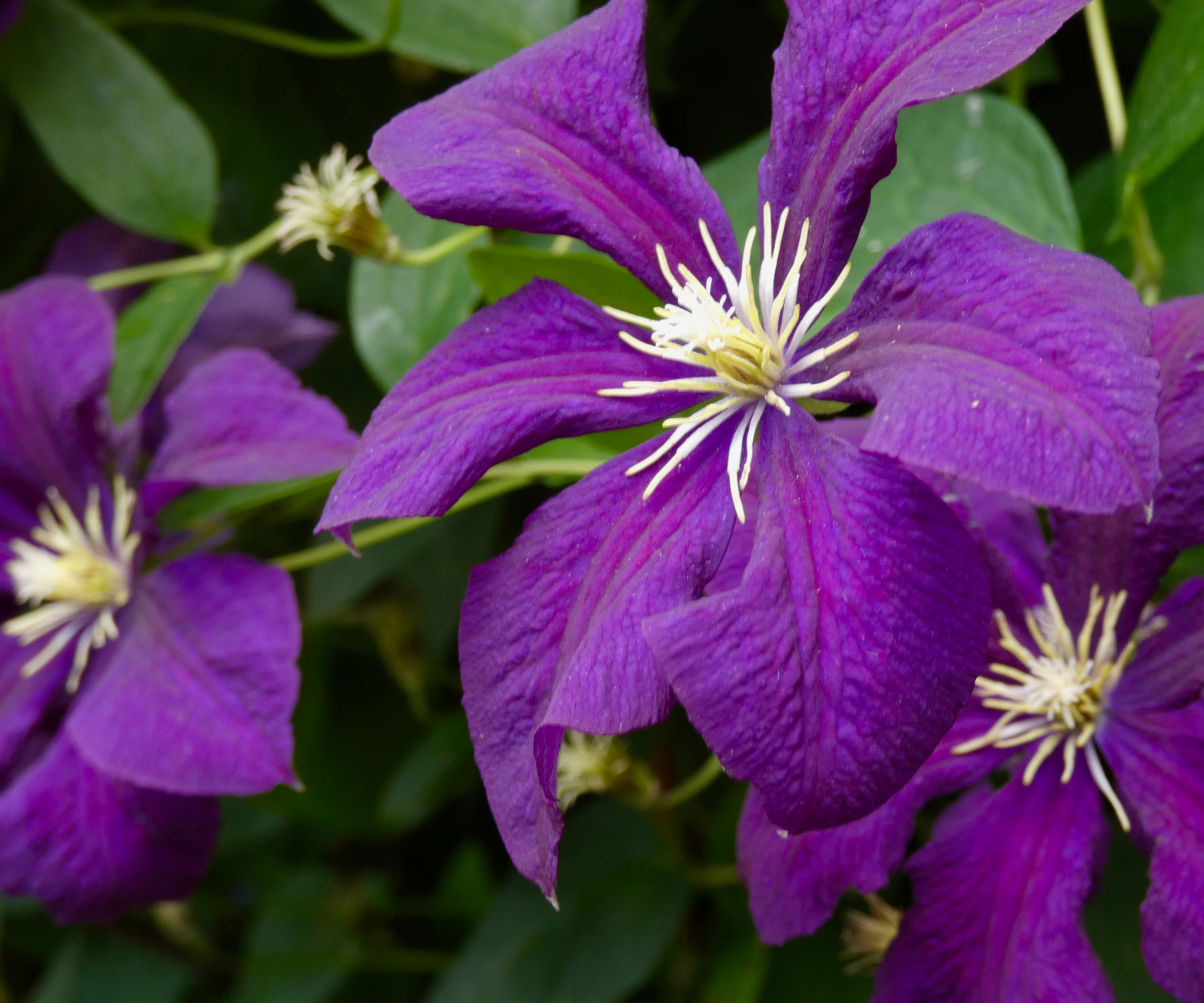
Preparing your clematis for the cooler months requires very little. Just a few high-quality organic controls, light supports, and proper protective mulches will guarantee a stunning floral return next year. This trio of top vining essentials will help to keep your velvety blooming climbers healthy through fall and beyond.
Fab Fall Trio
 Root Cooling
Back to the Roots
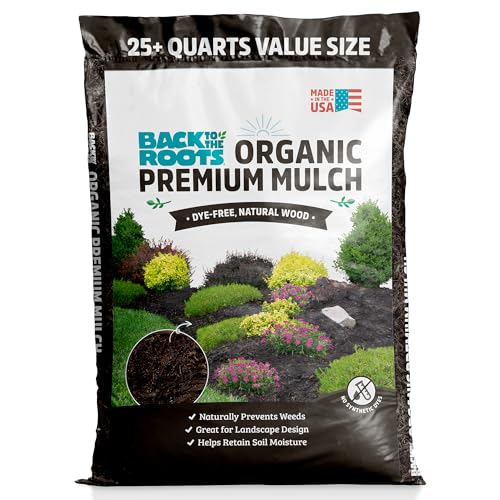
Back to the Roots Organic Premium Mulch
This high-quality wood mulch insulates sensitive roots against freeze-thaw cycles while suppressing weeds and locking in soil moisture.
 Pest Protection
Captain Jack's
Bonide Captain Jack's 8 Oz Neem Max Concentrate
Make sure your vines go into dormancy clean, healthy and protected. This organic 3-in-1 spray clears away lingering pests like mites and scale.
 Gentle Support
Nancy Nikko
Nutscene Heritage Green Jute Garden Twine
Clems need firm support that won’t tear. This soft twine gently secures heavy vines to trellises, preventing winds from tearing shoots or damaging stems.
Taking care of your clematis this month is a smart investment in the future blooming power of your favorite climber, and these tasks take just 20 minutes to carry out. By deadheading spent blooms and tucking the roots under a cozy layer of compost and mulch, you’ll ensure that your queen of climbers survives the cold months in peak condition. So give your vines a little TLC today, and then sit back as they reward you with an unforgettable explosion of blooms next season…
Need more ideas for timely gardening jobs and seasonal expert advice delivered straight to your inbox? Sign up for the free Gardening Know How Newsletter!











 English (US) ·
  French (CA) ·