

July is when a lawn stops coasting. Through spring the grass more or less runs itself, growing fast and green. Heat changes that. Rainfall turns unreliable and the days run long. The lawn that looked effortless in May starts thinning at the edges and going pale in patches. What it needs now is nothing like what it wanted in spring.
None of it is complicated, though. Good July lawn care is a few habits that hold moisture in and keep grass from cooking, plus the one mistake that undoes them. Get those right and the lawn rides out the worst of summer. The mistake is cutting the lawn too short right when it needs protection the most.
1. Raise the Mowing Height
(Image credit: triocean / Getty Images)
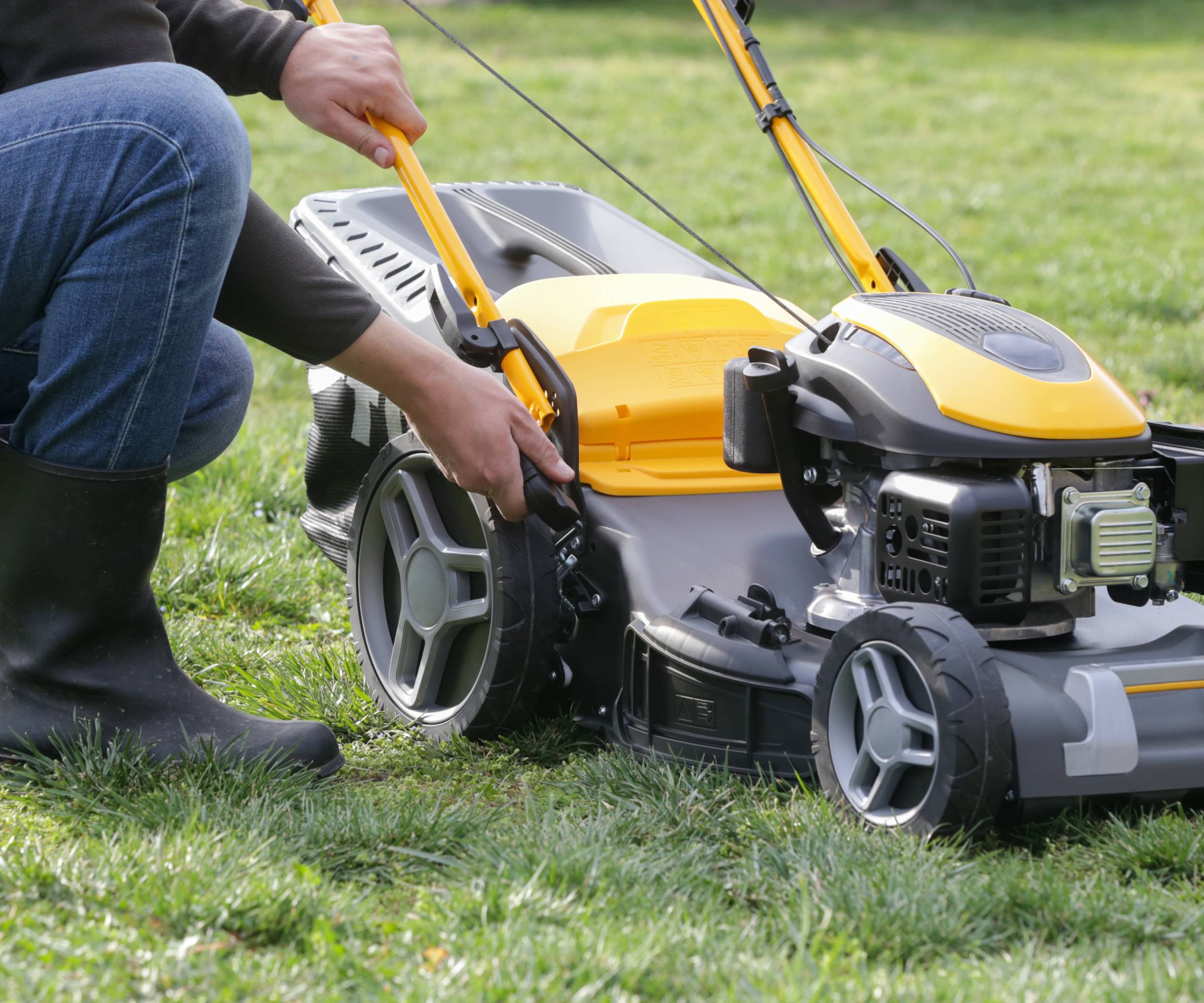
Cutting the grass too short is the classic July mistake, usually with good intentions – mow low now, skip a mow later. The trouble shows up at the soil line. Bare ground takes full sun and heats fast, the root zone loses what moisture it had, and weed seeds get their opening. Taller grass does the reverse: the blades shade their own roots, and the soil beneath stays cooler and damper.
For cool-season grasses in summer, 3 to 4 inches (8 to 10cm) is the height to hold, and cutting more than a third of the blade at once tips the plant into shock. Several light mows beat one hard cut. A clean edge matters as much. A dull blade shreds the tips instead of slicing them, and frayed tips brown and invite disease, so a handheld tool like this Smith's mower blade sharpener from Amazon earns a place in the shed for a mid-season pass.
2. Water Deep, Water Early
(Image credit: Nico De Pasquale Photography / Getty Images)
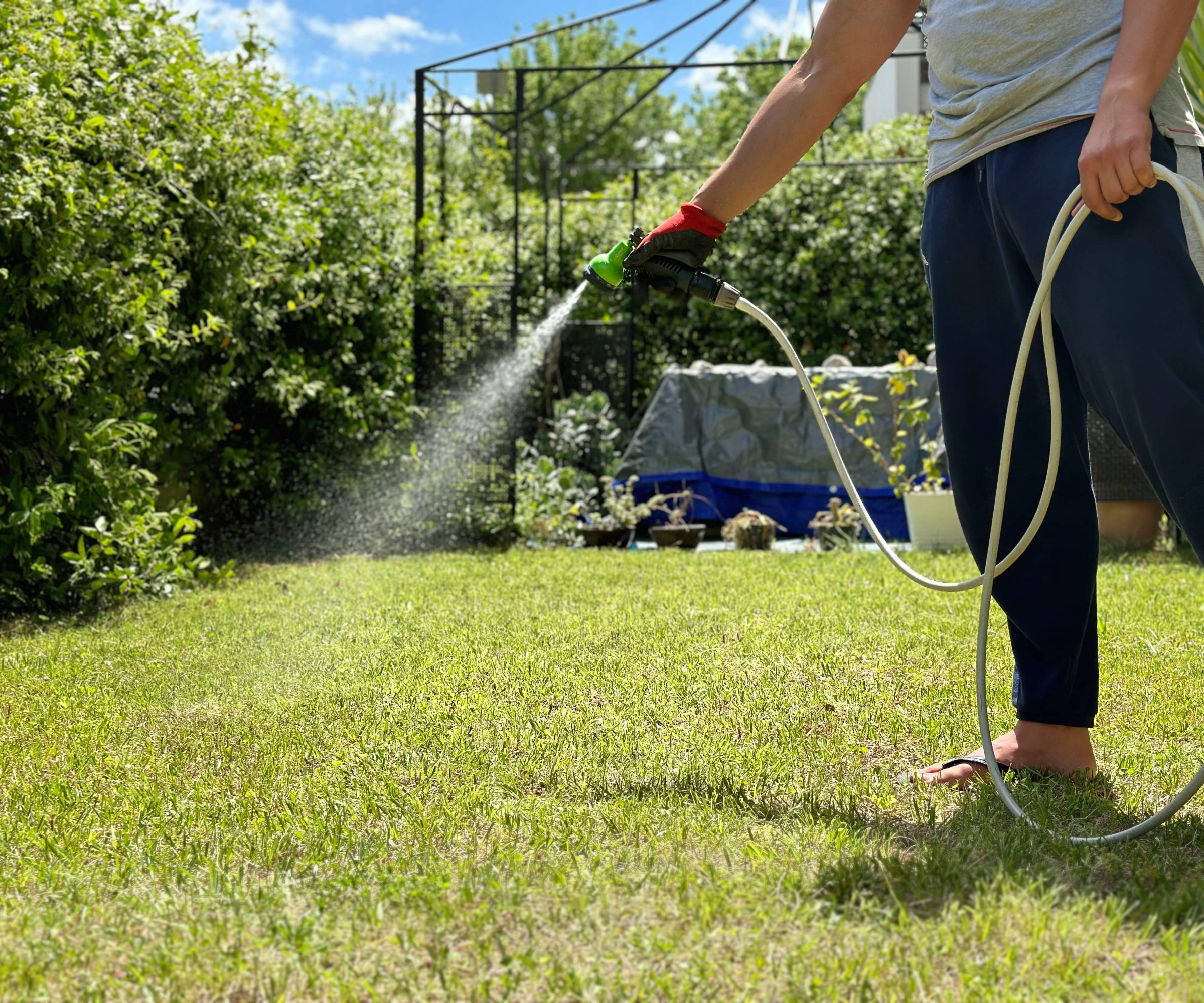
An established lawn wants about an inch of water a week (2.5cm) in heat, though how it goes down counts for as much as the amount. A light sprinkle every evening barely helps. It wets the top half-inch and no more, drawing roots up into the layer of soil that dries out first each afternoon. One or two deep soakings a week pull them back down. That's the point of watering the lawn less often, not more.
What time you water the lawn is the other half. Earlier is better – water put down at dawn sinks in instead of steaming off the blades, and the lawn has all day to dry rather than sitting wet overnight. That overnight damp is the opening a lot of turf fungus needs. Whether you've hit that inch is hard to judge by eye, so an AcuRite glass rain gauge from Home Depot does the job, reading rainfall and sprinkler output.
3. Leave the Clippings Where They Land
(Image credit: Getty Images)
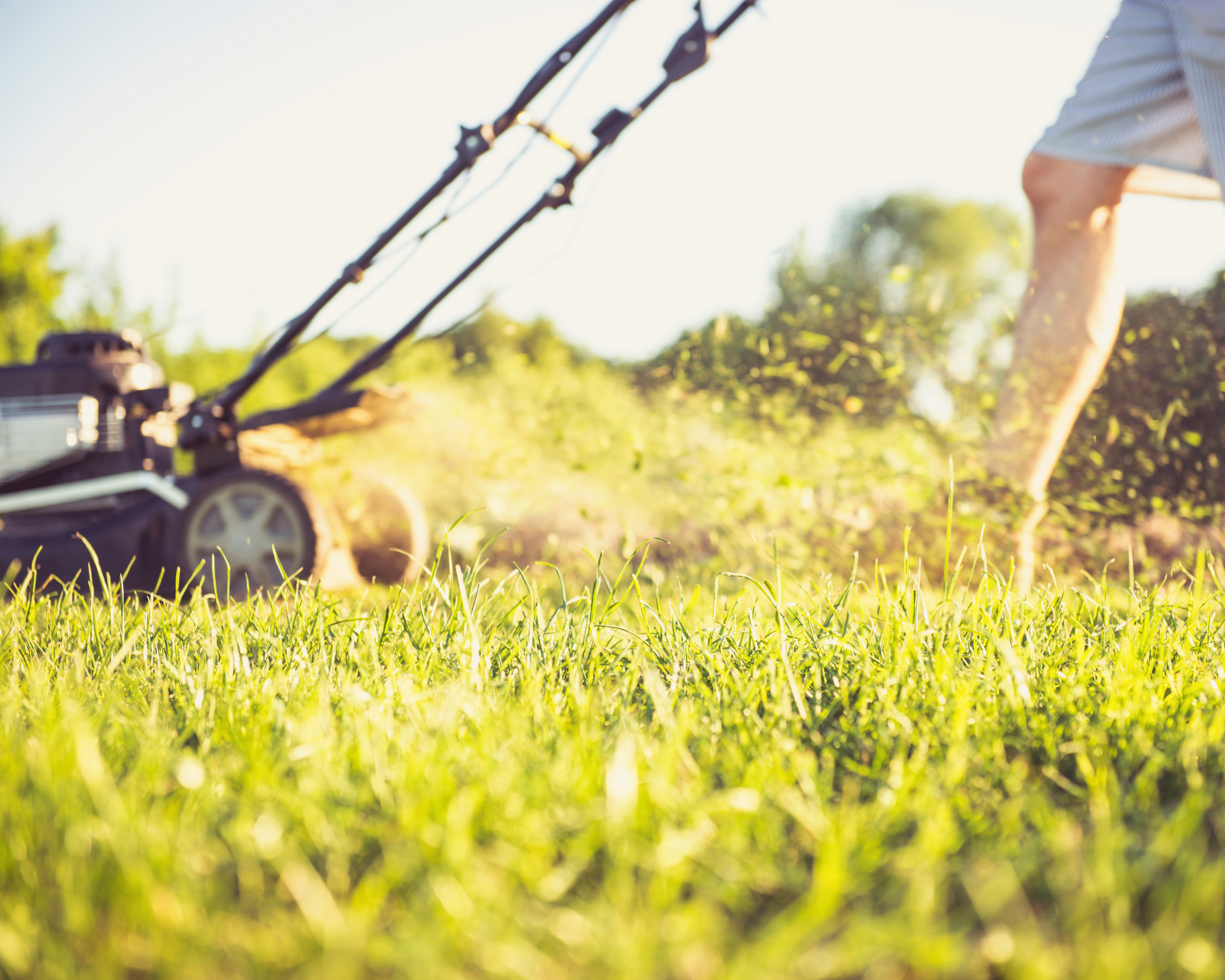
Grass clippings get blamed for thatch, and that reputation sends a lot of them to the curb. It's misplaced. Clippings off a routine mow are thin and green, breaking down in a week or two – too fast to pile up into anything. What they leave is a modest dose of nitrogen and a fine layer that slows the soil drying out.
The catch is that the clippings stay short. Let the grass go long and shaggy first, and the clumps that fall smother what's below – which loops back to mowing often and never scalping. Cut on schedule, drop the clippings, and the lawn feeds itself.
4. Ease Off the Fertilizer
(Image credit: New Africa / Shutterstock)
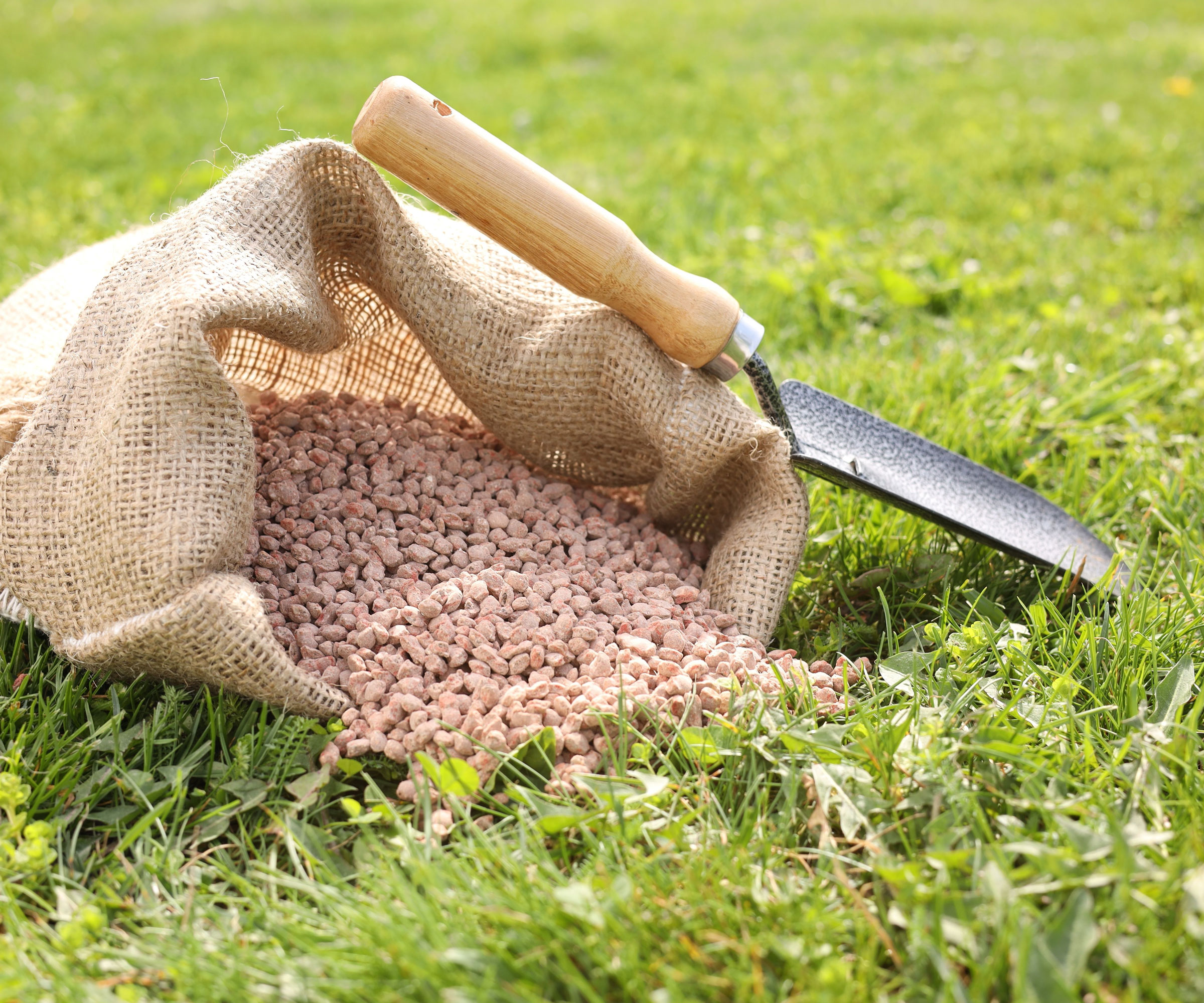
When a lawn looks stressed, the instinct is to feed it. In peak summer that backfires, at least for cool-season grasses. A heavy dose of nitrogen forces tender new growth right when the plant is trying to conserve energy and ride out the heat, and that soft growth scorches, pulling water the roots can't spare.
It depends on the grass. Cool-season types like fescue and ryegrass are better left alone until early fall, when a feeding helps them recover. Warm-season grasses such as Bermuda and zoysia are the exception – they grow through the heat and can take a light summer feeding. For a struggling cool-season lawn, the July answer is patience, not fertilizer. Feeding it now does more harm than good.
5. Scout for Summer Pests
(Image credit: wildpixel / Getty Images)
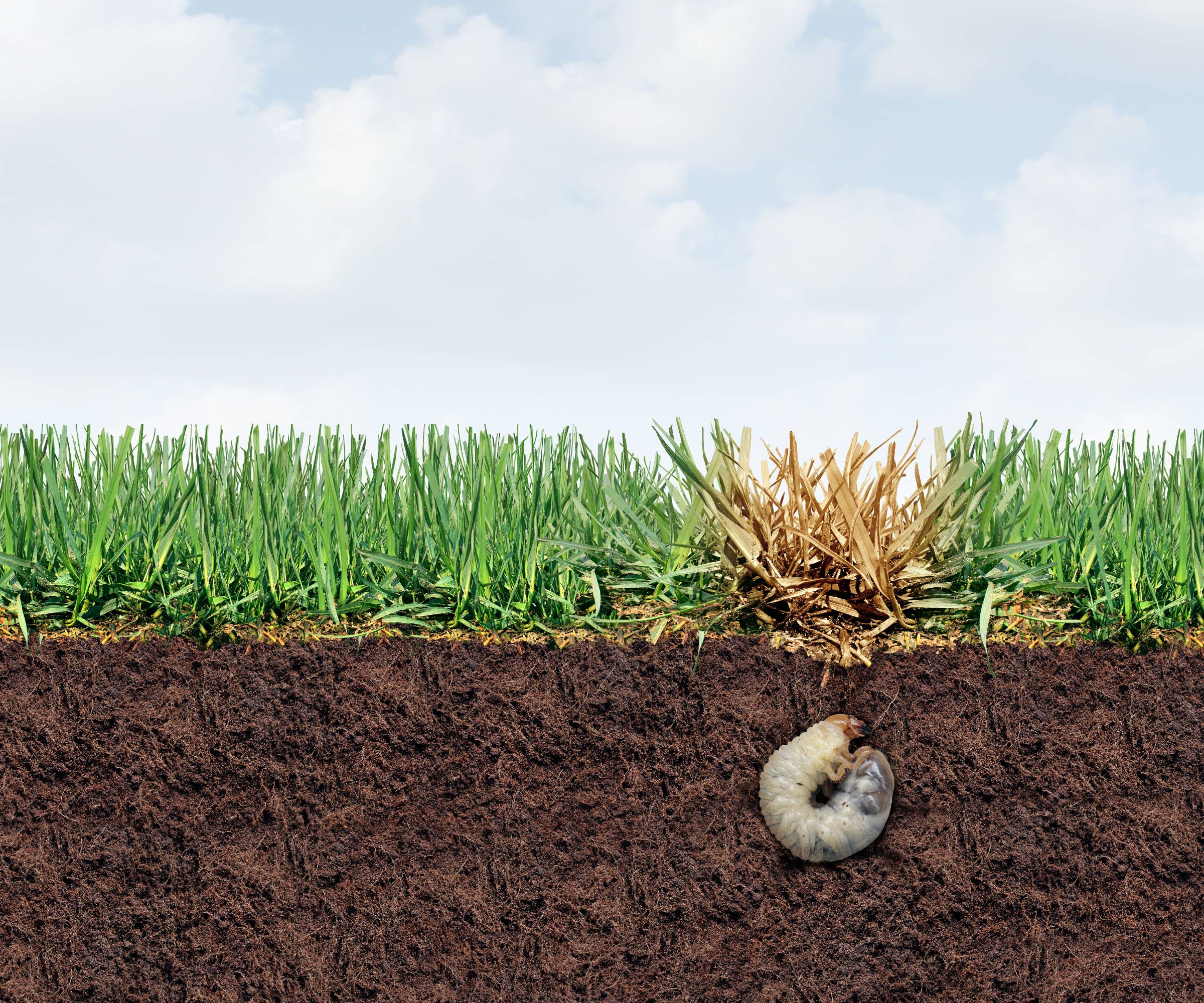
A brown patch that keeps widening no matter how much you water usually points to something other than drought. Two pests cause this kind of damage in summer, and they come at the lawn from opposite ends. Above ground, chinch bugs (Blissus leucopterus) tap the stems and siphon them dry; the yellowing turns brown and spreads fastest in the driest spells. Below it, the larvae of Japanese beetles (Popillia japonica) – the common white grub – chew through roots until the turf loses its grip and peels back like carpet.
A quick check settles it: tug at a brown patch, and if it lifts with pale grubs curled beneath, there's the answer. Grubs are simplest to control with a granular treatment – a product like Scotts GrubEx from Walmart, applied to a dry lawn and watered in, covers both over a good stretch. Catch them before the patches join up and it's a spot treatment, not reseeding in fall.














 English (US) ·
  French (CA) ·