

 1 day ago
15
PROTECT YOUR DNA WITH QUANTUM TECHNOLOGY
Orgo-Life the new way to the future Advertising by AdpathwayCoral reefs are some of the most colourful places on Earth, but in hot years, large stretches of them can turn ghostly white. This process, called coral bleaching, often peaks during El Niño, a natural climate pattern that warms parts of the tropical oceans.
The link between the two is well documented. NOAA's Coral Reef Watch has tied widespread, severe bleaching to the ocean warming that comes with El Niño and its counterpart, La Niña, and the conservation group CORAL describes one powerful El Niño as triggering the first documented global bleaching event.
This explainer covers what El Niño is, how heat stress causes bleaching, how scientists track it and whether bleached coral can recover.
What El Niño is
El Niño is part of a natural cycle called the El Niño–Southern Oscillation, or ENSO. According to CORAL, El Niño refers to warmer-than-average sea surface temperatures in the central and eastern tropical Pacific Ocean, and NOAA says these events typically develop every two to seven years and vary in strength.
During El Niño, the usual trade winds that blow from east to west across the Pacific weaken. That allows warm water, normally piled up in the western Pacific, to spread eastward. The shift changes weather patterns around the world, bringing drought to some regions and heavy rain to others.
El Niño also raises global average temperatures. Years with strong El Niño events tend to be unusually warm worldwide, because the ocean releases extra heat into the atmosphere.
How heat stress causes bleaching
Reef-building corals live in partnership with tiny algae called zooxanthellae, which live inside the coral's tissues. The algae use sunlight to produce food through photosynthesis, supplying the coral with much of its energy. In return, the coral gives the algae shelter and nutrients. The algae also give corals much of their colour.
When water becomes too warm for too long, this partnership breaks down. Stressed algae begin producing harmful compounds, and the coral expels them. Without its algae, the coral's tissue becomes transparent, revealing the white limestone skeleton underneath. That is bleaching.
Bleached coral is not dead, but it is starving. If temperatures fall and the algae return within weeks, the coral can recover. If heat stress continues, the coral may die.
Corals tolerate only a narrow range of temperatures. According to CORAL, a sustained rise of just 1 to 2 °C above normal can be enough to break down the partnership and cause bleaching.
What a global bleaching event is
Scientists use the term global bleaching event when reefs in all major ocean basins bleach within the same period. These events are rare, but NOAA has said that as the world's oceans continue to warm, coral bleaching is becoming more frequent and severe.
The first documented global event coincided with one of the strongest El Niño events ever measured, followed by a strong La Niña. According to Coral Reef Watch, the heat stress lasted more than a year and reached reefs across the Pacific, the Indian Ocean and the Caribbean, and an estimated 15 percent of the world's reefs were effectively lost. Areas spared by the El Niño warming were often hit by the La Niña that followed.
Later global events have caused major coral losses on reefs from the Caribbean to the Indian Ocean and the Pacific, including Australia's Great Barrier Reef, which has suffered repeated mass bleaching.
How NOAA's Coral Reef Watch alerts work
NOAA's Coral Reef Watch uses satellite measurements of sea surface temperature to monitor heat stress on reefs worldwide. A key measure is Degree Heating Weeks, which adds up how much and for how long water temperatures exceed the normal summer maximum. The higher the number, the greater the risk of bleaching and death.
The programme issues alert levels based on this heat stress. Its bleaching alert scale runs up to Level 5, and NOAA uses its higher levels to flag marine heat stress strong enough to cause reef-wide bleaching and coral death. The monitoring draws on a blend of NOAA and partner satellites.
These alerts help reef managers, scientists and communities prepare, for example by increasing monitoring or reducing other pressures on reefs during heatwaves.
Can bleached coral recover?
Yes, if conditions improve in time. NOAA stresses that bleaching does not necessarily mean corals will die. When water cools, corals can regain their algae and their colour, though recovery can take weeks to months. Even recovered corals may grow more slowly, reproduce less and be more vulnerable to disease for some time afterwards.
Reefs as a whole can recover from mass bleaching over years to decades, as surviving corals grow and new corals settle. But recovery requires time between events. As bleaching becomes more frequent, the gaps for recovery shrink.
Why reefs matter so much
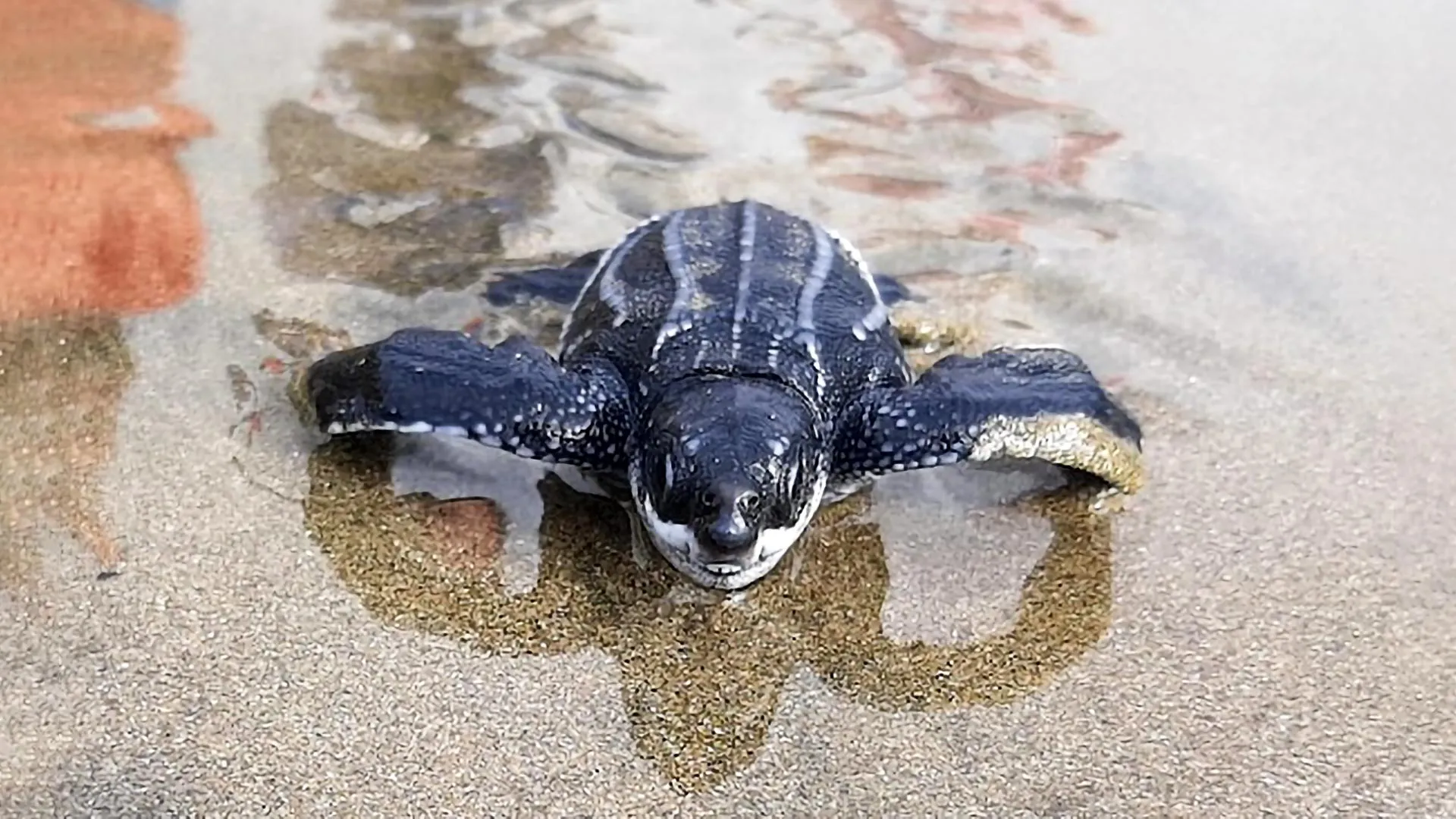
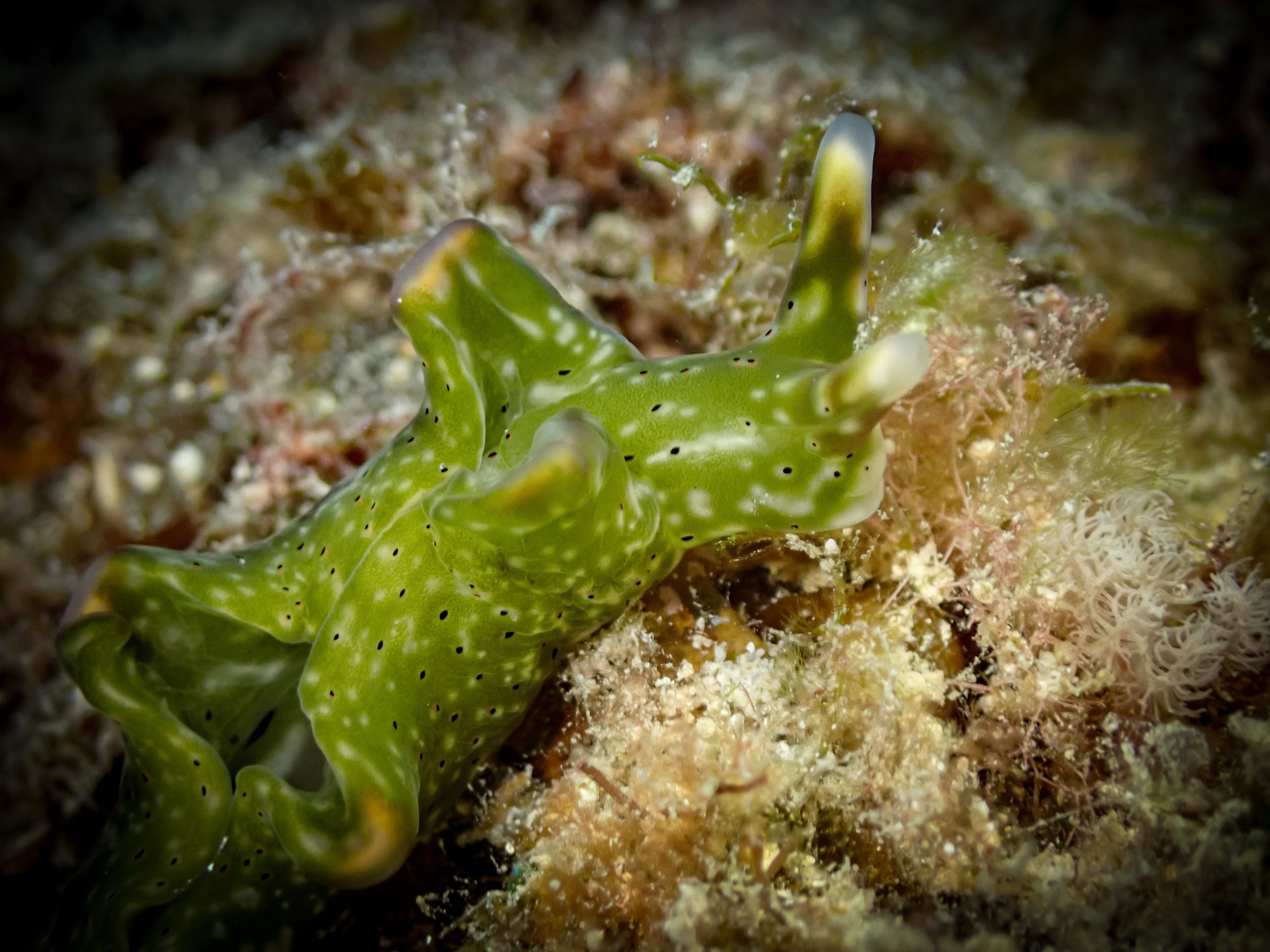
Coral reefs cover a tiny fraction of the ocean floor, but they support a remarkable share of marine life. Scientists estimate that around a quarter of all marine species depend on reefs at some stage of their lives. Fish, crustaceans, molluscs, sea turtles and many other animals find food and shelter among the corals.
Reefs also matter for people. They protect coastlines by breaking waves and reducing erosion, support fisheries that feed hundreds of millions of people, and draw tourists whose spending supports local economies. When reefs bleach and die, those benefits are threatened.
Dead reefs do not simply stay as they were. Without living coral, the reef structure can be overgrown by seaweed and gradually broken down by waves and boring organisms. Over time, a complex habitat can become flattened rubble that supports far fewer species.
Not all corals respond the same way
Some coral species are more vulnerable to bleaching than others. Fast-growing branching corals often bleach and die quickly under heat stress, while some massive, boulder-shaped corals are more resilient. Reefs in places with naturally variable temperatures, such as shallow lagoons, may also contain corals better able to tolerate heat.
Scientists study these differences to understand which reefs may survive future warming and how restoration efforts might focus on more tolerant corals.
Keeping El Niño separate from long-term warming
It is important to distinguish El Niño from climate change. El Niño is a natural cycle that has occurred for thousands of years. Climate change, driven mainly by human emissions of greenhouse gases, is steadily raising ocean temperatures over the long term.
The combination is what makes bleaching under a warming climate so severe. Each El Niño arrives on top of a warmer baseline, so temperatures more easily cross the threshold at which corals bleach. Scientists expect that, without reductions in emissions, bleaching conditions will become common even in non-El Niño years.
What can be done
Reducing greenhouse gas emissions is the most important long-term measure for reefs. Locally, managers can help reefs cope by reducing pollution, overfishing and physical damage, which can make corals more resilient to heat stress. Scientists are also researching coral restoration and heat-tolerant corals, though these approaches are not substitutes for addressing warming. For visitors, choosing reef-safe practices, such as not touching or standing on coral and following local guidance, helps reduce added stress during hot years.
Frequently Asked Questions
What is coral bleaching? It happens when heat-stressed corals expel the algae living in their tissues, turning white. Bleached coral is not dead, but it is starving.
Why does El Niño cause bleaching? El Niño warms parts of the tropical oceans, pushing water temperatures above what corals can tolerate for extended periods.
Is El Niño the same as climate change? No. El Niño is a natural, recurring warming of the tropical Pacific, while climate change raises ocean temperatures over the long term. When the two combine, bleaching becomes more likely.
How does NOAA track bleaching risk? Coral Reef Watch uses satellite sea temperature data and a measure called Degree Heating Weeks, with alert levels up to Level 5 for the most severe heat stress.
Can bleached coral recover? Yes, if temperatures fall quickly enough and the algae return. Repeated bleaching, however, leaves less time for recovery.
© 2026 NatureWorldNews.com All rights reserved. Do not reproduce without permission.
















 English (US) ·
 French (CA) ·