

 10 hours ago
4
10 hours ago
4
PROTECT YOUR DNA WITH QUANTUM TECHNOLOGY
Orgo-Life the new way to the future Advertising by Adpathway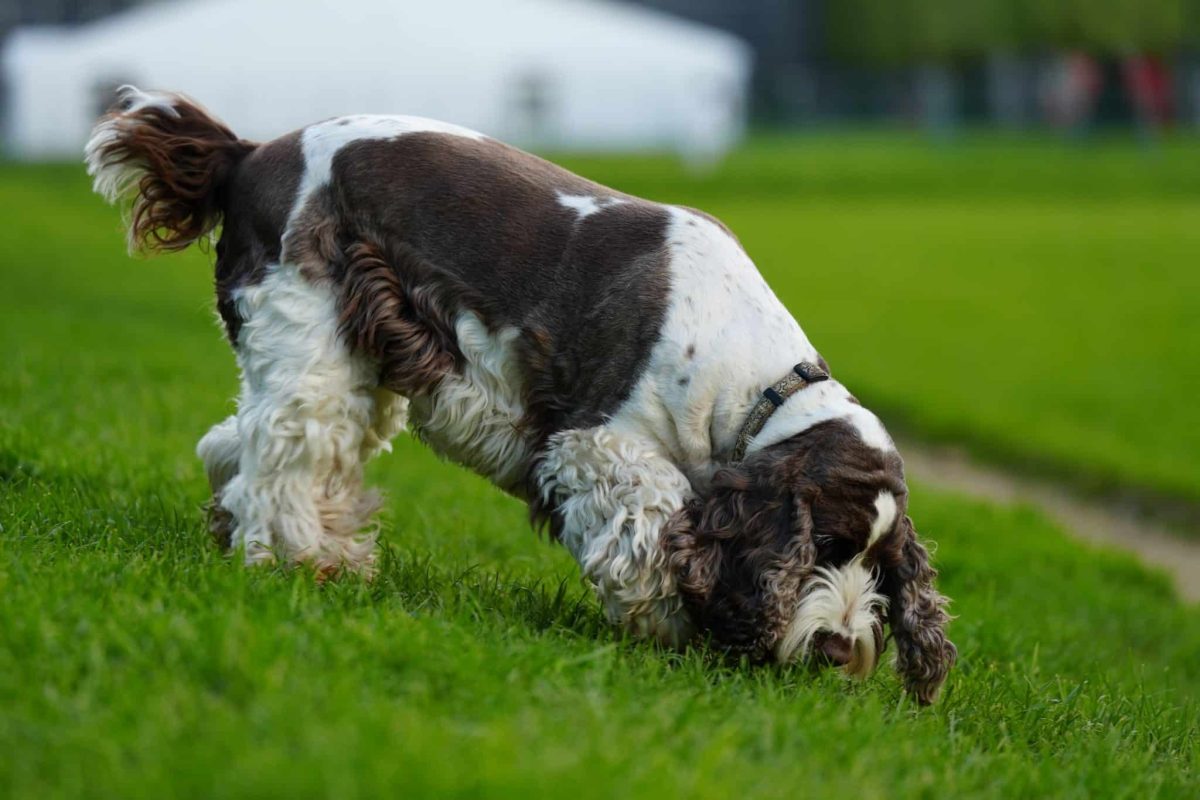 Shutterstock
A dog’s nose can uncover information humans never notice, but certain breeds possess impressive scenting abilities shaped by generations of specialized work. Hunters relied on these dogs to follow trails, locate game, navigate challenging environments, and detect subtle odors over considerable distances. Today, talented noses also contribute to detection, tracking, search work, and scent-based canine sports. These thirteen breeds combine remarkable olfactory ability with persistence, intelligence, focus, and strong working instincts, proving that the world becomes much more fascinating when experienced through a powerful canine nose.
Bloodhound
 Shutterstock
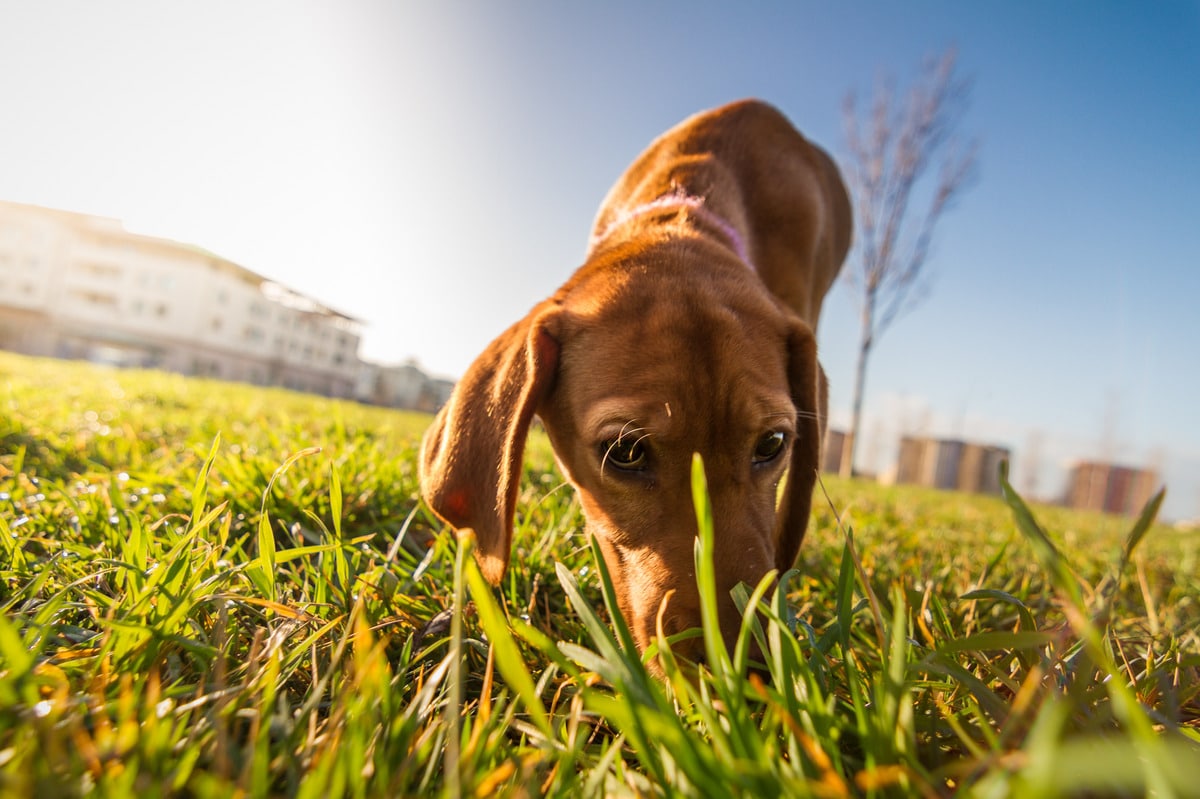
Bloodhounds are legendary for scent tracking, and their extraordinary noses have made them synonymous with following trails over considerable distances. Developed specifically for tracking, these large hounds possess exceptional olfactory ability combined with persistence, concentration, and a strong instinct to follow scent, while their long ears and loose facial skin are traditionally associated with helping keep scent close to the nose as they work near the ground. Bloodhounds have been used for trailing people as well as hunting, demonstrating how effectively they can remain committed to an odor trail once they begin following it. Their determination can also make everyday walks interesting because an irresistible smell may suddenly become more important than whatever destination their human originally had in mind.
Basset Hound
 Shutterstock
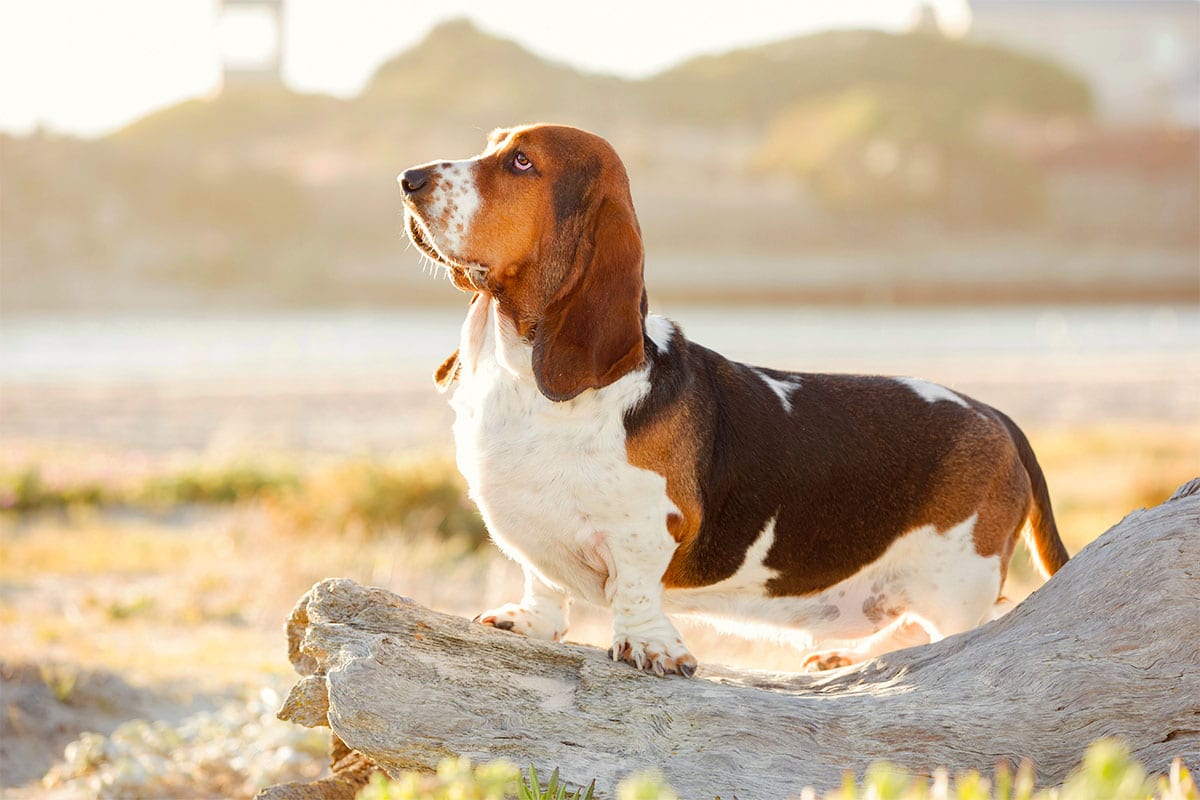
Basset Hounds may move on short legs, but their noses belong to dogs developed for serious scent work and persistent tracking. Originally bred to follow game such as rabbits and hares, these scent hounds work relatively close to the ground, where their long ears, substantial noses, and determined personalities accompany an impressive ability to investigate odor trails at a steady pace. Their deliberate style can make them appear relaxed, but once an interesting scent captures their attention, Bassets may display considerable persistence and an independent desire to discover where that trail leads. Owners quickly learn that a casual stroll with a Basset can become an extensive investigation whenever the neighborhood contains smells apparently worthy of a full canine detective report.
Beagle
 Shutterstock
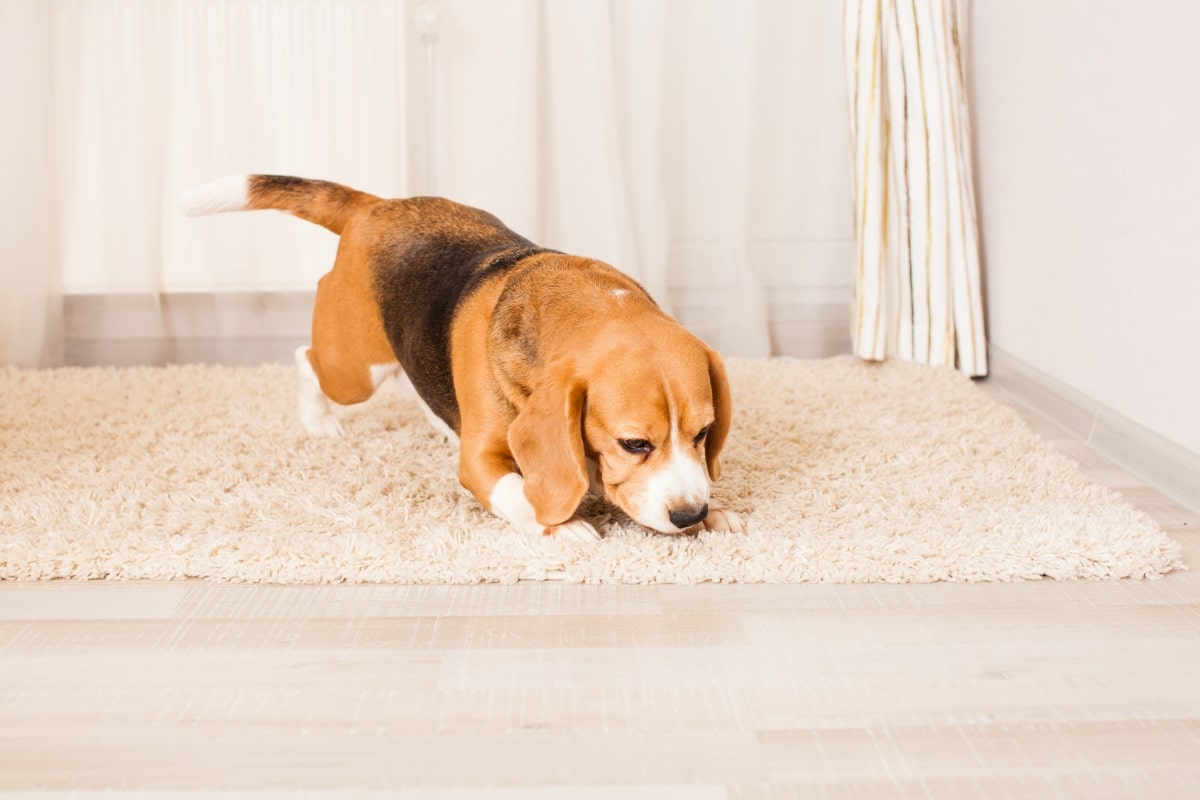
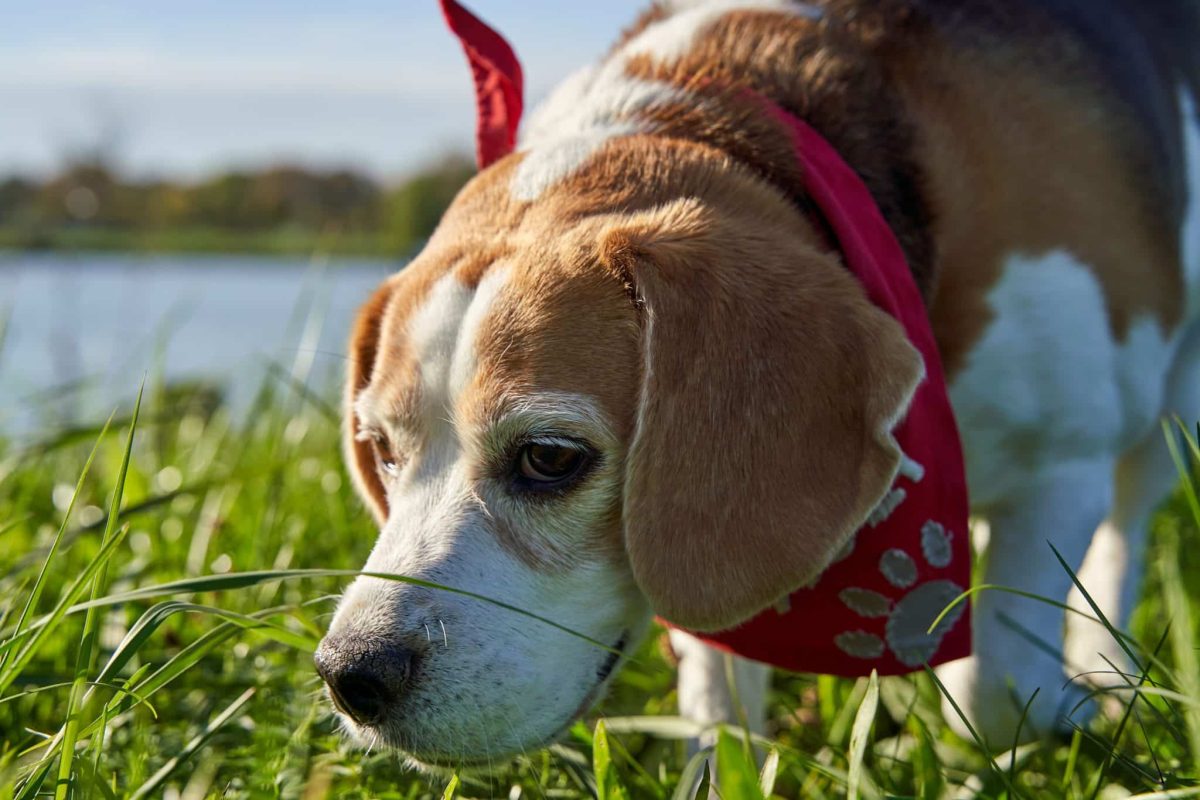
Beagles combine compact size with powerful scenting instincts developed through generations of hunting rabbits and hares in packs. Their keen noses, persistence, energetic personalities, and enthusiasm for following odor trails make them natural candidates for scent games and detection activities, and Beagles have also been employed in inspection roles where their ability to identify particular odors can be put to practical use. Family Beagles often demonstrate this talent whenever food, wildlife, or another fascinating smell appears nearby, sometimes becoming so absorbed in an odor that secure leashes and boundaries are essential. For a Beagle, following its nose is not simply a hobby because every interesting scent seems to arrive with an invisible invitation marked extremely urgent.
Labrador Retriever
 Shutterstock
Labrador Retrievers are famous for friendliness and retrieving ability, but their excellent noses have also helped them become highly versatile detection and search dogs. Their trainability, enthusiasm, athleticism, willingness to cooperate with handlers, and ability to discriminate among odors can suit them for specialized roles involving explosives, narcotics, search and rescue, conservation, and other professionally trained scent-detection tasks. Labs often enjoy activities that combine searching with a clear reward, making recreational nose work and scent games valuable ways for family dogs to exercise both their minds and natural abilities. Their cheerful work ethic adds to their appeal because a Labrador can approach an important search with impressive concentration before returning immediately to the equally serious responsibility of wondering if anyone brought snacks.
German Shepherd
 Shutterstock
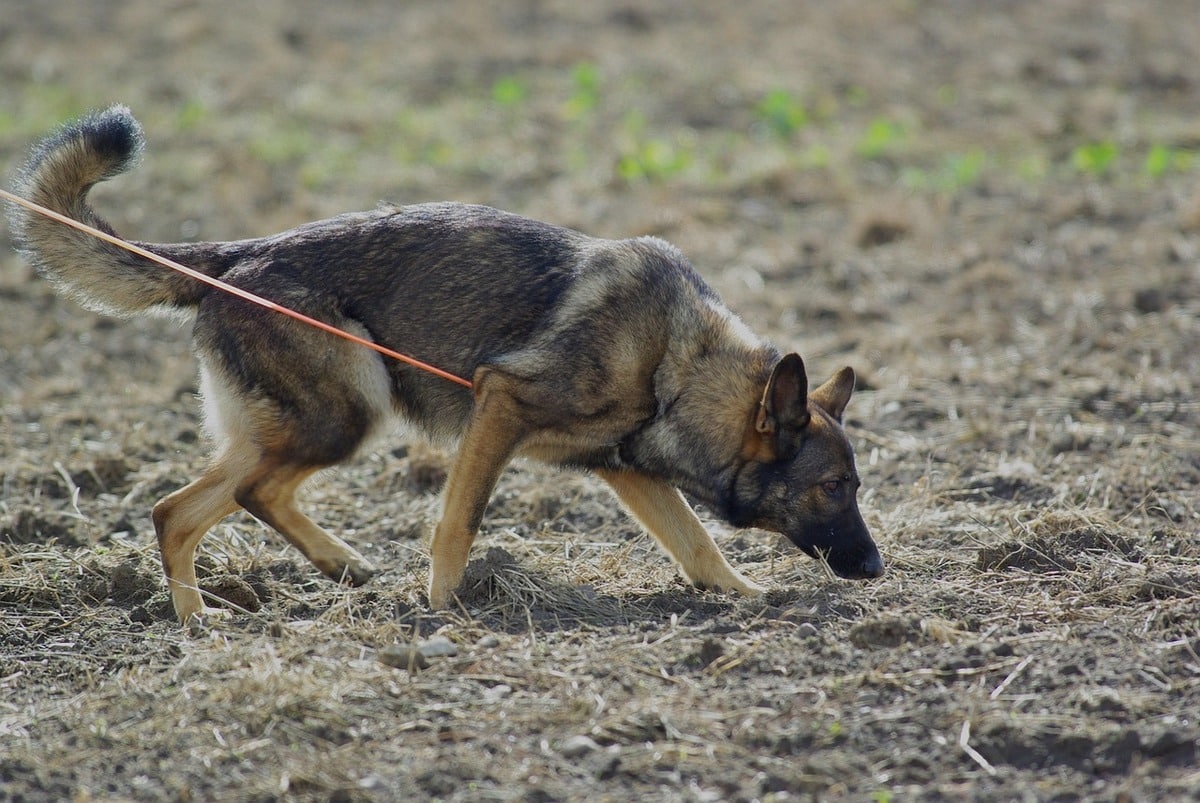
German Shepherds possess a remarkable combination of scenting ability, intelligence, athleticism, courage, and trainability that has helped them succeed in numerous professional working roles. Police and military organizations have long employed properly trained German Shepherds for tracking, search work, and odor detection, where dogs must learn to recognize target scents while working effectively with handlers in distracting or demanding environments. Their versatility allows them to combine their noses with problem-solving skills and physical endurance, making them capable partners for tasks requiring more than simply locating an interesting smell. At home, scent games can provide valuable mental stimulation for these intelligent dogs, giving them an appropriate reason to investigate while reassuring them that household detective work is occasionally an officially approved activity.
Belgian Malinois
 Shutterstock
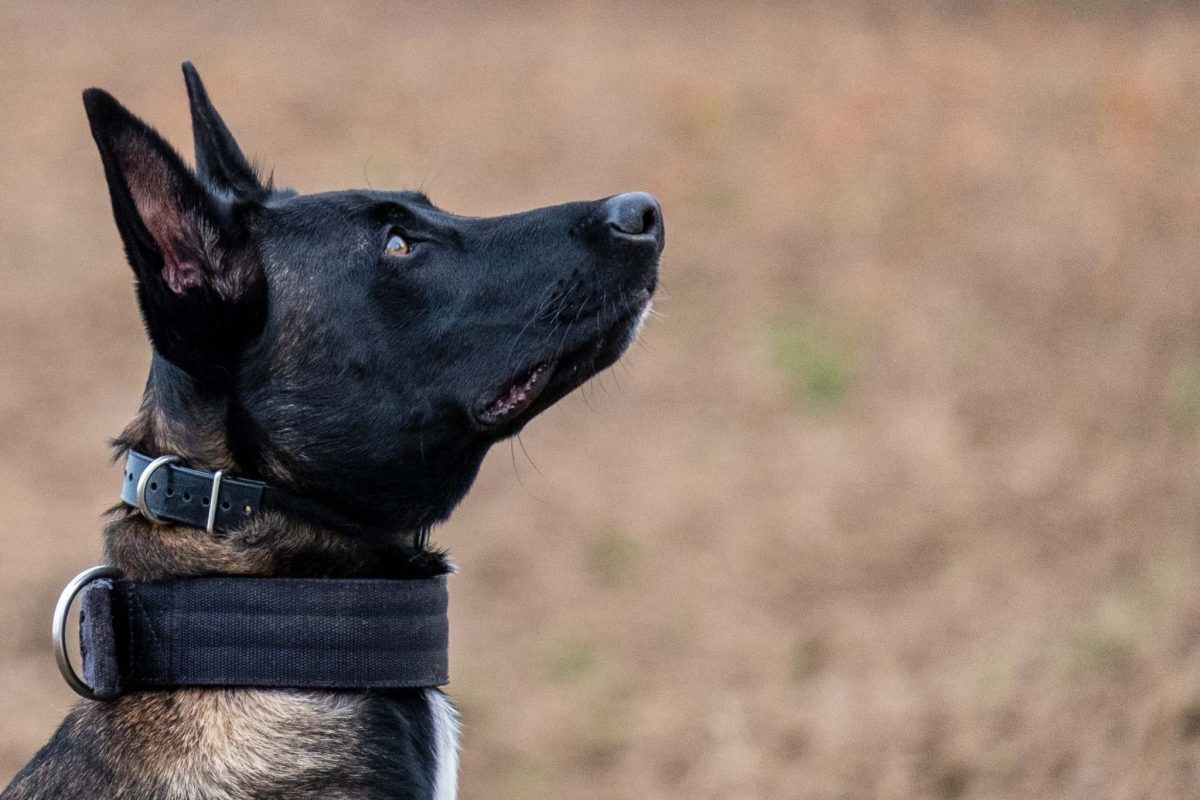
Belgian Malinois are renowned for tremendous working drive, and their capable noses contribute to the breed’s success in demanding detection and search roles. Intelligent, fast, athletic, responsive, and highly motivated, properly trained Malinois can perform specialized scent tasks involving law enforcement, military work, search operations, and other assignments where concentration and precise responses are essential. Their intensity means they typically require substantial physical exercise, structured training, mental challenges, and experienced handling, so their remarkable abilities should never be confused with being an effortless choice for every household. Give a well-trained Malinois a meaningful scenting assignment, and the breed’s focus can become extraordinary, creating the unmistakable impression of a professional who has absolutely no intention of leaving the job unfinished.
English Springer Spaniel
 Shutterstock
English Springer Spaniels were developed as energetic sporting dogs capable of locating and flushing game, giving them strong scenting instincts alongside stamina, responsiveness, and enthusiasm for working closely with people. Their combination of manageable size, athletic movement, trainability, and an eager searching style has also made appropriately trained Springers valuable for professional detection work involving specific target odors. Family companions can channel these natural abilities through scent games, searching exercises, retrieving, and other structured activities that reward curiosity while providing useful mental and physical stimulation. Springers often perform these activities with infectious enthusiasm, making scent work look less like a demanding assignment and more like the greatest treasure hunt anyone has ever been thoughtful enough to organize.
German Shorthaired Pointer
 Shutterstock
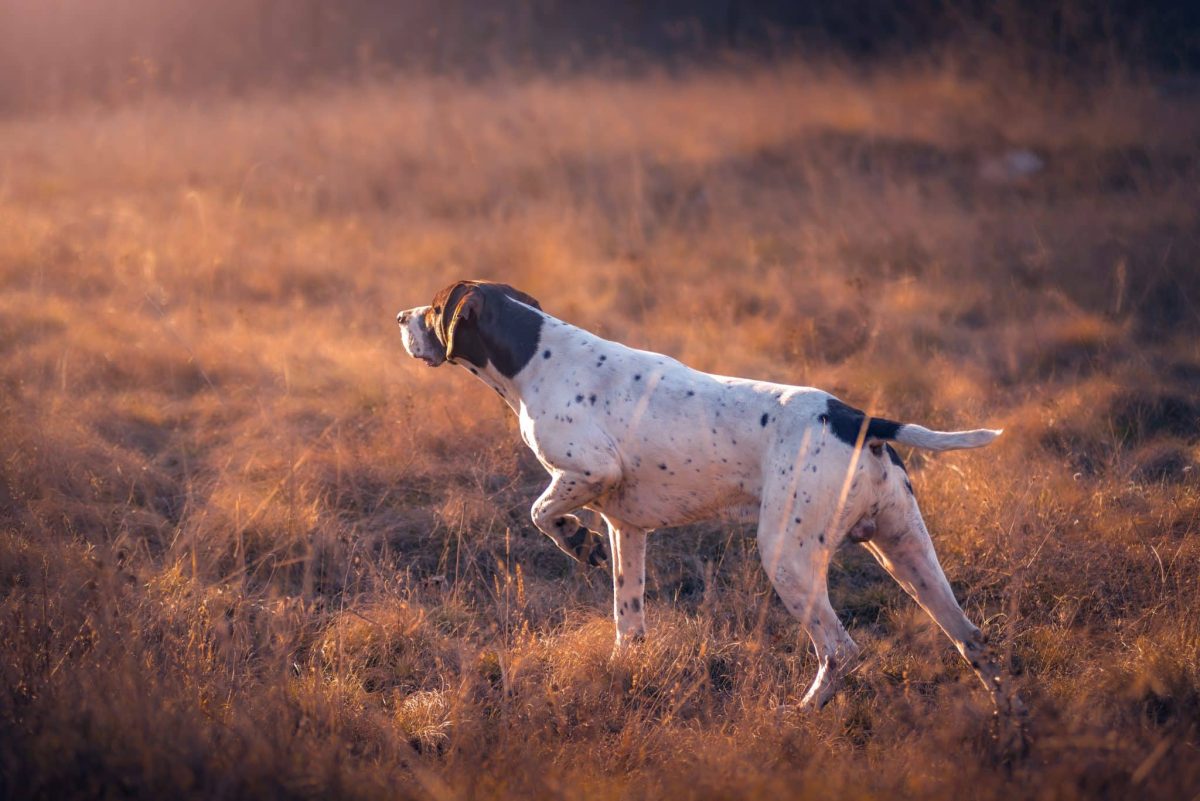
German Shorthaired Pointers were developed as versatile hunting dogs capable of locating game across varied terrain, relying on strong noses alongside speed, stamina, intelligence, and responsive cooperation with hunters. Their scenting talent helps them search broad areas effectively, while their athletic construction allows them to continue working through demanding physical activity that might quickly exhaust a less energetic companion. Modern GSPs can enjoy scent work, tracking, field activities, searching games, and other challenges that engage both their powerful bodies and active minds, although they typically require substantial daily exercise. When a German Shorthaired Pointer catches an interesting scent, the sudden concentration can make it appear as though every other item on the day’s schedule has been immediately canceled.
Bluetick Coonhound
 Shutterstock
Bluetick Coonhounds were developed to follow scent trails with persistence, determination, and enough endurance to continue working across challenging conditions. Their cold-nosed tracking reputation reflects an ability to work older scent trails, while their characteristic hound voices historically allowed hunters to follow the progress of dogs working at a distance during pursuit. This breed’s powerful tracking instincts can make scent-based activities especially satisfying, but they also mean secure containment, leash management, exercise, and patient training are important because an intriguing odor can inspire considerable determination. A Bluetick following its nose can become deeply committed to the investigation, proving that once a talented hound opens a case, closing it before discovering the answer may not be considered acceptable procedure.
Black and Tan Coonhound
 Shutterstock
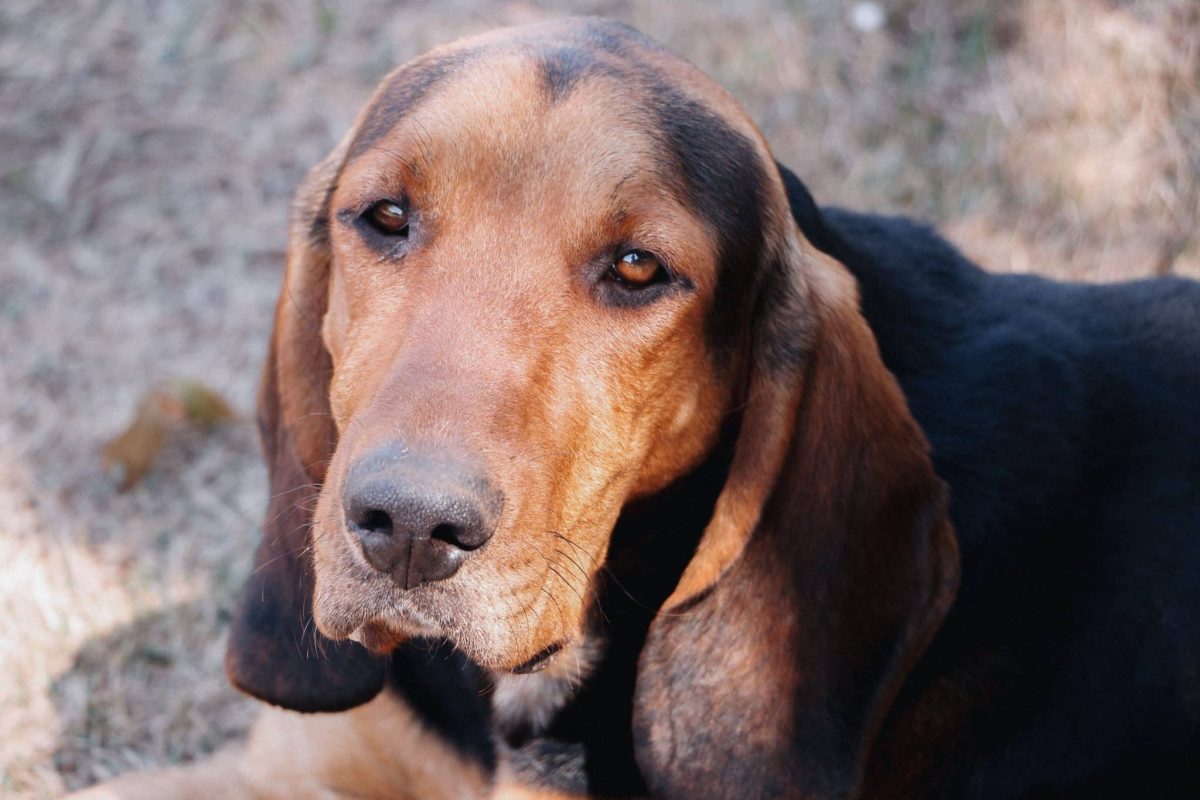
Black and Tan Coonhounds possess the endurance, powerful noses, independence, and persistence expected from dogs developed to follow scent trails across substantial distances. Traditionally associated with tracking raccoons and other game, they can work methodically through varied terrain while using their characteristic voices to communicate during pursuit, demonstrating a style that combines olfactory talent with determined physical effort. Their scenting instincts remain strong in family companions, making secure outdoor management particularly important while also providing opportunities for tracking games and recreational nose work that channel natural behavior appropriately. Living with one can mean accepting that a seemingly ordinary patch of ground occasionally contains information important enough to justify several minutes of extremely serious investigation.
Dachshund
 Shutterstock
Dachshunds may be famous for their long bodies and short legs, but they were developed as serious hunting dogs with noses capable of helping them locate quarry. Their original work included pursuing badgers into underground dens, requiring scenting ability, courage, persistence, independence, and a compact body capable of navigating spaces inaccessible to larger dogs. Dachshunds can still display impressive enthusiasm for tracking smells, making scent games a useful form of mental enrichment that taps into their natural instincts without requiring the demanding hunting work performed by their ancestors. Those tiny legs should never cause anyone to underestimate the nose above them because a determined Dachshund can investigate an interesting smell with the confidence of a detective convinced the breakthrough is moments away.
English Cocker Spaniel
 Shutterstock
English Cocker Spaniels were developed as compact sporting dogs capable of locating and flushing game from dense cover, requiring strong scenting ability, energy, agility, and cooperation with handlers. Their eager searching behavior and willingness to work can translate effectively into modern scent activities, and professionally trained individuals have also performed detection work where compact size and an enthusiastic nose can be particularly useful. At home, nose work, hidden-object searches, retrieving games, and other scent-based activities can provide rewarding outlets for their curiosity and energetic personalities while strengthening communication with their families. Their enthusiasm often makes searching appear wonderfully joyful, as though every successful discovery confirms their long-held suspicion that using your nose professionally is one of life’s greatest career choices.
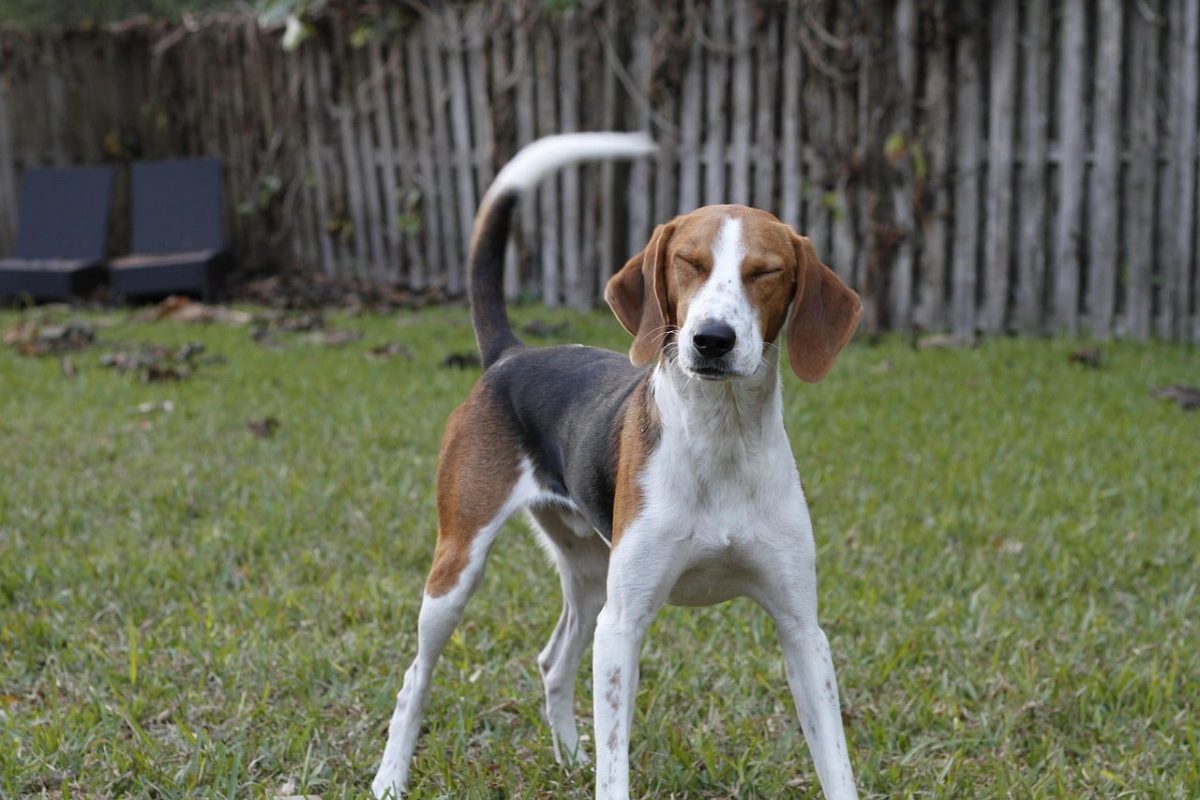
American Foxhound
 Shutterstock
American Foxhounds were developed to pursue foxes by scent, requiring impressive endurance, strong noses, athleticism, and determination while traveling considerable distances with other hounds. Their lean construction supports sustained movement, while their scent-driven working heritage encourages them to follow trails persistently, characteristics that can remain strongly expressed even in dogs living far removed from traditional hunting environments. These energetic hounds require secure management and appropriate exercise because an exciting scent can encourage independent exploration, while structured tracking and nose-based games can provide constructive opportunities to engage their instincts. An American Foxhound on an interesting trail may look completely convinced that whatever lies at the end deserves immediate investigation, regardless of anything less important previously appearing on the calendar.
The Nose Has Already Clocked In
 Shutterstock
Dogs with exceptional scenting instincts demonstrate how specialized working abilities can shape behavior, focus, endurance, and curiosity. Hounds may patiently follow trails, sporting dogs can search broad areas, and working breeds can learn challenging detection tasks. Every dog still requires training, safe management, appropriate exercise, and activities suited to age, health, temperament, and experience. Recreational nose work can provide an enjoyable outlet for natural searching behaviors and valuable mental stimulation. Give these talented sniffers an interesting scent, and their noses may report for duty before breakfast.
This content was created with AI assistance and edited by the iHeartDogs team.














 English (US) ·
  French (CA) ·