

 10 months ago
167
10 months ago
167
PROTECT YOUR DNA WITH QUANTUM TECHNOLOGY
Orgo-Life the new way to the future Advertising by AdpathwayLate October is the perfect time to mulch the garden! Perennial plant roots benefit from insulation during the winter, and mulch is one easy way to protect them.
Compost works best for fleshy perennials and vegetables. A good substitute is leaf mold, and fallen leaves work in a pinch. Carbon-rich mulches are superb for woody trees and shrubs. Use wood chips, straw, bark nuggets, or thick layers of fallen leaves for trees and shrubs.
When mulching, take care not to cover the plants’ crowns. Doing so may snuff out the plant and cause it to rot over the winter. Add mulch around the base of the plant after the ground freezes, covering the roots that spread from the central stems.
Some plants, like garlic, do prefer growing under a thick layer of mulch. If a plant prefers a thick layer, there will be a note in its description that informs you of the difference. Most species appreciate a two to three-inch-thick layer of mulch around their base.
Here are the plants you should mulch now for frost protection over the winter season.
Green Globe Artichoke

Green Globe Improved Artichoke Seeds
Red Acre Cabbage

True Greek Oregano

Perennial Vegetables
Most vegetables are biennials or annuals that die at the first frost’s arrival. Few survive the winter, but the plants that do appreciate mulch for frost protection. A soil amendment will protect their roots and feed them with nutrients as it decays.
Artichoke
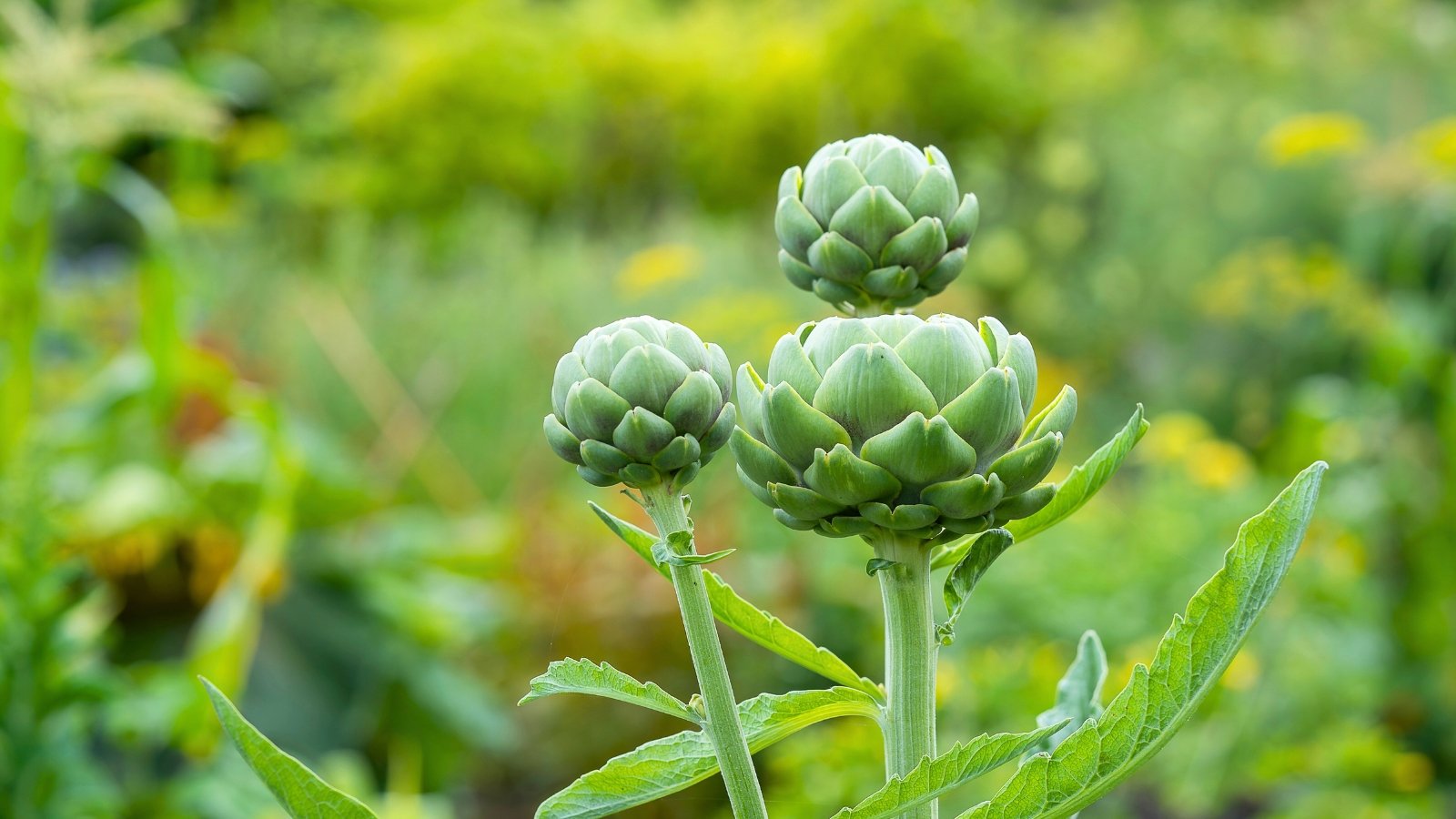 A thick compost layer keeps roots warm in winter.
Artichokes require two years of growing in the garden before they’re ready to produce the delicious flower buds. Over the winter, these benefit from mulch for frost protection when they begin to die back.
Don’t skimp on the mulch for your artichoke bed. These vegetables appreciate a thick layer to keep their roots warm and safe through hard freezes and snowstorms. Cover the roots with plenty of compost, chopped leaves, or leaf mold.
Asparagus
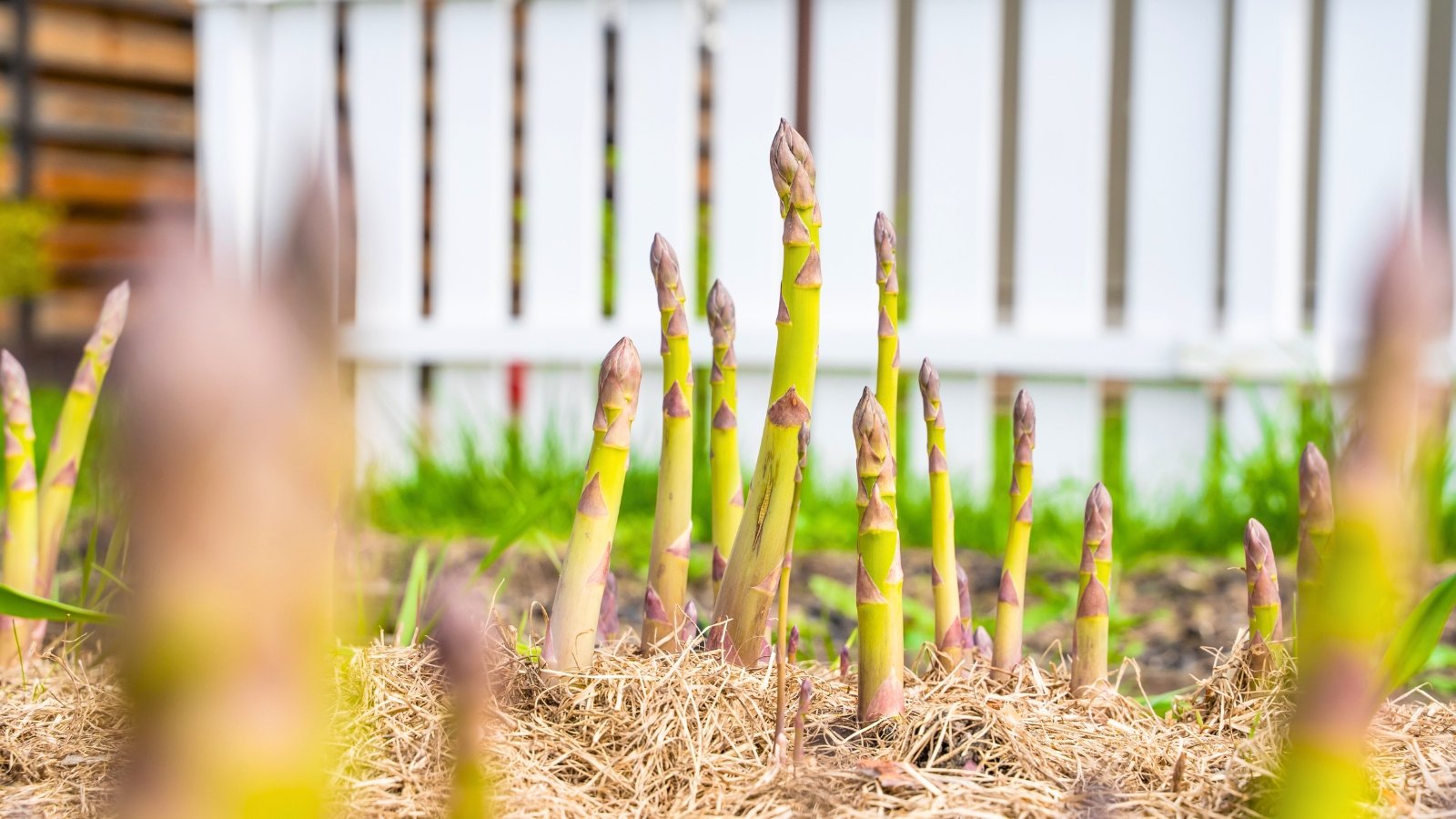 Compost and straw improve drainage and trap warmth below.
Asparagus spears shoot out from the ground in the spring when the days are lengthening and warming. To ensure they sprout, it’s good to mulch their roots in the fall and offer winter protection. Use compost, chopped leaves, straw, or a similar lightweight material.
Asparagus appreciates well-drained soil, and its roots may rot in soggy sites. Amend the area with compost to help with drainage. It’ll absorb extra moisture, and it’ll keep the asparagus roots warm during harsh weather.
Rhubarb
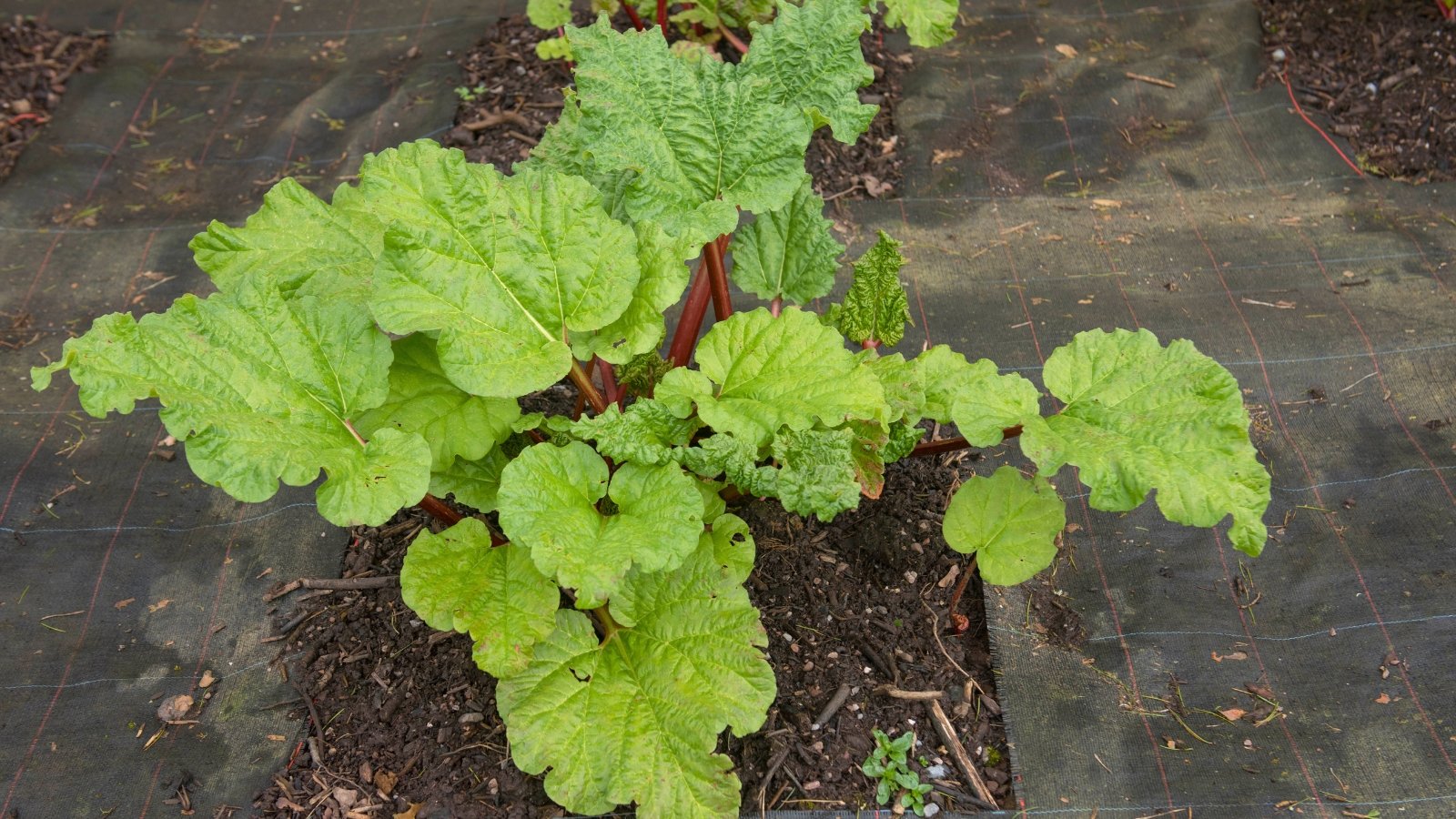 Handles cold well but loves extra compost cover.
Rhubarb is a favorite for its edible stems. They’re tart and semi-sweet, working well in desserts like pies, scones, and muffins. Rhubarb is incredibly cold-tolerant, like asparagus, though it appreciates mulching for the cold months.
Use a nutrient-rich amendment, like compost or leaf mold. It’ll keep the plants safe. Then, in the spring, it’ll decay into nutrients that feed the soil.
Overwintering Crops
Some crops overwinter to grow sweeter and more flavorful. Others need the cold to sprout properly in the spring. No matter the case, cover these plants with mulch now to offer frost protection when they need it most.
Cabbage
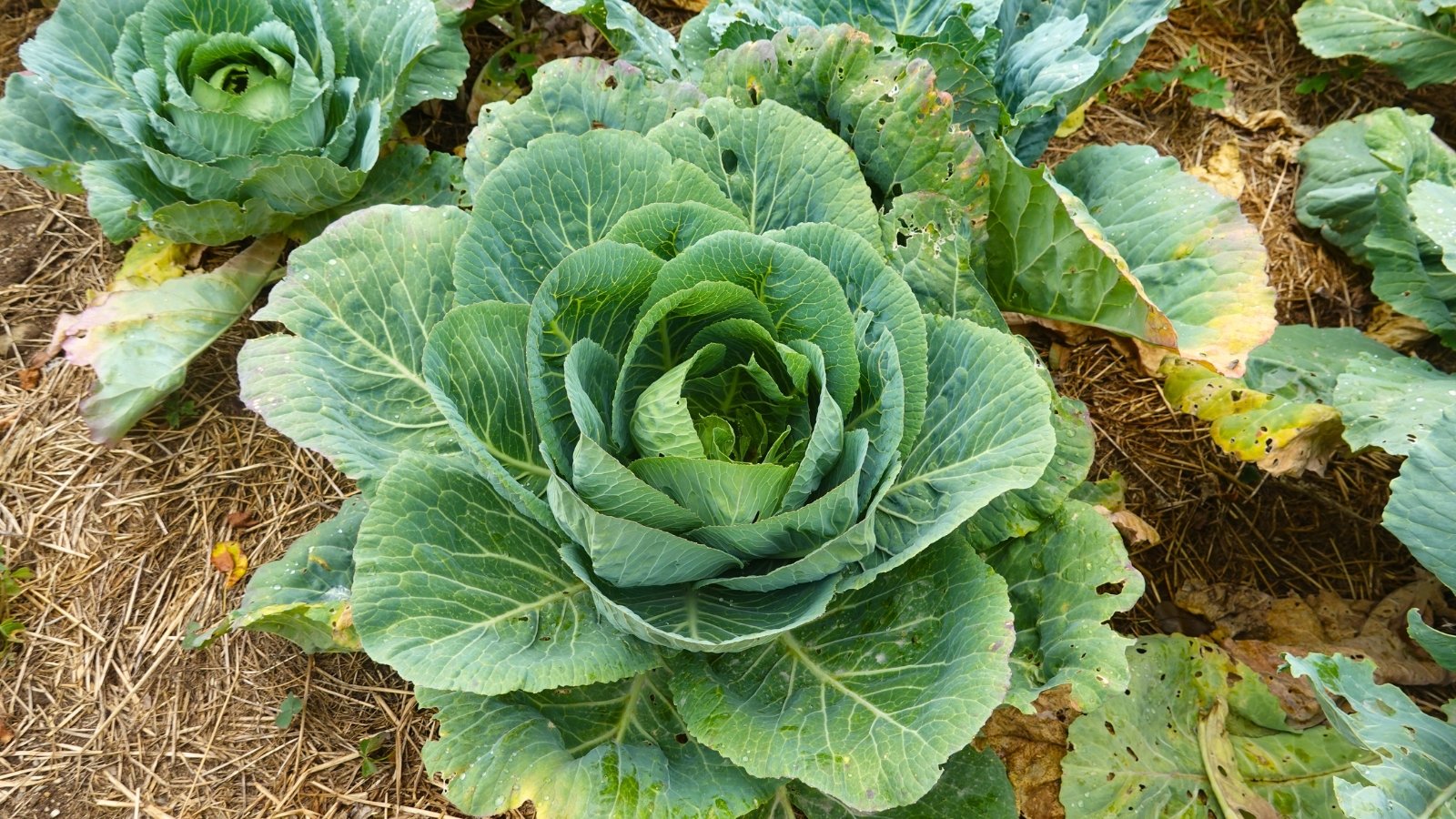 Light cover helps it through early cold snaps.
Cabbage is one of the crops that grows sweet after a light frost. It won’t survive hard freezes, but it will make it through the early frosts of fall. Mulch the roots heavily to ensure the heads survive the harsh temperatures.
On especially chilly nights, consider using a frost cloth to insulate the heads. This will allow the cold to sweeten the leaves while also keeping the plants safe from winter damage.
Garlic
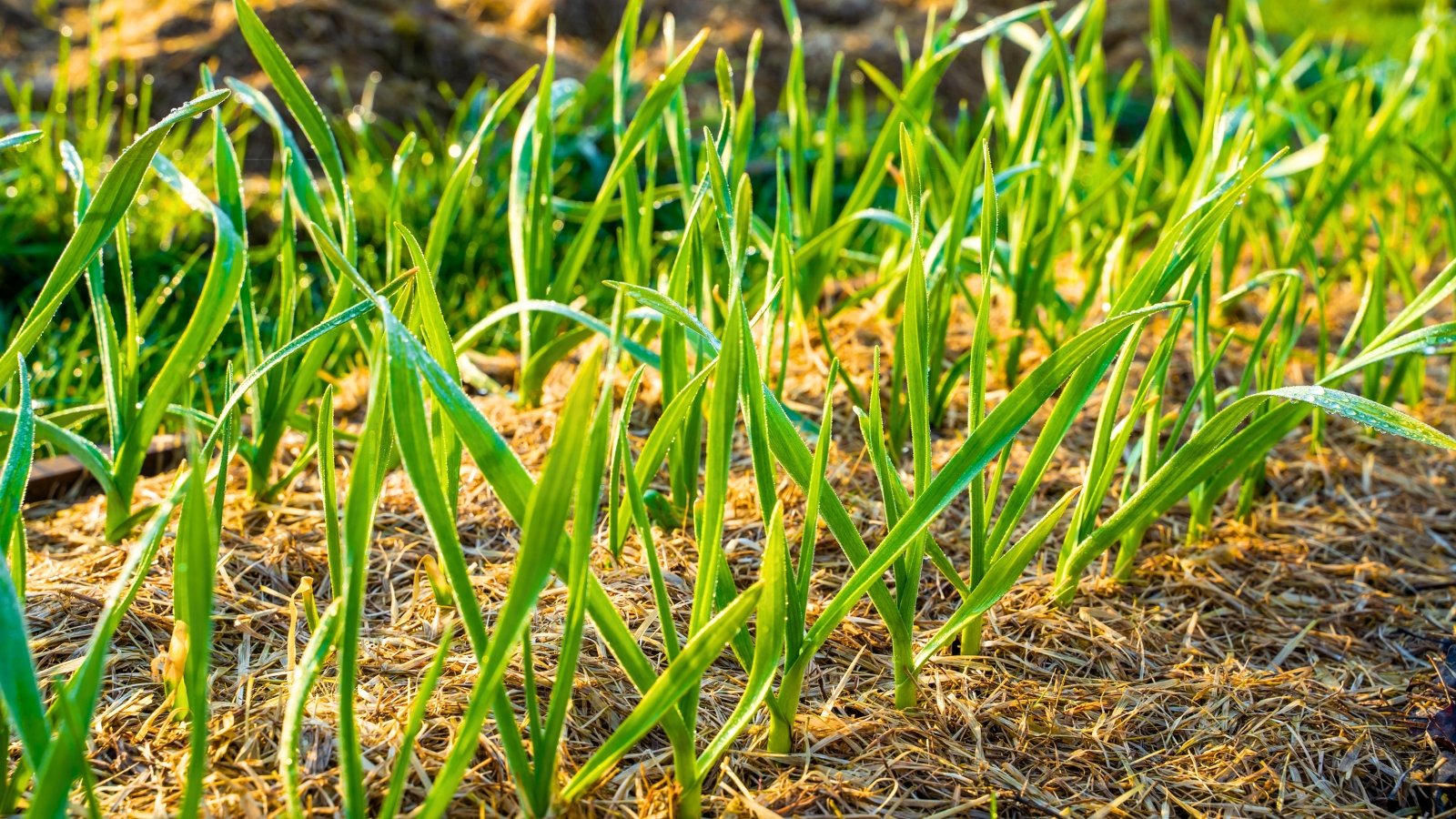 Needs cold to split cloves and grow strong.
Garlic needs the cold to thrive! It uses the frosty weather to its advantage. During the winter, a single clove separates into multiple pieces. Then, in the spring, each piece swells into a clove of garlic.
Without cold weather, garlic forms a single giant clove, known as a delicacy by the name of “snow garlic” in some regions.
If you’re planting garlic in the fall, it’s a good idea to cover the site with a thick helping of mulch. Use three or more inches, and apply compost if the site has poor drainage. Garlic needs well-drained soil to thrive.
Kale
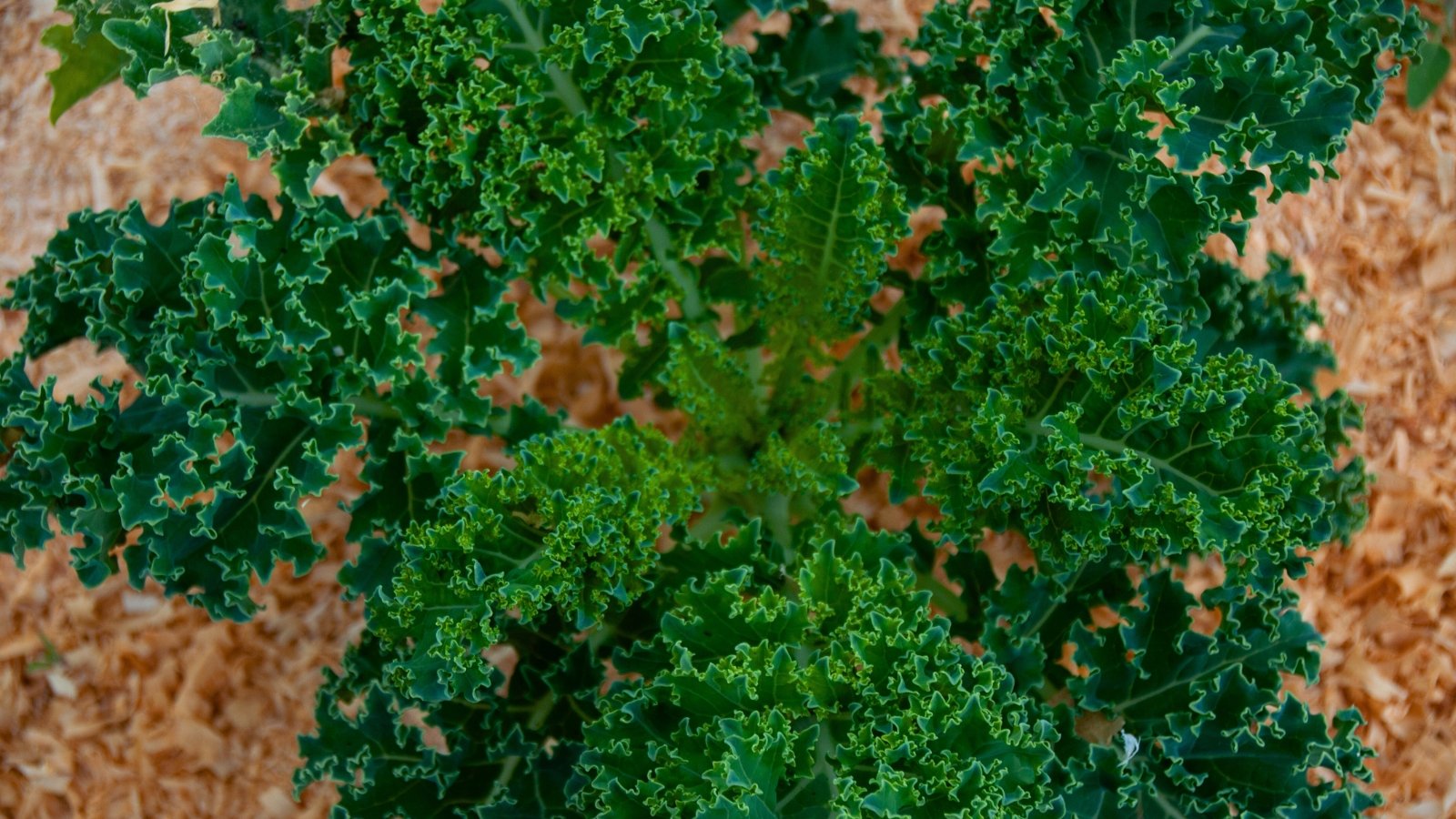 Cold brings out the best flavor in the leaves.
Like cabbage, kale leaves grow sweeter after light frosts. They gain a delicious flavor that’s unmatched in other salad greens. To ensure your plants make it through the frosty nights, offer protection with compost or a similar amendment.
Consider growing frost-tolerant kales to ensure your plants survive the season. ‘Dazzling Blue’ is a dinosaur kale type that’s tasty in the kitchen and gorgeous in the garden. Or, try the classic ‘Red Russian’ variety with lacy green leaves that have purple ribs.
Onion
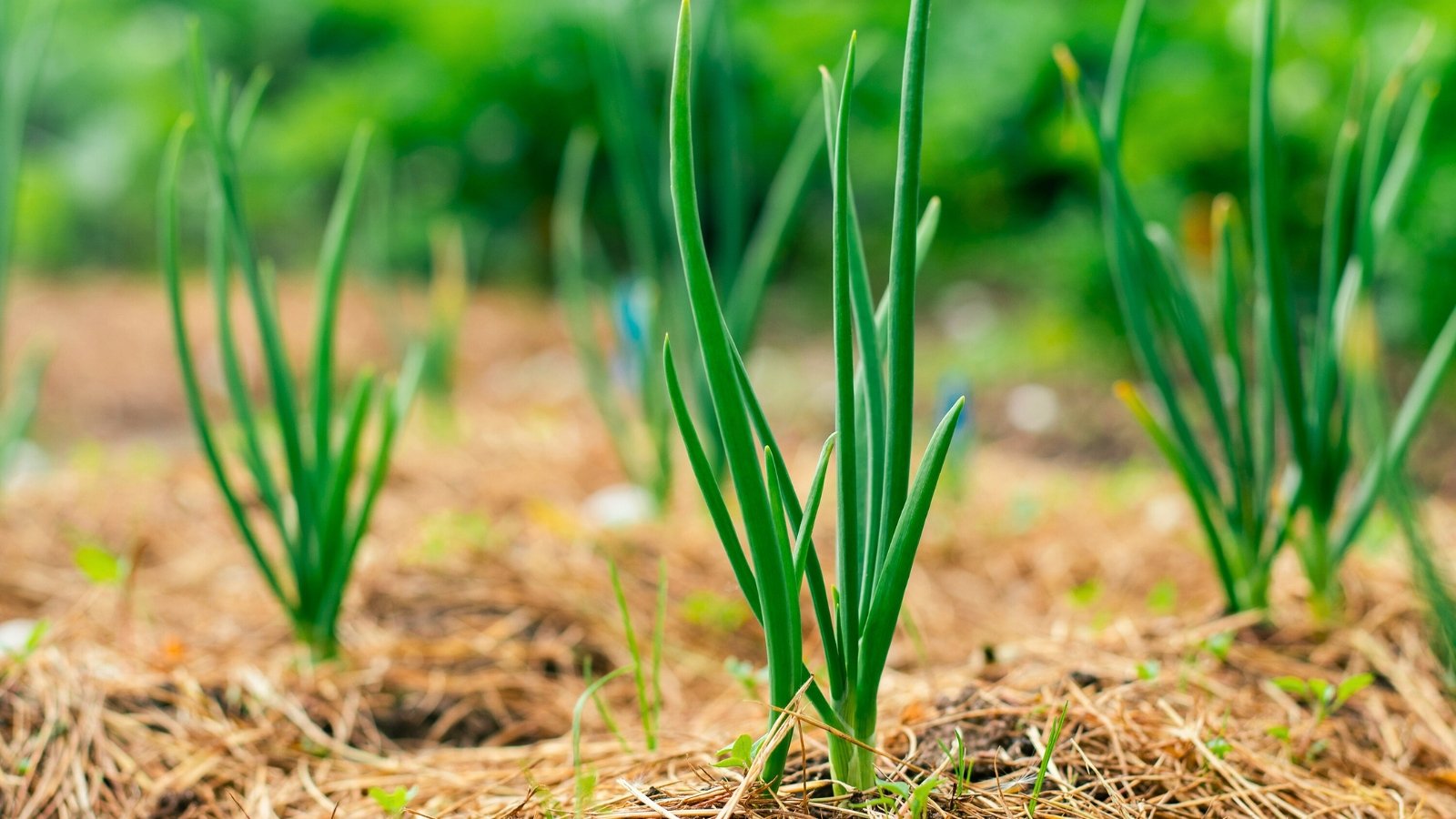 Fall planting gives bulbs time to develop early.
In some regions, growers plant onion seeds and sets in the fall for overwintering. Long-day onions, like ‘Walla Walla,’ appreciate this method of growing. They mature when the days lengthen, and they have a long growing season to mature into bulbs.
To ensure your overwintering plants survive, mulch for frost protection around the bases of the bulbs. Keep their soil moist, but not soggy. If a hard freeze is in the forecast, consider protecting the tops with frost cloth.
Herbs
Herbs, whether biennial or perennial, are plants that appreciate mulch frost protection during the fall and winter months. They benefit from the warmth the insulation provides, and they like the nutrients the mulch contains. Use wood chips or straw for woody herbs, and compost for fleshy ones like parsley.
Oregano
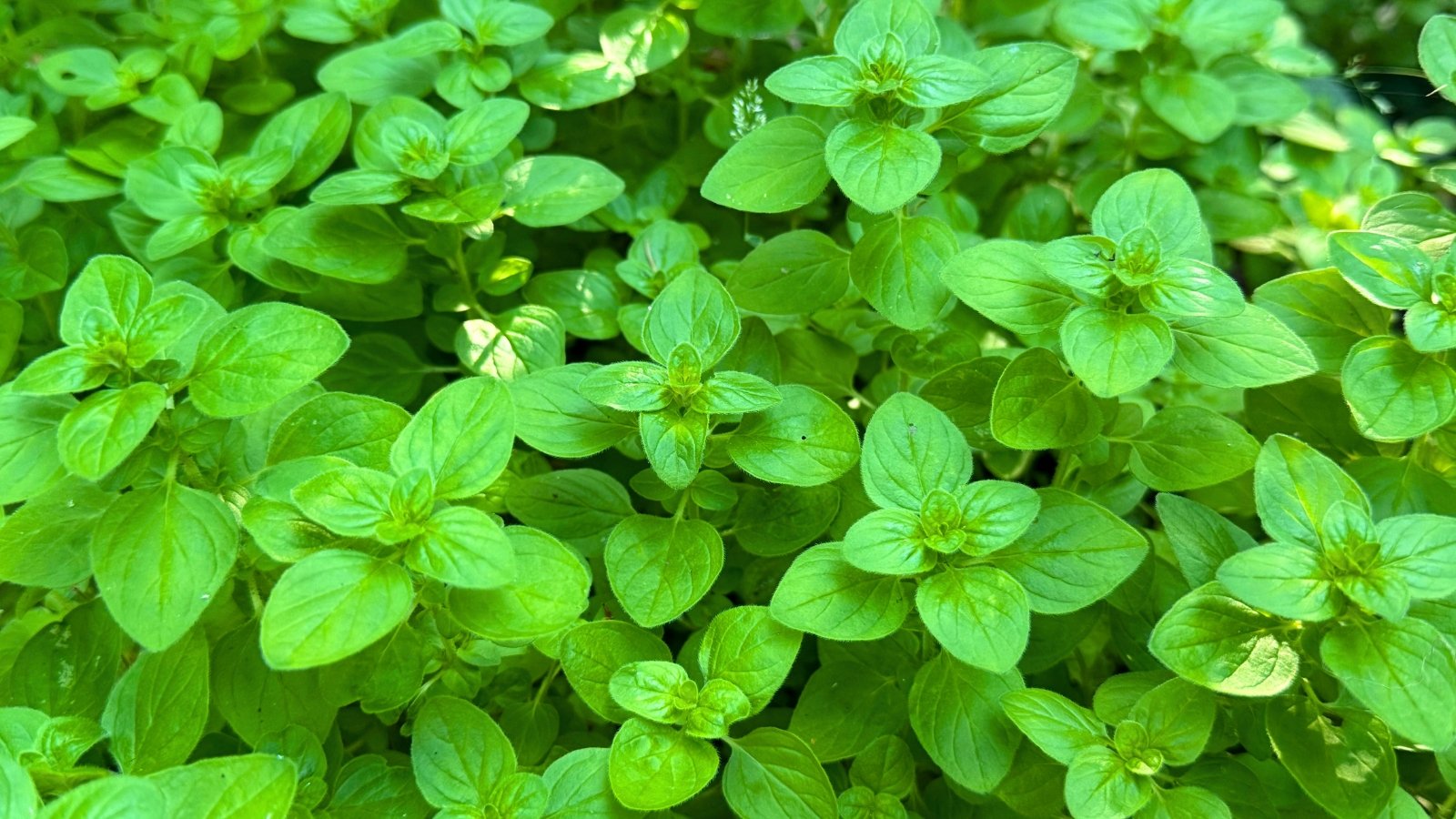 A two-inch mulch layer keeps roots steady through the chill.
Oregano is the herb of choice for many home cooks! It lends a flavorful punch to meats, vegetables, and sauces. The herb is cold-hardy in most states, though it can die during extended hard freezes.
Keep your oregano safe with a good helping of mulch around its base. Don’t cover the base of the shrub, and leave a small gap between the mulch and the wood. Apply a layer two to three inches thick to provide the perfect amount of protection.
Parsley
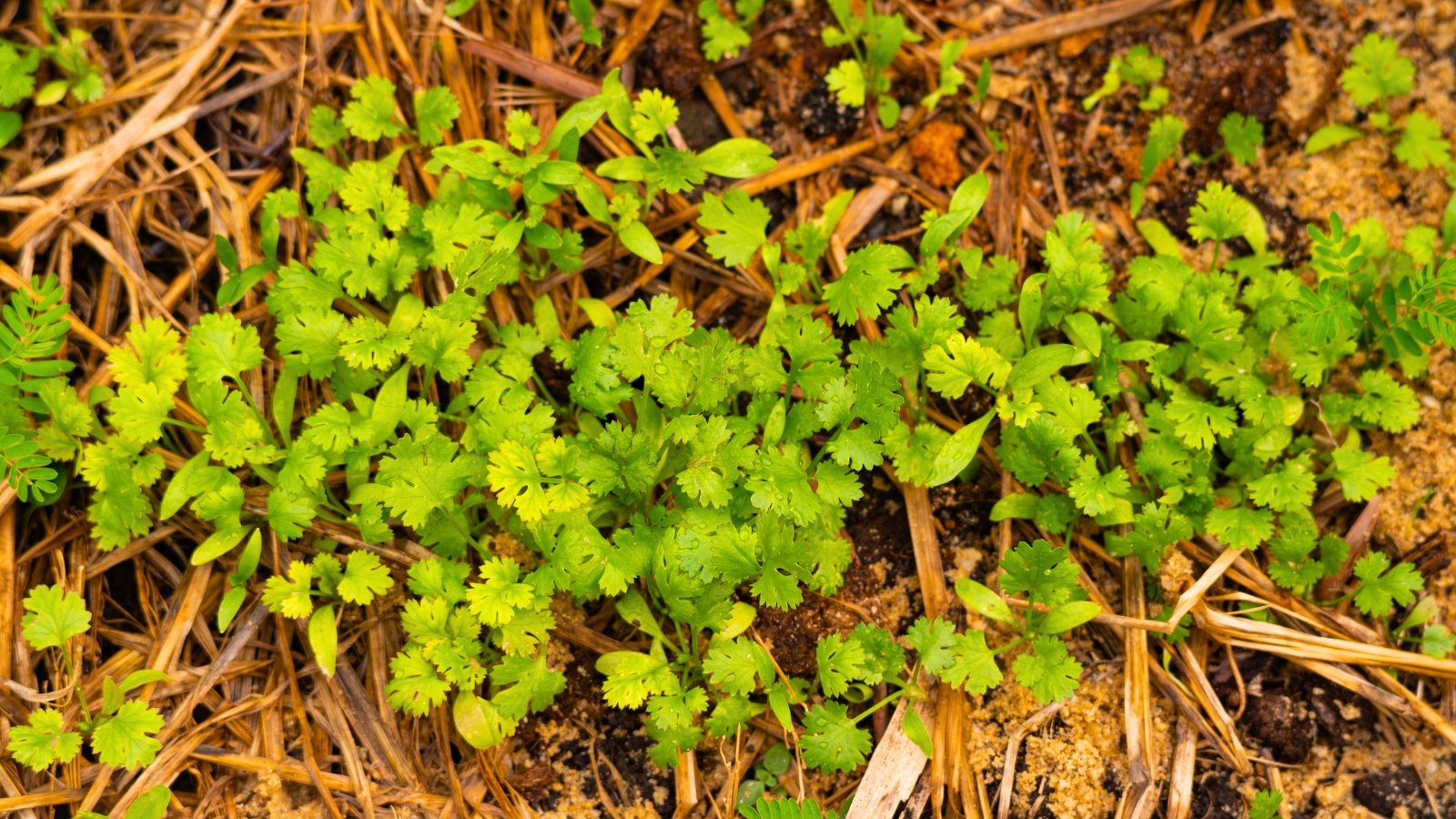 Encourages reseeding when left in place.
Parsley is a biennial that grows over multiple seasons. It produces leaves in its first year, and flowers and seeds in the second year. Most growers treat it as an annual and plant it in the spring and late summer for cool-season harvests.
If you’d like parsley to reseed, simply leave the plants be at the end of the summer. Mulch their bases starting in October, and encourage them to overwinter. Don’t chop the flowers; let them sprout seeds, and let the seeds fall to the ground when they’re ready.
Thyme
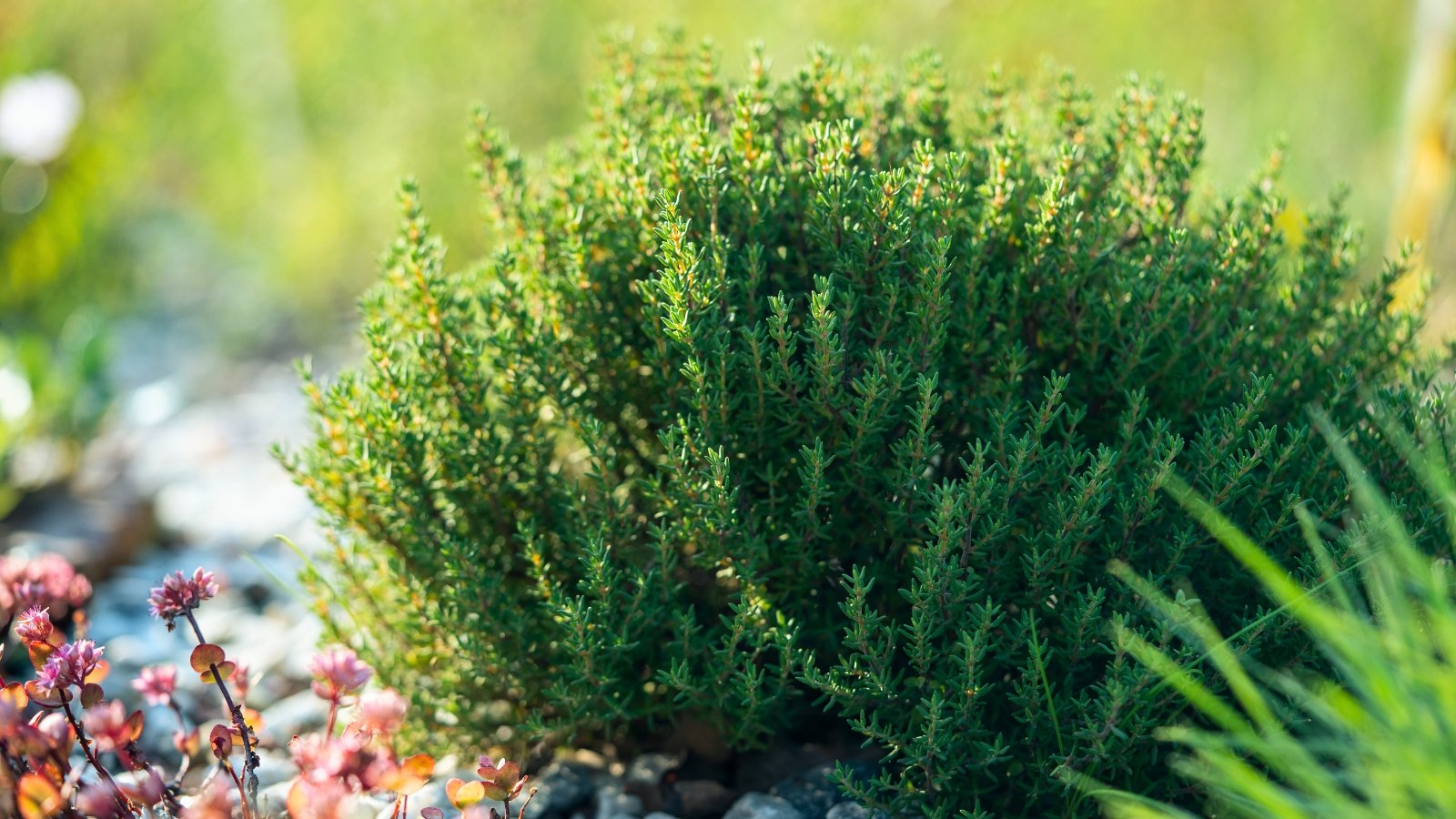 Small leaves release a big herbal aroma when cooked.
Thyme, like oregano, is a hardy perennial with aromatic and flavorful leaves. The leaves are smaller than those of oregano, though they pack a punch of flavor. Use them to impart an herbal taste to beans, chilis, and sauces.
Don’t cover the thyme’s stems with mulch. Instead, lift the stems and mulch underneath them. You want to avoid smothering the stems, which will cause them to rot.
Winter Savory
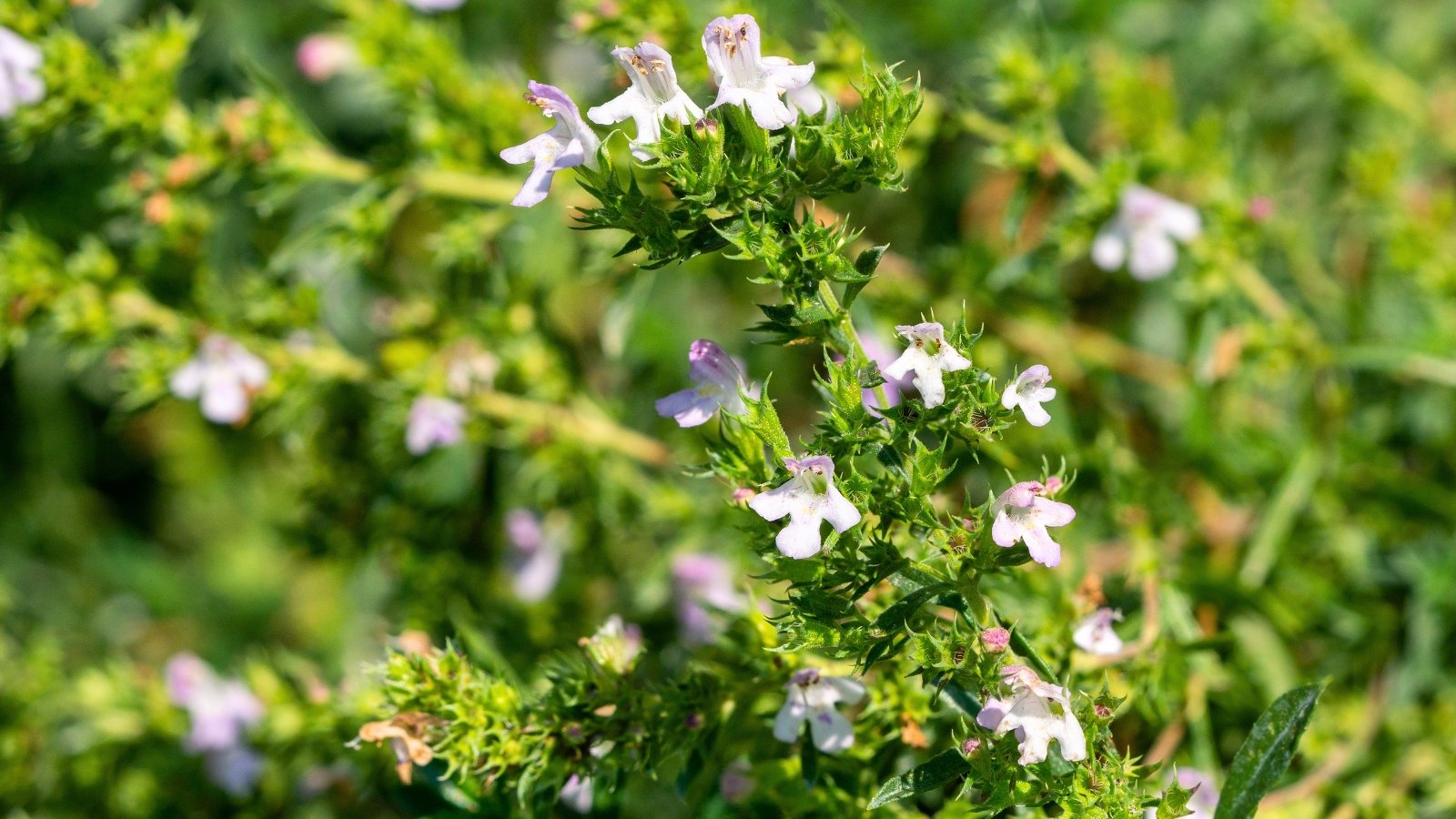 Grows well in lean soil with light cover.
Winter savory is, indeed, savory! Its leaves lend a strong flavor to savory dishes. I like to use the dry leaves to flavor sourdough bread and pasta sauce. It’s unique, and you must try it first to know how to use it.
Winter savory is hardy in most gardens, and it enters dormancy during the winter. It grows well in poor soils and benefits from a low-nutrient mulch. Keep it safe with regular applications in spring and fall; keep the layer at three inches thick to provide insulation through the cold.
Flowering Perennials
There are too many flowering perennials to name, so we’ll narrow it down to a few. Consult guides on the specific plants you have growing in your garden to know whether to mulch them or not. Many hardy perennials survive with little help, and some dislike mulch as it encourages them to rot.
Herbaceous Perennials
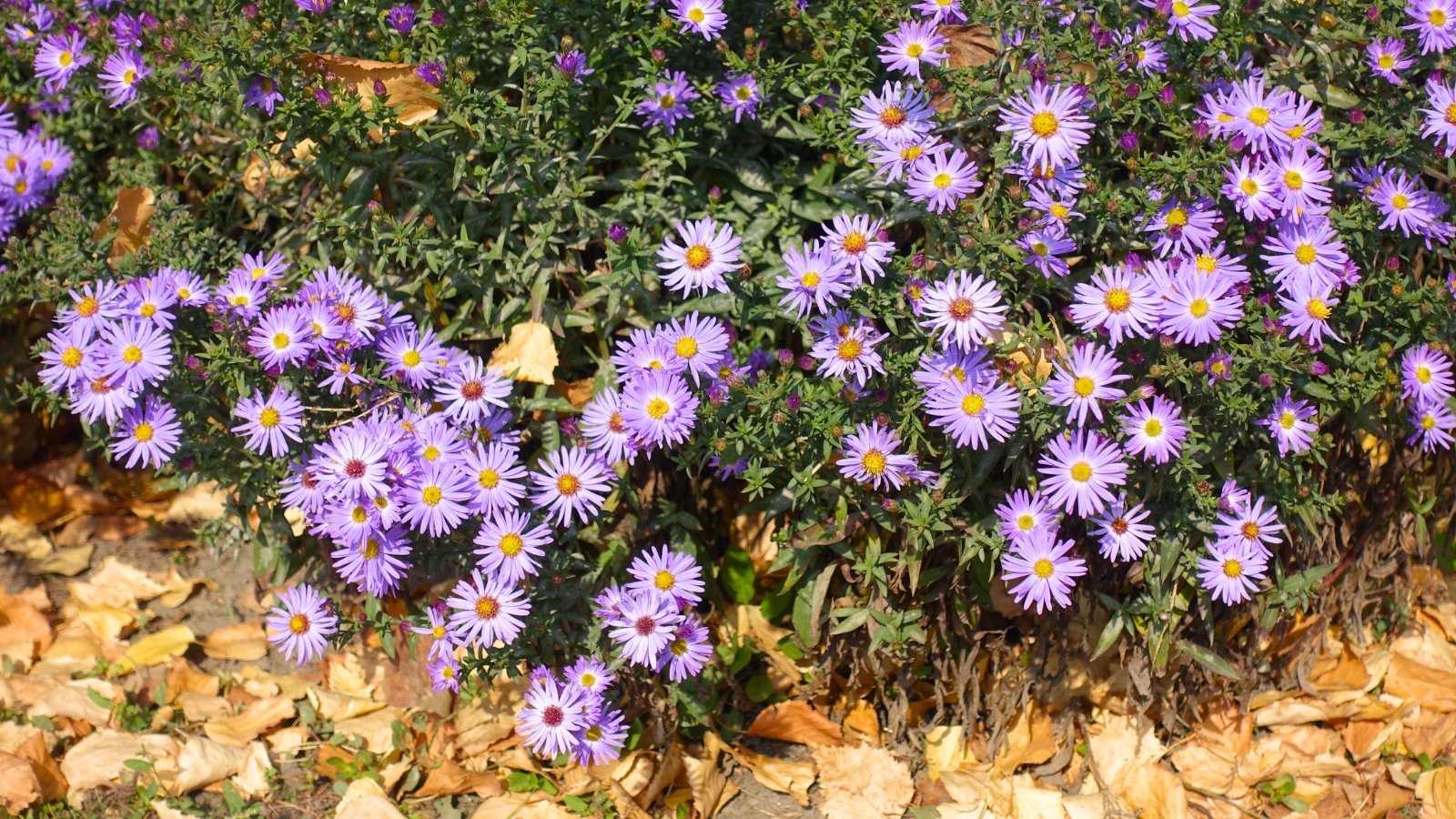 Some perennials thrive without extra soil covering nearby.
If a perennial dislikes wet soil, it’s best not to cover it with a blanket of soil amendments. This will invite diseases and growing problems that threaten next year’s flowers. Common perennials like asters, coneflowers, and irises appreciate little to no extra mulch for frost protection.
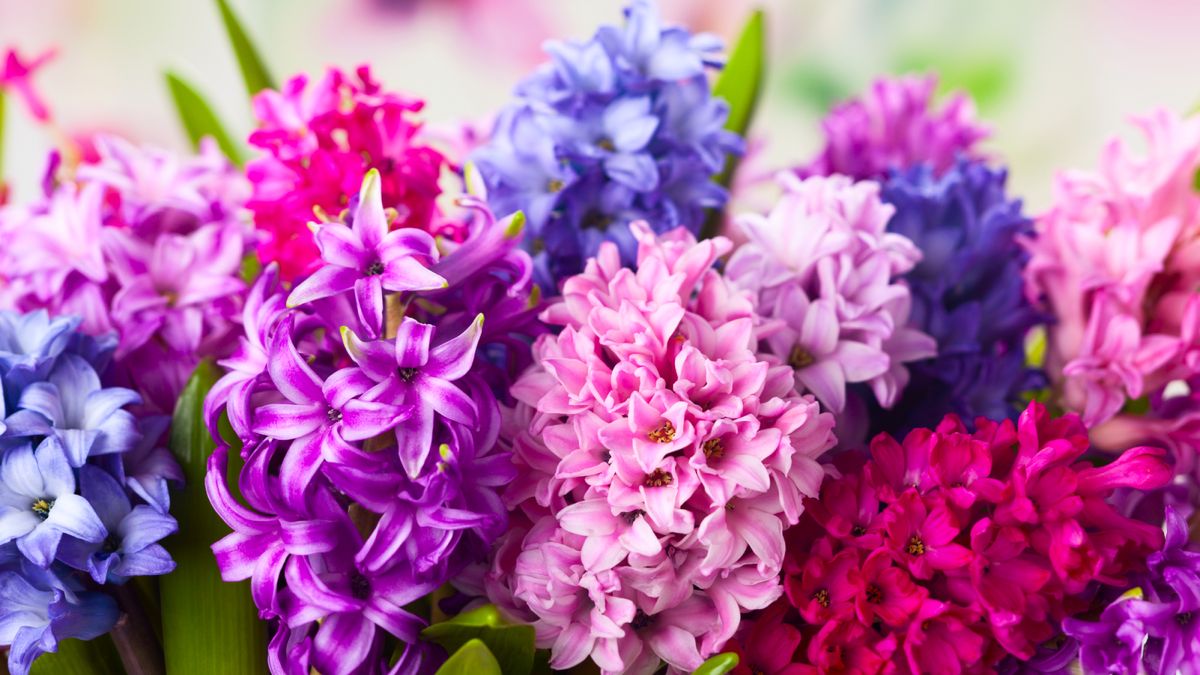
Others, like pigsqueaks, wallflowers, and spring bulbs, need lots of mulch to survive harsh winters. Cover their roots with thick layers to prevent the frost from creeping under the soil’s surface.
Trees and Shrubs
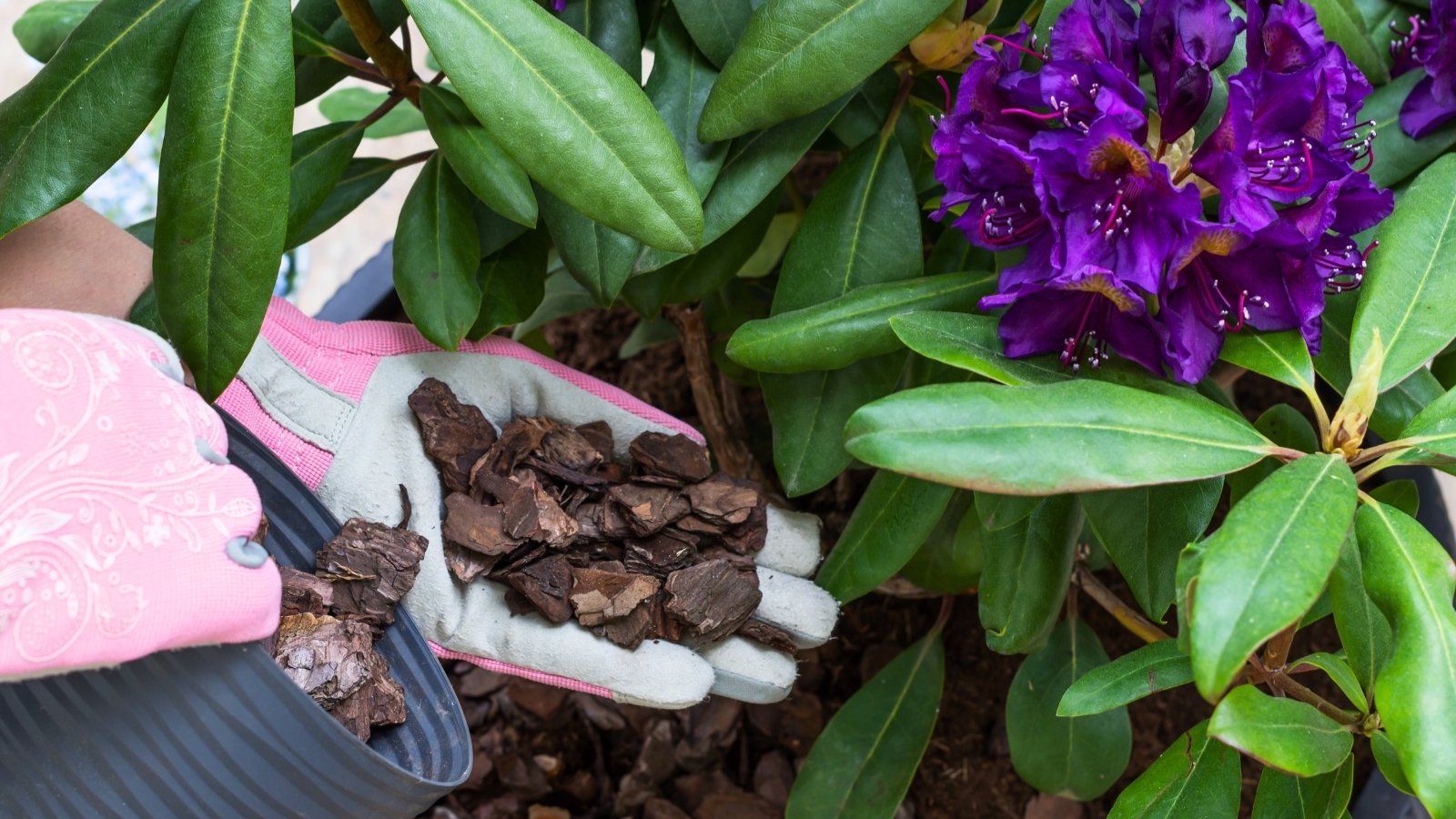 Shrubs thrive with bark chips or a wood-based soil mix.
Trees and shrubs love mulch! They especially love woody mulches, as they need plenty of carbon to grow well in the warm months. Use carbon-rich soil amendments, like wood chips and bark nuggets, for woody perennials.
Mulch your hydrangeas, rhododendrons, camellias, and lavenders. Don’t forget your fruit trees, and add soil amendments around the roots of your evergreen and deciduous shade trees. A thick helping this fall will have tremendous benefits for the garden next spring.












 English (US) ·
  French (CA) ·