

 11 months ago
184
11 months ago
184
PROTECT YOUR DNA WITH QUANTUM TECHNOLOGY
Orgo-Life the new way to the future Advertising by AdpathwayIt may seem difficult to process waste indoors, but it’s not impossible! Most indoor composting methods prepare waste for full decomposition outdoors. A select few are complete methods that reliably convert organic matter into nutrients that plants can use.
Which indoor composting method works best for you depends on your home and the garden. If you don’t have much space, bokashi and countertop composting are ideal. If, however, you have an empty room, you may want to try using worms or fly larvae to process the debris.
Know that you’re doing a good thing, no matter which method you choose. Diverting waste from landfills is a great way to help the planet, and you’ll have a free soil amendment to use at the end of the process. Do good for your garden and the planet this season by trying indoor composting.
Bokashi Compost Starter
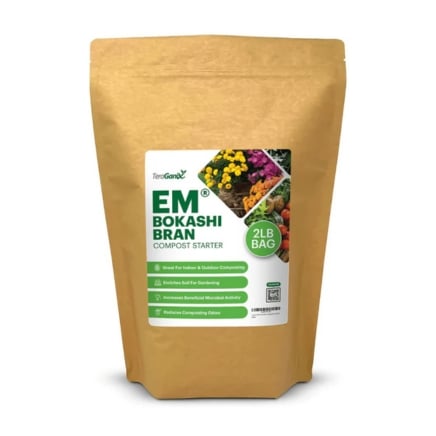
EM Premium Bokashi Compost Starter

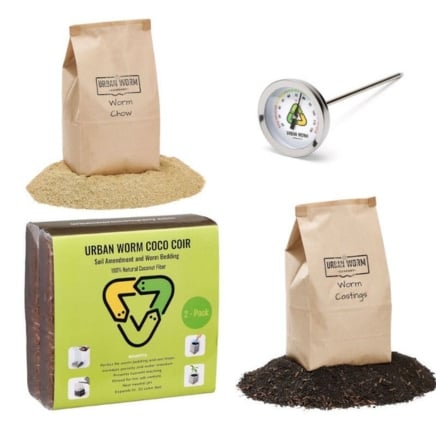
Bokashi
 Kitchen waste breaks down neatly, waiting for warmer days.
Bokashi composting is a method of fermentation rather than decomposition. It essentially pickles your organic waste so that it’s less odorous and quicker to decay. It’s easy to do, and it’ll keep the debris safe until you can fully compost it outdoors.
To work, you’ll need a bucket or tote and bokashi bran. The bran contains microbes that help break down organic matter. You’ll put a layer of bran in the tote, then the waste, and finally another layer of bran on top. Each time you add debris, you’ll alternate it with a layer of bokashi bran.
After filling the bucket with waste, you’ll need to leave it to ferment. Let it sit for two weeks, then begin moving the debris outdoors. Bury the waste underground, or set up a cold compost pile to work over the winter and early spring.
Or, keep the buckets in a garage or unused room until the weather warms. Composting methods won’t work that well when it’s below freezing outdoors, and it may be best to hold onto the fermented scraps until you can safely compost in the spring.
Vermicomposting
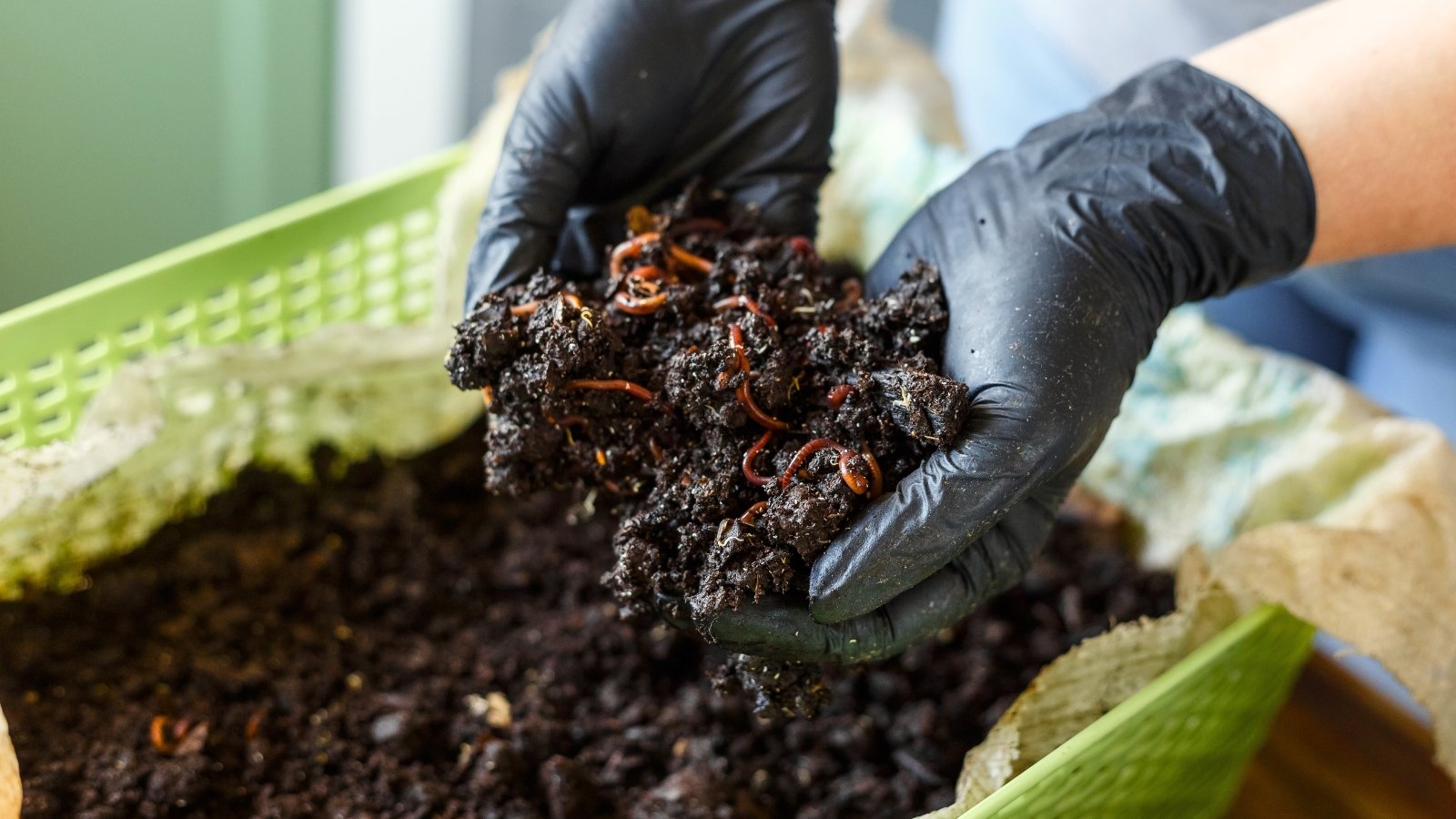 Red wigglers thrive on scraps with gentle care.
Worms love eating dead things, and you can use them for vermicomposting. This indoor composting method relies on the worms’ natural habits of eating decaying matter and converting it into humus. You’ll feed the worms your scraps, and they’ll eat them happily!
Worms need a few things to survive. Use red wiggler worms for the best results, as they tend to perform well in indoor composting systems. They need a bedding of paper, like from newspapers, and a diet of fresh waste. Give them kitchen scraps, chemical-free paper products, and houseplant clippings.
Worms also need grit to digest their food. Grit can be from crushed eggshells, calcium, or garden soil. The grit helps the worms grind up food inside their digestive system.
You may set up your own worm bin or purchase one ready-made. It’ll need small holes for aeration, as the worms live in an aerobic, not anaerobic, environment. Trays are the easiest to use indoors, as you can remove them and add more as necessary.
Countertop Composter
 Small kitchen units turn scraps into quick garden gold.
Countertop composters are new products with stellar results! They sit on your countertop, and they convert organic matter into a compost-like product. This composting method is similar to bokashi in that the final product should be composted further outdoors.
This method relies on heat, motion, and friction to break down large pieces into smaller ones. It’s not technically indoor composting, but it’s a similar process that can be useful in apartments and during the winter. You may use the finished product to amend the soil of houseplants, seedlings, and outdoor beds.
Many different indoor composting machines exist from various companies, and they do the same thing to different degrees of success. Find one that works for you and that fits on your countertop. You may use one on its own to create a dry compost-like amendment or to pre-process your waste for further composting outdoors.
Use Black Soldier Flies
 Moist piles hide busy larvae creating plant food.
Black soldier flies are essential for outdoor composting. They lay their eggs near compost, and the hatching larvae tunnel into the piles. The larvae eat dead, rotting matter, converting it into nutrient-rich particles that plants can use.
Black soldier fly larvae differ from worms in that they have a complex life cycle. Adult flies lay eggs, the eggs hatch into larvae, and the larvae develop into pupae, then adults. The bin houses them the entire time, allowing them to eat the waste you add into it.
Unlike with traditional composting, you don’t need to balance greens and browns in this system. Layer the bins with shredded newspaper, and mix some soil into the paper. Moisten the mix so it’s moist, but not soggy.
Put the larvae in, then feed them organic matter. Give them kitchen waste, plant clippings, small pieces of meat, coffee grounds, and leftovers. Don’t overfeed them, as this will invite other pests to colonize the bin.
When you harvest, open the bin outdoors to prevent flies from escaping into your home. They’ll lay more eggs if they reach adulthood in the bin.
Compost Bucket
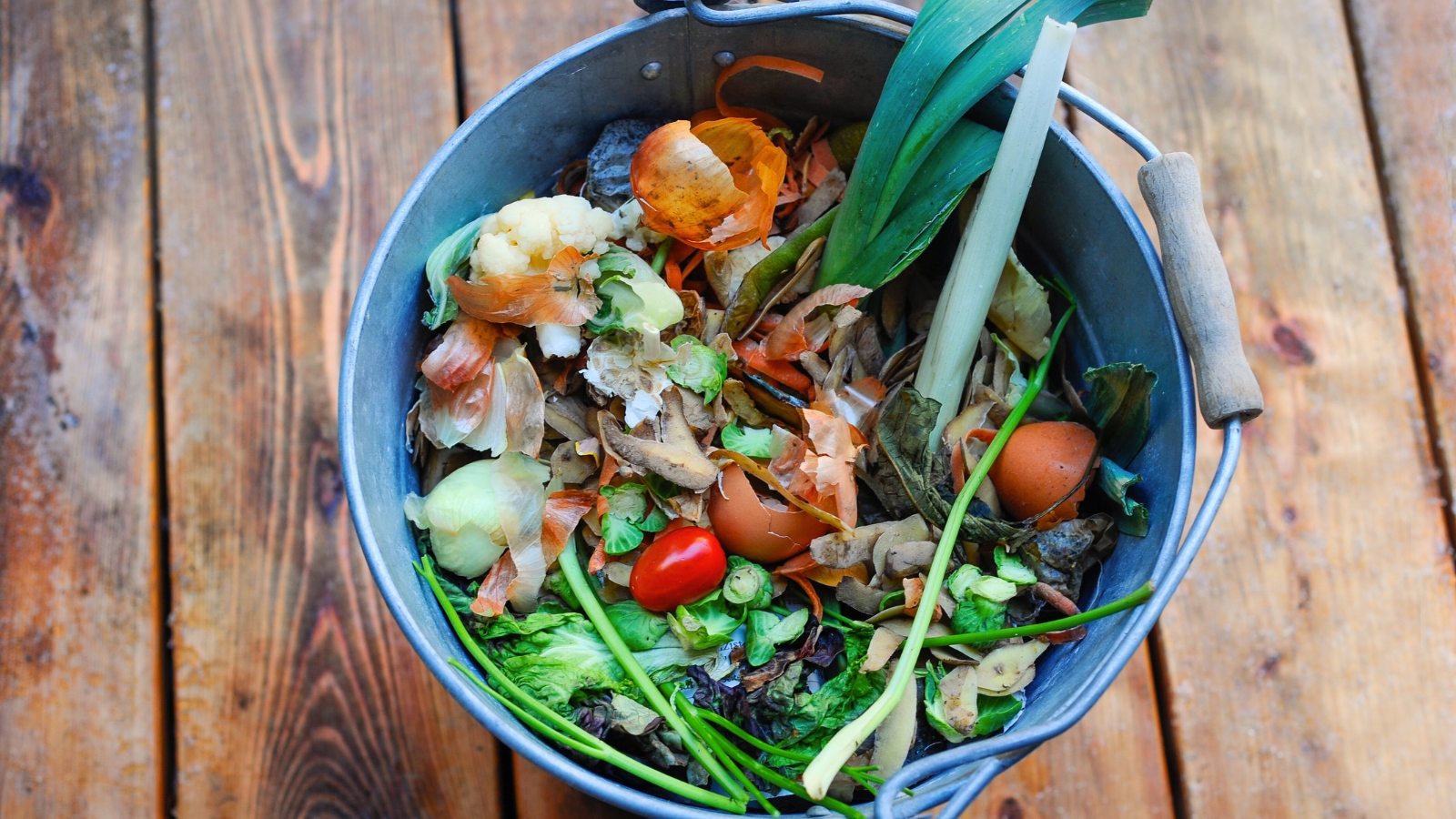 Close the bin tightly to stop any smell.
And finally, use a compost bucket! This is simply a holding area for your composting systems outdoors. You’ll put your plant waste, food scraps, and paper waste into a closed bin for holding. When the bin fills, take it outside and put the debris in your composting system for processing.
A large bin can hold lots of waste, though it’ll quickly start smelling bad. Use bokashi bran to reduce the odor, or move the waste outdoors regularly this season to prevent it from growing smelly inside. Move it to your piles, tumblers, and trenches.
This season’s cold temperatures affect outdoor composting processes, causing them to slow down or halt altogether. Consider burying the waste underground in holes or trenches, or using tumbler systems that keep it safe from pesky rodents.
Key Takeaways
- Indoor composting isn’t impossible! Try worm bins for small spaces, and bokashi composting if you’re already an avid composter.
- Black soldier fly larvae work similarly to worms, though they need more care to thrive. They’re a good option if you want to process animal and dairy products, which are difficult to process in home setups.
- Countertop composters are new products that make a compost-like amendment. They don’t technically compost, though they’re efficient waste processors for small spaces.
- When in doubt, don’t throw it out! Indoor composting saves waste from landfills, allowing you to help both your garden and the environment.















 English (US) ·
  French (CA) ·