

Some plants have extensive root systems and require big pots filled with quality potting soil. Think tomatoes or a patio Meyer lemon tree. Other plant roots aren’t that expansive, and just use the top third of the soil. Summer annuals like marigolds and petunias fall into that category, as well as vegetables like carrots, radishes, and even beets.
Given the cost of good potting soil, it may occur to you that filling bigger containers with potting soil is a waste of potting soil and money. Since you aren’t the first to consider this, it will come as no surprise that gardeners have found hacks to fill planters and grow a container garden on a budget. Yes, you can fill the bottom half of plant containers with different materials - and here are some options for you that won't sacrifice your plants' health and beauty.
How Deep is Too Deep?
(Image credit: JackF / Getty Images)
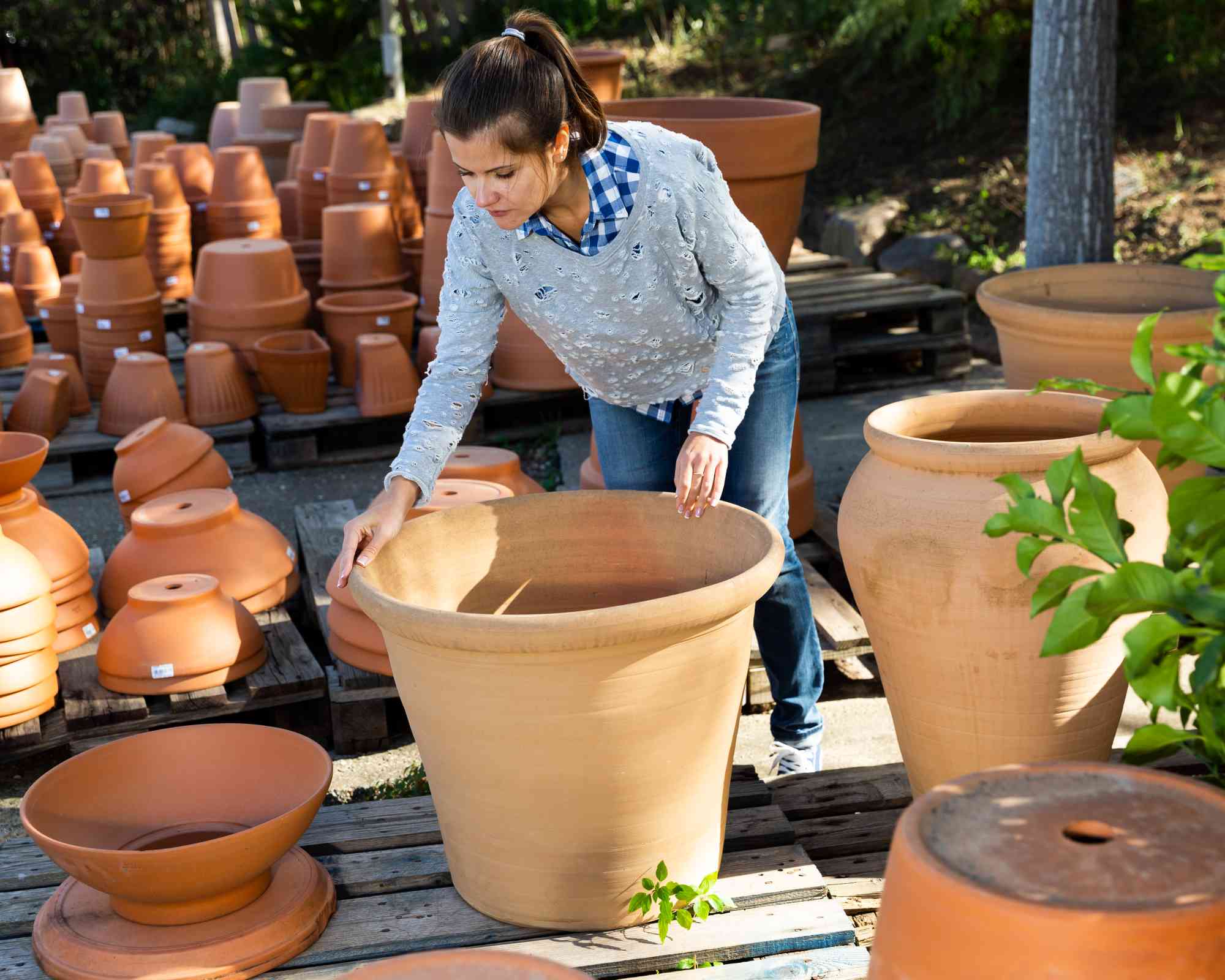
Plant containers are far from standard. I have tiny plastic plant pots, bigger ones, standard size, large, and jumbo. There are half-barrel sizes plus oodles of decorative pots for use with indoor plants. One of my most elegant indoor pots sits on the floor and is as tall as the dining room table. (Oversized pots can be cool!)
Article continues below
Many plant containers are intended for plants with roots that fill them. But some are clearly not - like my oversized, decorative container. A plant pot is the perfect size if the mature roots are just a few inches shorter than the depth of the soil. Any deeper, and you are wasting expensive soil.
Filling the Gap
The plant won’t be offended (or damaged) if you fill the bottom of a too-deep container with something other than potting soil. There is no one “best” filler, so let’s consider the cheaper fill options.
While it’s important that the material you choose is free - or almost! - some other factors come into play. You also need a filler that allows drainage and isn’t very heavy. You also want to be sure that nothing toxic is added to the pots.
Plant Pot Fillers
There are many substances that fit these qualifications to serve as pot fillers. Here are a few to get you started.
Go Natural
Many of us prefer to use natural materials for our planter pots rather than using plastics or manufactured materials. If you are a natural gardener, try one of these fillers.
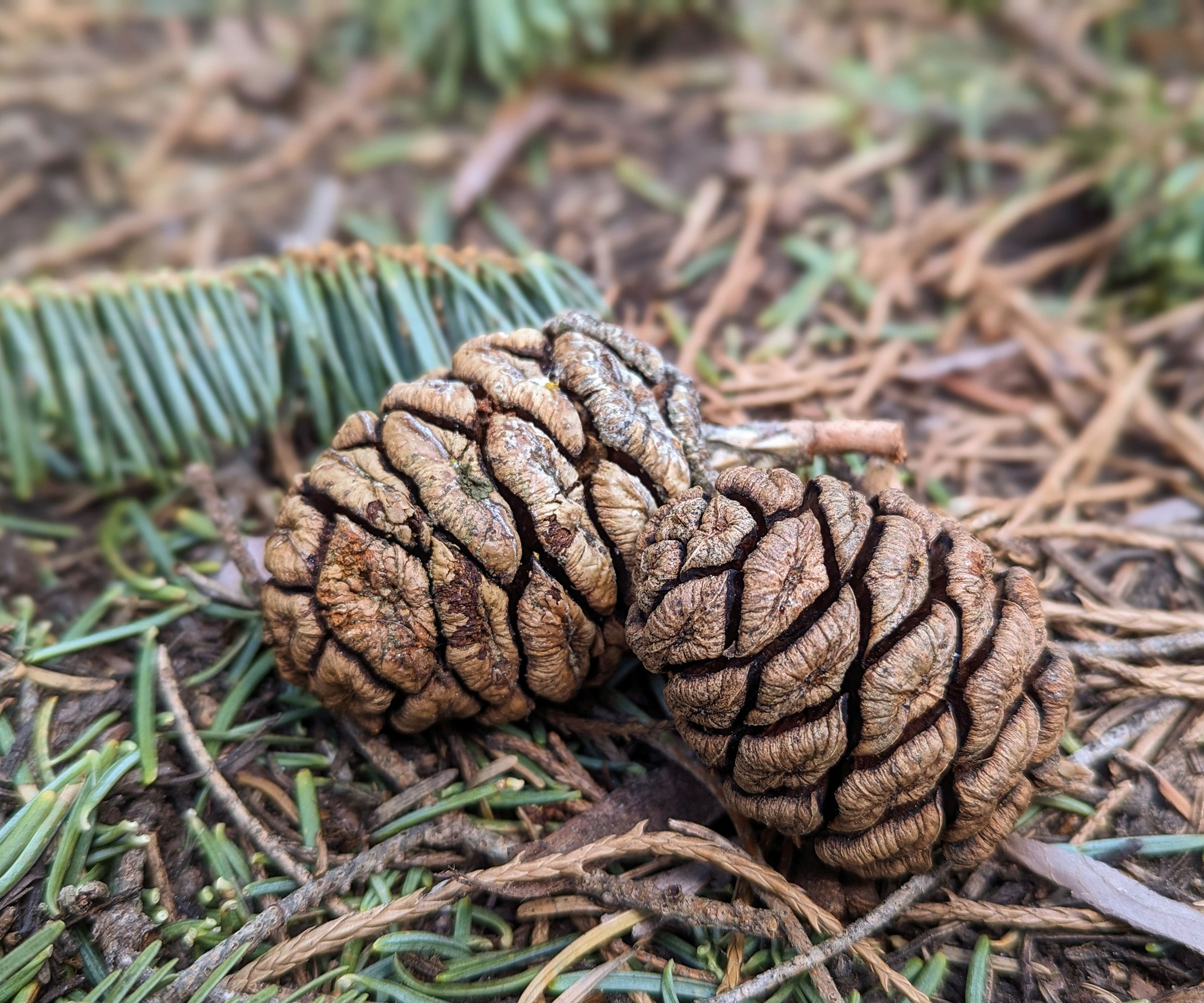
1. Pine Cones
(Image credit: Steph Couvrette / Shutterstock)
One of the great advantages of using filler instead of soil in the bottom of over-large planters is weight. A large pot filled with soil is heavy to lift, and moving a supersize decorative planter filled with soil can require two people.
Filling the bottom half of the container with pine cones reduces the weight of the pot considerably. Pine cones resist mold and cost nothing - if you have, or can access, a pine tree. They are totally natural and allow for great drainage.
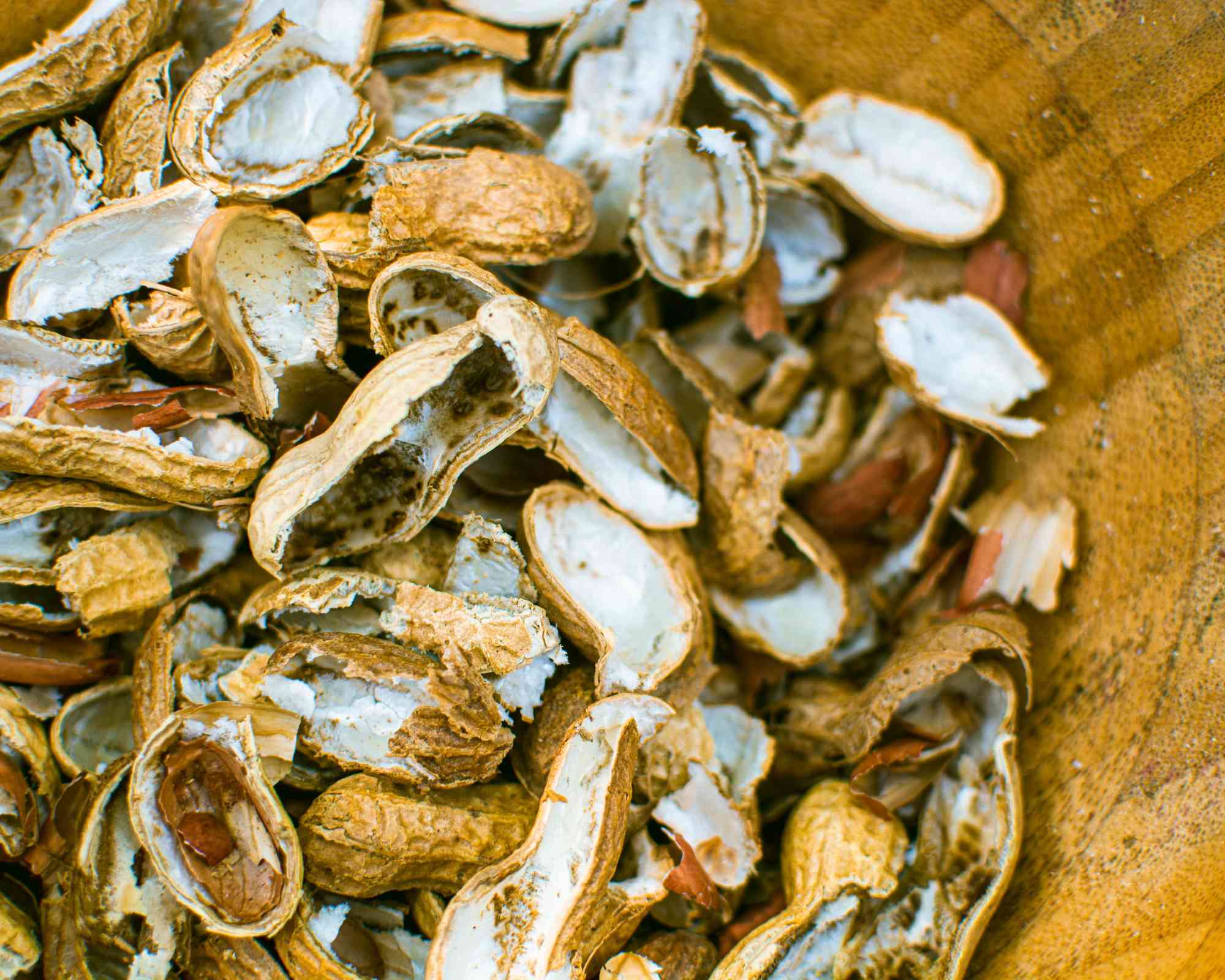
2. Peanut Shells
(Image credit: Crispin la valiente / Getty Images)
Who doesn’t like to shell and munch on peanuts? Just save those shells and you have a great, natural filler for your planters. While perhaps a bit heavier than pine cones, peanut shells are lighter by far than soil and will cost you nothing.
Peanut shells actually make your soil better, since they break up compacted areas and create pockets of air in the soil, making extra space for the plant’s roots.
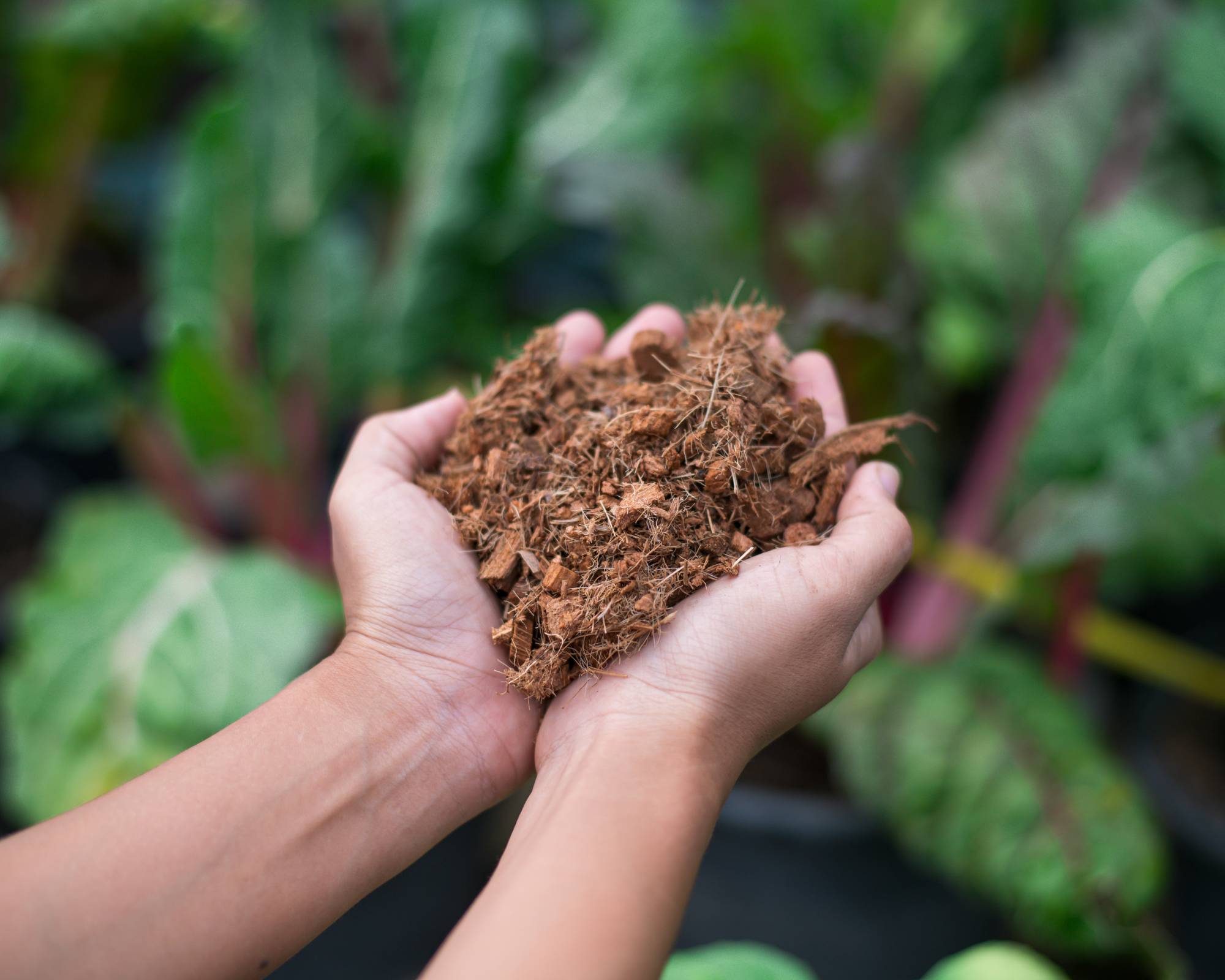
3. Coco Coir
(Image credit: woratep / Getty Images)
Coco coir is a material constructed entirely from fibrous parts of coconuts. It is often used for hanging baskets because it can absorb water and then release it to the plant in regular doses, preventing overwatering.
Why not use coco coir as pot fillers as well? It also resists fungus and is pH neutral, so it will serve well for most plants. If you have old coil baskets or can get some from your friends, this filler is free. Even purchasing new coco coir material won't break the bank. Organic coco coir from Back to the Roots can be purchased from Amazon. A compact brick becomes more than 2 cubic feet of of coir when you add water to it!
A Use for Plastic
Plastic has become a dirty word of sorts in modern day, but these man-made materials can be perfect for plant pot fillers. Here’s what to use.
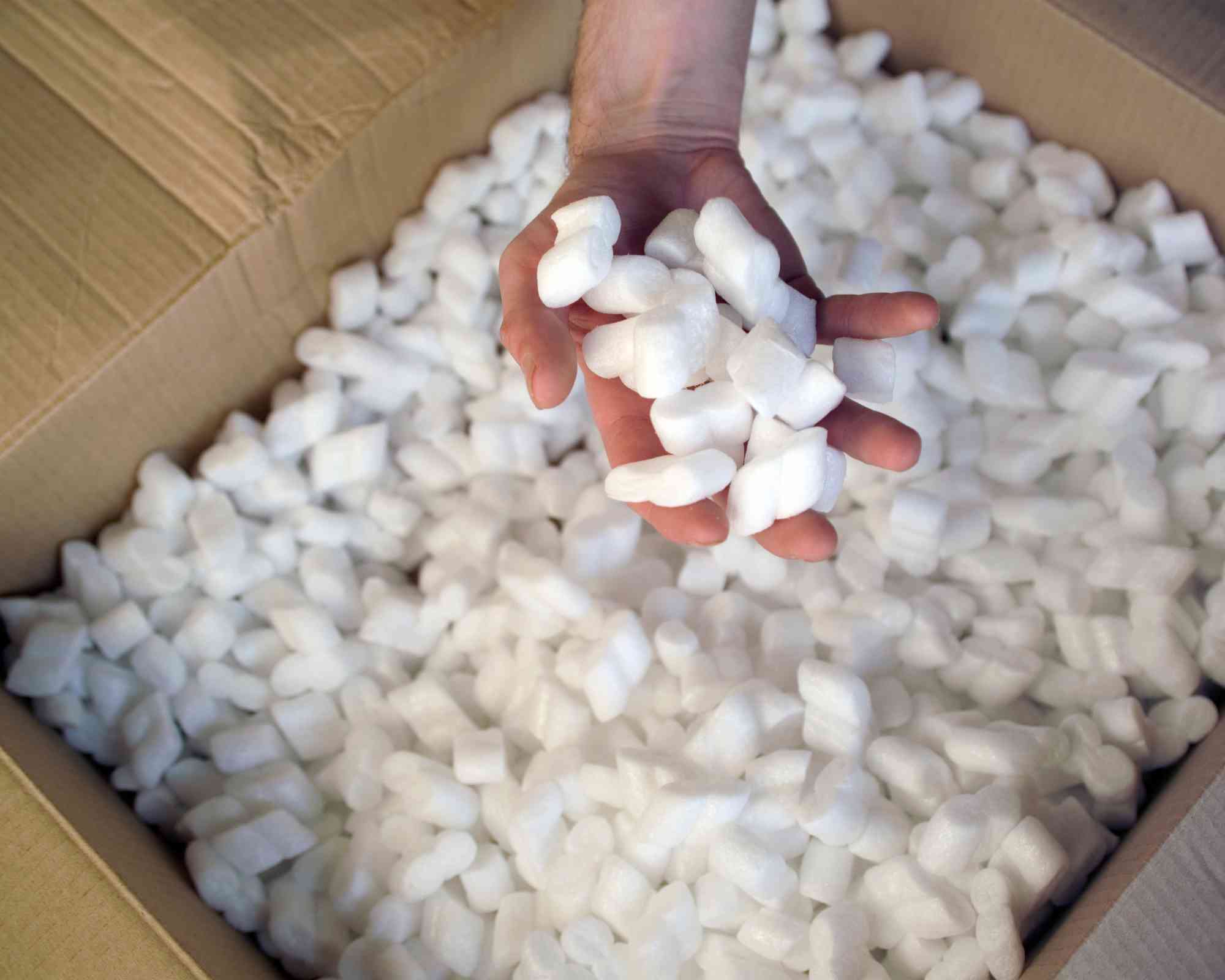
4. Packing Peanuts
(Image credit: Howard Kingsnorth / Getty Images)
These aren’t natural like peanut shells, but they are free and light - and usually end up in the garbage. But they are great as fillers for unnecessary space in planter pots - as long as they are the type of Styrofoam that doesn’t break down in water. Obviously, if they do, your plants will - sooner or later - sink and sag. Check it out first by tossing a few in a bucket of water for a few days.
Assuming they don’t, use the Styrofoam packing peanuts to fill the bottom of the container. This is what I used in my indoor decorative pots, making them so much lighter to move when I am sweeping.
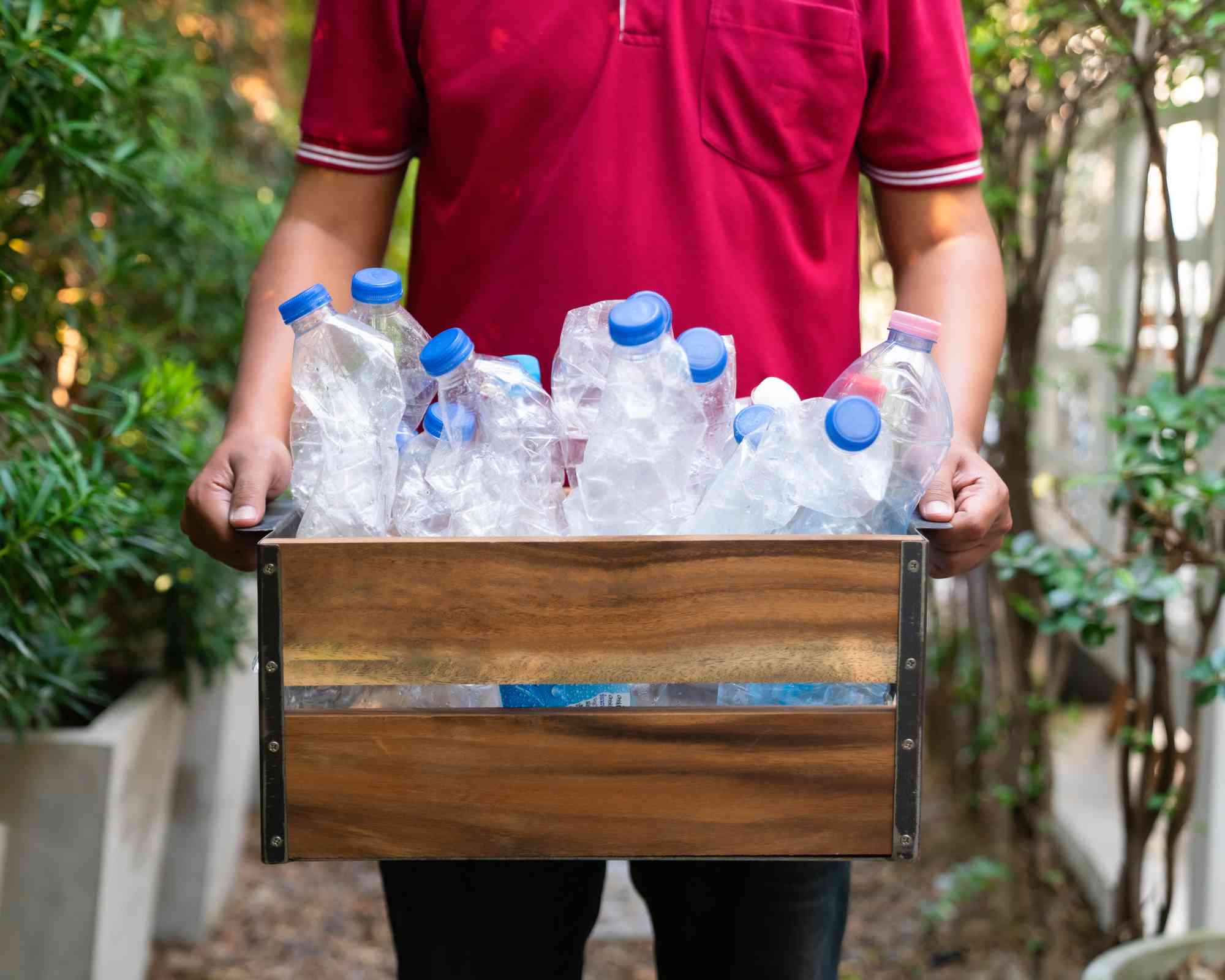
5. Plastic Bottles
(Image credit: W Prasongsin Stulio / Getty Images)
Yes, you can toss empty plastic bottles into the city recycling center, but you don’t get any guarantees that anything good will come of it. Instead, you can fill up your containers with these lightweight products.
These “fillers” are just as free as packing peanuts, and you were going to dispose of them anyway. You’ll need less plastic bottles than packing peanuts. Just start tossing them into the space, and soon enough, it will be full.
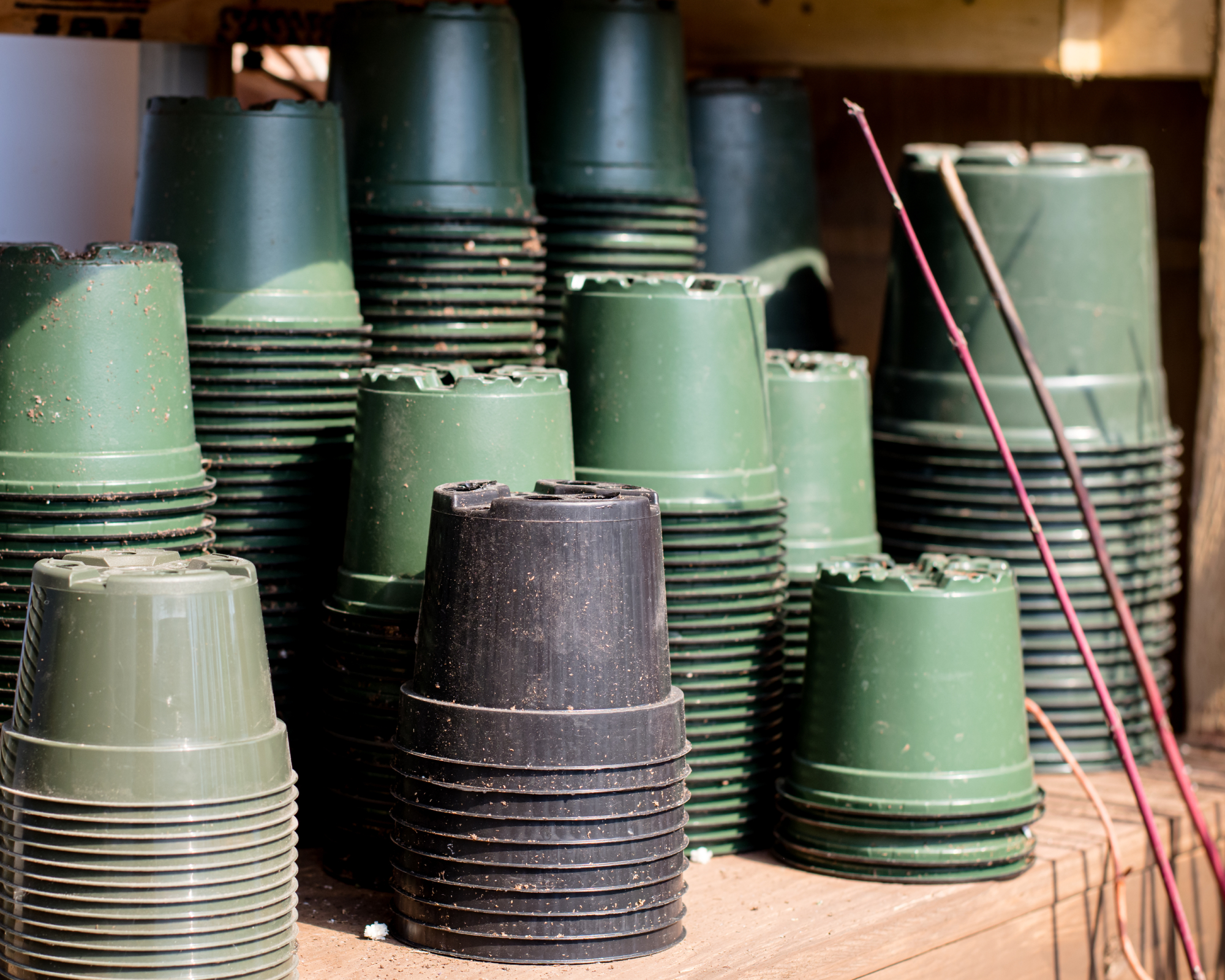
6. Nursery Pots
(Image credit: AHPhotoswpg / Getty Images)
Do you store your empty plastic plant pots by stacking them up, the biggest one on the bottom, in your garage or garden shed? I do, and many of them will never get used again. But these make great fillers in oversize plant containers.
Rather than crunching these up like you do for plastic bottles, plastic plant pots can be used whole. Place big ones upside down in the bottom of the container - it raises the “floor” of the container while not adding much weight at all.
Shop Container Gardening Essentials
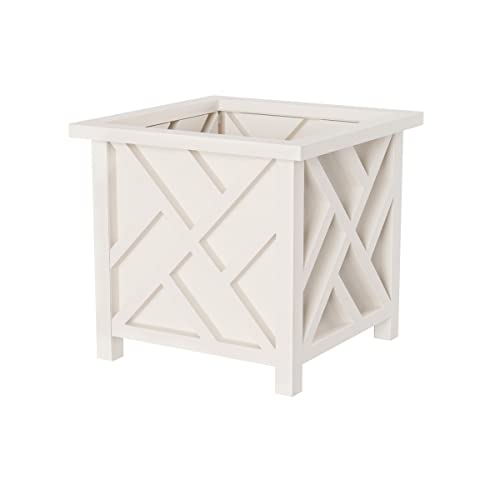
Pure Garden Lattice Design Outdoor Planter Box
Pot up your plant in a smaller container and drop it into this decorative box to save on soil.
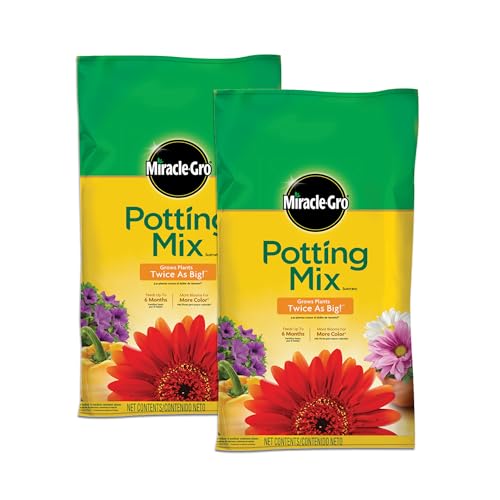
This is my go-to potting mix for strong growth and big blooms all summer.
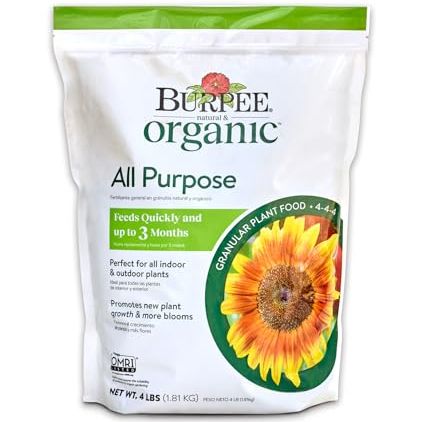
Burpee All Purpose Granular Organic Food
Give potted plants a boost with this organic all-purpose fertilizer from Burpee.













 English (US) ·
  French (CA) ·