

August can be a bittersweet time in the garden. Some of your favorite flowers bloomed months ago, and the big flush of July is beginning to fade. Don’t lose hope, though, as plenty of flowers, including native plants that keep pollinators coming to your yard, bloom through August and even well into fall.
Later-blooming pollinator plants are essential for the bees, butterflies, and others that rely on flowers for nectar. Support your local pollinators by ensuring some of your beds keep blooming through the end of summer with these and other native species. (And be sure to offer them a DIY watering station or bee cups from Amazon to keep them hydrated this summer!)
Here are six wonderful choices for your August garden.
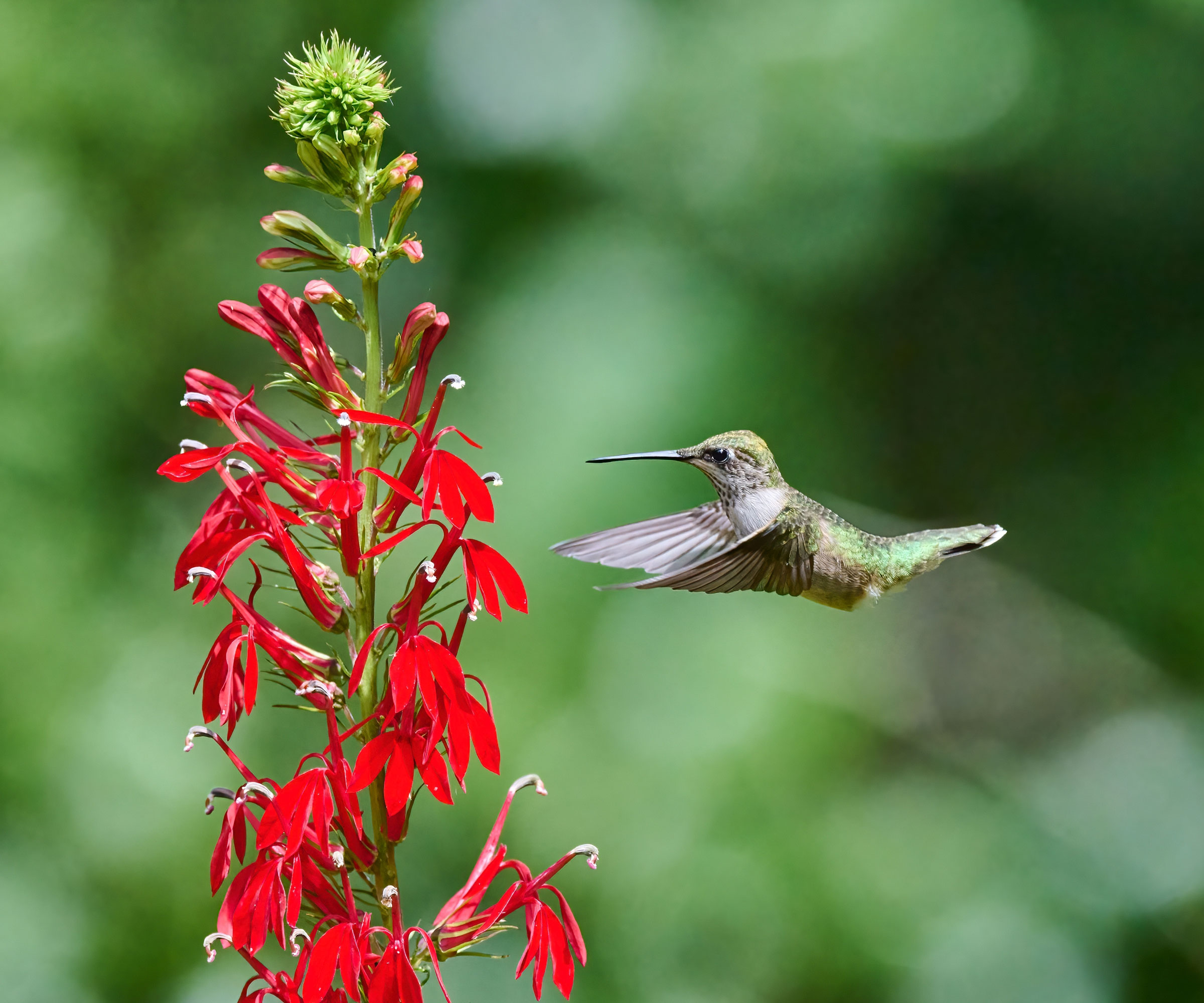
1. Cardinal Flower
(Image credit: Patrick Jennings / Shutterstock)
Cardinal flower (Lobelia cardinalis) is known for its dramatic spikes of fire-red flowers that light up late-summer garden beds. It blooms readily throughout August and often into September as well. This wildflower is native to many parts of North America and thrives especially in wet areas, such as stream banks and swampy meadows or fields. It can grow in full sun or partial shade.
Find a spot in your garden for cardinal flower where the soil stays consistently moist: pondside, low areas on woodland edges, or in rain gardens. Cardinal flower attracts all types of pollinators, but especially hummingbirds, which are drawn to the color red in particular. This is a short-lived plant, but it will reseed readily and colonize new areas, so leave at least some faded flowers in place to develop seeds. You can find cardinal flower plants from Burpee and have them delivered straight to your door.
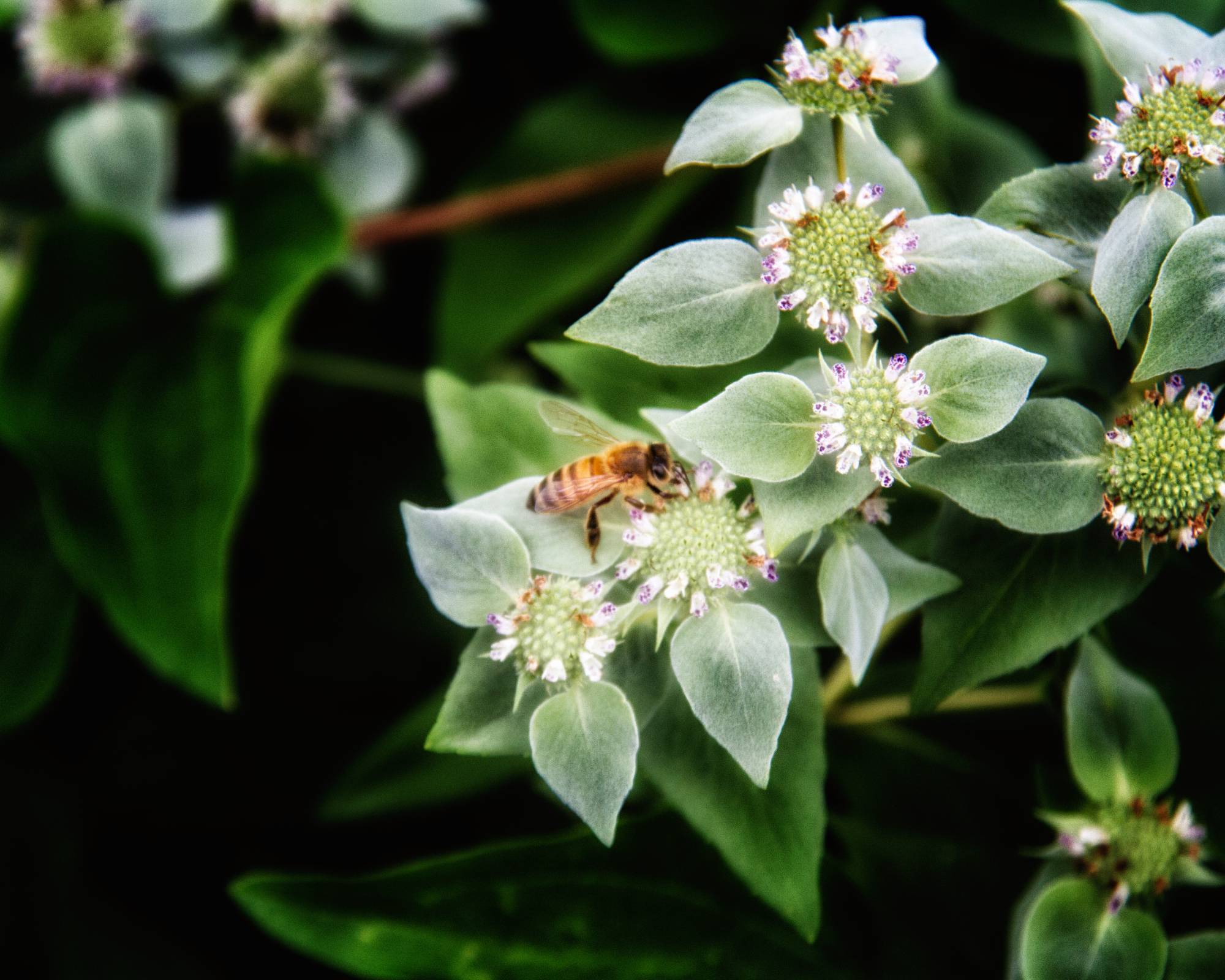
2. Mountain Mint
(Image credit: Getty Images)
This native herb naturally grows throughout the Northeast and many central states in the U.S. It has a strong, pleasing minty scent and blooms in late summer with small white or pale pink flowers. While the blooms are small, they are also abundant, and several pollinators are drawn to them for their bountiful nectar.
Mountain mint (Pycnanthemum muticum or P. virginianum) grows best in full sun, but it will tolerate some shade. It also tolerates poor soil and drought conditions once established. It will spread readily over time, so it’s a great option for a pollinator meadow or a naturalized area. As a bonus, the minty smell deters rabbits and deer from nibbling on this plant. Mountain mint can be purchased from Garden Goods Direct and will wow you with how many pollinators it attracts.
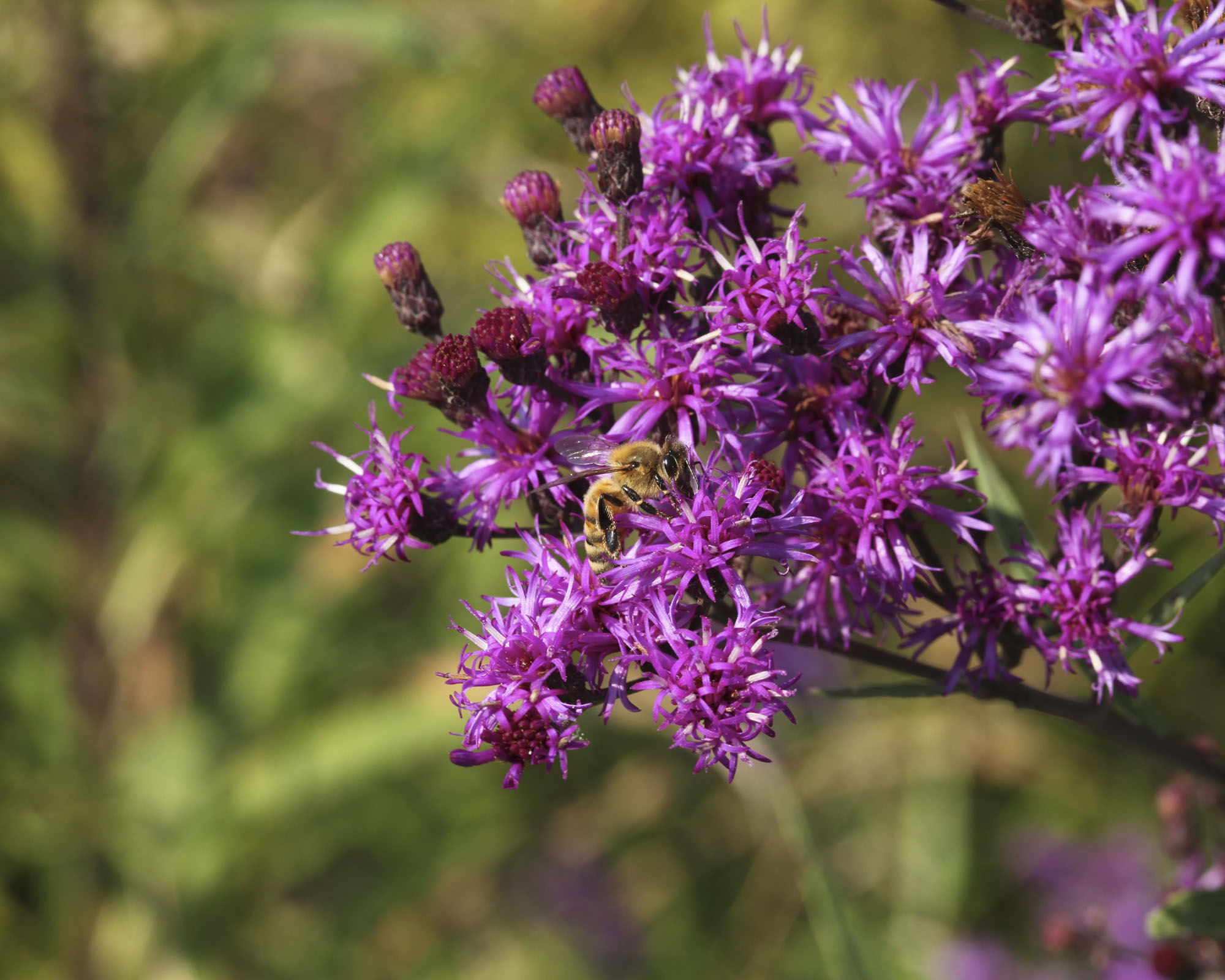
3. Ironweed
(Image credit: Getty Images)
Also called New York ironweed, this is a tall (often growing up to seven feet or two meters) perennial native to the eastern U.S. It grows in wet meadows, along streams, and in marshes and blooms in late summer and fall with pretty purple flowers that pollinators love. In winter, the sturdy, tall stems provide good perches for migrating birds.
Ironweed (Vernonia noveboacensis) needs moisture in the soil to grow well, so choose a spot with wetter soil and full sun. Because of their height, these flowers make good backdrops for other plants. Use them along fences or at the backs of beds. Find a 1-gallon pot ironweed plant from Garden Goods Direct.
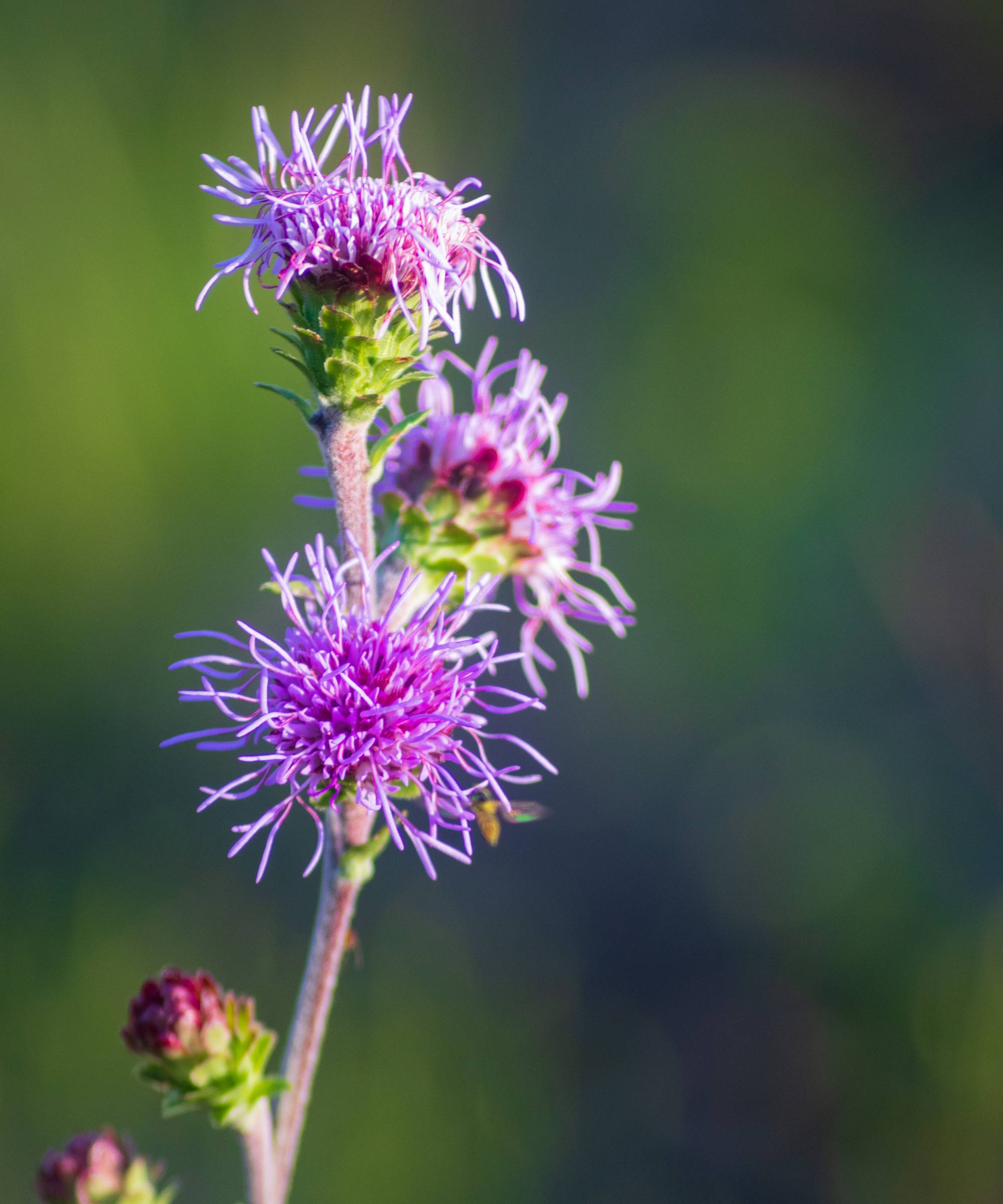
4. Button Blazing Star
(Image credit: Corey T. Burns / Getty Images)
Button blazing star (Liatris aspera) blooms in August on bottlebrush-shaped spikes with the top flowers opening first and the bottom opening last. Many native bees and butterflies are drawn to the purple blooms as flowers on other plants begin to fade in late summer. Monarchs are particularly attracted to button blazing star.
Grow this flower in areas with full sun and soil that drains very well. It won’t tolerate soggy soil or roots. Once established, button blazing star, also called rough blazing star, is highly drought-tolerant. In addition to feeding pollinators now, the seedheads feed birds in fall, so resist the urge to deadhead spent blooms. Find button blazing star seeds from Munjoy Seeds on Etsy.
5. Goldenrod
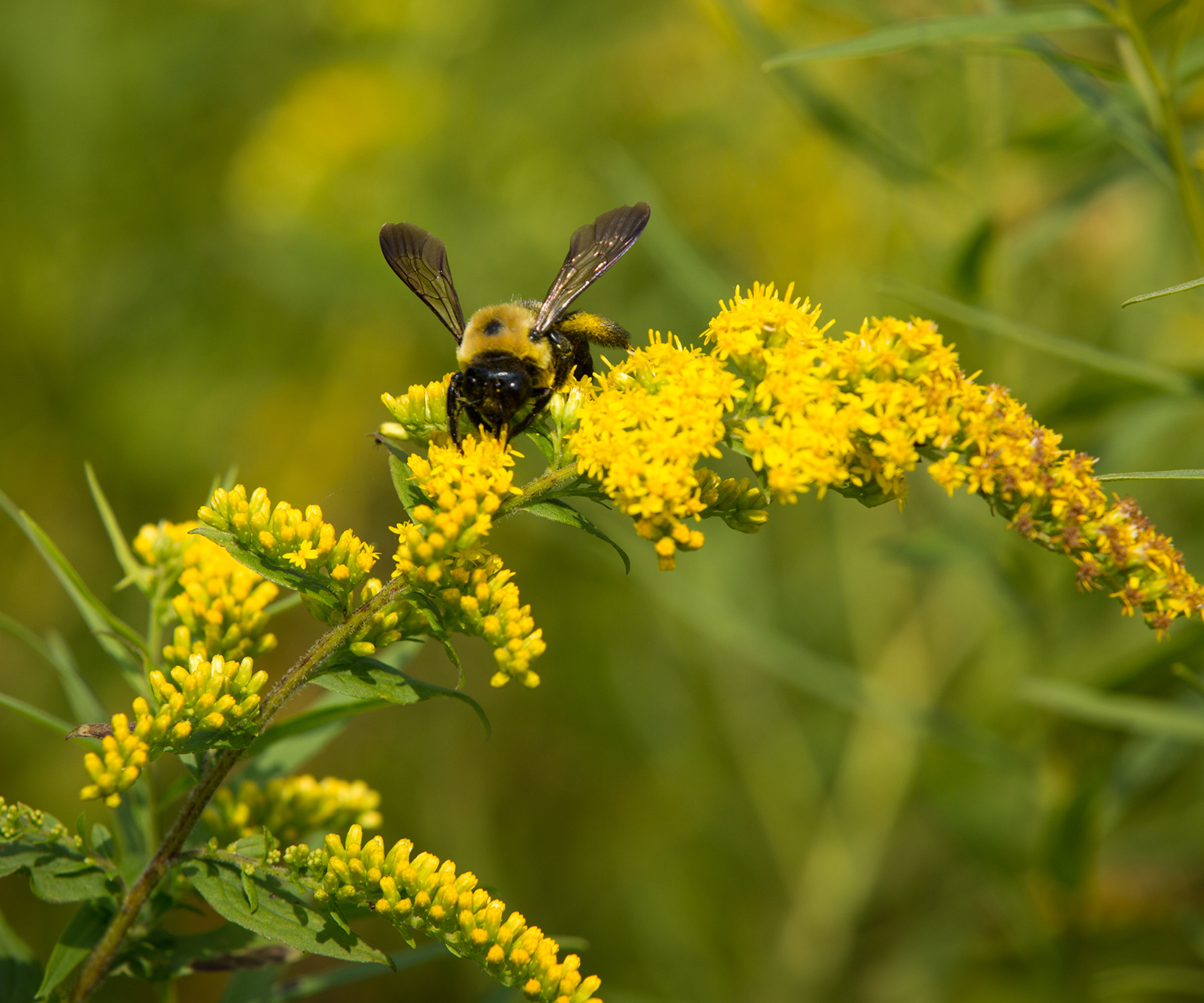
(Image credit: Mark Nistico / Getty Images)
Native species of goldenrod (Solidago spp.) bloom most heavily beginning in August. They produce significant amounts of nectar and pollen and are favorites of a variety of native pollinators. With goldenrod in the garden, you’ll enjoy richly colored gold plumes of flowers that practically glow in the afternoon sunlight.
If you enjoy the sight of a meadow waving with brilliant goldenrod but worry about allergies, have no fear. It’s a common myth that goldenrod causes hay fever. Its pollen is much too sticky and heavy to fly through the air. Only pollinators can move it from plant to plant. Goldenrod is also very easy to grow. It thrives in full sun and can adapt to a variety of soils. You can find a wide variety of native goldenrod plants from Plant Addicts and get growing the pollinator garden of your dreams.
6. Joe Pye Weed
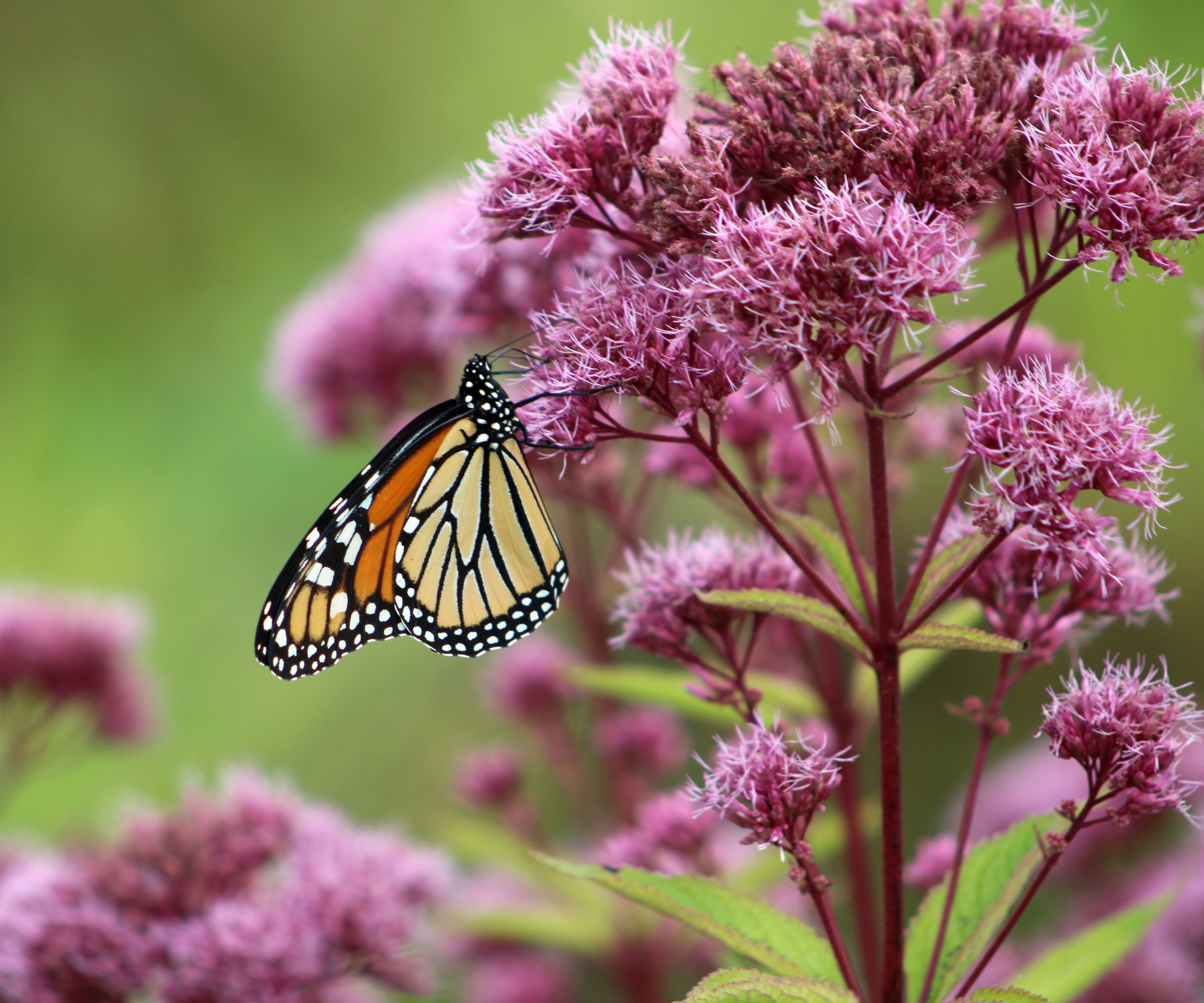
(Image credit: Jaclyn Vernace / Shutterstock)
Don’t let the name fool you. This isn’t a weed. It’s a striking, very tall native wildflower that blooms in August. Joe Pye weed (Eutrochium spp.) blooms with large clusters of small purple flowers that sit atop sturdy stems that reach six or seven feet tall. Monarchs love the flowers, as do swallowtails and many native bees and wasps.
Joe Pye weed does best in soil that retains some moisture, so grow it along streams or ponds or in low areas of the garden that collect water. They prefer full sun but do just fine in partial shade. Due to their large size, be sure to give individual plants plenty of space to grow. Find a Joe Pye weed plant from Lowe's or your local garden center.
Make August a part of your pollinator garden plan. While many flowers put on a big show in spring and summer, these late-season beauties light up the garden with deeper, richer colors that support your local butterflies, hummingbirds, bees, and even birds who benefit from the seeds. Choose a variety of these and other late-summer flowers to feed all the local wildlife.













 English (US) ·
  French (CA) ·