

 9 months ago
260
9 months ago
260
PROTECT YOUR DNA WITH QUANTUM TECHNOLOGY
Orgo-Life the new way to the future Advertising by AdpathwayFor greatest success, gardeners form a plan for spring, including some of the best perennials. Winter sow these seven perennial plants for years of blooms that form the backbone of an ecologically friendly garden. Experienced gardener Sarah Jay discusses how to do it here.

Written by Sarah Jay Last updated: January 2, 2026 | 3 min read
Winter sowing is a fun, easy, low-cost activity that uses the cold season’s conditions to prompt germination. The result is an established stand of some of the best perennials. Winter sow them now, and enjoy them for years to come. It’s pretty simple!
You may wonder which perennials are good for winter sowing, and we’ve compiled a list of seven of them that are not only great winter sowing candidates, but they’re also North American natives that thrive almost anywhere.
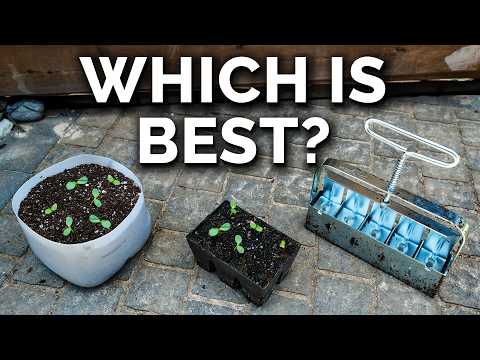
While you’re waiting for the spring to arrive, use the winter weather to help you grow healthy, adapted seedlings that flourish in your garden at the height of the growing season. All you need is a few old milk jugs or repurposed plastic containers.
Paradiso Dwarf Blend Echinacea

Paradiso Dwarf Blend Echinacea Seeds
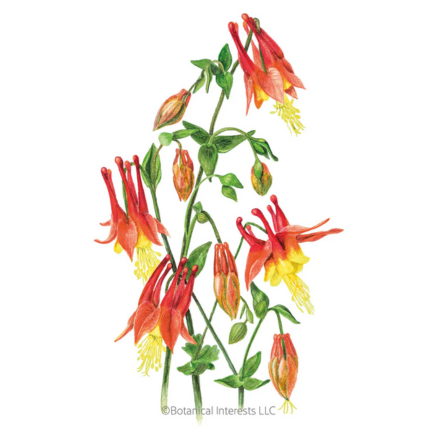
Eastern Red Columbine Seeds
Common Milkweed / Butterfly Flower

Common Milkweed / Butterfly Flower Seeds
Aster
 These purple flowers attract a range of pollinators.
 North America hosts 250 species of asters, meaning there is probably one specific to your region and your local ecosystem. These plants belong to both the Aster and Symphyotrichum species, and they produce flowers that range from white to lavender. With all this in mind, they’re some of the best perennials to winter sow.
Winter sow asters in reusable containers now to have strong plants for spring. They won’t bloom until summer, but many species have flowers that remain until the first frost.
Echinacea
 Leave the flowers standing in winter to feed birds.
 Coneflowers are also numerous and widespread, with a native range across the continent. If you can find a species of Echinacea that is rare and threatened, you have a chance to grow it as an act of conservation.
For the most true-to-type cultivation, find a specimen in the wild that has multiple dried flower heads and take one home. Because they’re food for pollinators and birds throughout the year, they’re considered some of the best perennials. Winter sow them to give them the cold, moist period they need to germinate.
Columbine
 Multicolored blooms appear in spring and summer.
 Columbine is another widespread native that blooms with unique flowers, some of which nod, and others that point upright. Their multicolored blooms offer plenty of appeal to the spring and summer garden, and their semi-evergreen foliage provides cover in the off-season.
Find a columbine that works for your locality, sticking with ‘Eastern Red’ in the southeast, and ‘Rocky Mountain’ columbine in the west. There may even be a hyperlocal option at your local seed library.
Milkweed
 Choose a milkweed native to your region.
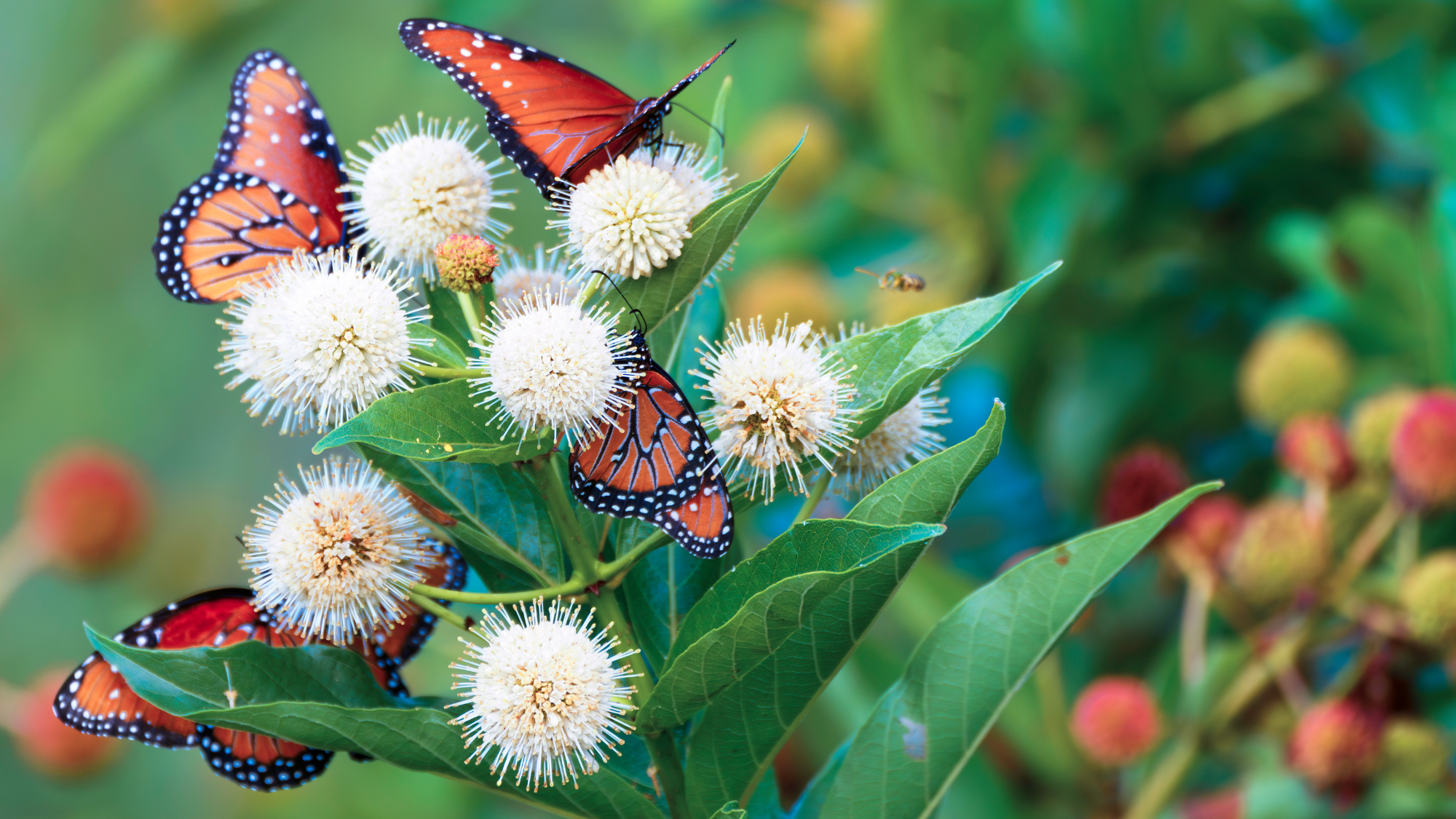
 To support monarchs, plant milkweed! Find one that resides naturally in your region, and keep it in your garden for years. Winter sow them to help seeds break dormancy with some cold and moisture.
If you are looking for a bright pop of color in your perennial garden, try growing butterfly weed, with its vibrant orange blooms. Or choose the light pink blooms and wide, waxy leaves of showy milkweed. Due to the massive effort to conserve monarchs, there is no shortage of sources for seeds.
Monarda
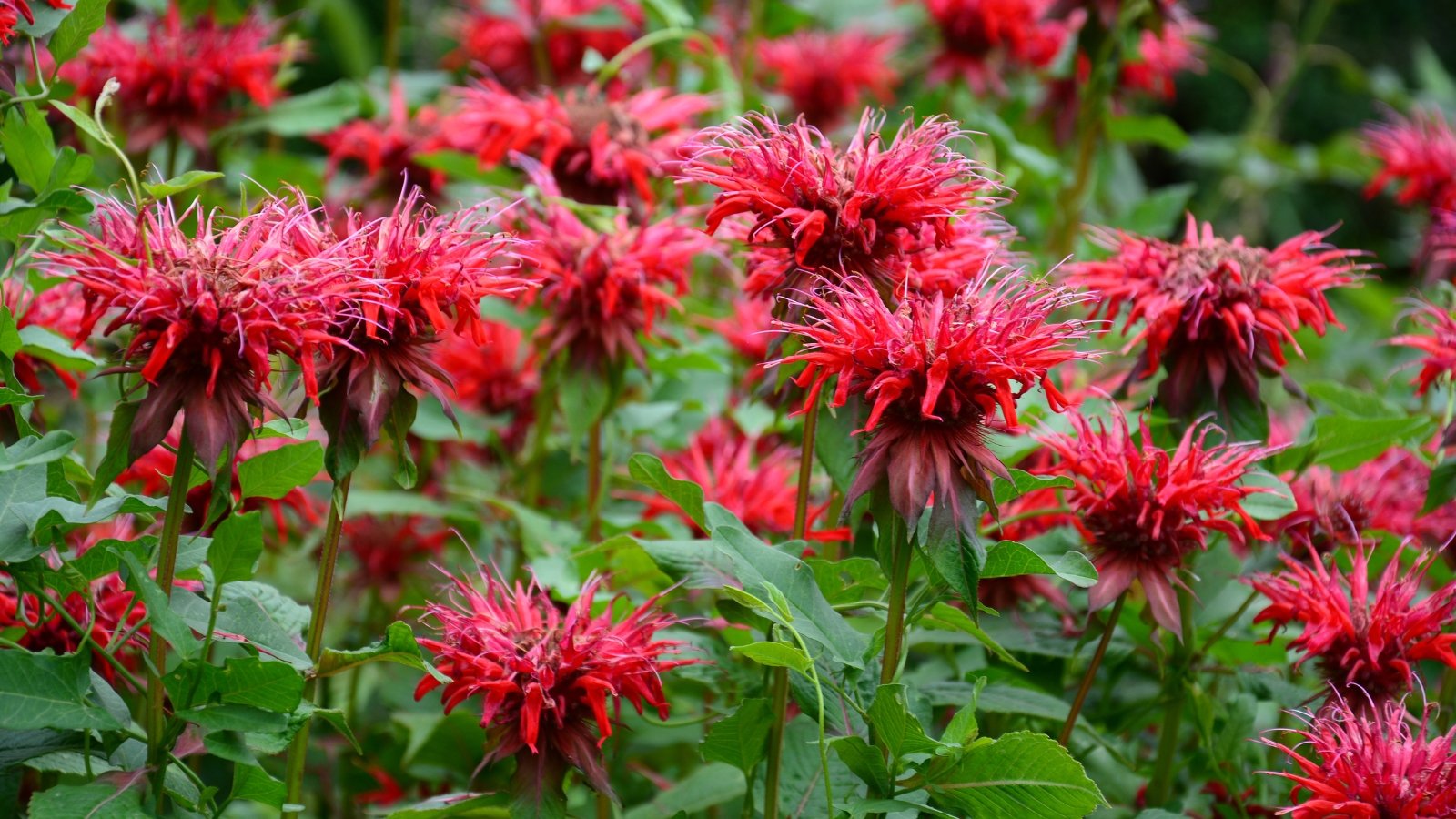 These low-maintenance perennials need little tending.
 I love bee balm. Every type out there is beautiful and grows easily with little tending. That being said, not all are suited for winter sowing. If you’re planning to grow some monarda in your spring garden, winter sow Monarda fistulosa and Monarda punctuata.
Otherwise, sow indoors and plant them out when the soil is warm enough, or wait to sow them directly. This is a good practice for M. citriodora and M. bradburiana. Lambada bee balm, however, does benefit from a cold period.
Yarrow
 The dust-like seeds are easy to sow.
 Once you grow your first yarrow rosette, you won’t have to do much to keep it going. These dust-like seeds are hard to see, but easy to sow. Throw them in your winter sowing operation, and watch them take off in spring. Expect fern-like leaves that develop wide, flat compound blooms in spring.
If you live in a mild area, you’ll see yarrow blooming through summer and fall as well. There are plenty of lovely cultivars with flower colors different from the standard white, too. Try ‘Moonshine’ for silvery fronds and bright yellow petals. If you can’t decide, there’s always the multicolored ‘Colorado’ blend.
Beard Tongue
 There are over 250 species of beardtongue native to North America.
Teeny tiny beardtongue seeds grow into some of the best perennials. Winter sow them, expose them to the local environment, and they’ll thrive in spring when everything else is in full swing. Like asters, there are over 250 species of beardtongue native to North America, so you’re sure to find one that will do well in your growing space.
If you enjoy cultivated varieties of plants, ‘Rocky Mountain Blue’ is a lovely cerulean addition to the garden. For bright pops of pink, opt for a ‘Dazzler’ blend. Both attract hummingbirds.












 English (US) ·
  French (CA) ·