

The spring show is long gone, yet the summer perennials don’t seem to have caught up yet. Know the feeling? That pause is the June gap, and this awkward transition can feel like the most color-short stretch in the gardening year. The June gap is a real thing: that deflating stretch between the last of the spring bulbs and the moment when summer perennials and annuals finally hit their stride.
Luckily, fast-growing annuals exist to fill it. You don’t have to accept the June gap as a fixed feature of the year, because a handful of fast-growing flowers can be sown or planted now. These aren’t slow-burning perennials waiting for a second season. These flower types are chosen for one quality above all others: speed. These quick-to-bloom ornamentals can be in full flower within 6-10 weeks.
By leaning into these quick-blooming plants to fill the June gap, you can turn your yard around in no time. These nifty bloomers need very little care and guarantee a visual treat that lasts until fall. So don't let the midsummer slump get you down. Plant these fast-growing flowers in that garden June gap and keep your borders bursting with color until autumn.
Fast Flowers to Fill the June Gap
The June gap represents a natural dip in the blooming cycle and happens in many yards in different regions and garden sizes. But it is easily conquered with a quick appraisal of your yard’s layout. Sunny, wide-open spaces are ideal for heat-loving annuals, but a few resilient selections can handle partial shade to brighten up dark corners. If you want to fill a garden in June, most of these bloomers are adaptable across USDA hardiness zones 3-11, but longevity and vibrancy will depend on light.
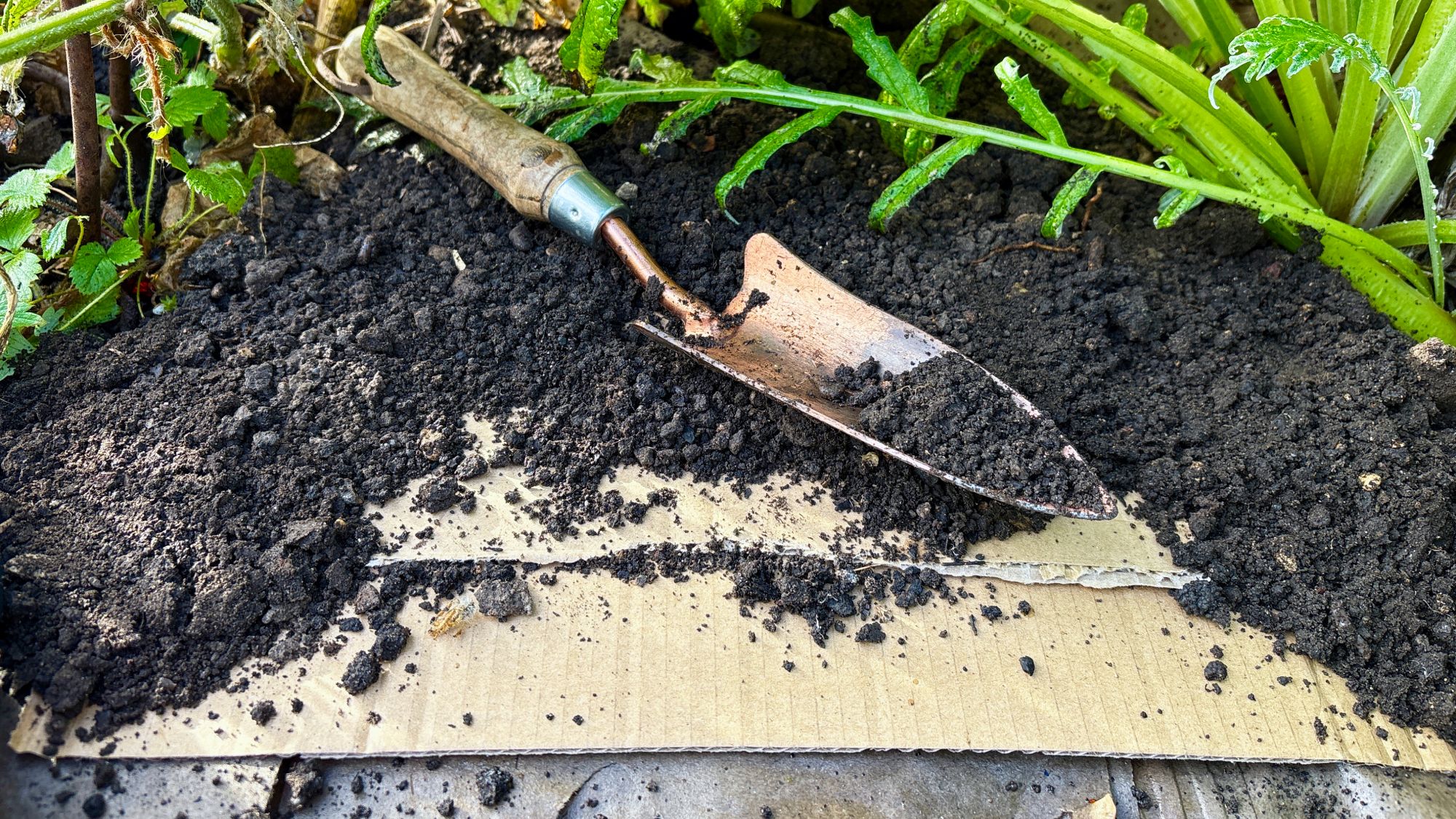
To ensure these floral rescue workers can take care of themselves, a little ground-level preparation goes a long way. You want a loose, welcoming soil where roots can anchor instantly. Before planting, eliminate weeds and check soil health. Use a soil meter or kit like the Luster Leaf Rapitest Soil Test Kit from Amazon to ensure soil pH is balanced and the texture is well draining. Where your soil feels tired, add a little aged compost. Where it’s claggy, add a little perlite or coarse sand.
(Image credit: Alex Manders / Getty Images)
Once your soil is primed, you can drop in your fast-trackers with confidence. In the first few weeks, a regular, deep soaking is the only real deal-breaker required to help them settle into their new homes. Once they establish a resilient, deep root system, they’ll happily rely on natural rainfall and their own grit to stay hydrated. By the time midsummer hits, you can sit back and enjoy the show, leaving your gap fillers to erupt into a riot of color while you reclaim your summer. Let’s meet the heroes!
1. Nasturtium

(Image credit: Nadya So / Shutterstock)
Nasturtiums (Tropaeolum majus) are amongst the fastest of all fast-gap fillers if you are after effortless color. Direct-sown seeds germinate with speed (often within 5-7 days) and transition into bloom inside 6-8 weeks. Trailing types move across bare ground quickly and look less accidental than they sound by mid-July, tumbling beautifully over raised beds and containers. Sow alongside borage or climbing beans in sunny beds, or as a protective groundcover around the base of taller shrubs. They thrive in USDA zones 2-11, requiring only a sunny location and well-draining soil.
One thing worth knowing going in: withhold the heavy fertilizers. Rich soil encourages these plants to produce an abundance of lush, green leaves, whereas lean conditions push them to produce non-stop flowers. For a gorgeous heirloom look, sow 'Vesuvius' Nasturtium Seeds from Eden Brothers, which offers striking dark foliage and salmon pink blooms. They flower vigorously, so a quick snip with scissors or pruners, like Fiskars Micro-Tip Pruning Snips from Amazon, keeps them tidy and encourages more edible blossoms through summer into fall.
2. Zinnia
(Image credit: Baldomir / Getty Images)
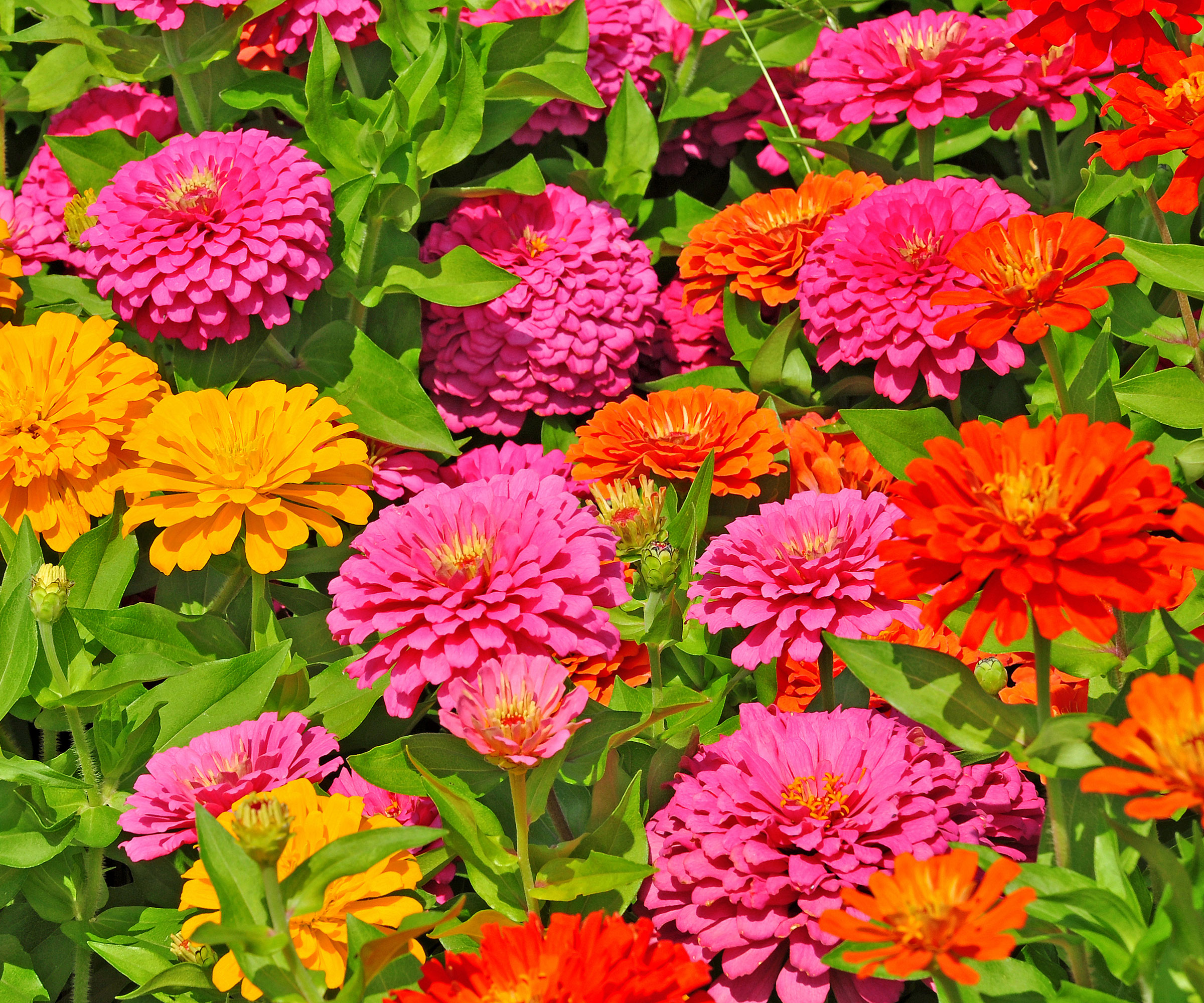
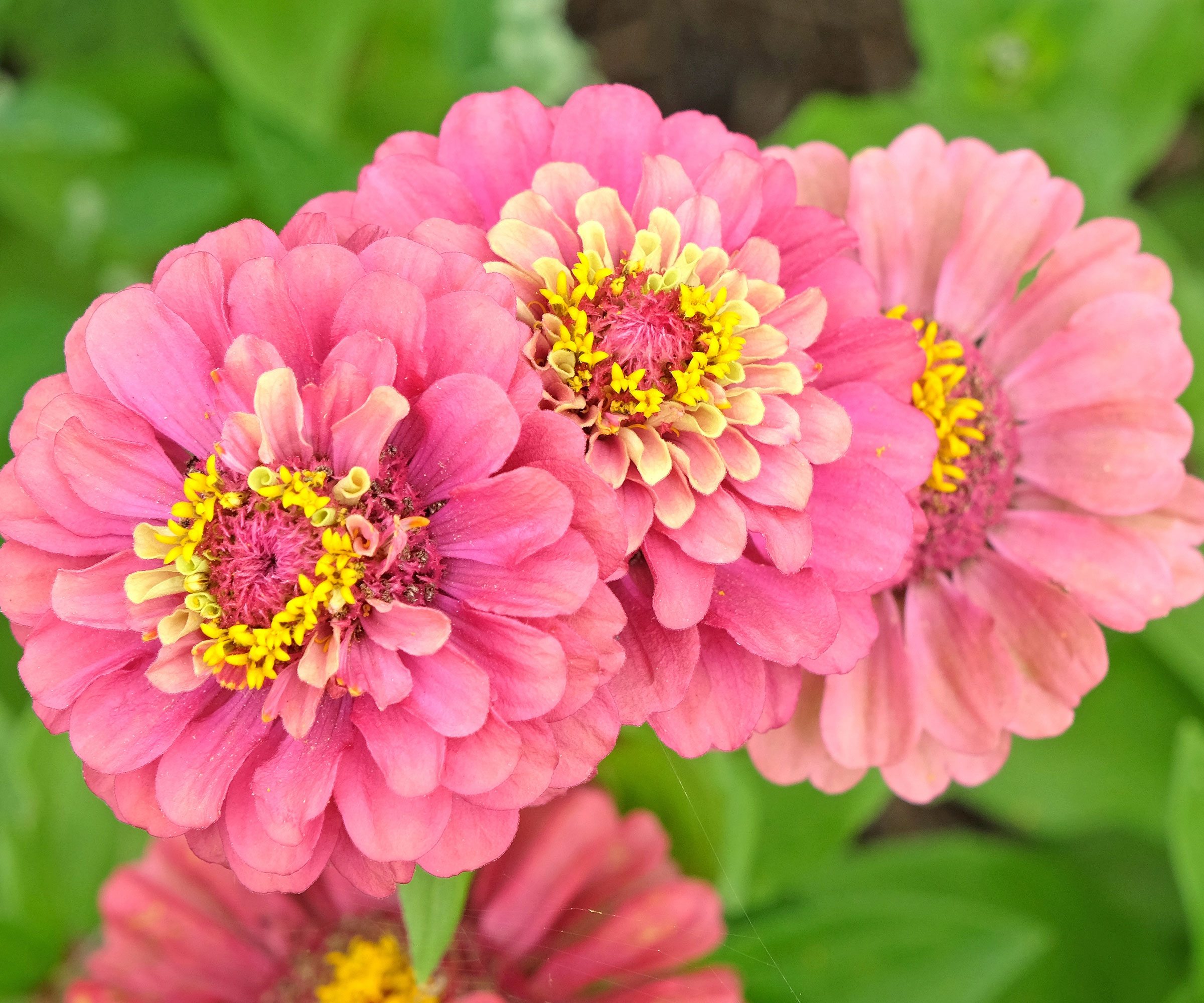
While massive exhibition zinnias (Z. elegans) require a longer time frame, compact and dwarf selections are designed for rapid deployment. These sun-worshipers are among the most heat-tolerant, drought-resilient summer annuals available, exploding into a dazzling kaleidoscope of color 8 weeks after sowing. Thriving beautifully in full sun in zones 2-11, they work brilliantly in mid-border pockets or massed together in large patio planters. They love fertile but sharp-draining soil, demanding very little attention once their roots take hold in warm summer earth.
Keep these beauties well-spaced to ensure good air circulation and ward off powdery mildew in humid summer stretches. To ensure a continuing supply of fresh buds, give them a nourishing fortnightly hit of a potash feed such as TPS Nutrients Potash Fertilizer from Amazon. This influx of nutrients will fuel non-stop color and flower density until first frost. To achieve a sophisticated cottage-garden aesthetic, try Zinnia 'Zinderella Lilac' Seeds from Eden Brothers, which produce uniquely textured double blooms in a dreamy violet hue.
3. Cosmos
(Image credit: Alex Manders / Getty Images)
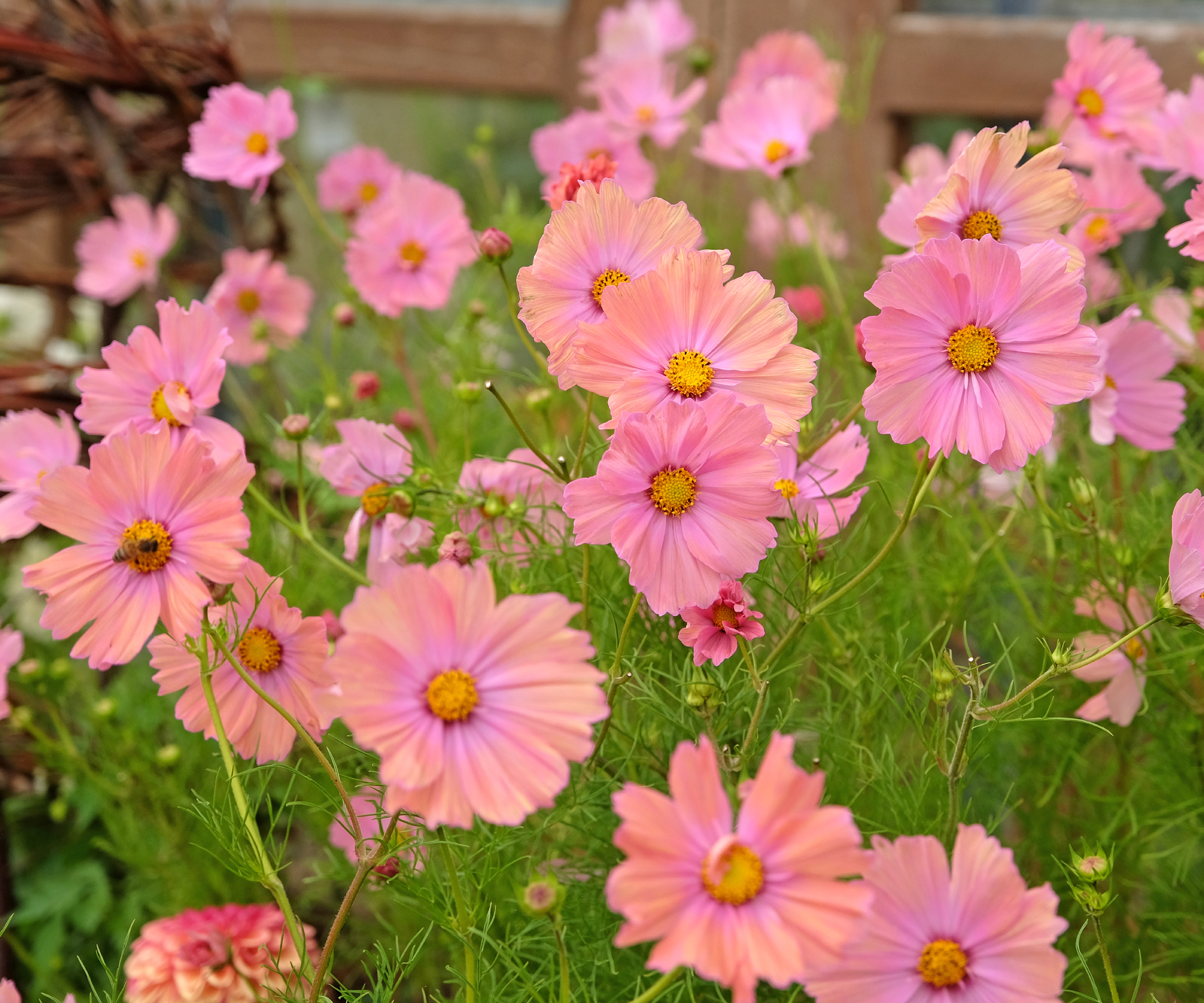
Cosmos (C. bipinnatus) grows super-fast, and can rocket up to 4 feet tall (1.2m) in a matter of two months. The feathery foliage expands right away, filling awkward gaps in the backs of borders before the daisy-like flowers arrive to create visual dynamics well into autumn. Performing beautifully in zones 2-11, cosmos just needs 6 hours of sun to prevent the tall stems from becoming floppy. They are fantastic team players when interplanted with ornamental grasses or used to soften a bare fence or trellis.
The secret is to keep the soil lean. Over-feeding creates weak stems with zero flowers. Because they natively prefer a light, sandy root environment, add some coarse sand, like Hoffman Horticultural Sand from Amazon, into heavy clay soils before sowing. This ensures rapid drainage, allowing the cosmos to establish a deep root system that pumps out white, pink, and carmine blooms well into autumn. You can buy Cosmos 'Sensation Mix' Seeds from Burpee for a jamboree of pink.
4. Sweet Alyssum
(Image credit: Pinrath Phanpradith / Getty Images)
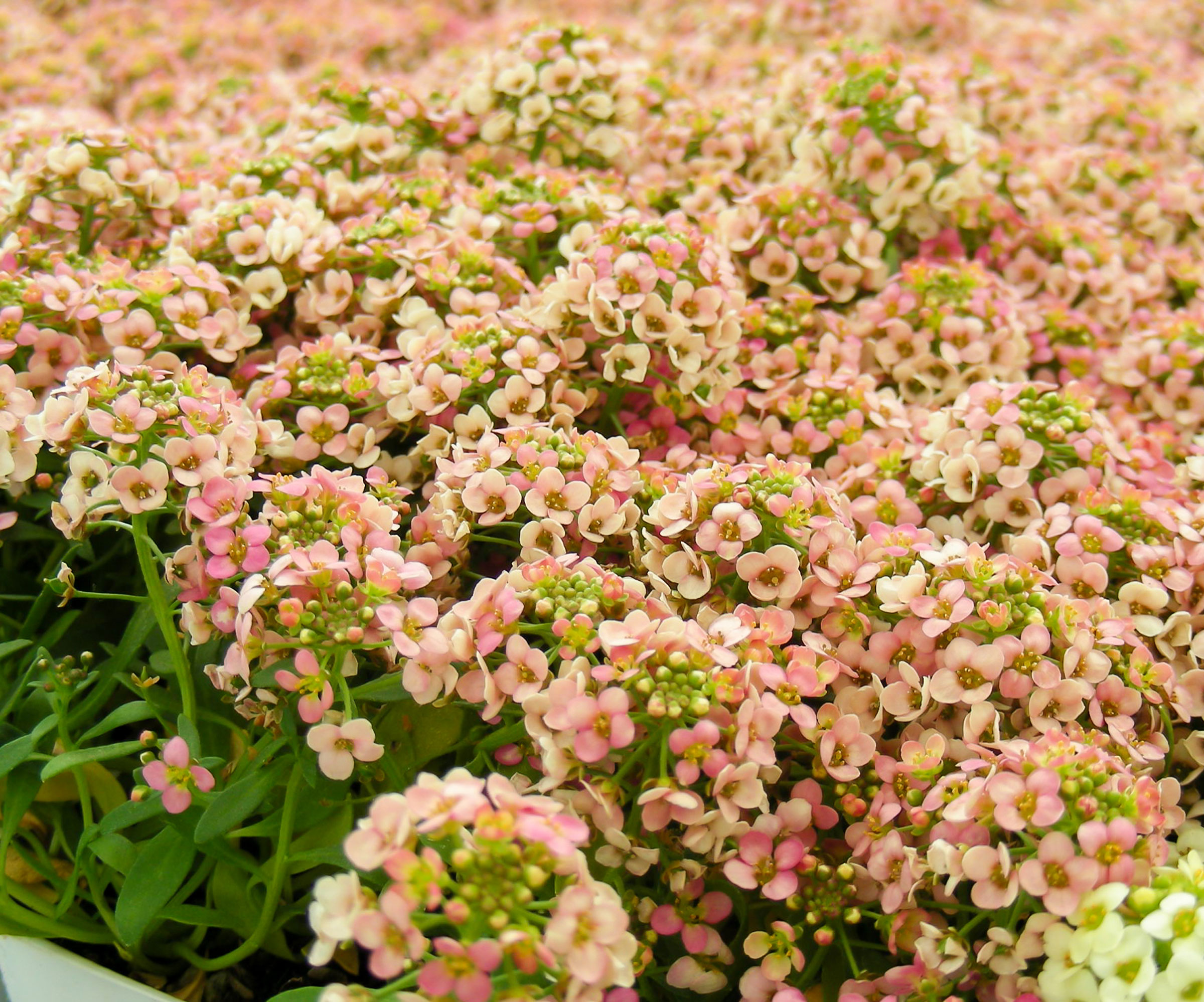
Ground-level vacancies are where the June gap is most obvious. Sweet alyssum (Lobularia maritima) is the fastest way to carpet those gaps comprehensively. Zipping from seed to flower in just 6 weeks, this resilient annual spreads up to a foot (30cm) wide, knitting together neighboring plants with generous, fluffy folds of honey-scented blossoms. It is one of the few gap-fillers that tolerates light afternoon shade, making it invaluable for tricky spots beneath leggy roses or around the base of container trees. It flourishes in zones 5-11 and is a magnet for pollinators.
You can drop in pre-started plug plants, or treat yourself to a sweet alyssum combo with purple ‘Royal Carpet’ and white ‘Carpet of Snow’ Sweet Alyssum Seeds from Amazon. Alyssum requires very little maintenance, but it can look tired or scorched during peak heatwaves. If performance stalls, take it back to half its height and give it a light watering. It should bounce back in no time, blanketing your paths with fresh, fragrant color within days. Once plants are established, add a little sprinkling of mulch such as Back to the Roots Organic Premium Mulch from Amazon.
5. French Marigold
(Image credit: Shutterstock)
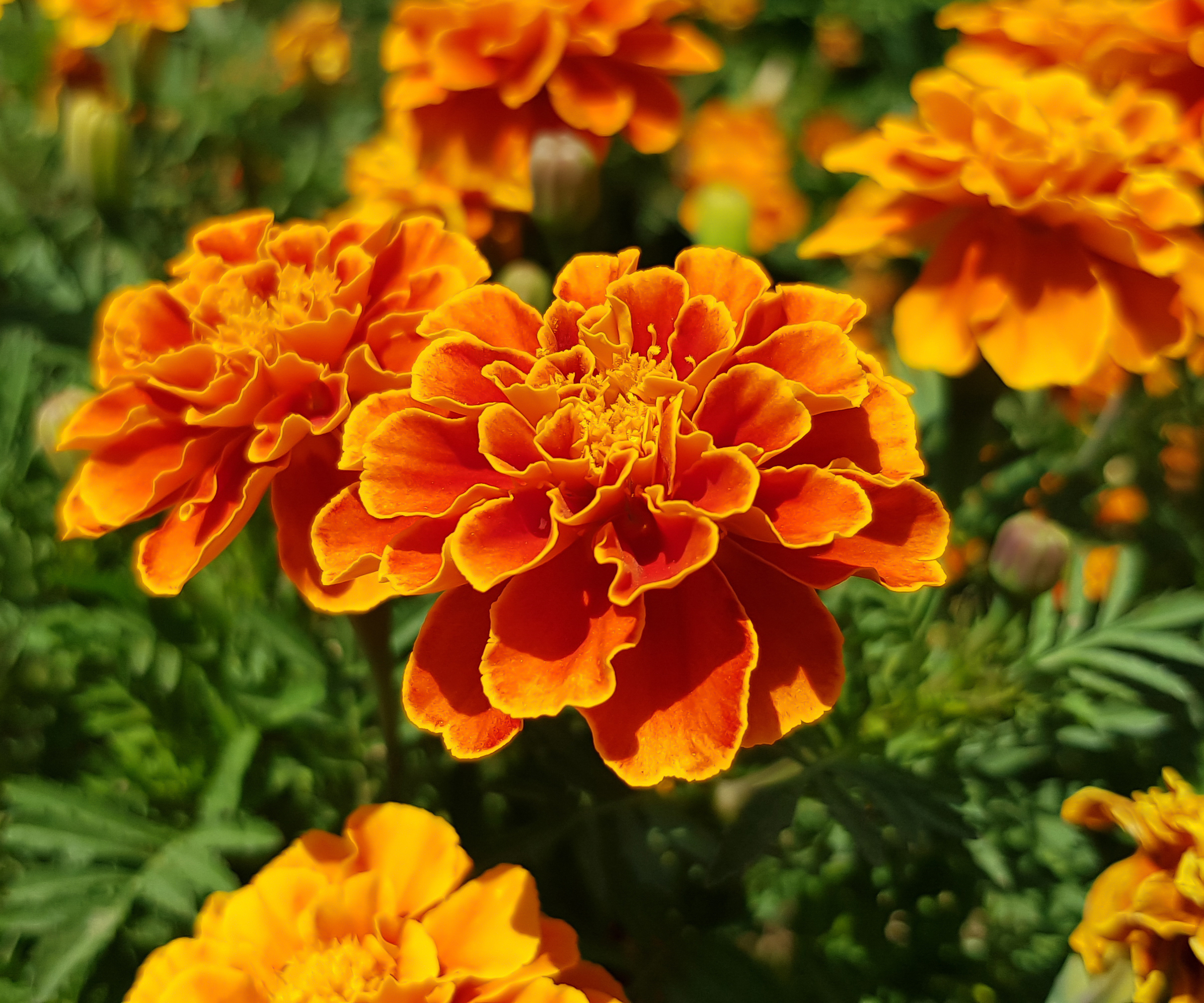
French marigolds (Tagetes patula) are as low-risk as you can get for quick transformations. Available as ready-to-go plug plants at most garden centers, they can be dropped into empty spaces to eliminate the June gap in an afternoon. These tough-as-nails annuals thrive in full sun across zones 2-11, adapting to most soils as long as they aren’t waterlogged. Beyond their bursts of gold, copper, and bronze, they emit a distinct fragrance that deters destructive root-knot nematodes, making them exceptional bodyguard companions for vegetable patches or rose beds.
For a dramatic, eye-catching color statement, look for the striking Marigold 'Strawberry Blonde' from Burpee, a gorgeous variety that shifts from deep mahogany to pastel pink, rose and yellow as the flowers age. While tagetes are famous for their rugged self-sufficiency and run to first frost with little intervention, you can mix a handful of Dr Earth Premium Gold All Purpose Fertilizer from Amazon into the soil at planting time to help establish roots rapidly and unleash their full color potential.
6. Calendula (Pot Marigold)
(Image credit: Svetlana Foote / Alamy)
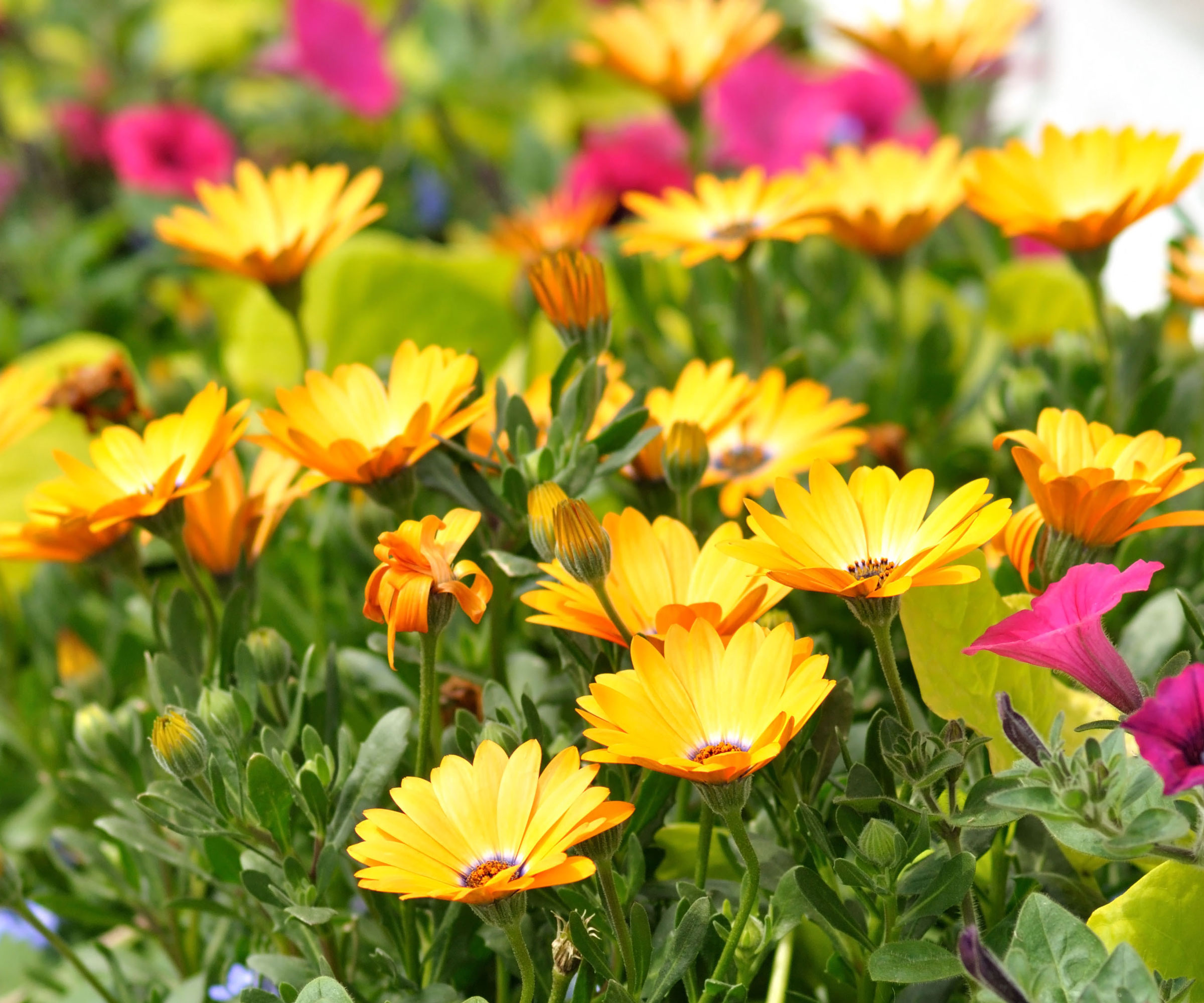
Also known as pot marigold, calendula (C. officinalis) is ideal for the cooler shoulders of the summer season, making it a brilliant double-duty gap filler. It jumps into action to conquer the early summer slump, and comes back into its own in September once the heat drops off again. Sown now, it blooms in 7-8 weeks across zones 2-11. It prefers a bright, sunny position, and flourishes in patio containers, cottage borders or raised beds with herbs, especially with a sprinkle of Miracle-Gro Water Soluble All Purpose Plant Food Granules from Lowe’s.
To maintain these sunny warm yellow and amber blooms through to fall, regular deadheading is recommended. A few swift clips every few days is all it takes. Pick up a packet of Calendula 'Pacific Beauty' Seeds from Eden Brothers for a tumble of burnt orange and vintage yellow notes. These plants love a well-draining home, so ensure the soil remains moist, but never soggy, to enjoy their beautiful edible petals right up until first frost.
7. California Poppy
(Image credit: Jon Farmer / Getty Images)
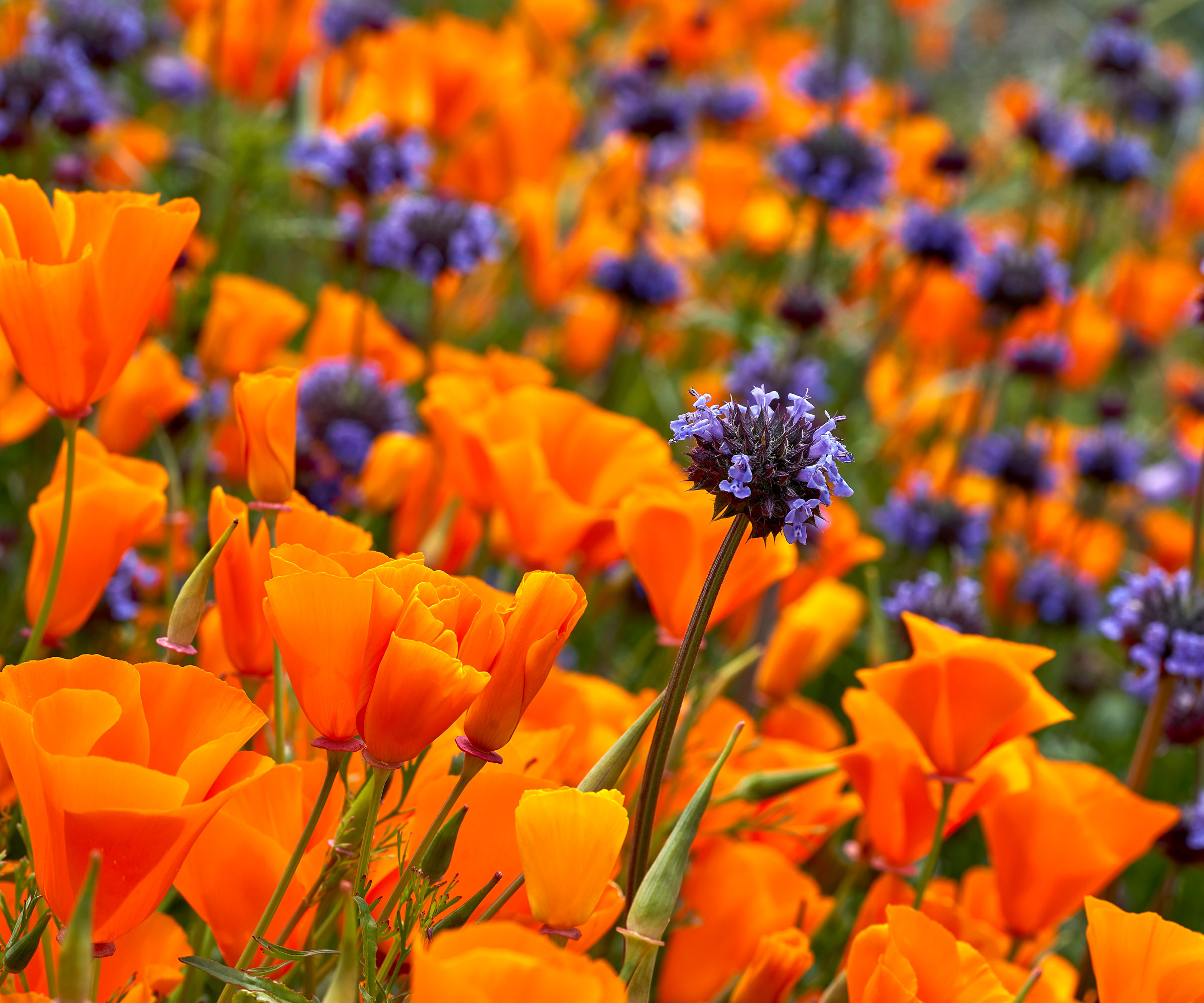
The California poppy (Eschscholzia californica) is the definition of low maintenance and high impact. Simply scatter the seeds over bare, sun-baked earth, lightly rake them in, and walk away. Thriving in zones 3-10, they prefer poor, sandy, and dry soils where other plants wither. Their finely textured, blue-green foliage provides an elegant, smoky contrast in borders, while the silky, cup-shaped flowers open wide every morning to celebrate the sun.
For a twist to the classic orange satin cup-style, try California Poppy 'Mission Bells' Seeds from Eden Brothers for double and semi-double blooms in shades of cream, gold, and deep rose. These annuals crave sharp, desert-like drainage, so mix a bit of Hoffman Organic Cactus and Succulent Soil Mix from Walmart into the planting site before sowing to provide the lean, ultra-porous start they love. Once established, they will self-seed reliably, ensuring free, spontaneous pops of color year after year.
Shop Stunning Gap Fillers
(Image credit: Alex Manders / Getty Images)
Say goodbye to midseason bare spots with these high-speed backyard problem solvers. These curated robust varieties help you seamlessly bridge the awkward seasonal transition and set you up beautifully for a summer of color. These high-performance selections anchor rapidly in warm soil and require minimal maintenance, ensuring your yard stays lush and vibrant without zero fuss.
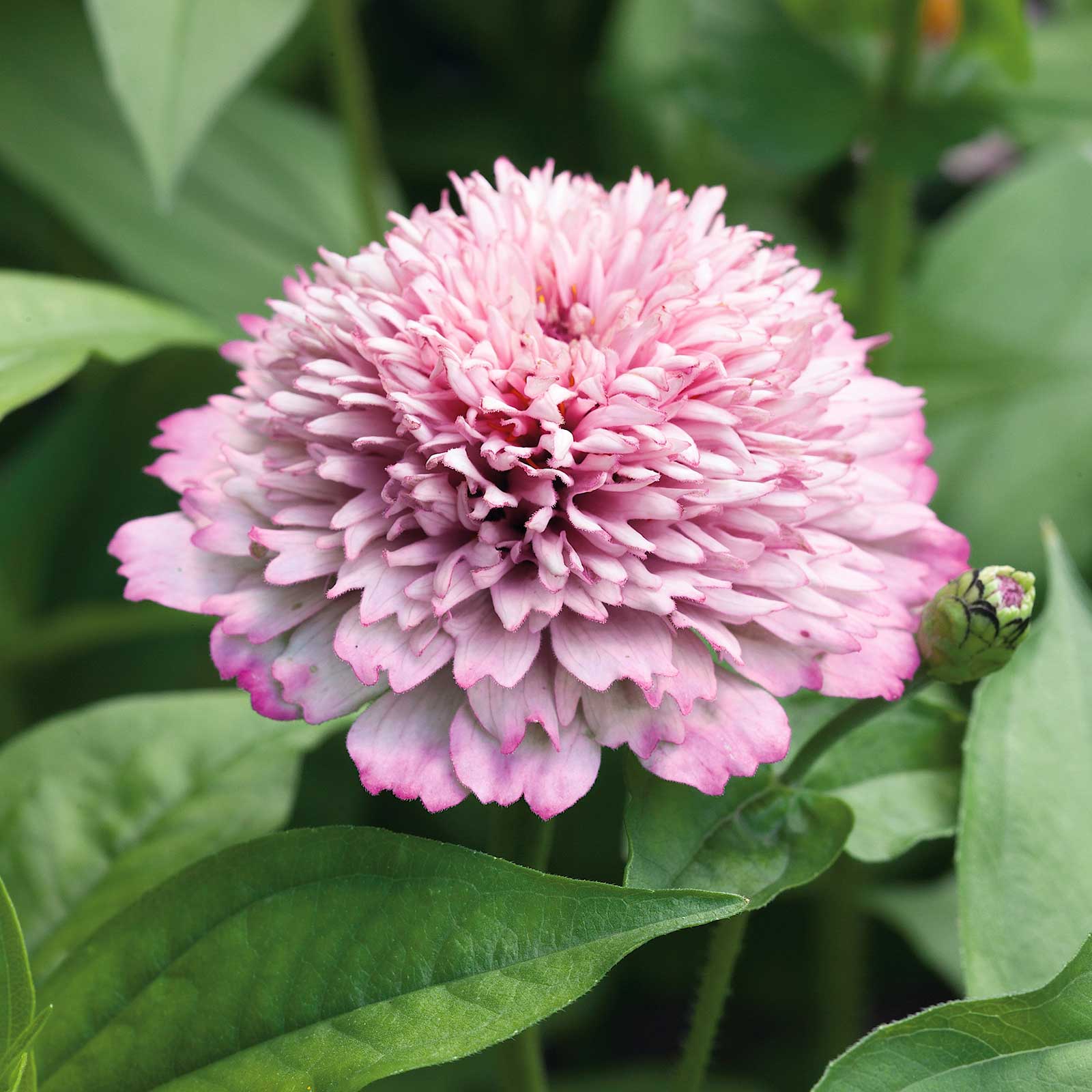 Zippy Sensation
Eden Brothers
Zinnia Zinderella Lilac Seeds
This zinnia is a really zippy grower, but it’s so much more than that. It boasts impressive mid-border height, incredible disease resistance, and an exquisite, double-petaled lilac texture that fills empty gaps in weeks.
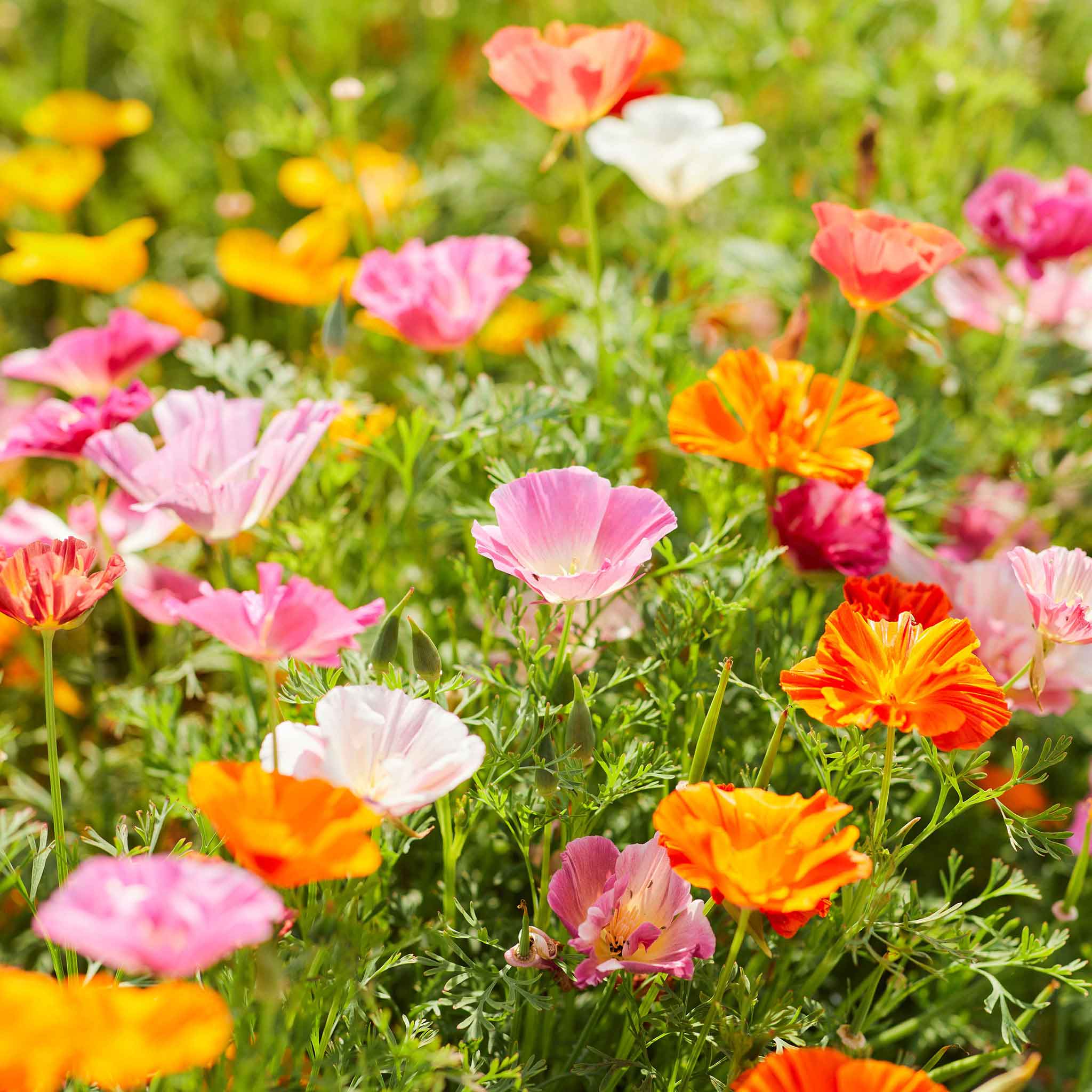 Sherbet Sensation
Eden Brothers
California Poppy Seeds Mission Bells Mix
This is the ultimate hands-off solution for poor, dry soils and delivers a breathtaking mix of sherbet-toned double flowers that self-seed reliably for effortless color year after year.
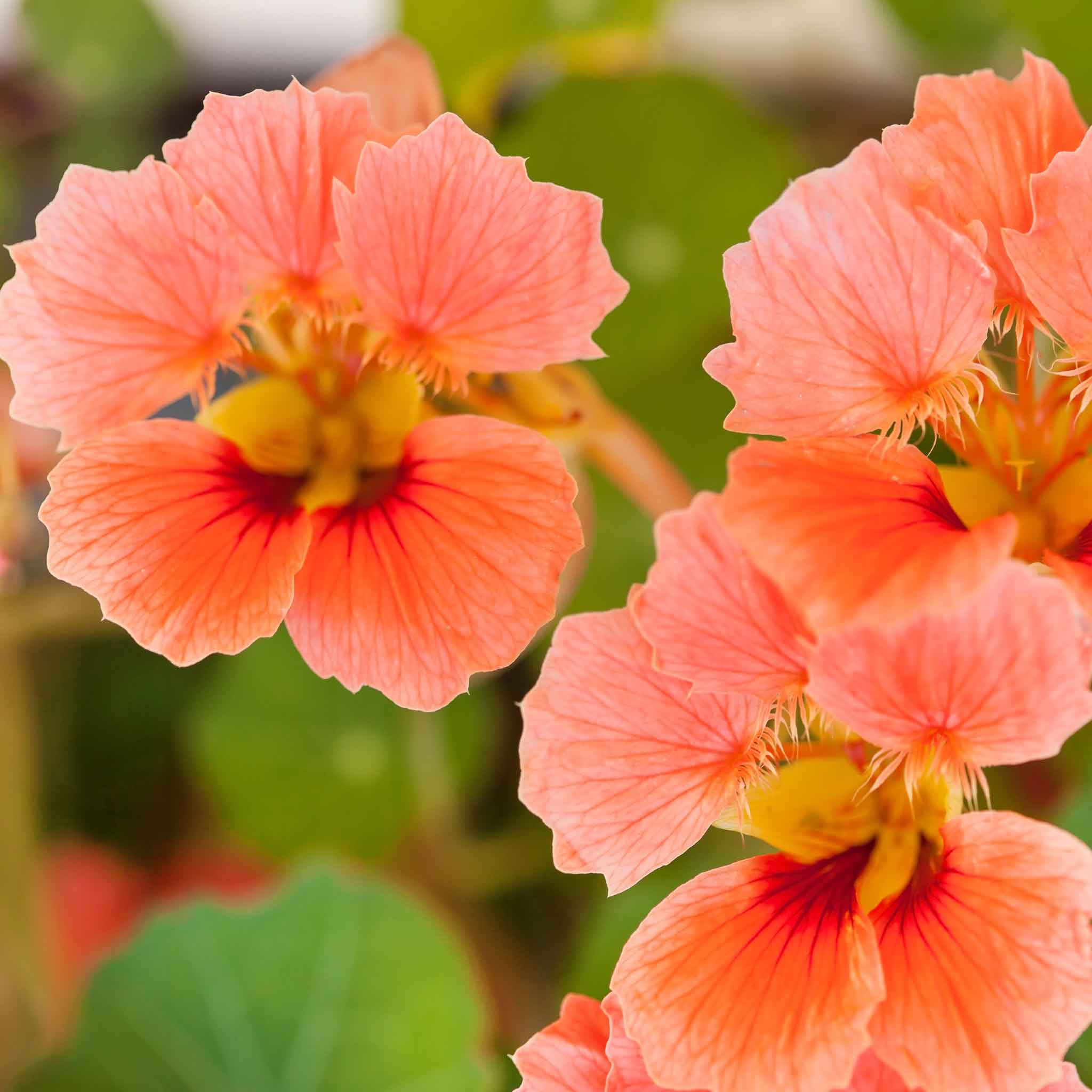 Peppery Dynamo
Eden Brothers
Nasturtium Vesuvius Seeds
For a charming edible that looks like a Victorian heirloom, this cultivar is peachy, large and frilly blooms, with lilypad leaves that tumble over the sides of beds and containers, offering a spicy kick to any fast-flowering feature.
Need more ideas for timely gardening jobs and seasonal expert advice delivered straight to your inbox? Sign up for the free Gardening Know How Newsletter!















 English (US) ·
  French (CA) ·