

It’s May, it’s May – the merry month of May. With warmer weather and bluer skies settling in, a gardener’s thoughts naturally turn to the vegetable patch. Not every crop belongs in the ground just yet, but this is a prime window for sowing many favorites.
So, what vegetables should you plant in May? Timing depends on your local hardiness zone, so let that guide you. If you’re still a week or two away from your last expected frost, hold off on tender crops like tomatoes and eggplants – patience now saves disappointment later. But for most gardeners, the door is open to direct sowing seeds, especially for those in warmer regions where warm-season crops can go straight into the soil.
As spring matures and begins its gentle handoff to summer, you’re no longer limited to cool-season staples like lettuce and spinach. This is the moment to start layering in warm-season vegetables, building toward a fuller, more productive garden. As April fades and May takes hold, final frost dates pass quickly, and “real” vegetable gardening gets underway in earnest.
Article continues below
In northern climates, May typically brings soil that’s finally warm enough for tender crops to germinate reliably outdoors – a soil thermometer, like this Yamron 4-in-1 design from Amazon, is invaluable for getting the timing right. Farther south, the focus shifts – now is the time to sow heat-loving crops that will thrive as summer temperatures climb.
Here’s a shortlist of the crops you can get sowing over the next few weeks.
1. Beans
(Image credit: Shutterstock)
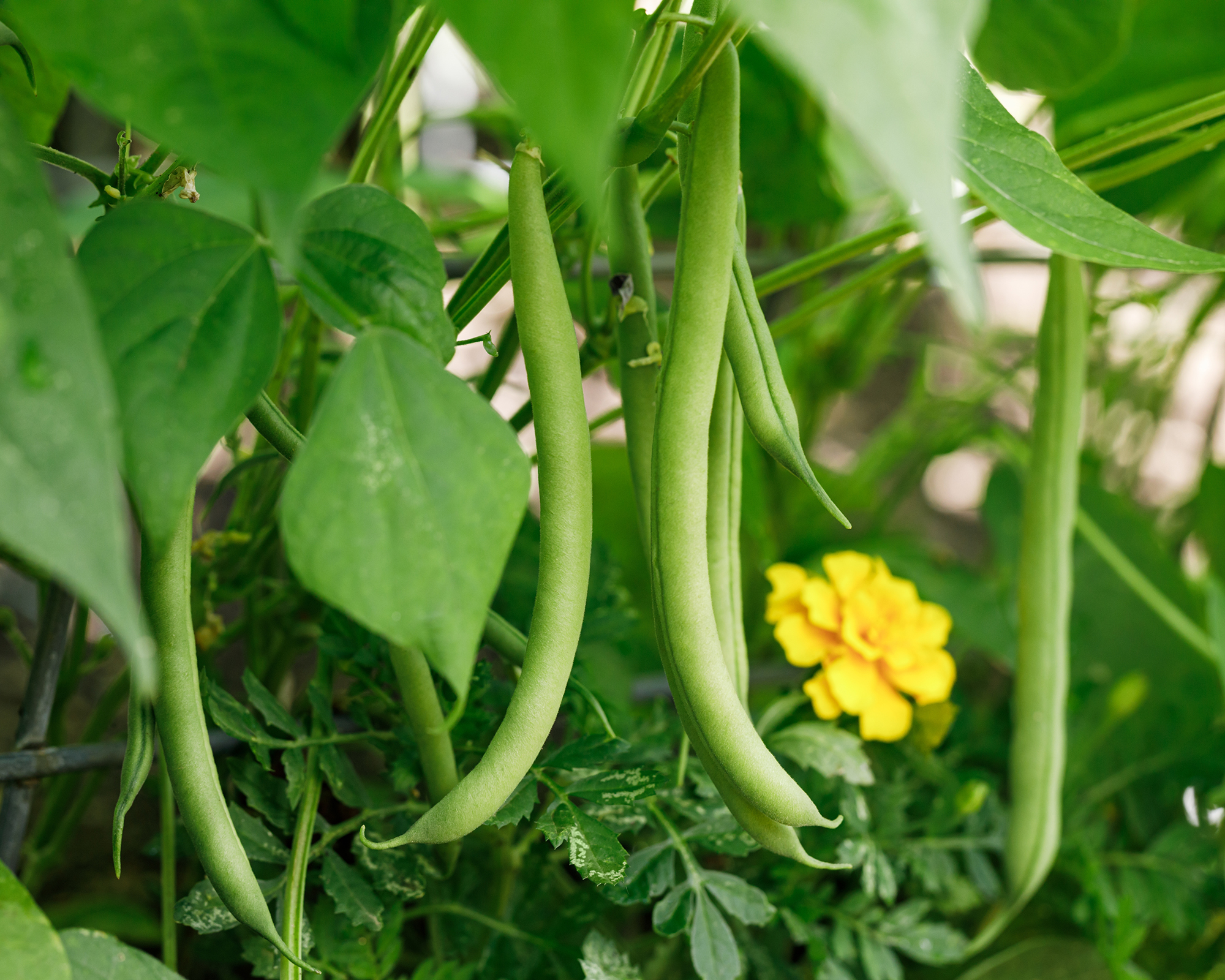
It’s no coincidence that Jack’s fast-growing crop was a beanstalk. If you’re after something that takes off quickly in May, beans are hard to beat. With soil temperatures reliably above 60°F (16°C), most bean varieties germinate rapidly and evenly. Whether you choose bush or pole types, beans are refreshingly low-maintenance and won’t demand constant attention.
Jack may have planted pole beans, but I tend to favor bush varieties, which stand neatly on their own without the need for trellising. That said, pole beans will reward you with a longer harvest period – something to consider if space allows. Like most summer crops, beans need full sun, well-drained soil, and consistent moisture. Avoid waterlogged ground, though – beans dislike “wet feet” and can quickly struggle in poorly drained soil.
From sowing to harvest typically takes around 45–60 days, depending on the variety and conditions. Pods are ready when they feel firm and snap cleanly from the plant. Pick regularly – every couple of days at peak production – to encourage the plant to keep flowering and producing new pods.
Bean Seed Picks
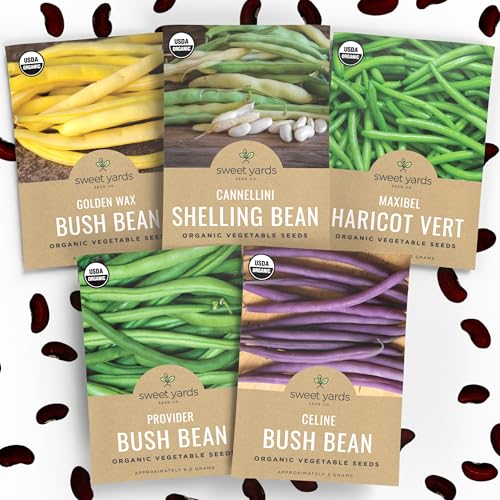
Sweet Yards Organic Bean Seeds Variety Pack
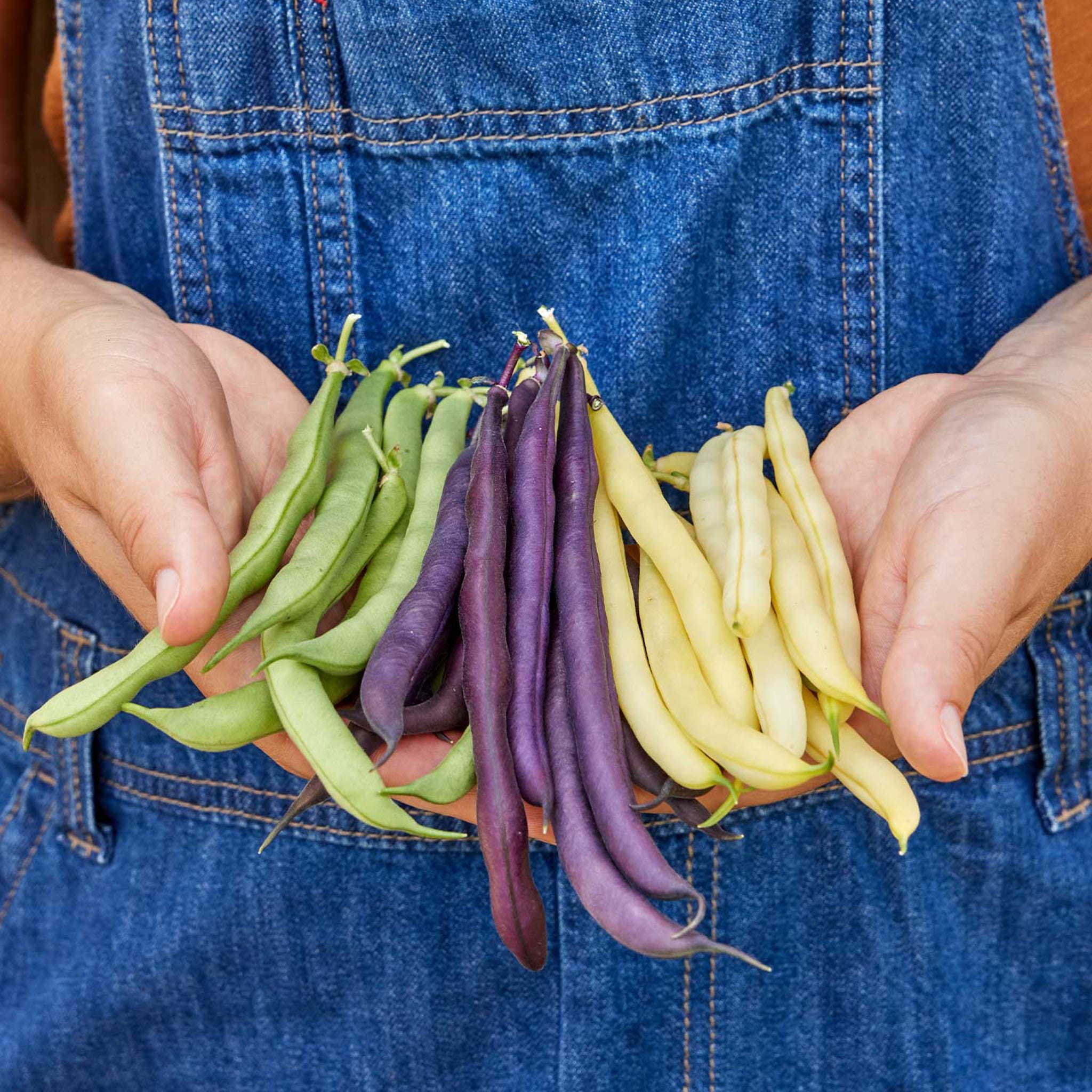
Three Color Blend Bean Seeds
Kentucky Wonder Pole Bean Seeds
2. Cucumbers
(Image credit: Shutterstock)
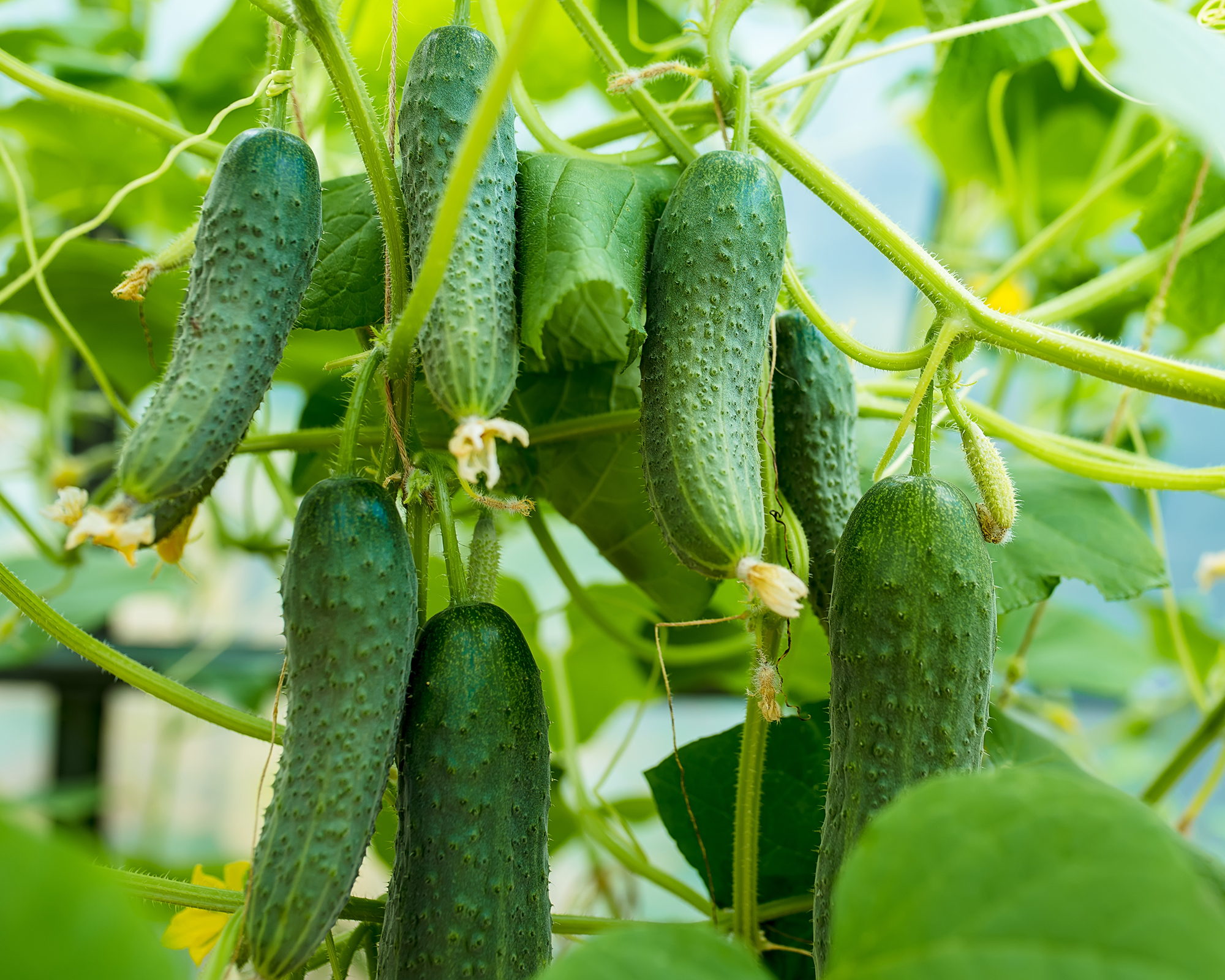
Has your region seen its last spring frost? If so, May is your cue to plant cucumbers. These vigorous climbers thrive in warm soil – ideally above 65°F (18°C) – and a full-sun position. Well-drained soil is essential, and consistent, even watering will prevent bitterness and misshapen fruit.
For best results, sow seeds at the base of a vegetable trellis or support. As they germinate and grow, the vines will naturally climb, keeping fruit off the ground, improving air circulation, and reducing the risk of disease. It also makes harvesting far easier – no rummaging through foliage to find hidden fruit.
Most cucumber varieties are ready to harvest in about 50–70 days. Pick cucumbers while they’re still young and tender, before seeds fully develop. And, as with beans, frequent harvesting encourages the plant to keep producing rather than slowing down.
Cucumber Seed Picks
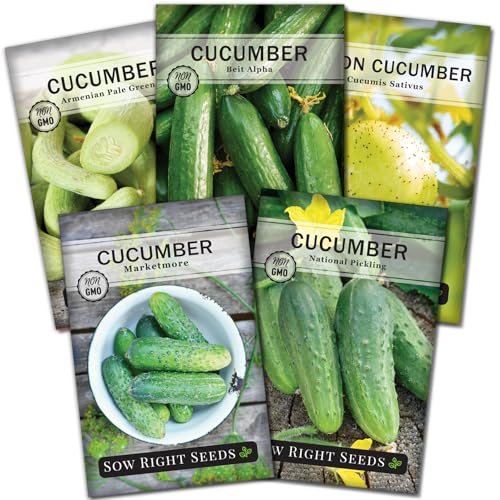
Sow Right Seeds Cucumber Seed Collection
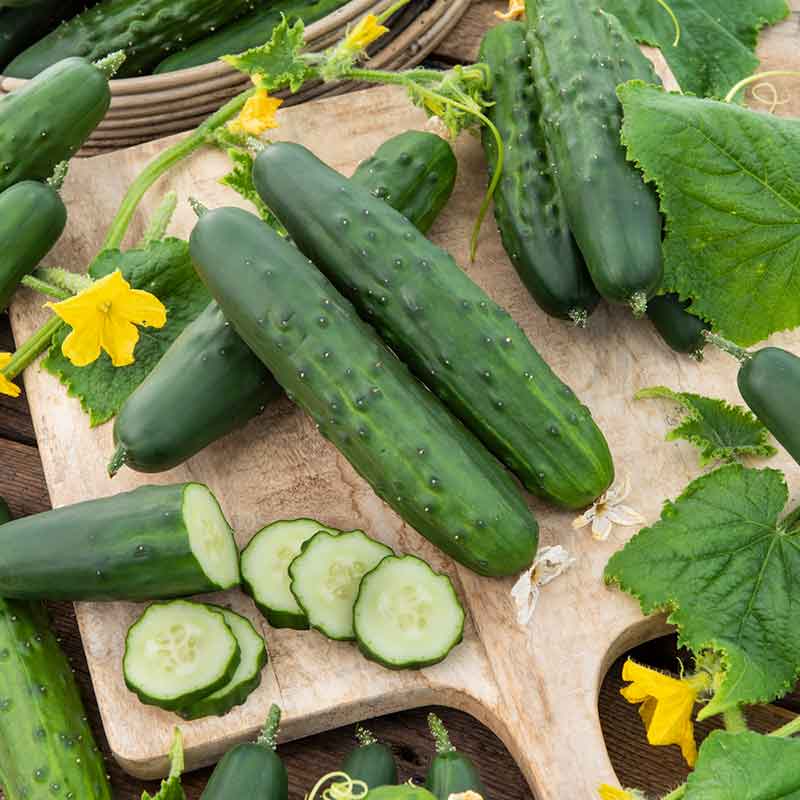
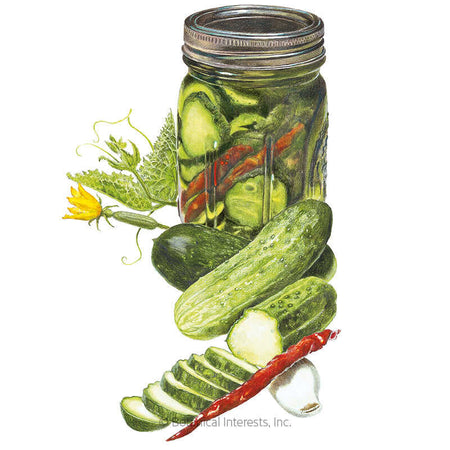
Homemade Pickles Cucumber Seeds
3. Carrots
(Image credit: Getty Images)
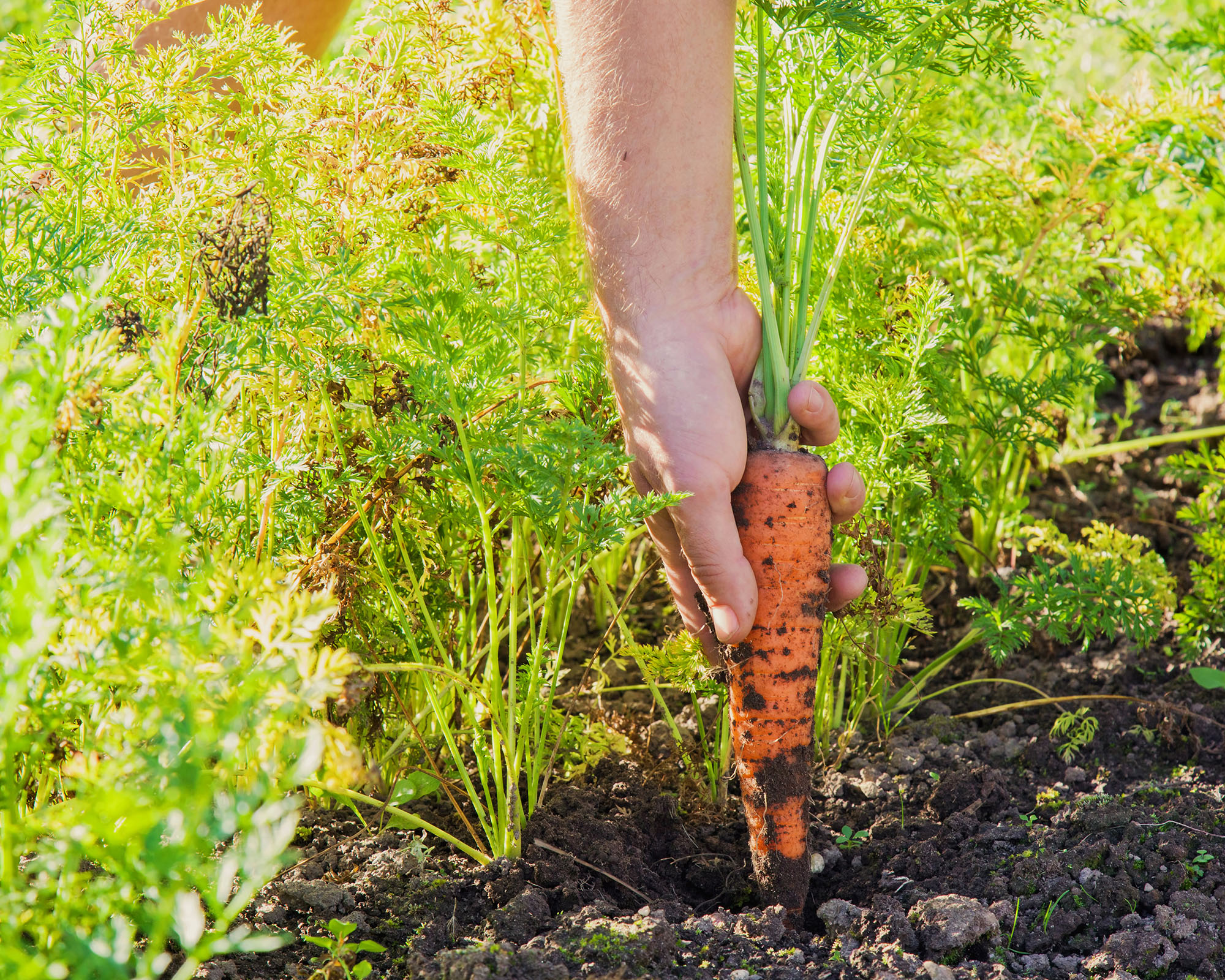
Bugs Bunny may be their most famous fan, but I’m right there with him. Crunchy, bright, and full of flavor, homegrown carrots are noticeably sweeter when grown well – and May is an excellent time to sow them.
For straight, well-formed roots, focus on the soil as much as the seed. Carrots prefer light, sandy, stone-free ground that allows roots to grow without obstruction. Full sun – at least 6 hours a day – and consistent moisture will keep them developing steadily. Avoid letting the soil dry out, especially during germination, which can take 10–20 days.
Sow seeds thinly and evenly, then thin seedlings early to prevent crowding, which leads to misshapen roots. Most varieties are ready in about 60–75 days, though you can begin harvesting earlier if you prefer smaller, more tender carrots.
And don’t wait for them to bulk up too much – smaller carrots are often sweeter, more delicate, and far better on the plate.
Carrot Seed Picks
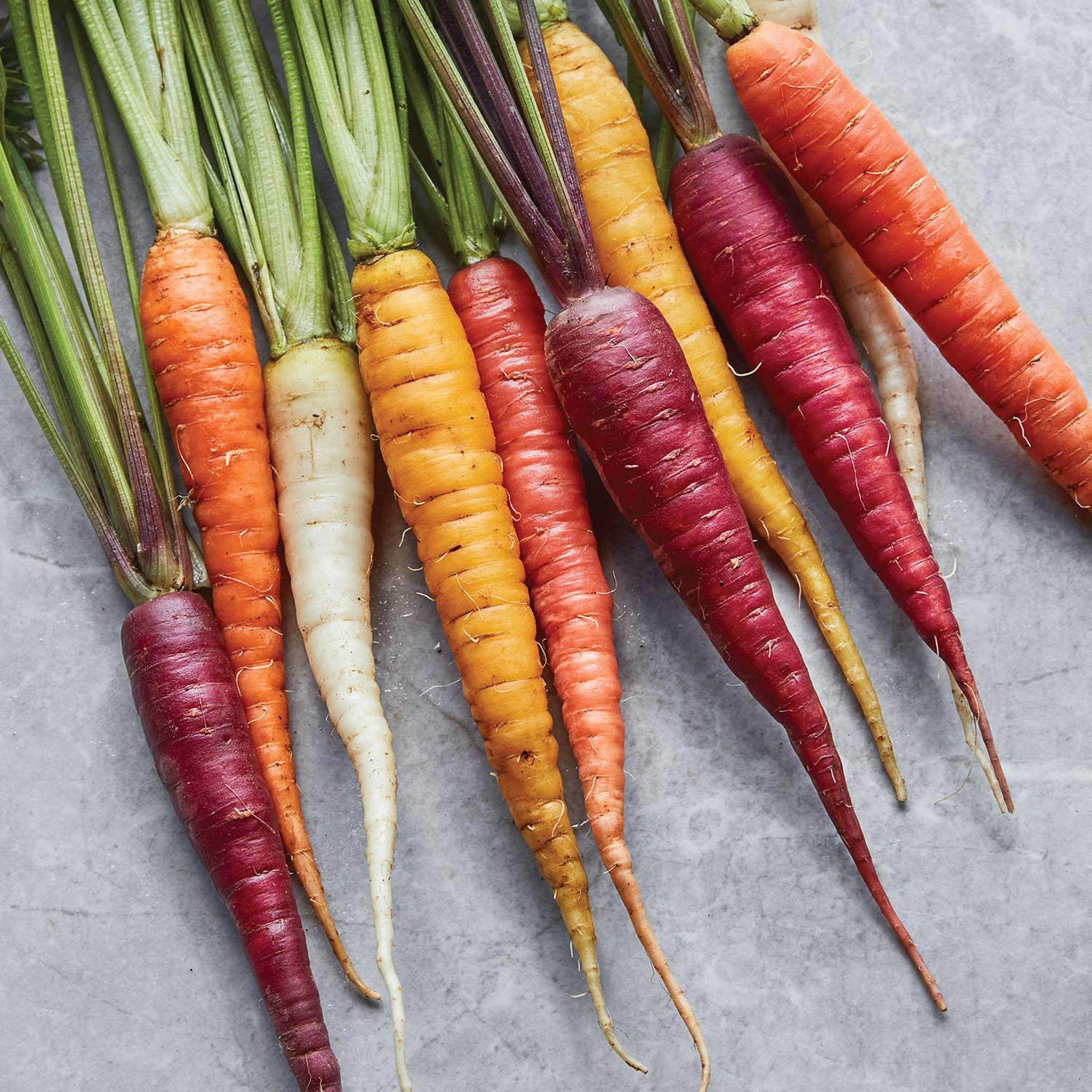
Kaleidoscope Blend Carrot Seeds
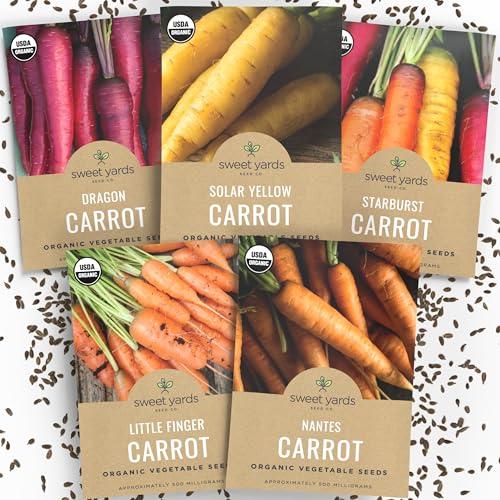
Sweet Yards Organic Carrot Seeds Variety Pack
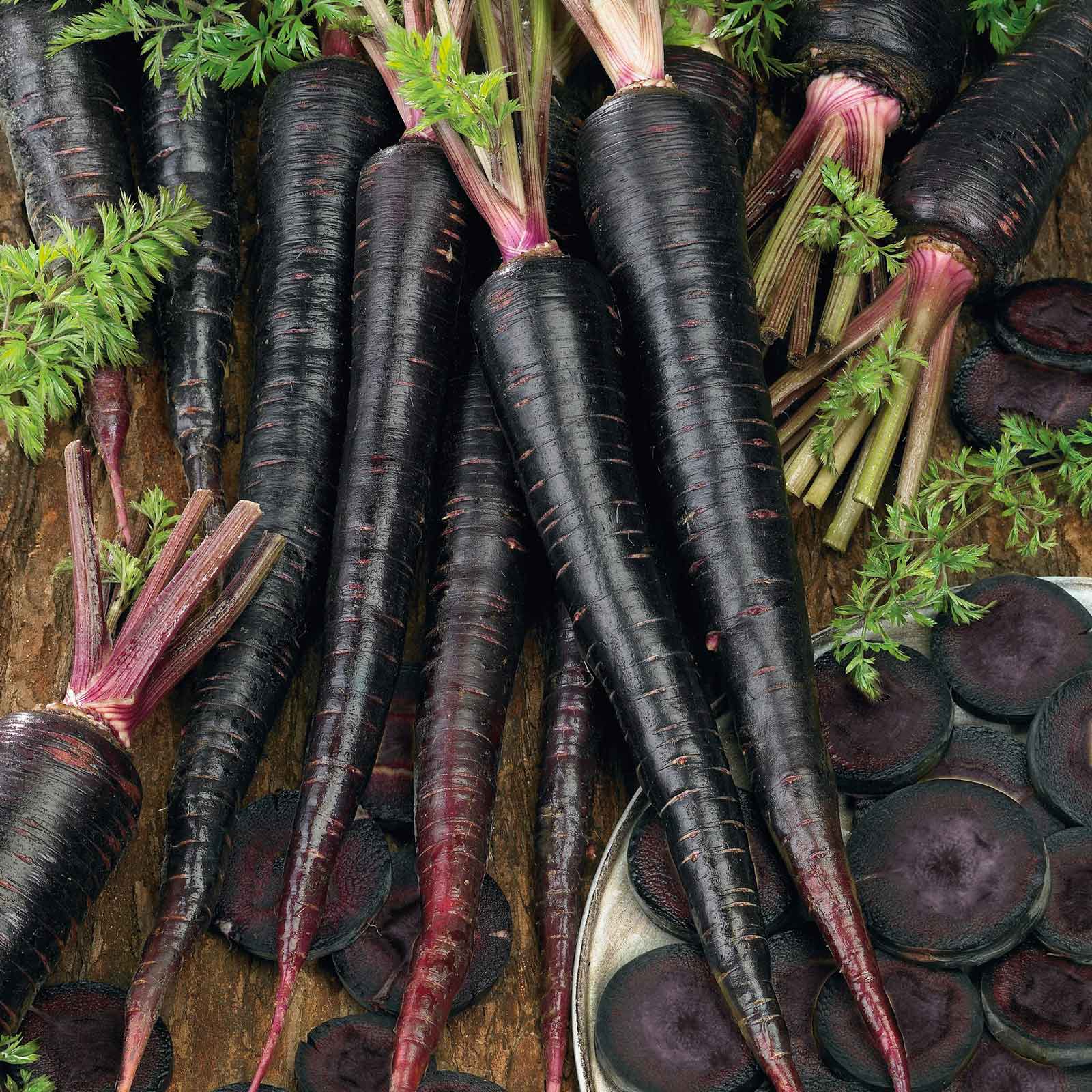
Black Nebula Carrot Seeds
4. Tomatoes
(Image credit: Shutterstock)
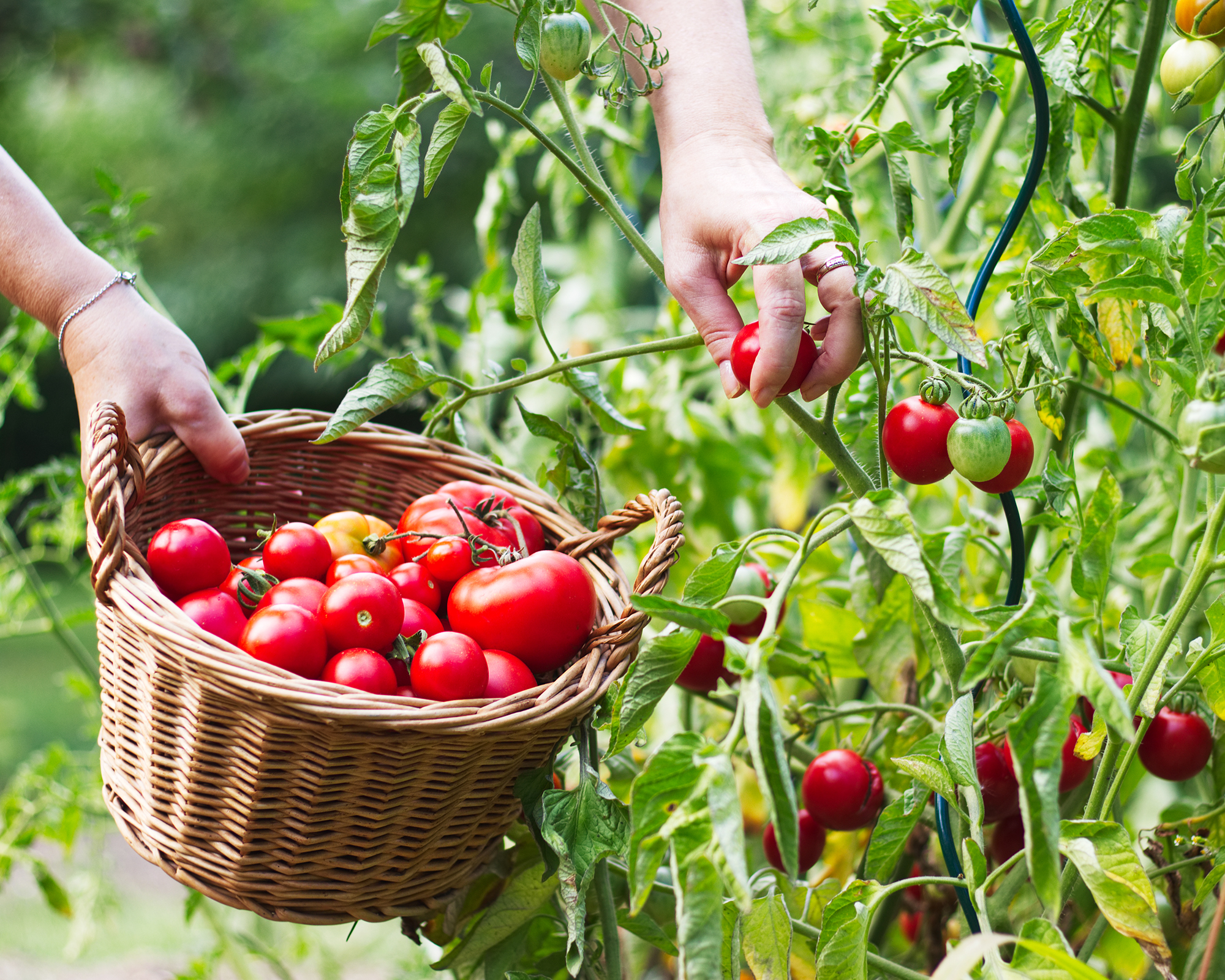
If there’s a belle of the ball in the vegetable garden, tomatoes win hands down. These heat-loving plants are arguably the most anticipated crop of the May planting season. They thrive in full sun – ideally 8 hours a day or more – and need consistently warm soil, at least 60°F (16°C), to establish and grow well.
Support is essential for tomatoes. Whether you use cages, stakes, or trellises, giving plants structure early prevents stems from snapping under the weight of developing fruit and keeps growth orderly and accessible.
You may be enjoying your first vine-ripened tomatoes in as little as 60 days, though many varieties take closer to 70–85 days to reach full production. For the best flavor, allow fruits to ripen fully on the vine, developing rich color and a slight softness to the touch.
Harvest regularly as fruits ripen – not only for peak taste, but to encourage the plant to keep flowering and setting more fruit throughout the season.
Tomato Seed Picks
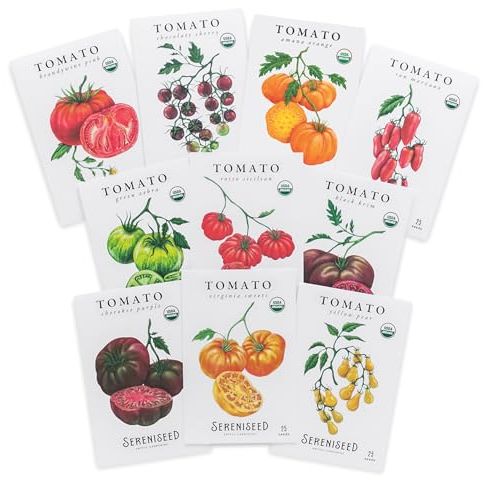
Sereniseed Certified Organic Tomato Seeds (10-Pack)
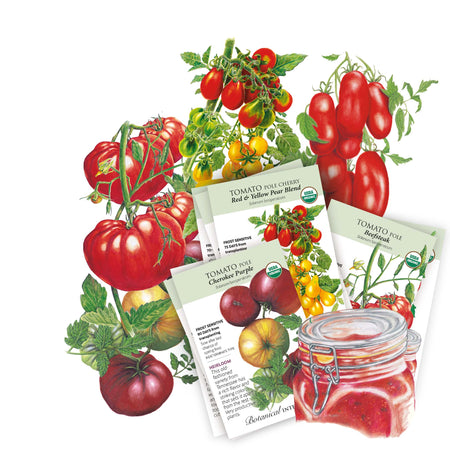
Heirloom Tomato Seed Bundles
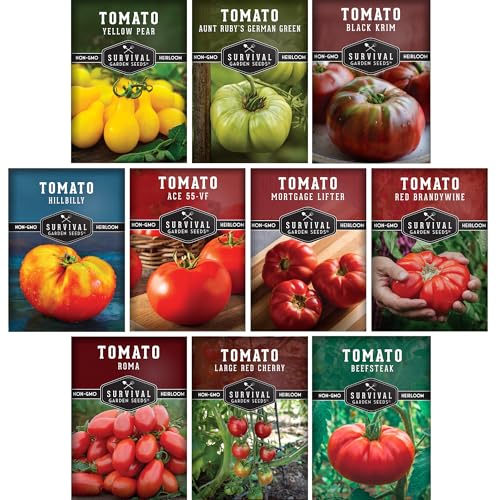
Survival Garden Seeds Tomato Seeds 10 Variety Pack
5. Corn
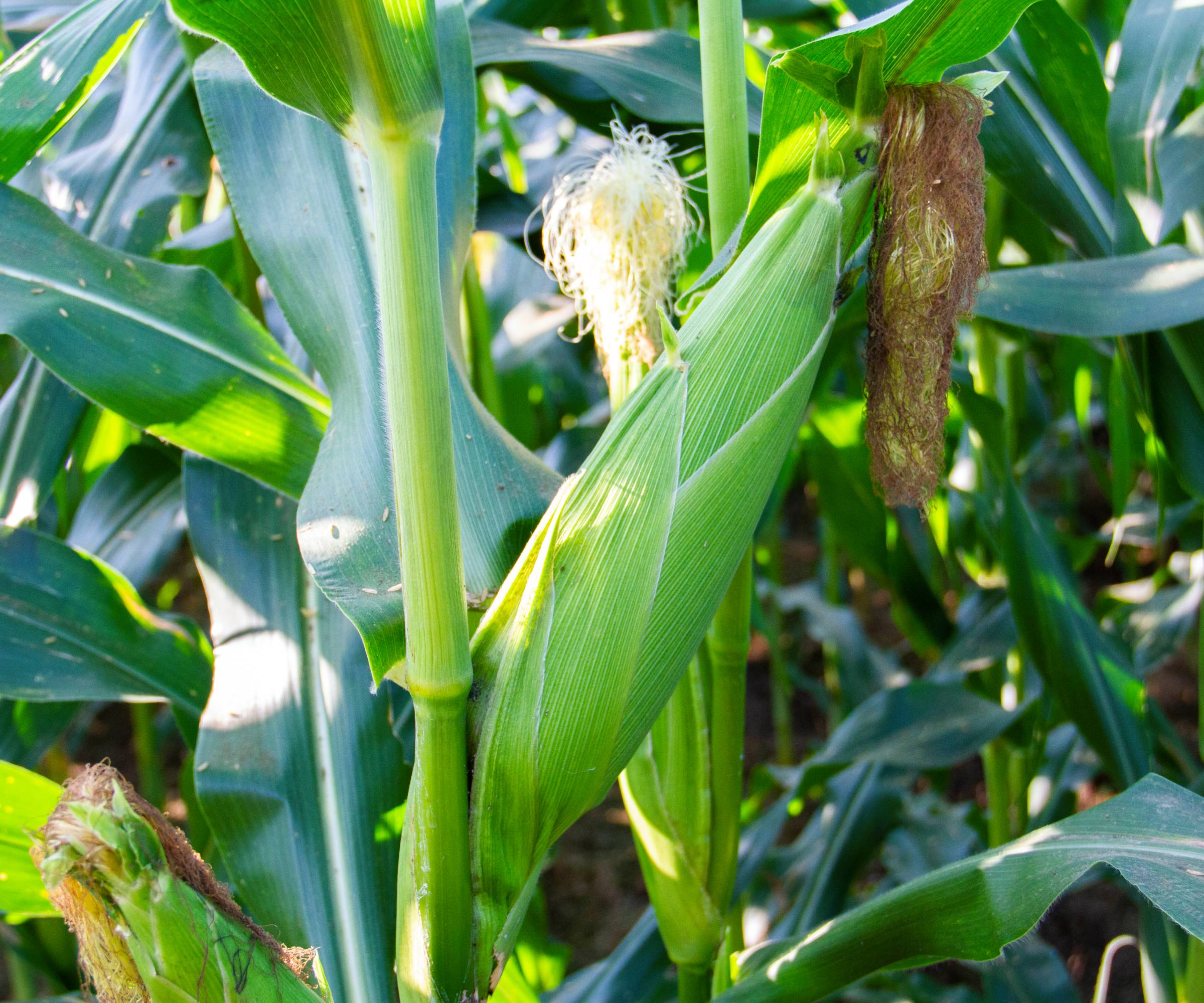
(Image credit: Chanerin Daopad / Getty Images)
Will your corn grow as high as an elephant’s eye? It just might – if you plant at the right time and give it the warmth it craves. May is ideal for sowing, once soil temperatures reach at least 60°F (16°C). Corn thrives in full sun – a full day of direct light is best – along with well-drained soil.
Patience is part of the deal. Most corn varieties take 70–100 days to reach harvest. Watch for the silks to turn brown and dry, and check that the ears feel plump, full, and heavy in the hand. A quick test – peel back a little husk and press a kernel; if it releases a milky juice, it’s ready to pick.
Corn relies on wind for pollination, and this is where many gardeners go wrong. Rather than planting in long single rows, sow corn in short blocks to improve pollination and ensure full, well-filled ears. Give each plant enough space to develop tall, sturdy stalks.
Water is especially important during tasseling and ear formation – dry conditions at this stage can lead to poorly filled cobs. Keep soil consistently moist, and you’ll be rewarded with sweet, well-developed kernels.
Corn Seed Picks
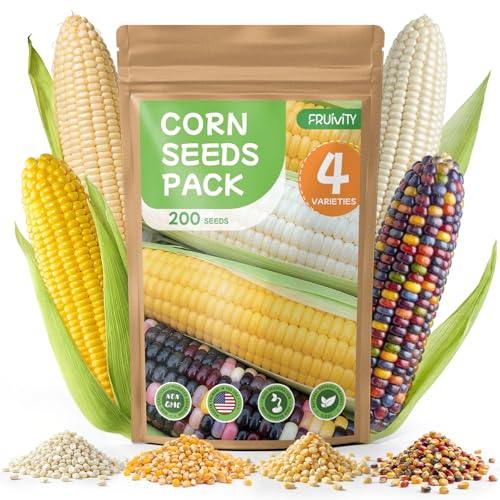
Fruivity 4 Corn Seeds Variety Pack
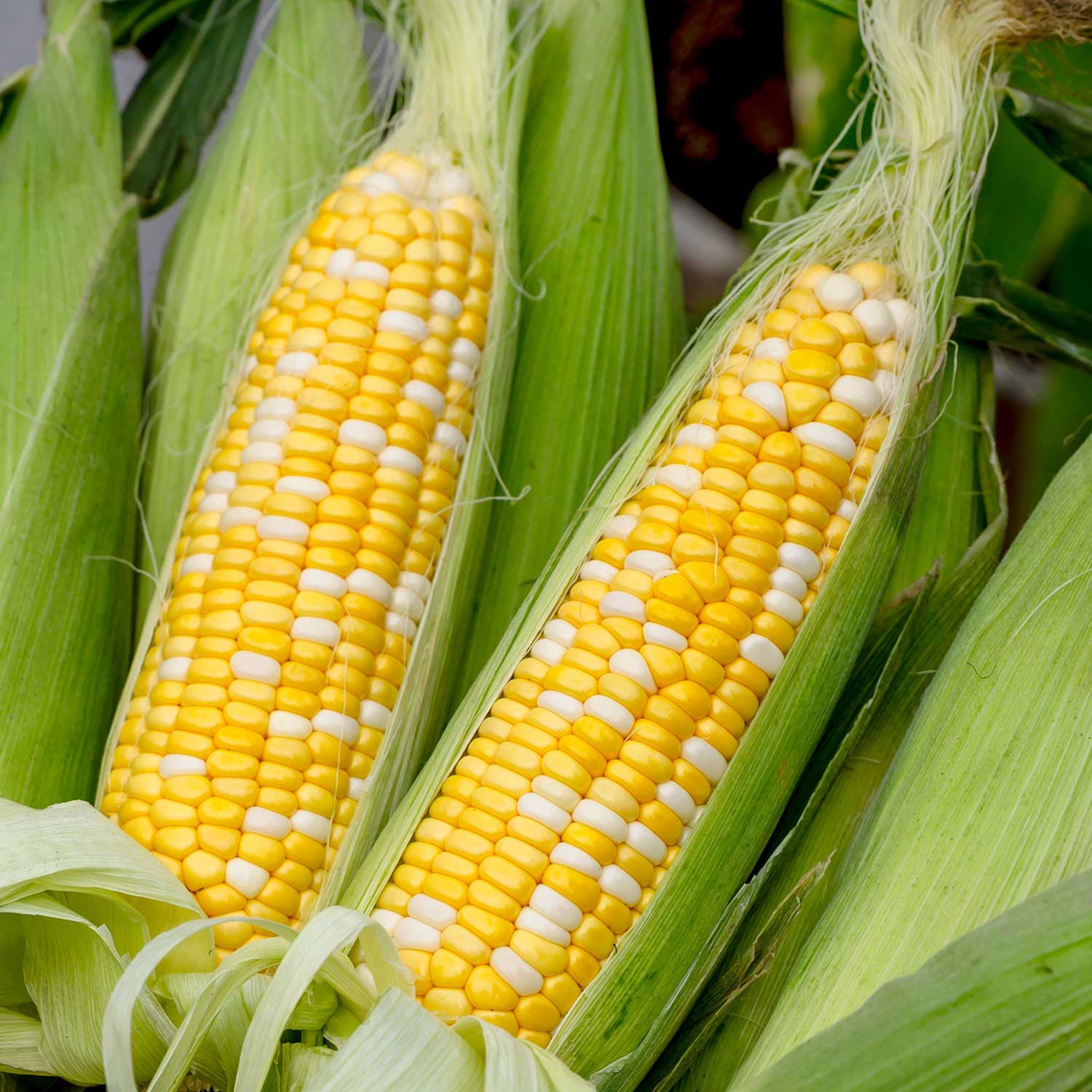
On Deck Corn Seeds – Suitable for Container Growing
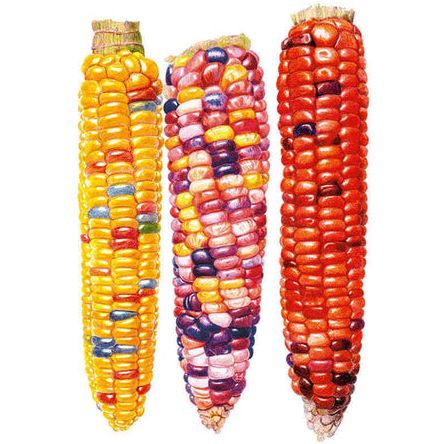
Painted Hill Sweet Corn Seeds
6. Summer Squash
(Image credit: olejx / Getty Images)
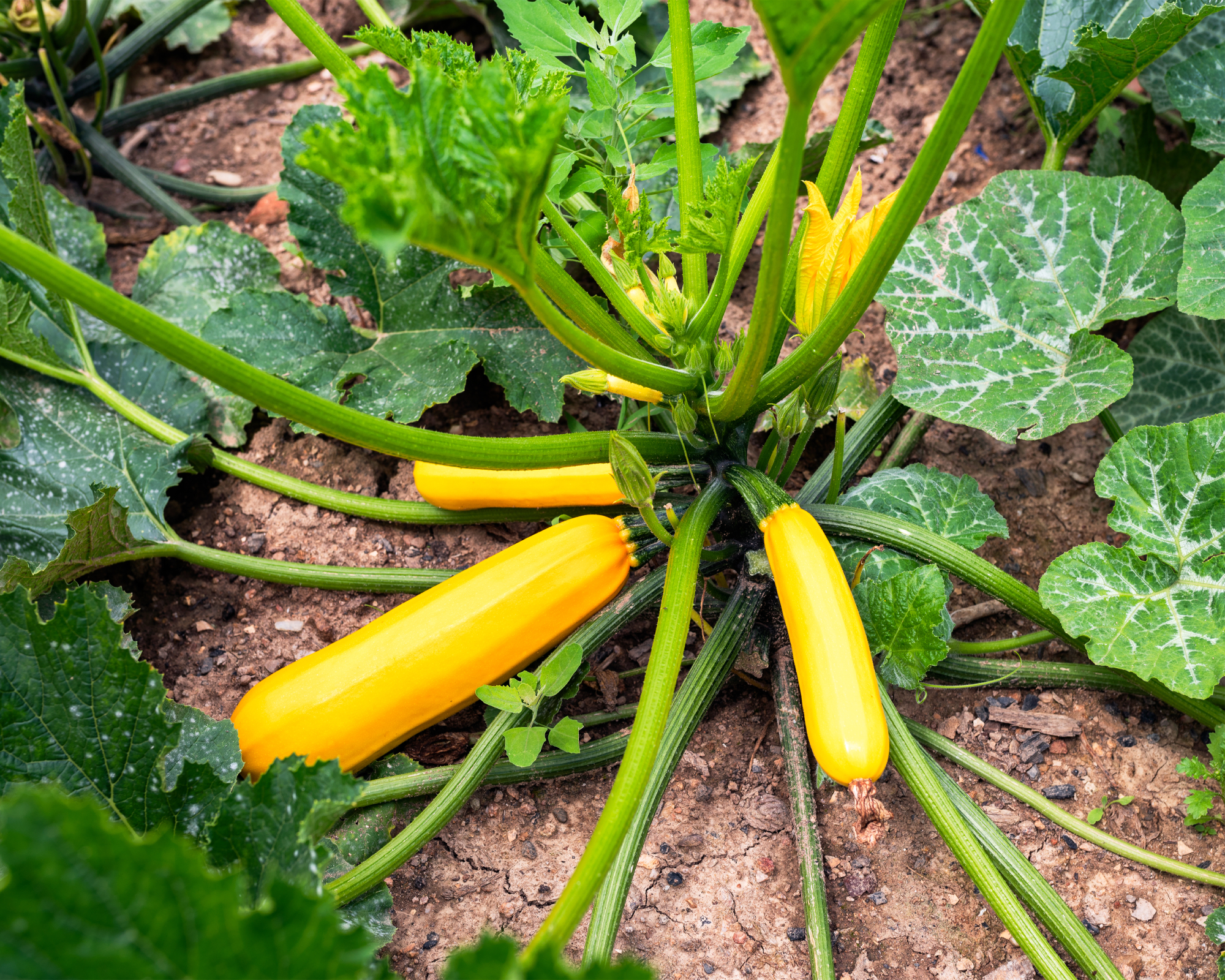
Summer squash thrives on warmth, and May provides the ideal conditions to get it started. Popular types include zucchini (courgette), yellow crookneck, and straightneck squash – all fast-growing and highly productive. Wait until soil temperatures are at least 60°F (16°C), as cold soil will slow growth and leave plants vulnerable.
Choose a sunny, open position – at least 6 hours of direct sunlight, though 8 or more is better – and plant into rich, well-drained soil. Incorporating compost before planting will fuel the plant’s rapid growth and heavy yields.
These plants spread generously, so space them well apart to allow for airflow and easy access. Good spacing helps prevent common issues like powdery mildew, which thrives in crowded, humid conditions. Water consistently, directing moisture to the base of the plant to avoid wetting the leaves.
Flowers play a crucial role here – squash produces separate male and female blooms, and pollination is essential for fruit to develop. Female flowers can be identified by the small swelling (the immature fruit) behind the bloom. If pollinators are scarce, you may need to hand-pollinate to ensure a good crop.
Harvest begins in 45–60 days, but timing is everything. Pick fruits when they are small and tender – typically 6–8 in (15–20 cm) long – for the best flavor and texture. Zucchini, in particular, are at their finest before they get too large. Left too long, they become watery, seedy, and signal the plant to slow production.
Pick frequently – often every day at peak season – and you’ll be rewarded with a steady, generous supply.
Summer Squash Seed Picks
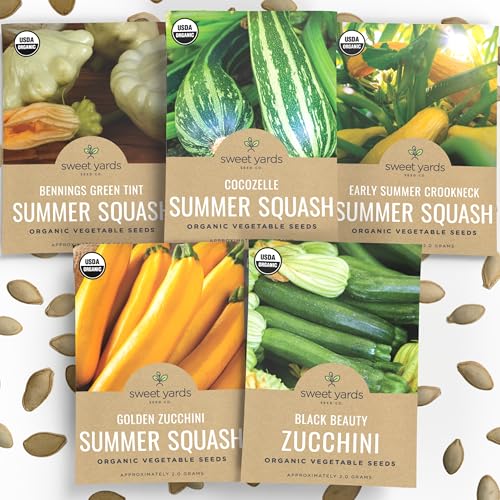
Sweet Yards Organic Summer Squash Seeds Variety Pack of 5
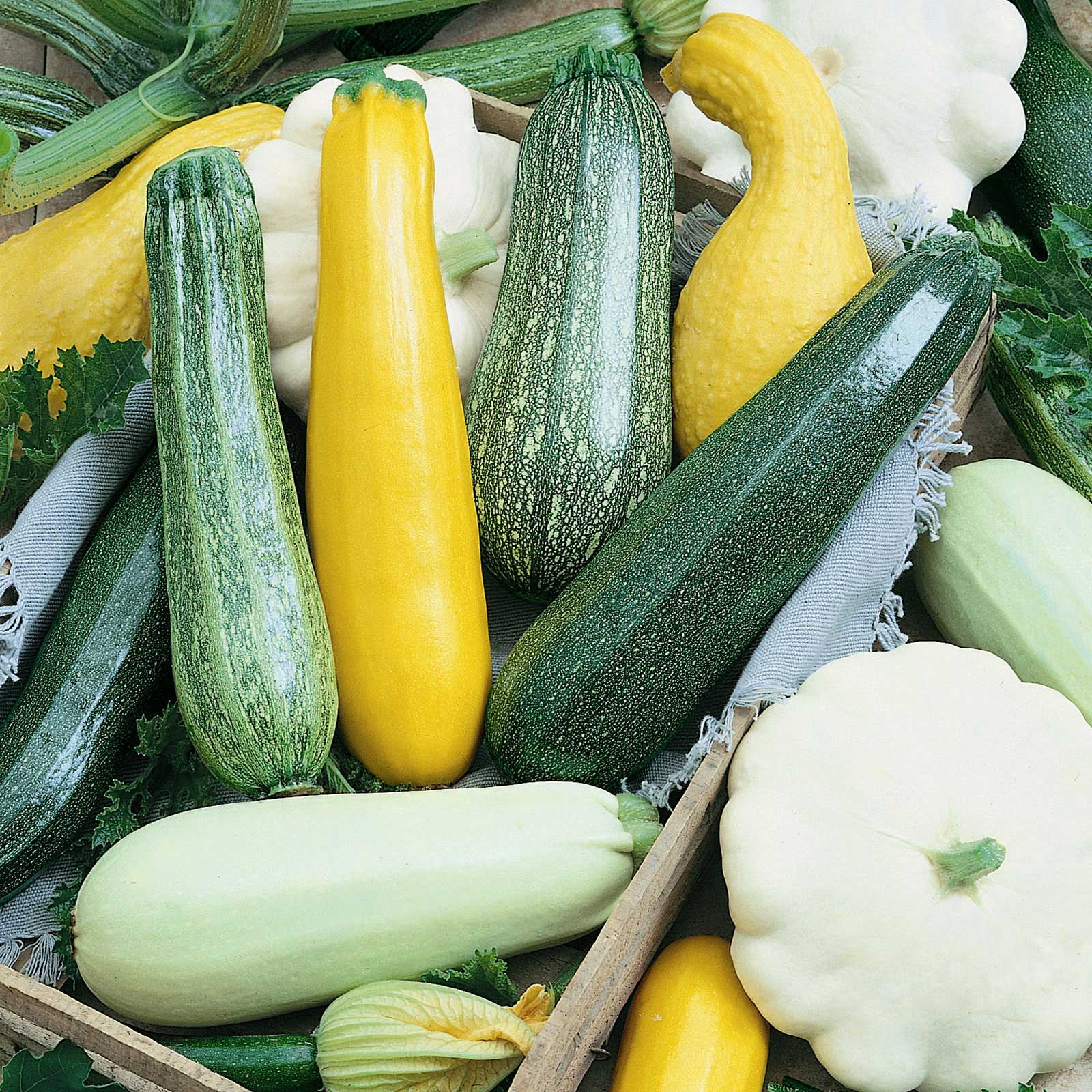
Melody Blend Summer Squash Seeds
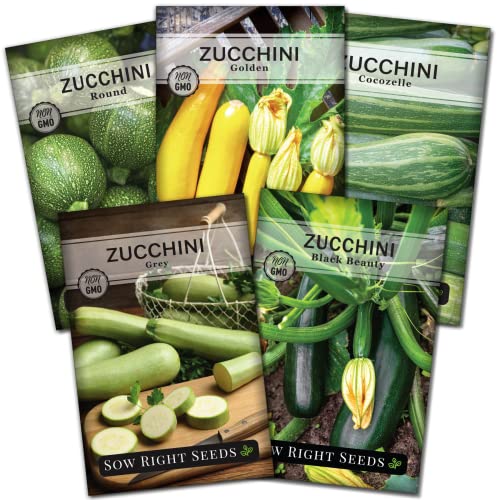
Sow Right Seeds Zucchini Squash Seed Collection
7. Peppers
(Image credit: Tristan Tan / Shutterstock)
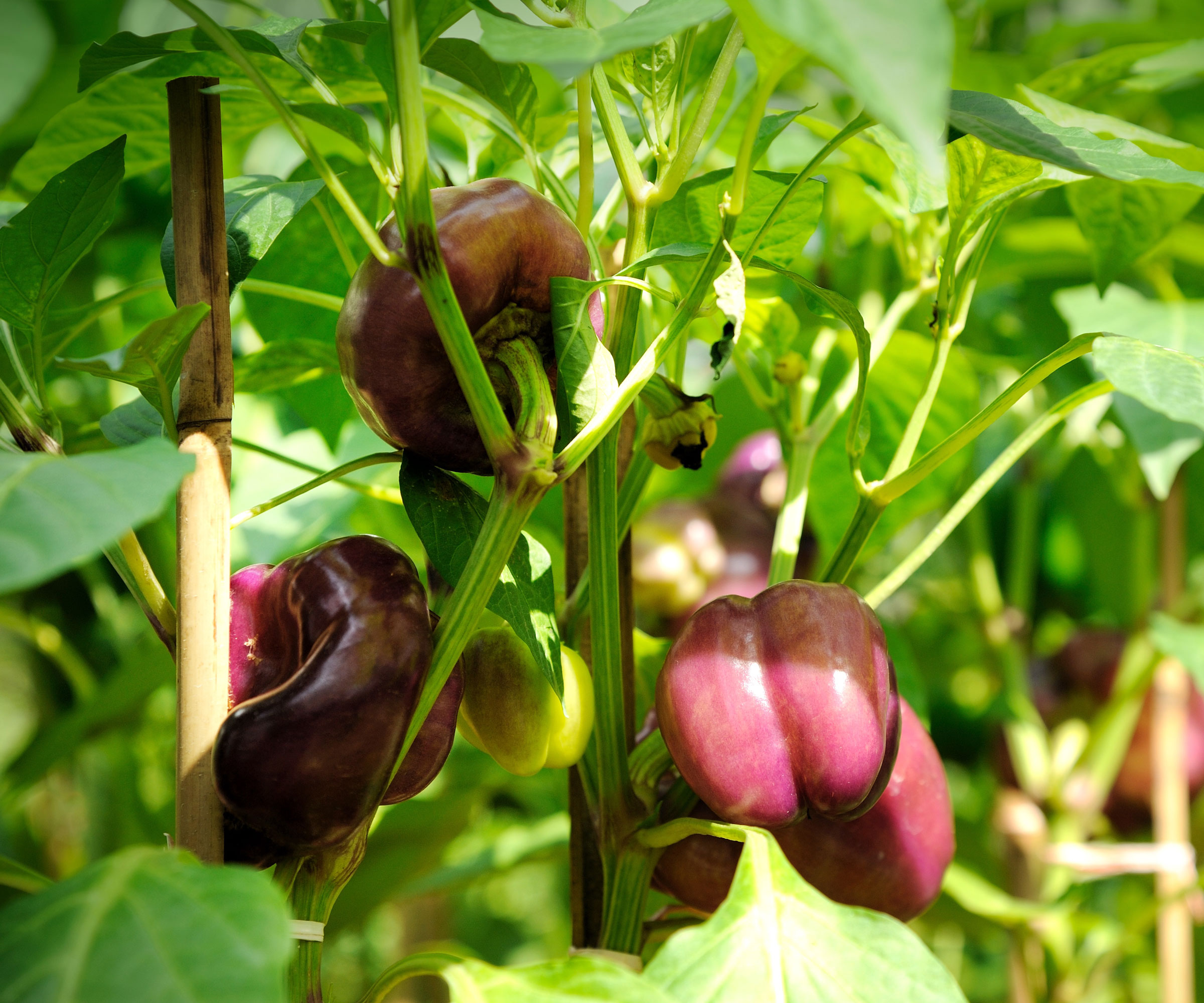
I’m partial to red peppers, but green ones have their place too – crisp, fresh, and full of bite. May is the ideal time to plant both, so it’s worth growing a mix for a longer, more varied harvest. Plant in well-drained soil in full sun – at least 8 hours a day – for the best flavor and fruit development.
Peppers need consistent watering, but take care not to overdo it – soggy soil can lead to root problems and slow growth. Warmth is key here too, with soil temperatures ideally above 65°F (18°C) for strong, steady growth.
For the sweetest, most flavorful peppers, allow them to fully ripen on the plant. Green peppers are simply unripe fruits – given time, many will turn red, yellow, or orange, developing greater sweetness and complexity.
Most varieties take around 60–80 days to mature, with red peppers typically needing the longer end of that range. Once plants begin producing, regular picking will encourage continued flowering and a steady supply of fruit throughout the summer.
Pepper Seed Picks
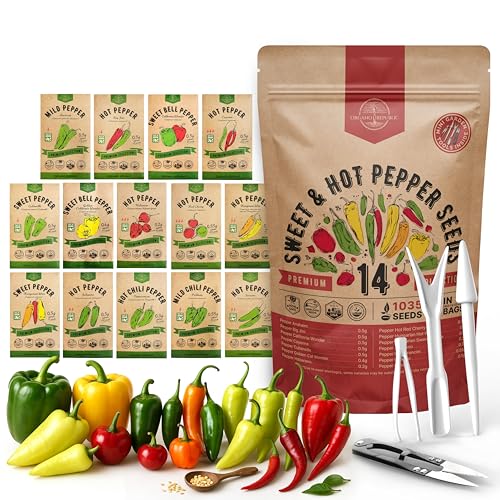
Organo Republic 14 Sweet & Hot Peppers Seeds Variety Pack
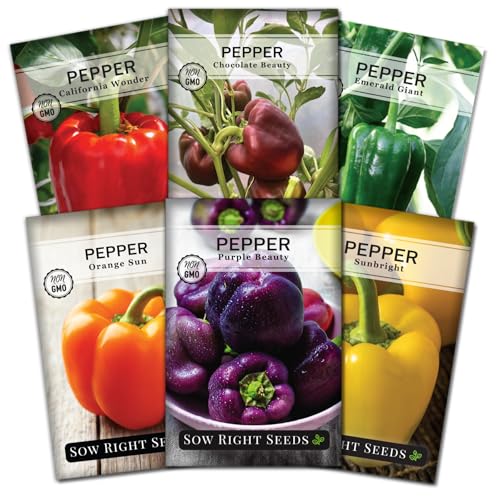
Sow Right Seeds Sweet Bell Pepper Seed Collection
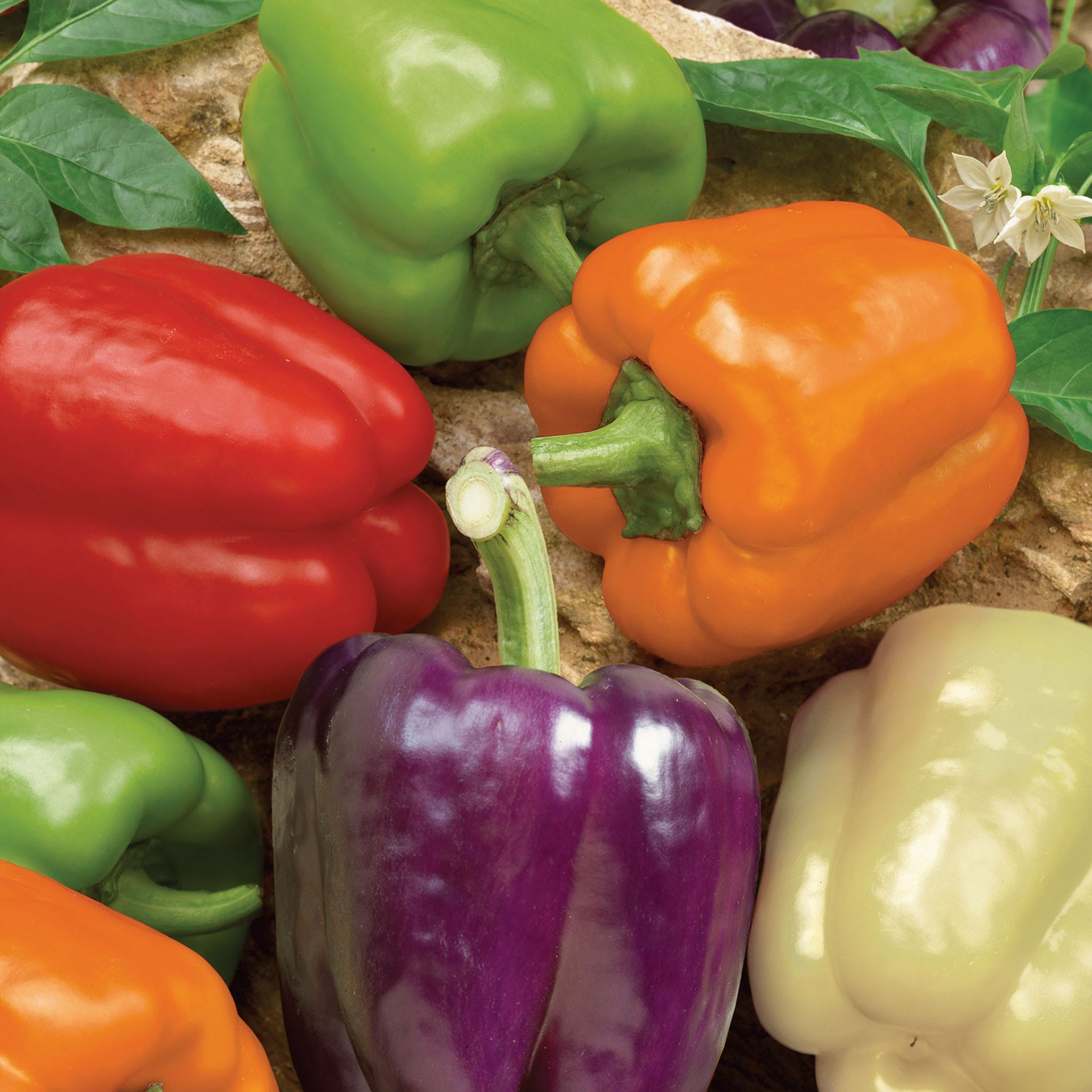
Rainbow Bell Blend Sweet Pepper Seeds
8. Beets
(Image credit: Getty Images)
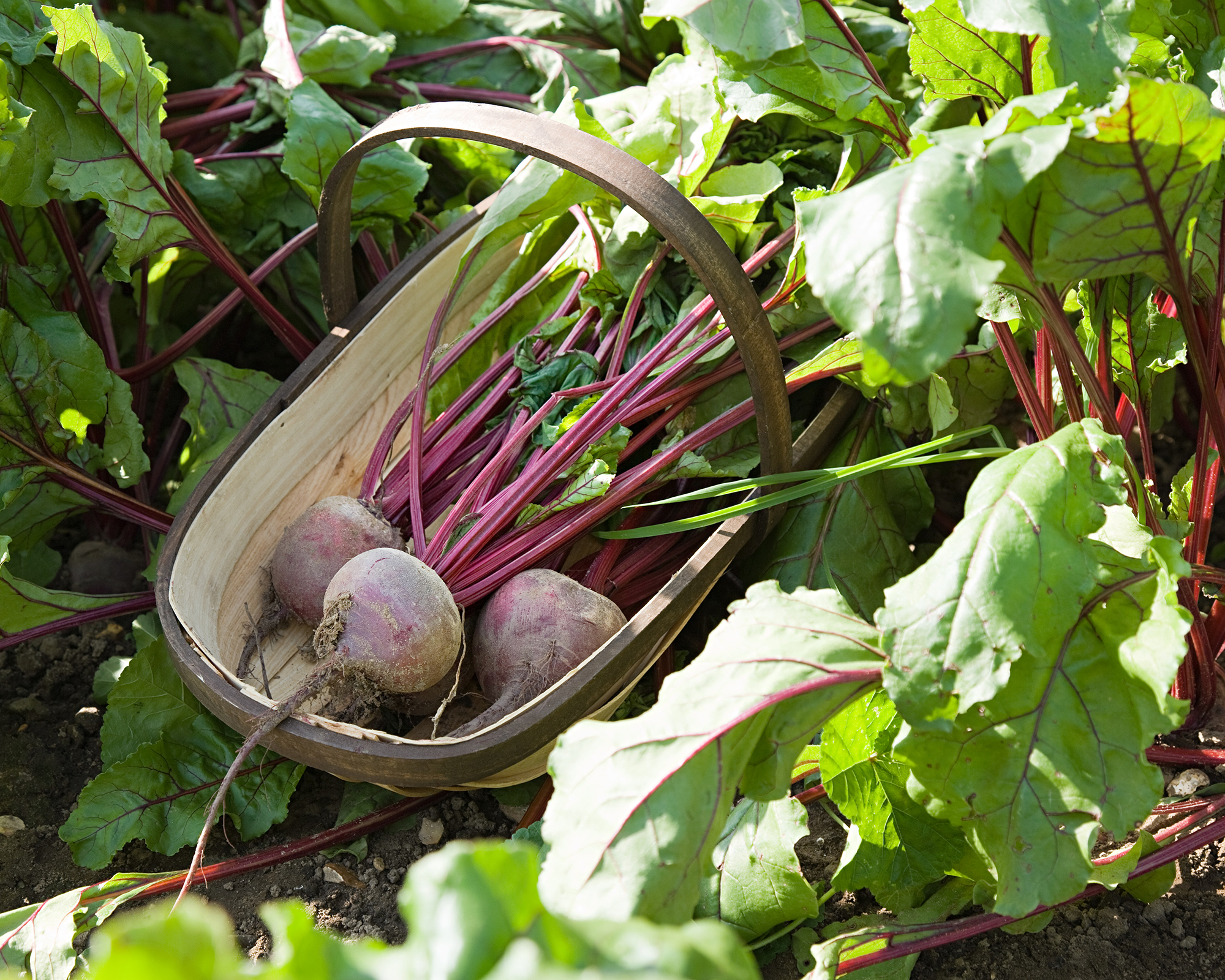
Some people claim not to like beets – but they probably never tried growing them. A well-grown beet is a different creature entirely. Deeply colored, earthy, and naturally sweet, they’re as good roasted as they are in soups or sliced into salads.
Plant beets in May, and you can expect a harvest by mid-summer. They’re quick to establish in warming soil, with most varieties maturing in around 55–70 days. Like many crops, they prefer full sun and well-drained soil, along with consistent moisture to keep roots tender and evenly developed.
Because beets are root vegetables, spacing matters. Sow seeds thinly, then thin seedlings early to avoid overcrowding – each plant needs room below ground to form a proper root. (What looks like a single “seed” is actually a cluster, so multiple seedlings often emerge together.)
Don’t forget the bonus harvest – beet greens are not only edible but excellent, especially when picked young and tender.
Beet Seed Picks
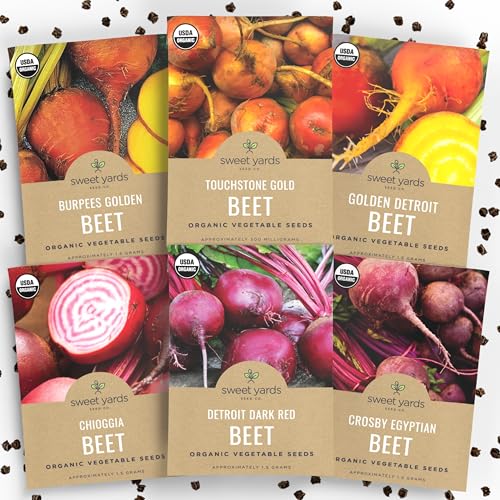
Sweet Yards Organic Beet Seeds Variety Pack of 6
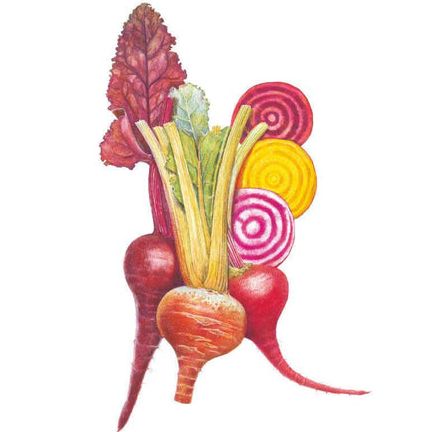
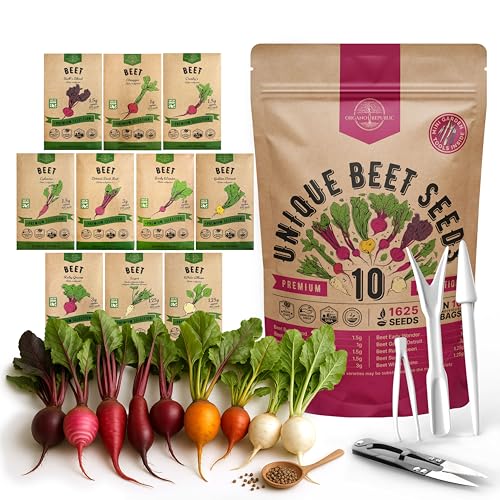
Organo Republic 10 Rare Beet Seeds Variety Pack
Vegetables to Transplant in May
(Image credit: Natalia Bohren / Shutterstock)
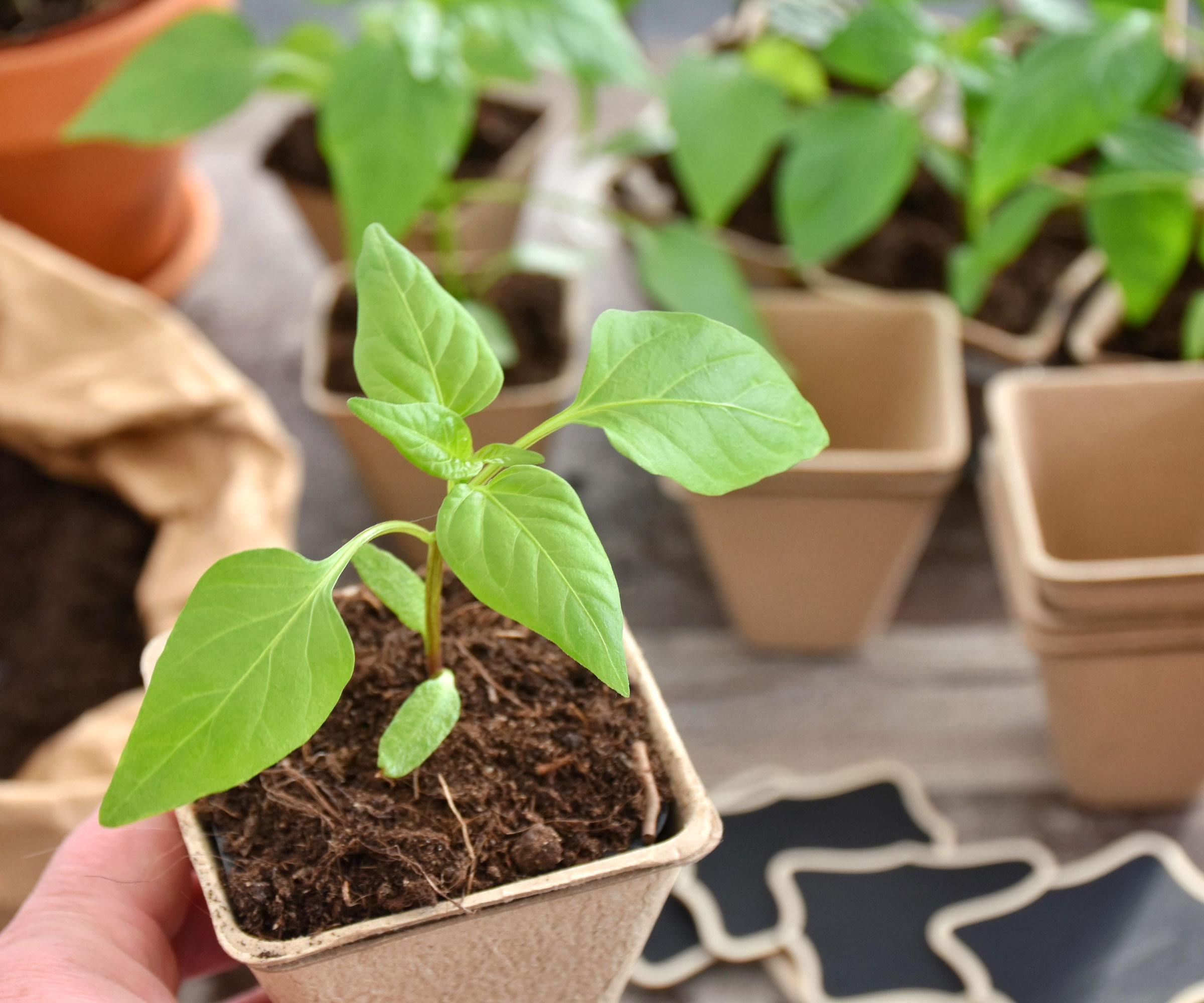
I understand the appeal of buying vegetable transplants – set them in the ground and your garden instantly looks productive. You’re also a step ahead of neighbors who are just sowing seeds. Plant Addicts has a good selection to order for home delivery.
That said, transplants come at a cost. They’re more expensive than seeds, and you miss out on the satisfaction of watching seedlings emerge and grow. A good middle ground is to start your own seeds indoors and transplant sturdy young plants into the garden in May, once conditions are right.
Whichever route you take, some crops are particularly well suited to transplanting. Leeks and members of the brassica family – such as cabbage, broccoli, kale, and Brussels sprouts – benefit from an early start and establish well when moved outdoors. These slower-growing vegetables appreciate the head start and will reward you with a more reliable harvest.













 English (US) ·
  French (CA) ·