

There is a little more to the question, “Are hydrangeas perennials?” The simple answer is yes, but it’s not quite that straightforward. Not all hydrangeas are hardy, and some – like gift hydrangeas – will struggle to live outdoors. This is because they are specially raised in carefully controlled greenhouse conditions, where they are forced into bloom and pampered to perfection. The care they receive is almost impossible to replicate in a home garden.
In general, with good hydrangea care, most are perennial in USDA zones 3–9, or equivalent growing zone, provided you choose the right variety and grow it in suitable conditions. But there are a few things you need to consider.
What Makes Hydrangeas Perennial?
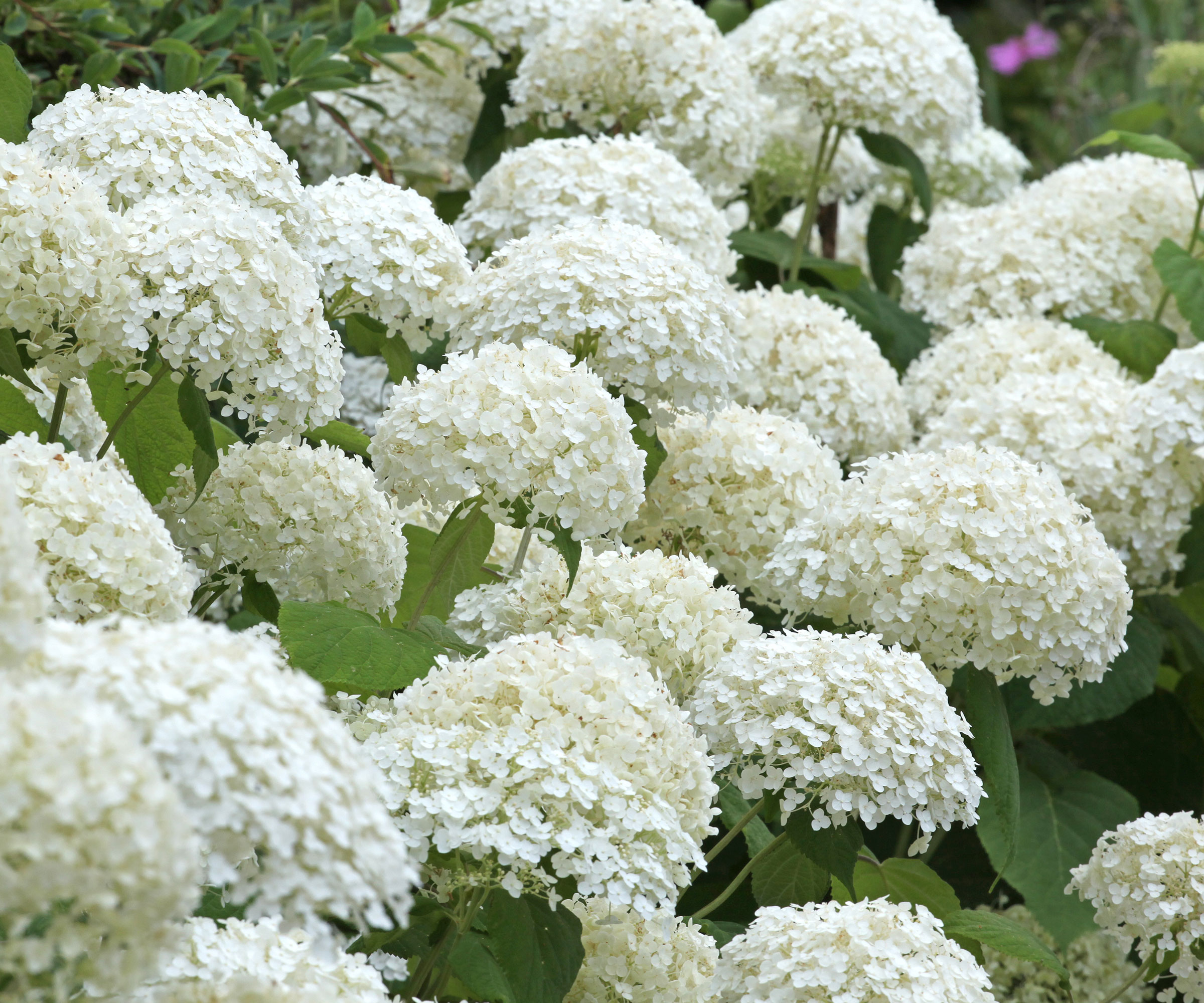
(Image credit: Alex Manders /. Getty Images)
If you are a thrifty gardener who wants to avoid spending money on annual flowering plants, you likely fill your borders with dependable perennial plants.
Article continues below
Most types of hydrangeas are native to temperate regions of Asia, though a couple – smooth and oakleaf hydrangeas – are native to North America, where they are found primarily in the eastern and southeastern United States.
Hydrangeas are considered perennial because their root systems survive year after year, sending up fresh growth each spring. However, that depends on climate and care. Some varieties may be hardy in a particular zone, but a deep freeze can kill the roots, resulting in a plant that fails to leaf out come spring. I know – it’s happened to me.
Check the Hardiness Zone
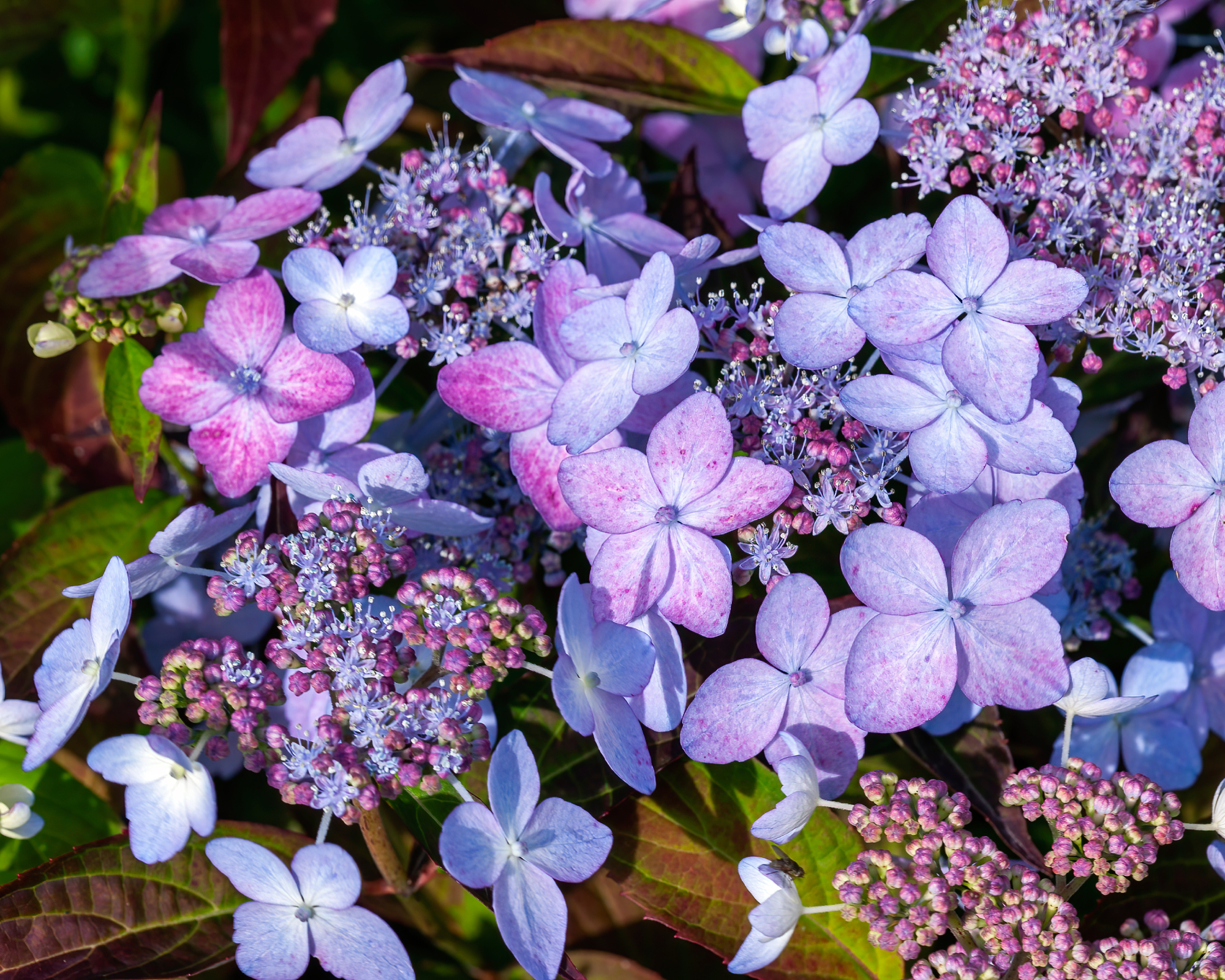
(Image credit: TonyBaggett / Getty Images)
The hardiness zones the USDA lists for hydrangeas are a useful guide, not a guarantee, and each species has its own specific tolerances. Oakleaf and mophead hydrangeas are generally hardy in USDA zones 5–9, while smooth and panicle hydrangeas can survive down to zone 3. Climbing hydrangeas thrive in zones 4–7, occasionally 8, while mountain hydrangeas are typically hardy in zones 6–9.
The sneaky thing is that every garden has its own microclimate. If your zone is listed as 6 on the USDA map, that doesn’t account for whether you are near the coast, in the mountains, or out on the plains. It also doesn’t factor in those once-in-a-lifetime cold snaps or periods of drought.
Hydrangeas are perennial plants because their roots can survive year to year, but hardiness plays a huge role in whether they return reliably. Plants that bloom on old wood, like mophead hydrangeas, may be hardy to a zone but still lose their flower buds to late cold snaps. In fact, even though mopheads are usually rated for zones 5–9, they can die back to the ground in winter, especially in colder regions.
So, hardiness zones are a starting point, not the final word. For the best results, check with your local extension office or a trusted garden center to find varieties that will truly thrive in your specific conditions.
Easy-Care Hydrangeas
 Zones 3–9
Proven Winners Colorchoice Limelight Panicle Hydrangea
A hardy, drought-tolerant shrub that delivers long-lasting blooms that shift from green to rich pinks and burgundy from summer into fall – perfect for hedges, borders, and cut flowers.
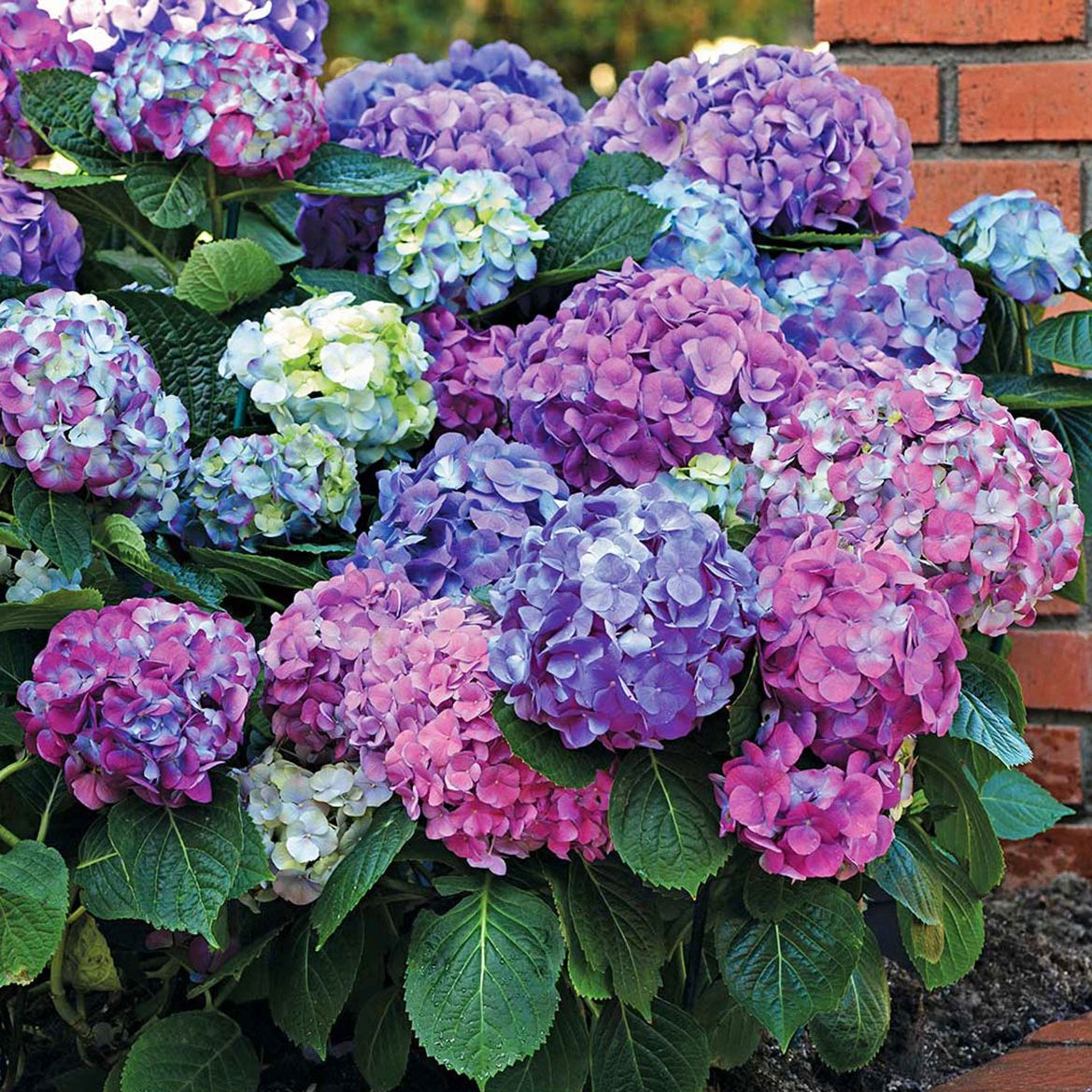 Zones 5–10
LA Dreaming Mophead Hydrangea
A hardy, low-maintenance hydrangea with color-shifting blooms in shades of blue, pink, and purple, bringing long-lasting beauty and pollinator appeal to any garden.
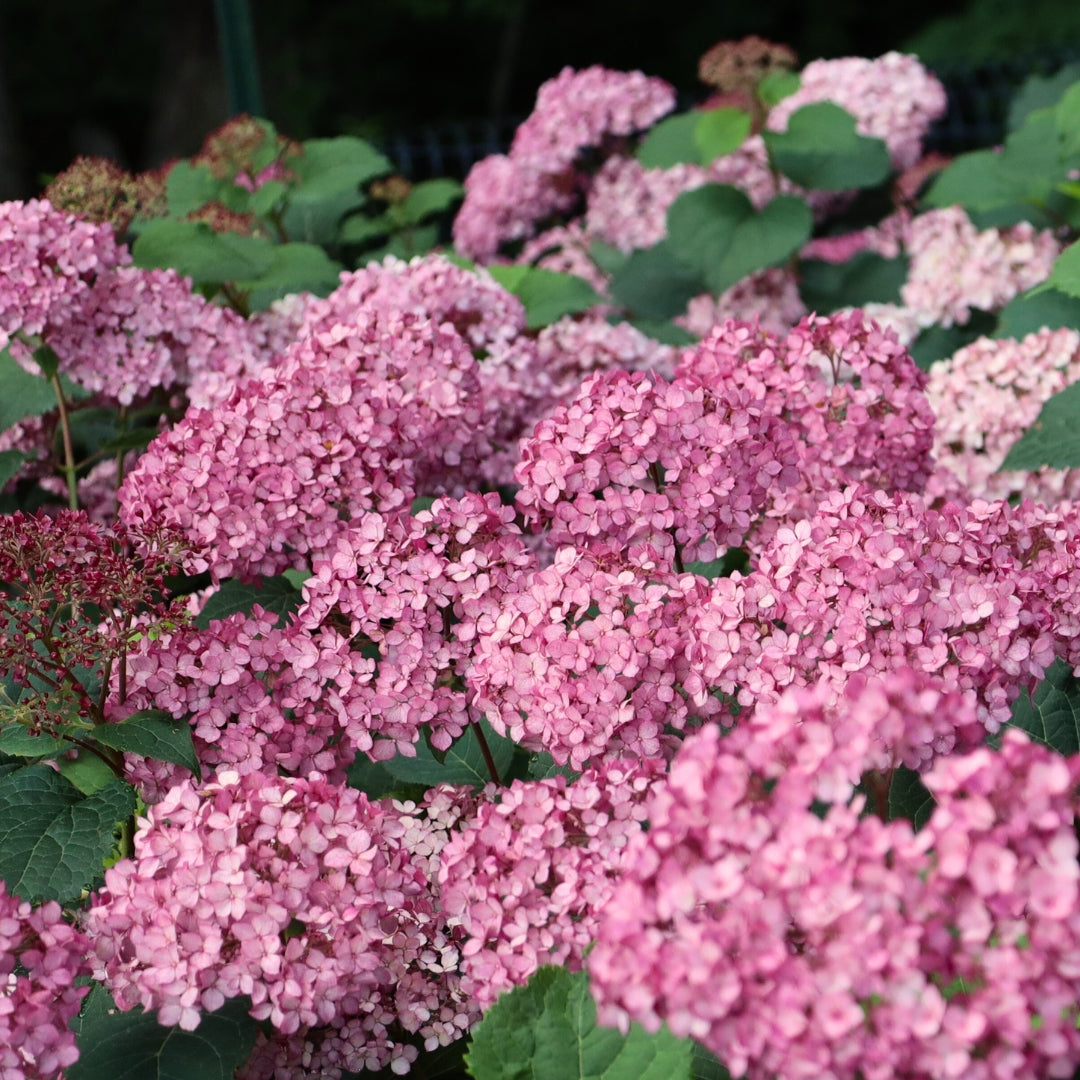 Zones 3–8
Invincibelle Mini Mauvette Smooth Hydrangea
A compact hydrangea with rich pink-mauve blooms, strong stems that resist flopping, and reliable new-wood flowering for easy, low-maintenance summer color in small spaces or pots.
Deciduous vs. Evergreen Varieties
(Image credit: Getty Images)
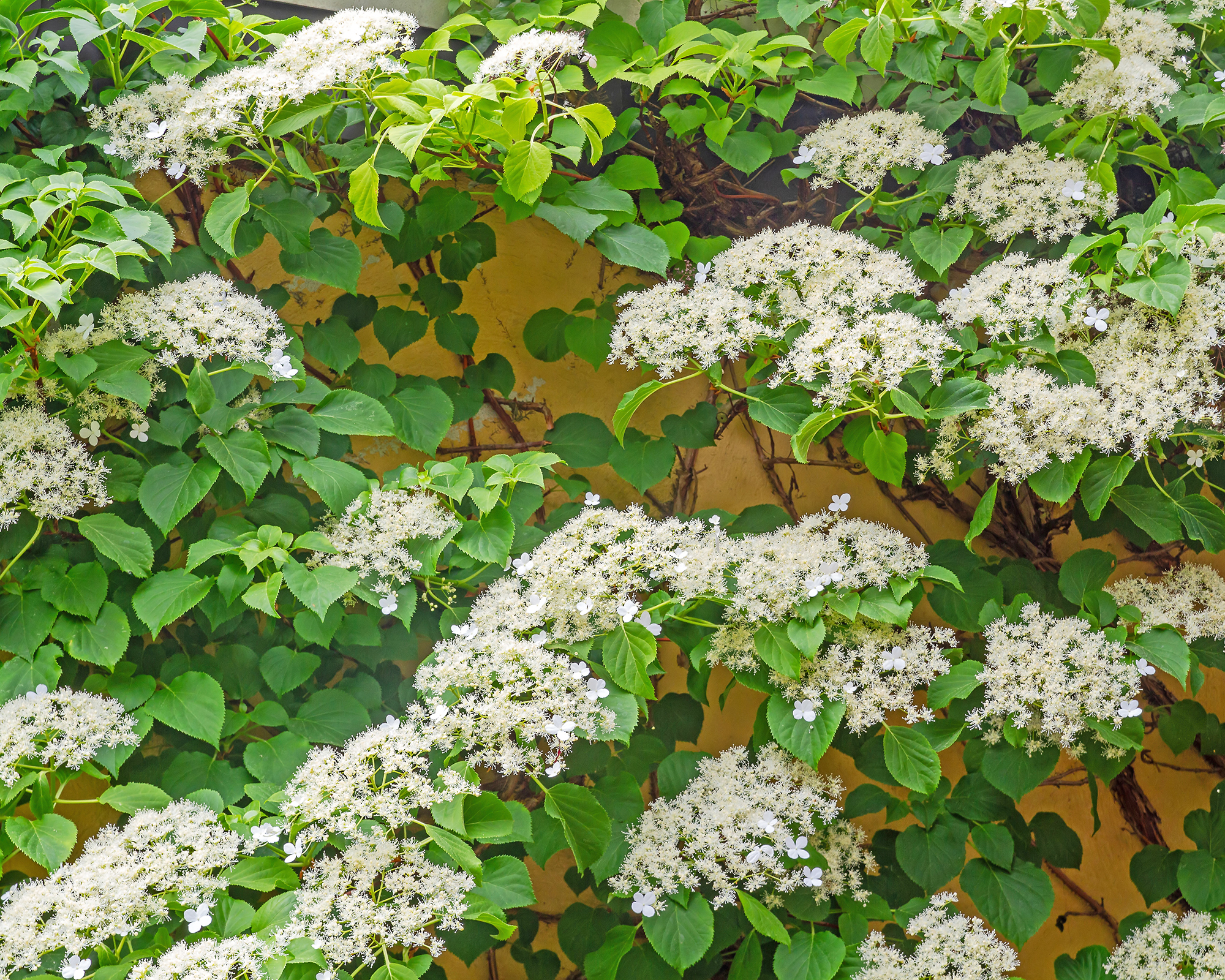
Gardeners new to hydrangeas often worry in fall when a plant suddenly drops all its leaves. However, there are both deciduous and evergreen hydrangeas. Evergreen forms, such as climbing hydrangea (Hydrangea seemannii) and blue evergreen hydrangea (Hydrangea integrifolia), retain their foliage through winter in mild climates.
The majority of hydrangeas, however, are deciduous. Panicle, mophead, oakleaf, and smooth hydrangeas all shed their leaves in fall – often after putting on a final, glorious display of color.
It is tempting to think your plant has succumbed to winter when spring arrives, and there are still no leaves. But patience is key. Each type of hydrangea leafs out at its own pace. Some will show buds as early as March, while others may not stir until May or even early June, depending on the variety and the microclimate in your garden.
Pruning

(Image credit: Getty Images)
Hydrangeas have different pruning requirements depending on the type, and getting this right makes all the difference between a lush display and a disappointing one.
Mophead hydrangeas should be pruned just after flowering or in midwinter, removing only about one-third of the oldest stems to preserve next year’s flower buds. Oakleaf hydrangeas are also old-wood bloomers and should be pruned lightly in late winter, cutting back to a healthy bud.
Smooth hydrangeas bloom on new wood, which means they can be pruned hard in late winter without sacrificing flowers. Climbing hydrangeas need very little pruning, aside from keeping wayward stems in check. Panicle hydrangeas also bloom on new wood and can be cut back hard – even to the ground – in late winter to encourage vigorous growth.
Frost Protection
(Image credit: Getty Images)
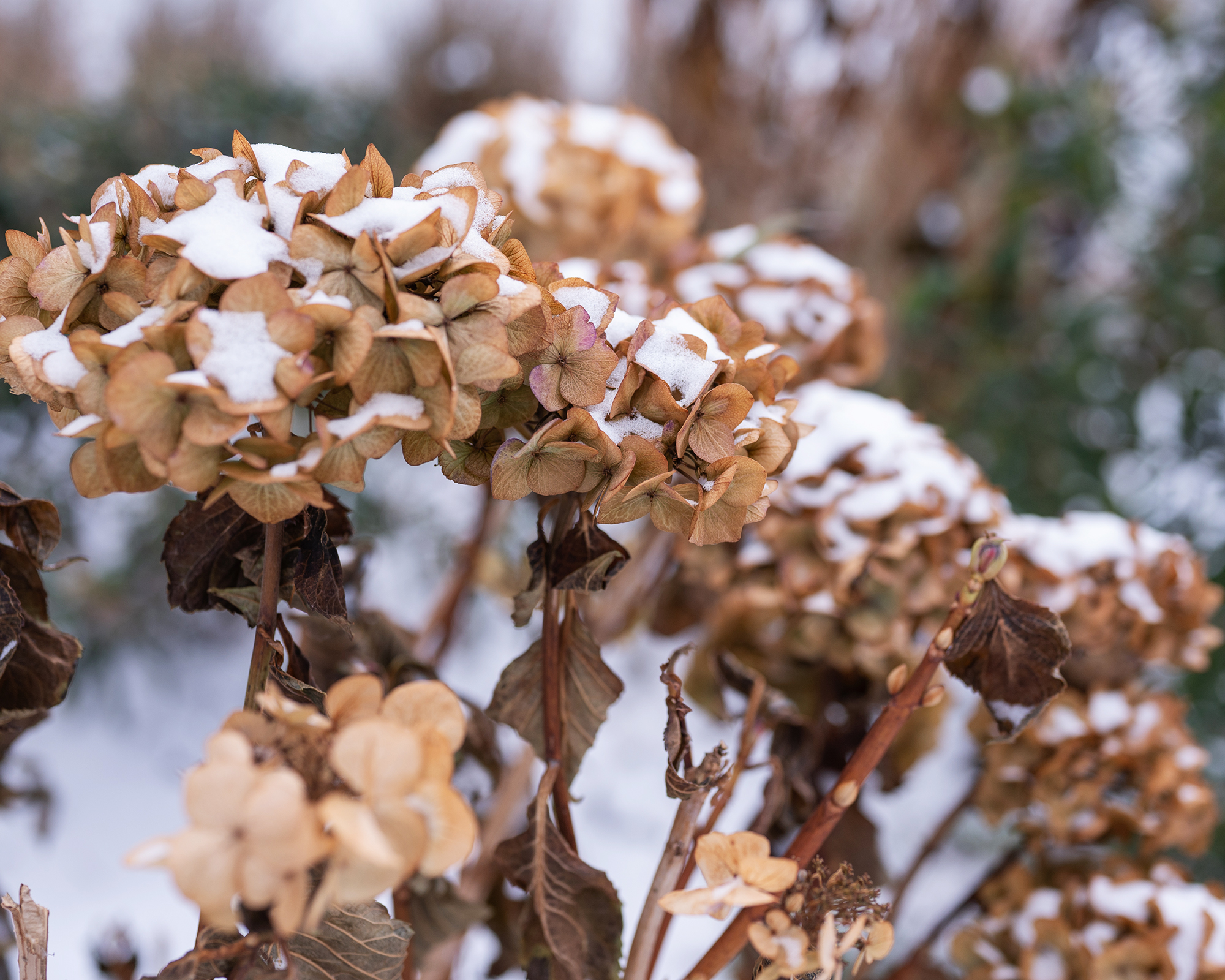
If a freeze is expected, water your hydrangea well – moist soil holds heat better than dry soil and can help protect the roots. Spread mulch around the root zone, taking care not to pile it up against the stems. A 2–4 inch (5–10 cm) layer is sufficient.
While it may offend the tidiest gardener, leave the spent blooms in place. They create a natural insulating layer that helps shield developing buds from cold damage.
For added protection in severe cold, build a simple cage around the plant and wrap it with burlap or frost cloth, like this one from Amazon. If you are growing an evergreen variety, remove the covering during the day to allow light and air circulation, then replace it again at night.
Hydrangea Care Essentials
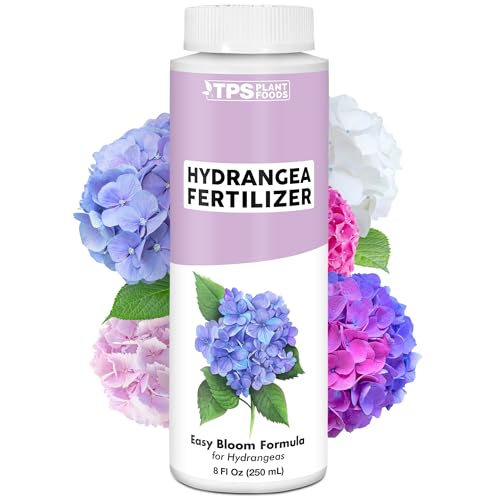 Get More Flowers
TPS Nutrients Hydrangea Fertilizer
This balanced, hydrangea-specific liquid fertilizer supports healthy growth, lush foliage, and vibrant blooms – suitable for use in both garden beds and containers.
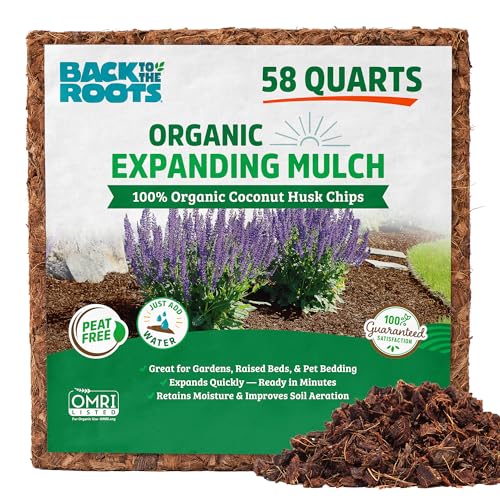 Protect Roots
Back to the Roots Organic Expanding Mulch
A peat-free, organic coconut husk mulch that expands to over 2 cubic feet, helping retain moisture, regulate soil temperature, and support healthier hydrangeas.
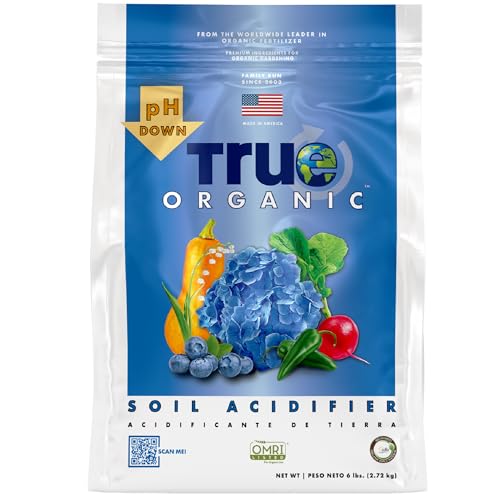 Turn Blooms Blue
True Organic Soil Acidifier
An easy-to-use soil acidifier that lowers pH, improves nutrient uptake, and helps hydrangeas produce richer blue blooms while supporting other acid-loving plants.











 English (US) ·
  French (CA) ·