

Dracaena trifasciata is native to rocky, inhospitable regions of Africa, which tells you right away that snake plant soil should echo those lean, fast-draining conditions. You don’t need to fill your pot with stones, but the mix should feel open, airy, and just a little gritty to the touch. That structure matters – it determines how quickly water moves through the pot and how much moisture lingers around the roots.
Snake plants are succulents, adapted to endure long stretches without rain, so they prefer a soil that dries out rather than one that stays damp. When moisture hangs around too long, their shallow roots are vulnerable to fungal diseases that lead to rot – often the quickest way to lose an otherwise indestructible plant.
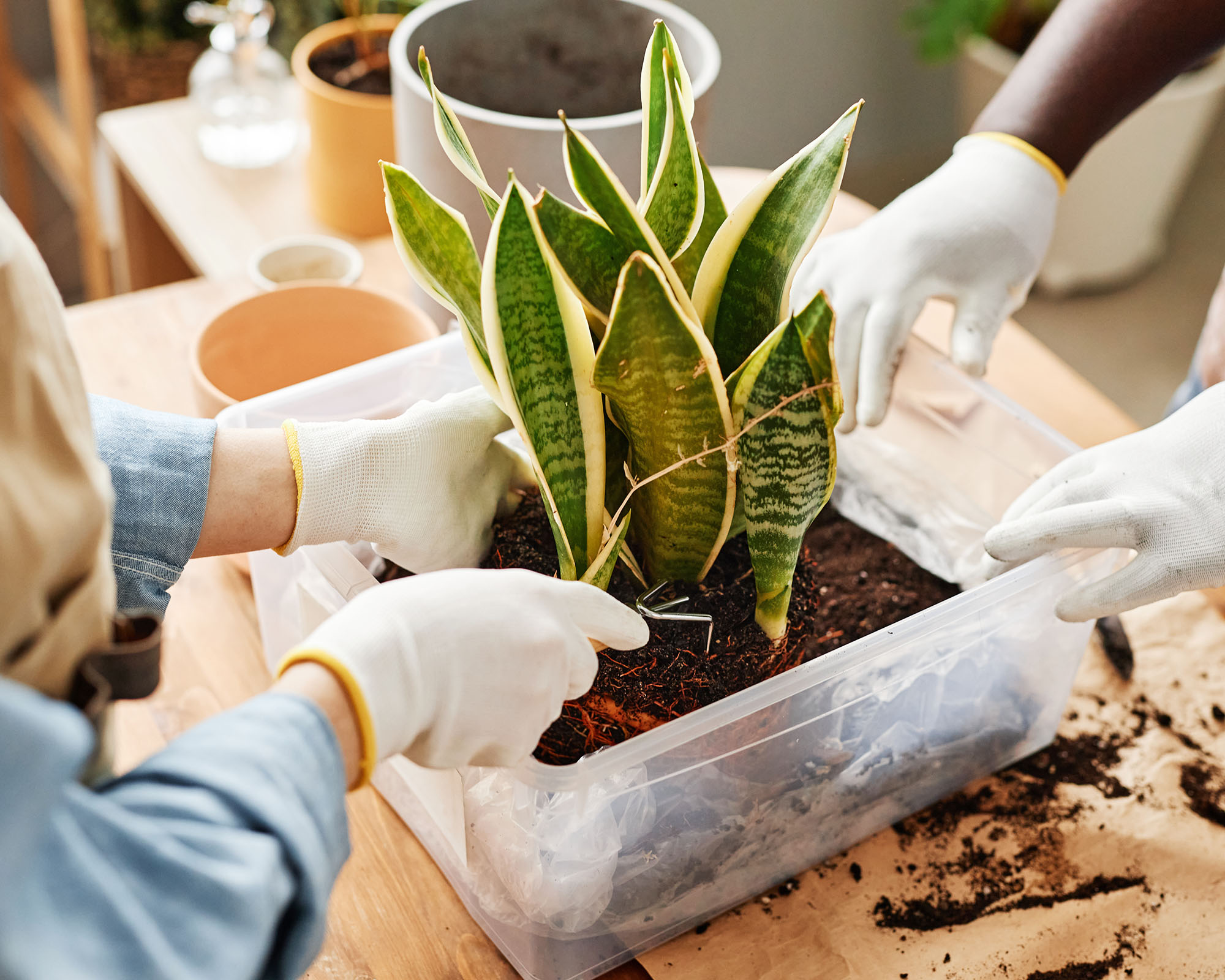
If you’re refreshing your plant’s setup, knowing how to repot a snake plant can help you match the soil and container to its needs, while good snake plant care always begins with a mix that drains freely and doesn’t cling to excess water.
Article continues below
Soil Mix for Snake Plants
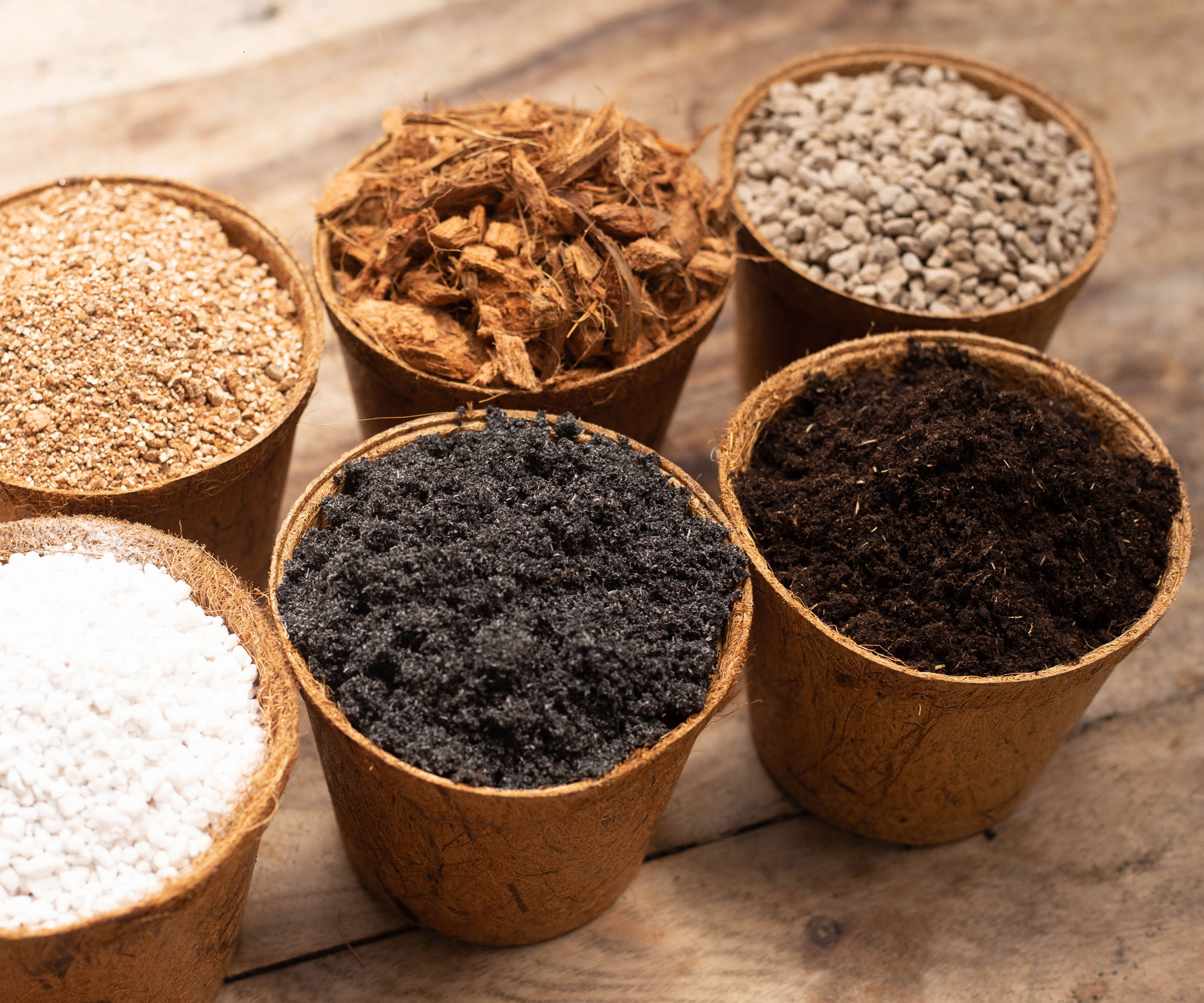
A standard houseplant potting mix is a perfectly good starting point, but on its own, it’s often too dense for snake plant soil. To get the balance right, you’ll want to introduce materials that open up the texture and improve drainage. Some gardeners like to mix in fine horticultural charcoal, like this Olivette product on Amazon, which helps create space in the soil and keeps it fresh, while others reach for coarse sand, coconut coir, perlite, or vermiculite. Each of these ingredients works slightly differently, but they all encourage excess water to move through the pot rather than linger around the roots.
Most commercial potting soils already contain perlite and peat moss, but peat in particular holds onto moisture – useful for thirstier plants, less so here. If there’s too much of it in the mix, the soil can stay damp far longer than a snake plant would ever experience in its native habitat. The goal is a blend that feels light in the hand and drains quickly after watering, with plenty of tiny air pockets throughout. Starting with a bagged mix is absolutely fine, just be sure to amend it with a coarser ingredient or two so water can pass through freely and roots can breathe.
(Image credit: Getty Images)
How Soil Type Affects Snake Plant Water Needs
Soil type plays a decisive role in how water behaves around your plant’s roots – how much is held, how quickly it drains, and how much air remains in the mix. Each ingredient brings its own qualities: some hold onto moisture, while others create vital pockets of space that let excess water slip away. Those air gaps are just as important as the water itself, helping prevent the stagnant conditions where fungal snake plant problems take hold.
Loose, sandy blends tend to drain rapidly, while mixes high in peat hold moisture for much longer. Clay soils, with their fine particles, are especially prone to becoming waterlogged, and even loam – often considered the gardener’s gold standard – is still too dense for snake plant soil because it lacks the wide channels that allow water to move freely. Snake plants do need watering, of course, but in their world, it arrives, passes through quickly, and leaves only a trace behind for the roots to absorb.
What you’re aiming for is a mix built around larger, coarser particles – one that sheds excess moisture within minutes rather than hours, while still offering just enough hydration to sustain the plant between waterings.
(Image credit: Parkin Srihawong / Shutterstock)
Best Ready-Made Soil for Snake Plants
There are several ready-made mixes that can support healthy growth, though unless buying a specialist snake plant soil mix, most benefit from a small tweak to better suit the plant's needs. Succulent and cactus blends are usually the closest match, typically combining potting mix with coarse materials like sand, perlite, or pumice. These gritty additions are what make the difference, helping water drain quickly and preventing the roots from sitting in damp conditions.
Cactus mixes, in particular, tend to lean heavily on inorganic ingredients, with just a modest amount of organic matter such as potting mix, pine bark, or even a little clay. That balance favors drainage over moisture retention – exactly what snake plants prefer. Orchid mix can also be useful when blended with standard potting soil and extra perlite, creating a chunkier, more open structure that holds a touch of moisture while still allowing excess water to pass through with ease.
Every commercial blend will vary slightly in its ratios, but the aim is always the same: a light, fast-draining medium that mimics the plant’s natural environment. With the right base, and perhaps a small adjustment, most bagged mixes can be turned into an ideal home for a snake plant.
Specialist Snake Plant Potting Soils
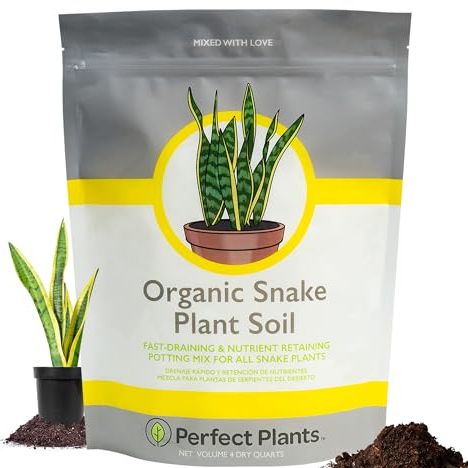
Perfect Plants Organic Snake Plant Soil
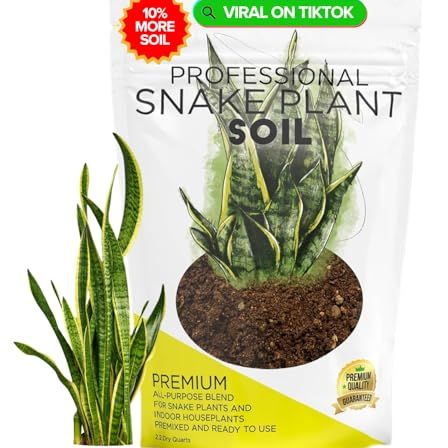
Leaves and Soul Professional Snake Plant Soil
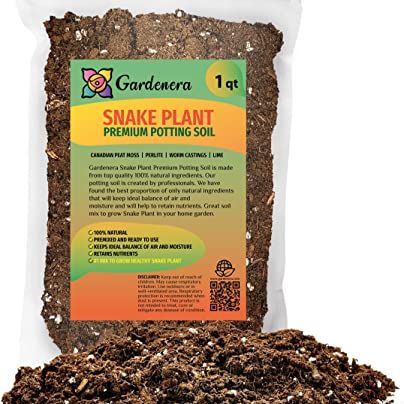
Gardenera Premium Snake Plant Potting Soil Mix
Make Your Own Snake Plant Potting Soil
Mixing your own snake plant soil is straightforward and gives you complete control over drainage and texture. A wheelbarrow, a large bucket, or even a tarp will do the job. For a reliable blend, combine 1 part potting soil, ½ part compost or worm castings, 2 parts coarse sand, and ½ part perlite or pumice. This creates a loose, free-draining mix with larger particles for airflow and just enough organic matter to provide gentle nutrients.
If you prefer to keep things simple, try ⅔ potting soil with ⅓ clay pebbles, pumice, or perlite, or start with a cactus or succulent mix and cut it with about 50 percent standard potting soil. However you approach it, the finished mix should look and feel open – you should be able to see and distinguish the different components easily. Uniform, fine-textured soils tend to compact, slowing drainage and increasing the risk of rot.
Overwatering is often less about how frequently you water and more about the soil holding onto that moisture for too long. With a well-made mix, water should pass through quickly, leaving just a hint of moisture behind. Once you’ve got the balance right, simply water when the soil feels dry, and your snake plant will be far more resilient.
DIY Snake Plant Soil Buys
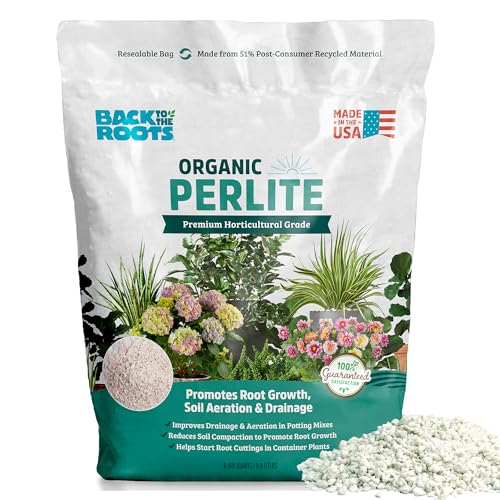
Back to the Roots Organic Perlite
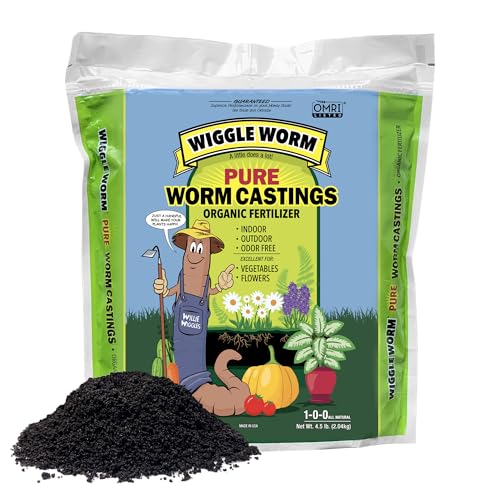
Wiggle Worm Pure Worm Castings
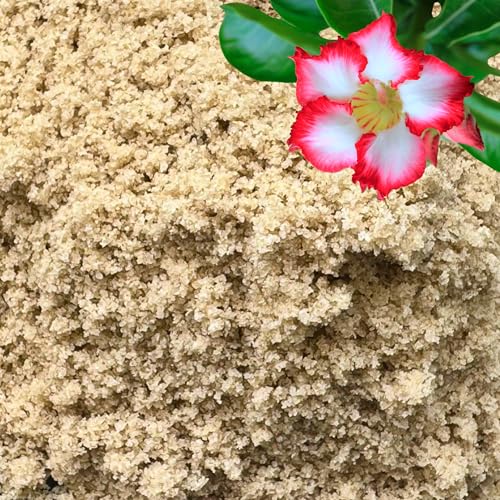
Gardenwise Fine Sand for Plants














 English (US) ·
  French (CA) ·