

 6 hours ago
9
6 hours ago
9
PROTECT YOUR DNA WITH QUANTUM TECHNOLOGY
Orgo-Life the new way to the future Advertising by AdpathwayCalifornia Gov. Gavin Newsom proclaimed a statewide emergency on Monday, Sept. 21, directing state agencies to stage flood-fighting supplies, position highway equipment and ready the California National Guard well before the first major winter storm arrives. The governor's office said the move is meant to prepare for what could become the strongest El Niño on record, not to respond to a disaster already underway.
For households, the declaration is a signal to act before the rain starts. Federal forecasters give better than 90 percent odds of a very strong El Niño this fall and winter, and such events raise the odds of frequent heavy storms, high surf and coastal flooding in California. Flood insurance, cleared gutters, evacuation plans and emergency alerts all take time to arrange, and several of those steps cannot be rushed once a storm is on the forecast map.
The risk is not spread evenly. State flood officials say coastal communities and Southern California are more likely to feel El Niño's effects than inland areas and the north, and neighborhoods below recent wildfire burn scars face added debris flow risk.
Early Proclamation Unlocks Sandbags, Crews and Faster Permits
The proclamation directs state agencies to lead flood-risk-reduction work, stage supplies such as sandbags and pumps, and pre-position critical equipment. Caltrans will stage traffic-control, road-closure and snow-removal gear along the most vulnerable highways. The National Guard is being readied for flood response, search and rescue, engineering and logistics missions, and natural resources agencies are directed to fast-track permits for local flood, landslide and debris flow projects. State officials said supplies being positioned include 4.4 million sandbags and 400,000 tons of rock for levee repairs, the San Francisco Chronicle reported.
The order also streamlines state procurement and tells the Governor's Office of Emergency Services (Cal OES) to expand multilingual public messaging on alerts, evacuations and power outages. "We are not waiting for this season's storms to be on our doorstep," Cal OES Director Caroline Thomas Jacobs said in the release.
The same day, Newsom proclaimed separate emergencies to support recovery from earlier storms in Glenn, Humboldt, Kern, Mendocino and Santa Barbara counties and from a major sewage spill in Lake County, and he ended 34 older emergency declarations from 2023 and 2024. The release did not include a cost estimate for the El Niño preparations, and Cal OES said it was not yet clear how much the state will spend, NBC Los Angeles reported.
A Record-Setting Pacific Signal With Real Uncertainty
NOAA's Climate Prediction Center said in its Sept. 10 update that there is a greater than 90 percent chance of a very strong El Niño this fall and winter, and a 75 percent chance that its relative index reaches at least 2.5 degrees Celsius (4.5 degrees Fahrenheit) during October through December. That would exceed every El Niño in the record dating to 1950.
A Carbon Brief analysis found that as of Sept. 21, the daily Niño 3.4 ocean temperature anomaly had reached 3.11 degrees Celsius, topping the previous daily record of 3.08 degrees Celsius set on Nov. 18, 2015. Using NOAA's newer relative index, which adjusts for broader tropical ocean warming, the event is a record for this time of year but still below the all-time daily peak from 1982-83.
The evidence has limits worth stating plainly. Carbon Brief noted that no seasonal forecast system has ever been tested against an event this large, and August observations came in about 0.3 degrees Celsius below model forecasts. The Climate Prediction Center also flagged a strongly negative Pacific Decadal Oscillation, unlike the conditions during the three strongest El Niños since 1950, and said it may dampen some typical El Niño impacts.
The Climate Prediction Center's seasonal outlook favors above-normal precipitation across the southern half of California for October through December, with the odds of a wetter-than-normal season rising across the state to 50 to 60 percent near the coast from December through April. Those are probabilities, not a guarantee of any specific storm, flood or rainfall total.
Coastal and Southern California Face the Greatest Exposure
Laura Hollender, the state's deputy director for flood management and dam safety, told reporters that El Niño is more likely to affect coastal areas than inland areas, and Southern California more than Northern California, the San Francisco Chronicle reported. She also cautioned that El Niño does not "guarantee where and when a specific storm may hit," and she warned that king tides expected in November and December could worsen coastal conditions.
That exposure is already visible. The governor's office said California has experienced coastal flooding this year attributed to El Niño, as Kelvin waves raised sea levels and distant Pacific hurricanes sent strong waves ashore. Communities near beaches, harbors, and eroding bluffs face the combination of high tides and storm waves that drives the worst coastal damage.
Inland, the greatest risks fall on residents downslope of recent wildfires, households in levee-protected farm towns, people in mobile homes and older housing in low areas, and drivers who depend on mountain highways prone to rockslides. Renters and lower-income households may have the hardest time recovering if they lack flood coverage or savings for repairs.
Preparation Steps Before the Rainy Season
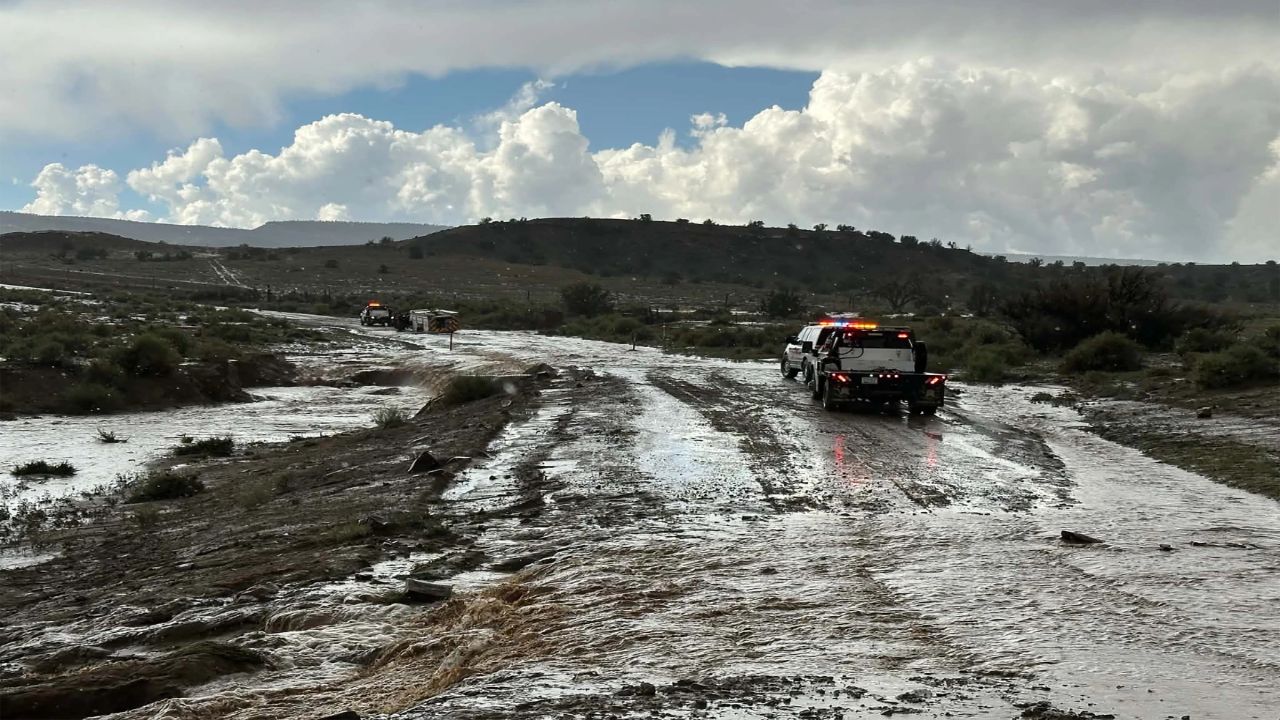
State officials urge residents to sign up for local emergency alerts through Listos California, learn whether their home sits in a flood-prone area or below a burn scar, clear drains and gutters, and build an evacuation plan that includes medications, pets, and other animals. Never drive through floodwater, which can hide washed-out pavement.
Cost barriers matter. Standard homeowners and renters policies generally exclude flood damage, and National Flood Insurance Program policies typically carry a 30-day waiting period, so fall is the practical window to buy coverage. Residents who wait for a storm warning may find it is too late.
What remains unknown is where and when the strongest storms will hit, how much the state will spend on preparations, and whether this El Niño will deliver the wet winter its strength suggests. The Climate Prediction Center's next monthly El Niño discussion is scheduled for Oct. 8, and a new seasonal outlook is due Oct. 15.
California has moved unusually early to prepare for a winter shaped by what may become the strongest El Niño on record. The forecast raises the odds of damaging storms, especially along the coast and in Southern California, but it does not guarantee them. The most useful step for households is to finish preparations now, while the weather is calm, and follow county emergency officials once storms arrive.
What Readers Want to Know
What does California's El Niño state of emergency do?
It lets state agencies stage sandbags, pumps and highway equipment early, prepares the National Guard for flood missions, speeds procurement and permits for flood projects, and expands multilingual public preparedness messaging.
Does the emergency mean a disaster is happening now?
No. It is a preparedness declaration issued ahead of winter, not a response to an ongoing storm.
Which parts of California face the greatest El Niño risk?
State flood officials say coastal areas and Southern California are more likely to be affected than inland areas and Northern California. Neighborhoods below recent burn scars also face debris flow risk.
Is a wet winter guaranteed?
No. NOAA's outlooks favor above-normal precipitation, with odds reaching 50 to 60 percent near the California coast later in winter, but those are probabilities. Forecasters also say a negative Pacific Decadal Oscillation could dampen some typical El Niño effects.
Should I buy flood insurance now?
Many residents should consider it. Standard homeowners and renters policies generally exclude flood damage, and National Flood Insurance Program policies typically take 30 days to take effect.
When is the next El Niño forecast update?
NOAA's Climate Prediction Center is scheduled to issue its next El Niño discussion on Oct. 8 and a new seasonal outlook on Oct. 15.
© 2026 NatureWorldNews.com All rights reserved. Do not reproduce without permission.















 English (US) ·
  French (CA) ·