

 2 weeks ago
28
PROTECT YOUR DNA WITH QUANTUM TECHNOLOGY
Orgo-Life the new way to the future Advertising by AdpathwayNASA's SpaceX Crew-12 astronauts are now set to leave the International Space Station no earlier than 1:05 a.m. EDT Wednesday, Oct. 7, after weather and splashdown conditions off California pushed back their return. NASA announced the new target on Saturday, Oct. 3, in a Commercial Crew update.
If the schedule holds, the four crew members will splash down off the coast of California at about 11:25 a.m. EDT Thursday, Oct. 8, ending a mission of nearly eight months. NASA and SpaceX will choose the final splashdown site and time closer to undocking.
The slip is the latest change to a return that had been targeted for no earlier than Monday, Oct. 5. Because splashdown depends on calm winds and seas, the date can still move again.
Developing Story Note: This report covers new developments involving the return of NASA's SpaceX Crew-12 mission from the International Space Station. Information may change as forecasters, emergency officials, researchers, courts, or agencies release additional findings. Latest verified update: NASA Commercial Crew blog, 3:19 p.m. EDT Saturday, Oct. 3, 2026.
A Weather-Driven Schedule Change
NASA said it moved the departure following a review of weather and splashdown conditions off California. Recovery teams need acceptable winds, waves, and visibility — and a rough sea can stop a return to safely retrieve a Dragon spacecraft and its crew from the ocean. The final weather review takes place about 48 hours before undocking.
Nature World News previously reported that Crew-13 could reach the station about eight hours after liftoff, and that Crew-12 was expected to begin its return no earlier than Oct. 5. Since that report, Crew-13 has arrived and the Crew-12 departure date has slipped two days.
Crew-13 docked on Oct. 1 after what NASA called "a record-setting 7-hour, 55-minute Dragon spacecraft flight from Florida," temporarily bringing the station's population to 11, according to NASA's space station blog. On Sunday, Oct. 4, NASA astronaut Jessica Meir handed command of the station to Roscosmos cosmonaut Pyotr Dubrov.
The Crew Heading Home
Crew-12 includes NASA astronaut Jessica Meir, the mission commander, and Jack Hathaway, the pilot, along with mission specialists Sophie Adenot of the European Space Agency and Andrey Fedyaev of Roscosmos. They launched from Cape Canaveral Space Force Station in Florida on Feb. 13 and docked to the station on Feb. 14.
By an undocking on Oct. 7, the crew will have spent about 235 days docked to the station. NASA has not yet published the official mission duration, which will depend on the final splashdown time.
After Crew-12 leaves, seven people will remain aboard: the four members of Crew-13, led by NASA's Jessica Watkins, and the three crew members of Soyuz MS-29, including NASA's Anil Menon and Roscosmos cosmonauts Dubrov and Anna Kikina, according to NASA's Expedition 75 page.
Science From Orbit, From Bacteria to Bone
NASA Administrator Jared Isaacman said at launch that the crew's research "advances critical technologies for deep space exploration while delivering real benefits here on Earth." NASA summarized that research in a mission wrap-uppublished Oct. 2. Several studies relate to biology and health on Earth.
Hathaway worked on GEARS, which uses DNA sequencing to study how bacteria adapt in space. NASA noted that "some bacteria can withstand antibiotics, starvation, and disinfection, making them a concern in closed environments like spacecraft." Understanding those microbes could also inform infection control in hospitals and other sealed environments on Earth.
Adenot worked on Green Bone, which tests wood-based scaffolds for bone repair with possible relevance to osteoporosis. Meir worked on Colloidal Solids, a study of how suspended particles interact that NASA linked to growing plants, 3D printing, and making medicines. When the mission launched, NASA said other experiments would include "automated plant health monitoring and investigations of plant and nitrogen-fixing microbe interactions to enhance food production in space."
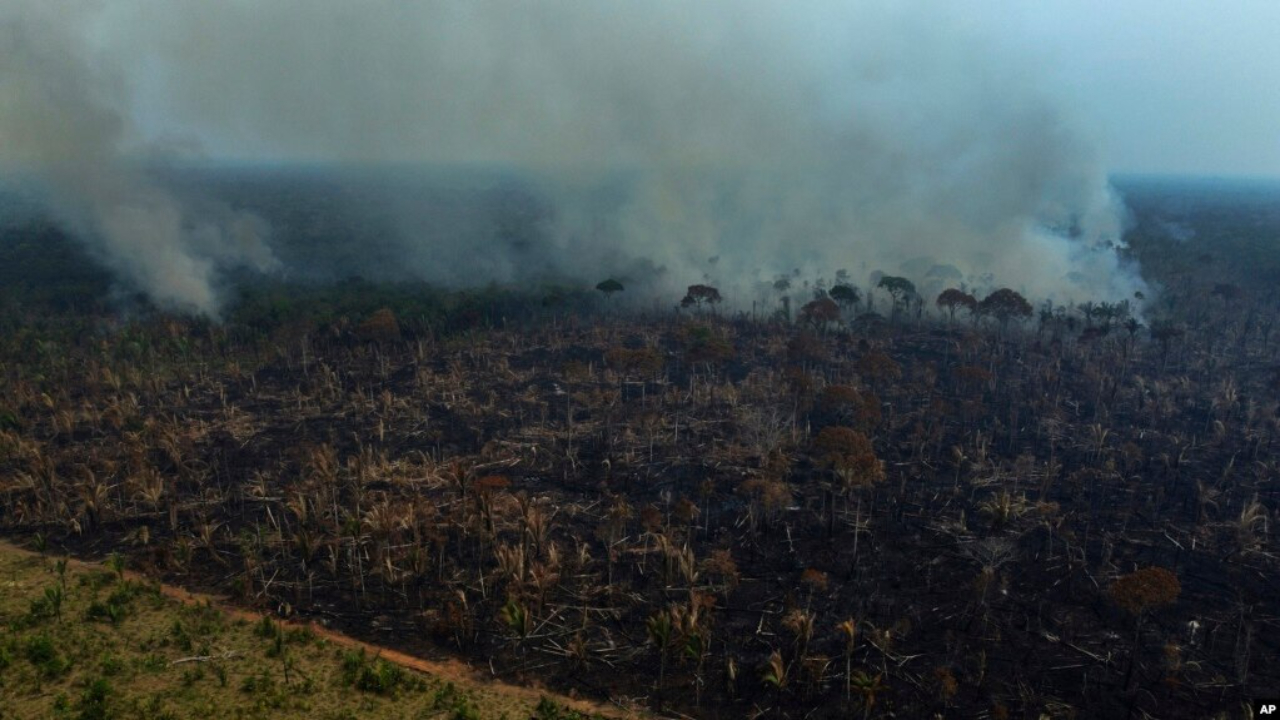
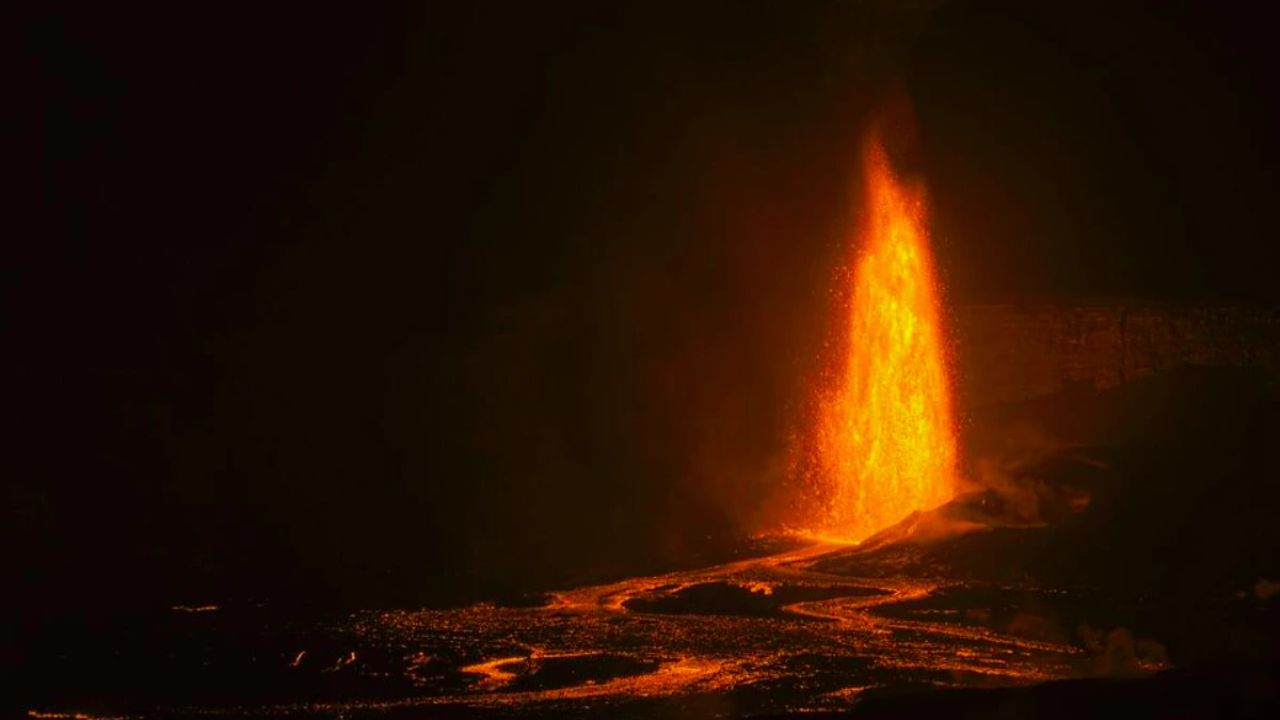
The station also served as an Earth observation post. In September, Fedyaev and his Russian crewmates set up Earth-imaging equipment that, according to NASA's station blog, "captures Earth landmarks and the effects of storms, wildfires, volcanoes, and more in numerous wavelengths revealing phenomena invisible in the visual spectrum."
Undocking, Splashdown and What to Watch
The key thing to watch is conditions off California in the hours before undocking. If conditions off California do not cooperate — wind and waves are the usual culprits — NASA can delay again, and the crew will remain safely aboard the station until a new opportunity opens.
NASA said it would release full coverage details for the undocking and splashdown in the coming days on its website. Viewers should check nasa.gov for confirmed times rather than relying on earlier schedules.
When the crew returns, NASA researchers will begin post-flight health studies. Long-duration missions help scientists understand how the body adapts to spaceflight, knowledge that supports future missions to the Moon and Mars.
For now, the Crew-12 astronauts are packing for home, with Wednesday's undocking target dependent on the weather.
Developing Story Timeline
3:19 p.m. EDT, Saturday, Oct. 3: NASA sets Crew-12 undocking for no earlier than 1:05 a.m. EDT Wednesday, Oct. 7, with splashdown about 11:25 a.m. EDT Thursday, Oct. 8, off California.
10:20 a.m. EDT, Sunday, Oct. 4: Jessica Meir hands station command to Pyotr Dubrov, according to NASA's schedule.
Oct. 1: Crew-13 docks to the station after a record 7-hour, 55-minute flight.
Oct. 1: Nature World News reports that Crew-12 is expected to return no earlier than Oct. 5.
Feb. 13: Crew-12 launches from Cape Canaveral Space Force Station in Florida.
What Readers Want to Know
When will Crew-12 leave the space station? NASA is targeting undocking no earlier than 1:05 a.m. EDT Wednesday, Oct. 7, with splashdown off California about 11:25 a.m. EDT Thursday, Oct. 8.
Why was the departure delayed? NASA moved the date after reviewing weather and splashdown conditions off the coast of California.
Who is on Crew-12? NASA astronauts Jessica Meir and Jack Hathaway, ESA astronaut Sophie Adenot, and Roscosmos cosmonaut Andrey Fedyaev.
How long have they been in space? They launched Feb. 13 and docked Feb. 14, so they will have spent about 235 days at the station by the target undocking date.
What science did the crew do? Studies included how bacteria adapt in space, wood-based bone scaffolds, plant and microbe experiments for space food production, and Earth imaging of storms, wildfires, and volcanoes.
Could the date change again? Yes. Splashdown depends on weather, and NASA can delay undocking if conditions are not acceptable.
Where can I watch? NASA said it will post coverage details on nasa.gov ahead of undocking.
© 2026 NatureWorldNews.com All rights reserved. Do not reproduce without permission.














 English (US) ·
 French (CA) ·