

 1 hour ago
7
PROTECT YOUR DNA WITH QUANTUM TECHNOLOGY
Orgo-Life the new way to the future Advertising by AdpathwayA postbiotic preparation derived from brown algae extract fermented by Bifidobacterium adolescentis Life Age 20, designated LA20FM, attenuated vascular endothelial senescence and improved aging-associated phenotypes across multiple experimental models, according to findings published in npj Science of Food. The investigation, conducted by Hongchen Jin, Huasong Bai, and colleagues, evaluated the bioproduct across an array of experimental systems spanning in vitro cell cultures, the nematode Caenorhabditis elegans, senescence-accelerated mice, and naturally aged domestic companion animals. Across these experimental tiers, the fermented preparation reduced cellular markers of senescence, suppressed inflammatory signaling, and supported physiological function.
In food research, bioproducts derived from natural active ingredients represent a major focus for addressing cardiovascular aging, which drives many age-related disorders. To explore whether a bacterial fermentation supernatant could intervene in this process, the research team established a multi-model testing framework. The experimental platforms included canine vascular endothelial cells (CVECs) and feline vascular endothelial cells (FVECs) subjected to doxorubicin-induced senescence, senescence-accelerated mouse prone 8 (SAMP8) mice, the model organism Caenorhabditis elegans, and naturally aged dogs and cats.
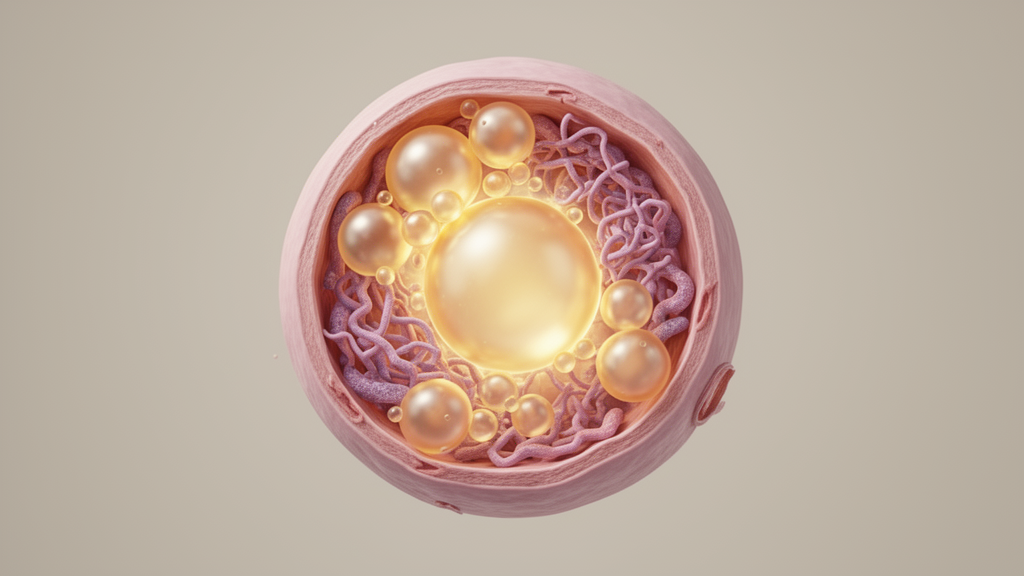
In the in vitro assays using CVECs and FVECs, cellular senescence was experimentally induced through doxorubicin exposure. Treatment with LA20FM markedly attenuated this induced endothelial senescence. Concurrently, application of the postbiotic preparation reduced the cellular secretion of senescence-associated secretory phenotype factors and restored markers associated with normal endothelial function in both canine and feline cell lines.
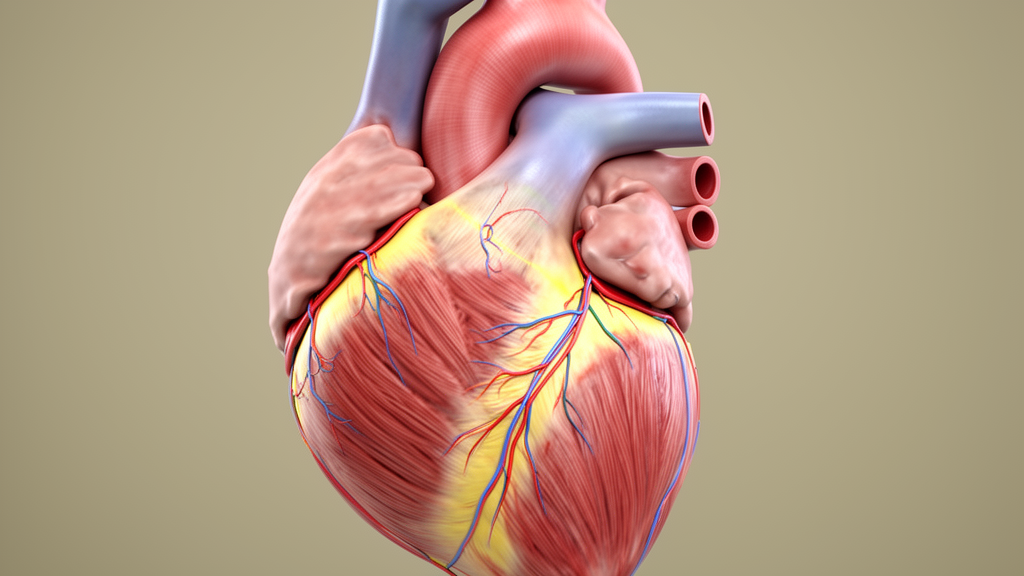
In vivo assessments in aged SAMP8 mice demonstrated that LA20FM administration alleviated vascular remodeling within the animals. Blood analyses revealed that the intervention lowered circulating biomarkers associated with both senescence and systemic inflammation, while also improving the animals’ overall physiological performance. When evaluated in naturally aged pet populations, comparable improvements in physiological parameters were recorded in both older dogs and older cats.
In the Caenorhabditis elegans longevity model, treatment with LA20FM extended organismal lifespan by approximately 30 percent. In addition to lengthening survival, the postbiotic preparation enhanced the nematodes’ reproductive capacity. Cellular measurements further demonstrated that LA20FM significantly reduced intracellular levels of reactive oxygen species within the worms.
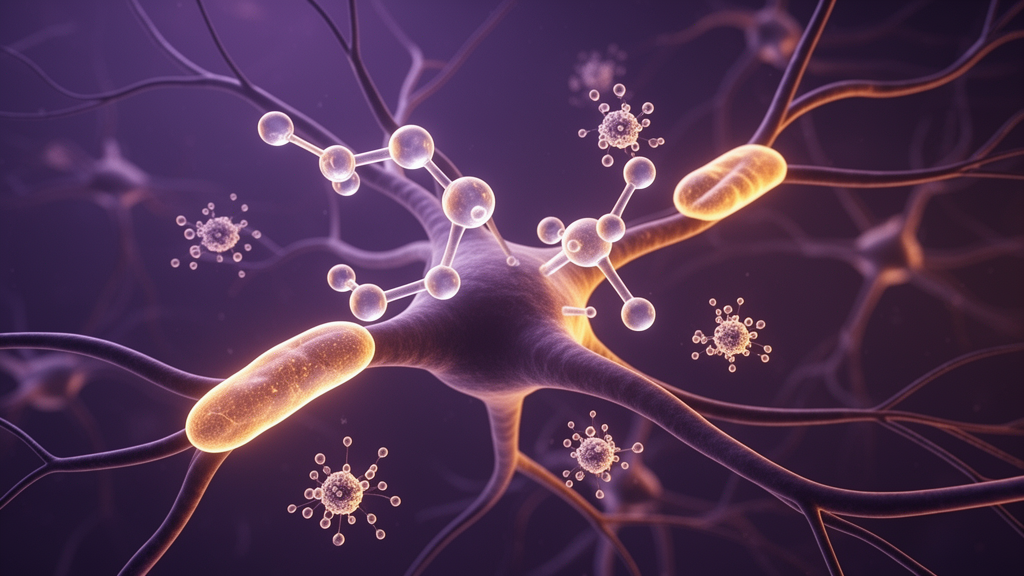
Transcriptomic profiling performed on treated CVECs and vascular tissues from SAMP8 mice indicated that LA20FM administration was accompanied by the downregulation of inflammatory signaling related to nuclear factor kappa B (NF-κB). To probe whether this pathway functioned as an active driver of the observed protection, the researchers performed rescue experiments using phorbol 12-myristate 13-acetate alongside early time-point analyses, which supported NF-κB signaling as an early and functionally important mediator of the preparation’s protective actions.
Complementary metabolomic analyses revealed that the postbiotic intervention induced broader metabolic remodeling. This shifted profile was characterized by reduced lipid-associated metabolic activity together with enhanced amino acid biosynthesis and elevated antioxidant-related metabolism. Based on these collective multi-model observations, the authors concluded that LA20FM mitigates vascular endothelial senescence and related aging phenotypes, supporting its potential development as a targeted postbiotic nutritional intervention against vascular decline and progressive aging in dogs and cats.
Subject of Research: Postbiotic preparation effects on vascular endothelial senescence and aging phenotypes
Article Title: Bifidobacterium adolescentis-fermented supernatant preparation attenuates vascular senescence and age-related phenotypes by suppressing NF-κB-related signaling
Article References: Jin, H., Bai, H., Liu, T., Wang, H., Yin, Y., Ruan, S., Li, Y., & Wang, Z. (2026). Bifidobacterium adolescentis-fermented supernatant preparation attenuates vascular senescence and age-related phenotypes by suppressing NF-κB-related signaling. npj Science of Food. https://doi.org/10.1038/s41538-026-01118-6
Image Credits: AI Generated
DOI: 10.1038/s41538-026-01118-6
Keywords: Bifidobacterium adolescentis, postbiotics, brown algae extract, LA20FM, vascular senescence, endothelial cells, NF-κB signaling, SAMP8 mice, Caenorhabditis elegans, doxorubicin, senescence-associated secretory phenotype, reactive oxygen species, metabolic remodeling, canine endothelial cells, feline endothelial cells, vascular remodeling, amino acid biosynthesis, phorbol 12-myristate 13-acetate












 English (US) ·
 French (CA) ·