

Ever since I was little, I've always been fascinated by the beauty of nature. I'd spend hours gathering leaves to admire the different vein patterns and pick stunning flowers to press between the pages of books.
But when I learned that you can make gorgeous nature prints by hammering flowers or leaves onto paper, it blew my mind. I hadn't ever seen it before, and the results are so lovely. It's a trend currently popping up on Instagram, and it couldn't be easier to do.
To learn more about why it works and the best ways to do it I asked Genia Silva, the founder and creative director of Lush Petals, for advice. Here's what I learned.
Article continues below
What is Flower and Leaf Hammering?
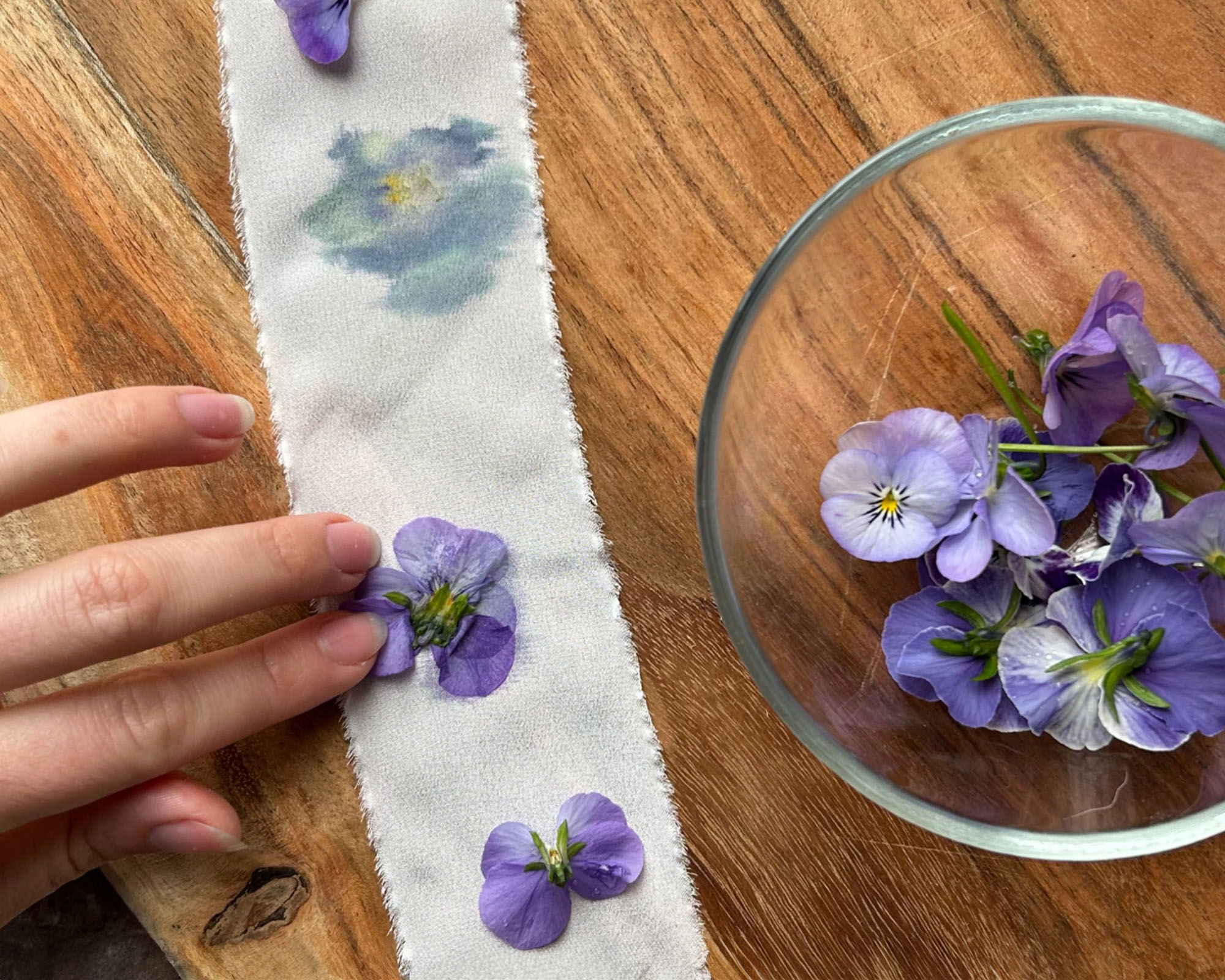
(Image credit: C/O Genia Silva)
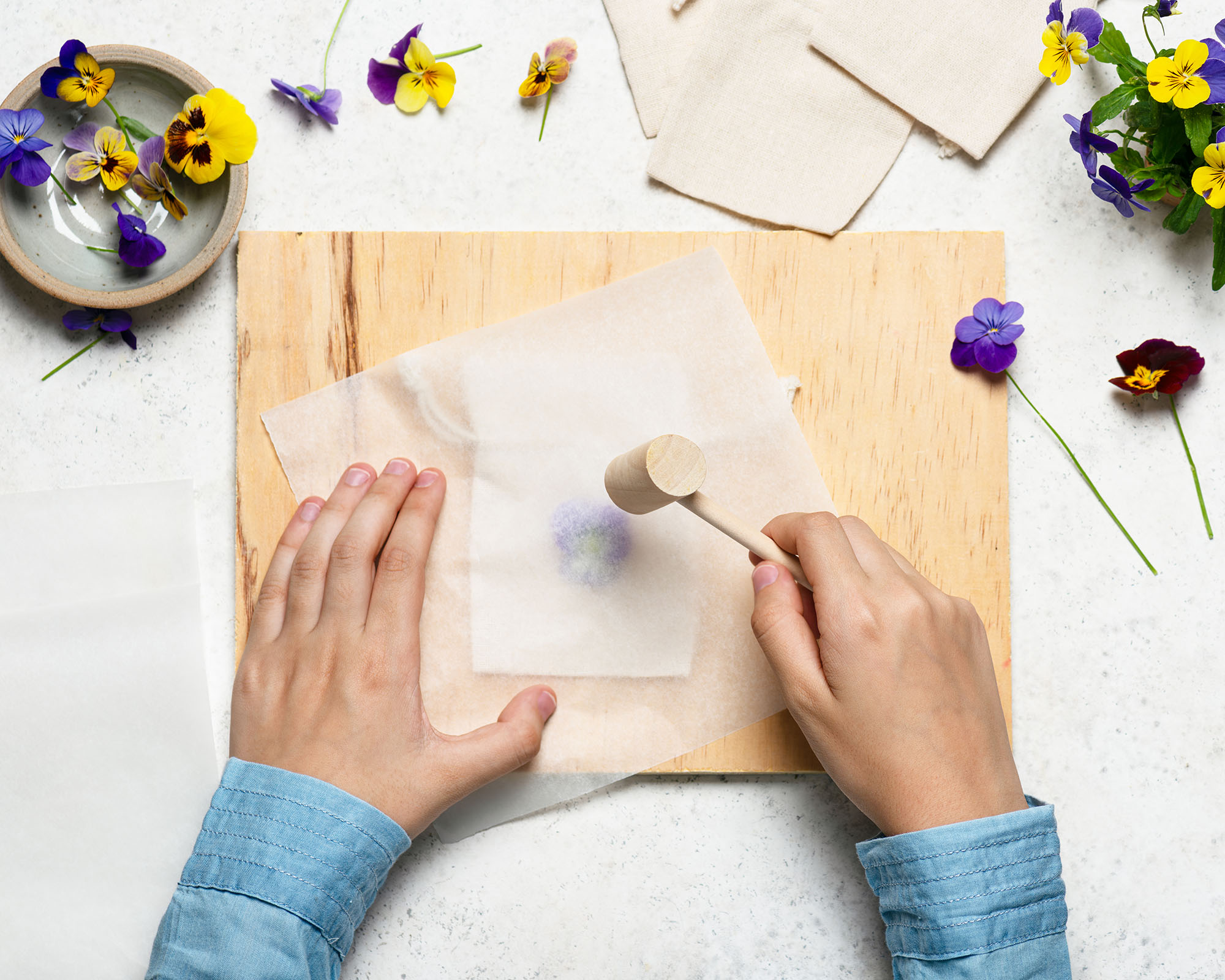
Flower and leaf hammering is a rather self-explanatory process that can produce some beautiful botanical prints. It involves picking leaves and flowers, laying them flat against a sheet of paper, and hammering them to imprint their pattern onto the paper. The same process can also work to leave prints on pieces of fabric.
According to Genia, the reason hammering leaves and flowers produces prints is down to science. She explains: "Hammering leaves and foraged flowers to make lovely DIY artworks works because when you hammer flowers and/or leaves, you physically break their cells and release their pigments onto a surface.
"Mechanical pressure then pushes these pigments into the fibers of fabric or paper. Paper and fabric have gaps between their fibers, so they act as a sponge, binding pigments to the material."
It's recommended to place some grease-proof paper or another kind of sheet over the plant you're hammering to ensure it stays secure and won't disintegrate as easily.
Flower Hammering Supplies
If you want to try flower and leaf hammering as a hobby, here are some items that will come in handy.
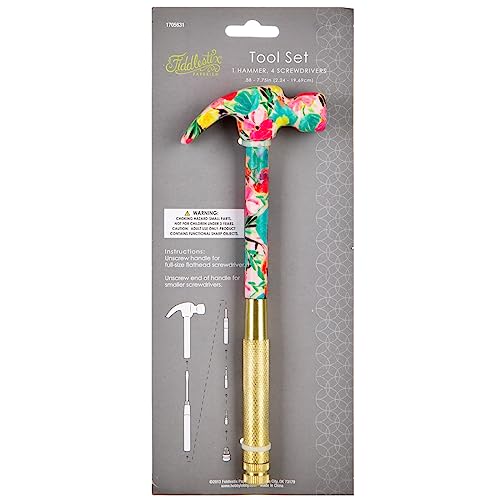
Hobby Lobby Pink Floral Hammer & Screwdrivers
You have to use a hammer – so make it a pretty one! This clever design doubles as a screwdriver.
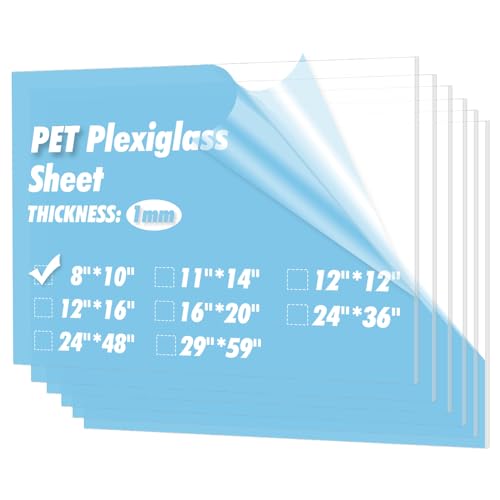
Art3d 5-Pack of 8×10" Pet/plexiglass Sheets
These sheets are perfect for putting over your leaves and flowers while hammering. You'll still be able to see exactly what you're doing as they're totally transparent.
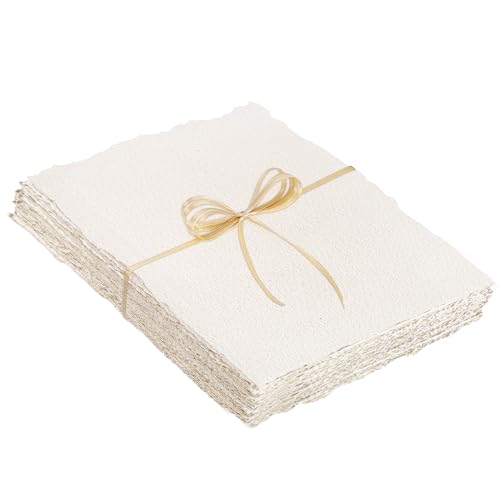
Prudiut 25 Sheets Cotton Watercolor Paper
This cotton-rich paper is more porous than average paper sheets, so it will absorb the pigment of your prints better!
Why Do It?
(Image credit: Getty Images)
If you're looking to create a unique gift or enhance a greeting card, hammering floral and/or botanical designs is a guaranteed way to create something one of a kind.
It's also entirely free to do, only requiring a hammer and paper, which you likely already have at home.
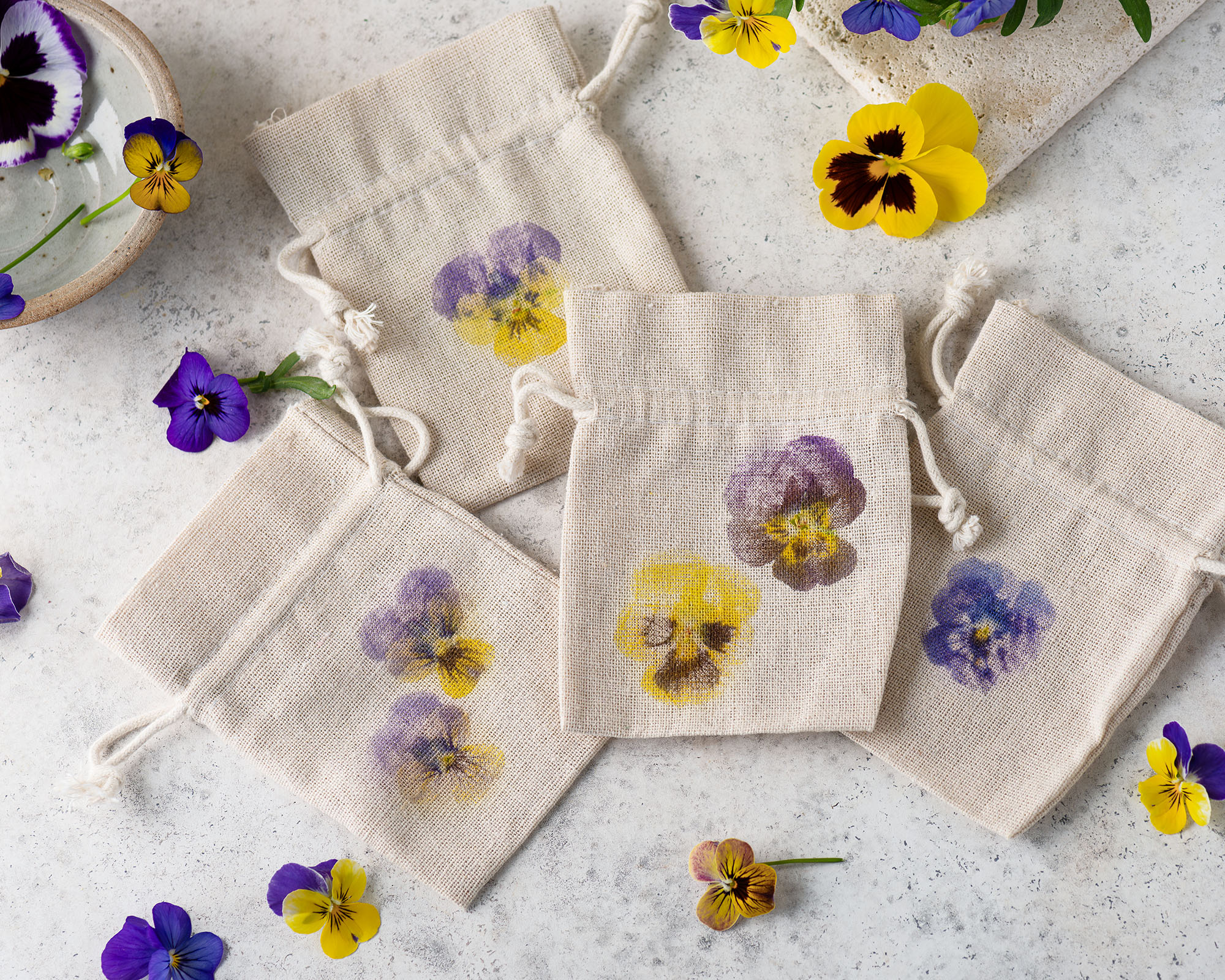
Genia noted how it's also a great way to preserve special flower bouquets received from events such as Valentine's Day or your wedding. She said: "For example, one might want to use flowers from their wedding bouquet or florals collected during travels and create a collage on a linen/silk piece of fabric or craft paper/card." This way, memories can be preserved for years to come, whether they're kept in a book, framed, or worn on a shirt.
How to Protect Your Prints
Depending on whether you're making prints onto paper or fabric, there are several things you can do to keep them in pristine condition.
Genia explains: "When it comes to preserving botanical prints, the first rule of thumb is to keep them away from direct sunlight, as bright direct sunlight makes botanical pigments fade away.
"Secondly, if transferring floral prints onto fabric, use only natural fabrics like silk, linen, and cotton [as the fibers will hold the design better]."
To make the natural dye last longer on fabric, pre-soak it in alum (available on Amazon), allow it to dry, and heat-set the design after hammering.
"For paper botanical print, cotton paper and heavy watercolor paper work best due to their fibrous structure. You can also use the heat of the iron to fix the pigments into the paper or fabric. Wait for the print to dry and then iron for 3-5 mins using baking paper or cloth between the iron and printed surface.
"Lastly, do not wash the fabric once the imprints are done. Again, this will wash all delicate pigments away."
(Image credit: Getty Images)
Which Flowers and Leaves Are Best?
Certain leaves and flowers work best for the hammering process, primarily those darker in color. This is because they're naturally richer in pigment, meaning they will produce prints that are both clearer and more vibrant. Genia recommends using pansies, cosmos, marigolds, or geraniums.
If you're keen on using leaves, it's best to opt for non-waxy kinds. If the leaf looks shiny on the surface, you'll know it's a "waxy" kind. This shiny layer forms a barrier between the paper and the pigment cells, making it harder to produce a good print.
Don't forget to put a protective layer on your table underneath where you're hammering. This will protect the surface from damage as well as possible staining from the pigment.













 English (US) ·
  French (CA) ·