

It's a wonder that any plants are still alive in my no-water border, but some are flourishing and flowering – and they’re not the usual drought-tolerant plants everyone shouts about either. Some plants were nonchalant about the lack of water from the get-go, others drooped dramatically to begin with but then quickly got back to business. And yes, a few died. But like some greenfingered episode of Love, Lust or Run, it’s been very surprising which plants ended up in each of these three categories.
My zero-water garden experiment has been on-going for over two years now. It wasn’t planned, and I certainly didn’t have the foresight to know extreme drought resistance would be so useful in this El Niño summer. You see, I usually water the garden early in the morning, before I start work. But this big border runs along the front drive and, while I’m happy to potter around the back garden in my pajamas of a morning, I’d sooner not have the neighbors see my nightwear. And so, despite this being a sun-drenched raised bed running to three railway sleepers high at one end so the soil is incredibly fast-draining, I stopped bothering to water it.
My future-proofing plan was to replace any plants that hit the dust with a drought-tolerant ornamental grass that required zero attention from me apart from a quick shear in early spring. But I haven't yet had to: as the less drought-resistant plants moved on, the more resilient ones expanded into the space left behind. Even so, when this heatwave summer arrived – and I live in a dry part of the country that hasn’t seen a drop of rain for 8 weeks now – surely these tough cookies would give up the ghost, I thought. And just so you know how hot and dry this long bed is, here's how the hardy geraniums – widely considered to be a reliably drought-tolerant plant – are currently faring.
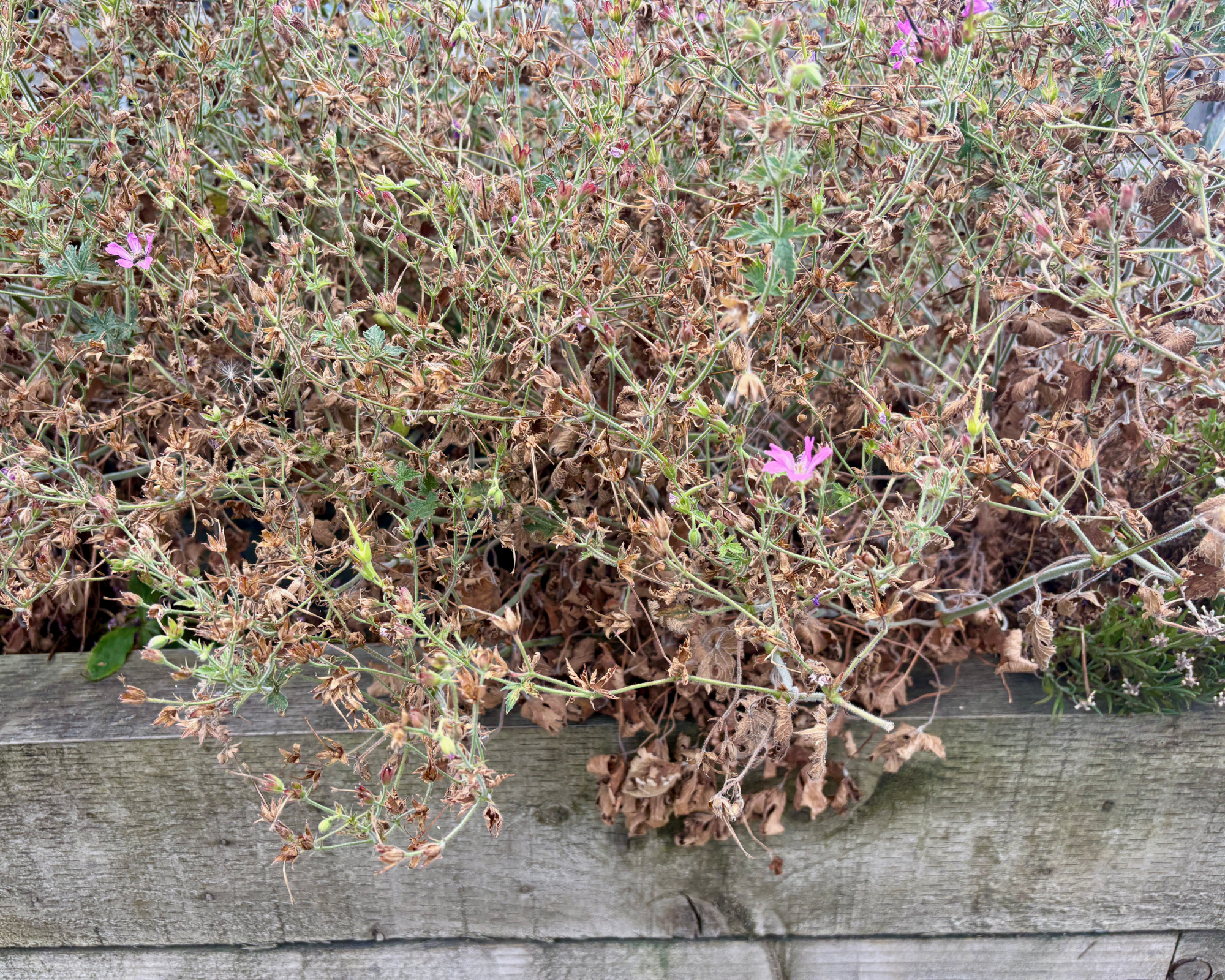
(Image credit: Emma Kendell)
Bad, huh? Now, I’m all for a low-maintenance garden and my plot is full of easy-care plants that practically grow themselves, and my patio is packed with happy-in-a-pot perennials that thrive on neglect. But 10 beauties in this border have surpassed all my expectations, and here are those hero drought-tolerant plants that I haven’t watered for over two years.
1. New York Aster
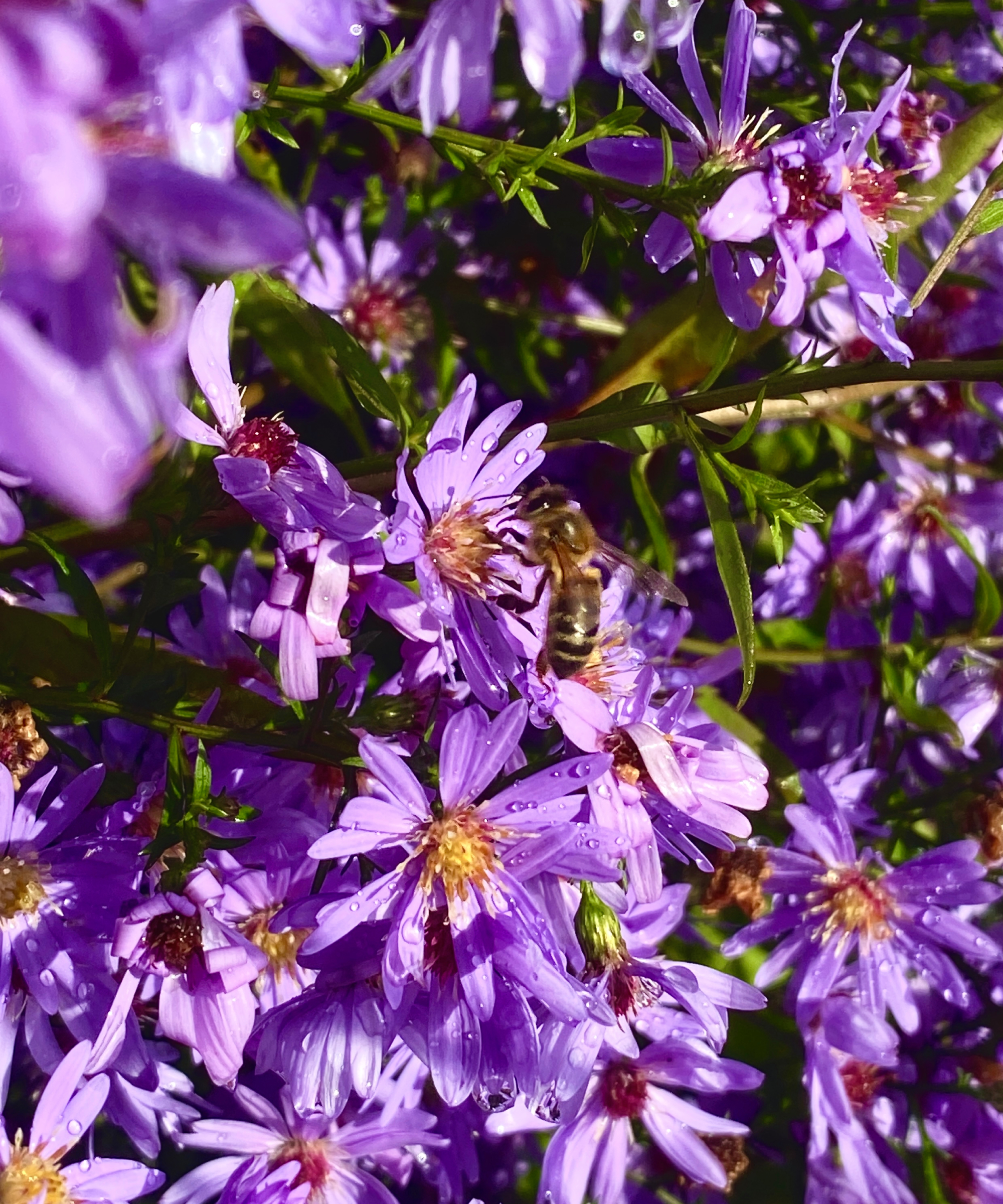
(Image credit: Emma Kendell)
This Michaelmas daisy starts flowering in late August (I took this photo last September) and doesn’t stop till November, and the plant is smothered with hundreds of these beautiful little lavender blooms, even if it hasn't had a drink for weeks. Bees really appreciate this late source of nectar, and I’m grateful for this lovely shot of late-season color.
Powdery mildew can be an issue for asters but Symphyotrichum novi-belgii is particularly resistant. Its only vice is that the stems can be a little straggly. My simple solution is to not bother chopping the previous year’s stems down in spring, so the new growth rises through this woody framework.
Zones 4-8
American Beauties Native Plants
Bluebird Smooth Aster
2. Red Valerian
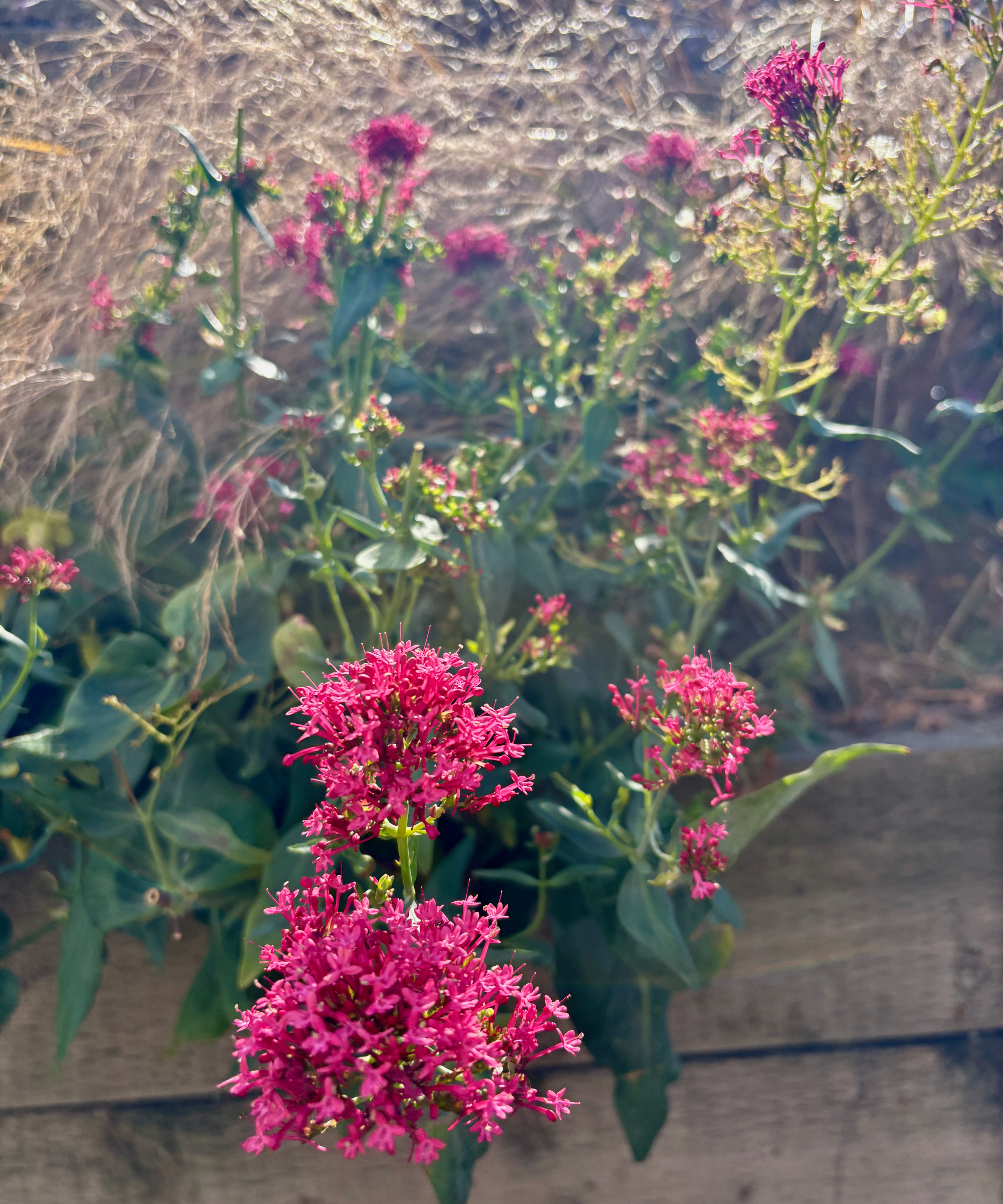
(Image credit: Emma Kendell)
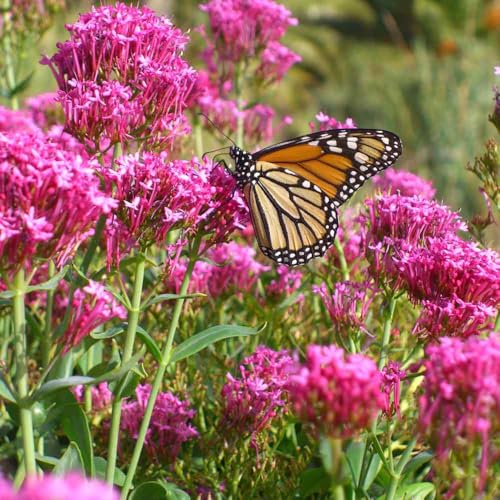
Centranthus ruber, also known as Jupiter's beard, is a real trooper in my no-water bed, with bright pink flowers appearing in late spring and continuing all the way into fall – and that’s without me ever deadheading. The foliage is a pretty gray-green, too, and lasts through most of winter. This Mediterranean native is thriving in several spots through the border, having self-seeded itself into bare patches where other, less resilient plants have given up the fight. I'm happy for it to spread – it’s assertive rather than aggressive – and the butterflies love its nectar-rich flowers.
Zones 5-9
Red Valerian (Centranthus ruber) Heirloom Seeds
3. English Shrub Rose
(Image credit: Emma Kendell)
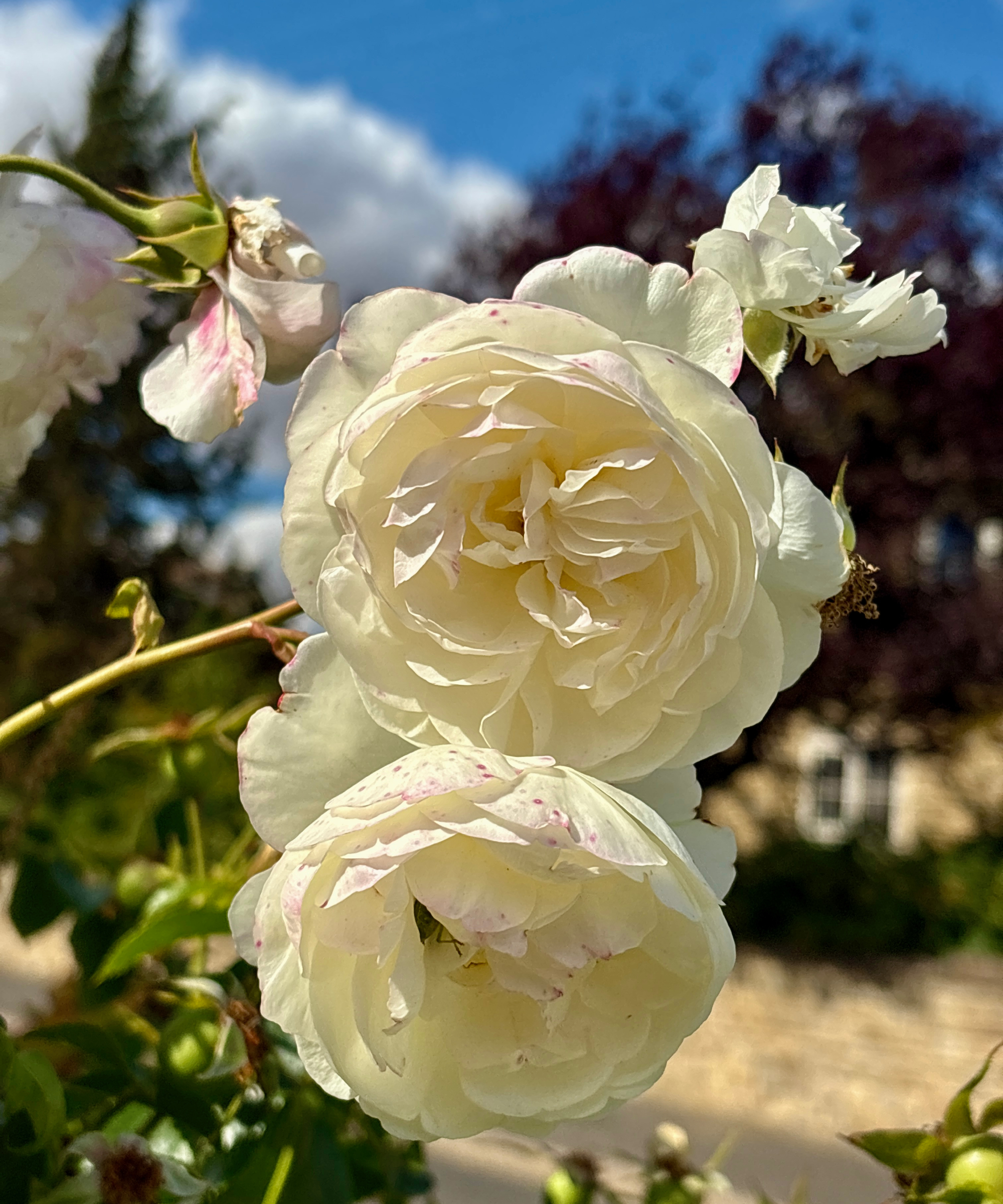
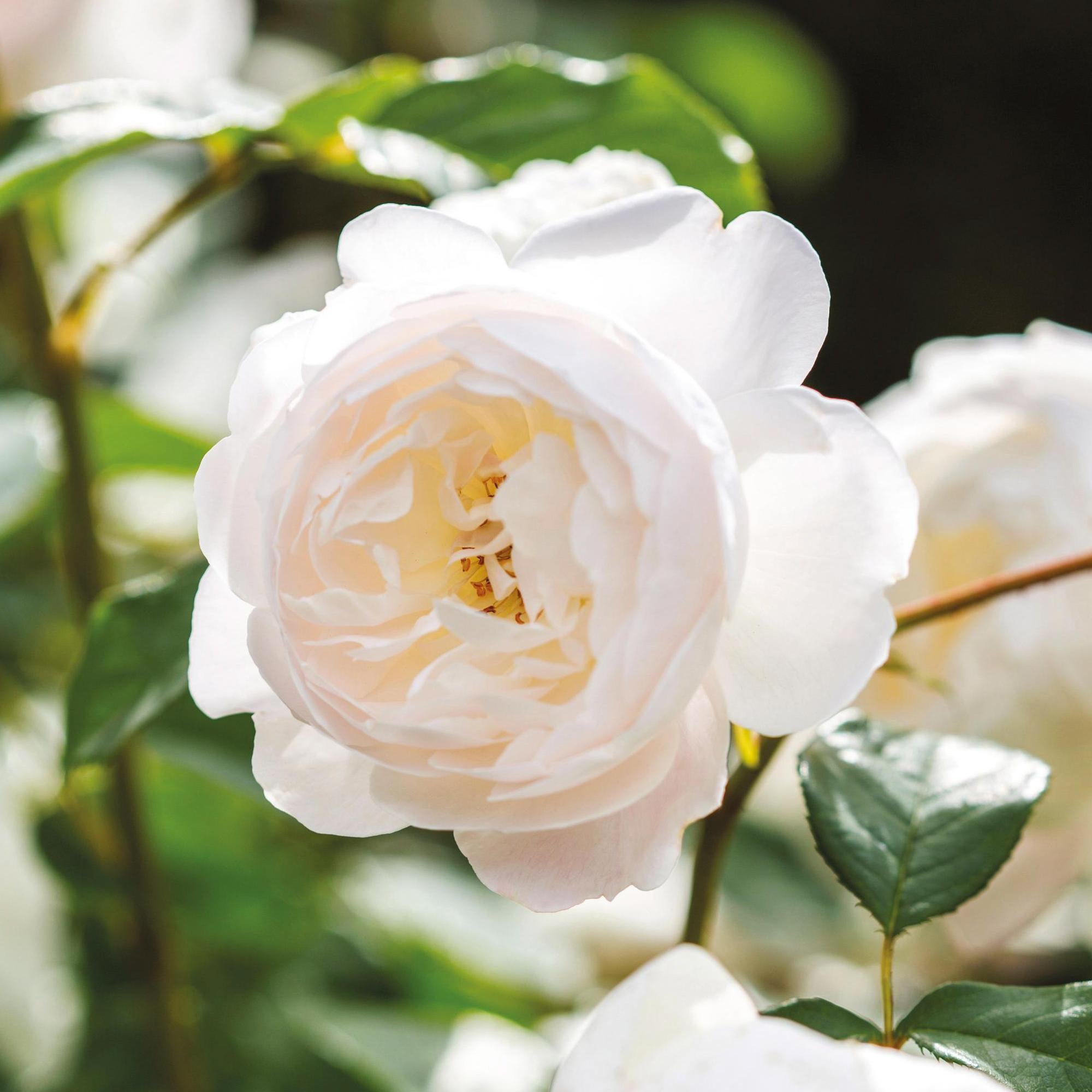
There are two English shrub roses in this border and both are flourishing despite a complete absence of water, deadheading or proper pruning. This repeat-flowering beauty is Desdemona, an English shrub rose by David Austin Roses, and has peachy buds that open to white chalice-shaped blooms with just a hint of blush pink. It’s right next to the spot I park my car so whenever I arrive home in summer, I’m greeted by its sweet but fresh scent of almond blossom and lemon zest.
Those tiny pink spots are caused by thrips or Botrytis cinerea but this rose gets them every year and I do nothing about it, and it's always fine. Honestly, this beautiful rose deserves far better care!
Zones 5-11
Desdemona Rose in 1 Gallon Pot
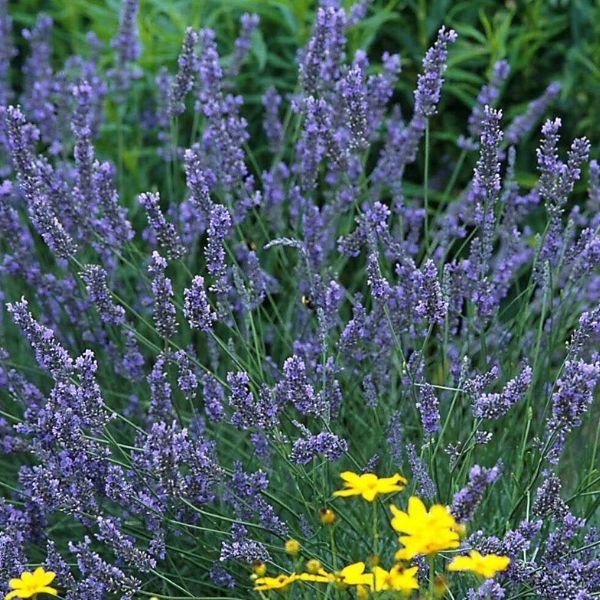
4. Lavender Grosso
(Image credit: Getty Images)
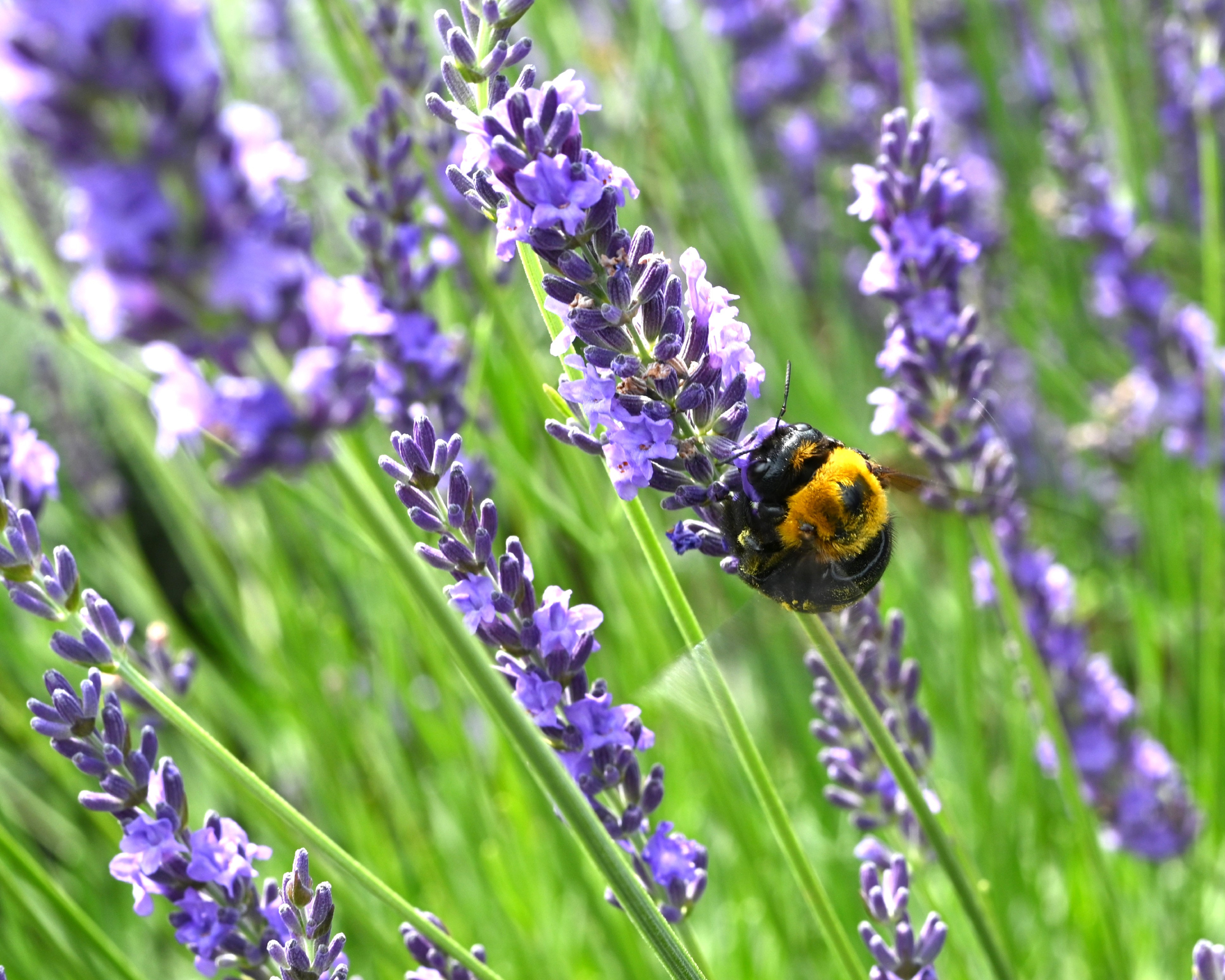
I grow lots of different lavender varieties, and all thrive on neglect. But lavender Grosso copes the best, even though it’s in my most neglected border. The purple spikes last from July to September and the mound of silvery foliage looks pretty all through winter. This is the one plant in this border that does get a trim, but only because I regularly raid its stems to make all manner of lavender crafts. This year, I turned the stems into solar-powered lavender lampshades for the patio!
5. Fuchsia Sunray
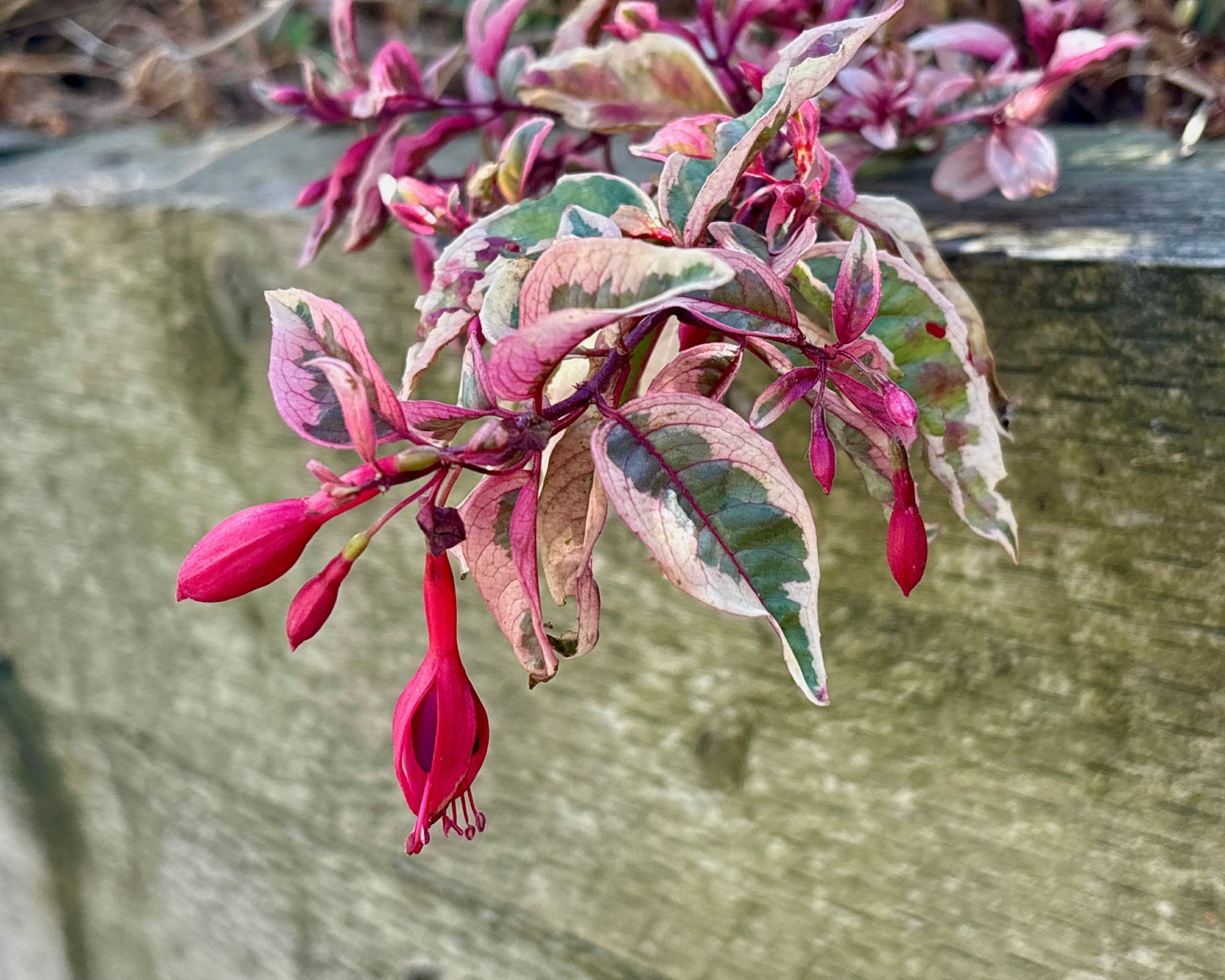
(Image credit: Emma Kendell)
We all have a plant we dislike for no good reason, and fuchsia is mine – though the cause of my aversion is that I have to check how to spell it every time I write its name down which, as a gardening editor, is often. But even I can’t harbor any hatred for this little Fuchsia ‘Sunray’ because it’s an absolute joy. I’ve never watered, pruned or deadheaded it, yet every year it flowers non-stop from June to October, and its variegated red-flushed foliage is just as pretty as its pink and purple blooms.
This darling little fuchsia only grows to two feet high but, as it's planted at the front edge of the raised bed, the flowers dangle over the edge, dancing in the slightest breeze. This variety is only considered borderline hardy, so mulching or fleece protection is recommended to keep it cosy over winter. I’ve paid no heed to this advice and the plant is still alive: go figure.
6. Sedum Pine Forest
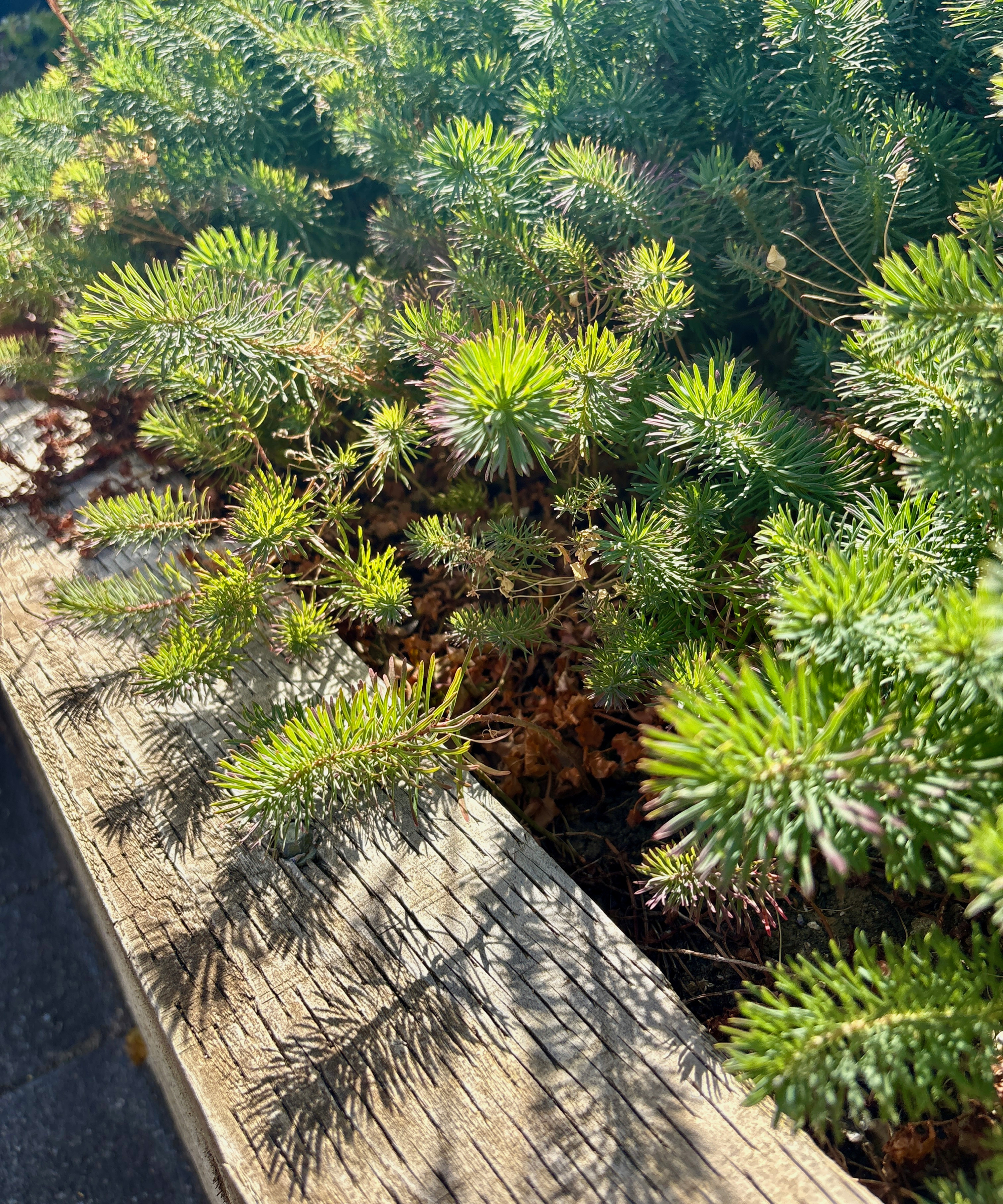
(Image credit: Emma Kendell)
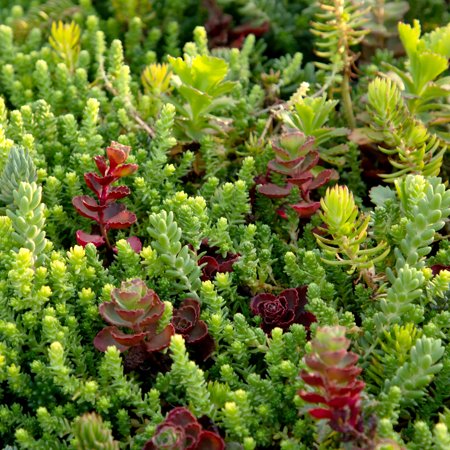
I have plenty of flowering groundcover in this bed so it looks smartish without me ever weeding it, other than occasionally pulling out strings of bindweed that loves the sunny, dry conditions. In particular, I use sedum as a drought-tolerant groundcover because of its firebreak capabilities. And out of all the different varieties, this Sedum reflexum is doing the best in the extreme heat and drought of this summer. It’s ‘Pine Forest’ and the succulent foliage does indeed resemble a miniature pine forest, which brings a lovely texture to parts of my no-water border.
This stonecrop is only a couple of inches tall but it’s spread well though never so much that I’ve had to pull any up. In early summer, it throws up tiny yellow flowers that bees and butterflies love, too.
Zones 3-9
Altman Plants 10" X 20" Sedum Succulent Ground Cover
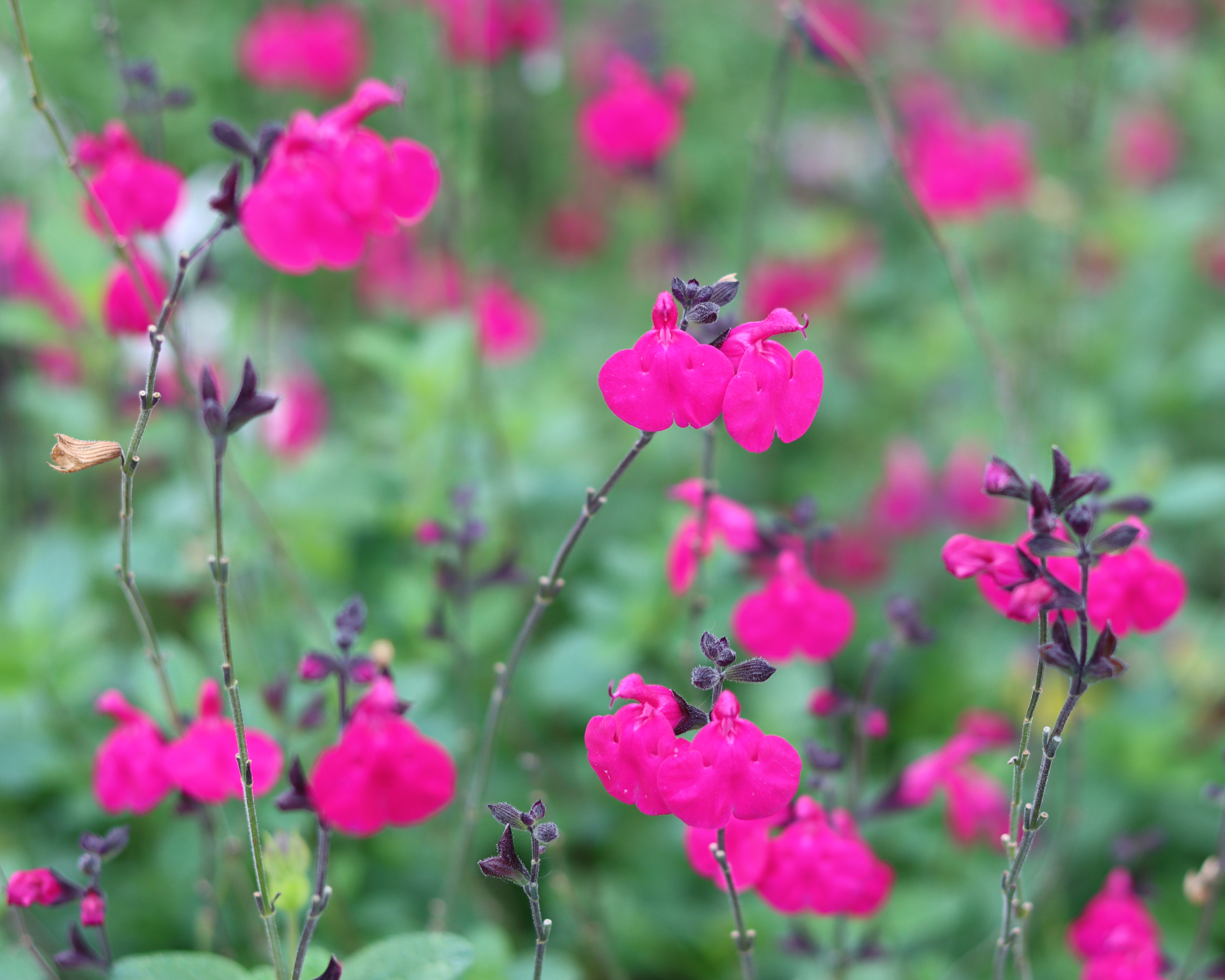
7. Blackcurrant Sage
(Image credit: Getty Images)
Salvia microphylla has wonderfully bright two-lipped flowers, and the delightful fragrance of its evergreen foliage reminds me of drinking blackcurrant cordial as a kid. Though this is sometimes known as baby sage, it grows to 3 feet (and I’m sure would make 4 feet if it ever had a drink) and though it sailed through its first no-water summers, it is getting some scorched blooms in this year’s unrelenting heat.
Though it’s only rated as hardy to 14°C (-10°F), this plant has successfully made it through several winters, and I suspect that’s down to the very well-draining soil.
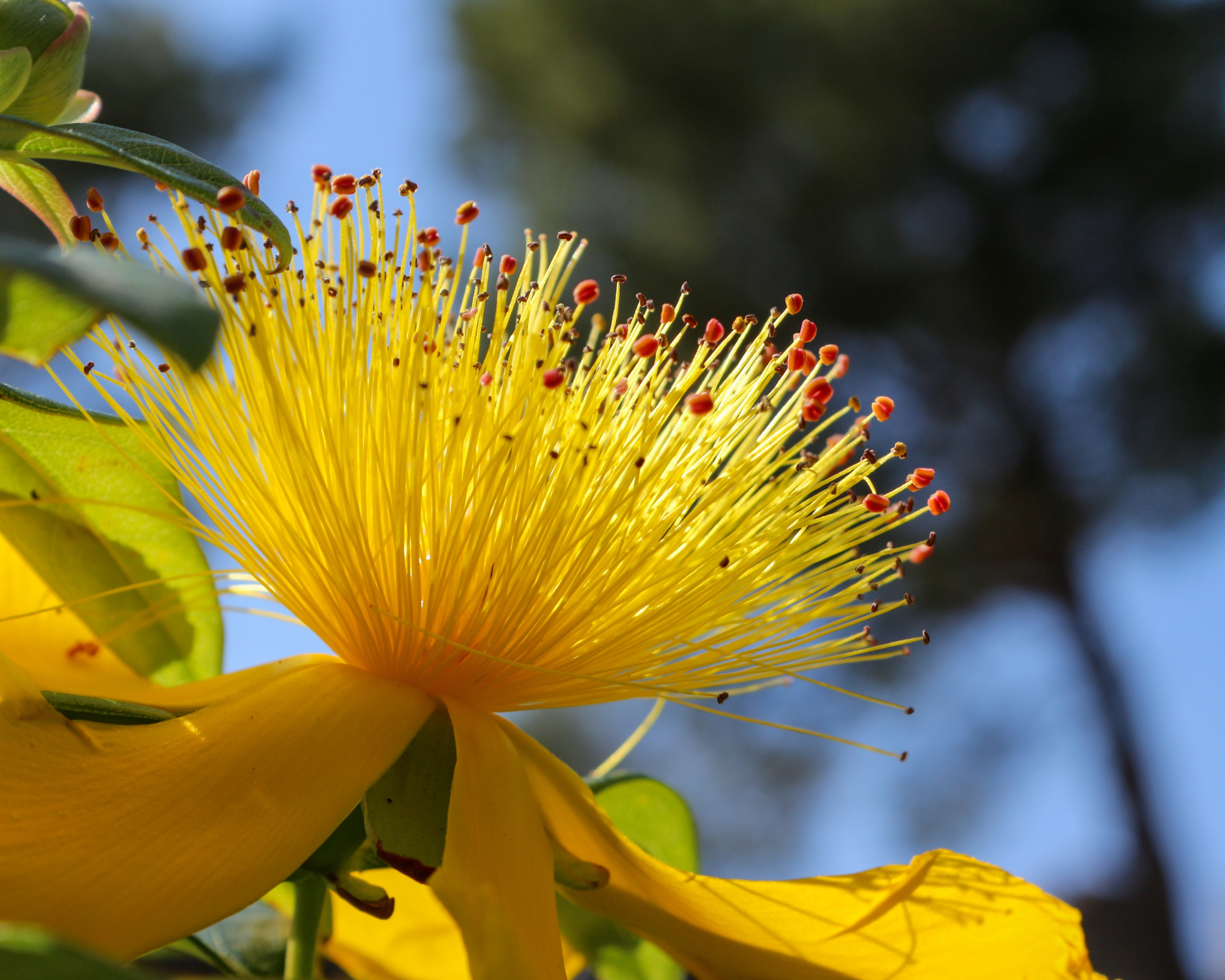
8. St John's Wort
(Image credit: Getty Images)
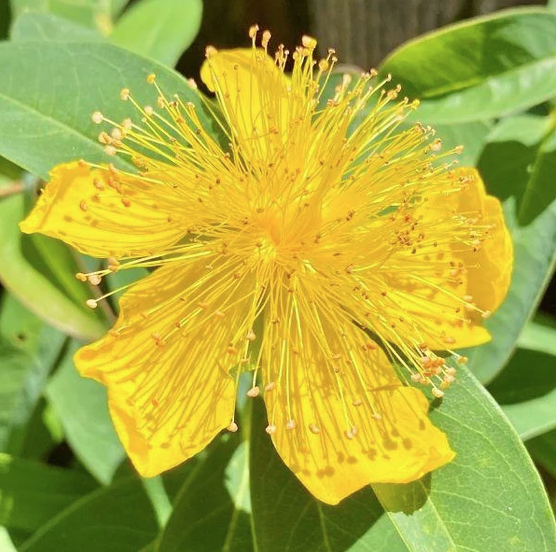
This St John's Wort shrub has grown into a foot-high groundcover of fresh green leaves that sporadically flushes with these small but dramatic golden flowers through summer and fall. Traditional wisdom is that Hypericum calycinum, also known as Aaron's beard, needs moist but well-drained soil but honestly, it couldn’t be happier.
Zones 5-9
St. John's Wort Plant in 1 Quart Pot
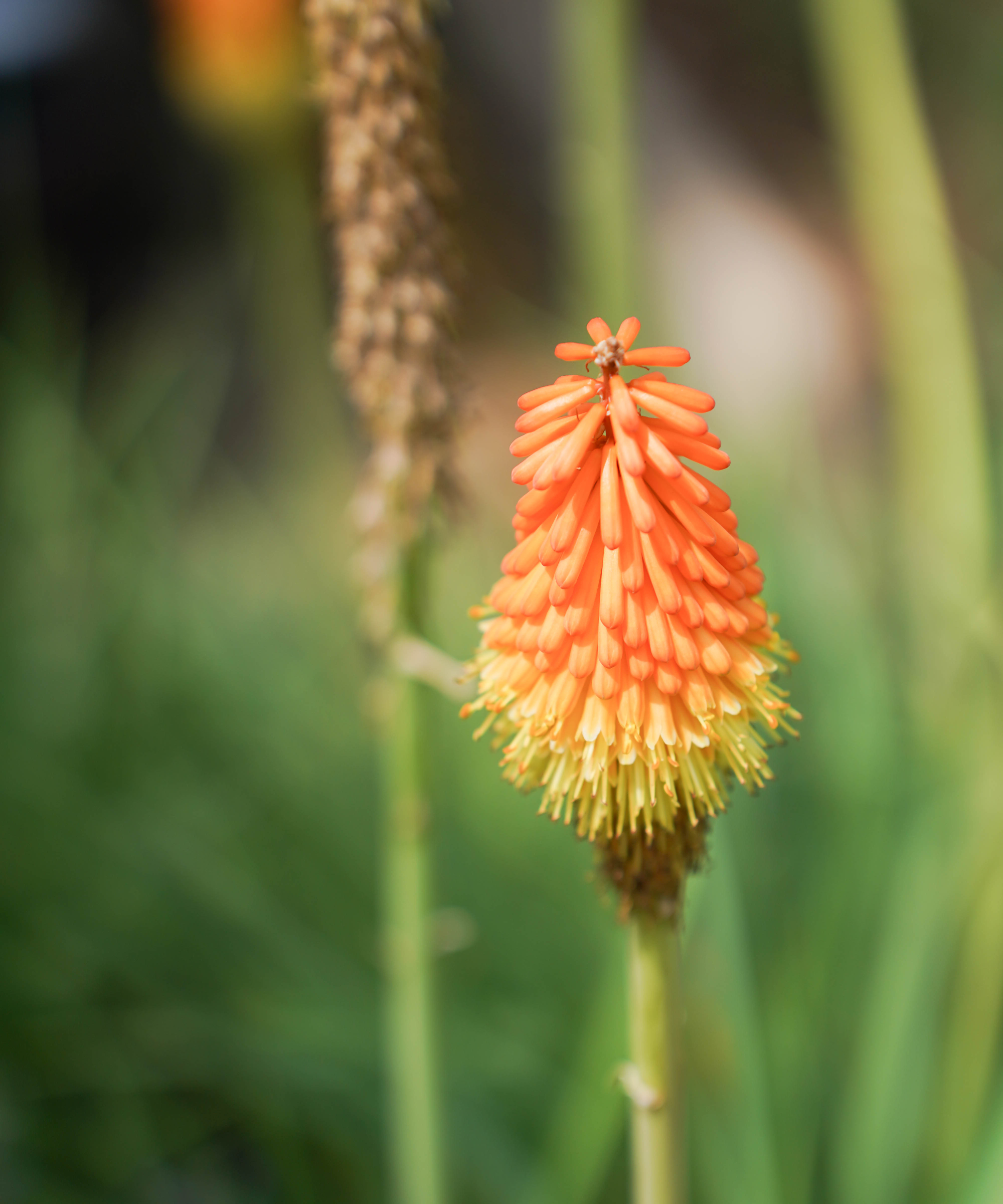
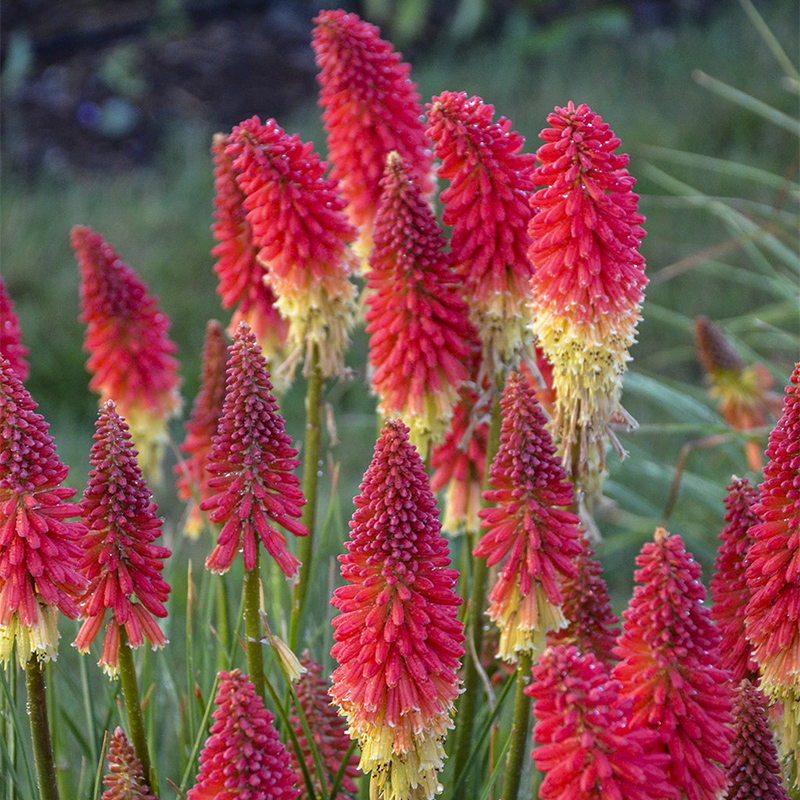
9. Red Hot Poker
(Image credit: Getty Images)
Kniphofia uvaria is also known as the flame flower and torch lily, and I always look forward to seeing these rockets of color firing up my zero-water border in summer. Red hot pokers are another plant that supposedly need well-draining but moist soil, so I’m surprised these are still flourishing three summers into my self-enforced hosepipe ban. With more water, I’m sure the plants would flower for longer, but they’re doing just fine without.
Zones 6-9
Pyromania Rocket's Red Glare Red Hot Poker
10. Photinia Pink Crispy
(Image credit: Emma Kendell)
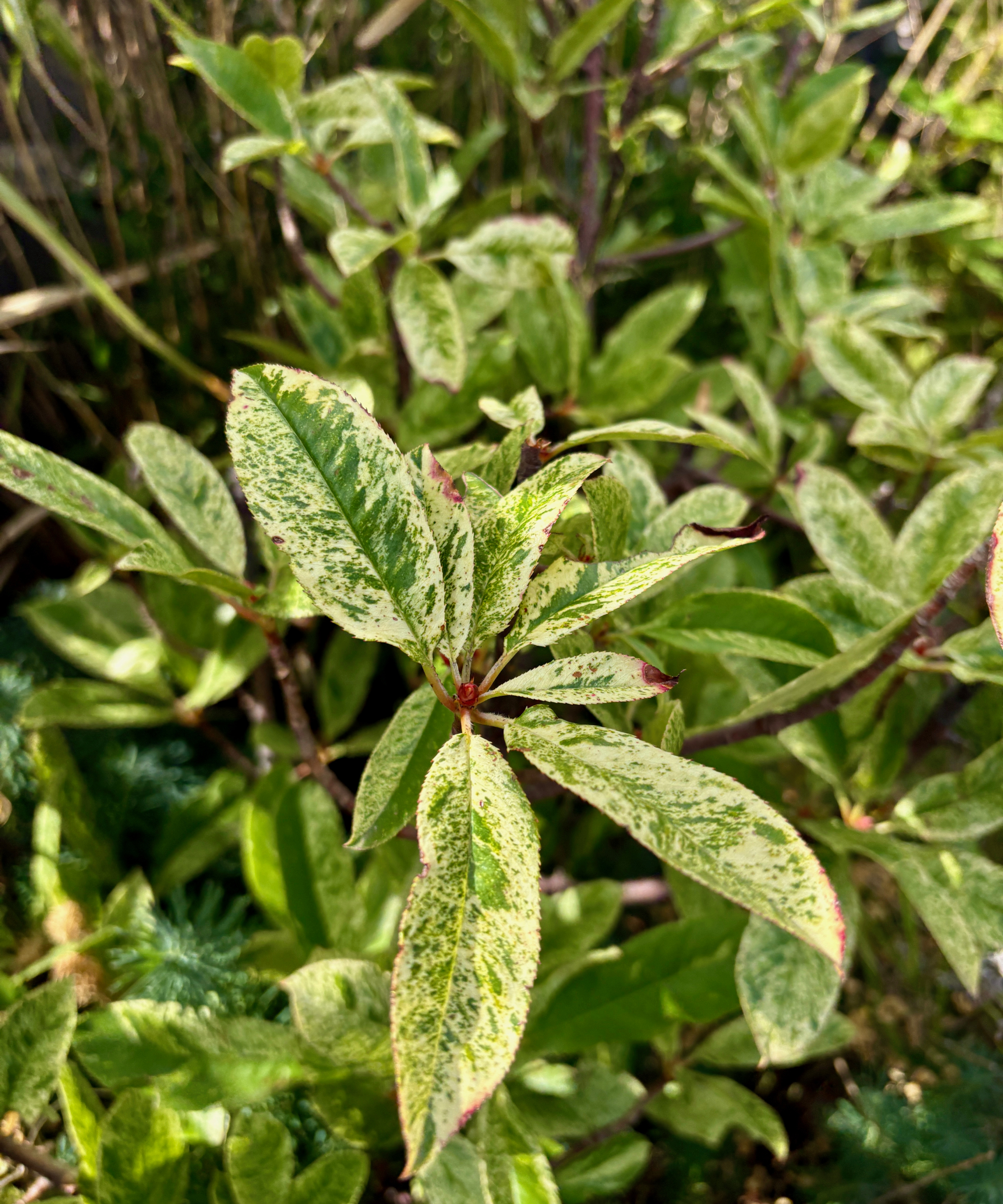
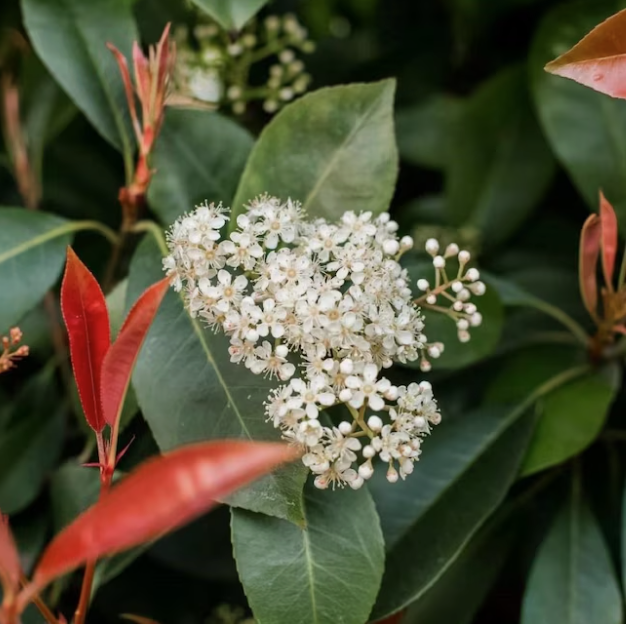
While photinia is usually used for hedging, its evergreen foliage makes it a useful border plant to keep gardens looking good through winter. The heavily marbled variegated foliage of this Photinia x fraseri ‘Pink Crispy’ adds so much appeal to my front-of-house border when many other plants have settled into dormancy for the winter. And, while its white early-summer flowers are tiny, this pretty foliage emerges a wonderful pink in spring, creating quite the show.
This variety is also very compact compared to many of its cousins and, although it’s capable or reaching 6 feet, my shrub tops out at around 3 feet in this water-starved soil.
Zones 7-9
Red Tip Photinia Shrub
I inherited all these plants when I bought the house, so they were well established long before I stopped watering them, and their extensive root systems adds to their drought tolerance. And while this border sits in the sun for most of the day, it is shaded for a few hours over midday, so these heat-tolerant plants are spared the most scorching of rays. I'd say all the plants in this border fall into the 'easy to grow' category, too.
Still, many of these plants are surprising survivors: if I were planning a zero-water border from scratch, I’d perhaps include the lavender, red valerian and sedum, but I certainly wouldn’t be choosing to plant a rose. But as my accidental xeriscaping experiment has shown, some plants might be absolutely fine with less water than we traditionally think.
For the last decade, I’ve been making easy switches to get more flowers for less work, to create a garden that almost takes care of itself. And now I’m experimenting with watering other borders a little less, to see how they cope, and if plants can be trained to become more drought-tolerant. And right now, any clever cheats to make gardening easier in this heatwave summer are to be welcomed.














 English (US) ·
  French (CA) ·