

This spring, my garden is an absolute explosion of color, largely thanks to some stunning blue spring flowers that have appeared everywhere at once. And I really do mean everywhere.
These blooms have popped up in my borders, woven themselves through my hedges, nestled into planters, and even made themselves at home in my herb garden. And I'll admit that I was, at first, quietly thrilled.... until I started noticing them beyond my own garden.
Yes, those same vivid blue spring flowers were cropping up all over the neighborhood – pushing through cracks in patios, spilling out from hedges, and even dotting the edges of the local soccer field. What had felt like a charming surprise suddenly looked a lot more like a coordinated attack by plants. Which makes sense, now I know that they're horribly invasive.
Article continues below
A Beautiful Invader
Yes, a little digging (both literal and metaphorical) revealed the truth: these pretty blue spring flowers aren’t the delicate native bluebells I’d imagined, but Spanish bluebells – a vigorous, fast-spreading plant widely considered invasive in both the U.S. and the UK.
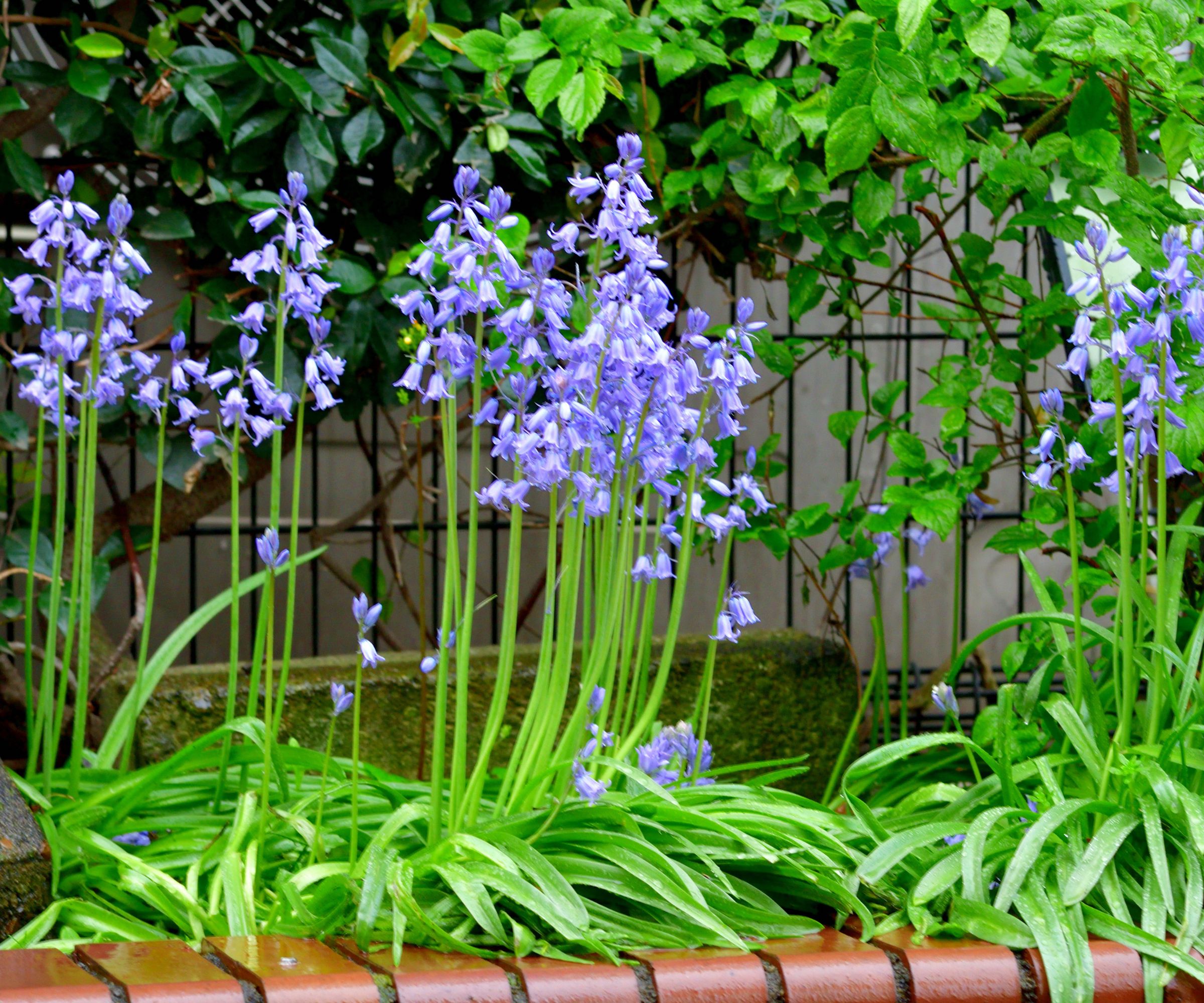
The problem with Spanish bluebells is all down to how effectively they do it. Unlike native species, they’re highly adaptable, thriving in a range of conditions from full sun to partial shade. Each plant produces large numbers of seeds, and their bulbs multiply underground, allowing them to colonize new areas quickly and densely.
Over time, they can outcompete more delicate native plants, including native bluebell species, which struggle to hold their ground. In the UK in particular, they’re known to hybridize with native bluebells, gradually diluting the genetic line. And in the U.S., while there isn’t a native equivalent everywhere, they can still dominate garden spaces and edge out other spring plants that pollinators rely on.
Because here's the thing: while they do attract bees and other insects, they’re not considered as nutritionally valuable as some native wildflowers. Which means, while they’re doing something for wildlife, it's not necessarily enough to justify how aggressively they take over.
A Case for Keeping Them
I get it. I get that these pretty blue spring flowers are bad news.... and yet I can't quite bring myself to hate them (I sound like Kat Stratford in 10 Things I Hate About You, don't I? 'Mostly I hate the way I don’t hate you, not even close, not even a little bit, not even at all').
Why? Because they’re beautiful. That sea of blue is uplifting after a long winter, and the sheer abundance of flowers feels like the garden is giving something back without asking anything much in return. And surely even if each individual bloom offers less nectar, there are so many of them that it must somehow balance everything out? Less of a hearty, nourishing meal for pollinators, more a series of small, delicate courses – plentiful, if not especially rich.
From a purely practical perspective, Spanish bluebells are also incredibly effective. They fill gaps effortlessly, soften borders, and bring cohesion to areas that might otherwise feel a little sparse. And, for busy gardeners, there’s something appealing about a plant that shows up, thrives, and asks for very little in return.
What to Plant Instead
Annoyingly, it's not a quick fix to remove Spanish bluebells once they've established themselves. Because they spread both by seed and by bulb, you’ll need to dig them out thoroughly, ensuring you remove as much of the bulb as possible. This is best done in spring, while they’re still visible, or later in the year when the soil is easier to work. Leftover bulbs can easily regrow, so persistence is key.
For many gardeners, though, total removal isn’t always necessary. Keeping them contained – by deadheading before they set seed or thinning out dense clumps – can strike a more manageable balance.
If you’re looking for alternatives, native or well-behaved spring flowers are a great option. Plants like Virginia Bluebells offer a similarly soft, blue palette without the same invasive tendencies, while other spring bulbs and wildflowers can help support pollinators more effectively.
Native Blue Flowers to Plant:
American Beauties
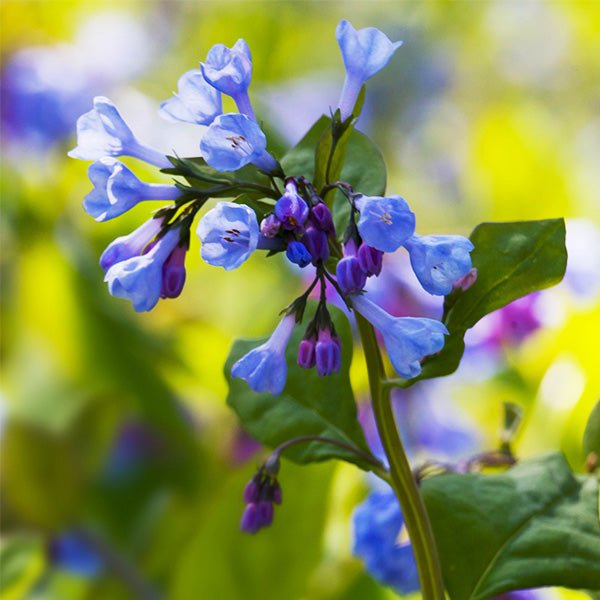
Virginia Bluebell
The Virginia Blue Bell is a native plant to the eastern United States, and can be grown throughout much of the country.
Nature Hills Nursery
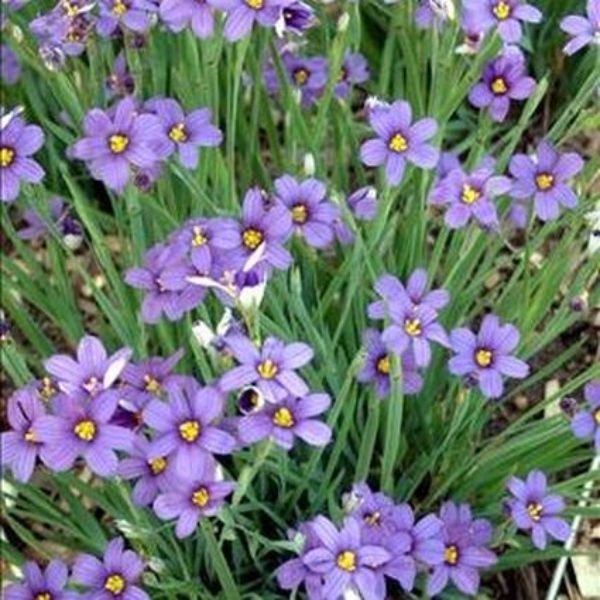
Lucerne Blue Eyed Grass
Lucerne Blue-Eyed Grass is a herbaceous perennial that produces lovely blue flowers from May until June.
American Beauties
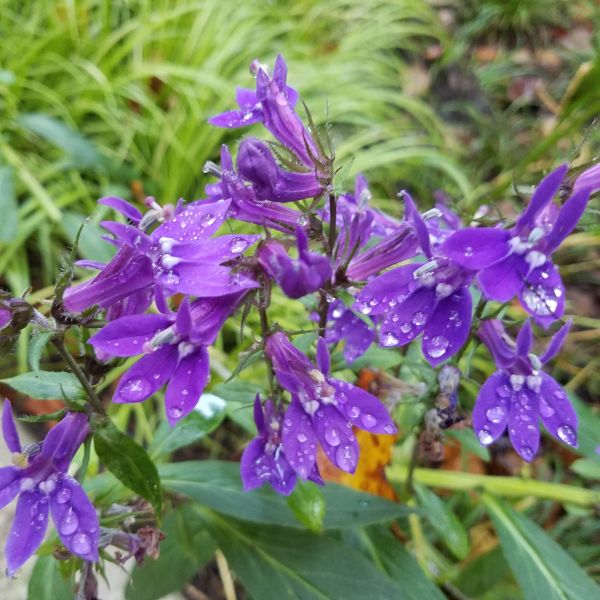
Great Blue Lobelia
Butterflies and pollinators love the Great Blue Lobelia, which blooms from summer to fall and bears dense spikes of light to bright blue.
For now, I’m still undecided about what I should do, but I suspect I already know the answer. The blue is beautiful, but it isn’t neutral. Spanish bluebells spread in ways that quietly edge out the native plants that should be here. So, with a certain amount of reluctance, they’ll have to be lifted.
Admittedly I’ll probably put my husband to work on the digging while I do what I always do when I remove something I’ve grown fond of: start planning what will replace it. Next spring, I want to look out of the window and see life returning... just in a form that I can stand behind.













 English (US) ·
  French (CA) ·