

Did you know you have a birth month bug? From glowing fireflies on warm summer nights to industrious honeybees working tirelessly across the country, insects are the unsung characters of our natural world. And just like birds or blossoms, they carry their own deeply symbolic meanings.
Oh yes, we know; we’ve long been told our personalities can be shaped by the stars, flowers, even the animals we’re born under. Birth month birds, birth month animals, and even birth month butterflies have all had their moment in the cultural spotlight, offering whimsical (and sometimes surprisingly accurate) reflections of who we are.
Insects, though? Well, insects are among the oldest and most successful land creatures. They were the first animals to develop flight and colonize land. They pre-date dinosaurs by over 170 million years . They are absolutely integral to life on this planet – so, yes, it makes sense they have a lot to say about our place in the natural world.
Article continues below
All 12 Birth Month Bugs
It's far easier to swoon over your birth month tree than it is a teeny insect, but size isn't everything; after all, these small but essential garden allies help pollinate, protect, and balance our outdoor spaces.
So whether you’re tending a backyard plot in the Northeast or a year-round garden in the South, it's well worth reading up on your birth month bug. It might reveal something surprisingly charming about your personality, not to mention your place in the natural world.
Time to set up a bug hotel, grab yourself a drink, and settle down for a read...
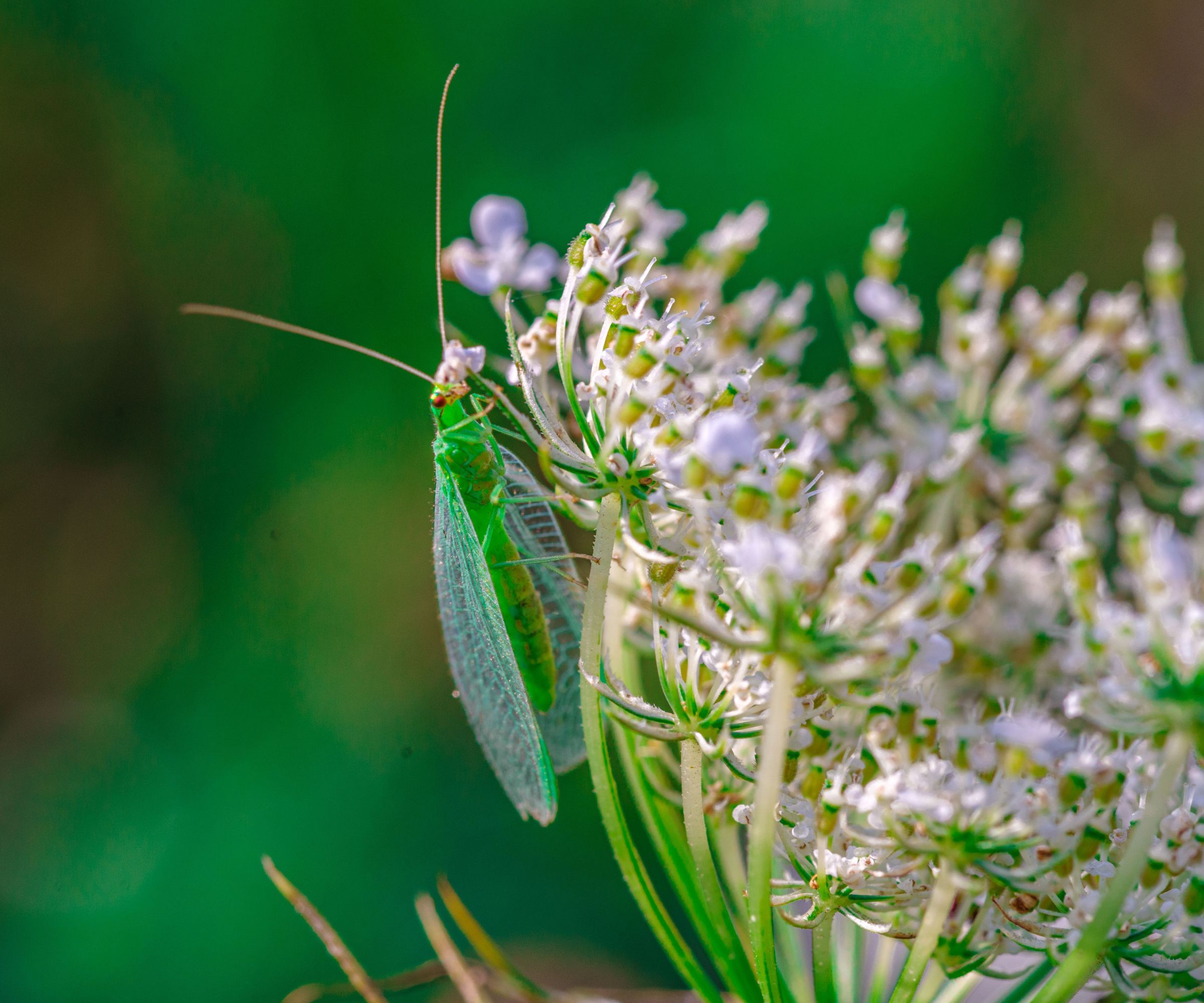
January – Lacewing
(Image credit: Wirestock/Getty Images)
Sensitive, observant, quietly intelligent, and far more powerful than you first appear, you tend to move through the world with a kind of careful awareness – watching patterns, noticing shifts in mood, environment, and energy before anyone else has clocked them. People may underestimate you and your birth month bug at first, but that’s usually their mistake.
In the garden, lacewings are silent protectors, as their larvae are voracious predators of aphids, mites, and other soft-bodied pests. In fact, it might be better to think of them as one of the most effective natural pest controls. Plant dill, fennel, coriander, and yarrow to attract them, and avoid using broad-spectrum pesticides that disrupt early-season populations.
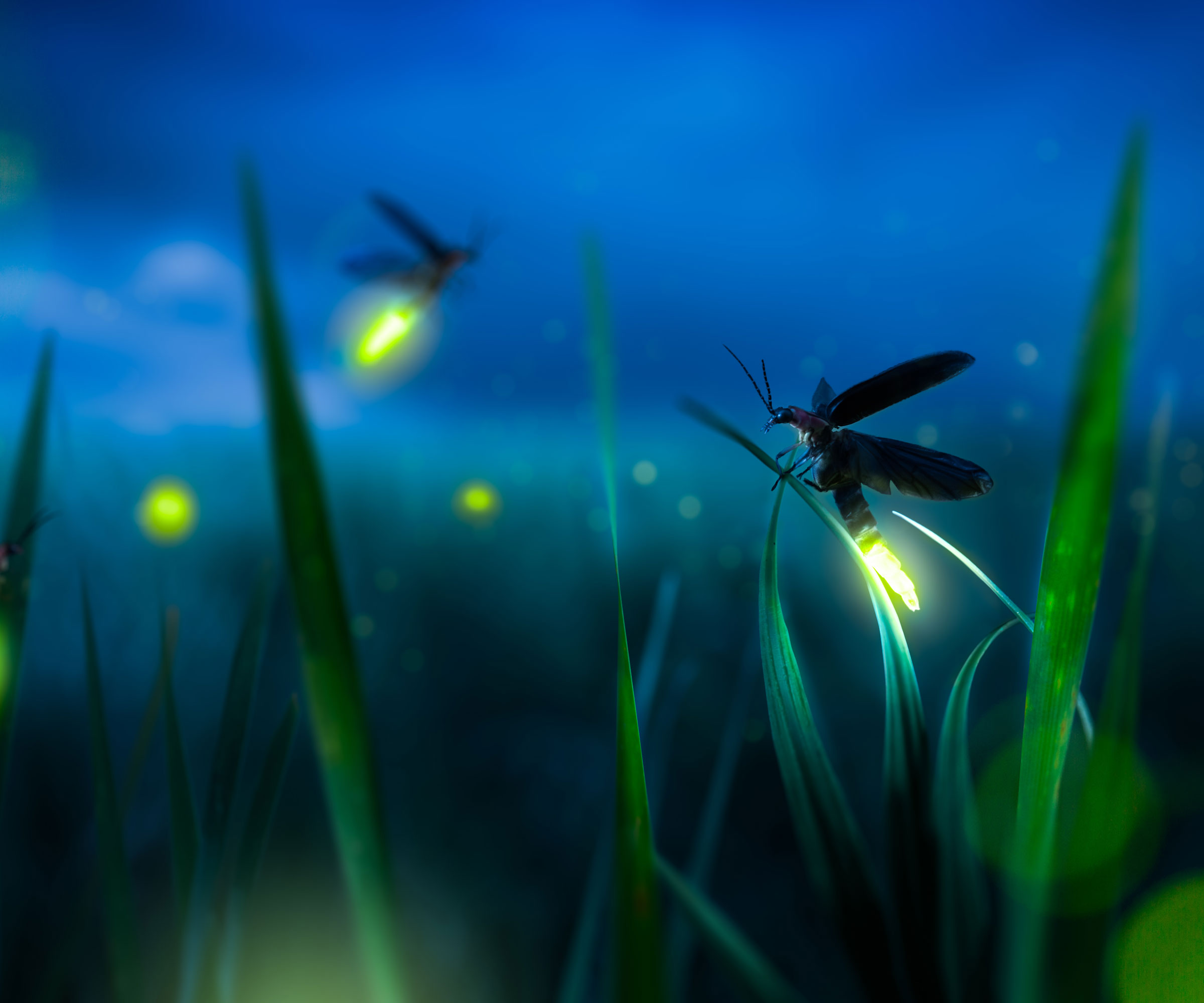
February – Firefly
(Image credit: Fer Gregory / Shutterstock)
Born in February? Then your birth month bug is the firefly, making you a romantic, nostalgic, and quietly magnetic person who carries a sense of wonder that never quite fades with age. There’s something luminous about you, even in stillness, and you tend to believe in small magic: timing, intuition, and moments that can’t quite be explained.
Fireflies are indicators of healthy ecosystems and low light pollution, as their glow is entirely dependent on balance in the landscape. To attract them, reduce outdoor lighting, keep long grass or meadow patches, and incorporate native plants that retain moisture like these...

Vibrant red spikes attract pollinators and insects, providing both a food source and visual magnet for fireflies.

Rosie Josie Joe - Pye Weed
These tall, airy, mauve flower clusters that bloom in mid-to-late summer, attracting pollinators and providing cover for fireflies.

Shenandoah Switch Grass adds graceful movement and deep red tips that catch the evening light, giving fireflies the perfect backdrop to flicker among.
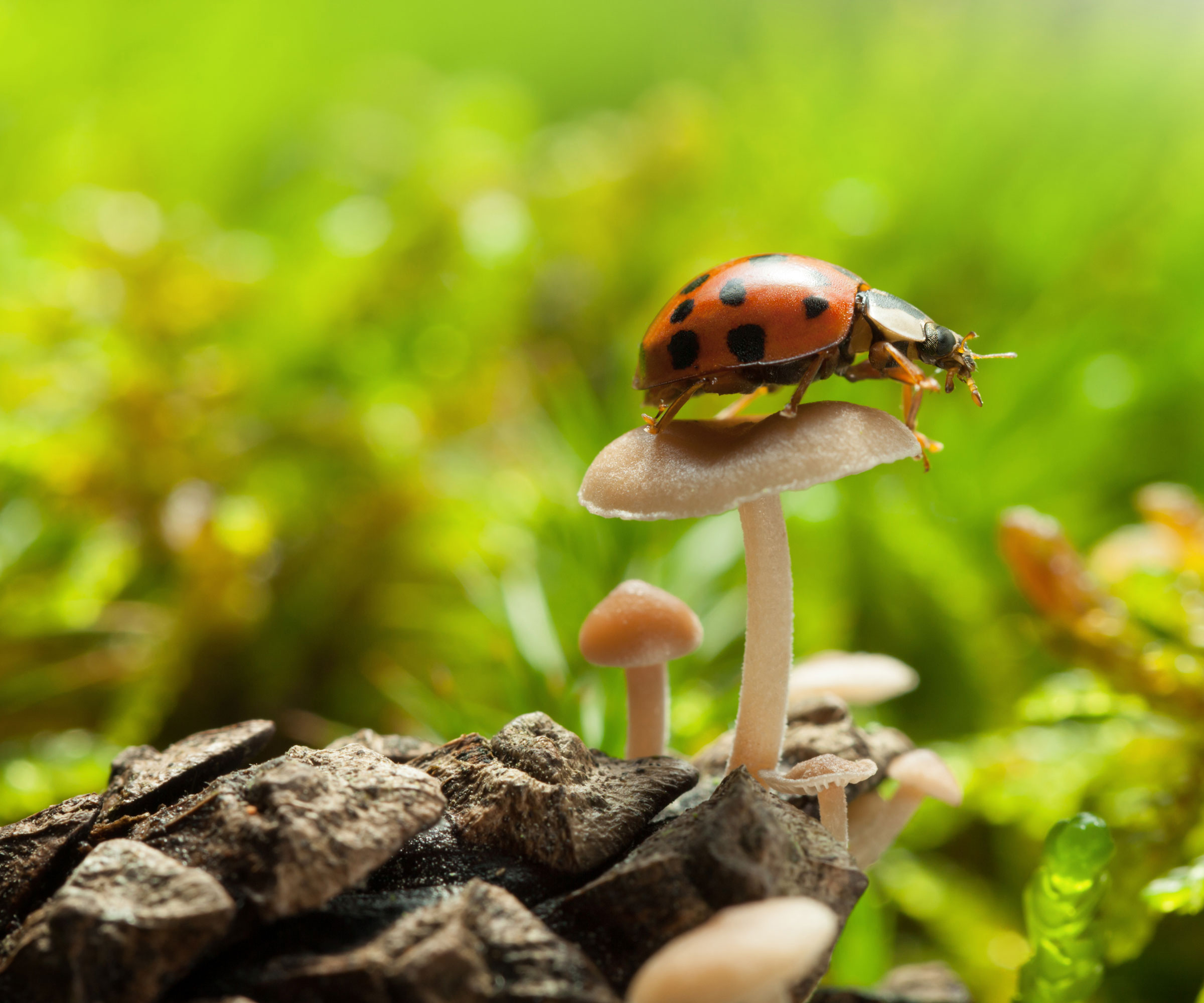
March – Ladybug
(Image credit: Anest / Shutterstock)
March babies everywhere, good news; your birth bug is the ladybug (or ladybird, depending on your preference). Optimistic, protective, and quietly unshakeable, you tend to be the person others rely on without even realising it – largely due to your habit of restoring balance wherever things feel off.
Ladybugs are among the most beloved beneficial insects across the world, acting as natural pest controllers by consuming vast numbers of aphids and scale insects. Treat them, then, like the good friends they are, and take care to grow pollen-rich flowers not to mention provide shelter through leaf litter or insect hotels.
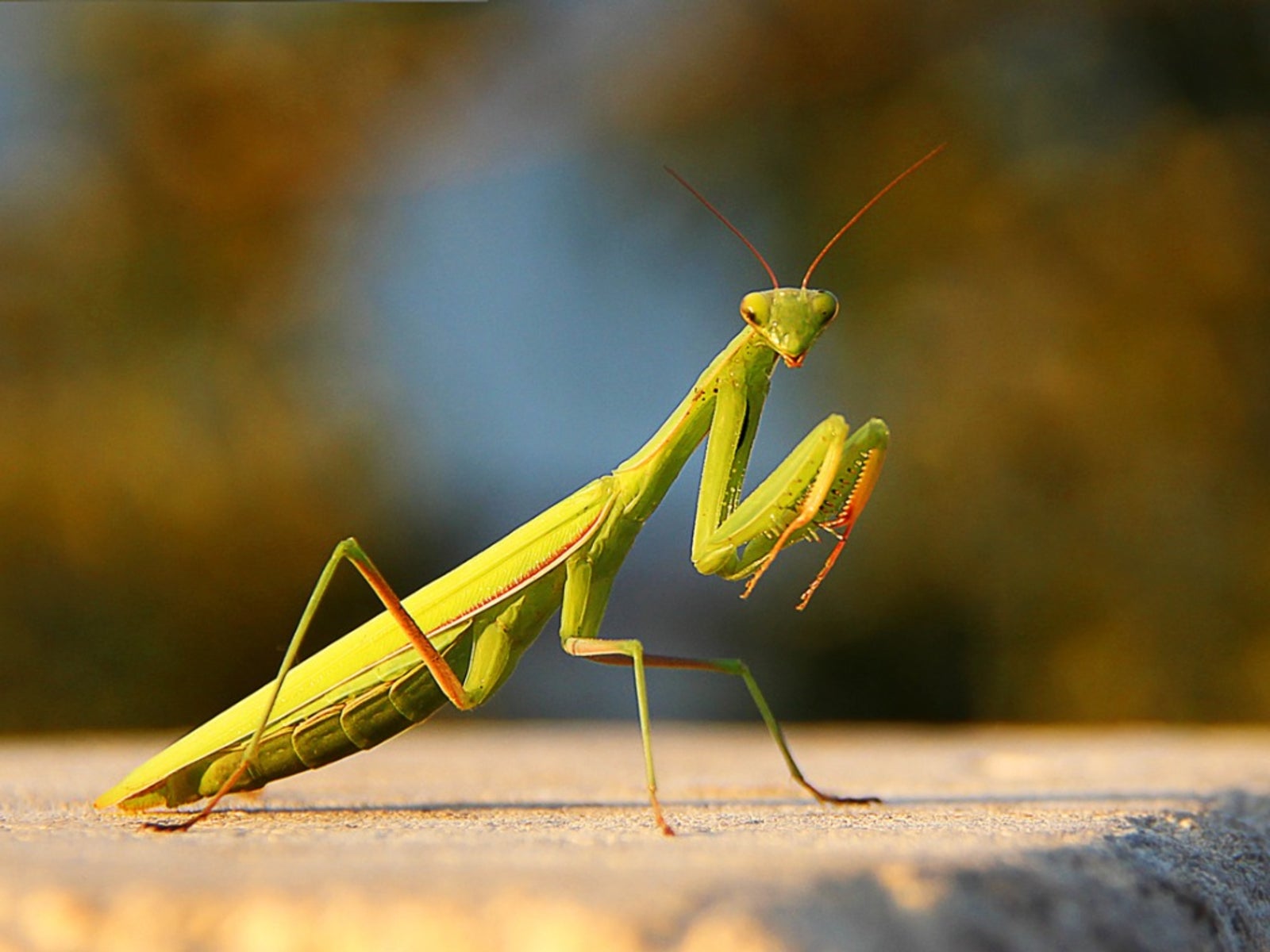
April – Praying Mantis
(Image credit: Татьяна Санина)
April-borns have a humdinger of a birth month bug to brag about: the praying mantis! Much like your special soul insect, you are focused, deliberate, and intensely perceptive, and you don’t rush decisions (quite the opposite, in fact). There’s something almost meditative in your ability to wait for the right moment, and when you act, it tends to matter. People often find you intriguing because you reveal very little, but see very much.
Praying mantises are apex garden predators, helping control everything from beetles to caterpillars. Show them some love by planting tall grasses and shrubs for egg-laying sites.
May – Ground Beetle
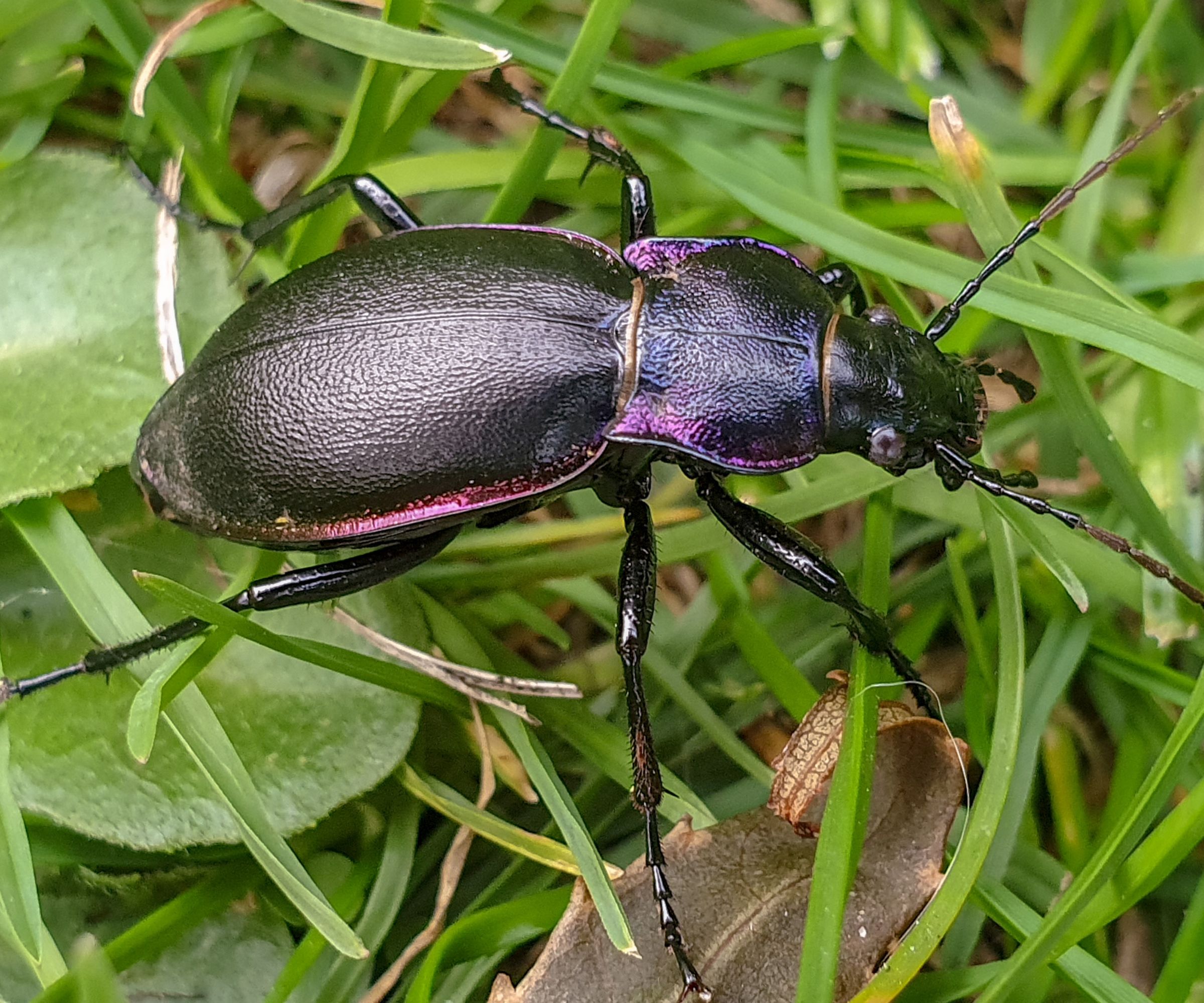
(Image credit: Gary Mayes/Getty Images)
Grounded, dependable, and quietly heroic, your birth month bug is the ground beetle, which means you’re the kind of person who keeps things running without needing recognition. You’re practical, steady, and deeply connected to the idea that consistency is its own form of strength. You prefer doing over performing.
Guess what? Ground beetles are essential nocturnal predators, feeding on slugs, snails, and other soil-dwelling pests that damage roots and seedlings. Make sure you leave mulch, logs, and stones for them to shelter in, and keep soil slightly undisturbed.
Shop Insect Houses:
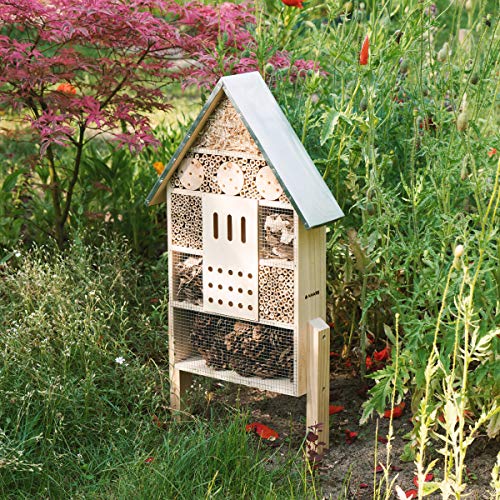
Navaris
Insect House With Stakes
We love this rustic-looking insect house, especially as it's made from all natural materials (pine wood, bamboo and pine cone, to be precise).
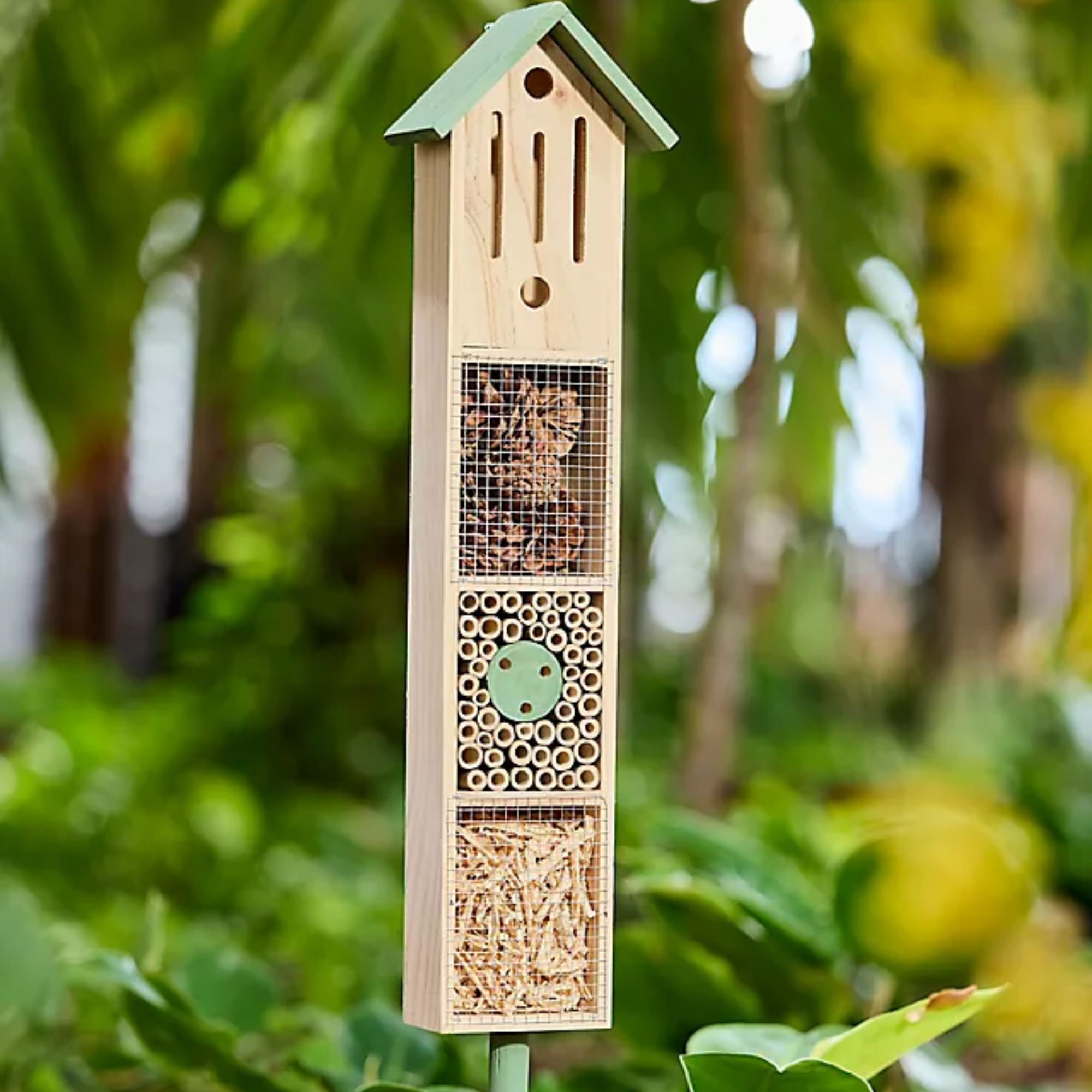
Terrain
Native Bees Insect Hotel Stake
This nifty little insect hotel provides no less than THREE different nesting habitats and resources to support native bee populations in your area.
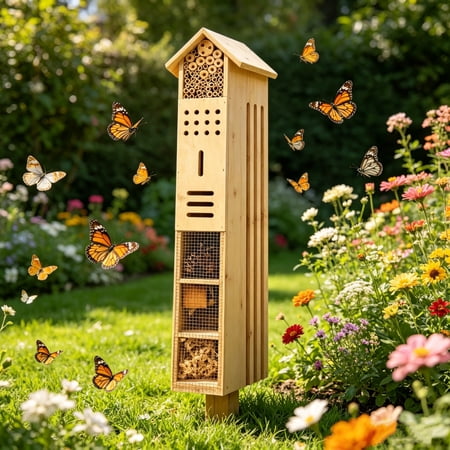
Santajoy
Wooden Insect House
How gorgeous is this striking insect hotel? It's not always a case of bigger is better, but there's no denying that height makes a statement.
June – Spider
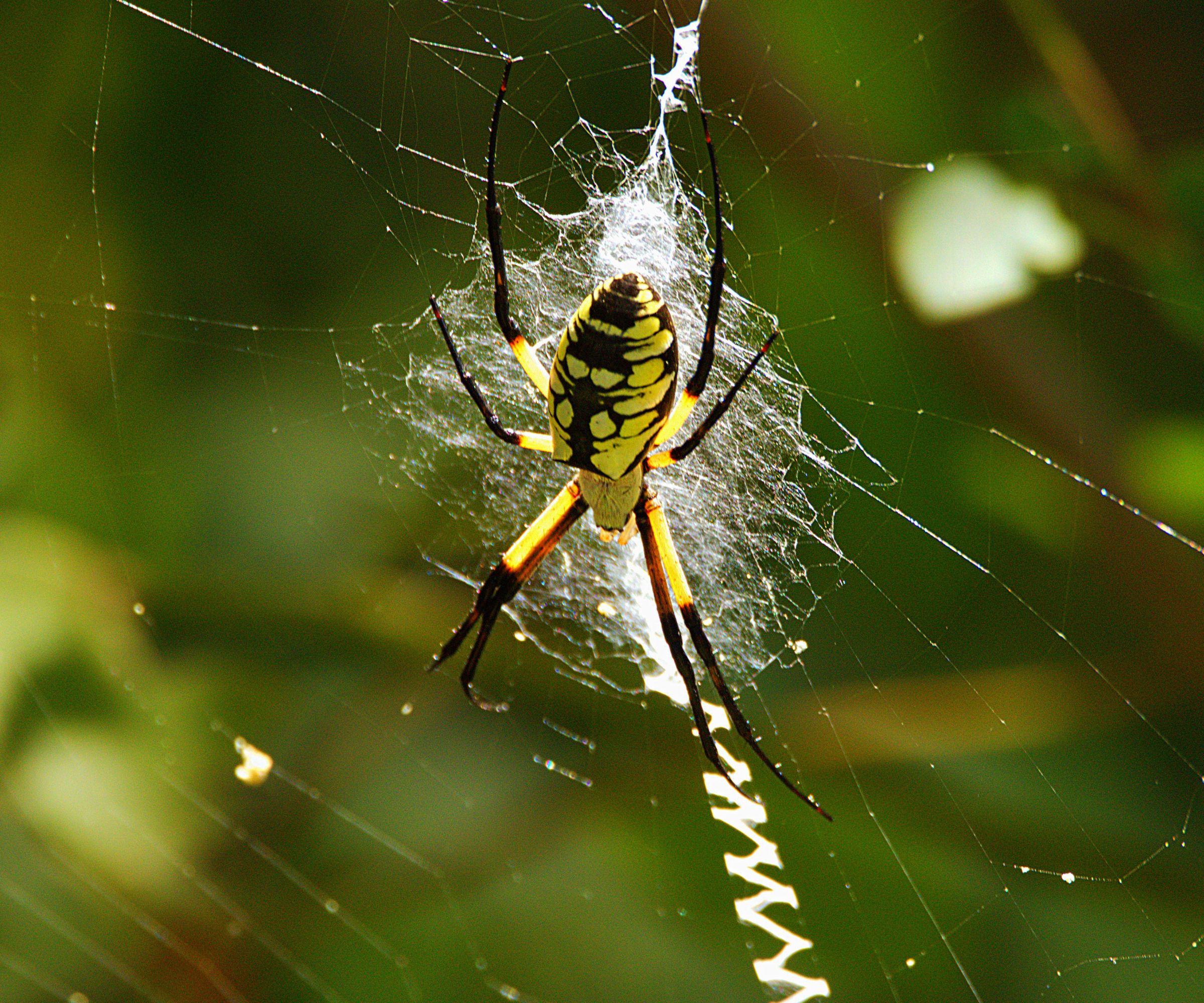
(Image credit: Lawrence L Derge/Getty Images)
Arachnid. We know it's an arachnid, not an insect – but the spider went to the Ugly Bug Ball, so we say it's a bug. And, as it so happens, it's the birth month bug for June babies everywhere. Much like the creative, independent, and deeply strategic spider, you build your life carefully (thread by thread!), trusting your own design more than outside instruction. You’re resourceful in ways people often only notice in hindsight, when everything you’ve built quietly holds together.
Spiders are natural pest controllers across all USDA zones, reducing fly, mosquito, and moth populations without chemical intervention. Try to plant shrubs, tall plants, and ground cover so you create lots of natural habitats for them, and avoid disrupting webs unless necessary.
July – Honeybee
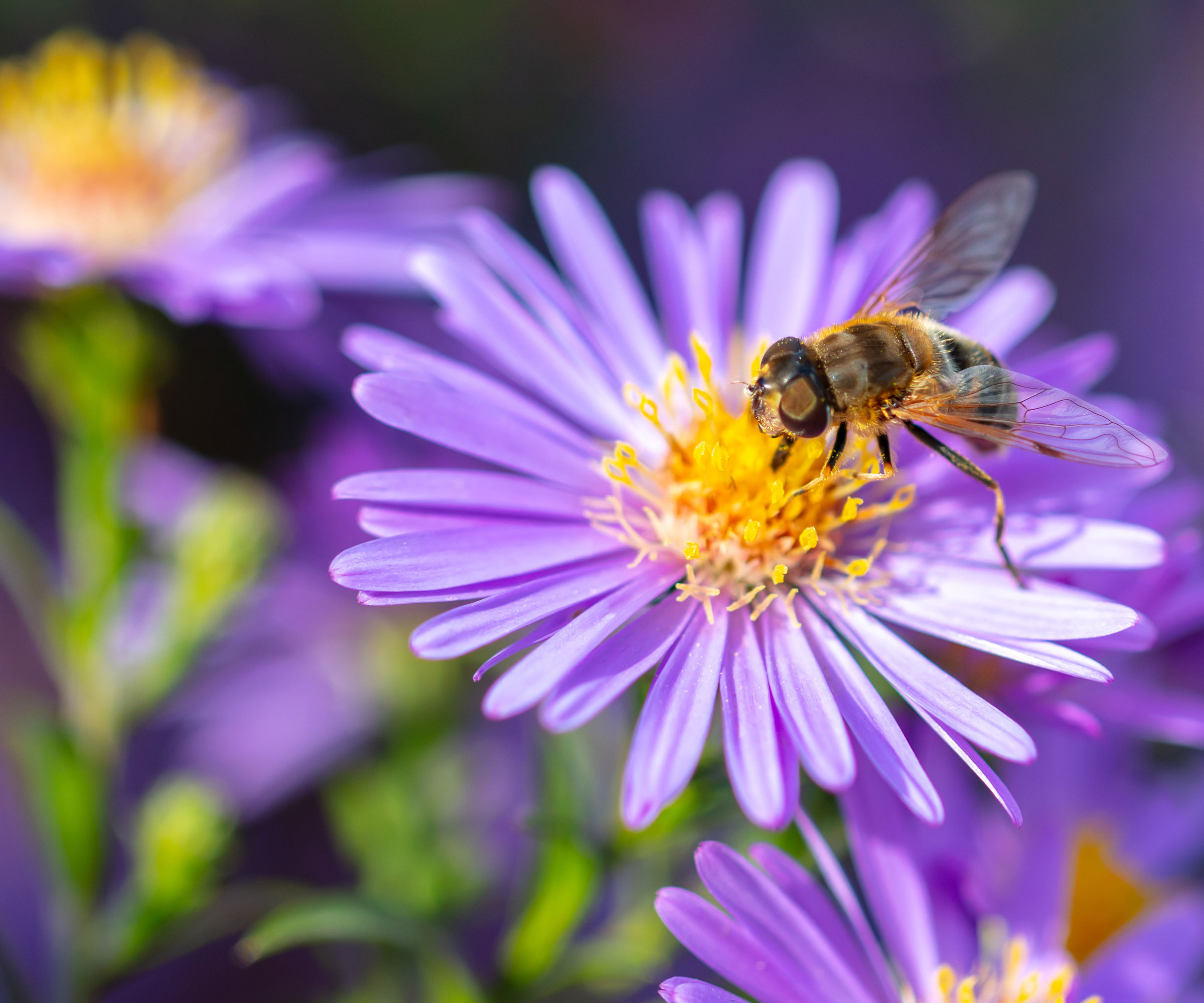
(Image credit: Schankz / Shutterstock)
Congratulations on your birth month bug, July babies; if there's ever a big that gardeners love wholeheartedly, it's bees. Hardworking, social, and purpose-driven, you thrive when there’s meaning behind what you do. You’re collaborative by nature, often acting as the glue in your community, even when you don’t realise it. There’s a steady, rhythmic energy to you... and you create a real buzz wherever you go.
Honeybees are critical pollinators, supporting both wild ecosystems and food production systems, so plant nectar-rich flowers like lavender, sunflowers, echinacea, and borage, and avoid pesticide use during bloom periods.
Keep Bees And Bugs Happy:
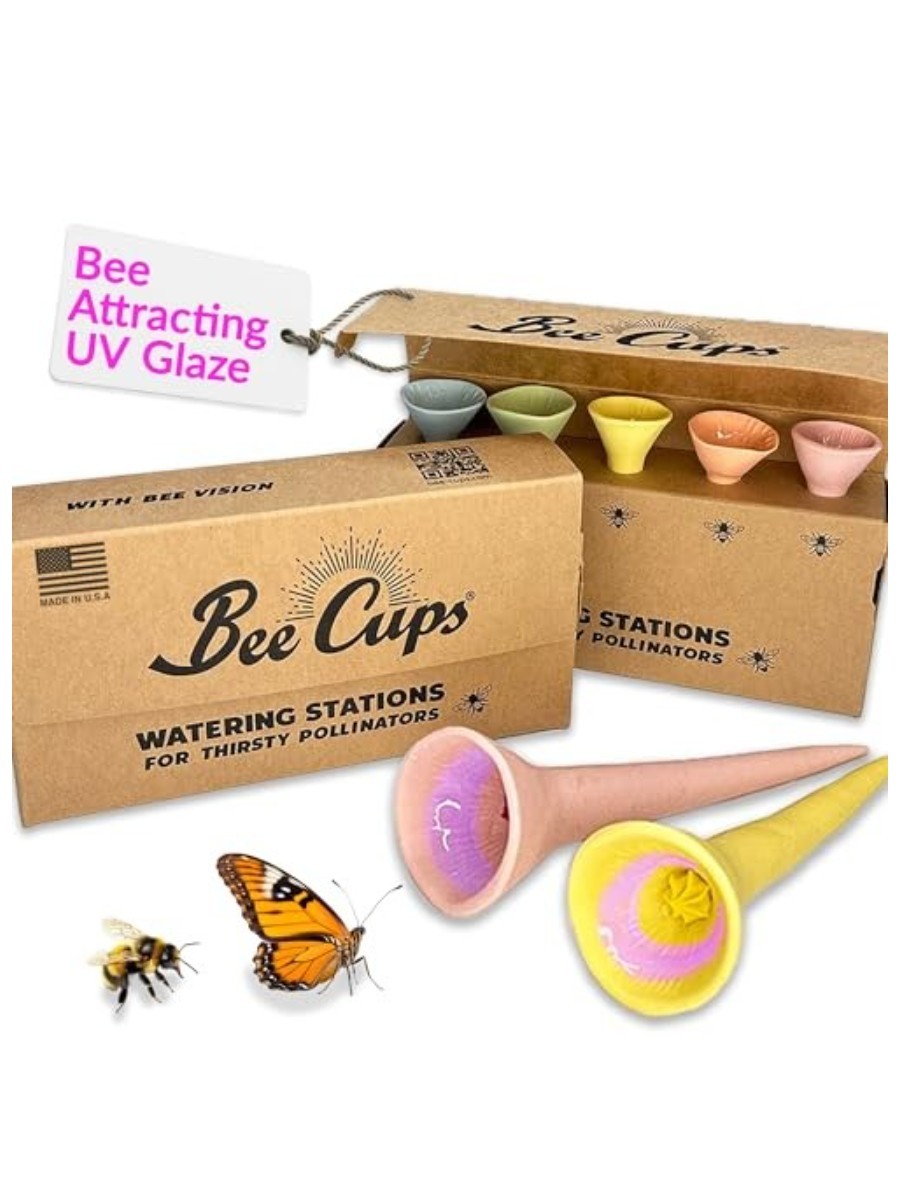
These handmade porcelain gizmos are the perfect size and shape to give bees a much-needed refreshment break in your garden.
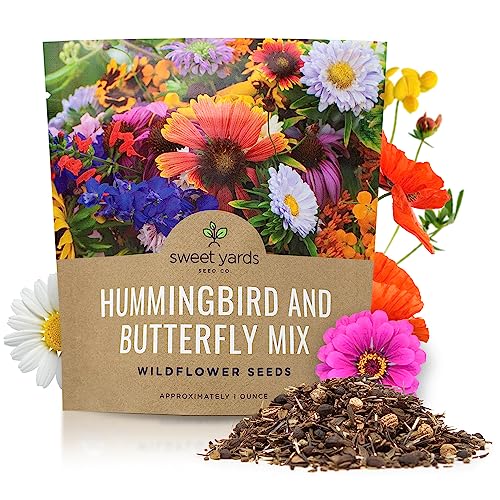
SWEET YARDS
Wildflower Seeds Butterfly and Humming Bird Mix
If you fancy a more natural approach, try planting 23 species of wildflowers for bees and pollinators to enjoy.
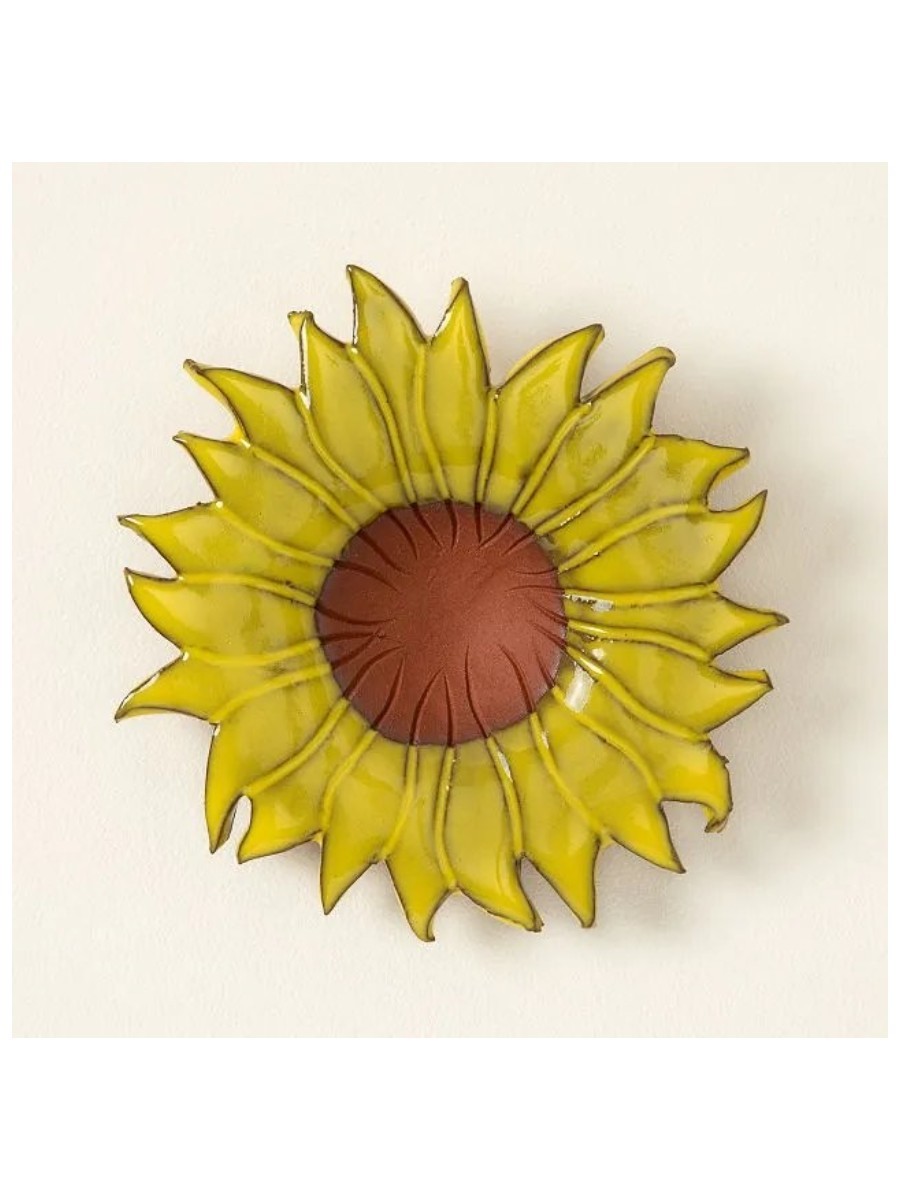
Yellow Sunflower Butterfly Feeder
Fill the flower with the supplied sand and salt, then cover it with water. As the water evaporates it'll leave behind essential minerals butterflies won't get from plants alone.
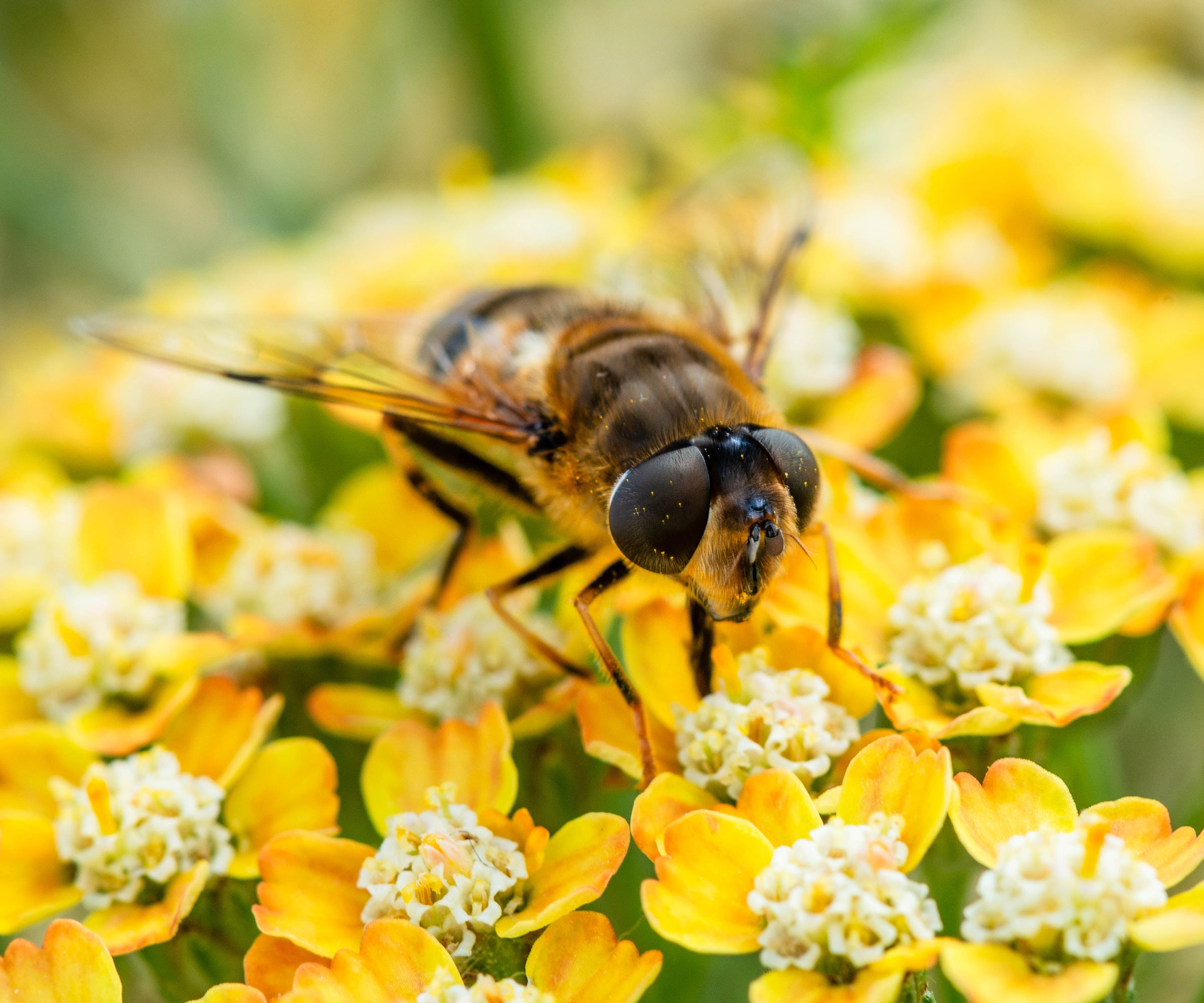
August – Hoverfly
(Image credit: Muhammad Adeel Ahmed / Shutterstock)
Is your birth month bug a hoverfly? Amazing news! Adaptable, light-hearted, and deceptively important, you move through life with ease, often underestimated because of your effortless versatility. You don’t stay stuck in one role for long; you adjust, shift, and respond with surprising intelligence.
Hoverflies are dual-purpose allies: adults pollinate flowers while larvae consume aphids in large numbers. Try growing flat-topped flowers like yarrow, alyssum, and wild carrot to attract them, and allow some “messy” garden edges to remain.
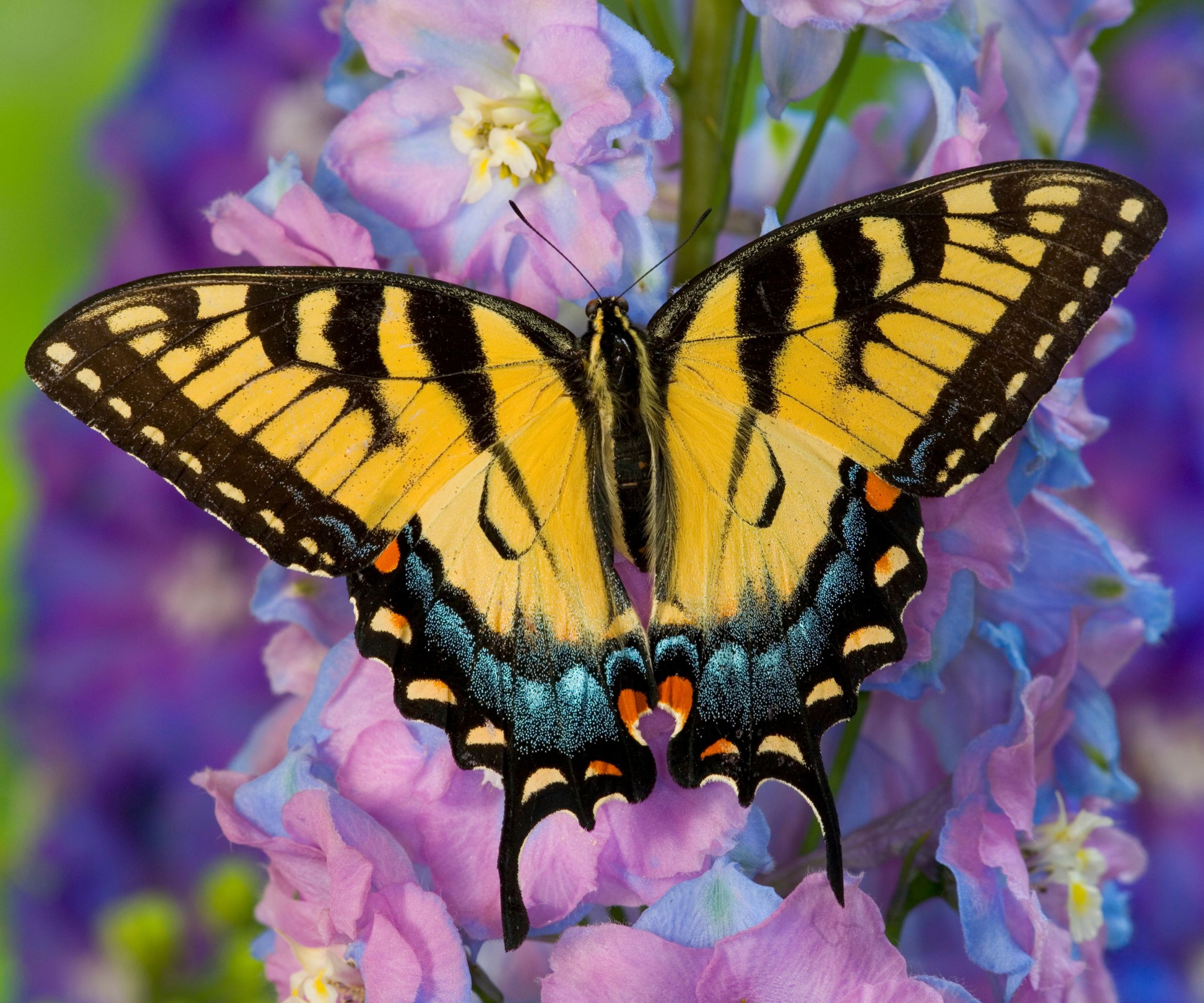
September – Butterfly
(Image credit: Darrell Gulin/Getty Images)
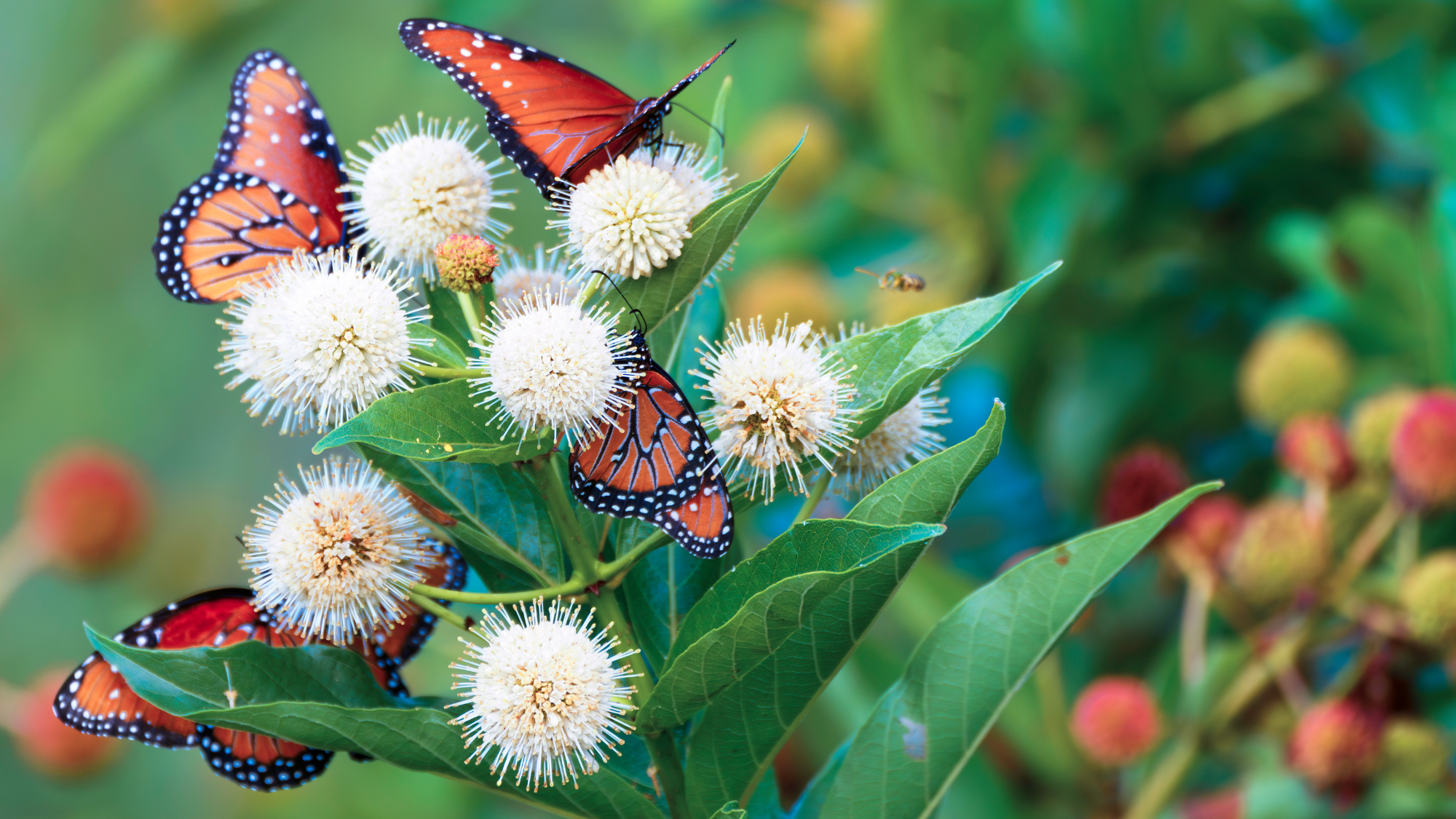
Lucky September babies have the beautiful butterfly as their birth month bug. It means that you are someone who understands that change is not a disruption but a process. You carry transformation with a kind of grace (even when it’s uncomfortable!) and tend to emerge from shifts more defined than before. You're every bit as expressive as you are constantly evolving, and people love to see you arrive.
Butterflies are key pollinators and biodiversity indicators, signaling healthy ecosystems. Be sure to plant milkweed seeds like these (for monarchs), as well as coneflower, zinnias, and native wildflowers, and avoid cutting back plants too early in the fall.
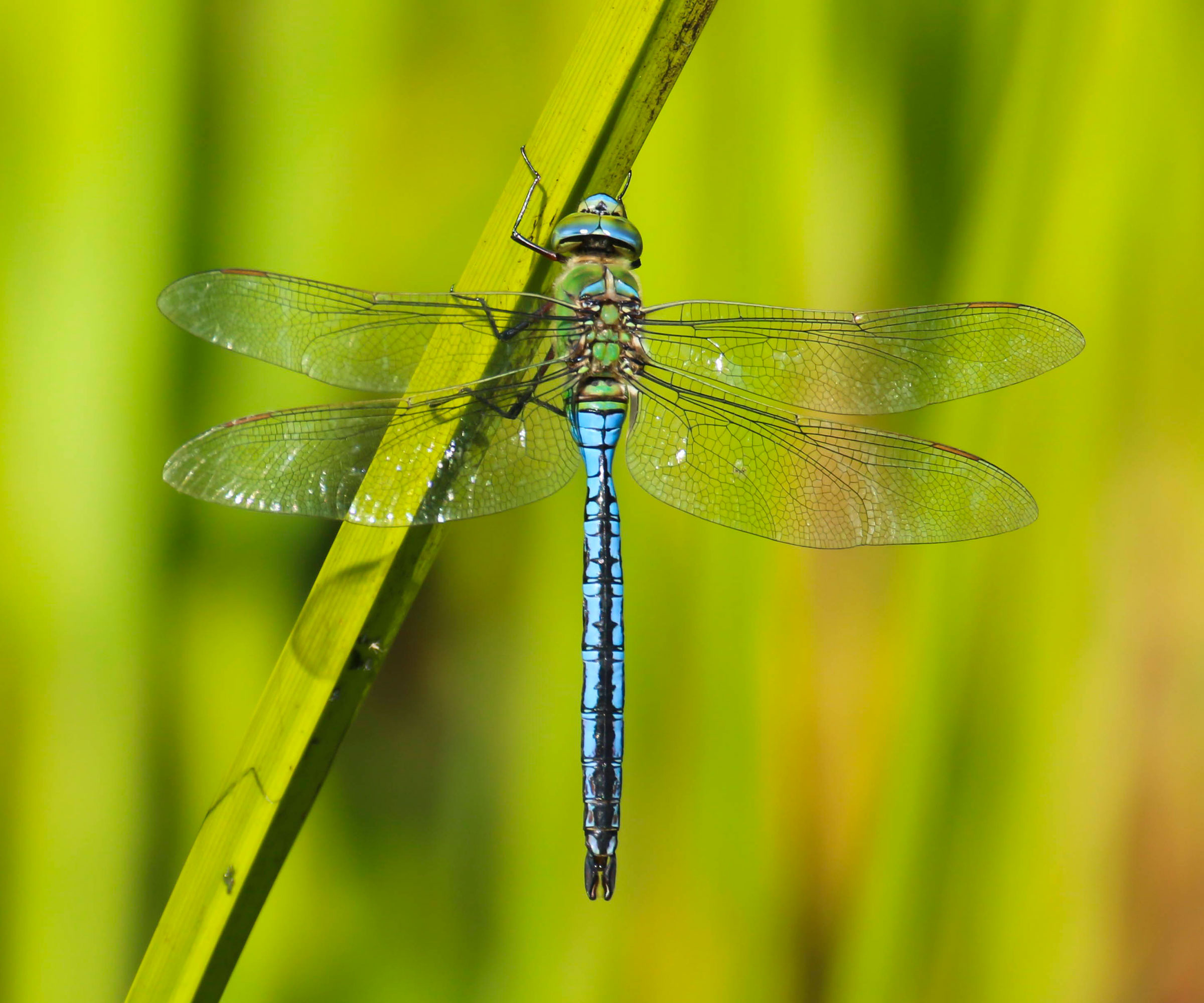
October – Dragonfly
(Image credit: Helen Davies / Getty Images)
As a fellow October baby, this writer is pleased as punch to report that our birth month bug is the intuitive dragonfly. This means that we are emotionally intelligent and strikingly perceptive, often seeing through surface-level noise quickly. There’s a calm intensity to us; observant rather than reactive, grounded rather than easily swayed.
Dragonflies are powerful mosquito predators, thriving near clean water sources and balanced ecosystems, so add ponds or water features, include aquatic plants, and avoid chemical runoff in garden areas.
November – Soldier Beetle
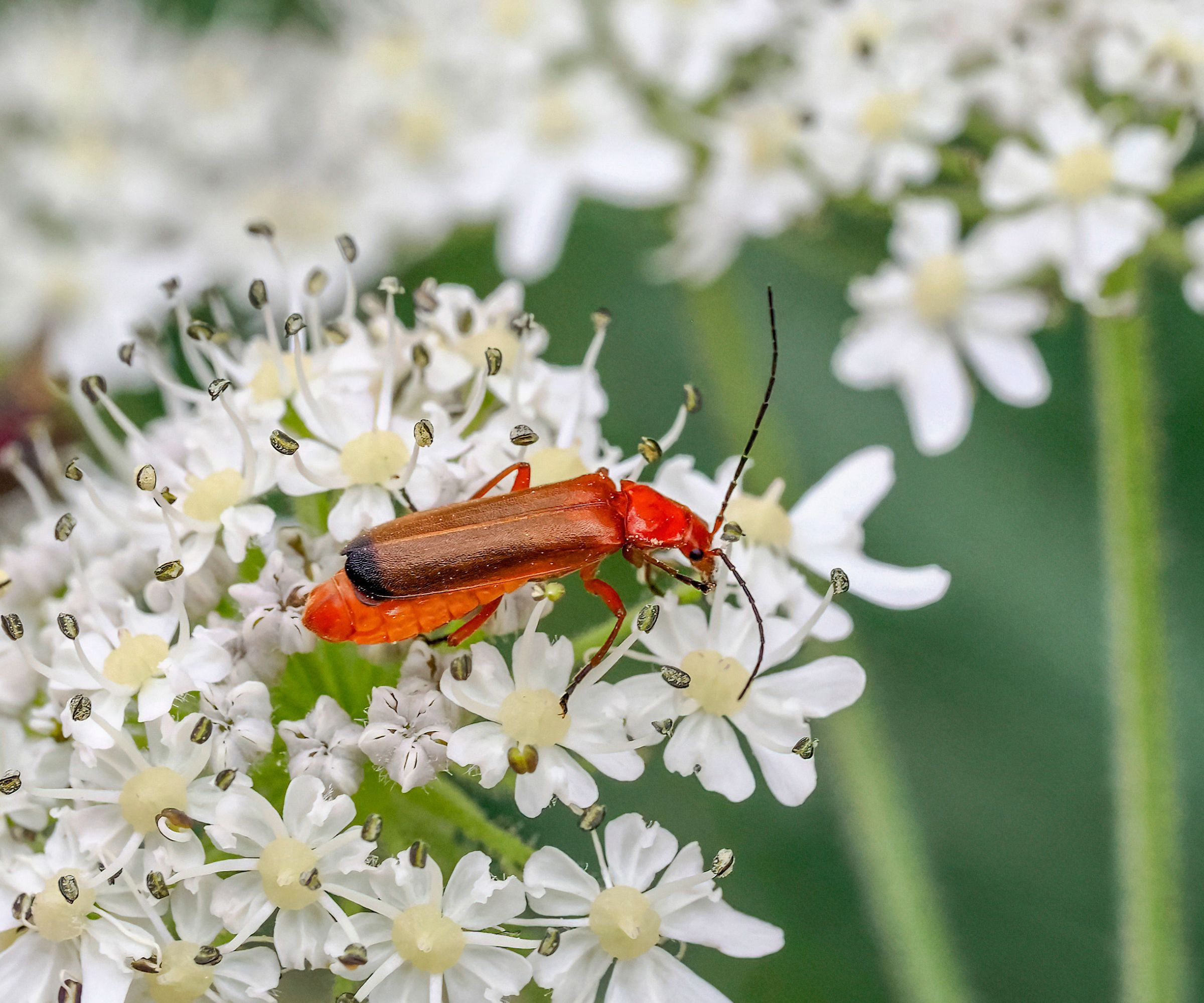
(Image credit: izanbar/Getty Images)
This is one of the more unusual birth month bugs on the list, but it's a great one to be aligned with! Resilient, steady, and quietly dependable, the soldier beetle's influence means you show up even when conditions aren’t ideal. There’s a quiet endurance in your nature; you don’t need perfect circumstances to function, and often become more valuable when things get difficult.
Soldier beetles are both pollinators and predators, supporting late-season garden health when many insects decline. Keep yours happy by planting goldenrod (we love this fireworks goldenrod from Nature Hills), asters, and other late-blooming flowers that provide nectar into fall.
December – Robber Fly
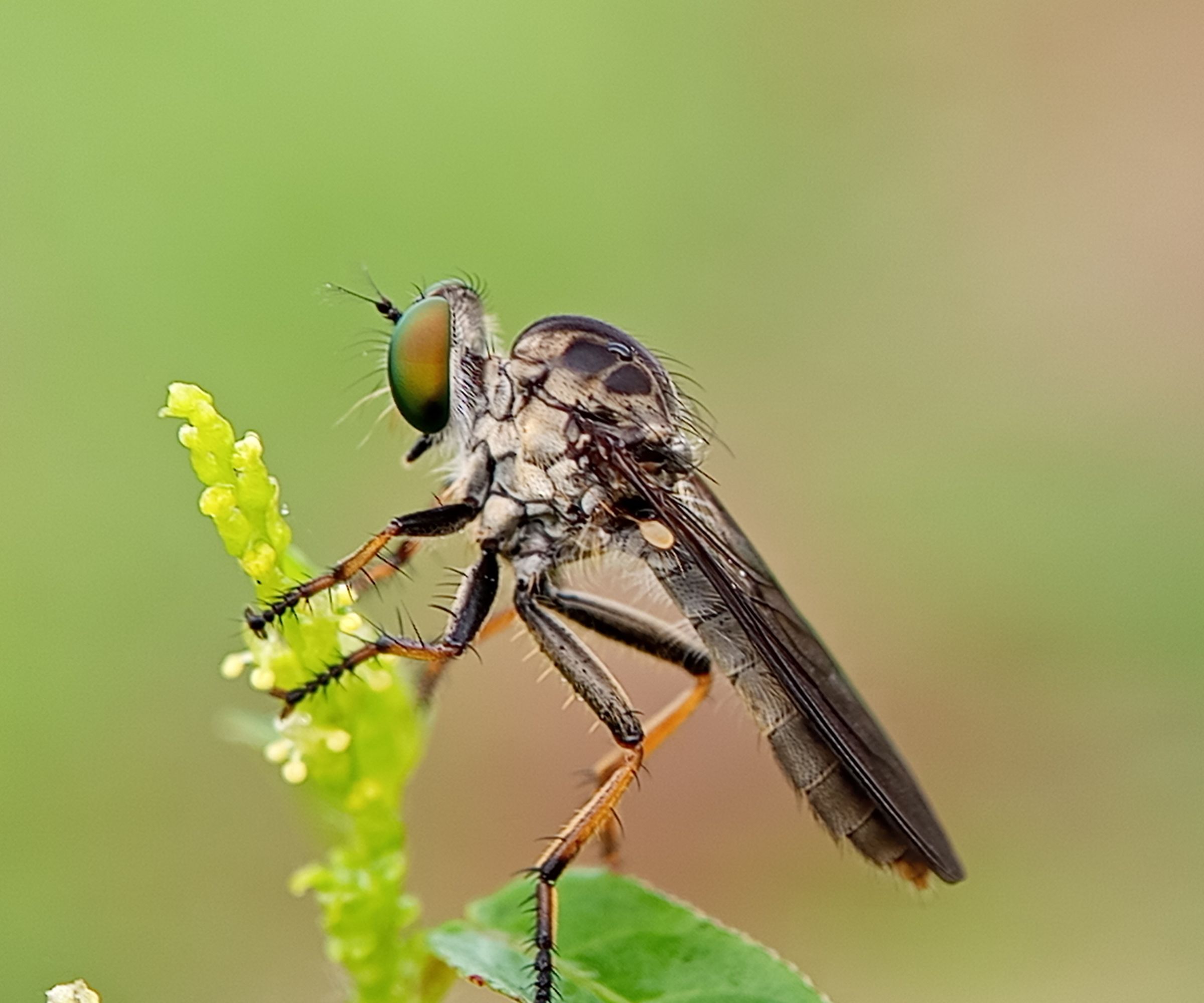
(Image credit: sabeer hamzah / 500px / Getty Images)
Robber flies are aerial predators that help control pest insect populations, maintaining natural balance in open habitats. They are also, though, strangely adorable, making them a very photogenic birth month bug. If this one's yours, it marks you as being bold, focused, and fiercely independent. As such, you operate with a kind of unapologetic clarity. You don’t waste time on hesitation; you move when it matters, and you tend to trust your instincts over consensus.
To attract more robber flies, try to maintain sunny, open spaces with perching points like bare stems, rocks, and low vegetation. Easy, right?
Whichever birth month bug you have, and whether you related to its personality or not, there's no denying that all of this serves as an important reminder to pay attention to the busy garden helpers we tend to overlook.
After all, we wouldn't get by without them.















 English (US) ·
  French (CA) ·