

 17 hours ago
6
17 hours ago
6
PROTECT YOUR DNA WITH QUANTUM TECHNOLOGY
Orgo-Life the new way to the future Advertising by AdpathwayNASA has named the winners of its Deep Space Food Challenge: Mars to Table, awarding a combined $650,000 to five U.S. teams for designs of complete food systems that could feed astronauts living on Mars. The top $300,000 prize went to Chinyere Ukeje of Philadelphia for a concept called Adaptive Nourishment Infrastructure, or ANI, the agency announced on Thursday, Sept. 24, according to NASA.
The winning entries are designs, not working farms. Teams were asked to plan a full system for a 15-person crew living on Mars for 500 Martian sols, or about 513 Earth days, and each delivered a design layout, meal plan, concept of operations, and walkthrough video. Judges reviewed 113 submissions from teams in 33 countries and 28 U.S. states.
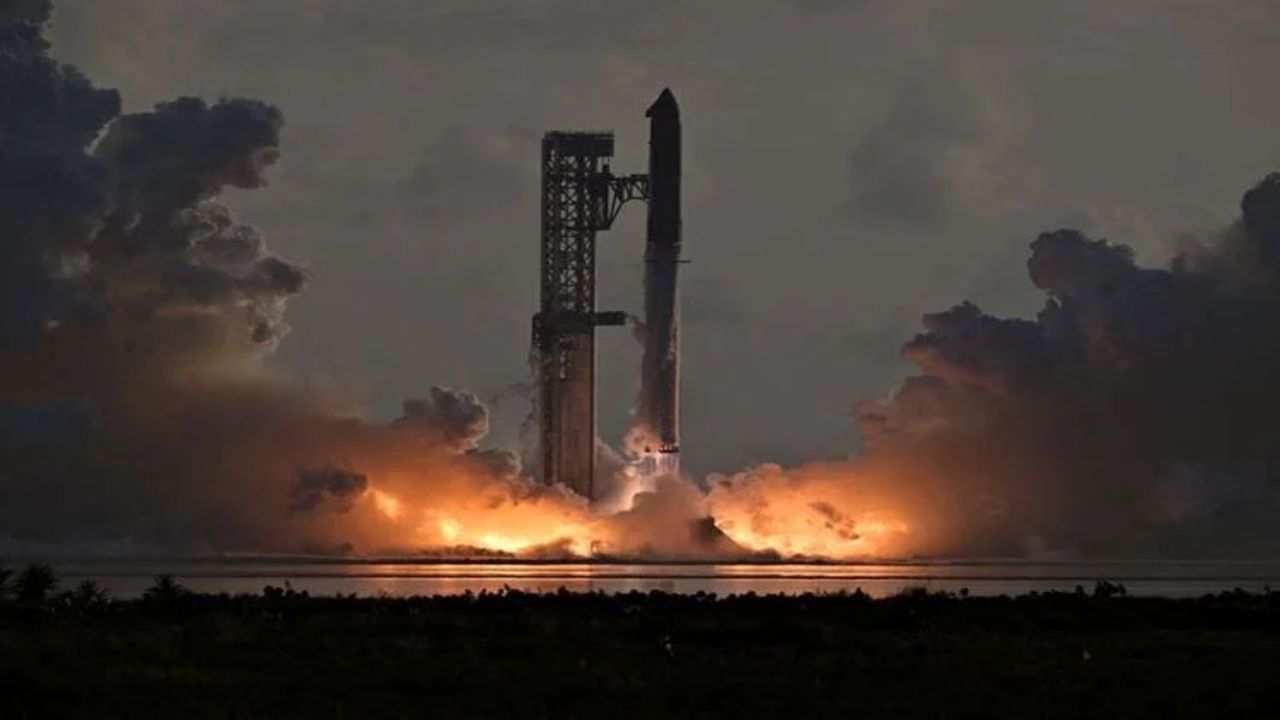
The problem is practical, and it grows with every month a crew spends away from Earth. Astronaut meals today are almost entirely cooked, packaged, and sent to the International Space Station from the Space Food Systems Laboratory at NASA's Johnson Space Center, and a one-way trip to Mars would take at least nine months. Shelf life and mass limits make it unsustainable to send every meal for such a mission, so future crews will need to produce some of their own food.
The Winning Concepts
Ukeje's ANI design combines controlled-environment agriculture, fermentation, fungi cultivation, and closed-loop nutrient recycling through bioreactors, supplemented by a limited supply of food from Earth. It aims to produce half of the crew's food away from Earth, cook fresh meals daily, and keep working through shortages of power, water, equipment, or crew time. The concept is named after Ani, a Nigerian earth goddess of harvest and fertility.
The $200,000 second prize went to Cislune of Rosemead, California, for its Fresh, Ferment, Reserve system. It grows selected crops, converts part of the harvest into familiar foods in instrumented culture cassettes, and keeps a protected reserve of Earth-supplied food for crop variability, power cuts, or rejected batches.
Three $50,000 awards went to Ohā Kanu of Hilo, Hawaii, for a food system inspired by the traditional Hawaiian ahupuaʻa land-management approach; Orbital Health Systems of Evansville, Indiana, for its New Lunar Settlers Cookbook (Mars Edition); and Autonomic Resilience Collective of Bentonville, Arkansas, for a concept called AEGIS Mars. NASA also recognized an international team, Astrofood of Ellezelles, Belgium, for a system called FRESH.
A Harder Brief Than the First Food Challenge
Mars to Table launched in January 2026 as a follow-on to NASA's earlier Deep Space Food Challenge, which the agency ran with the Canadian Space Agency. The original contest focused on prototypes of novel food production methods. This round asked teams to design a complete food-production system that offers variety while limiting the crew time and work needed to maintain it.
"The criteria we laid out for this competition were challenging, but intentionally so," said head judge Alexander Meyers, who supports NASA Centennial Challenges through Noetic Strategies from Kennedy Space Center. Jennifer Edmunson, program manager for Centennial Challenges at NASA's Marshall Space Flight Center, said the challenge helped the agency identify a great deal of ingenuity from participants near and far.
Several winning designs pair fresh production with a protected supply of shipped food, reflecting a basic constraint of long missions: a farm on Mars cannot be allowed to fail without a backup.
From Mars Habitats to Earth's Food Systems
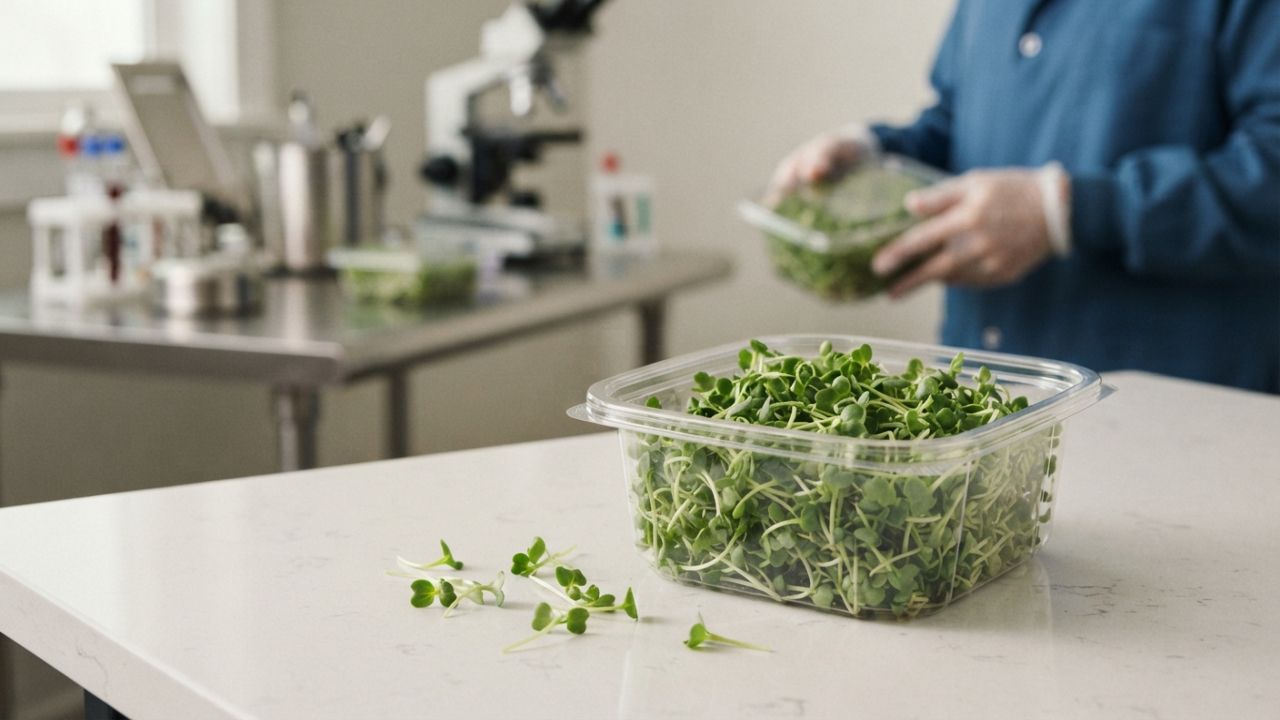
The technologies in the winning designs are not unique to space. Indoor farming, fermentation, fungi-based foods and closed-loop nutrient recycling are all areas of active research on Earth, where drought, heat and supply-chain disruptions are pushing growers to produce food with less water and land. Designs that recycle nutrients and keep working during power or water shortages address problems farms also face during droughts and disasters.
That connection should not be overstated. The contest judged concepts, and none of the winning systems has been built or tested at the scale described. Whether any of these ideas proves practical in a Mars habitat, or on Earth, will depend on engineering, cost and testing that lie well beyond a prize competition.
The contest was managed by Centennial Challenges at NASA Marshall, with the Methuselah Foundation and Floor23 Digital supporting its administration. It was also backed by several NASA science and research divisions, including the Human Research Program.
Next Steps for Space Food Research
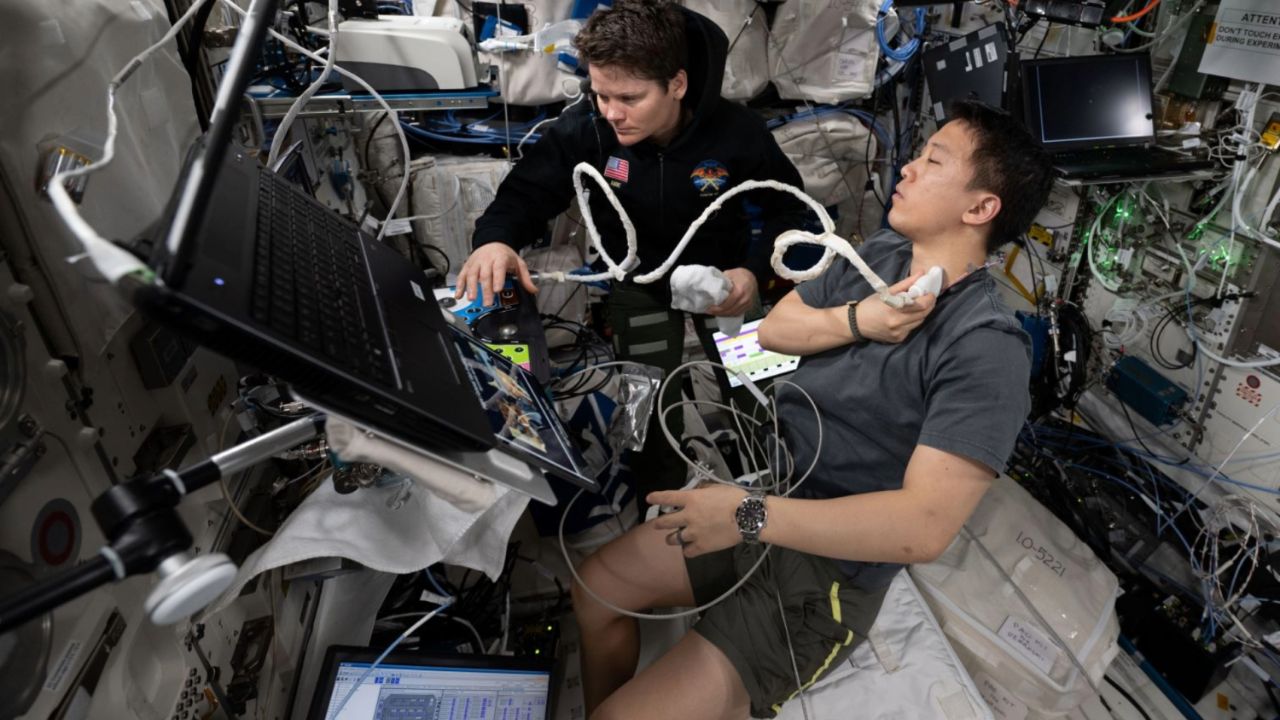
NASA describes the winning designs as launching pads for future deep space food systems, but the agency has not announced plans to build any of them. Research continues on the International Space Station, where astronauts have grown crops in experiments, and in ground facilities studying how plants and microbes behave in closed environments.
Readers interested in the concepts can watch the winners' video announcement through NASA. The same principles, including efficient lighting, water recycling and fermentation, are increasingly familiar to students and home growers through school and community programs.
The awards mark a step in a long process. Feeding people on Mars will require food that is safe, nutritious and appealing for well over a year, produced with limited power and crew time. NASA's contest shows the problem is drawing wide interest, but solving it will take years of testing that has only begun.
What Readers Want to Know
Who won NASA's Mars to Table challenge?
Chinyere Ukeje of Philadelphia won the $300,000 top prize for the Adaptive Nourishment Infrastructure concept. Cislune of Rosemead, California, took the $200,000 second prize.
How much prize money did NASA award?
NASA awarded a combined $650,000 to five U.S. winning teams and also recognized one international team from Belgium.
What did teams have to design?
A complete food system for 15 astronauts living on Mars for 500 Martian sols, including a design layout, meal plan, concept of operations, and walkthrough video.
Did the winners actually grow food?
No. The contest judged design concepts, not working prototypes.
Why can't astronauts bring all their food to Mars?
Shelf life and mass limits make it unsustainable to ship every meal for a mission that could last well over a year.
Could these ideas help farming on Earth?
The technologies, including indoor agriculture, fermentation and nutrient recycling, are also being researched for Earth, but the designs have not been tested at scale.
© 2026 NatureWorldNews.com All rights reserved. Do not reproduce without permission.













 English (US) ·
  French (CA) ·