

 3 hours ago
10
PROTECT YOUR DNA WITH QUANTUM TECHNOLOGY
Orgo-Life the new way to the future Advertising by AdpathwayA comprehensive review published in the journal Catal on August 12, 2025, systematically examines the recent advances in metal–organic framework (MOF) based electrocatalysts for electrooxidation reactions. The study, authored by KunPeng Yang, Yuanjun Liu, Yingxin Wang, Yuxuan Jiang, Guoxing Zhu, Ran Wang, and Huan Pang, provides a detailed analysis of how these crystalline porous materials function in sustainable energy conversion and environmental remediation. The review focuses on the correlation between MOF structure and catalytic performance, covering critical aspects such as metal node engineering, ligand functionality modification, and composite formation strategies. By integrating experimental investigations with theoretical simulations, the authors elucidate key intermediates and reaction pathways, offering a solid theoretical foundation for the rational design of next-generation electrocatalysts.
Electrooxidation reactions serve as fundamental electrochemical processes with broad application prospects in energy conversion, environmental remediation, and chemical synthesis. The review highlights that these reactions play pivotal roles in water electrolysis, fuel cells, wastewater treatment, and the production of high-value organic compounds. For instance, the oxygen evolution reaction (OER) is essential for splitting water into oxygen and hydrogen, while the hydrogen oxidation reaction (HOR) is critical for the performance and durability of fuel cells. Additionally, electrooxidation enables the selective transformation of alcohols into aldehydes and ketones, providing a green and sustainable route to valuable organic compounds. Despite these benefits, significant technical challenges remain, including high overpotentials, the generation of toxic by-products, and electrode passivation in complex environments.
Metal–organic frameworks have garnered significant attention in electrocatalysis due to their unique structural features and multifunctional properties. These materials possess highly ordered crystalline frameworks, exceptionally high specific surface areas, and precisely tunable pore structures. Their modular construction, based on diverse combinations of metal nodes and organic ligands, enables excellent structural designability and compositional versatility. Many MOFs are synthesized from non-precious metals and bio-based ligands under mild conditions, offering advantages in cost, environmental sustainability, and scalability. The review emphasizes that the high degree of tunability in both chemical composition and spatial architecture provides a strong foundation for the precise design of advanced electrocatalytic materials.
The review systematically examines the oxygen evolution reaction, a kinetically sluggish four-electron transfer process that serves as the primary bottleneck in overall water-splitting efficiency. The authors detail the reaction mechanisms in both acidic and alkaline media, noting significant differences in the nature of reactants and the form of proton involvement. In acidic media, the mechanism predominantly involves the direct decomposition of water molecules, whereas under alkaline conditions, protons are indirectly involved through the transformation of hydroxide ions. The study highlights that the identification and control of the reaction pathway are of critical importance, as the two-electron pathway generates corrosive intermediate products such as hydrogen peroxide, which are detrimental to system stability.
Research progress in MOFs for OER catalysis is analyzed through the influence of metal centers and organic ligands. The review cites studies where bimetallic NiFe-MOFs exhibited higher activity compared to single-metal counterparts and even superior to Ir/C benchmark catalysts. The exposure of active sites is identified as crucial for catalytic performance, with nanocomposites featuring well-dispersed ultrafine MOF particles demonstrating reduced electrical loss. Furthermore, the incorporation of modified linkers, such as ferrocene carboxylic acid, has been shown to significantly enhance catalytic activity by introducing defect structures and preserving oxygen vacancies during the reconstruction process. These structural features result in reconstructed products with good electrical transport and efficient OER activity.
The hydrogen oxidation reaction is examined as the reverse reaction of hydrogen evolution, generally believed to consist of two main reaction pathways formed by three basic steps. The review discusses the Tafel and Heyrovsky pathways, noting that the fundamental difference lies in whether the first step involves electron transfer. In alkaline media, HOR kinetics are significantly slower than in acidic environments, leading to active investigation of the underlying causes. Three main theoretical models are proposed to explain these mechanisms: hydrogen binding energy theory, bifunctional theory, and electronic effect theory. The bifunctional theory, for example, emphasizes the synergistic effect of active sites where one type facilitates hydrogen dissociation and another promotes hydroxide ion adsorption.
MOF-derived materials have demonstrated remarkable performance in alkaline HOR, with single-metal and multi-metal derivatives receiving widespread attention. The review highlights the development of Ru-doped MOF derivatives with hollow micro/nano structures, which maximize the exposure of abundant active sites. A bifunctional mechanism balancing optimal hydrogen and hydroxide binding energies is proposed for these materials under alkaline media. Multi-metal MOF-derived materials, such as binary and ternary alloy nanoparticles, have shown significantly improved current densities, with some ternary alloys outperforming commercial Pt/C catalysts. The addition of platinum to cobalt-ruthenium alloys causes a phase transition from hexagonal close-packed to face-centered cubic structures, optimizing hydrogen intermediate adsorption and reducing the reaction energy barrier.
Rare earth elements have emerged as compelling candidates for enhancing the stability and durability of MOF-based electrocatalysts. Elements such as cerium and yttrium possess localized 4f orbitals and strong spin–orbit coupling effects, which can effectively modulate the electronic structure of active sites. The review cites the synthesis of Ni-CeO2 mesoporous microspheres with anchored ruthenium, which exhibited higher limiting and exchange current densities than commercial Pt/C. In accelerated durability tests, these catalysts showed minimal decline in limiting current density after 5000 cycles, demonstrating remarkable CO tolerance. A bifunctional mechanism was proposed where ruthenium serves as a favorable adsorption site for hydrogen dissociation, while the Ni-CeO2 acts as an adsorption site for hydroxide ions.
The review also addresses organic compound oxidation reactions, including the alcohol oxidation reaction, urea oxidation reaction, and glucose oxidation reaction. For methanol oxidation, the slow kinetics of the anodic reaction and the poisoning of traditional Pt-based catalysts by CO intermediates remain key challenges. MOFs have been utilized to construct next-generation catalysts, such as PtCu alloy nanoparticles supported on two-dimensional conjugated MOF ultrathin nanosheets. These materials optimize the electronic structure of platinum, enhance hydroxyl adsorption, and promote the oxidation of CO intermediates, reducing the CO oxidation potential. When coupled with the hydrogen evolution reaction, such two-electrode systems require significantly lower energy consumption than traditional water electrolysis.
Glycerol electrooxidation is described as a highly complex multi-electron transfer process involving successive dehydrogenation steps and C–C bond cleavage. The reaction pathways and product distributions depend largely on the type of catalyst and reaction conditions. Under alkaline conditions, hydroxide ions promote dehydrogenation and oxidation of intermediates, leading to products such as glyceric acid, lactic acid, and glycolic acid. The review highlights a Re and Ru co-doped NiCoFe alloy catalyst that exhibits a formate Faradaic efficiency of 95.6% and stable operation for 450 hours. This catalyst promotes the formation of active sites for glycerol dehydrogenation while inhibiting over-oxidation, thereby enhancing formate selectivity.
Urea oxidation reaction is presented as a dual-significance process that can increase hydrogen production and convert harmful ammonia and nitrogen-containing compounds into non-toxic gas products. The review notes that while noble metal-based catalysts are currently used, challenges such as narrow sources and high costs persist. MOFs have emerged as ideal platforms for constructing high-performance urea oxidation catalysts due to their tunable structures and high oxidation state regulation capabilities. The review cites the preparation of CoFeP/CoFcDCA electrocatalysts, which exhibit excellent hydrophilicity and facilitate the exposure of more active sites. Additionally, heterostructured catalysts comprising two-dimensional MOFs and sulfides have been designed to optimize charge transport and enhance the adsorption capacity for key intermediates.
Glucose oxidation reaction offers an inherent advantage in improving the efficiency of green hydrogen production, as its energy consumption is significantly lower than that of the traditional OER process. The review highlights that this technology can treat sugar industry wastewater while producing high value-added anode products like formic acid. A catalyst in situ grown on a nickel foam substrate was found to require low potentials to reach high current densities, avoiding the efficiency losses associated with higher potentials. Theoretical modeling revealed that zinc doping in the catalyst reduces the distance between attached sulfur and nickel atoms, enhancing stability and hindering sulfur dissolution into the electrolyte. This approach demonstrates the potential for efficient value-added conversion of glucose wastewater to formic acid.
Despite notable achievements, the review identifies several challenges that remain in the practical application of MOF-based electrocatalysts. Insufficient electrochemical stability and difficulties in controlling active site exposure and transformation under operating conditions are major obstacles. Most MOFs are insulating or semiconductor materials with low electron mobility, which limits charge transfer rates. Furthermore, the high cost of organic ligands and finely regulated synthesis processes hinders large-scale application. The review discusses future research directions, including the development of robust MOFs with enhanced conductivity and long-term stability, integration with synergistic materials, and the application of in situ characterization and computational modeling to guide rational catalyst design.
Looking ahead, the rational design of next-generation MOFs should focus on enhancing both catalytic performance and structural stability. Exploring diverse metal ion combinations with unique electronic structures and developing chemically robust and functionally tunable ligands are identified as promising strategies. Biomimetic MOFs, inspired by enzymatic active site architectures, represent another exciting direction for optimizing substrate binding and lowering activation barriers. Advancing synthetic methodologies, such as solvent-free or aqueous-phase synthesis, can reduce reliance on hazardous solvents and lower costs. The review concludes that overcoming current limitations through targeted design of metal centers, ligands, and synthesis methods will pave the way for the broader application of MOFs in electrocatalytic oxidation, contributing significantly to the advancement of sustainable energy and environmental technologies.
Subject of Research: Metal–organic framework-based electrocatalysts for electrooxidation reactions
Article Title: Advances in metal–organic framework-based electrocatalysts for electrooxidation reactions
Article References: Yang, K., Liu, Y., Wang, Y., Jiang, Y., Zhu, G., Wang, R., & Pang, H. (2025). Advances in metal–organic framework-based electrocatalysts for electrooxidation reactions. Catal, 1(1), Article 6. https://doi.org/10.1007/s44422-025-00006-6
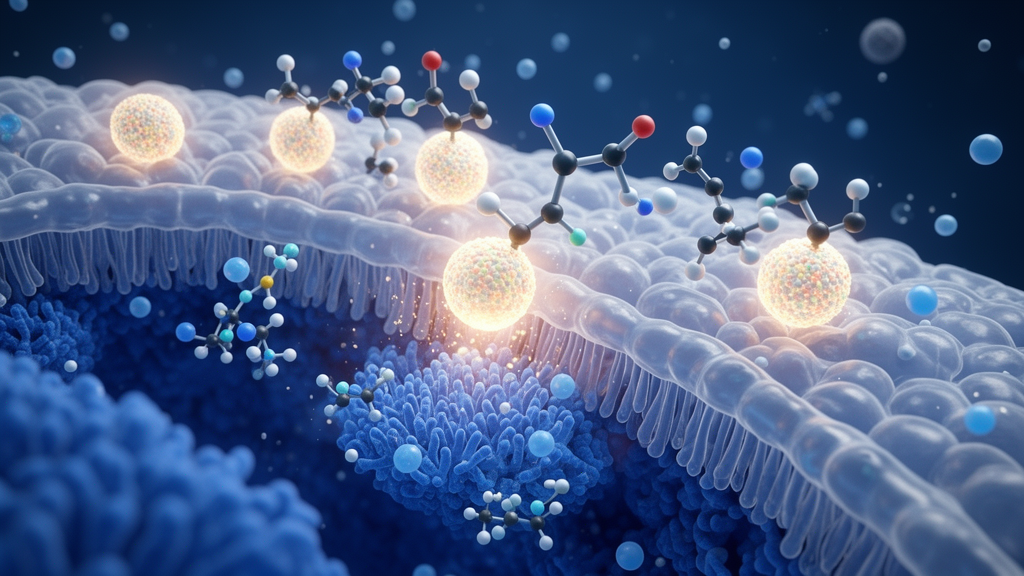
Image Credits: AI Generated
DOI: 10.1007/s44422-025-00006-6
Keywords: metal–organic frameworks, electrocatalysis, oxygen evolution reaction, hydrogen oxidation reaction, alcohol oxidation, urea oxidation, glucose oxidation, catalyst design, sustainable energy, environmental remediation, Advances, metal
















 English (US) ·
 French (CA) ·