

 1 hour ago
7
PROTECT YOUR DNA WITH QUANTUM TECHNOLOGY
Orgo-Life the new way to the future Advertising by AdpathwayA comprehensive scoping review published in Discover Bacteria synthesizes fifteen years of peer-reviewed evidence to map how resident microbial communities across human barrier tissues instruct immune homeostasis. Trillions of commensal microorganisms do not merely colonize epithelial surfaces as passive passengers; they actively orchestrate host defenses, reinforce physical barrier integrity, and preserve tolerance toward non-threatening environmental antigens. The authors systematically examine evidence gathered between 2010 and 2025, a transformative era marked by high-throughput sequencing, multi-omics platforms, spatial transcriptomics, and computational modeling. By integrating clinical trials, observational studies, and mechanistic models, the review demonstrates that barrier-associated host-microbe interactions govern immune cell differentiation, calibrate pattern recognition receptor thresholds, and determine host susceptibility to chronic inflammatory disorders including inflammatory bowel disease, atopic dermatitis, and asthma.
To capture the functional mechanisms linking microbial ecosystems to tissue immunity, the investigators executed a scoping methodology guided by Preferred Reporting Items for Systematic Reviews and Meta-Analyses guidelines. The search covered electronic databases including PubMed, Scopus, Web of Science, and Google Scholar, alongside grey literature sources such as conference proceedings and preprint repositories like bioRxiv and medRxiv. Keywords focused on host-microbe interactions, barrier tissues, immunomodulation, microbial metabolites, dysbiosis, and microbiome therapies across the gut, skin, and lungs. Eligibility was restricted to English-language publications from 2010 through 2025 explicitly reporting microbial metabolites, immune signaling cascades, or clinical interventions. Studies published before 2010 were excluded because older research predominantly relied on culture-based methods that lacked sufficient resolution. Unvalidated computational predictions, non-peer-reviewed commentaries, and opinion pieces were also omitted. Quality assessment followed the ROBINS-I tool for non-randomized studies and the GRADE framework to evaluate evidence certainty across experimental, observational, and computational datasets.
The scoping review emphasizes that barrier tissues represent specialized immunological environments adapted to withstand constant antigen exposure while balancing defense with tolerance. Within the gastrointestinal tract, respiratory mucosa, and cutaneous surface, networks of dendritic cells, macrophages, T cells, and innate lymphoid cells continuously sample microbial stimuli to maintain equilibrium. Tissue architecture reflects distinct physiological pressures; in the gut, the epithelial monolayer, lamina propria, and gut-associated lymphoid tissue establish coordinated signaling circuits with resident taxa. Across these sites, microbial compositions exhibit substantial divergence. The gut harbors the densest microbial ecosystem, dominated by Bacteroidetes and Firmicutes, alongside Actinobacteria and Proteobacteria.
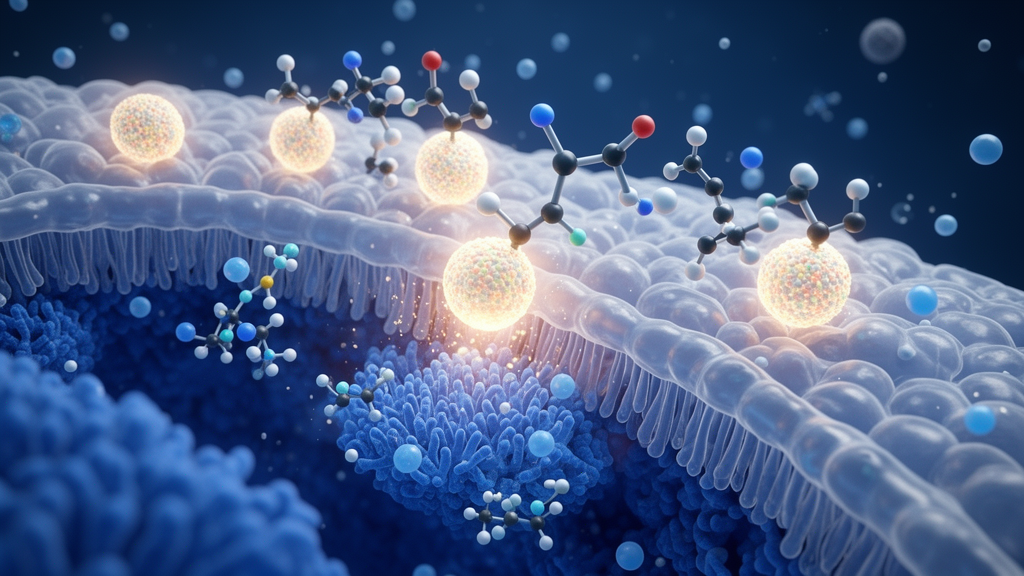
At the molecular core of host-microbe crosstalk are microbial metabolites that function as primary biochemical regulators. In the gastrointestinal lumen, bacterial fermentation of dietary fibers yields short-chain fatty acids, notably acetate, propionate, and butyrate, regulated partly by autoinducer-2 quorum sensing. These metabolites engage G-protein coupled receptors, including GPR41 and GPR43, to modulate immune responses. Crucially, butyrate inhibits host histone deacetylase activity to promote regulatory T cell differentiation and suppress mucosal inflammation. Short-chain fatty acids also stimulate epithelial goblet cells to secrete protective mucin and upregulate tight junction proteins, sealing the epithelial lining against bacterial translocation. Additionally, bacterial tryptophan derivatives activate the aryl hydrocarbon receptor (AHR), a transcription factor that promotes epithelial repair, stimulates intraepithelial lymphocyte differentiation, and sustains mucosal immunity. Circulating short-chain fatty acids and tryptophan metabolites extend beyond local tissues to regulate systemic immunity, providing a mechanistic foundation for the gut-lung and gut-brain axes.
Host barrier immunity also relies on pattern recognition receptors that operate as molecular sentinels, translating microbial signals into coordinated immune responses. Transmembrane Toll-like receptors detect conserved pathogen-associated molecular patterns to regulate cytokine secretion and antimicrobial peptide synthesis. Toll-like receptor 4 recognizes Gram-negative lipopolysaccharide, engaging nuclear factor kappa B to recruit immune effectors during acute challenges, while Toll-like receptor 5 detects bacterial flagellin to maintain epithelial integrity and limit pathogen overgrowth. Within the host cytoplasm, nucleotide-binding oligomerization domain-like receptors provide an intracellular surveillance tier. Specifically, NOD2 detects muramyl dipeptide from bacterial peptidoglycan, activating NF-kB and MAP kinase pathways to direct cytokine production and restrict intracellular bacterial persistence. Additionally, multi-protein inflammasome complexes, including NLRP1, NLRP3, and NLRP6, act as molecular switches. Regulated inflammasome activation mediates caspase-1 activation, interleukin-1beta and interleukin-18 maturation, and epithelial repair, whereas excessive or sustained inflammasome signaling triggers severe pyroptotic cell death and persistent tissue injury.
In the cutaneous and respiratory compartments, host-microbial interactions display adaptations tailored to unique environmental interfaces. On the skin, commensal microbes reinforce the stratum corneum and calibrate immune surveillance without inciting destructive inflammation. Staphylococcus epidermidis utilizes Toll-like receptor 2 signaling to stimulate keratinocytes to release antimicrobial peptides, such as beta-defensins, that restrict invasion by Staphylococcus aureus. Cutibacterium acnes modulates regulatory T cell activity to limit inflammation, while resident Malassezia and Staphylococcus species interact with dendritic cells to induce interleukin-17 and interleukin-22 production, vital for epidermal repair and defense. In the respiratory tract, commensals such as Prevotella and Streptococcus species engage airway epithelial cells and alveolar macrophages to establish immunological tolerance against inhaled antigens. These pulmonary microbes promote baseline interleukin-10 secretion and macrophage polarization, suppressing hyperreactivity to harmless airborne particles. Furthermore, lung-derived metabolites, including polyamines and lactate, modulate nuclear factor kappa B pathways to preserve airway barrier integrity and limit tissue damage.
When host-microbe networks collapse into dysbiosis, barrier defenses fail and chronic inflammatory pathologies arise. In the gastrointestinal tract, dysbiosis is central to inflammatory bowel disease, encompassing Crohn’s disease and ulcerative colitis. Affected patients exhibit reduced microbial diversity, depletion of beneficial taxa like Faecalibacterium prausnitzii, and expansion of pathobionts such as Escherichia coli. The loss of butyrate producers undermines regulatory T cell populations, while pathobiont overgrowth stimulates Toll-like and NOD-like receptors to drive interleukin-6, tumor necrosis factor-alpha, and interleukin-17 secretion, compromising epithelial tight junctions. Similarly, cutaneous dysbiosis drives atopic dermatitis. In atopic skin, the depletion of protective Staphylococcus epidermidis permits pathogenic Staphylococcus aureus colonization. Staphylococcus aureus secretes toxins and proteases that destabilize the epidermal barrier and dehydrate the stratum corneum. Furthermore, it activates Toll-like receptor 2 on keratinocytes, inducing interleukin-4, interleukin-13, and interleukin-31 secretion. This skewed Th2 response suppresses antimicrobial peptide synthesis, locking the skin into a vicious cycle of barrier breakdown and chronic inflammation.
In the respiratory tract, microbial imbalances directly alter pulmonary immune regulation, contributing to chronic airway conditions such as asthma. The depletion of protective commensals, particularly Prevotella species, deprives the airways of immunoregulatory metabolites that normally constrain hyperreactive immune pathways. Simultaneously, the proliferation of pro-inflammatory taxa like Haemophilus and Neisseria hyperactivates alveolar macrophages and airway epithelial cells, driving T-helper 2 cytokines including interleukin-4, interleukin-5, and interleukin-13 that fuel eosinophilic inflammation and airway remodeling. Dysbiosis also promotes neutrophilic infiltration linked to steroid-resistant asthma phenotypes, while perturbations in the pulmonary virome synergize with bacterial shifts to provoke acute exacerbations. Across barrier tissues, a unifying pathogenic principle emerges: chronic inflammation stems not simply from microbial presence, but from the combined loss of commensal regulatory cues and the unchecked expansion of inflammatory pathobionts. While each tissue features distinct adaptations—nutrient metabolism in the gut, antimicrobial defense on the skin, and airborne tolerance in the lungs—they converge on conserved mechanisms of barrier preservation.
Because dysbiosis serves as a functional driver of barrier disease, emerging interventions increasingly aim to restore ecological balance rather than solely suppress downstream inflammation. In gastroenterology, fecal microbiota transplantation has demonstrated proven success in treating recurrent Clostridioides difficile infection and induced clinical remission in ulcerative colitis cohorts. On the skin, topical applications of commensal strains, including Staphylococcus epidermidis and Roseomonas mucosa, suppress Staphylococcus aureus overgrowth and reduce cutaneous inflammation. To improve safety, reproducibility, and standardization over traditional donor transplantation, researchers are developing synthetic microbiomes consisting of engineered, defined microbial consortia tailored to replicate healthy barrier ecosystems.
Translational progress in microbiome modulation is increasingly powered by cutting-edge biotechnological innovations. High-throughput multi-omics approaches combining genomics, transcriptomics, proteomics, and metabolomics allow comprehensive mapping of functional microbial pathways and immunomodulatory proteins. Spatial transcriptomics and single-cell RNA sequencing map the precise spatial distribution of microbial communities and immune effector cells within barrier microenvironments. Concurrently, artificial intelligence and machine learning algorithms facilitate predictive modeling of disease progression in conditions like atopic dermatitis, while aiding the selection of optimal probiotic strains. Nevertheless, the review emphasizes several ongoing challenges. Pronounced interindividual variability in microbial composition complicates treatment standardization, while the long-term durability and safety of microbiome modulation remain incompletely understood. Successfully translating these discoveries into clinical precision medicine will require rigorous longitudinal trials, updated regulatory frameworks, and pharmacomicrobiomic approaches that customize therapies to individual microbial and immune profiles.
Subject of Research: Scoping review of host-microbiome interactions and immunomodulation at epithelial barrier tissues
Article Title: Host-microbe interactions at barrier tissues and immunomodulation: a scoping review
Article References: Chigozie, V. U., Enyi, E. O., Akwari, A. A., & Esimone, C. O. (2025). Host-microbe interactions at barrier tissues and immunomodulation: a scoping review. Discover Bacteria, 2(1), Article 26. https://doi.org/10.1007/s44351-025-00037-3
Image Credits: AI Generated
DOI: 10.1007/s44351-025-00037-3
Keywords: Host-Microbe Interactions, Barrier Tissues, Immunomodulation, Gut Microbiome, Skin Microbiota, Lung Microbiota, Short-Chain Fatty Acids, Pattern Recognition Receptors, Microbial Dysbiosis, Precision Medicine, Host-microbe, interactions














 English (US) ·
 French (CA) ·