

 13 hours ago
9
PROTECT YOUR DNA WITH QUANTUM TECHNOLOGY
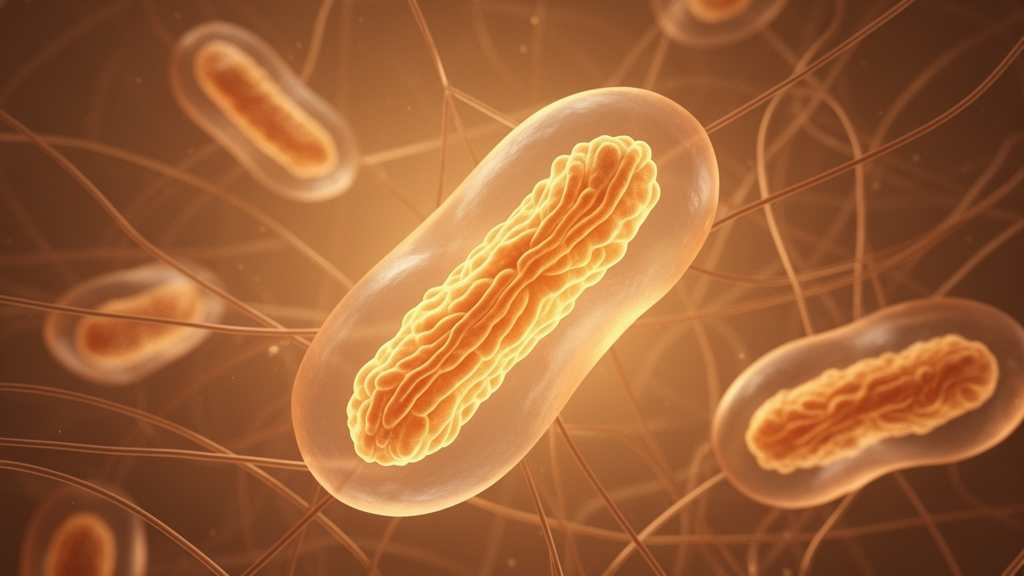
Orgo-Life the new way to the future Advertising by AdpathwayIn controlled trials conducted in Shaqra, Saudi Arabia, the beneficial bacterium Bacillus subtilis strain BS-QS1 protected tomato plants challenged by the devastating soilborne fungal pathogen Fusarium oxysporum f. sp. lycopersici. Rather than merely preventing pathogen colonization, the rhizobacterial inoculant stimulated compensatory vegetative development, fortified cellular membranes, activated multiple systemic defense signaling pathways, and substantially increased fruit production under biotic stress.
To address these vulnerabilities, researchers have increasingly examined plant growth-promoting rhizobacteria that colonize root surfaces, synthesize natural antimicrobial secondary metabolites, and trigger systemic acquired and induced resistance across host plant tissues.
To evaluate these interactions under rigorous scientific conditions, the research team designed an integrated experimental program combining in vitro laboratory assays with greenhouse trials utilizing a randomized complete block design. Tomato seeds of cultivar Moneymaker were surface sterilized using sodium hypochlorite before undergoing seedling bioassays or transplanting into ten-liter greenhouse pots filled with a sterilized two-to-one sand-and-peat potting substrate. The greenhouse trial established four experimental groups to isolate treatment dynamics: an uninoculated control, a pathogen-only challenge inoculated with a conidial suspension containing one million spores per milliliter, a bacterial treatment receiving Bacillus subtilis strain BS-QS1 adjusted to one hundred million colony-forming units per milliliter, and a combined dual-inoculation group exposed to both microorganisms. Environmental conditions inside the greenhouse facility were strictly maintained at daytime temperatures between twenty-five and twenty-eight degrees Celsius and nighttime temperatures between eighteen and twenty degrees Celsius, with relative humidity held between sixty and seventy percent.
Initial laboratory evaluations revealed that Bacillus subtilis BS-QS1 possesses potent direct antagonistic properties capable of restricting fungal proliferation across culture media. In dual-culture and agar well diffusion assays, the bacterial strain generated clear fungal inhibition zones measuring fifteen point five millimeters alone and eighteen point eight millimeters in co-culture combinations, producing mycelial growth inhibition rates ranging from sixty-five point two to seventy-two point five percent and suppressing spore germination by sixty point five to seventy point two percent. Biochemical quantification of bacterial cell-free culture filtrates demonstrated dramatic surges in lytic enzymes and chelating agents, including an increase in chitinase activity of up to six hundred and eight percent and a tenfold elevation in siderophore biosynthesis compared to control samples.
When evaluated across living tomato plants in the greenhouse, pathogen inoculation in the absence of bacterial protection inflicted severe physiological and structural damage across every measured vegetative metric. Conversely, applying Bacillus subtilis BS-QS1 alone produced significant vegetative gains over healthy uninoculated controls, increasing plant height by forty point three percent, shoot dry weight by thirty-six point eight percent, root dry biomass by thirty-six percent, leaf area by thirty-three point eight percent, and leaf number by twenty-five point eight percent, illustrating the strong baseline biofertilization and developmental potential of the rhizobacterial strain.
The most striking vegetative outcomes emerged within the combined dual-inoculation treatment, where plants confronted by the fungal pathogen while protected by Bacillus subtilis not only withstood disease pressure but achieved the highest absolute biometric values of the entire study. Compared to uninoculated control plants, tomatoes receiving the dual treatment displayed an increase of sixty-two point eight percent in height, fifty-seven point nine percent in shoot dry weight, sixty percent in root dry weight, fifty-one point eight percent in leaf area, and thirty-eight point seven percent in leaf number. When contrasted directly against the severely stunted pathogen-alone group, the dual-inoculation regimen yielded dramatic compensatory gains of one hundred and eighteen percent in plant height, one hundred and fourteen percent in shoot biomass, one hundred and ten point five percent in root dry weight, ninety-five percent in foliar area, and seventy-five point five percent in leaf proliferation, establishing that the bacterial inoculant successfully countered pathogen-induced vegetative collapse.
Physiological and biochemical assays confirmed that Bacillus subtilis BS-QS1 restored cellular hydration, preserved photosynthetic machinery, and curbed intracellular oxidative degradation in leaf tissues subjected to fungal challenge. Under pathogen infection alone, leaves experienced substantial degradation of photosynthetic pigments, elevated membrane leakage, and marked accumulation of oxidative stress indicators. In contrast, the combined bacterial and fungal treatment maximized leaf chlorophyll a at two point eighty milligrams per gram of fresh weight and chlorophyll b at one point thirty milligrams per gram, representing sixty percent and fifty-three percent increases over the pathogen-only group, while carotenoid levels rose by one hundred and thirty percent to reach zero point ninety-two milligrams per gram. Furthermore, relative water content climbed from sixty-five point five percent in diseased plants to eighty-eight percent in bacterially treated counterparts, while electrolyte leakage dropped from forty point two percent down to twenty-eight percent, indicating that the bacterial inoculant effectively stabilized cellular membranes against pathogen-mediated permeability damage.
The reduction in cellular damage was closely coupled with a significant down-regulation of oxidative stress biomarkers alongside a profound up-regulation of host antioxidant enzymes and phenolic defense metabolites. Diseased tomato foliage accumulated substantial concentrations of reactive oxygen species and stress indicators, which dropped sharply in the presence of Bacillus subtilis: proline declined from seventy-five point five to fifty micromoles per gram of fresh weight, lipid peroxidation marker malondialdehyde decreased from zero point seventy-five to zero point fifty micromoles per gram, and hydrogen peroxide dropped from zero point ninety to zero point sixty-eight micromoles per gram. Simultaneously, the combined treatment stimulated host defensive biochemistry, lifting peroxidase activity by ninety-five point seven percent, catalase activity by seventy-six point two percent, phenylalanine ammonia-lyase by seventy-six point five percent, polyphenol oxidase by ninety point three percent, and total phenolic content by seventy-three point three percent relative to healthy control baselines.
Molecular profiling using quantitative real-time polymerase chain reaction provided definitive evidence that the rhizobacterial strain primes both salicylic acid and jasmonic acid defense cascades while dramatically curtailing pathogen colonization within root structures. In leaf tissues harvested seven days after fungal challenge, dual-inoculated tomato plants demonstrated marked transcriptional up-regulation across key defense genes, with pathogenesis-related gene PR1 surging by two hundred and ninety-five percent, PR2 increasing by two hundred and eighty percent, phenylalanine ammonia-lyase gene PAL climbing by two hundred and nineteen percent, lipoxygenase gene LOX rising by one hundred and eighty-five percent, and regulatory gene NPR1 elevating by two hundred and thirty-eight percent over uninoculated control levels. Concurrently, absolute quantification of fungal DNA revealed that pathogen tissue colonization dropped precipitously: while roots from the pathogen-alone group contained one thousand Fusarium DNA copies per milligram of plant tissue, the bacterial co-inoculation slashed pathogen abundance by eighty percent to two hundred copies per milligram, whereas plants receiving bacteria alone contained merely five copies per milligram.
These coordinated molecular, physiological, and vegetative defenses culminated in substantial agronomic improvements, drastically lowering wilt incidence and maximizing marketable tomato yields at final harvest. Fungal infection in untreated controls caused wilt disease incidence to surge by one hundred and ninety-six percent, elevating visible disease symptoms from twelve percent to thirty-five point five percent while reducing overall fruit count by twenty-nine point seven percent, average fruit weight by twenty-two point three percent, total plant yield by forty-five point nine percent, and marketable yield by twenty-six point five percent. Bacterial inoculation completely reversed this decline, lowering disease incidence in infected plants by fifty-seven point seven percent and generating an optimal harvest output of two thousand and twenty-five grams of fruit per plant alongside an eighty-eight percent marketable yield rate. While these comprehensive greenhouse findings demonstrate the immense biocontrol efficacy of Bacillus subtilis strain BS-QS1, the investigators emphasized that future work must validate these formulations across open-field environments, test compatibility with mycorrhizal fungi, and evaluate long-term soil microbial ecology.
Subject of Research: Biocontrol efficacy and growth-promoting mechanisms of Bacillus subtilis BS-QS1 against Fusarium oxysporum in greenhouse tomato
Article Title: Bacillus subtilis strain BS-QS1 promotes tomato growth and induces systemic resistance against Fusarium wilt in Shaqra, Saudi Arabia
Article References: Alghamdi, A. M. (2027). Bacillus subtilis strain BS-QS1 promotes tomato growth and induces systemic resistance against Fusarium wilt in Shaqra, Saudi Arabia. Revista Argentina de Microbiología, 59(1), Article 100743. https://doi.org/10.1016/j.ram.2026.100743
Image Credits: AI Generated
DOI: 10.1016/j.ram.2026.100743
Keywords: Bacillus subtilis, Fusarium oxysporum, Fusarium wilt, Tomato cultivation, Plant growth-promoting rhizobacteria, Biological control, Induced systemic resistance, Antioxidant enzymes, Photosynthetic pigments, Malondialdehyde, Electrolyte leakage, Gene expression, Pathogenesis-related proteins, Agricultural microbiology, Crop yield, Shaqra, Saudi Arabia, Sustainable agriculture















 English (US) ·
 French (CA) ·