

 13 hours ago
11
PROTECT YOUR DNA WITH QUANTUM TECHNOLOGY
Orgo-Life the new way to the future Advertising by AdpathwaySomalia ranks among the world’s 30 high-burden tuberculosis countries, recording an estimated incidence of 246 cases per 100,000 people and approximately 43,000 new cases in 2022. Mortality associated with the disease reaches approximately 63 individuals per 100,000 annually. Although treatment success for drug-sensitive tuberculosis reaches 87 percent, multidrug-resistant tuberculosis is increasing, leading to Somalia’s classification as a high-burden country for drug-resistant strains.
The national case detection rate is estimated at 42 percent by the World Health Organization, derived by comparing reported notifications against modeled incidence figures based on surveillance, prevalence surveys, and expert consensus. Because non-diagnosed cases are inferred through these models rather than directly counted, more than half of all infections remain undetected in communities. The National TB Strategic Plan 2024–2026 outlines planned efforts to improve direct burden measurement, including a national prevalence survey.
Standard treatment for drug-sensitive tuberculosis spans six months, whereas regimens for multidrug-resistant tuberculosis require up to 18 months. Managing drug-resistant cases is further constrained by infrastructure limitations, as specialized treatment is accessible at only 11 centers nationwide. This centralized distribution forces patients to travel extensive distances while managing regimens that carry severe side effects without sustained food support.
Transmission dynamics remain closely tied to broader humanitarian distress across the country, where over 3.9 million internally displaced persons reside in overcrowded camps characterized by poor ventilation. Decades of recurrent drought, flooding, and conflict have devastated local livelihoods, leaving over 70 percent of the population living below the poverty line and amplifying conditions that facilitate airborne spread.
Underlying nutritional deficits compound vulnerability to infection, with acute food insecurity affecting nearly half of all Somali households. The interaction between undernutrition and tuberculosis is bidirectional: compromised nutrition weakens immune defenses against infection, while active disease produces appetite loss and nutrient malabsorption. Patients frequently face severe side effects when taking antimicrobial medication on empty stomachs.
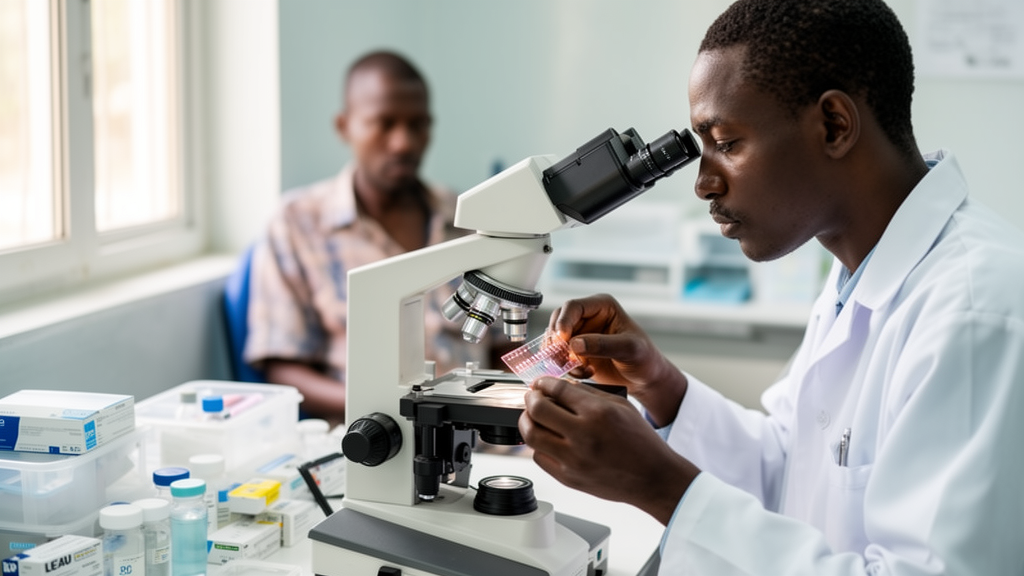
Diagnostic access remains severely restricted for rural residents, nomadic pastoralists, and displaced populations, while pediatric tuberculosis cases are systematically underdiagnosed. Diagnostic delays are common because many individuals initially seek care from private practitioners who lack specific training in tuberculosis identification. Fragmented surveillance, manual recordkeeping, and an absence of digital reporting tools prevent timely outbreak tracking.
The private healthcare sector comprises approximately 3,300 facilities and delivers an estimated 60 percent of health services across Somalia, but it accounts for only 15.4 percent of national tuberculosis case notifications. Formal engagement mechanisms between private entities and the National Tuberculosis Program remain limited. Supply chain bottlenecks further disrupt treatment continuity through recurring drug stockouts and maintenance demands that exceed local capacity.
Economic barriers present severe obstacles to completing therapy, with 68 percent of tuberculosis-affected households experiencing catastrophic health expenditures. Defined by the World Health Organization as out-of-pocket medical payments exceeding 20 percent of total household income or consumption, these costs encompass transportation fares and lost household wages. Ongoing population displacement and physical insecurity continually disrupt adherence among nomadic and displaced groups.
Somalia’s tuberculosis infrastructure is heavily dependent on international donor assistance, including 504 million dollars provided by the Global Fund since 2002, with 160 million dollars dedicated to tuberculosis control between 2022 and 2026. However, international funding reductions in 2025 resulted in the suspension of 125.5 million dollars in USAID aid, leading to the loss of more than 6,000 health worker jobs, affecting up to 2,000 facilities, and closing 37 health and nutrition facilities in and around Baidoa.
In response to disrupted outreach, staff layoffs, and detection setbacks, public health priorities emphasize decentralizing case detection via mobile clinics and community workers in high-risk displacement settings. Additional priorities include integrating direct food assistance into clinical regimens, formalizing private sector partnerships to raise notification contributions to at least 20 percent by 2026, adopting shorter all-oral regimens for drug resistance, and securing multi-year contingency funding buffers.
Epidemiological evaluation of tuberculosis in fragile settings requires distinguishing between directly observed notifications and inferred disease burden. The 42 percent case detection rate calculated for Somalia by the World Health Organization is established through a defined mathematical relationship: notified cases divided by estimated incidence multiplied by 100. Because routine surveillance captures only a portion of transmission, estimated incidence is derived from models synthesizing surveillance records, prevalence surveys, and expert consensus. The resulting unobserved cases do not represent directly counted individuals, but reflect the gap between modeled incidence and reported notifications. This gap indicates that over half of all infections remain unrecorded, forming an unobserved reservoir that sustains transmission. To transition from modeled estimates to empirical measurement, the National TB Strategic Plan 2024–2026 outlines priorities to improve burden tracking, including a national prevalence survey.
Clinical observations in humanitarian displacement settings illustrate the biological interaction between nutritional deprivation and antimicrobial therapy. In the displacement camps of Galkayo, patients such as Faadumo take antimicrobial tablets with water after enduring extended periods without food. This circumstance reflects broader food insecurity affecting nearly half of all Somali households, where malnutrition weakens human immune defenses and increases susceptibility to infection. The biological relationship between tuberculosis and nutrition is bidirectional: compromised nutrition impairs host immunity, while active tuberculosis infection induces severe appetite loss and nutrient malabsorption, creating a self-reinforcing physiological cycle. Documenting this clinical barrier, Dr. Jarmilla Kliescikova of Médecins Sans Frontières noted that the human body cannot successfully combat an infection in the absence of metabolic fuel, concluding that food functions not as a secondary comfort, but as an indispensable component of clinical treatment.
Completing chemotherapy regimens presents severe physical and economic obstacles for affected populations. Standard medical treatment for drug-sensitive tuberculosis requires a six-month antimicrobial course, whereas therapeutic regimens for multidrug-resistant tuberculosis demand up to 18 months of continuous medication. When patients experience acute food deprivation, consuming heavy antimicrobial compounds on empty stomachs provokes severe physical side effects, frequently leading individuals to skip scheduled doses. These treatment disruptions occur alongside catastrophic economic burdens, with 68 percent of tuberculosis-affected households experiencing catastrophic health expenditures. Under the World Health Organization standard, catastrophic health expenditure is defined as out-of-pocket medical payments exceeding 20 percent of total household consumption or income. These financial losses encompass transportation fares to clinical facilities and forfeited household wages, with physical insecurity and population mobility further disrupting medication adherence among nomadic and internally displaced groups.
Access to timely diagnostic services remains severely restricted across remote geographic areas and underserved populations. Diagnostic testing remains largely out of reach for nomadic pastoralists, rural communities, and internally displaced populations, while pediatric tuberculosis remains systematically underdiagnosed across clinical settings. Furthermore, widespread diagnostic delays occur because ill individuals frequently seek preliminary care from commercial healthcare providers who lack clinical training in tuberculosis diagnosis, inadvertently extending infectious periods. Although approximately 3,300 private facilities provide an estimated 60 percent of healthcare throughout Somalia, they generate only 15.4 percent of national tuberculosis notifications. Commercial facilities lack digital reporting platforms, finding manual paperwork burdensome, which leads to routine data loss and reporting delays that prevent health authorities from executing real-time outbreak responses. Although national targets aim to increase private notification contributions to at least 20 percent by 2026, progress is impeded by informal partnerships, weak regulatory structures, and fragmented data systems.
Structural limitations in laboratory infrastructure and drug supply chains further complicate clinical disease management. Recurring pharmaceutical stockouts continually threaten treatment continuity, while laboratory equipment maintenance requirements frequently exceed local technical capacity. Managing drug-resistant tuberculosis is particularly constrained because second-line regimens require expensive pharmaceuticals associated with severe adverse side effects. These specialized therapies are accessible at only 11 authorized treatment centers across the entire country, forcing patients to travel vast distances from remote regions to obtain necessary care. Currently, the national health response lacks sustained nutritional assistance programs for the majority of tuberculosis patients, leaving a substantial supportive gap that accelerates the development of drug-resistant strains.
Somalia’s disease control apparatus remains profoundly vulnerable to the volatility of international donor financing. Long-term assistance has depended heavily on external partners, with the Global Fund providing 504 million dollars since 2002, including 160 million dollars designated for tuberculosis programming between 2022 and 2026. However, international funding reductions in 2025 resulted in the suspension of 125.5 million dollars in USAID aid, producing acute operational shocks across the healthcare system. The funding suspension led to the closure of 37 health and nutrition facilities in and around Baidoa, disrupted services across up to 2,000 healthcare sites, and eliminated more than 6,000 healthcare worker positions. Following these budget cancellations, the National Tuberculosis Program documented disrupted case detection activities, curtailed community outreach, and extensive layoffs of essential clinical personnel.
Addressing the national tuberculosis crisis requires implementing coordinated operational reforms across clinical, diagnostic, and logistical domains. Priority strategies outlined in national frameworks emphasize decentralizing diagnostic testing by deploying community health workers and mobile clinics to reach nomadic and displaced groups in remote environments, accompanied by active case-finding campaigns in high-risk displacement camps and food-insecure districts. Clinical protocols must integrate sustained nutritional assistance, providing food baskets or direct cash transfers to every patient throughout the full duration of treatment. Furthermore, managing drug-resistant tuberculosis requires transitioning toward shorter, all-oral regimens and establishing decentralized treatment initiation at the district level. Sustaining these clinical measures requires predictable multi-year financing commitments from international donors alongside dedicated contingency buffers for essential medical commodities. As clinical correspondence notes, addressing months-long diagnostic delays, preventing pediatric deaths arising from vaccine shortages, and ensuring patients do not take medication on empty stomachs represent collective public health responsibilities rather than technical impossibilities.
Subject of Research: Tuberculosis burden, detection gaps, and health system challenges in Somalia
Article Title: Tuberculosis in Somalia: A preventable crisis in a fragile state
Article References: Rage, A. N., Osman, K. M., Hassan, M. D., Mohamed, A. A., & Nor, M. H. (2026). Tuberculosis in Somalia: A preventable crisis in a fragile state. Clinical Infection in Practice, 32, Article 100732. https://doi.org/10.1016/j.clinpr.2026.100732
Image Credits: AI Generated
DOI: 10.1016/j.clinpr.2026.100732
Keywords: Tuberculosis, Somalia, Case Detection Rate, Multidrug-Resistant Tuberculosis, Epidemiological Modeling, Internally Displaced Persons, Malnutrition, Food Insecurity, Catastrophic Health Expenditures, Private Healthcare Sector, National Tuberculosis Program, Global Fund, USAID Funding Suspensions, Treatment Adherence, Baidoa, Disease Surveillance, Public Health Infrastructure















 English (US) ·
 French (CA) ·