

PROTECT YOUR DNA WITH QUANTUM TECHNOLOGY
Orgo-Life the new way to the future Advertising by AdpathwayGatlinburg’s Drone as First Responder program has flown about 120 missions since September, often arriving before firefighters and police officers
November 16, 2026 09:59 AM •
GATLINBURG, Tenn. — Gatlinburg’s police and fire departments are now using drones to see emergency scenes before officers and firefighters arrive.
The Gatlinburg Public Safety Aviation Program operates three drones, made by Skydio, from three launch sites around the city, WVLT reported. The aircraft are available around the clock, said Ian Wedlock, a Gatlinburg firefighter and paramedic who manages the program.
| MORE: Beyond the aircraft: Building a fire service drone program that works
The program became operational in mid-September, Wedlock said, and has flown about 120 missions since then.
Before the program, firefighters had to wait for the station to be alerted. Now, dispatchers can press a button and a drone will take off on its own, fly to the scene and look directly at where the call is happening.
The city has about seven pilots, Wedlock said. The drones are equipped with cameras and thermal imaging.
Gatlinburg has had a drone program for about three years, but those drones had to be carried to the scene and launched there. The new approach began when Skydio approached the city about what Wedlock called a “Drone as First Responder” program, known as DFR.
The drones can reach a scene in under a minute. By comparison, average response times for first responders range from two to five minutes and can be longer in some areas. Wedlock said the drones have arrived before other responders on about 70% of missions.
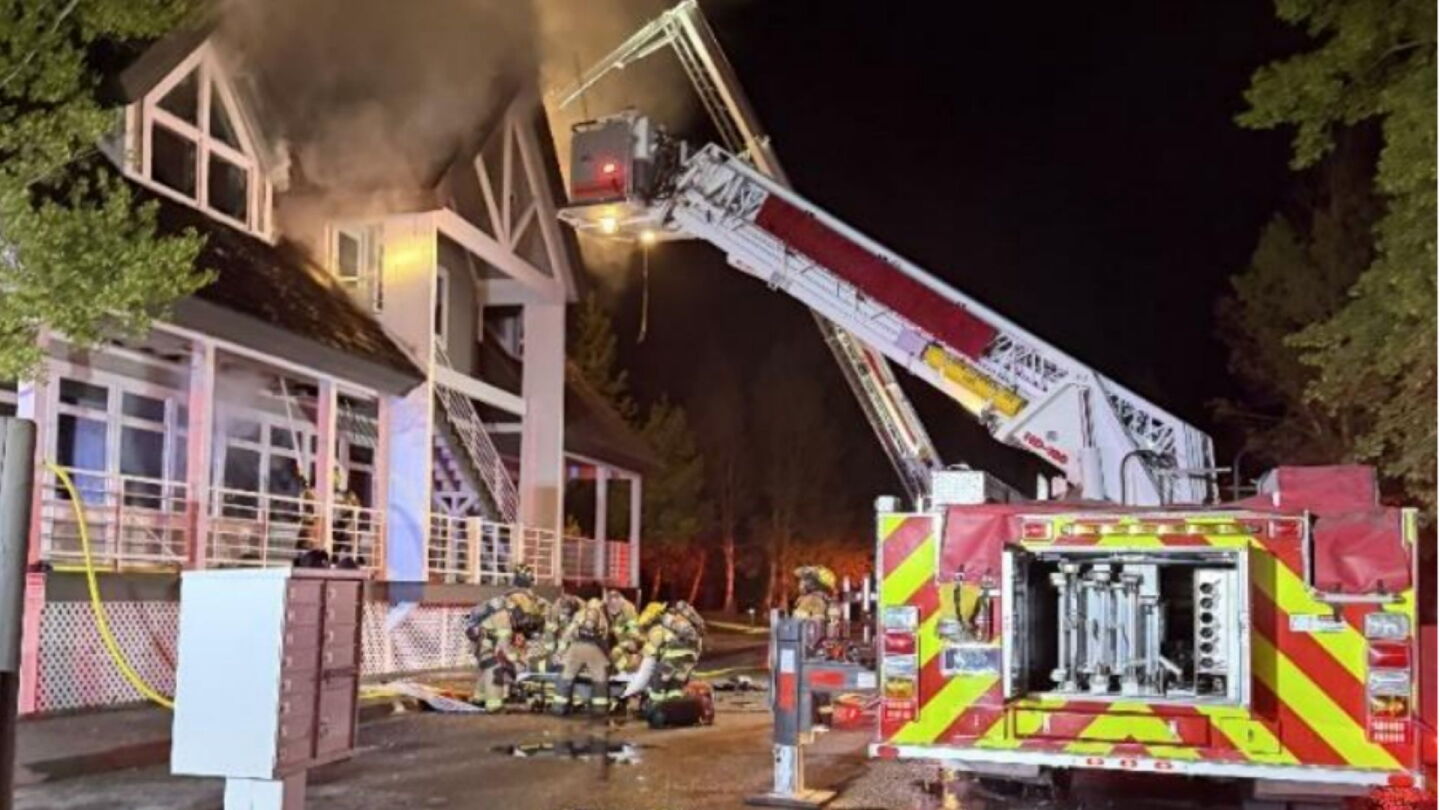
On Oct. 29, Gatlinburg firefighters were sent to a possible brush fire at about 5 a.m. The call went to the wrong road, said Interim Fire Chief Wayne Brandenburg, but the drone launched automatically and found a structure fire on a different street, steering crews to the right spot.
In another fire, a drone found flames hidden inside a building within 20 seconds, and firefighters put it out in about four minutes, Wedlock said.
During July testing, thermal imaging showed a downtown hotel fire was in the roof, and Brandenburg said infrared cameras helped crews find the fire before the structure was lost.
Brandenburg said firefighters now get information on their way to a call.

The 32-page guide outlines 21 considerations for moving DFR programs from concept to operation, drawing on input from seven accredited fire agencies
October 21, 2026 01:44 AM

Utica Fire & Rescue created its own EMS service after New Chapel EMS was ousted from the district, launching operations Nov. 16 with about 50 trained volunteers, including 15 EMTs and seven paramedics
November 15, 2026 08:00 AM

All six residents evacuated safely from the Multnomah County house, as Oregon’s lithium-ion battery fires have climbed an average of 19% annually since 2020, with e-bikes and scooters the most common cause
November 15, 2026 12:00 PM

The Congressional Fire Services Institute named the Virginia Beach Fire Department the 2027 Sarbanes Award winner for a program focused on firefighter health, safety and readiness
November 16, 2026 07:39 AM
·

The Ottumwa Fire Department wants to add six full-time personnel to run a 24-hour ambulance, but the city faces a $500,000 budget shortfall
November 16, 2026 09:19 AM

Backed by Motorola Solutions Foundation and other NFFF partners, 67 recipients will receive financial assistance to pursue higher education in 2026-2027 academic year
November 02, 2026 02:45 PM

Bill Carey is the associate editor for FireRescue1.com and EMS1.com. A former Maryland volunteer firefighter, sergeant, and lieutenant, Bill has written for several fire service publications and platforms. His work on firefighter behavioral health garnered a 2014 Neal Award nomination. His ongoing research and writings about line-of-duty death data is frequently cited in articles, presentations, and trainings. Have a news tip? He can be reached at [email protected].













 English (US) ·
 French (CA) ·