

 11 months ago
242
11 months ago
242
PROTECT YOUR DNA WITH QUANTUM TECHNOLOGY
Orgo-Life the new way to the future Advertising by AdpathwayThanksgiving cactus is a highlight of the season with lush, tropical blooms in saturated hues. Schlumbergera truncata kicks off the holidays with full color for several weeks in November and into December.
After Thanksgiving cactus, the Christmas cactus (Schlumbergera x buckleyi) hits its stride, followed by Easter cactus (Rhipsalidopsis gaertneri). All in the holiday lineup perform well as houseplants, adjusting to indoor conditions and enjoying summer months outdoors.
While easy to grow, there are two primary requirements a Thanksgiving cactus needs for strong bud set: cool temperatures and short day lengths. The cacti respond to a cycle of cool nighttime temperatures and shorter day lengths to trigger budding.
To ensure your plant blooms in time for the holiday, use this Thanksgiving cactus lighting trick to increase hours of darkness during the bud development phase.
The Thanksgiving Cactus Lighting Trick
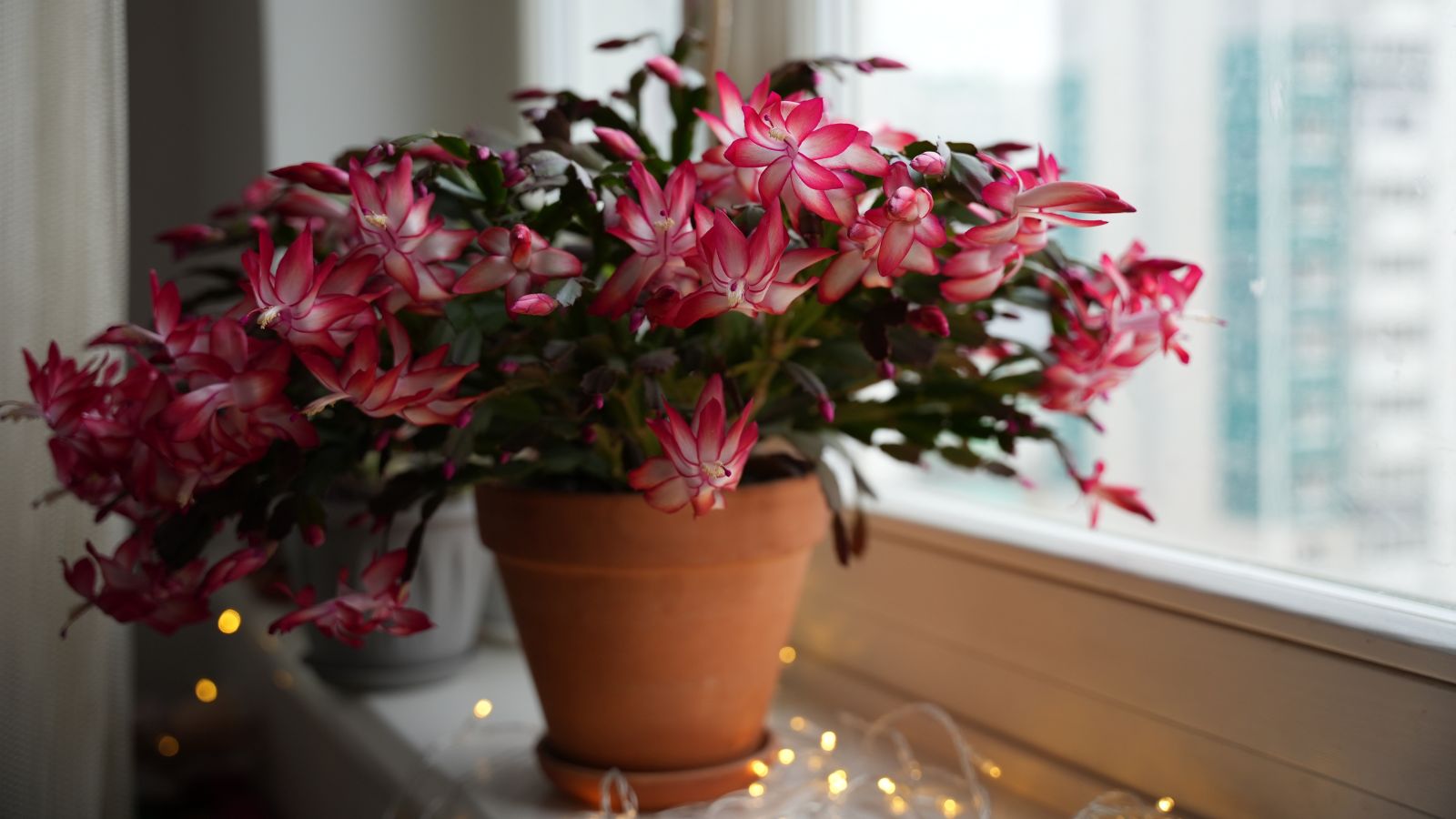 Managing sunlight levels is a key factor in flowering.
 As days get shorter in the fall, our Thanksgiving cactus picks up the signal to direct energy to budding. It’s time to flower (reproduce) for the season before dormancy during the dry season.
Increased hours of darkness and shorter daylengths trigger budding. For about four to six weeks, the tropical succulents need at least 12 hours of darkness each night to develop strong buds. More is optimal, staying closer to 15 hours if nighttime temperatures are warm.
The Thanksgiving cactus lighting trick to ensure flowering is to aim for about 13 hours of darkness each night for four weeks. Start about six weeks before you want it to be in full flower. Once buds form, the potted specimens can stay in their growing spot without additional darkness.
The key is consistency with dark hours. Fluctuations in lighting can contribute to bud loss. Keep conditions consistent, with steady, warmer day temperatures, cool nights, and a draft-free position.
Coverage Tips
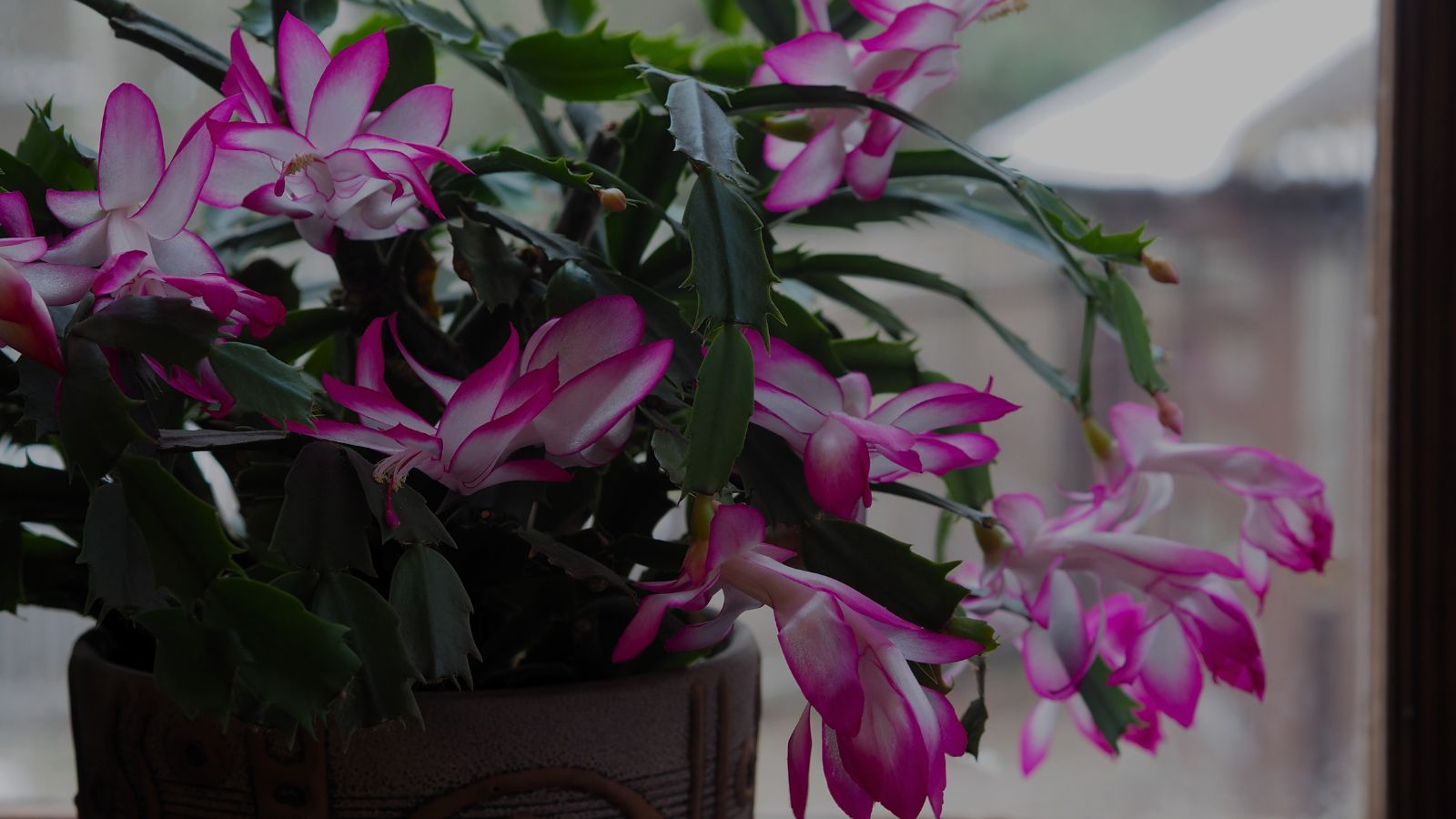 There are many ways to block light around a Thanksgiving cactus.
 The first method to increase hours of darkness and limit light is to turn off the lights in the room early in the evening (or keep them off). Turn off TVs, lamps, and any ambient light to limit artificial light. Even small amounts of light result in less darkness and impact plant responses.
To time blooms for the harvest holiday, a light-blocking cover at night is an effective lighting trick for the Thanksgiving cactus. For several weeks, cover the plants for the necessary 13 hours.
A box or dark fabric, like a light-blocking curtain, creates a removable cover. Place the cover on at roughly the same time every day, as it works for your schedule to get in the dark hours. Take care not to weigh down stems or disturb developing buds when putting them on and off.
A final Thanksgiving cactus lighting trick is to move the pots to a dark pantry or closet at night. Move them each night for about four weeks to mimic the necessary photoperiod. Return them to their regular bright growing location during the day.
Daytime Lighting
 During the day, they still need bright, indirect light.
 During the day, the tropicals require plenty of bright, indirect light in winter for the best flowering. Position them near a well-lit window, out of direct sunlight. An east or south-facing placement is ideal. From an east-facing window, they’ll receive ample morning sunlight. South-facing gives all-day light.
Use a curtain as a filter, or place pots slightly away from the window to keep them out of intense rays. Too much direct sunlight, especially in the afternoon, can scorch leaves and hinder flowering.
Cool Nights
 Cool temperatures can also trigger blooming.
 In addition to the lighting trick for the Thanksgiving cactus to bloom, make sure you have cool nighttime temperatures. Temperatures near 60°F (16°C) at night for several weeks promote bud set.
In their mountain forests, Thanksgiving cactus grows at elevations of 3,000 to 5,000 feet. Ideal daytime temperatures range from 70-80°F (21-27°C). Winter nighttime temperatures are near 55-60°F (10-16°C). From about mid-September on, cool nights promote bud development for blooming around Thanksgiving.
To promote blooming in a Thanksgiving cactus while protecting it against cold damage, bring pots inside as temperatures head below 50°F (10°C). They withstand the 40s (around 4°C), but do best with protection against these lows to avoid stress and setbacks from cold exposure.
Compensating With More Darkness
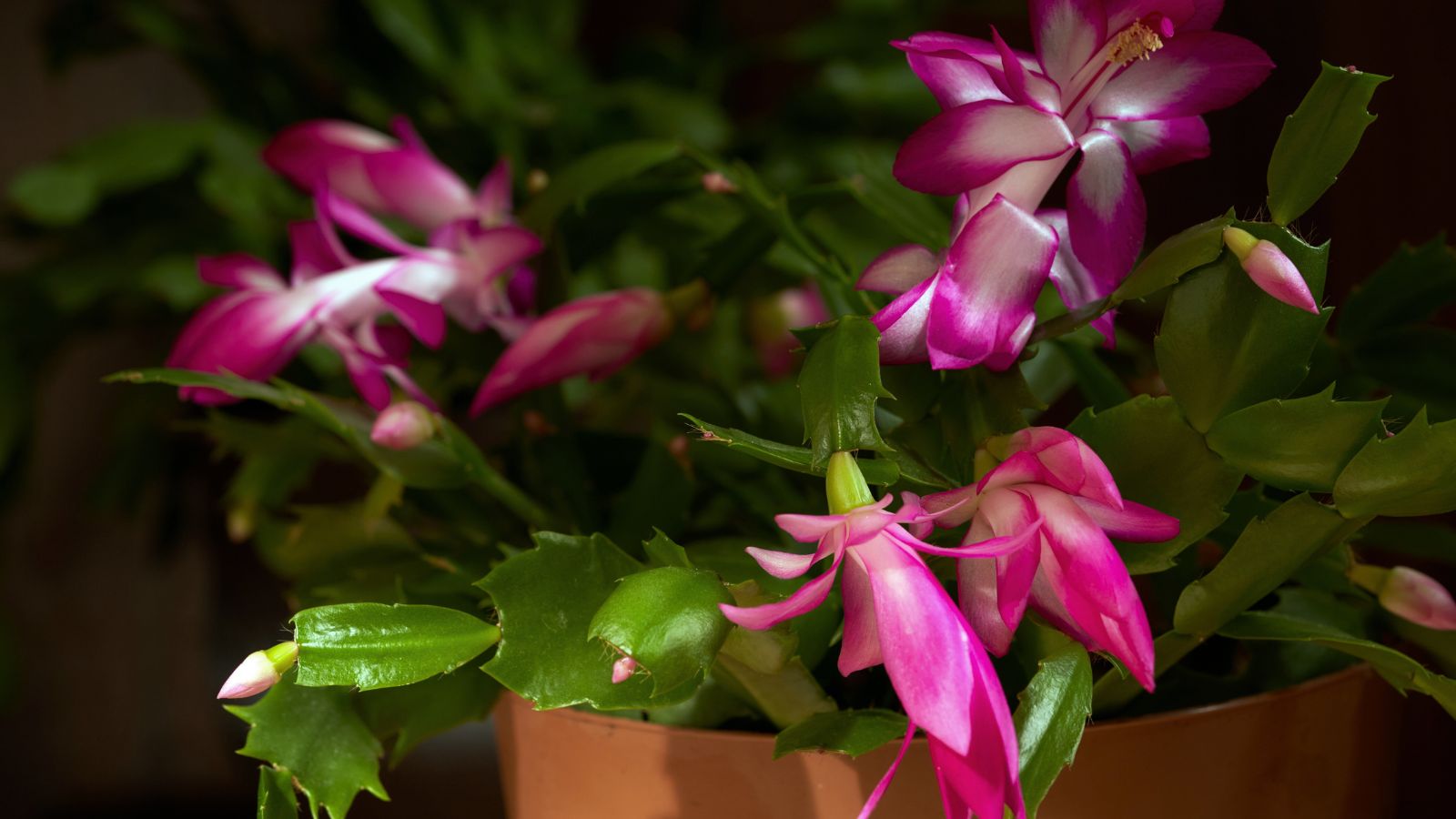 Manage darkness hours to ensure your plant flowers at the right time.
 If nights inside are warmer than their natural growing conditions, compensate with longer dark hours. If room temperatures are above 65°F (18°C) at night, try to limit daylight hours to about 9 to 10. Use coverage tricks to provide about 15 dark hours.
Warm nighttime temperatures (70°F or 21°C, or higher) for extended periods during the budding timeframe limit development or cause young buds to drop. Indoor specimens benefit from a cool room or placement near a window for cooler nights.
Aim for consistent temperatures, avoiding drastic fluctuations and hot or cold drafts that can damage tender buds.
Watering Regimen
 Limit watering slightly to induce budding.
 The holiday cacti respond to light stress as a trigger for budding and flowering. They like to be a little crowded in a pot, as a lack of a lot of growing space indicates it’s time to reproduce. They also respond to drier conditions, part of the cycle in their natural habitat.
To initiate budding, some growers reduce water sessions slightly as buds begin to form. When we’re doing the reduced Thanksgiving cactus lighting trick, allow the soil to dry a bit between sessions. Water deeply when the soil surface feels dry about one inch (knuckle deep) below the surface.
Cool-season watering is usually once every week or two, depending on the growing environment, plant size, container type, and potting media. Watering lessens during the cooler temperatures as uptake and evaporation lessen. Well-draining soils and pots are essential for cacti root support.
The tropical cacti may need more water during blooming to maintain the show and keep them from wilting. Water to achieve evenly moist soil, but not wet or oversaturated. Err on the dry side rather than overwatering to prevent root problems like rot. Enjoy the show from your well-timed Thanksgiving cactus, and continue the care regimen through winter before moving them outside in spring.













 English (US) ·
  French (CA) ·