

My kitchen garden and veg beds look a bit crumpled around the edges. Beans have gone a bit stringy this last week, and my favorite butterhead lettuce has turned bitter. Pulling out spent zucchini vines feels like conceding the season: it’s not over yet, though. Soil that’s still this warm is a precious commodity, so why not put it to work?
Salad greens sit near the top of any list of easy vegetables to grow, and in late summer they get easier still. Seeds that might sit sulking for a week in April can be up in three days at the moment. Sow before the month is out, and there’ll be pickings by mid-September, with more coming clear through to the first hard frost. The bed need not be empty first, since these new crops can go in wherever a crop came out.
So treating these empty gaps as lost space is a wasted opportunity. Warm August soil can accelerate germination, root development, and subsequent nourishment. By growing fast-maturing crops in the warm, vacant pockets left by cleared peas or early potatoes, you’re fast-tracking your next harvests. You can dodge peak summer pest cycles, enjoy early maturing flavors, and fill salad bowls straight through to late fall.
Fast Salad Crops to Grow in August
Before you rush to fill those gaps, think about the condition of the earth, and the general light and drainage. The spent crop has left a space, sure – but what gets left behind will be lumps and root holes that fine seed has no chance in. So before you sow these crops, rake the space until the surface resembles coarse sand. An inch (2.5cm) of compost forked into the top 3 inches (8cm) can help restore a little of the goodness. It will also hang onto water better than sun-baked ground. Skip the deep digging, though: none of these crops will root far enough down to notice.
While warmth is appreciated in the earth, baking heat can be problematic. Lettuce and spinach flatly refuse to germinate once the soil is baking, and corn salad is no better about it. Water the furrow before the seed goes in (rather than after), since watering over the top washes fine seed into clumps. Add some sifted or aged compost or a fine potting mix, such as Espoma Organic Land & Sea Compost from Amazon, which restores critical nutrients and moisture for late summer plantings. Anywhere that puddles in a downpour will need a raised row.
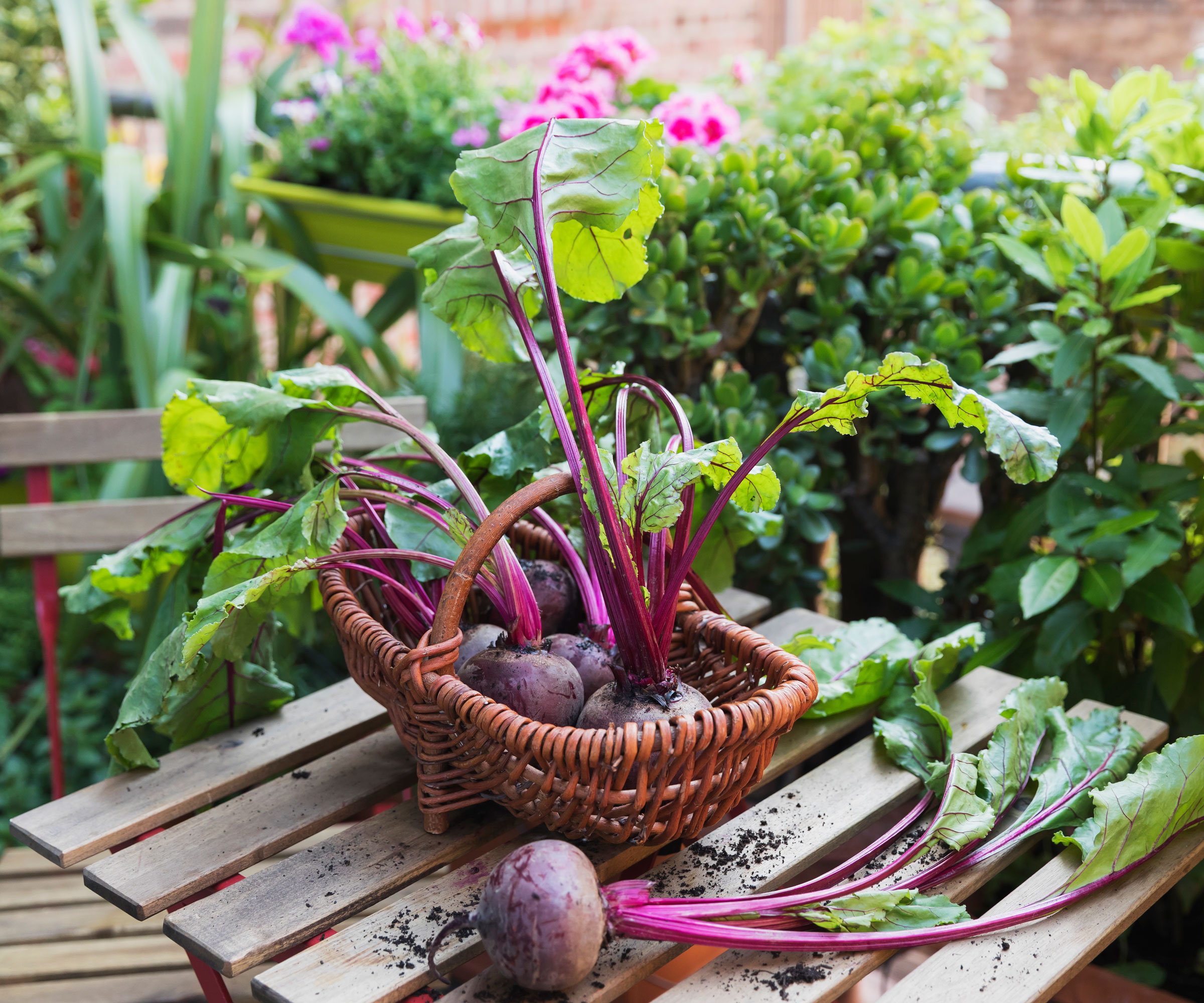
(Image credit: Westend61 / Getty Images)
Regional climate differences will have some bearing on sowing success. Gardeners in USDA hardiness zones 3-6 need to move quickly to ensure crops reach maturity before daylight drops below 10 hours a day. Growers in zones 7-10 face 90°F (32°C) heat spikes, so an overhead shade cloth can help to keep seedbeds under 75°F (24°C). Direct sowing is usually better than plugs for these fast crops, as transplant shock can waste precious growing days. Don’t forget to keep the seedbed damp to prevent surface crusting once you get these fast-growing crops in the ground…
1. Arugula
(Image credit: Vaivirga / Getty Images)
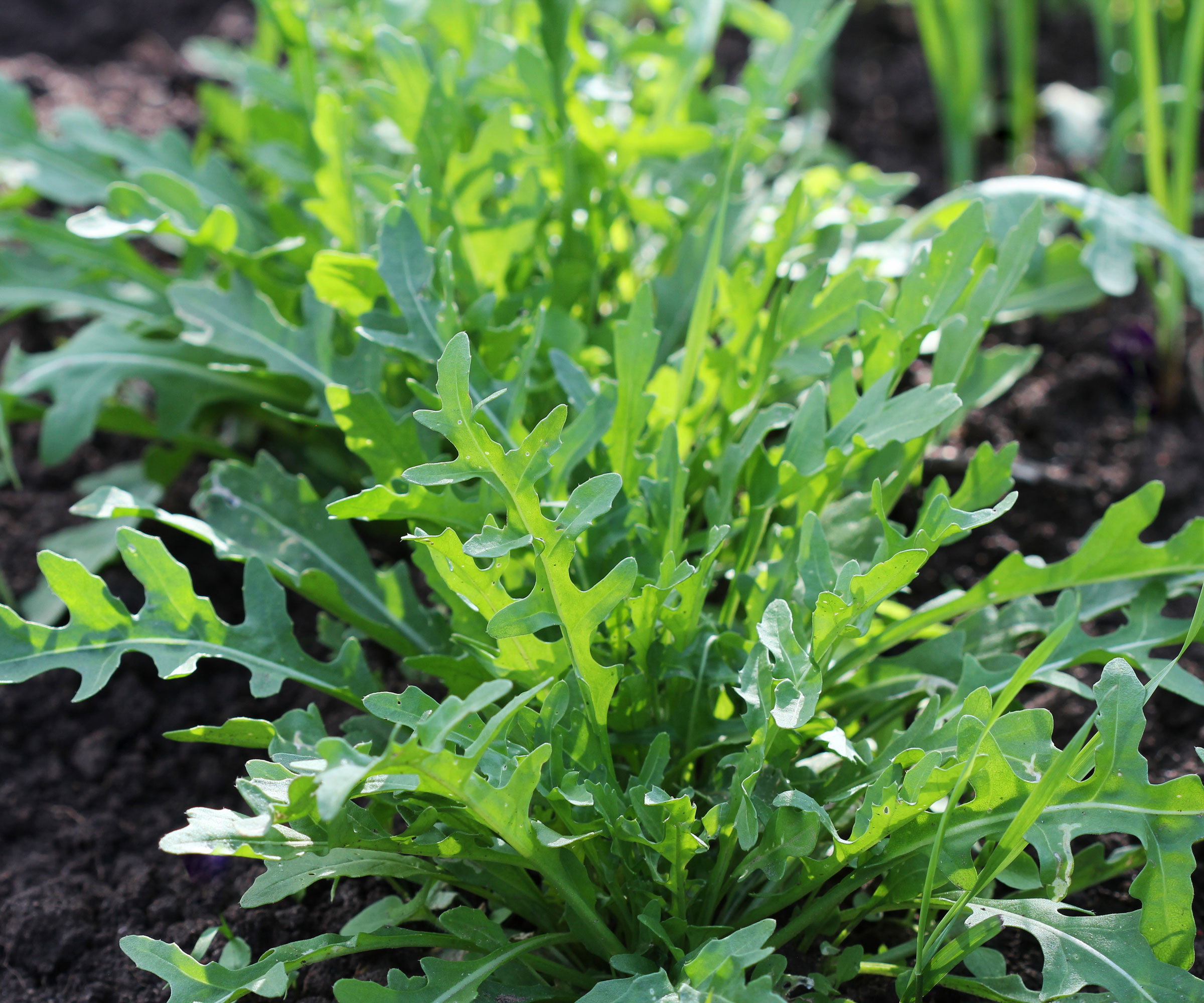
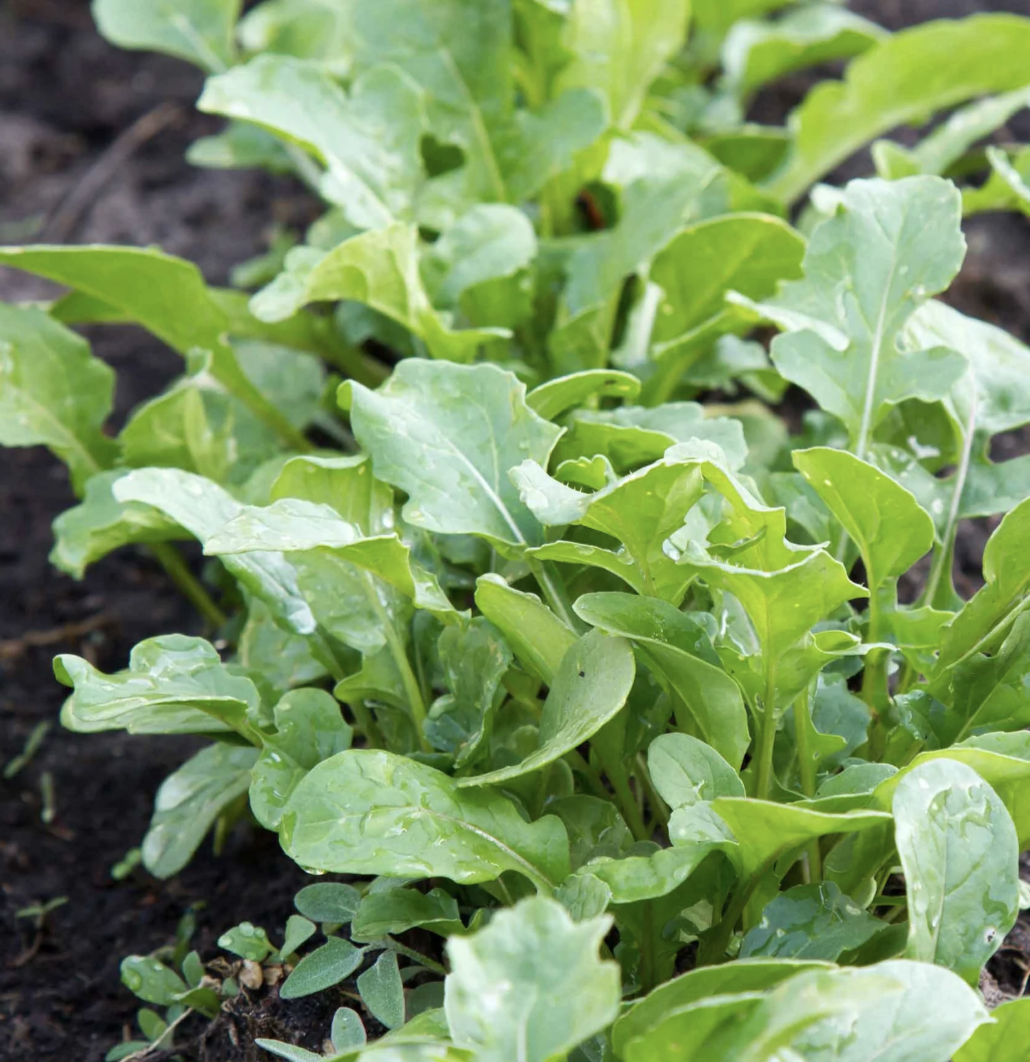
Nothing else in the salad bed moves this fast. Arugula (Eruca vesicaria) germinates in 3-4 days in warm ground and gives a picking of baby leaves inside 3 weeks. The August advantage is flavor as much as speed: summer-sown rocket leaves are fiercely peppery. Cooler nights soften it back toward something usable. Wild rocket has a narrower leaf and more heat. You can buy Organic Arugula Seeds from Eden Brothers for a nutty kick that matures in 28-40 days and also flourishes in large pots.
Thriving in zones 3-10, arugula prefers full sun and requires rich, moist soil with a pH between 6-7. Flea beetles are the biggest threat, so cover with a lightweight mesh. Plant alongside carrots or bush beans, which won't crowd its shallow roots. Protect dense growings from downy mildew with some Arber Biofungicide Spray from Walmart. Cut outer leaves for harvesting. One sowing can carry on for 6-8 weeks.
Eden Brothers
Arugula Seeds (Organic Rocket)
2. French Breakfast Radishes
(Image credit: Maryna Laroshenko / Getty Images)
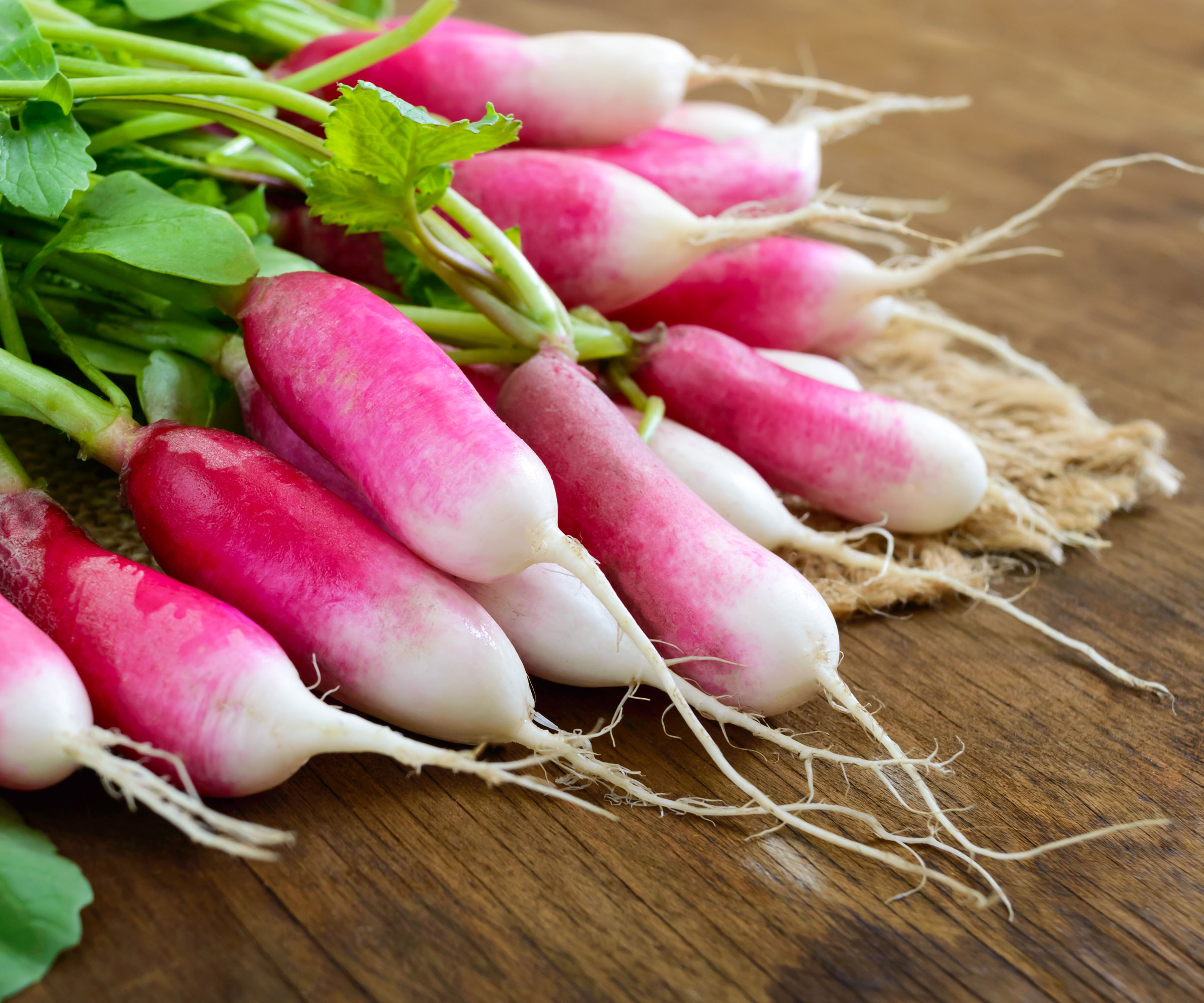
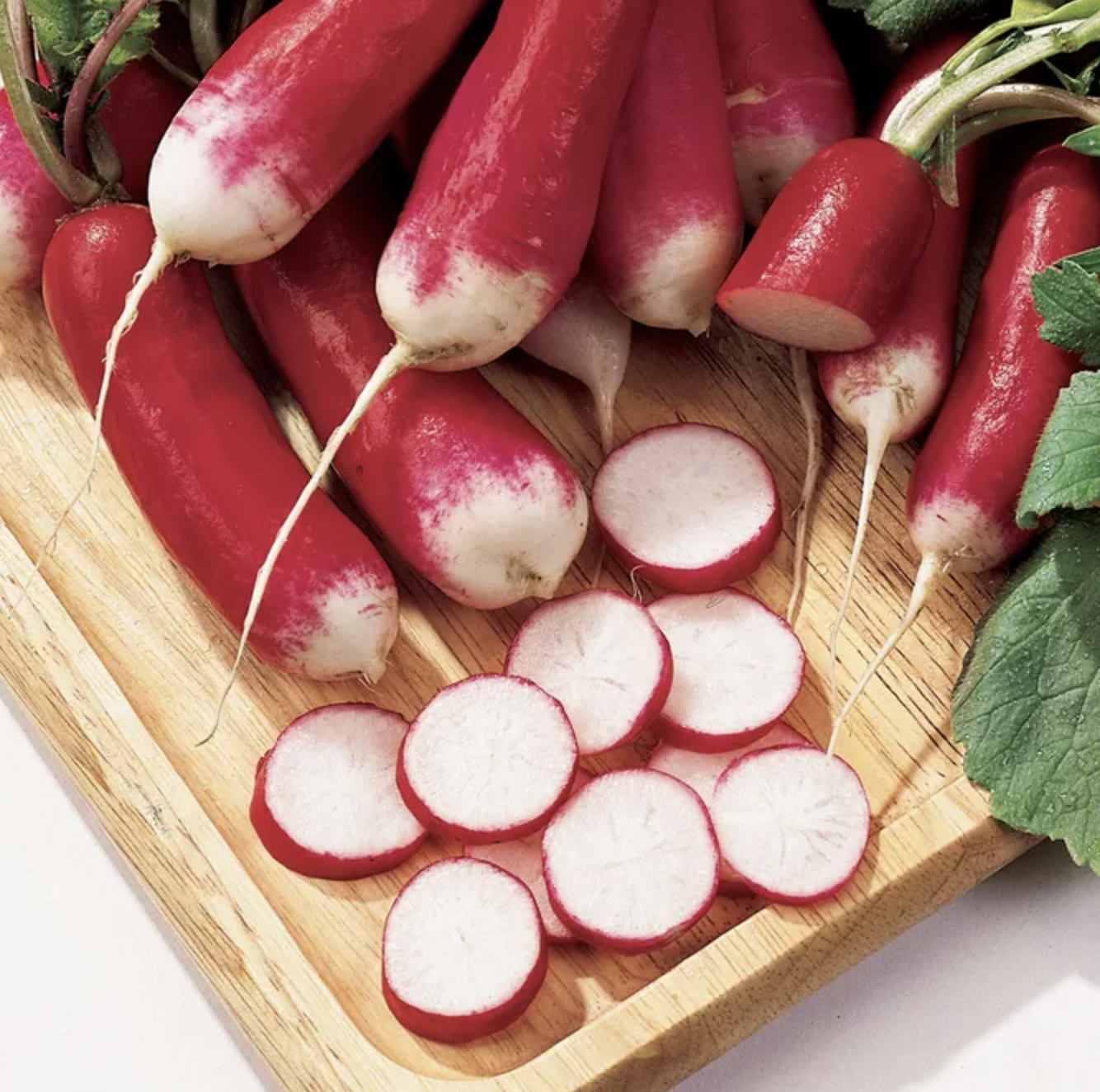
Radishes (Raphanus sativus) are the usual recommendation for a child's first crop, and the reason is timing. They take 3-4 days to germinate, and less than a month to be ready to pull. Little else in the garden moves that fast. Sow the French breakfast type instead of a globe. Crops come up tapered with a white tip, and stay milder in warm weather than the round sorts do. Snatch up packs of French Dressing Radish Seeds from Burpee for crunchy pink and white gems that mature in 25-35 days.
Thinning is the step nobody bothers with. Crowded radishes make tops and nothing below. Pull one at 20 days to check. An inch (2.5cm) between plants should do it. The thinnings can go in the bowl too, since the tops taste like mild mustard. Suitable for zones 2-11, radishes just need light, well-draining soil. Uneven watering can cause roots to crack or turn woody, so maintain consistent moisture.
Burpee
French Dressing Radish Seeds
3. Mizuna and Tatsoi
(Image credit: Julia Sudnitskaya / Getty Images)
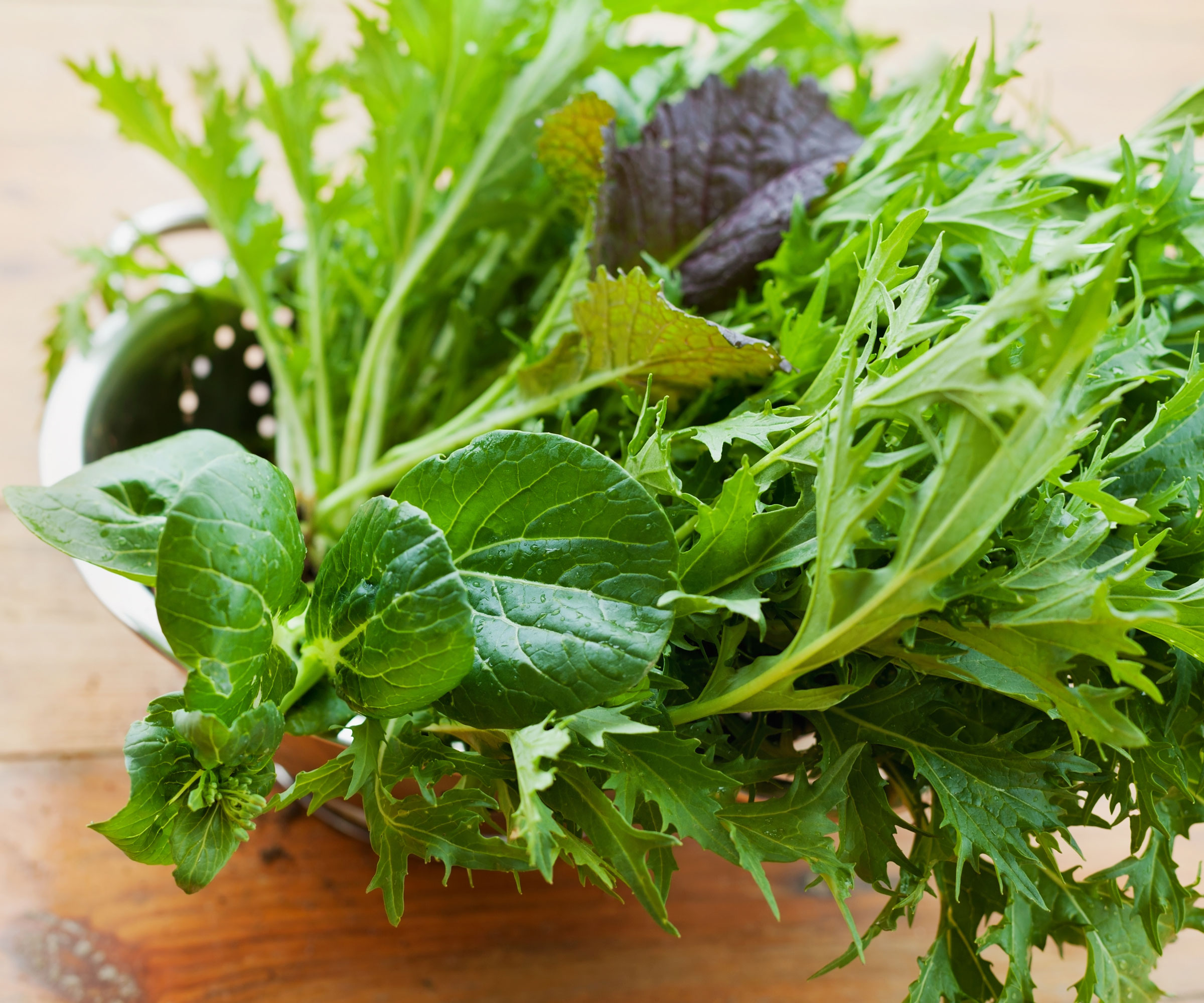
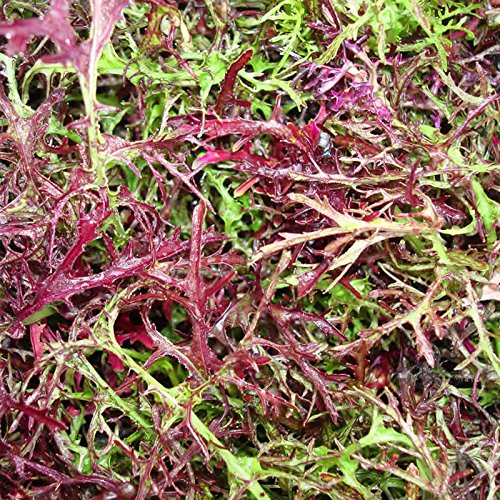
These Japanese greens, both forms of Brassica rapa, behave almost identically. Mizuna throws up feathery, deeply cut leaves with a faint mustard bite. Tatsoi makes a flat, glossy rosette that shrugs off frost. Both give baby leaves in 3 weeks and full heads in 6 weeks. You can buy Tatsoi Spoon Mustard Seeds from Eden Brothers for hearty Asian greens that mature in as little as 30 days, and Mountain Valley Seeds Red Streaks Mizuna from Amazon for a vigorous red and green leaf in 45 days.
Reliable in zones 4-9, they thrive in full sun or partial shade. Tatsoi is impressively cold-hardy, surviving to 15°F (-9°C). Flea beetles are the only problem, but throw a floating row cover over the bed at sowing time, and it won’t be an issue. The Hortifan Plant Cover from Amazon is great for repeat use. To harvest, shear baby leaves an inch above the ground or let the rosette mature for a single-harvest cooking green.
Mountain Valley Seed Company
Mountain Valley Seed Co Organic Red Streaks Mizuna Seeds
4. Corn Salad (Mache)
(Image credit: Rouzes / Getty Images)
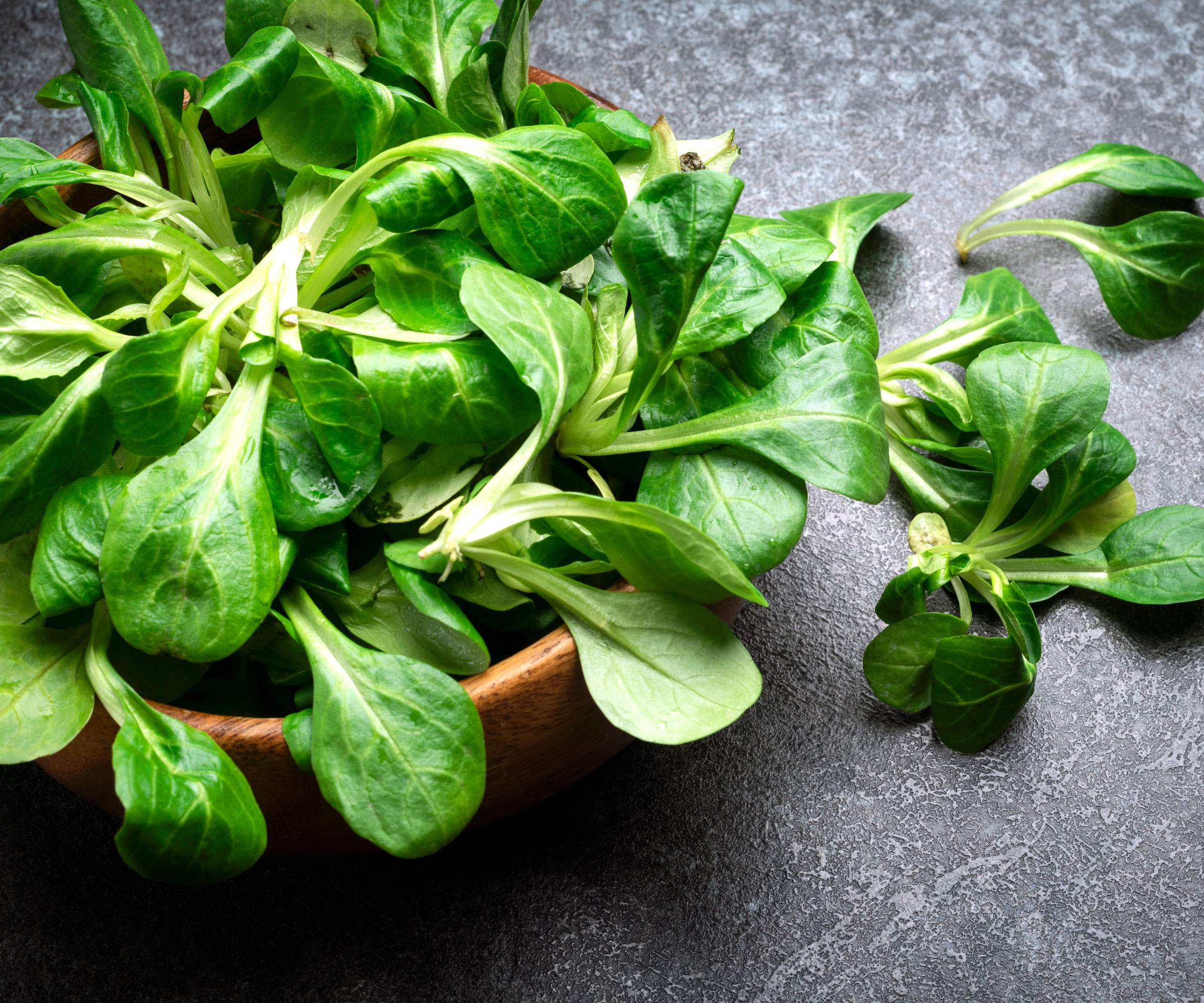
Corn salad (Valerianella locusta), or mache, rewards a little more waiting. Its seed sulks in hot ground, so the end of the month works better than the start. Performing best in zones 5-9, mâche requires soil temperatures below 68°F (20°C) to break dormancy, making late August and early September the sweet spot for sowing. What it gives back is cold tolerance: the small rosettes of soft, nutty leaves even keep going under snow. Buy minty sweet Ohio Heirloom Seeds Lamb’s Lettuce (Macha) from Amazon for frilly rosettes of nutritious leaves that mature in 40-45 days.
It tolerates poor soils well, but benefits from light, moist ground in full sun to partial shade. Pair with slow-growing winter brassicas or garlic, and avoid overwatering once established. It requires little feed and is largely ignored by late-season pests. Harvest the rosette with a knife just below the crown. Nothing else here will still be standing in February.
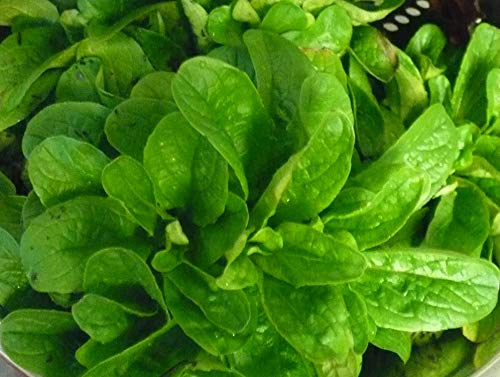
Ohio Heirloom Seeds
Corn Salad Seeds by Ohio Heirloom Seeds
5. Land Cress
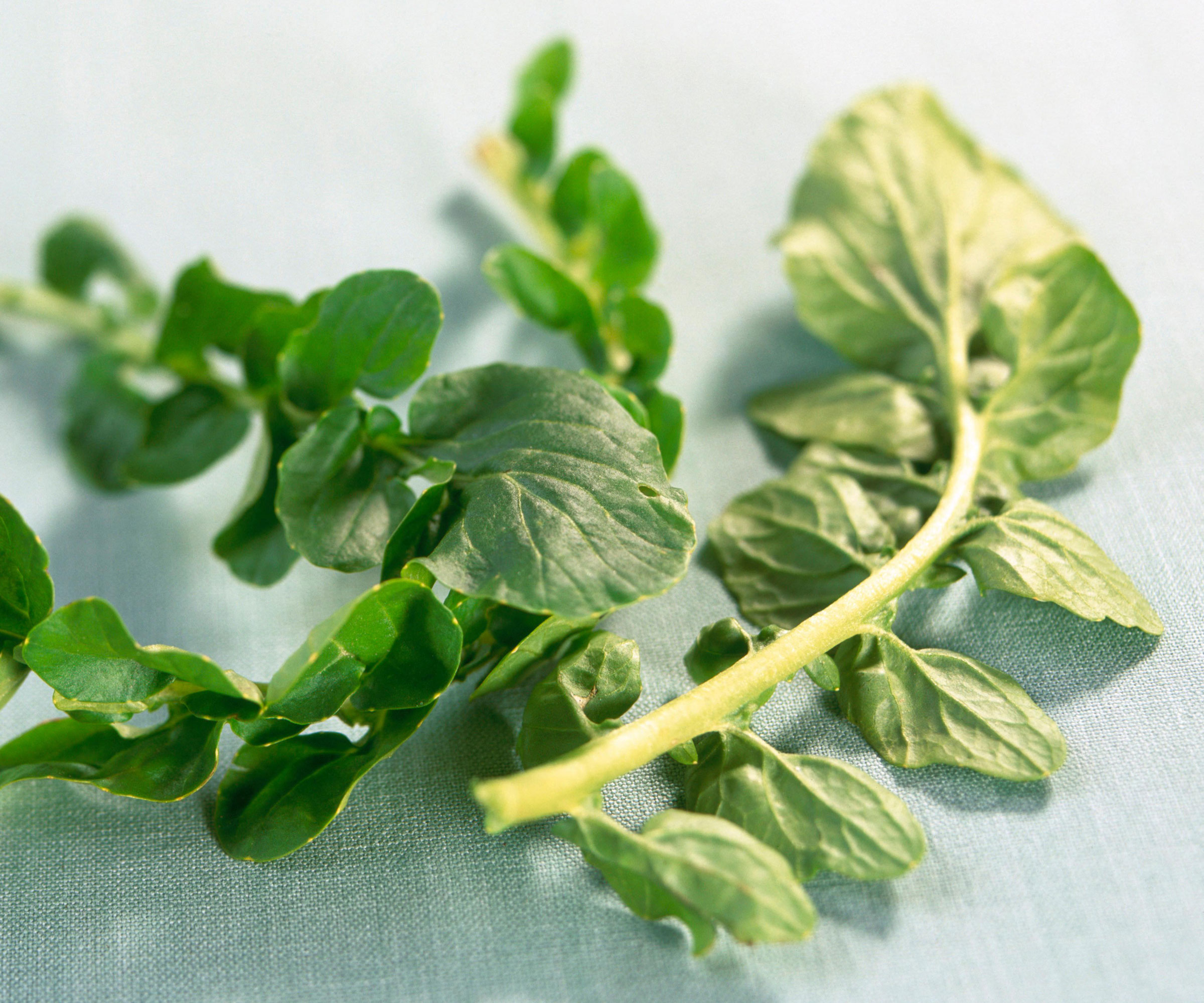
(Image credit: Dorling Kindersley Ltd / Alamy)
The sticking point with watercress is that its feet have to stay wet. Land cress (Barbarea verna) gives the same hot, peppery hit and grows in ordinary ground, which is why catalogs also sell it as upland cress. Either does fine in a pot sat in a saucer of water, topped up daily, but land cress gives you another option with veg bed gaps. Buy Tomorrow Seeds Upland Cress from Walmart for a zippy, vitamin-rich fresh green leaf machine that’s perfect for small spaces and containers.
Hardy in zones 5-9, land cress thrives in full shade where other greens struggle. It behaves as a biennial, often overwintering to produce spring greens before going to seed. Plant alongside moisture-loving herbs like mint or chives. Keep soil wet to maintain its crisp, peppery bite. Usable pickings follow within 5 weeks. Cut sprigs from the outside, and it regrows.
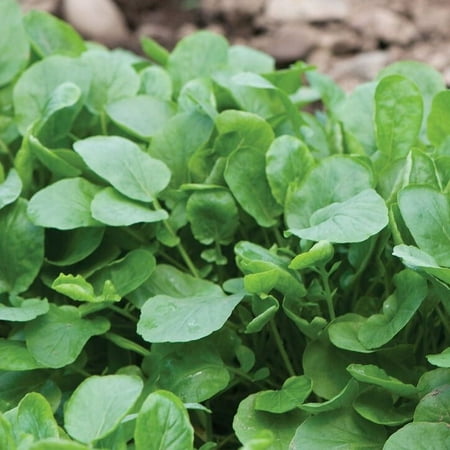
TomorrowSeeds
Tomorrowseeds Upland Cress Seeds
6. Spinach
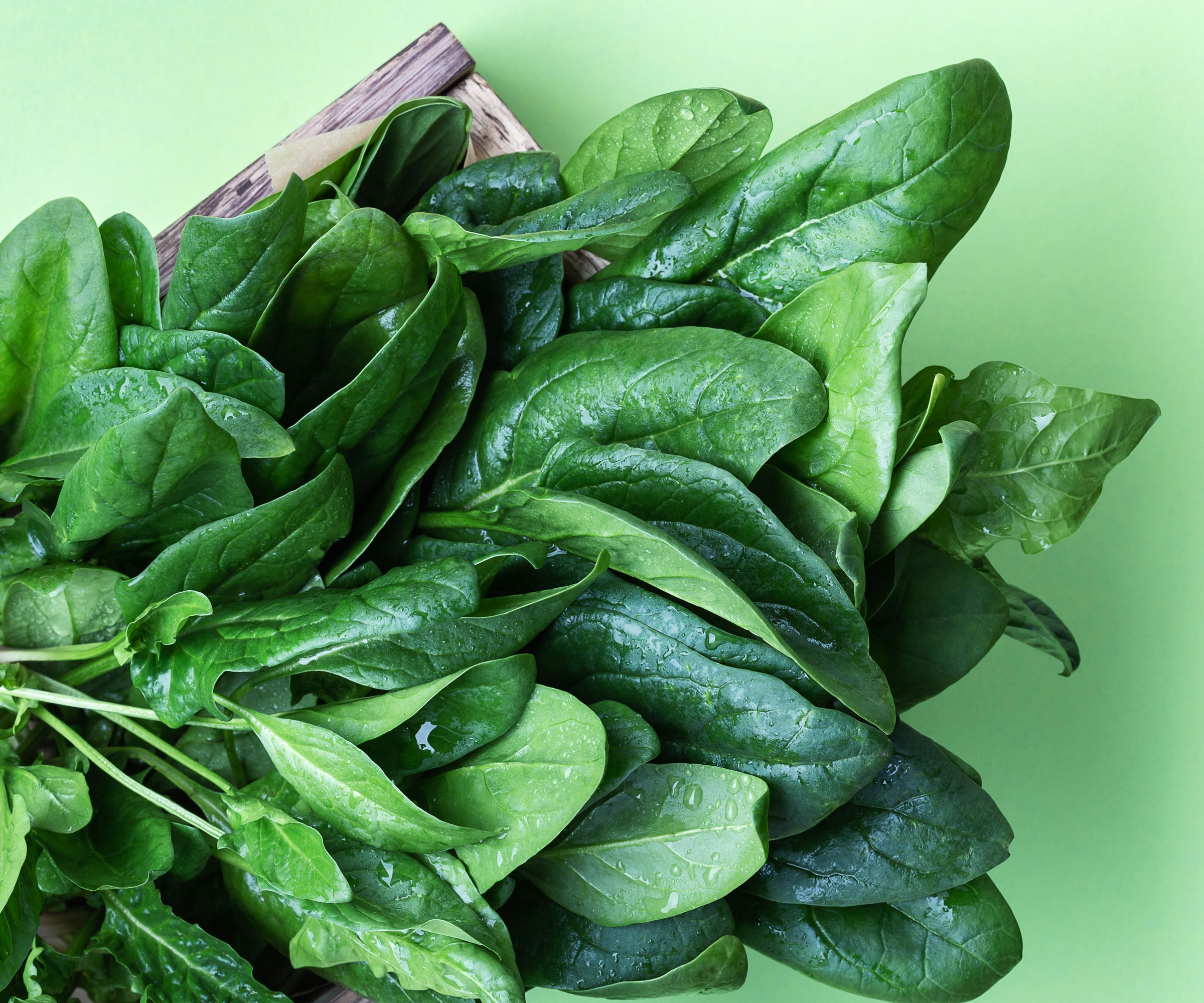
(Image credit: Istetiana / Getty Images)
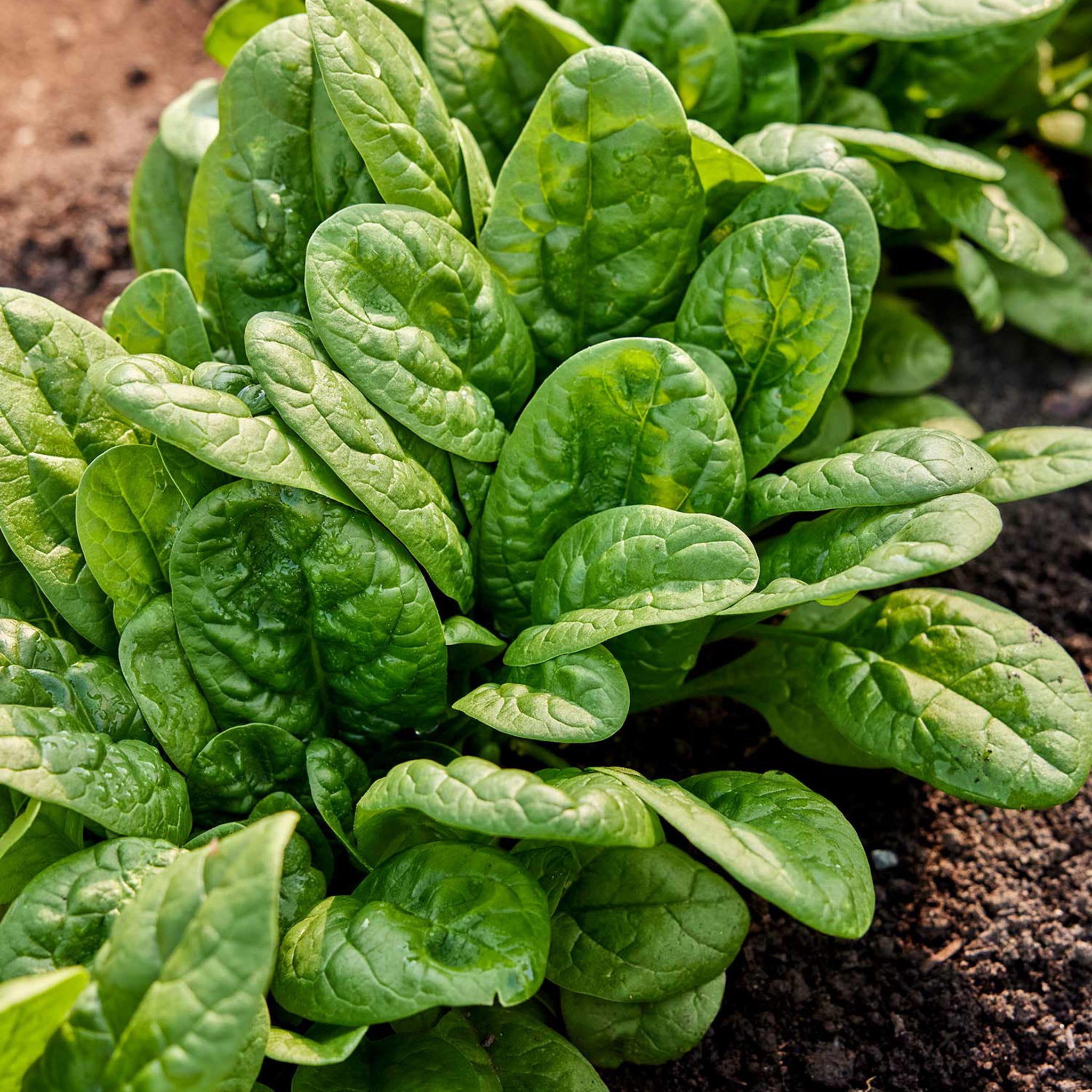
Half-empty rows can often be the story with August spinach (Spinacia oleracea), as the seed can stop germinating reliably once the ground warms past a certain point. The fix is to cool the ground first to under 75°F (24°C). Place a shade cloth, like the Coolaroo 70% UV Block Shade Cloth from The Home Depot, over the bed for 4-5 days ahead of sowing, and you’re golden. After that it behaves, with baby leaves in around 30 days, then repeated cuttings from the outside right through fall.
Thriving in zones 3-9, spinach needs neutral-to-slightly alkaline soil (pH 6.5-7.5). Plant alongside radishes or strawberries to maximize space efficiency. Stick to deep watering to encourage strong taproots to withstand cold snaps. You can buy lush and hearty classic Heirloom Bloomsdale Long Standing Spinach from Burpee for a late summer fiesta of nutty goodness that is slow to bolt but quick to mature (40 days).
Burpee
Bloomsdale Long Standing Spinach Seeds
7. Red Mustard
(Image credit: Mary Salen. Getty Images)
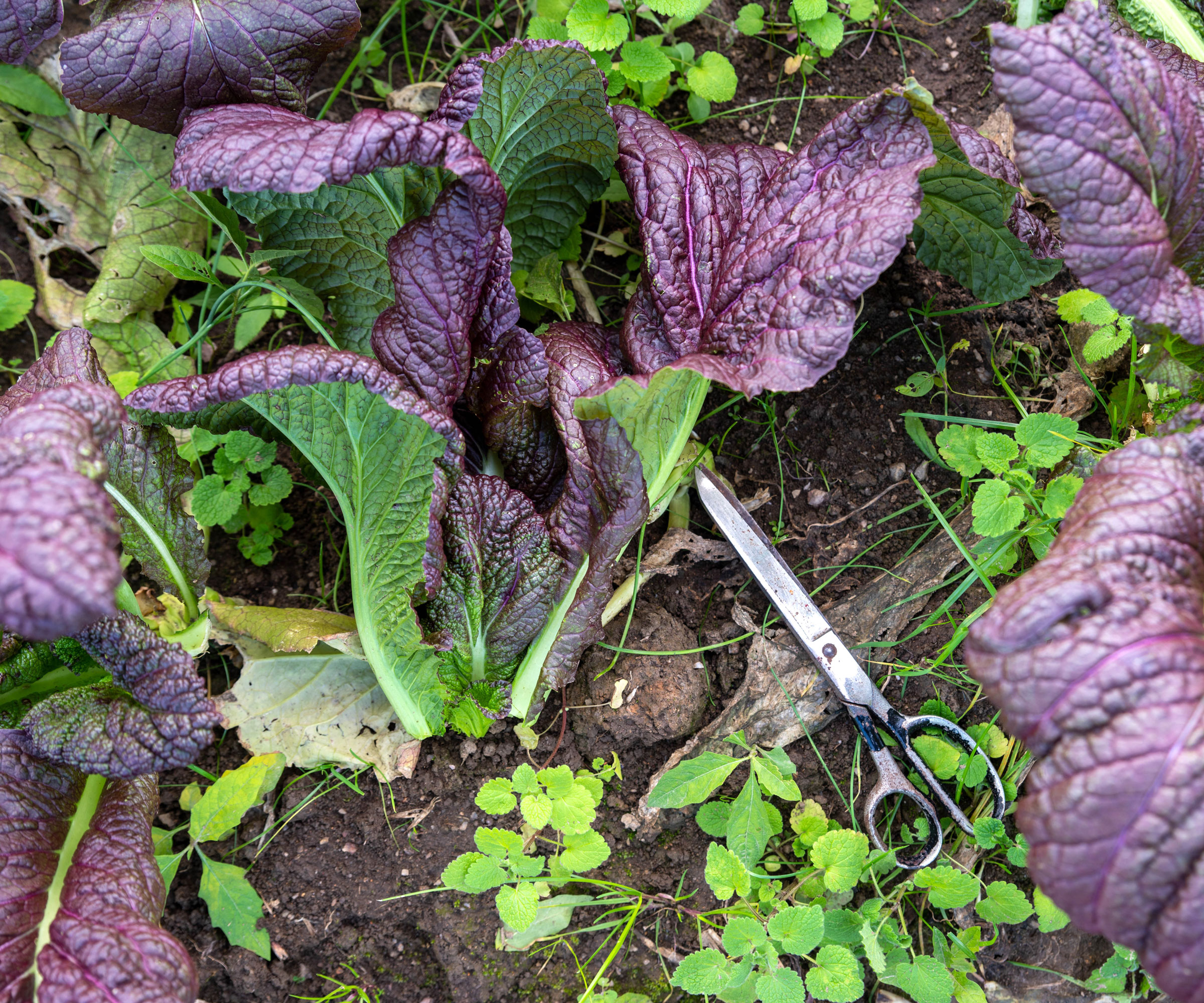
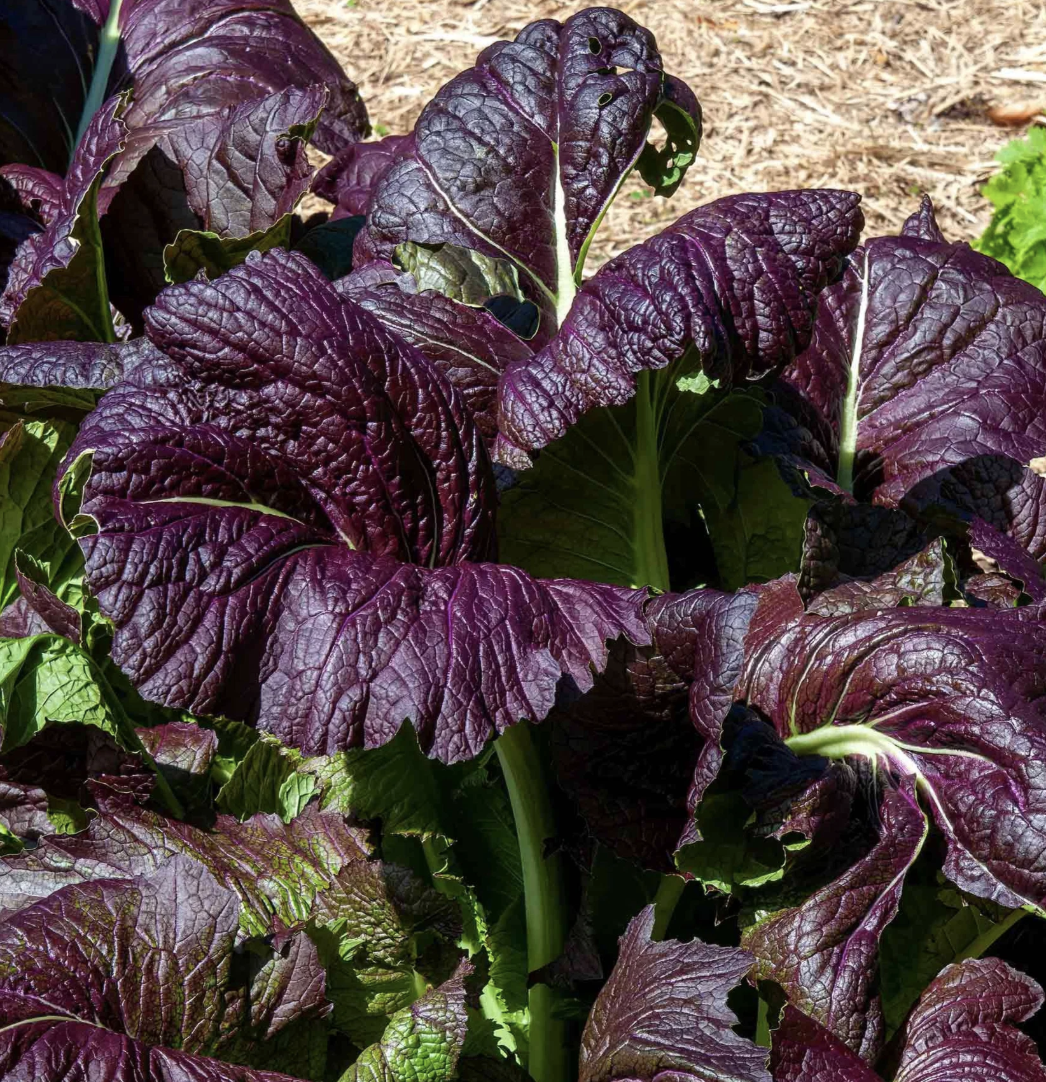
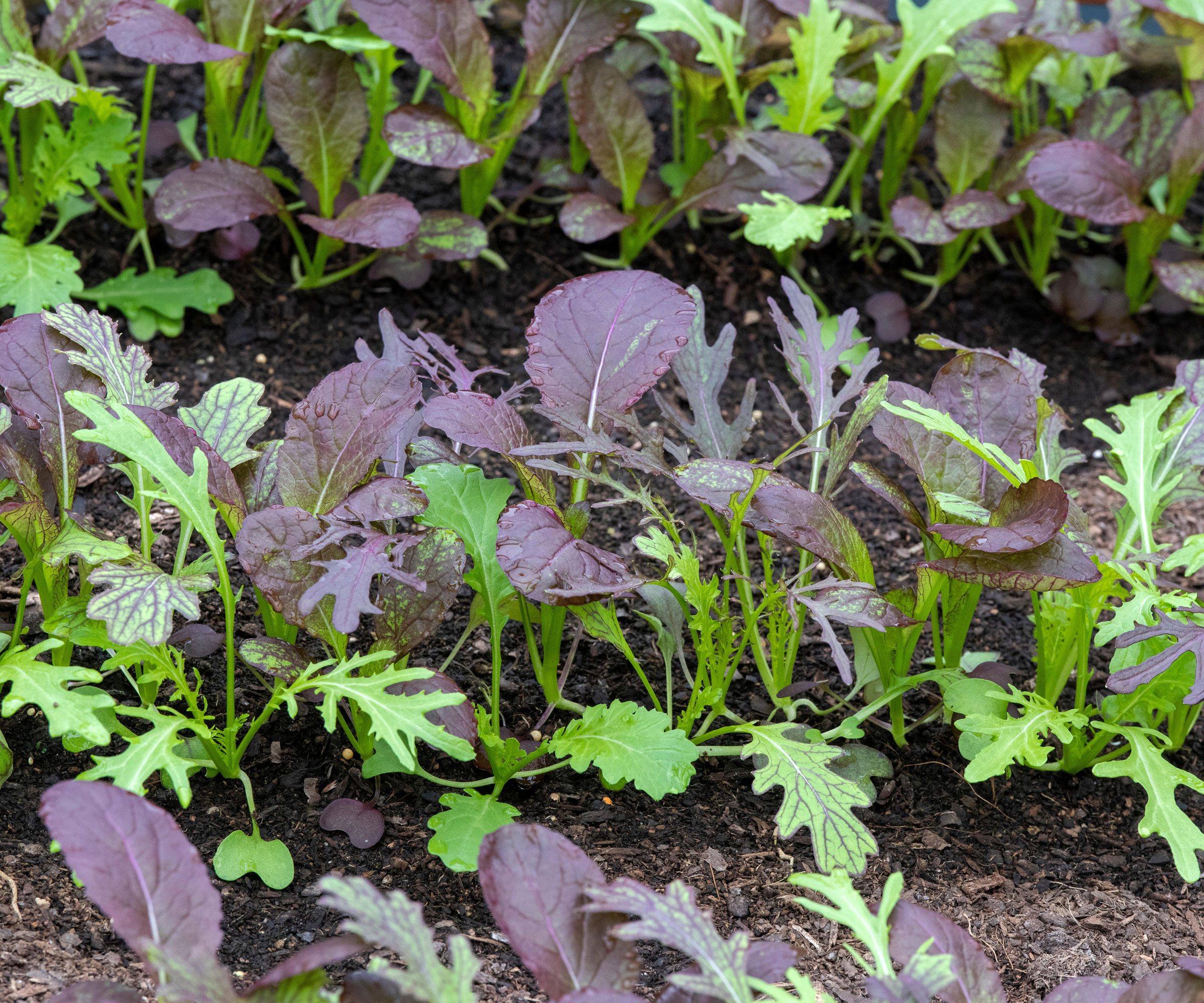
Deep purple over green, with veins darkening almost to black as the nights cool, is not a color combination the salad bowl often sees. Red mustard (Brassica juncea) earns its place on looks alone. Then there is the heat, which is close to horseradish and builds as leaves get bigger. Suitable for zones 4-10, it thrives in full sun and adapts well to most soil types if drainage is good. Try Red Giant Mustard from Eden Brothers for lush leaves that are bolt-resistant and take only 40 days to mature.
Baby leaves are ready in about 3 weeks, while plants left to size up can survive cold snaps that flatten everything around them. Excellent plant partners include onions, garlic, and rosemary, which help to deter brassica-loving pests. Harvest frequently using a cut-and-come-again approach, leaving the central growing point intact to ensure a steady supply of fresh, spicy foliage until heavy frosts set in.
Eden Brothers
Red Giant Mustard Seeds
8. Claytonia
(Image credit: ImageBROKER Karin Jaehne / Getty Images)
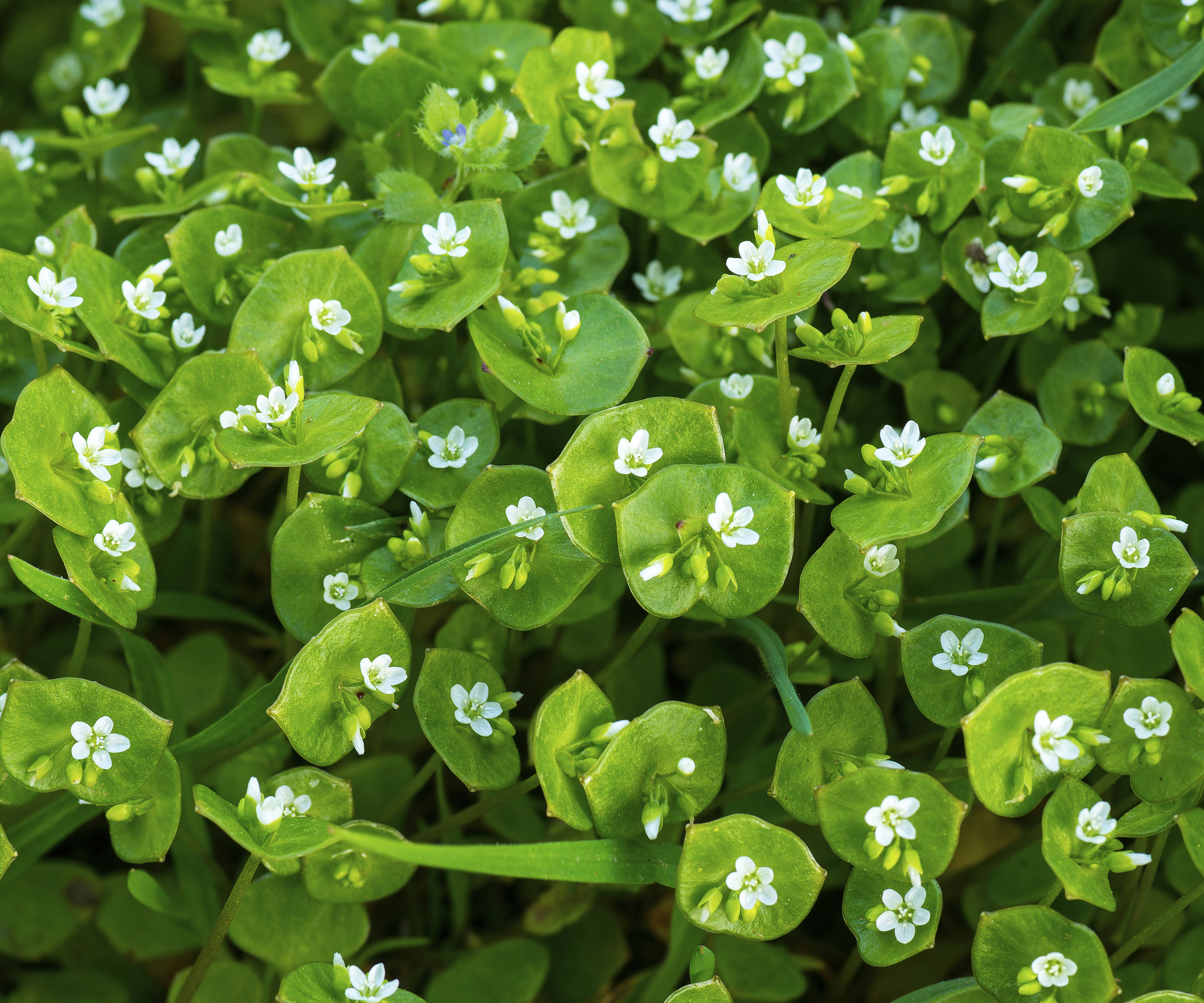
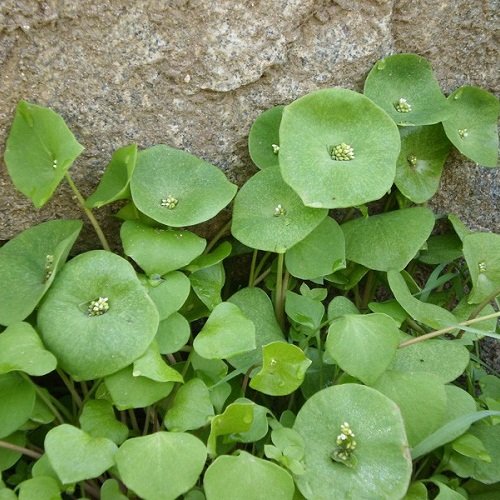
Claytonia perfoliata makes small heart-shaped leaves on tender stems, each one eventually holding a little cup with a white flower at the center. Thriving in zones 4-9, claytonia prefers cool, damp, partially shaded conditions, making it ideal for tucked-away garden corners or under taller crops. Soil should be rich in leaf mold or compost and kept moist. Buy MYS Miner’s Lettuce Claytonia From Amazon for a rich vitamin load at a bargain price that should flourish well into winter.
This fast-growing salad green is ready in 40 days and is super-hardy, carrying on under a cloche long after the rest has stopped. It germinates better once the ground cools, like mache, so treat it as a late-August job. Plant with mâche or winter pansies in cold frames. Snip stems gently near the base to encourage multiple harvests, and allow a few plants to flower at season's end for free self-sown crops next year.
MYS
Miner's Lettuce Seeds
(Image credit: Tim Gainey / Alamy)
Need more ideas for getting the most from your plants, indoors and out, and looking for the best seasonal expert advice delivered straight to your inbox? Sign up for the free Gardening Know How Newsletter!















 English (US) ·
  French (CA) ·