

I’ve lost count of how many summers I’ve defaulted to petunias. After all, they’re the classic for a reason: instant color, big impact, and that cheerful, slightly over-the-top abundance that makes a container feel like it’s trying a little too hard – in the best way.
Every year, though, it’s the same routine; I buy my petunias, plant them, enjoy them… and then pull them out again when they fade. Which means (because I am very much that kind of gardener) there’s always a moment, usually around late August, when I wonder why I signed up for the same seasonal cycle again.
Which is why I’ve started noticing a quiet shift in the gardening world – one that seems to be steering people away from showy annual displays and towards those plants that don’t just deliver easy color for a few months, but come back stronger each year, too. And right now, there’s one perennial quietly replacing petunias for exactly this reason.
This Perennial Is Quietly Replacing Petunias
I want it on record, before I go any further, that I love petunias as much as the next person (unless that person is my husband, a professional gardener with an avowed hatred for these pretty blooms; they are firmly on his list of plants he will never let me buy).
That being said, anyone who went to this year’s RHS Chelsea Flower Show – aka the global benchmark for garden design trends – you couldn’t miss the fact that there was one plant in particular nudging annuals like petunias out of the spotlight: geums.
Geums, especially in bold orange tones, were absolutely everywhere this year. Popping up in borders, spilling into container schemes, and threading through planting designs with a kind of effortless confidence, they added flashes of heat and brightness, along with something else petunias can’t quite manage: movement and texture, thanks to their airy stems and nodding, almost floating flower heads.
Shop Geums:
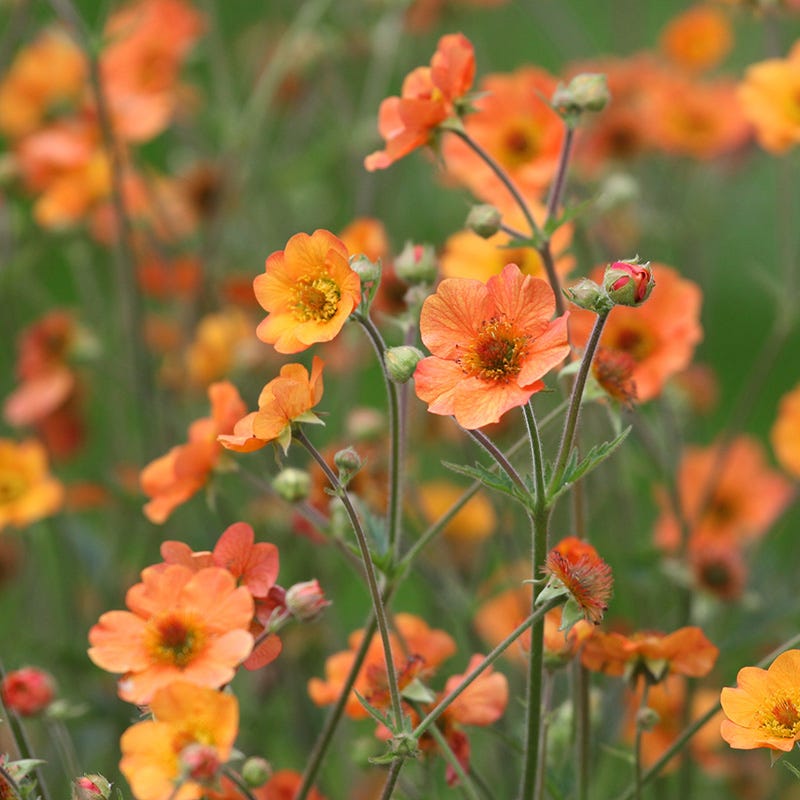
American Meadows
Totally Tangerine Geum
Dainty and bright, this bold geum makes a beautiful, long-blooming pollinator plant.
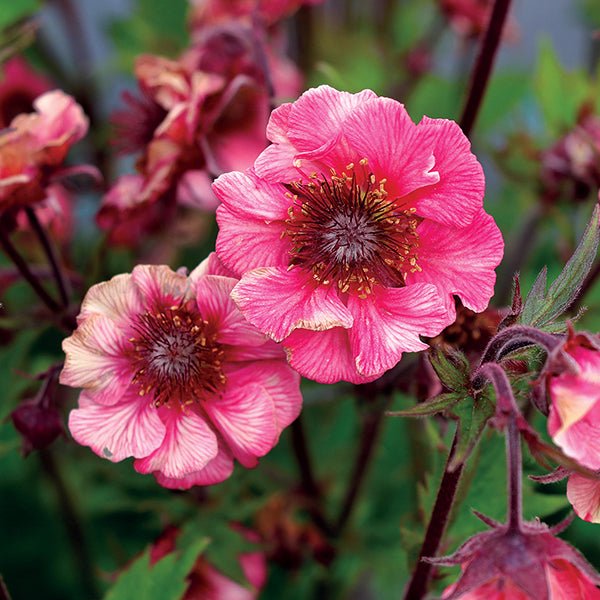
Nature Hills Nursery
Tempo™ Rose Geum
You'll adore the alluring charms of the rose-pink petals on is compact perennial.
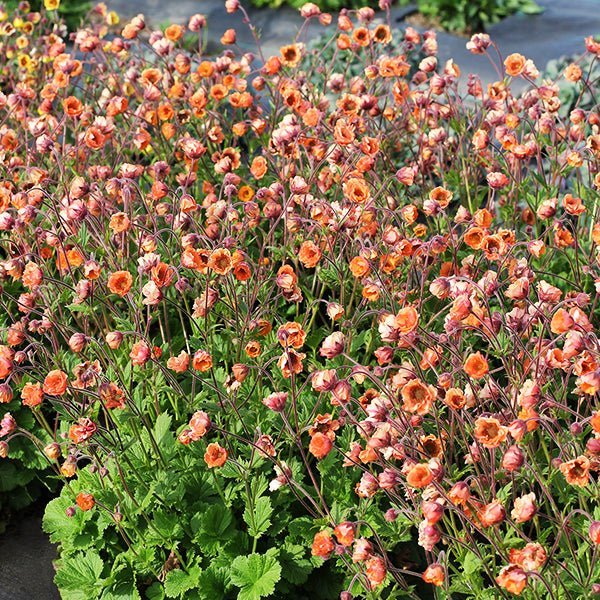
Nature Hills Nursery
Tempo™ Orange Geum
A true show-off, you'll see both single and semi-double flowers on the same plant!
Varieties like Totally Tangerine Geum and TEMPO™ Orange Geum were doing a lot of the heavy lifting in these displays, and it’s easy to see why. They’re vibrant without being fussy, and they hold their own in mixed planting without dominating everything around them.
Unlike traditional bedding plants, geums are perennials, meaning they return year after year once established. They’re also impressively adaptable – thriving in USDA Zones 5–10 – and bring an added ecological bonus: they’re pollinator-friendly, attracting butterflies and other beneficial insects throughout their flowering season.
In containers and borders alike, they’re proving themselves as a smarter kind of color investment. Less replanting, more reliability, and far more interest over time? No wonder they are quietly replacing petunias, quite frankly.
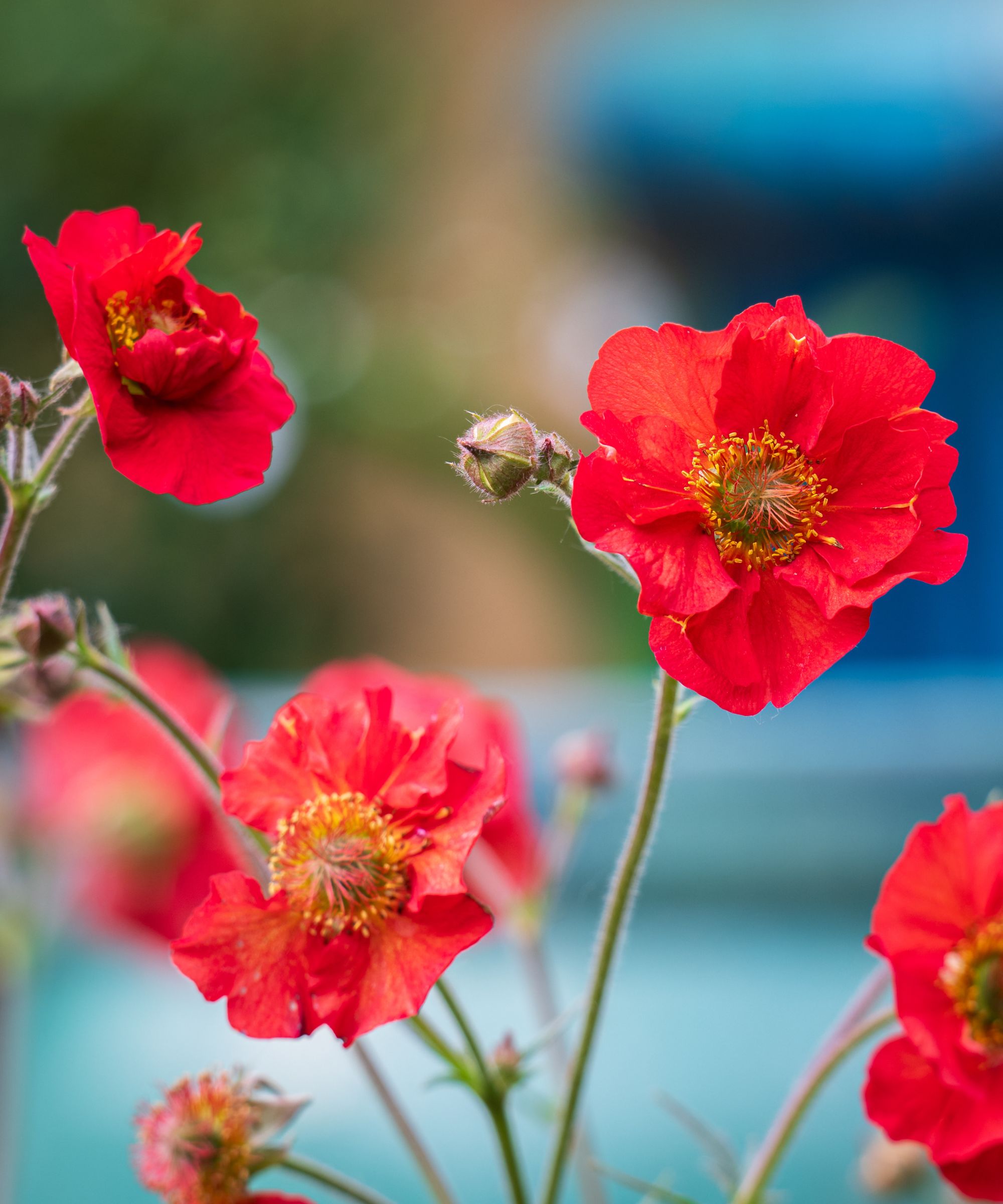
(Image credit: Bridgendboy/Getty Images)
If you want that Chelsea Flower Show look, these orange geums pair beautifully with deep purples (think alliums or salvias) for a high-contrast, designer-style palette that really makes the orange tones sing. Or, if you want to push things in a different direction, swap the orange for softer or more unexpected tones. Paired with reds or warmer pinks, the effect is richer and more romantic, so you get less of a high-contrast punch, more of a gloriously cottage garden glow.
Either way, geums are quietly doing something petunias never quite managed: bringing long-lasting color, personality, and movement into the garden without demanding a complete reset every year. And once you’ve seen them in full bloom, it’s hard not to start craving them in your own yard (either in a container or in a bed).
Hey, anything that makes life a little more easy breezy beautiful, right?













 English (US) ·
  French (CA) ·