

I think we're all big enough to admit that burning bush has spectacular autumn foliage, but there’s actually a native shrub deserves a place in the fall color spotlight... one that doesn't come with all the same problems.
As I'm sure many readers know already, burning bush is considered invasive in many states, as it can escape cultivation and spread into natural areas, where it fights with other plants (and usually comes out on top). So, yes, it's well worth looking at native shrubs that deliver that same bold fall foliage without the headache.
And is it too much to ask for more than just that? After all, I'm always drawn to plants that can do more than one job in the garden, so a native shrub that looks beautiful in fall, produces flowers for pollinators, and fruits that can feed birds? Why, it's an absolute must in my books!
Swap Out Burning Bush For This Native Shrub
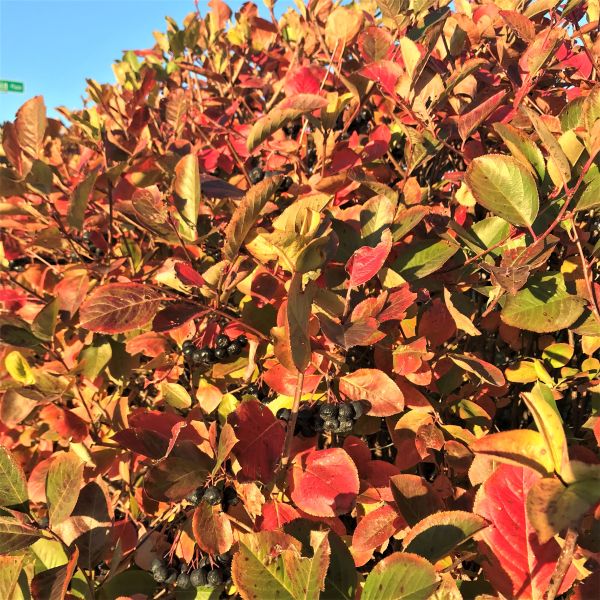
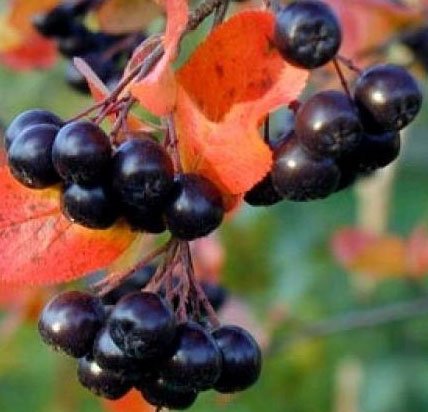
So, which native shrub am I waxing lyrical about? Why, it's black chokeberry (Aronia melanocarpa), a native of eastern North America that is almost criminally underrated by gardeners all over the country... making something like the Viking Black Chokeberry from Nature Hills a brilliant investment for your space!

(Image credit: IV Serg / Getty Images)
With its crimson-red to burgundy fall color, black chokeberry typically reaches around 3 to 6 feet tall and wide, making it a useful option for home gardens where a large shrub or small tree might be impractical. It can be planted in a mixed border, used in a native shrub planting, or incorporated into a wildlife-friendly landscape.
Better still? Unlike the pesky burning bush, which is primarily grown for its foliage and compact shape, black chokeberry (as mentioned already!) offers flowers and fruit, making it a standout beauty all season long.
Shop Black Chokeberry:
American Beauties
Viking Black Chokeberry
Amazon
Aronia Melanocarpa
Proven Winners
Low Scape Mound® Chokeberry
This native shrub is a happily adaptable one, growing in full sun to partial shade and tolerating a range of soil conditions. It's also generally hardy across USDA zones 3 to 8, although I'd still be sure to check the requirements of a particular cultivar and confirm that it's suitable for your local climate.
In terms of maintenance, it generally doesn't need much intervention once established in a suitable location; just stick to the Three Ds rule when pruning as needed to keep its shape manageable. And otherwise? Well, just sit back and enjoy as its red and burgundy leaves bring the seasonal drama, its white flowers get minibeasts (including your birth month bug) buzzing, and its black berries attract birds like cardinals, waxwings, finches, robins, and more!
Oh sure, burning bush may feel more familiar, but familiarity isn't the only reason to choose a shrub. If I wanted brilliant fall color with the added potential to support local critters, black chokeberry would be at the top of my list... especially if I didn't want to land myself in hot water for planting an invasive beast of a shrub!












 English (US) ·
 French (CA) ·