

By October, a jade plant (Crassula ovata) is heading into its slow season. Days are shorter, the sun rides lower in the sky, and the heat comes back on in many homes. Growth slows way down through winter, and the same routine that kept the plant plump all summer can start causing trouble if nothing changes.
Good jade plant care in fall is mostly about pulling back. Too much water is the most common problem, and the risk climbs as the weather cools, as soil in a cool room stays wet longer and a slow-growing plant takes up less of it. Fertilizer and big pruning jobs can wait too, while light is the one thing plants need more of.
There's a small reward for getting the season right, as jade plants do well with cooler nights. A mature plant given a cool, fairly dry rest sometimes produces clusters of small white or pale pink, star-shaped flowers in winter. Indoor blooms are fairly uncommon, but a plant kept in bright light with cool nights has a better chance than one kept warm all winter. Get these seven things right for healthy, happy plants.
1. Move It Into the Brightest Spot You Have
(Image credit: Getty Images)
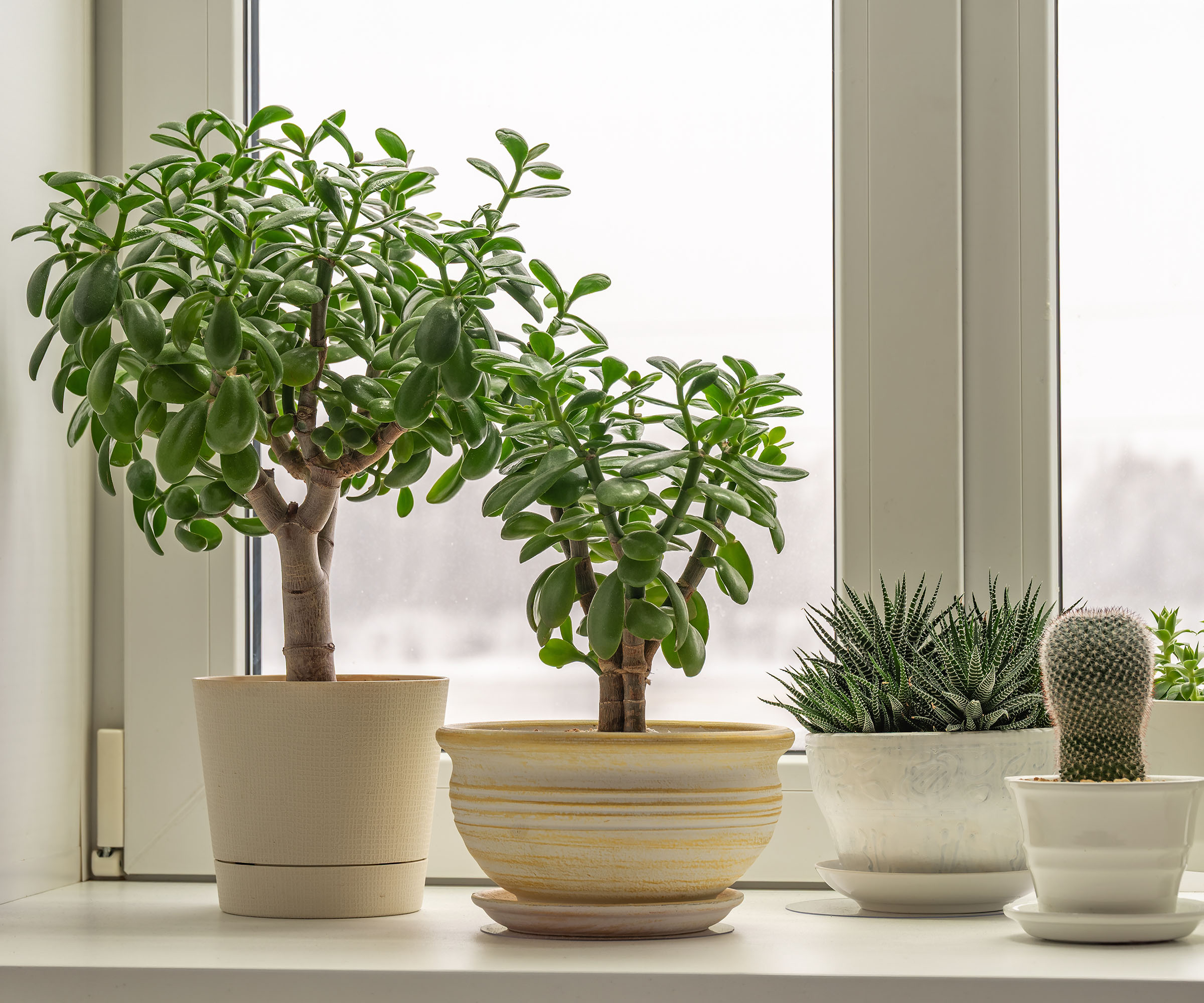
A jade plant needs four or more hours of direct sun a day, and in October there's less of it to go around. Low light shows up in the stems – they stretch, the gaps between leaf pairs get longer, and the plant grows leggy and weak. Put the pot in a south- or west-facing window if you have one, but keep leaves off the cold glass at night, and well away from any radiator or heat vent.
If you don't have a good window, you'll need to use a grow light. The Sansi Clip-On Gooseneck LED Plant Light, available on Amazon, has the option of 1–4 flexible lights.
2. Reduce Watering Significantly
(Image credit: Getty Images)
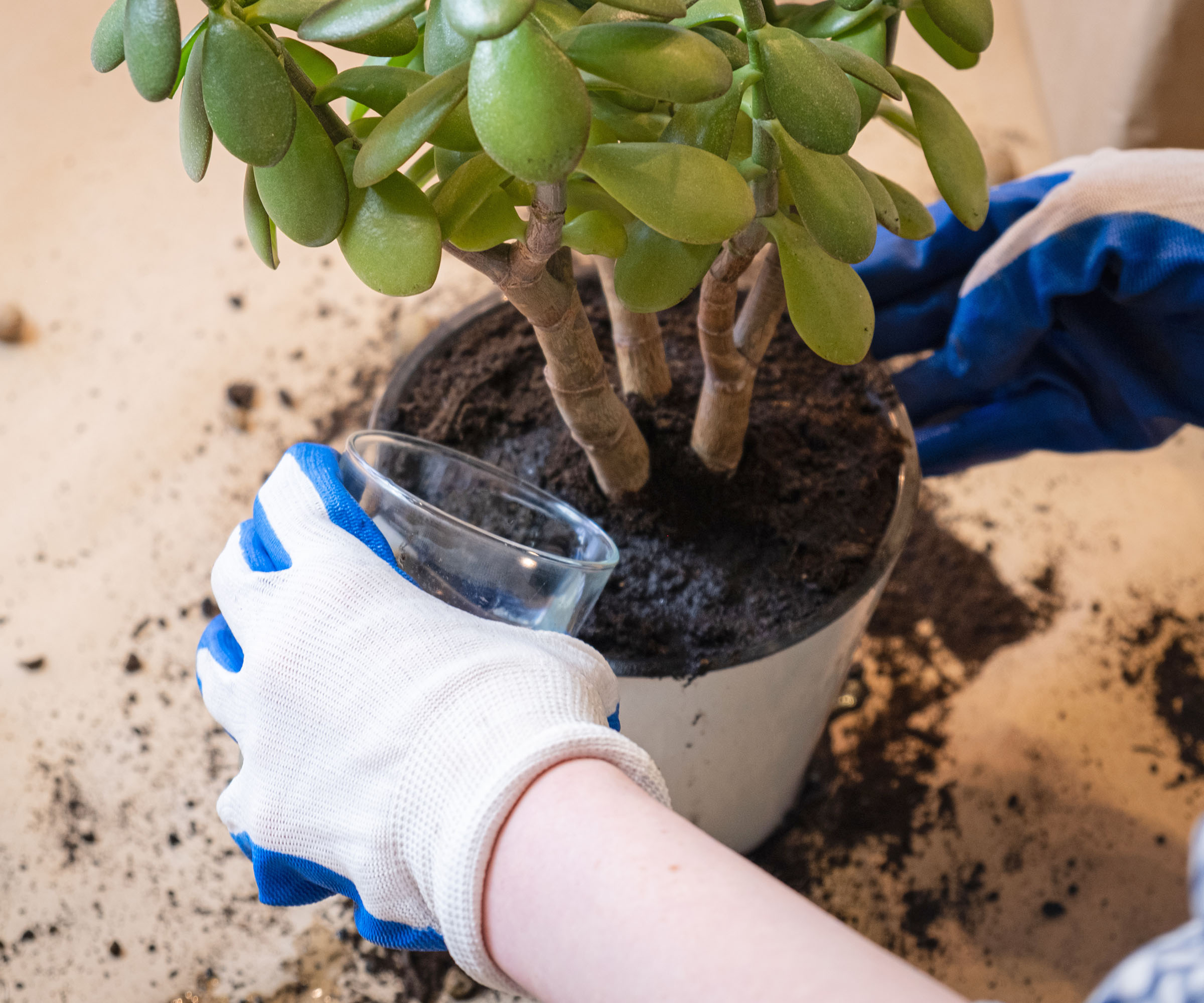
Let the potting mix dry all the way through, or close to it, before watering again. The surface dries well ahead of the soil around the roots, so a dry top inch (2.5 cm) doesn't prove much. Push a wooden chopstick to the bottom of the pot and pull it out. If damp soil clings to it, wait. Or use the probe on a soil moisture meter, like the XLUX moisture meter from Amazon, which gives a more definite reading.
When the mix is finally dry, soak the pot until water runs out the bottom, then let it fully drain. Soft, yellow leaves that fall at a touch mean the roots have stayed too wet; wrinkled, deflated-looking leaves mean the opposite.
3. Stop Fertilizing Until Spring

(Image credit: Danica Jakovljevic / Getty Images)
Fertilizer doesn't do a jade plant much good this time of year. The plant hardly grows from fall through late winter, and whatever the roots don't take up gets left in the potting mix as salt. That buildup can make it harder for the roots to pull in water, and in bad cases it burns the root tips. Hold off until you see fresh growth in spring. When you start again, use a targeted liquid feed that's suitable for jade plants and other succulents, like Miracle-Gro Succulent Plant Food.
4. Bring Outdoor Plants Indoors Before Cold Nights
(Image credit: Shutterstock)
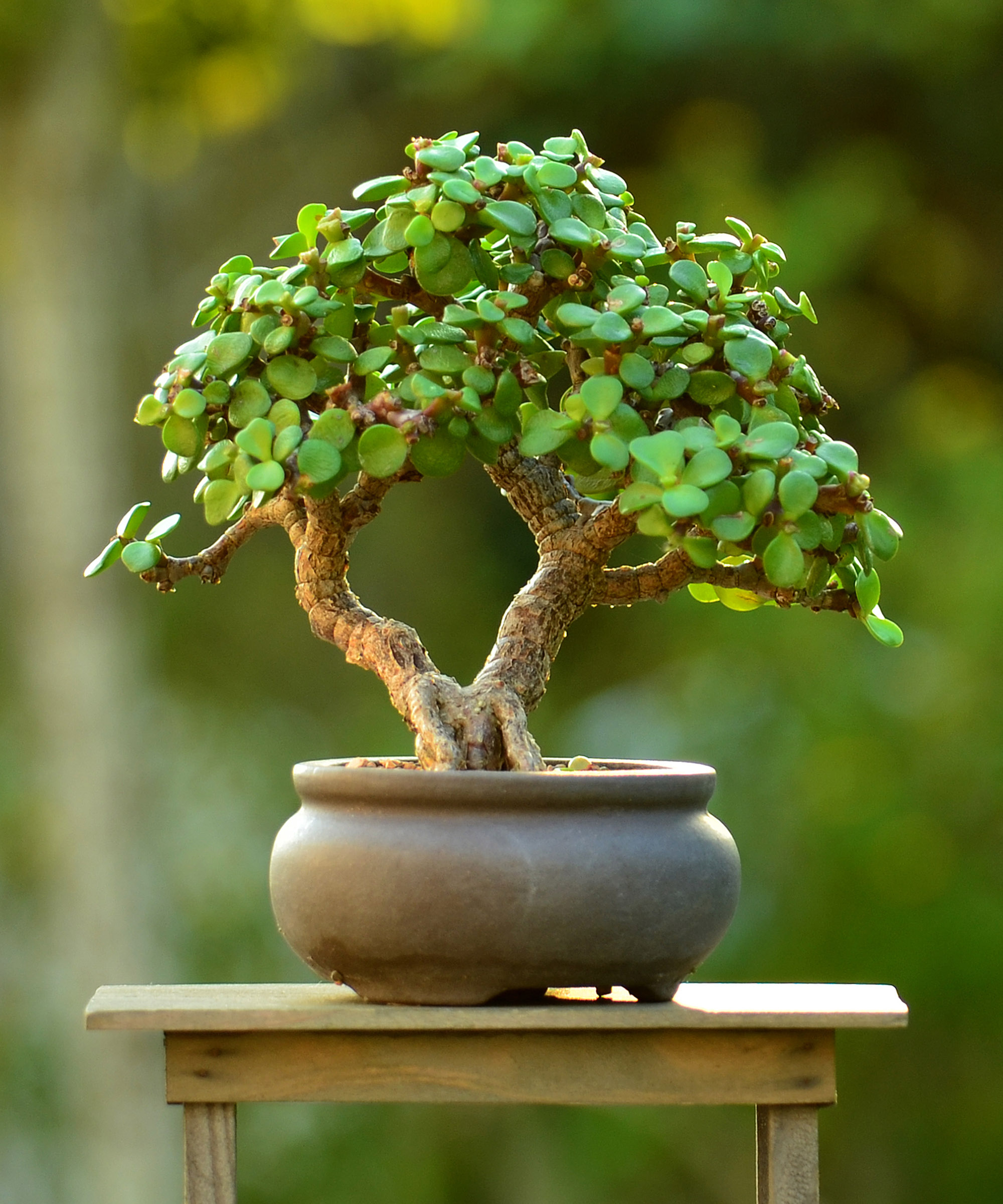
Jade plants do best with nights around 50–55°F (10–13°C). A plant that summered outdoors can stay out through the first cool nights. Bring it inside once nights regularly drop below 50°F (10°C). Colder nights can damage the leaves, and temperatures much below 40°F (4°C) can kill the plant.
Indoors, place the plant in front of the sunniest window in the house. If it sits lower than the glass, use a plant stand to raise the height, like Walmart's Mainstays metal plant stand. Some leaves may drop after the move, but firm, green leaves that fall off now are usually a reaction to the change, not a sign of disease.
5. Rotate the Pot Regularly

(Image credit: South_agency / Getty Images)
Jade stems bend toward the window, and in weak winter light the lean shows up faster. A plant left facing one way from now until March can end up noticeably lopsided. Turn the pot a quarter turn every time you water so a different side faces the glass. It won't pull a badly stretched plant back upright; it just keeps new growth from piling onto one side.
Old jade plants get heavy, too, and a hard lean can tip a light plastic pot right over. A wide clay or ceramic pot is steadier, but switching pots is a spring job.
6. Inspect for Pests
(Image credit: Getty Images)
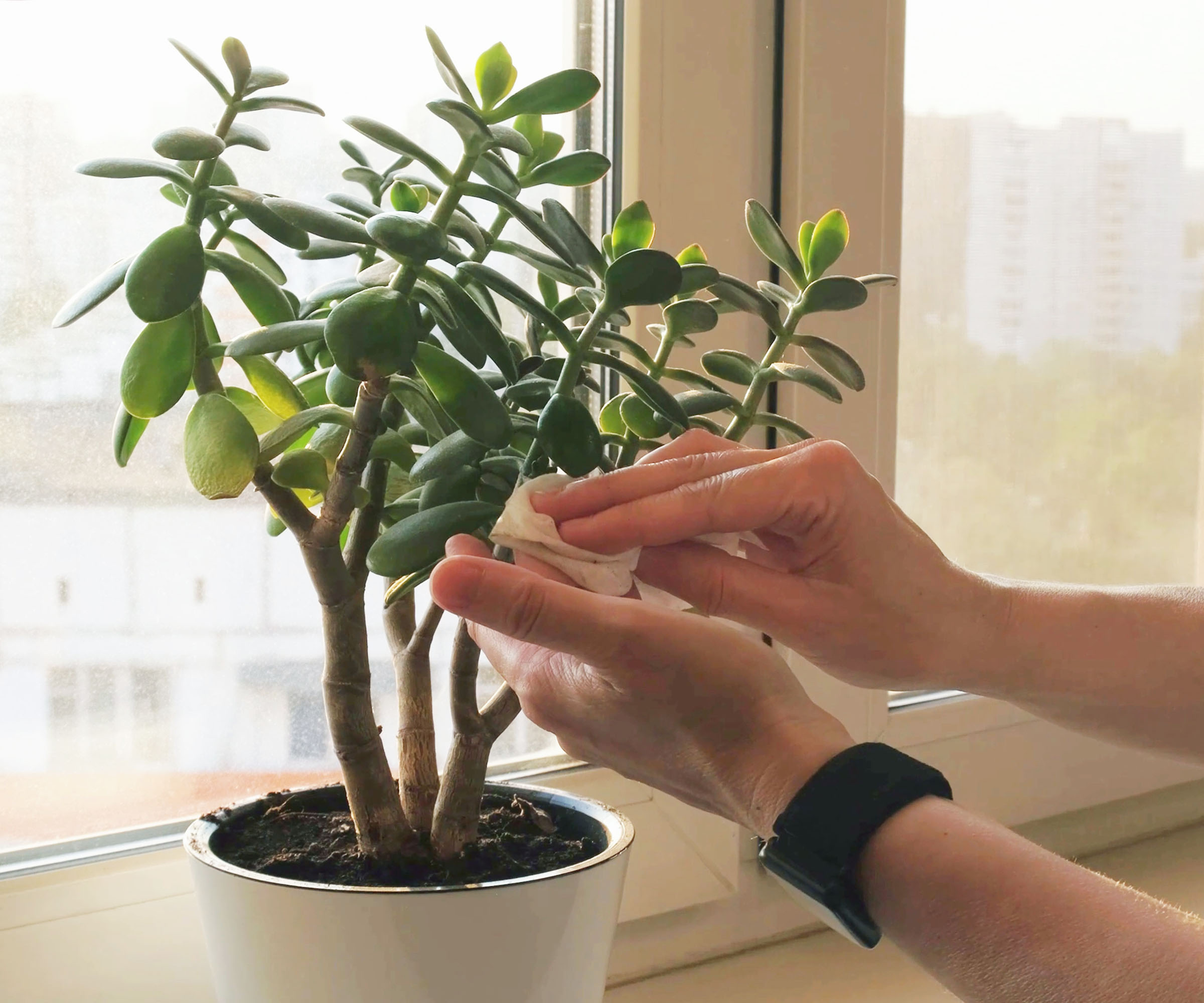
Inspect the plant before bringing it inside, since outdoor pests spread quickly indoors. The most common culprits are mealybugs and scale. Start with the stems and leaf joints, then turn a few leaves over and check the undersides.
- Mealybugs look like small bits of white cotton packed into those joints and the forks between branches. Rubbing alcohol (available cheaply at Walmart) on a cotton swab takes them off. Test it on one leaf first. Skip insecticidal soap, because it can damage jade leaves.
- Scale is harder to see. Its bumps are flat and tan or brown, stuck tight along the stems and leaf veins, and the leaves or the soil underneath often feel sticky. A fingernail or a toothpick works to remove them.
7. Hold Off on Major Pruning or Repotting

(Image credit: JulieK2 / Shutterstock)
Heavy pruning and repotting are easier on a jade plant once it's actively growing again, so save both jobs for spring. There's rarely any rush – these plants can live happily in a snug, root-bound pot for years. Rot or a broken branch is the exception.
Cut soft or damaged stems back to healthy tissue with clean tools. Fiskars micro-tip pruning snips, available at Home Depot, have a narrow, curved blade that fits into tight branch forks. Come spring, a jade that needs a bigger home does well in a clay pot with a drainage hole, like this Vigoro terra cotta clay pot from Home Depot. Fill it with cactus mix, like Espoma Organic Cactus Mix from Walmart, for fast drainage.
Jade Plant Care Essentials
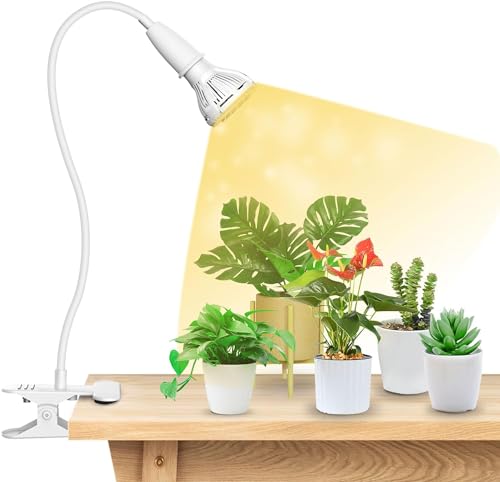
Sansi Clip-On Gooseneck LED Plant Light
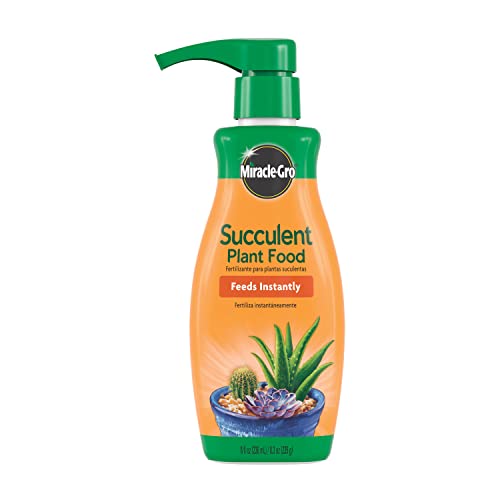
Miracle-Gro Succulent Liquid Plant Food
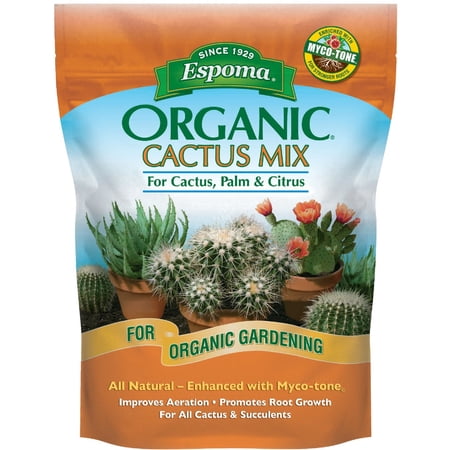
Espoma Organic Cactus Mix
By March, a jade plant that spent the winter dry and in good light should look a lot like it did in October. That's a good outcome. Every so often a mature plant does more than that and blooms, with small clusters of white or pale pink flowers opening at the branch tips after a run of cool nights for an even better show.















 English (US) ·
 French (CA) ·