

 6 hours ago
2
PROTECT YOUR DNA WITH QUANTUM TECHNOLOGY
Orgo-Life the new way to the future Advertising by AdpathwayEditor’s note: This piece is part of Bay Nature’s Community Voices, a new section of our website where Bay Nature readers who aren’t journalists can contribute tributes, opinions, essays, and other writing. They represent the views of the authors, who are also responsible for the facts in them. To submit an idea for a piece, email [email protected].
California’s clean air, clean water, and wildlife are under attack. Even as the Trump administration takes aggressive action to roll back critical federal environmental protections in California, there are oil companies, private utility corporations, and data center and warehouse developers trying to reduce state environmental protections by putting Prop 45 on the November ballot.
Prop 45 would dismantle California’s bedrock environmental law, the California Environmental Quality Act (CEQA). CEQA is the state law that requires decision makers to look at the environmental and public health impacts of a project and to publicly disclose them. It requires agencies to think about how to improve the project to minimize any harmful impacts, and it’s the only law that allows the public to weigh in on land use decisions. Dismantling CEQA would threaten our clean air and water, endanger our open space, farmland and important habitat, and cost taxpayers hundreds of millions of dollars—all to increase corporate profits at our expense. It is essential that we push back against these attacks and vote NO on Proposition 45.
Prop 45 fast-tracks harmful projects and encourages developers to sue
Prop 45 lets developers fast-track a lengthy list of projects with severely reduced public oversight and accountability. Projects covered by the measure include clearcutting forests and spraying herbicide, building data centers and warehouses, new dams, landfill gas facilities, freeway expansions, and much more. Prop 45 makes CEQA nearly unenforceable for these projects, prohibiting courts from even temporarily stopping most project construction while cases are litigated.
CEQA has helped to protect water quality and habitat throughout and around San Francisco Bay. The environmental review process plays a critical role in improving projects that might otherwise have a devastating effect on the Bay’s fragile ecosystem. For example, the Mission Bay Project in San Francisco was initially proposed to include millions of square feet of office space and thousands of housing units in conjunction with a 43-acre UC campus. But project developers wanted to simply tap into the City of San Francisco’s existing sewer system, which would have increased sewage overflow into the Bay by an estimated two million gallons every rainy season. Through the CEQA process, the developer agreed to create a standalone stormwater system, improve water filtration, and even install wetlands to help offset impacts. If Prop 45 had been in place at the time, it is unlikely these benefits would have been realized.
Prop 45 also takes power away from local governments and puts it in the hands of developers. For example, it allows developers to sue cities and counties that deny projects, or even that push for mitigation measures necessary to protect public health or the environment. To understand the significance of this change, take the STACK Trade Zone Park Data Center, proposed in San Jose just 150 feet from homes and 330 feet from a daycare facility. Through the CEQA process, public agencies were able to require the developer to purchase 100% carbon-free electricity and protect workers from soil contamination. If Prop 45 had been in place at the time, the developer could have sued the agency for imposing these conditions, eroding the agency’s principal mechanism for reducing the data center’s environmental and public health impacts.
Prop 45 puts such unreasonable deadlines on environmental review and public comment that Santa Clara County said they did not believe county staff would be able to meet them. Their Office of Intergovernmental Agencies states, “while this measure is meant to reduce barriers for development, it creates difficult, if not impossible, deadlines for local agencies like the County.”
Prop 45 shifts costs onto taxpayers
Prop 45 does not reduce costs, despite the claims of the proposition. Instead, it shifts costs to taxpayers. The independent, non-partisan Legislative Analyst’s Office estimates that implementing Prop 45 is likely to cost local and state governments more than $100 million annually. This is because every planning department in the state will need to create an entirely new process for projects covered under Prop 45, which will require significant staff time. And, because this proposition is unclear in many ways, there will likely be court challenges, which will also take up resources. While some of the associated costs will be covered by applicants, many will fall to local governments, and taxpayers. If corporations are not held accountable, taxpayers have to pay for pollution cleanup costs, higher medical expenses, and larger utility bills.
There’s nothing in Prop 45 that requires lower utility bills, lower costs for consumers, or lower housing prices. But, if you follow the money, you can see who will benefit. The measure is bankrolled by data center developers and other polluting corporate interests. Some of the major funders include the California Chamber of Commerce, investor-owned utilities like SoCal Edison and PG&E, Prologis and the California Resources Corporation (who are building data centers), the California Building Industry Association, and other special interests.
Get Bay Nature’s Free Weekly Newsletter
Urban infill housing is already exempt from CEQA. Prop 45 makes it easier to build sprawl housing and other undesirable projects.
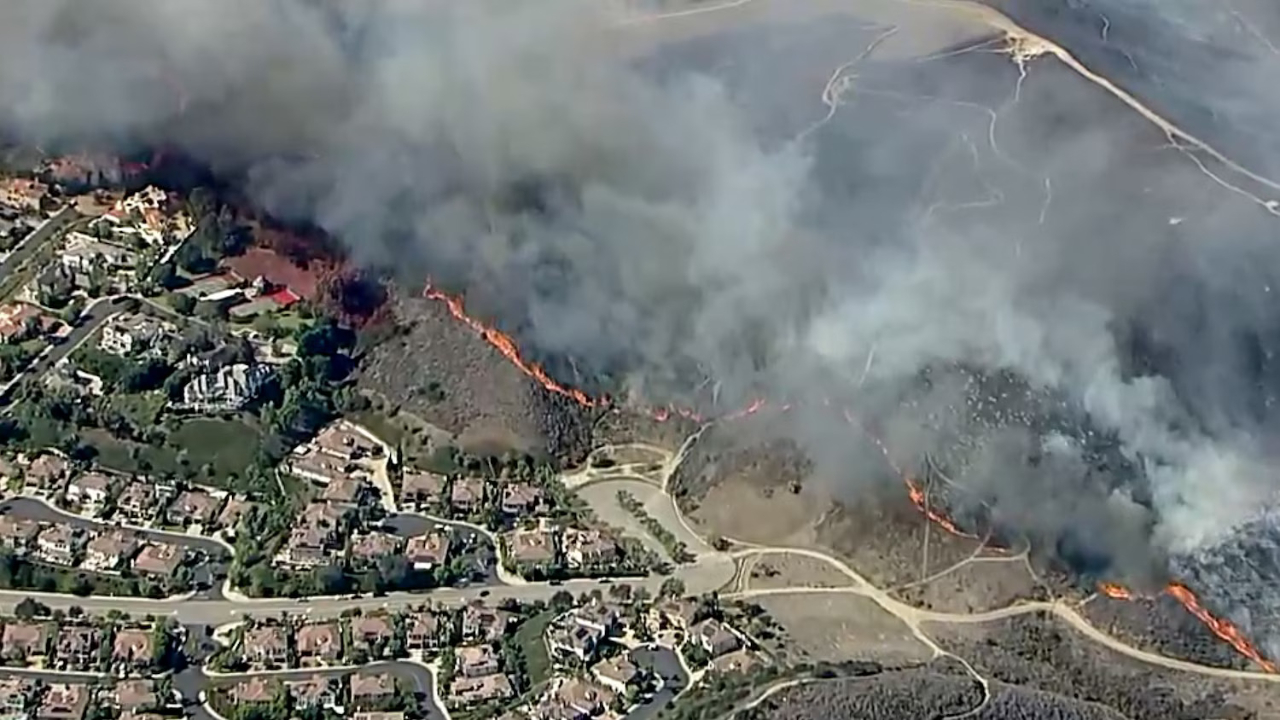
Prop 45 also does nothing to make housing more affordable, even though the ballot measure implies that it will. In fact, most urban housing projects—the kind of climate-friendly infill development we need—are already allowed to bypass environmental review entirely, thanks to legislation passed last year. Instead, Prop 45 would clear the way to build sprawling subdivisions that destroy open space, habitat, and farmland, increase greenhouse gas emissions, and increase wildfire risk. This is one of the reasons why California Professional Firefighters, the largest statewide labor organization for fire personnel, opposes Prop 45. According to Darrell Roberts, the president of the organization, “Prop 45 guts the public review process that keeps our communities safe and healthy, both in assessing the ability for firefighters to respond to emergencies and in the prevention of toxic exposure risks. California’s communities cannot afford Prop 45’s attempt to undermine necessary safeguards that protect the public.” Building in high fire hazard areas increases insurance premiums for everyone, and sprawling development like this forces taxpayers to subsidize the expense of roads, utilities, police and fire protection for new developments, usually filled with the most expensive luxury homes.
Data centers are being proposed across the Bay Area, in Oakland, San Francisco, San Jose, and more, and communities are pushing back, concerned about their energy and water usage, the air and noise pollution, the loss of open space, and impacts to public health. Despite the claims of those supporting Prop 45, many legal experts agree the measure would apply to data centers. Plus, data center developers have given millions to the Yes campaign, so it is highly likely that they stand to benefit. If there’s any question at all, voters shouldn’t take the risk. If Prop 45 passes, it would limit environmental review and public oversight, and reduce the opportunity for communities to weigh in. In particular, it would weaken the ability of cities and counties to require data center developers to put limits on energy and water consumption, protect ratepayers from spiking electricity bills, address noise pollution, and direct data center developers toward more appropriate locations.
Prop 45 is a corporate-funded rollback of our most critical environmental and public health protections, putting our environment and communities at risk while we are forced to subsidize the profits of wealthy corporations. Join the over 450 organizations and elected officials who are opposing Prop 45, including conservation organizations, good government and environmental justice groups, labor groups, public health organizations, teachers, nurses, and firefighters. Vote no on Prop 45.















 English (US) ·
 French (CA) ·