

Planting bulbs is a beautiful act of faith – and a classic act of delayed gratification. Tucked in cool soil, they are packed with the promise of spectacular blooms months down the road. Yet, while spring-flowering hardy bulbs like tulips, daffodils, and crocuses require freezing winter chill to trigger their bloom cycles, many summer bloomers originate in tropical and subtropical climates and won’t survive the cold.
When left in cold, sodden winter earth, tender bulbs, corms, tubers, and rhizomes face catastrophic cell damage, and wet winter soil causes rot. Combined with cold winter rain and melting snow, unlifted tender bulbs can quickly succumb to fungal rots long before spring arrives. Knowing how to store bulbs over winter, and knowing which need storage, can save your time, effort, and flowers.
Depending on your hardiness zone and bulb variety, lifting and overwintering these tender beauties is a rewarding fall ritual. Southern growers might be able to get away with leaving their bulbs in the ground beneath a thick mulch, but if you live in zones 7 and colder, you are strongly advised to dig them up and store them indoors. By acting now, you can protect your summer favorites from winter freezes, saving money while ensuring your yard is more floriferous next summer.
Tender Bulbs to Lift
Before grabbing your spade, it’s worth identifying whether you are handling bulbs, tubers, corms or rhizomes. These are all often lumped together under the umbrella term of bulbs, but the following summer bloomers represent a fascinating variety. True bulbs like lilies consist of layered scales. Dahlias grow from swollen tuberous roots or tubers. Gladiolus form solid, disc-shaped corms, while cannas and callas expand via fleshy horizontal rhizomes. That said, all tender summer rootstocks share identical winter vulnerabilities and require careful fall lifting.
Timing is key to lifting successfully. For most tender varieties, the ideal window opens immediately after your region's first light frost blackens top foliage, signaling the plant to transfer energy into underground storage. However, don’t delay until the ground freezes solid, as frozen crusts make excavation tough and expose tender root crowns to sub-surface chill. In hardiness zones 3-5, lifting typically peaks around mid-to-late October. In mid-Atlantic and transitional zones 6-7, late October through early November provides the ideal window.
(Image credit: Maryviolet / Getty Images)
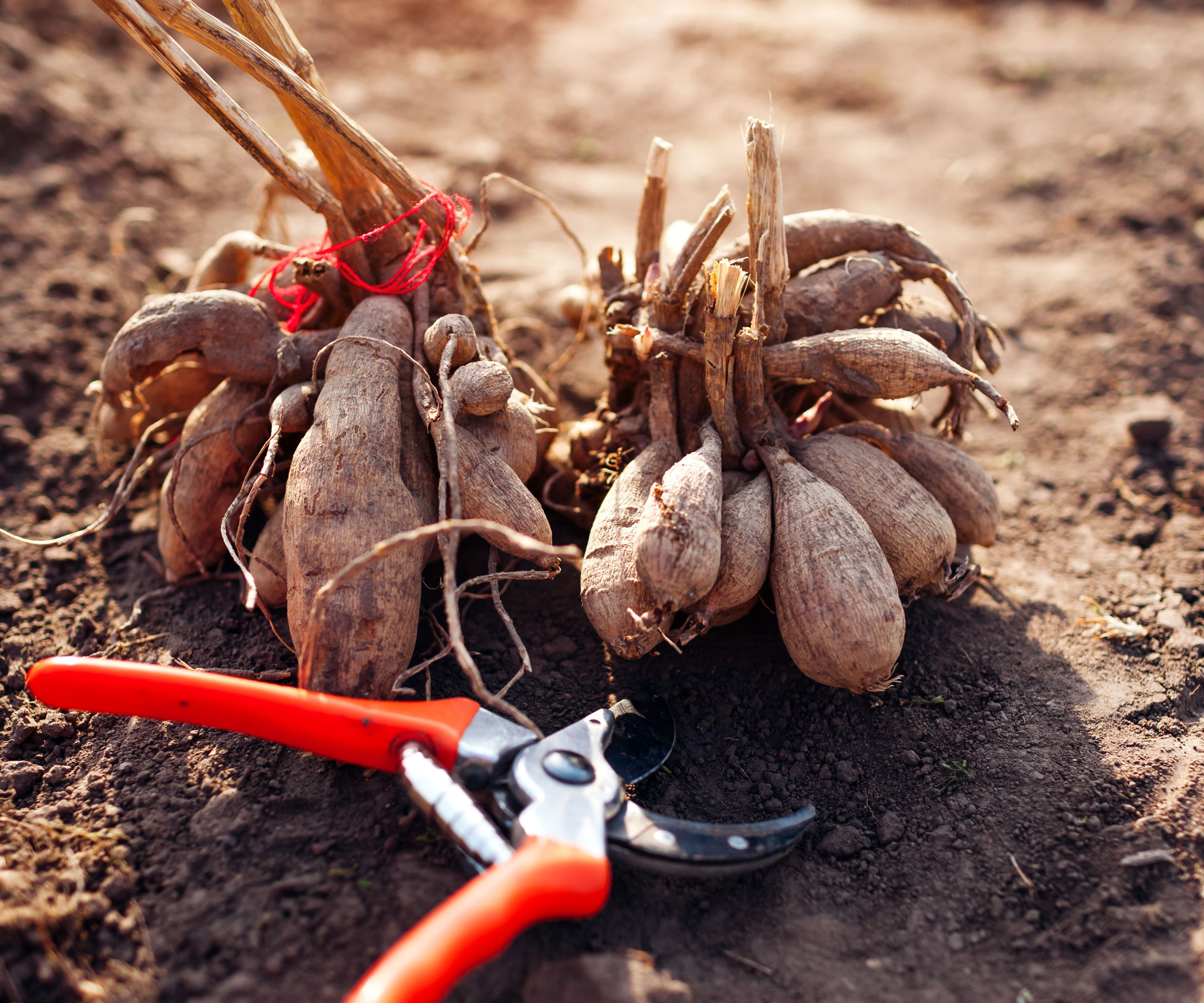
Use a garden fork, like the Trooper D-Handle Garden Fork from Walmart, to lift your bulbs, tubers and corms cleanly. Insert the tines 8-12 inches (20-25cm) from the main stems. Gently lever the clump out, brush away loose dirt, and allow them to cure in a dry, ventilated, frost-free location for several days to a few weeks.
Once outer skins toughen, pack them in breathable cardboard boxes or plastic crates cushioned with dry vermiculite, perlite, wood shavings, or peat-free coir. Store in a cool, dark space maintaining 40-50°F (4-10°C), such as an unheated basement or insulated garage. Check them monthly for signs of rot or shriveling.
1. Dahlias

(Image credit: Alex Manders / Shutterstock)
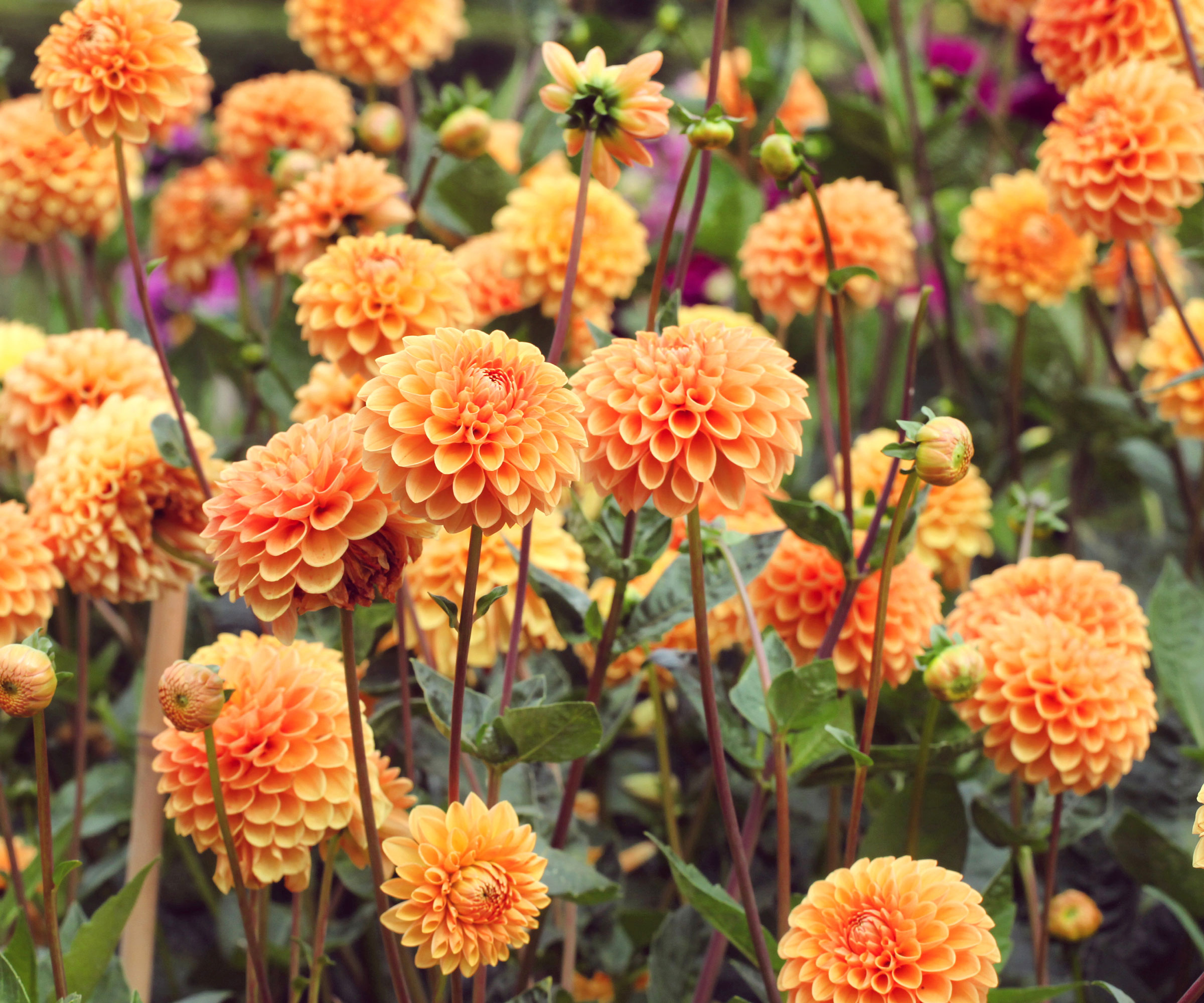
Dahlias (Dahlia spp.) can be the jewels of a fall border. However, their fleshy tuberous root systems originate from the warm mountain highlands of Mexico and cannot tolerate freezing soil. Leaving prized varieties like Café au Lait or Kelvin Floodlight in the ground in zones 7 or colder can be a death sentence. Wait until the first frost nips the plant, turning the leaves brown or black. This shock signals the plant to go dormant and pull its final starches into the roots.
Using sharp bypass pruners, cut the stems down to 4-6 inches (10-15cm) above the soil. Carefully fork beneath the clump, lifting the tubers whole. Gently wash off heavy clinging soil and let the tubers dry in an airy, shaded spot for 2-3 days. Dust cut stem ends with sulfur powder or cinnamon to prevent fungal rot, then pack the tubers in crates of coir or dry vermiculite like Sta-Green Vermiculite from Lowe’s, storing them at 45-50°F (7-10°C). Check periodically and if tubers wrinkle, mist lightly with water.
2. Gladiolus
(Image credit: Irina Dobrolyubova / Getty Images)
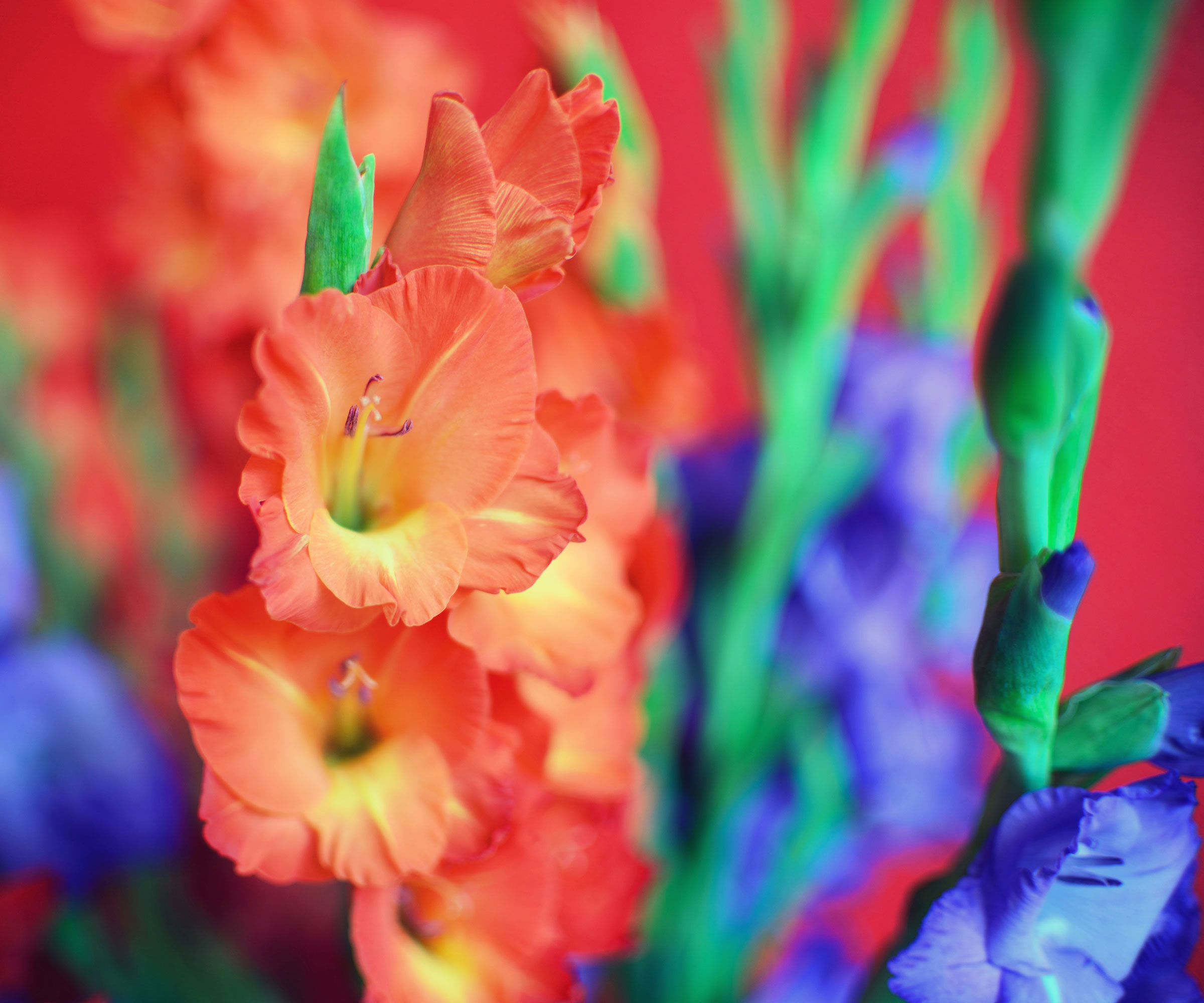
Loved for their vertical flower spikes, gladioli (Gladiolus × hortulanus) grow from corms. While miniature Byzantine gladiolus can tolerate mild chills, large-flowered modern hybrids lack cold hardiness and turn into watery rot when left in frozen ground across zones 7 and below. You can begin lifting gladiolus corms once the foliage turns yellow, or immediately after the first light frost – whichever comes first.
Use a hand fork to loosen the soil around the base of the stems, gently pulling the corms upward by their leaf bases. Cut the foliage back cleanly with some shears or snips such as Fiskars Micro-Tip Pruning Snips, available from Amazon, which can trim stalks without tearing skin. Leave an inch (2.5cm) of stem attached to the corm.
Curing is essential, so place the corms in a warm, dry, well-ventilated room (70-75°F / 21-24°C) for 2-3 weeks. Once cured, the new, plump corm separates easily from the spent mother corm. Snap off and discard the old bottom corm along with loose, papery tunics, saving tiny cormels for propagation. Store clean corms in breathable mesh bags or open cardboard cartons in a cool, dark room at 40-45°F (4-7°C).
3. Canna Lilies
(Image credit: Aimintang / Getty Images)
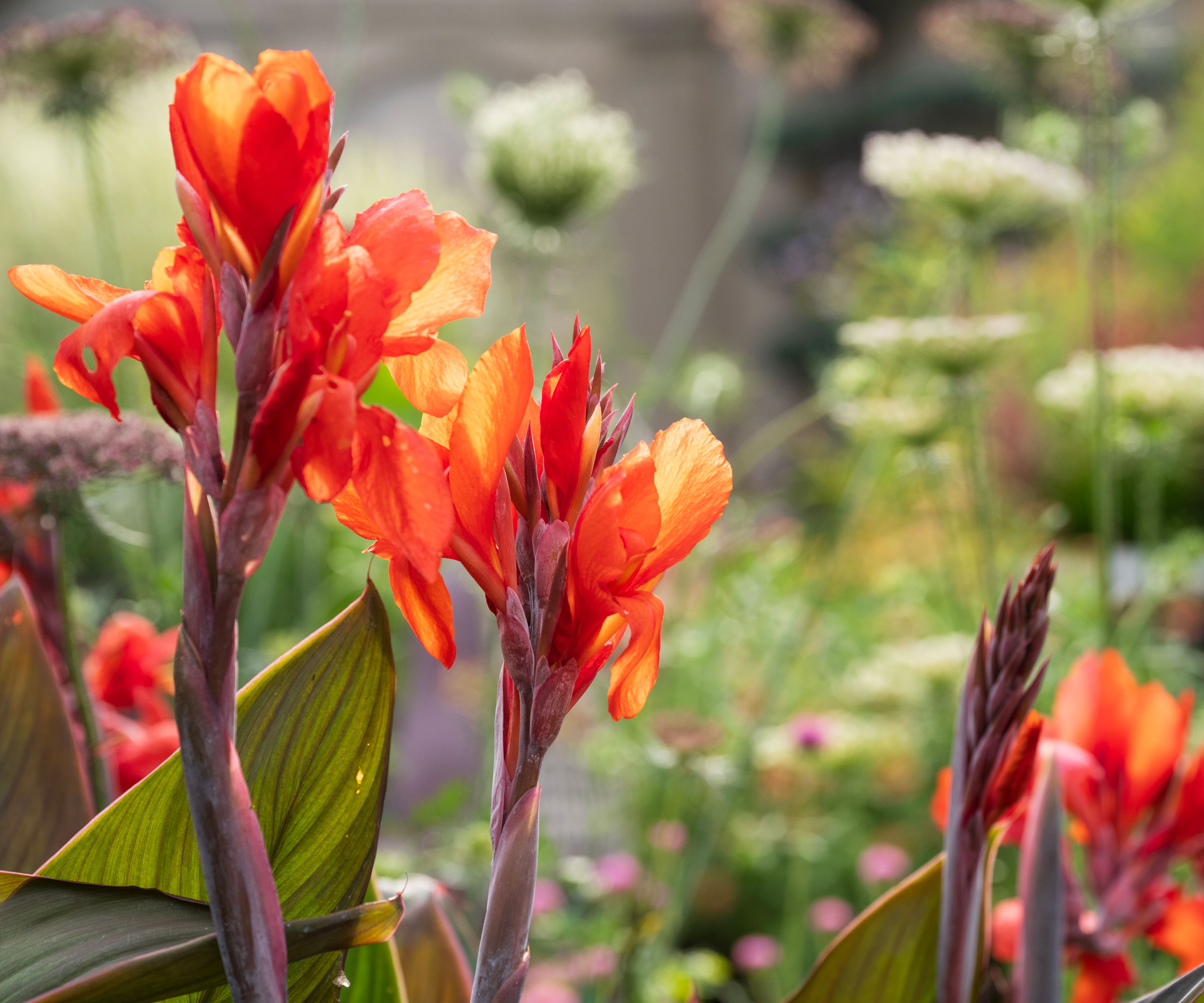
With their paddle-shaped leaves and fiery blossoms, cannas (C. indica) bring lush drama to patios and borders. Striped purple-and-gold Tropicanna or dark-leafed Australia make striking centerpieces. However, the rhizomes cannot endure freezing temperatures. In zones 7 and below, frost turns them into mush if left unprotected. Allow the first killing frost to blacken the foliage. Cut the thick stalks back to 3-4 inches (8-10cm) above ground level. Cannas produce dense roots, so dig wide around the clump using a sturdy fork, gently levering the rhizome mass from the soil.
Unlike other bulbs, canna rhizomes benefit from keeping a light layer of dry soil clinging to the outer skin, which cushions dormant eyes and prevents moisture loss during storage. Allow the lifted clumps to dry in a protected, frost-free shed or garage for a couple of days. Pack them snugly into cardboard boxes lined with damp peat moss, shredded paper, or vermiculite, maintaining temperatures around 45-55°F (7-13°C). Nourish the planting site with a little mushroom compost once cannas are lifted. Some Espoma Organic Mushroom Blend Compost from Walmart can help to replenish the ground ahead of next year’s plantings.
4. Tuberous Begonias
(Image credit: Danita Delimont Creative / Alamy)
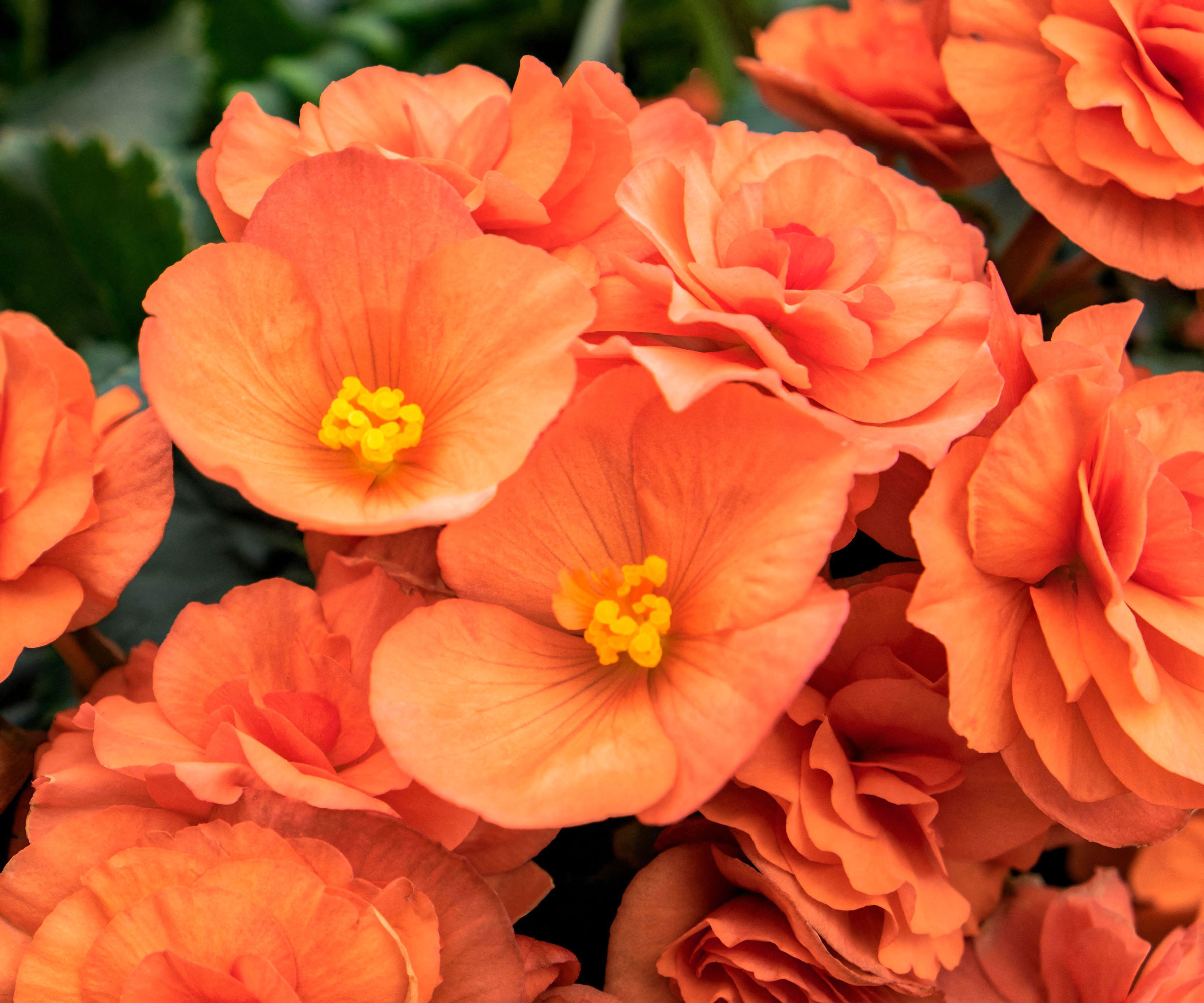
Tuberous begonias (B. × tuberhybrida) produce dazzling, rose-like double blossoms through summer and early fall. But under their succulent stems lie cup-shaped tubers that are sensitive to cold, wet conditions. Leaving them in freezing soil causes swift rot. Begin the overwintering process when nighttime temperatures dip toward 45°F (7°C), before heavy frosts. Withhold watering to encourage the plant to wind down naturally. As moisture declines, the succulent stems will loosen. Gently cut or snap the stems back to an inch (2.5cm) above the tuber. Carefully lift the round tubers using a trowel, taking care not to gouge the skin.
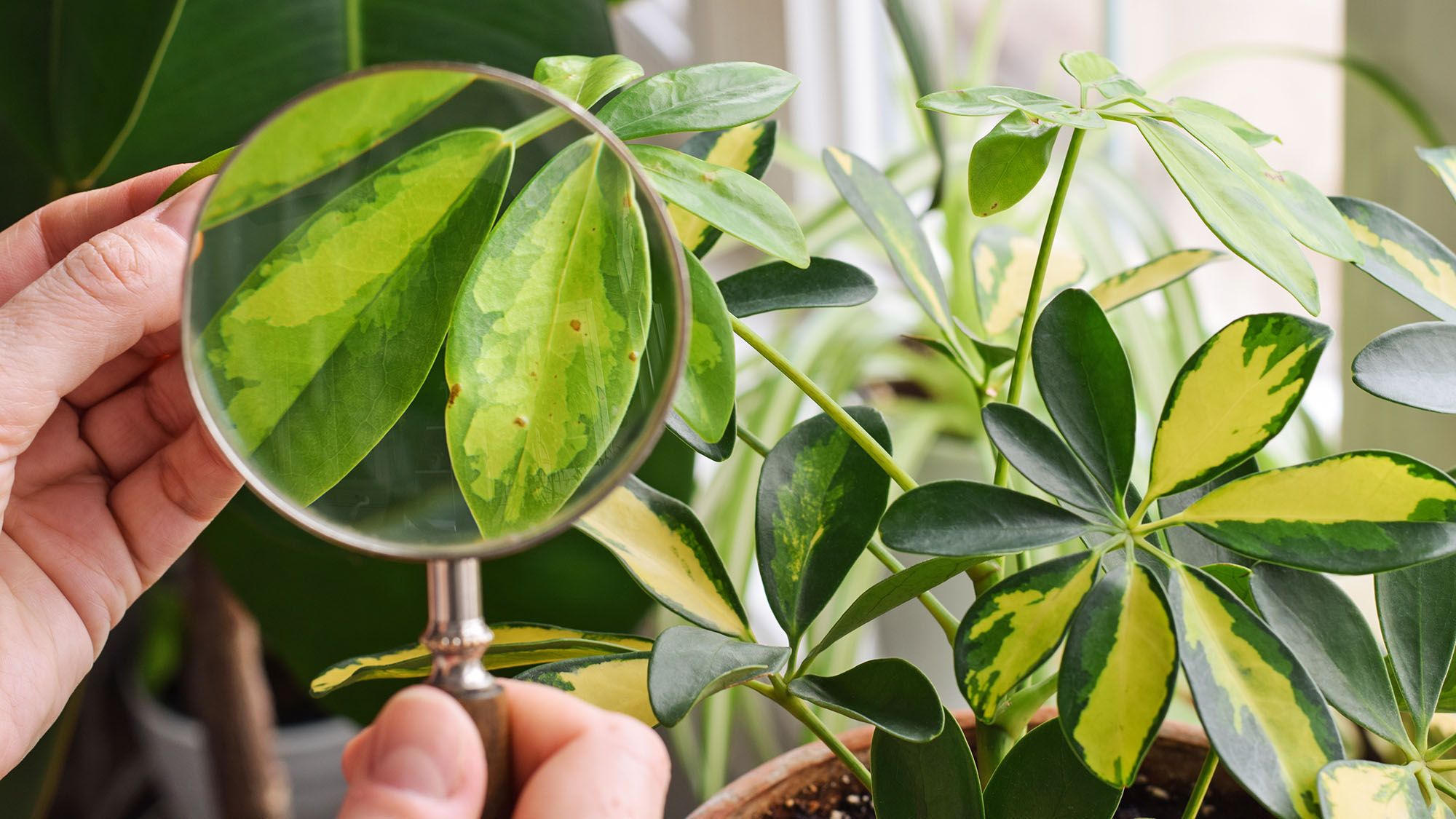
Spread the tubers out in a single layer on newspaper in a warm, dry, frost-free room for 2-3 weeks until the stem stubs shrivel and drop. Once cured, brush away dried soil and store the tubers hollow-side up in shallow trays filled with dry peat moss, perlite, or sawdust. Keep them in a dark, dry space at 45°F to 55°F (7°C to 13°C), checking monthly to discard any soft or rotting tubers. A 10x stand magnifier such as the Carson LumiLoupe 10x Power Stand Magnifier from Walmart is ideal for closely inspecting delicate tuber indentations for early mold or soft rot before storage.
5. Caladiums
(Image credit: Gina Kelly / Alamy)
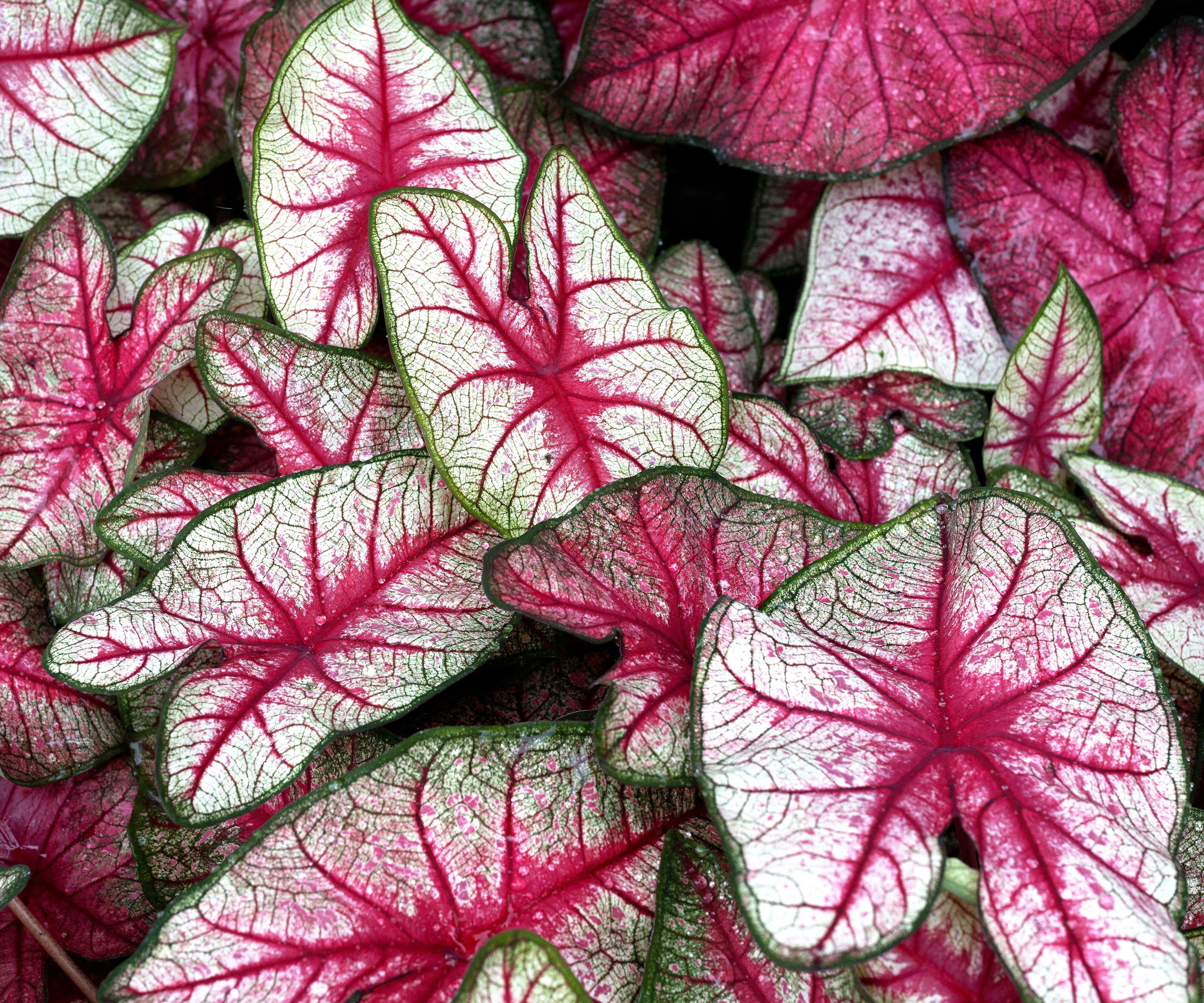
With their heart-shaped leaves splashed in luminous shades of white, pink, rose, and emerald green, caladiums (C. × hortulanum) are native to South America. Evolved in warm tropical soils, their tubers are more sensitive to chilling than dahlias or cannas. Exposing their tubers to soil temperatures below 55°F (13°C) can prevent them from sprouting again. Don’t wait for frost to lift your caladiums: lift in early fall as soon as night temperatures consistently drop below 60°F (15°C) and leaves lose their hues. Lift the tubers gently using a fork, keeping the foliage attached to the tuber clumps.
Curing with the foliage intact allows your caladium to draw remaining moisture and vital nutrients back into the tuber. Place plants in a warm, dry, shaded room (70°F or 21°C) for 2-3 weeks. Once the leaves are crisp, snip them off at the tuber neck. Store the knobby tubers in dry peat moss or vermiculite, keeping them warmer than other bulbs, between 60-65°F (15-18°C), in an interior closet or heated utility room. Add a sprinkle of Down to Earth Crab Meal, from Amazon to the planting site before replanting caladiums to boost disease resistance against soil-borne nematodes.
6. Elephant Ears
(Image credit: Blightylad-infocus / Getty Images)
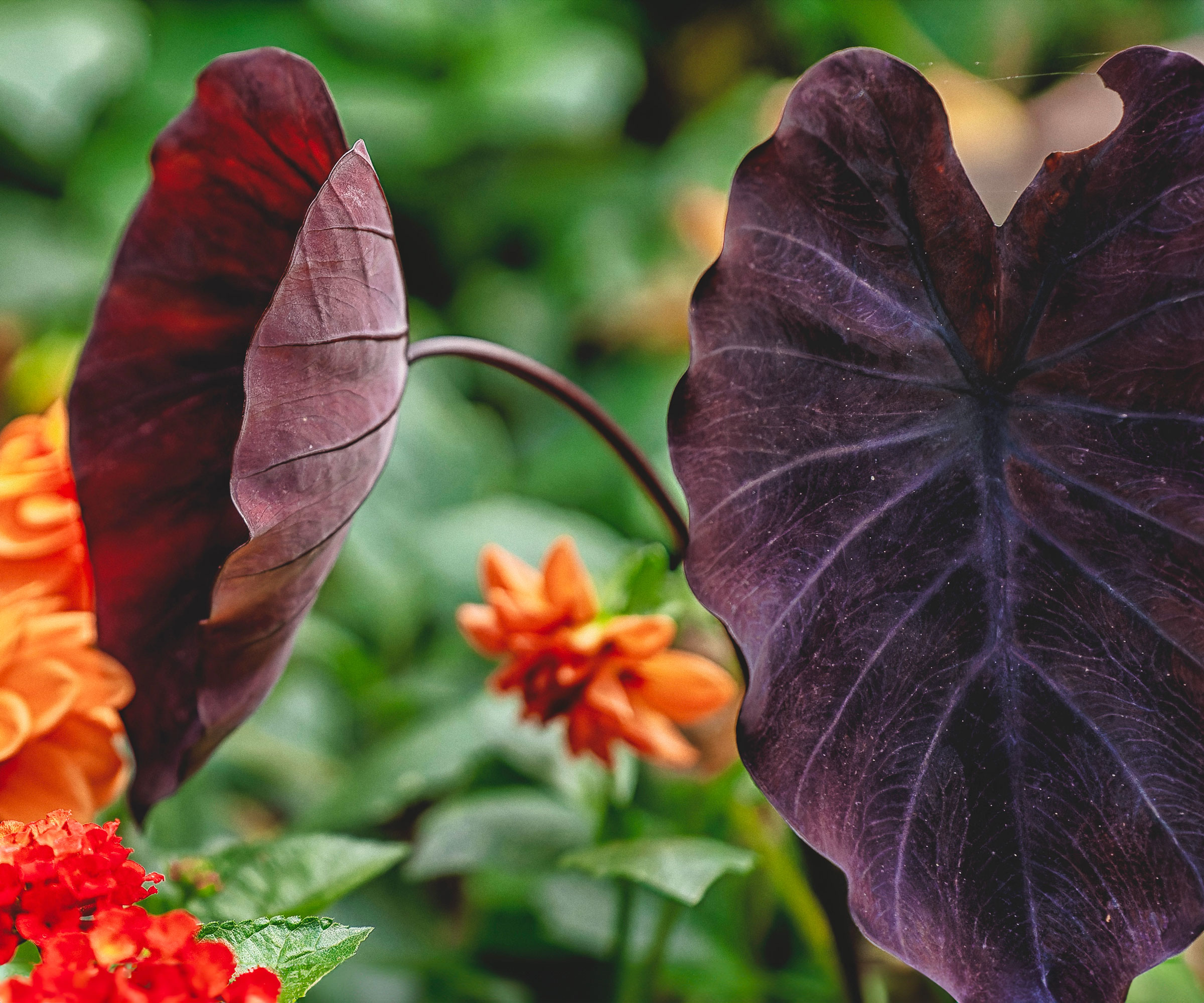
Nothing creates a jungle-like aesthetic quite like elephant ears. Whether you grow wetland-loving Colocasia esculenta (such as near-black Black Magic) or upright alocasia, these foliage giants form thick corms that hate winter mud. Hardy in zones 8-11, gardeners in colder regions must lift them before freezing weather strikes. Lift either immediately after your first light frost blackens the leaf margins or as soon as fall soil temperatures drop below 50°F (10°C). Use sharp loppers or bypass pruners to cut the stalks to 3-6 inches (815cm) above the crown. Using a fork, dig around the base of the plant to pry the heavy corm out of the earth without severing offsets.
Wash away excess soil using a hose and trim stringy roots with snips. Allow the corms to cure in a warm, ventilated spot out of direct sunlight. Cure for 2 weeks until the outer surface feels dry. Wrap individual corms in newspaper or store in crates of dry wood shavings, such as CZ Grain Wood Shavings from Walmart, or peat-free coir. Keep them in a cool, dark location between 45-55°F (7-13°C), checking occasionally to ensure they remain dry. As a side note, hardy garden bergenia shares the nickname elephant's ears. While pink-flowering bergenia (B. cordifolia) is winter-hardy down to zone 3 and stays safe in the ground, tender tropical colocasia and alocasia must be lifted before freezing temperatures arrive.
7. Calla Lilies
(Image credit: Steve Handy / 500px / Getty Images)
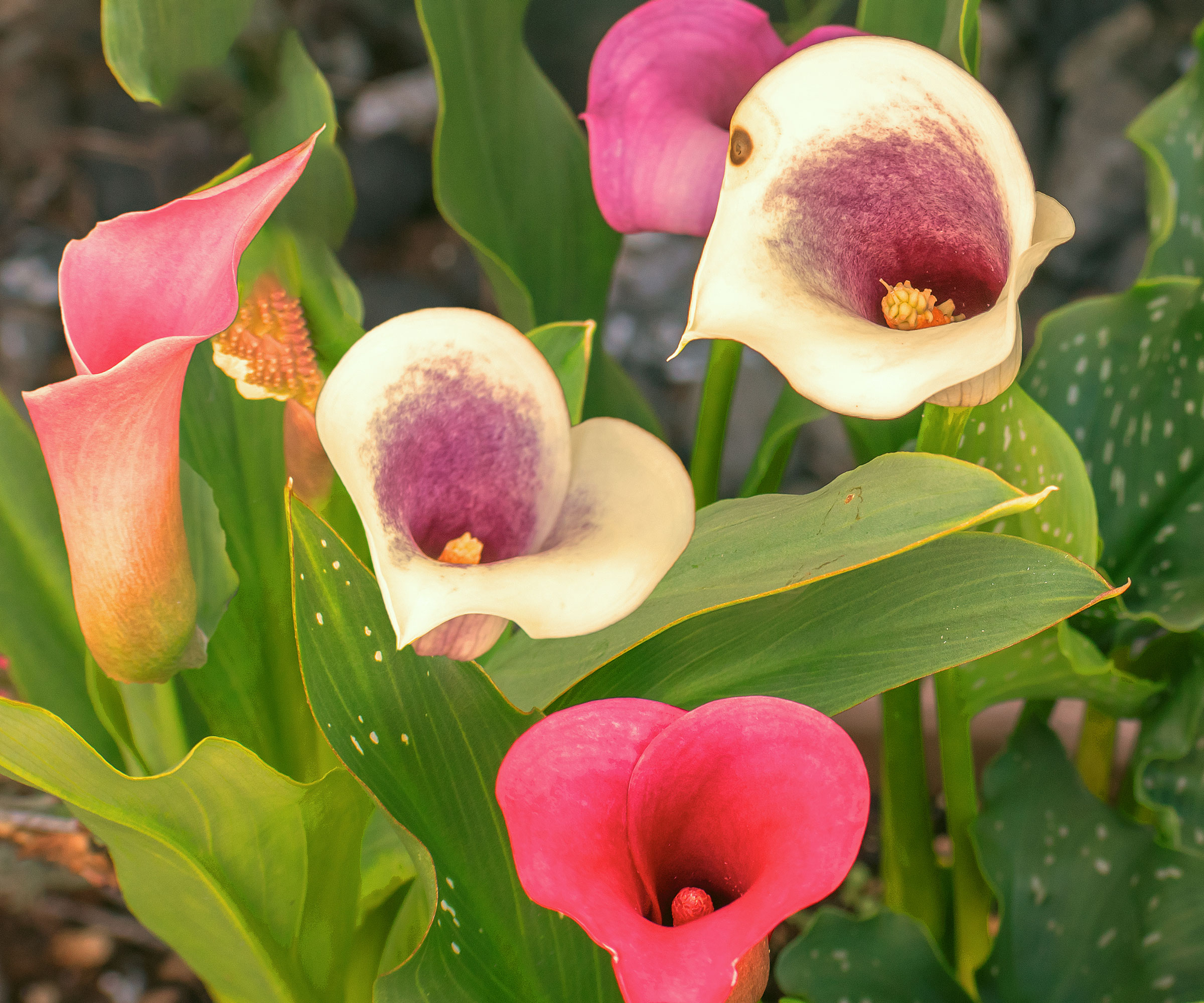
Adored for their sculptural spathes and speckled foliage, calla lilies (Zantedeschia spp.) bring sultry elegance to patio containers and garden borders. While common white callas display modest cold tolerance in mild coastal climates, colorful hybrid callas (yellow, flame-orange, lavender, and deep burgundy) grow from tender, flat rhizomes that rot when subjected to prolonged freeze-thaw cycles. Lift rhizomes once the foliage turns yellow and withers, or immediately following the first light frost. Gently lift with a hand trowel or small fork, taking care not to scratch or bruise the surface. Cut away remaining foliage stems 1-2 inches (2.5-5cm) above the crown.
Lay the rhizomes out in a single layer on slatted trays or cardboard. Leave in a warm, dry, well-ventilated space (65-70°F / 18-21°C) to cure for 2 weeks. Once cured, pack the rhizomes in dry peat moss, vermiculite, or shredded newspaper inside breathable cardboard boxes. Store in a dark, dry space between 50-55°F (10-13°C), keeping the packing material dry to prevent premature sprouting. Next spring when potting up cured calla rhizomes, add a diluted seaweed or kelp drench such as GS Plant Foods Organic Liquid Kelp from Walmart to jumpstart root growth.
(Image credit: Alex Manders / Getty Images)
Taking a little time in October to lift and store your tender summer bulbs is one of the most rewarding investments you can make for next year’s blooms. By lifting these tender classics before winter freezes hit, you protect them from cold and ensure an even more spectacular return next summer. Always label them clearly with the plant variety and flower color as you pack them away: this will make mapping out your dream borders in spring a breeze.
Need more ideas for getting the most from your plants, indoors and out, and looking for the best seasonal expert advice delivered straight to your inbox? Sign up for the free Gardening Know How Newsletter!














 English (US) ·
 French (CA) ·